Mobile Camera Lenses 20x Zoom

Explore mobile camera lenses with 20x zoom for photographing distant subjects with your smartphone. Compare phone lens options by device compatibility and attachment requirements, and check whether the stated magnification refers to the lens itself or a combination of optical and digital zoom.
Distant details depend on more than magnification

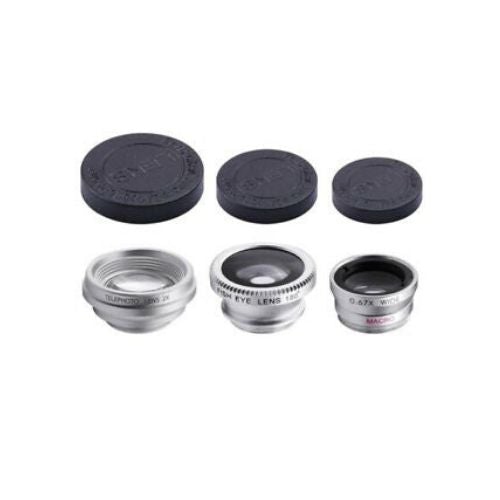
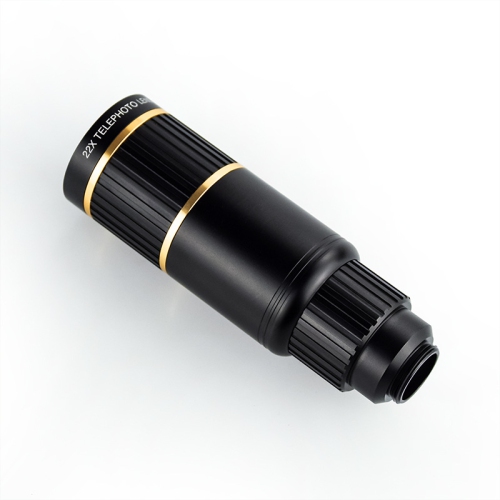
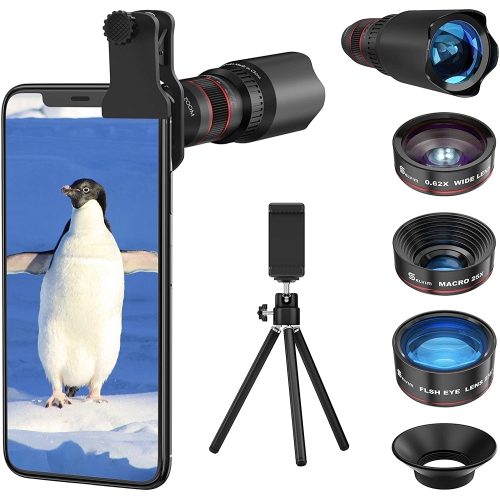
20x zoom mobile camera lenses are external telephoto attachments designed to give a compatible smartphone camera a tighter view of distant subjects. They can be useful for photographing architectural details above street level, watching a bird perched across a garden, or framing a performer from an assigned seat where photography is permitted. Many attachments described as 20x zoom lenses actually provide fixed telephoto magnification rather than an adjustable optical zoom range. That distinction matters: a fixed lens offers one magnified view, while a variable zoom lens lets the photographer change the framing through a range of focal lengths. The stated magnification also needs to be read alongside the attachment’s specifications, since it does not necessarily mean the same thing as selecting 20x in a phone’s camera app. Digital zoom enlarges or crops the camera image, whereas an external optical attachment changes the view before the phone captures it. A well-matched attachment can help retain distant detail, but the result still depends on the lens, the phone’s camera, the lighting and the steadiness of the setup. Strong magnification brings small movements into view as readily as it brings distant subjects closer, so handheld framing can feel quite different from ordinary smartphone photography. Finding a bird among branches or keeping a moving player within a narrow frame takes more patience than photographing a broad landscape. These lenses are generally better suited to distant details than group portraits, indoor snapshots or close-up subjects. Minimum focusing distance is another relevant specification, particularly when the subject is only a few metres away. Optical coatings, glass quality and accurate alignment can affect contrast, colour and sharpness, especially around bright edges or toward the corners of the image. A high magnification figure alone does not establish image quality; a clear view, manageable handling and a dependable connection to the phone are just as important to everyday use.

Fit is central to how a mobile telephoto lens performs. Clip-on attachments typically sit over a selected rear camera, while other designs use a dedicated case, threaded adapter or adjustable mounting bracket. These connections are not interchangeable, and a description such as universal should not replace a check of the supported phone dimensions and camera layout. Phones with several rear cameras need particular attention because the attachment usually has to line up with one specific camera rather than the entire camera cluster. A raised camera bump, thick protective case or nearby button can interfere with the clip or prevent the lens from sitting squarely. Even a small shift can produce dark corners, a partly blocked image or uneven sharpness. A secure mount should hold the optical opening centred without pressing unnecessarily on the screen or camera glass. Padded contact surfaces can help protect the phone’s finish, while an adjustable clip can make alignment easier across different body shapes. Automatic camera switching is another consideration: some phones change cameras according to lighting or subject distance, which can move the active view away from the attached lens. Compatibility therefore includes camera behaviour as well as physical dimensions. Construction also influences comfort and durability. Aluminium barrels can provide rigidity, while polymer components may reduce weight; neither material alone guarantees better optics or a stronger mount. Smooth focusing rings, firm connections and a lens cap that stays in place are useful details for repeated handling. A long attachment adds leverage to the phone, making a supporting bracket or suitably rated tripod helpful for extended use. The support needs to accommodate the combined weight and balance, not just hold the phone upright. A padded carrying pouch or compartment keeps the lens from knocking against keys and other hard objects in a bag. For travel or a day of sightseeing, the practical appeal often comes down to whether the lens, mount and support are comfortable enough to carry together.

Using a 20x phone lens is often most satisfying when there is time to settle the composition rather than capture a fleeting moment. A building’s carved stonework, a distant harbour marker or a stationary animal gives the photographer an opportunity to refine focus and check the frame. A tripod can reduce visible shake, and a compatible remote shutter or the phone’s self-timer can limit movement caused by tapping the screen. Optical or electronic stabilization may help, but it cannot correct every vibration or compensate for a subject moving out of the frame. Adequate light also matters because longer exposures make movement more noticeable, and an external lens cannot remove the limitations of the phone’s sensor. For video, a stable support makes a narrow telephoto view easier to watch and allows more controlled adjustments. Care is straightforward but worth making part of the routine. Loose dust is best lifted with a suitable lens blower or soft optical brush before fingerprints are gently removed with a clean lens cloth. Clothing, paper towels and abrasive cleaners can mark delicate surfaces or coatings. Lens caps protect exposed glass between uses, and a dry storage space helps keep the attachment and mounting parts in good condition. Sand or grit around a focusing ring or clip can affect movement and grip, so clean contact points matter as much as clean glass. These attachments can make thoughtful gifts for smartphone photographers interested in distant subjects, provided the recipient’s phone model and preferred case are known. For anyone comparing a phone attachment with a separate camera, 8X Zoom Cameras offers a related category to explore, although a camera’s zoom ratio describes its longest focal length relative to its widest and is not directly comparable to an attachment’s stated magnification. A suitable mobile lens ultimately balances reach with reliable fit, clear optics and a setup that feels practical to use.

FAQ

Some products may be subject to Environmental Handling Fees (EHF) depending on your province. Learn more about EHFs.