Back To School Power Banks for Keeping Devices Charged During Class

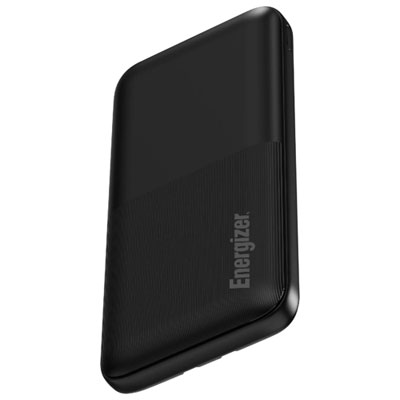
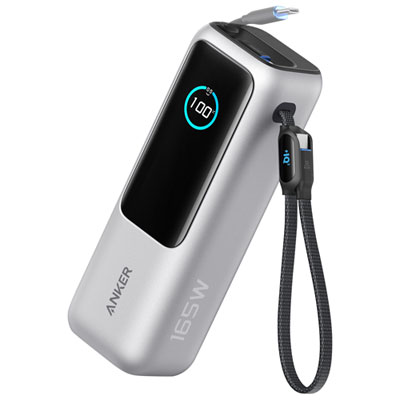
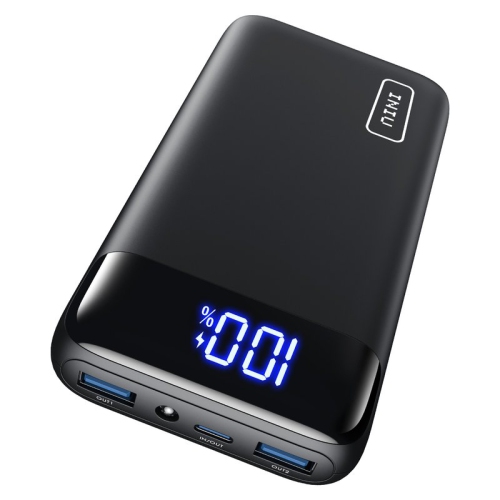
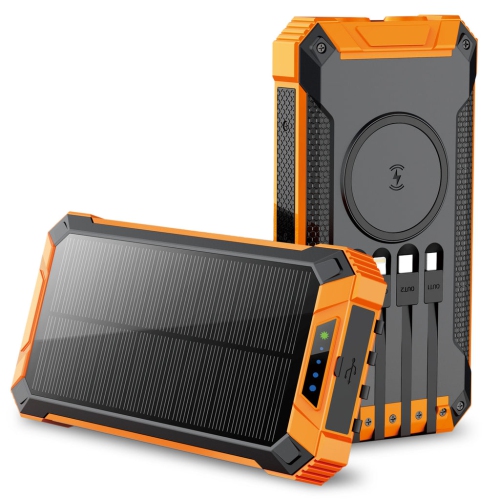
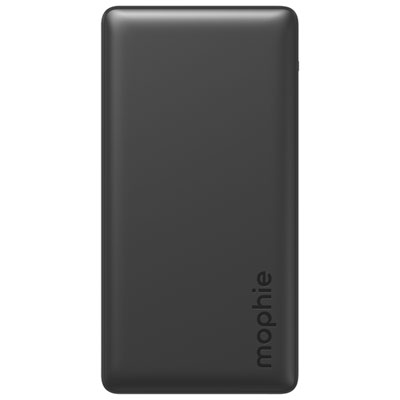
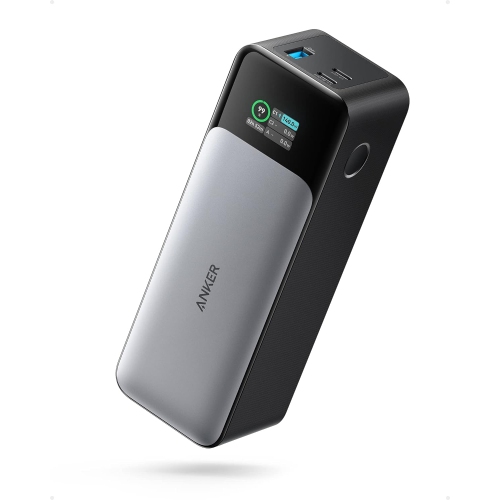
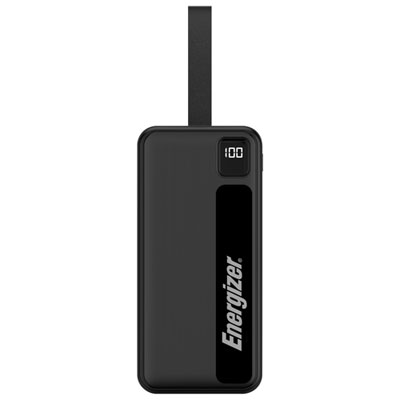
Back-to-school power banks help keep phones, tablets, and other compatible devices charged during class and between lectures. Browse portable chargers with your daily routine in mind, comparing battery capacity, size, and charging ports to find an option that fits your bag and works with your devices.
Read More

Sort

Back To School Power Banks for Keeping Devices Charged During Class
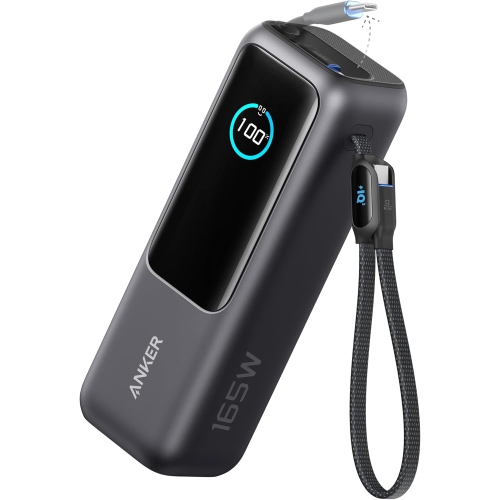
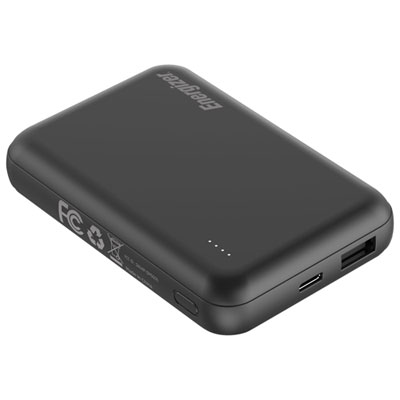
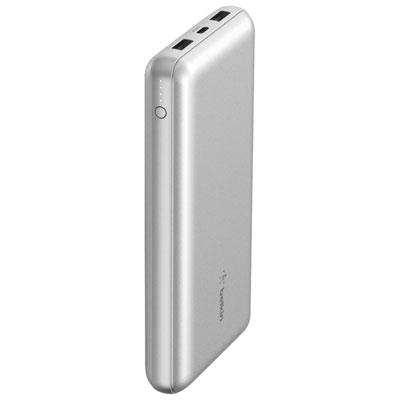
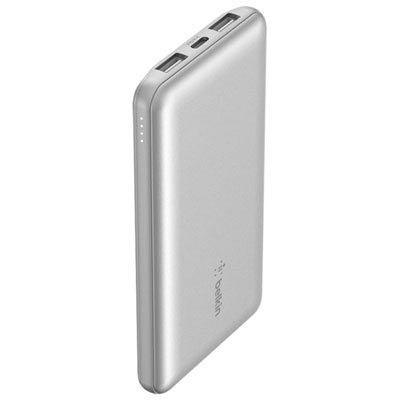
A full school day can put a phone or tablet through its paces long before the last class ends. Between checking a timetable on the morning commute, opening course readings, and coordinating a group assignment, battery life can disappear faster than expected. The Back To School Power Banks for Keeping Devices Charged During Class selection brings together portable charging options for students who want a little more flexibility when an outlet is out of reach. A power bank can sit beside a notebook during a lecture or tuck into a backpack pocket between classes, ready when a device needs a boost. For high school students, college and university students, and adults returning to the classroom, the right choice depends on what needs charging and how much time passes between opportunities to plug in. A compact charger may be enough for occasional phone top-ups, while a higher-capacity option can be more useful for long campus days that continue into an evening study session.

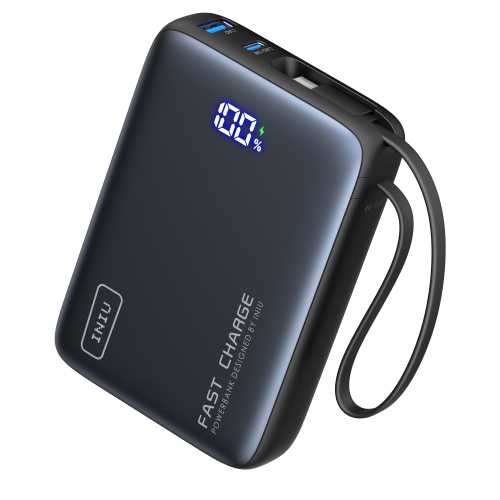
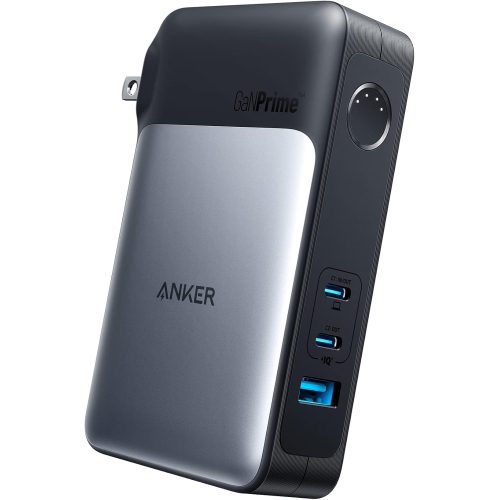
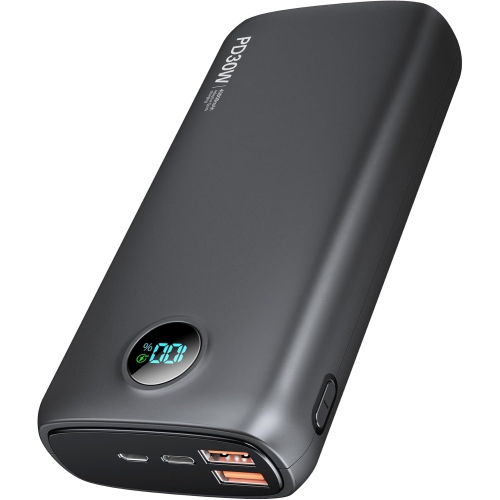
Capacity is a useful starting point, but it is only part of the picture. The milliamp-hour rating, shown as mAh, helps indicate how much charge a power bank can store; it does not translate directly into a guaranteed number of device charges. Battery size, charging losses, and using a device while it charges all affect the results. Smaller-capacity power banks generally take up less room, making them practical for light bags and short days, while larger ones typically add weight in exchange for more stored power. Output matters just as much, particularly for tablets and laptops. A power bank that charges a phone comfortably may not deliver enough wattage for a laptop, even when both use USB-C. Check the device’s charging requirements, the power bank’s supported charging protocols, and the rating of the cable you plan to use. USB-C Power Delivery can support faster charging with compatible equipment, but a USB-C port alone does not guarantee that capability. If you expect to charge two devices at once, look at how power is shared across the ports, since the output available to each device may decrease.

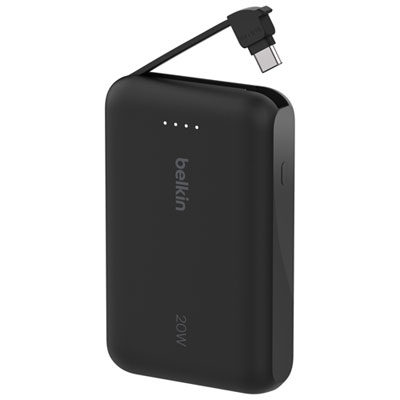
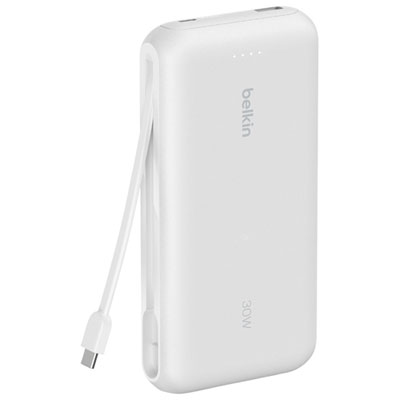
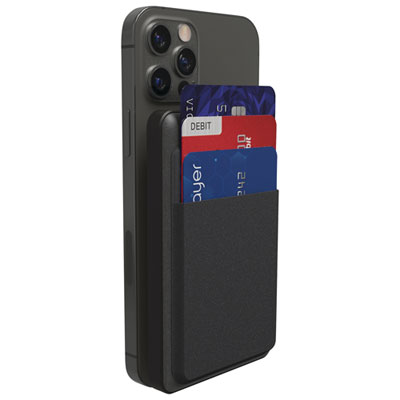
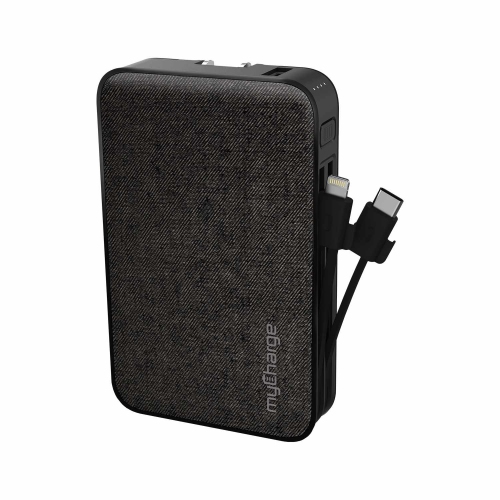
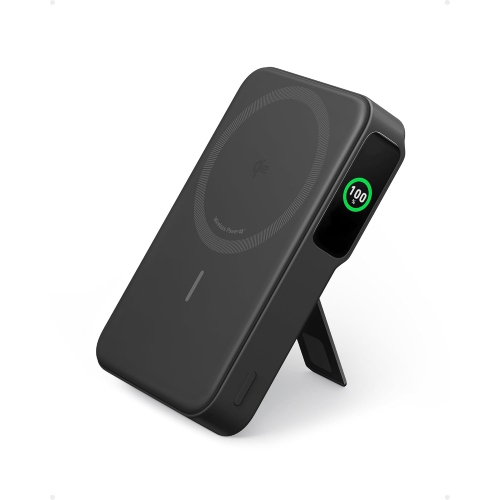
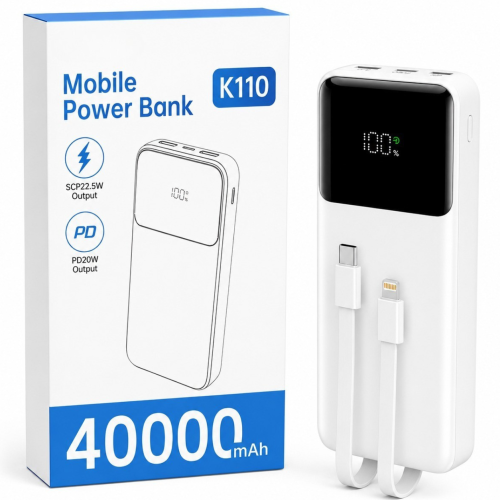
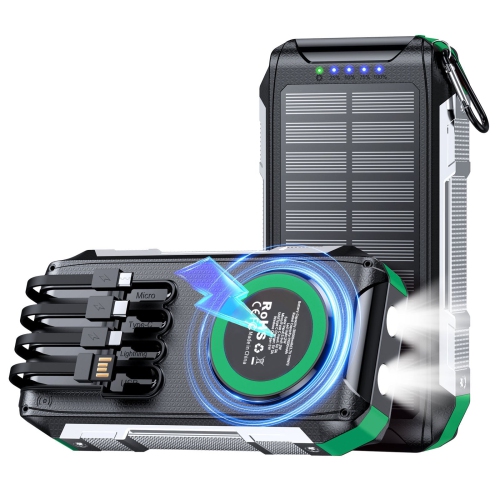
The details you notice in daily use often make the biggest difference. A slim shape is easier to slip into a crowded bag alongside textbooks and a lunch container, and a clear battery indicator lets you check the remaining charge before leaving home. Built-in cables can mean one less item to remember, provided the connectors suit your devices; separate cables offer more flexibility when switching between different charging connections. Wireless charging can be convenient for a compatible phone, though alignment and case compatibility matter, and a wired connection is often the more efficient choice. Also consider how quickly the power bank itself recharges and whether a suitable wall charger is included or needs to be purchased separately. For a student moving into residence or starting a programme with long days on campus, a power bank can be a thoughtful, practical gift, especially when paired with the correct cable. Picture the stretch between an afternoon seminar and a bus ride home: having enough battery left to review notes, check transit times, and send a quick message is a small convenience that earns its place in a school bag. Choose a size and charging setup that fit that everyday routine, and follow classroom rules about device use and charging.

Read More

FAQ

Some products may be subject to Environmental Handling Fees (EHF) depending on your province. Learn more about EHFs.