Bluetooth Single Ear
Bluetooth Single Ear devices offer a convenient solution for hands-free communication and audio on the go. Perfect for busy professionals, commuters, or anyone seeking wireless freedom, these compact earpieces deliver comfort and flexibility throughout your day. Explore a wide selection of Bluetooth Single Ear options designed to fit seamlessly into your lifestyle and keep you connected wherever you are.
Sort

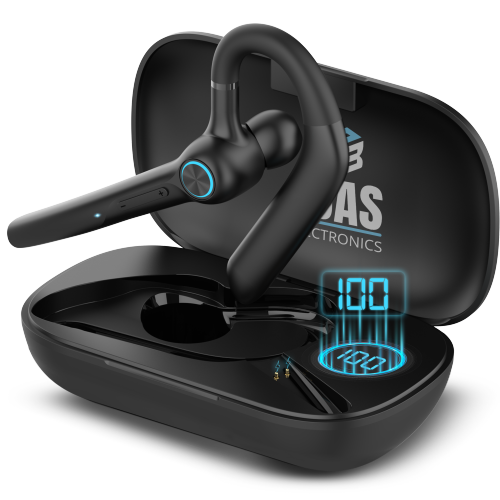
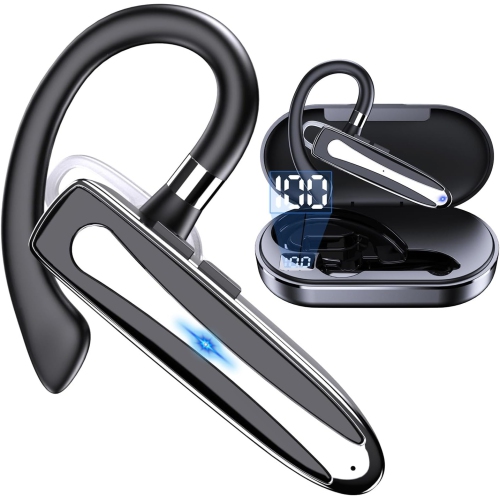
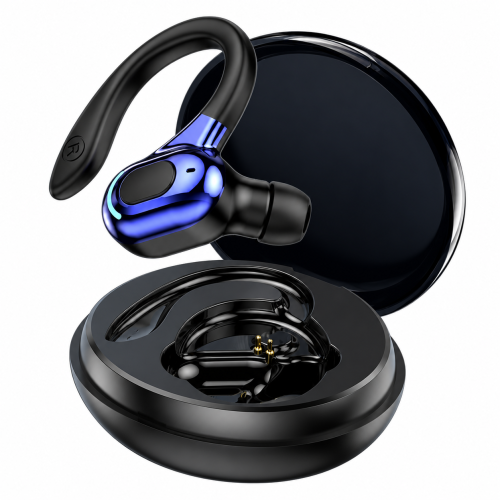
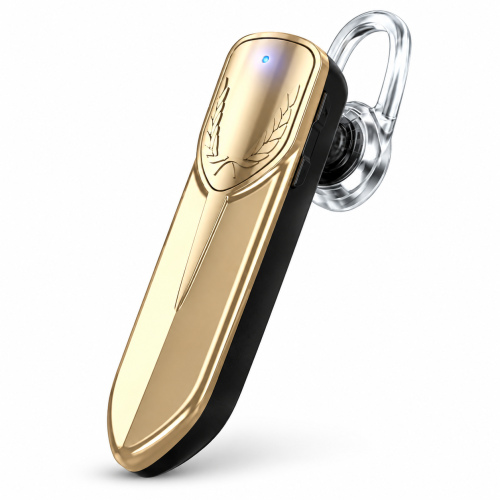

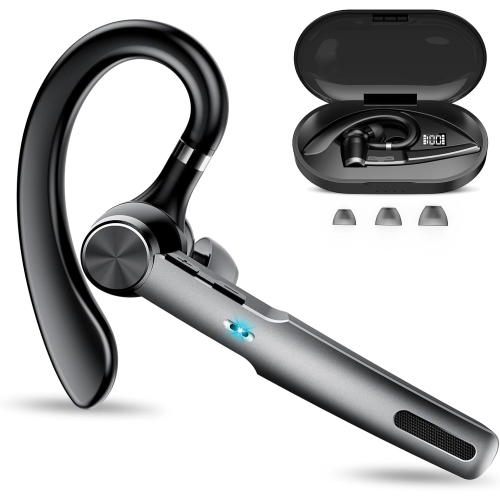
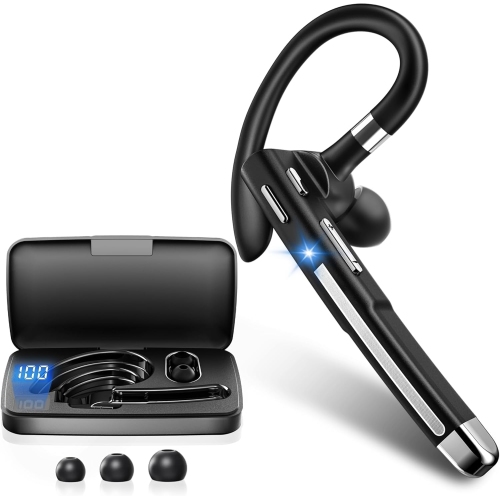
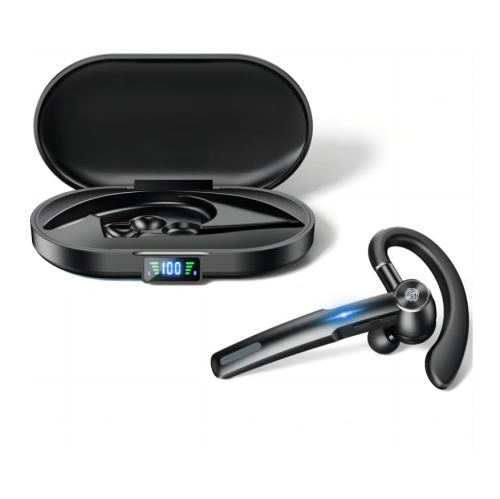
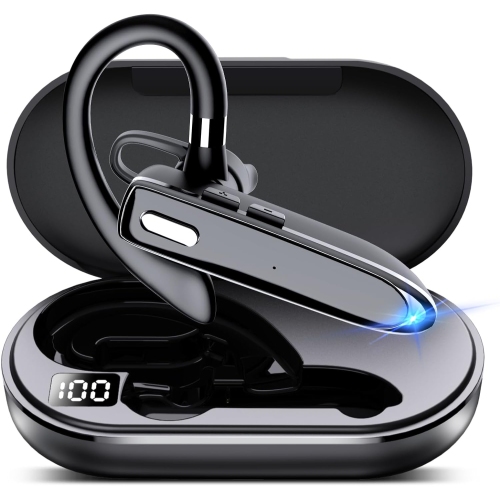
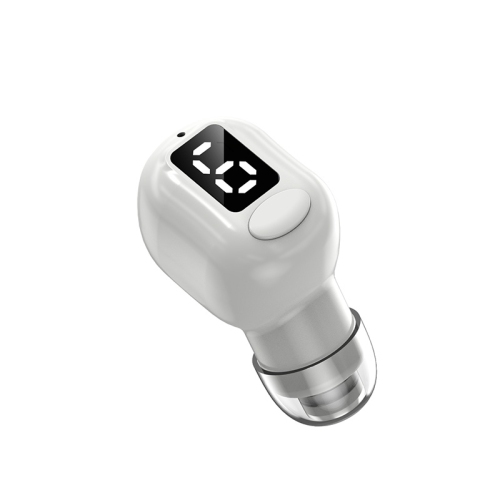
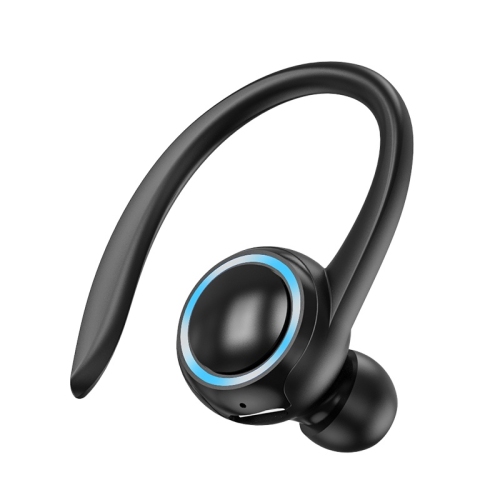
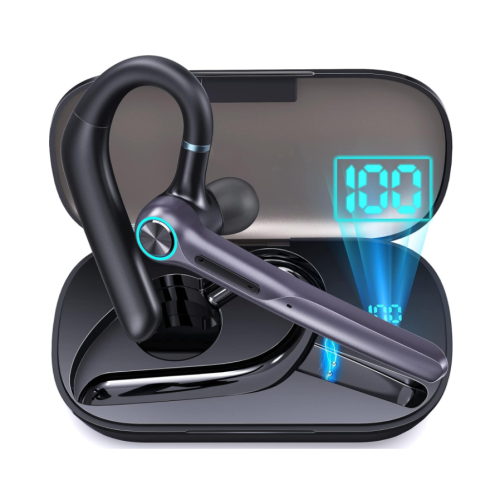
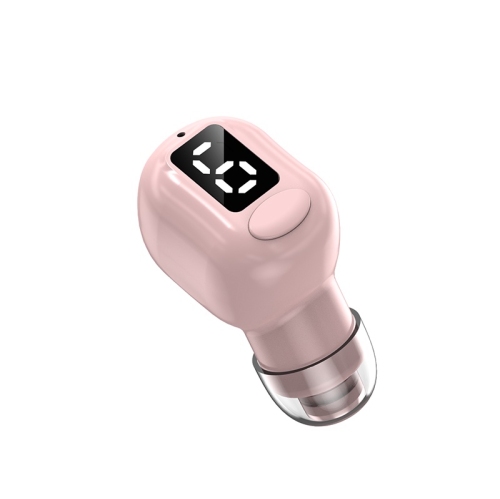
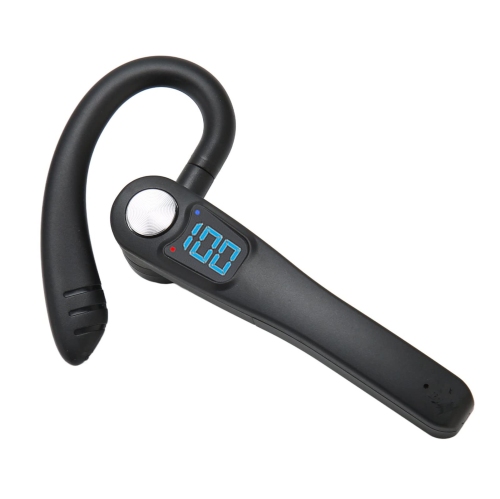
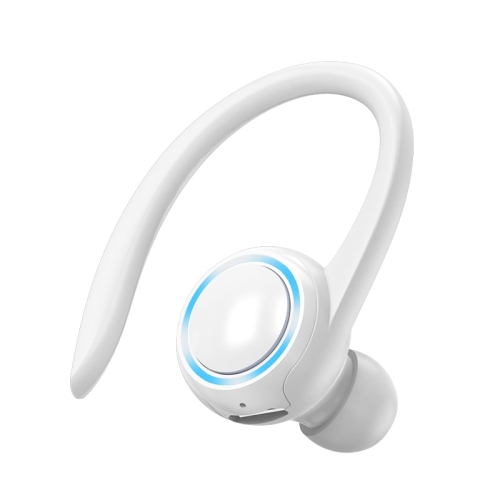
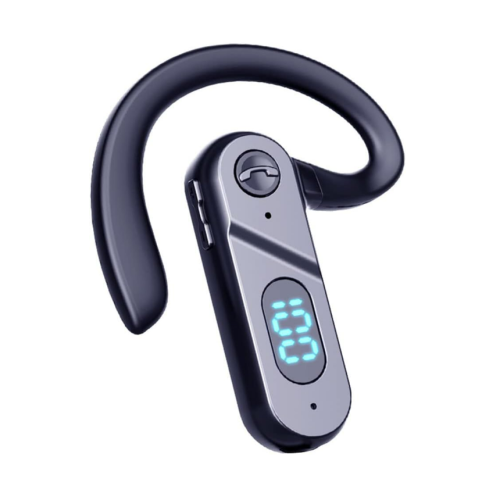
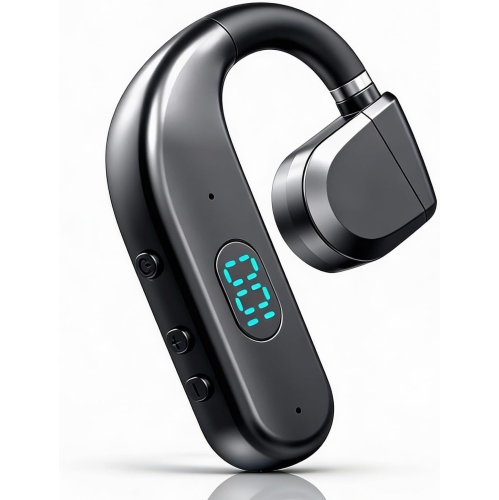
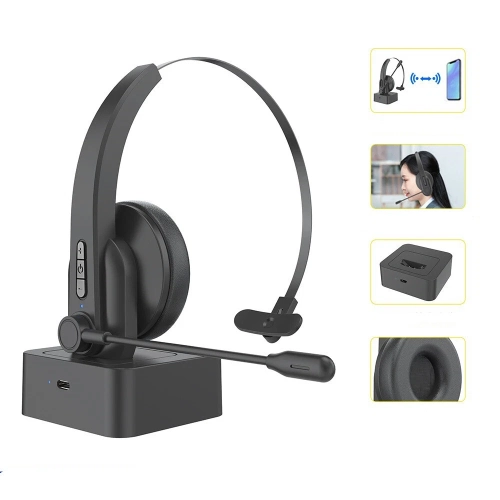
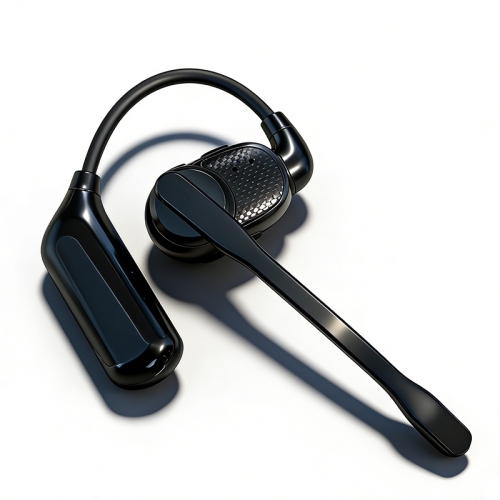
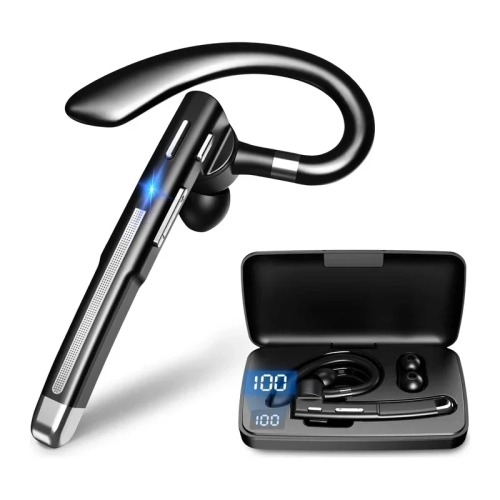


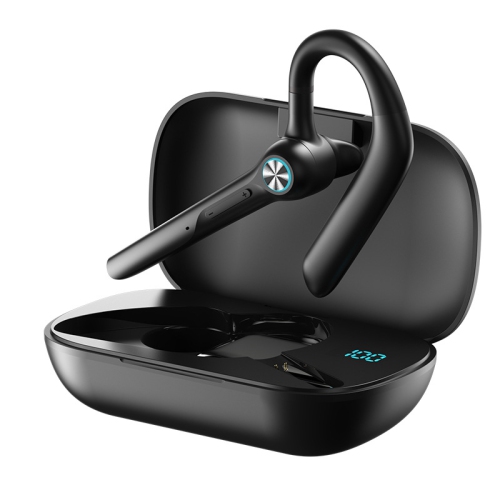
Hands-free calls with one ear left uncovered
A single-ear Bluetooth headset is a wireless device worn on one ear for hands-free calls, leaving the other ear uncovered. Often called a mono Bluetooth headset, it connects to a compatible phone, computer, or tablet without an audio cable between the device and the earpiece. This format suits conversations more than immersive listening: a person can speak with a colleague, hear a caller, and still have an uncovered ear for nearby conversation. It can be useful for someone who takes frequent calls at a desk, moves between rooms during meetings, or wants to keep both hands free while checking a calendar or typing notes. An uncovered ear does not guarantee awareness of alarms, traffic, or other hazards, so listening volume and the setting still matter. Dedicated calling headsets commonly use an ear hook, an in-ear tip, or a combination of both, with a microphone positioned near the cheek or mouth. Some have a short microphone arm, while others use microphones built into a compact earpiece. Microphone position and voice processing affect how clearly speech reaches the person on the other end. Microphone noise reduction is intended to reduce unwanted sound in outgoing calls; it is different from active noise cancellation that reduces what the wearer hears. Neither feature can be assumed from the single-ear design alone. In a room with a humming fan or nearby conversations, a well-positioned microphone can help keep speech intelligible, although no headset can remove every distracting sound. Call clarity also depends on the phone connection, calling application, and room acoustics. For someone whose day centres on appointments, customer conversations, or family calls, the appeal is straightforward: spoken audio stays close to the ear without the coverage or bulk of a two-ear headset. Music and podcasts may also be supported, but mono playback does not provide the left-and-right separation of stereo listening, and media support should be confirmed for the particular headset.
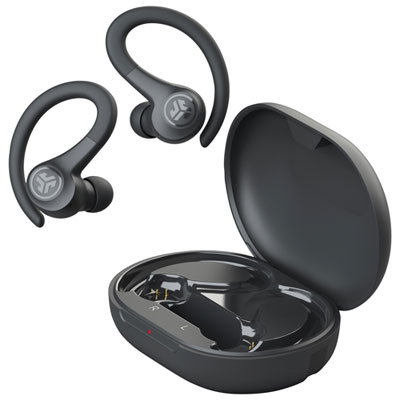
Fit has a direct effect on comfort, stability, and how easily a single-ear Bluetooth headset becomes part of a daily routine. Lightweight plastic housings help limit weight, while soft silicone tips and flexible ear hooks can provide contact points that feel less rigid against the ear. An in-ear tip should sit securely without needing to be pushed deeply or creating persistent pressure. Different tip sizes can change both the seal and the way the earpiece rests, so the smallest-looking headset is not necessarily the most comfortable. A hook can add reassurance when standing up from a desk or turning to reach a shelf, but its position matters for anyone who wears glasses. A headset arm and a glasses arm sharing the same small space behind the ear can become uncomfortable during a long conversation. Designs that rotate or adjust for either ear offer flexibility, though left- and right-ear compatibility is worth confirming rather than assuming. People who use hearing aids may need a different wearing arrangement, depending on the aid and headset shape. Controls deserve similar attention. A distinct answer button, accessible volume adjustment, and an easy-to-find mute control can be more practical during calls than a very small touch surface that is difficult to locate by feel. Audible mute announcements or connection prompts can help, provided those functions are supported. Connectivity is another part of everyday usability: multipoint support can let a headset remain connected to two compatible devices, such as a work computer and a phone, but it does not necessarily mean both can play audio at once. Walls, distance, and wireless interference can affect the connection, especially when the phone stays on a desk while the wearer moves elsewhere. Computer calling also depends on operating-system and application support, not simply the presence of Bluetooth. Paired alternatives such as iPhone Bluetooth Earbuds may appeal to listeners who also want stereo playback, but using only one earbud depends on the design and whether that earbud supports independent calling.
Battery life is most useful when considered in terms of actual conversations rather than standby time. A headset that spends much of the day connected but silent has a different workload from one used for several lengthy meetings. Published talk time, listening time, and standby time describe different activities, and real results can vary with volume, connection conditions, enabled features, and battery age. For a person who moves from a morning video call to an afternoon of phone conversations, the charging routine can matter as much as the stated maximum runtime. Some designs charge directly through a cable, while others use a case, cradle, or dedicated contact points; the connector, required accessories, and ability to check remaining charge should be confirmed. A protective case can also keep a small earpiece from getting lost among keys and loose cables in a bag. Durability involves more than the outer shell. Hinges, adjustable microphone arms, ear hooks, and charging contacts all benefit from careful handling, particularly when the headset is put on and removed repeatedly. Water resistance should only be relied on when the manufacturer specifies a suitable rating, and it should not be treated as permission to wash or immerse the device. Routine care is usually simple: a soft, dry cloth for the housing, gentle removal of debris around the speaker opening, and cleaning of removable tips according to the manufacturer's directions. Moisture and cleaning liquid should stay out of microphone openings and charging ports, and removable parts should be fully dry before reassembly. Worn or damaged tips can affect comfort and retention, so compatible replacements may help extend useful service. As a gift, a single-ear headset can be thoughtful for someone who regularly handles calls, particularly when their preferred wearing style and main devices are known. A familiar fit, clear microphone pickup, dependable controls, and a manageable charging routine are the qualities most likely to make it useful beyond the first few conversations.
Top selling and popular products
-
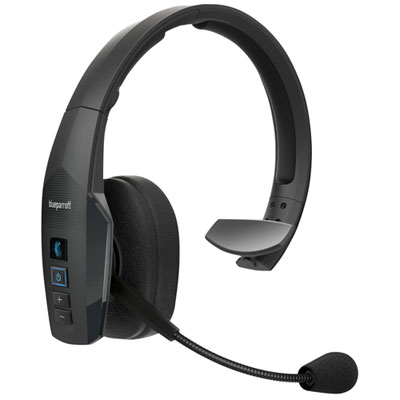 Your price for this item is $238.97
-
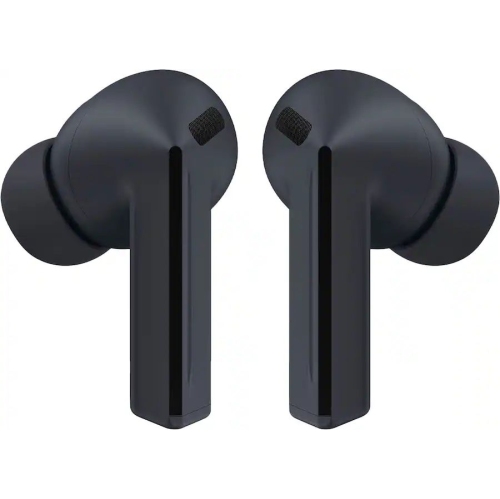 Your price for this item is $160
-
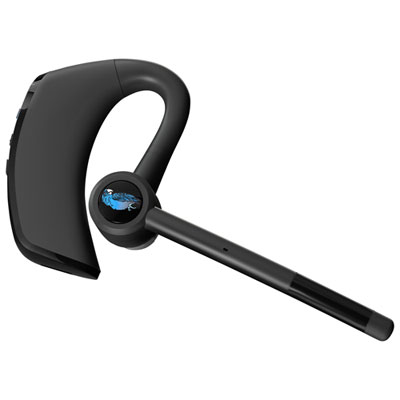 Your price for this item is $99.98
-
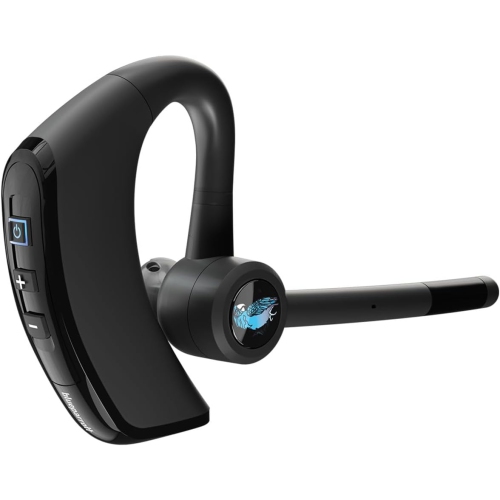 Your price for this item is $186.15
-
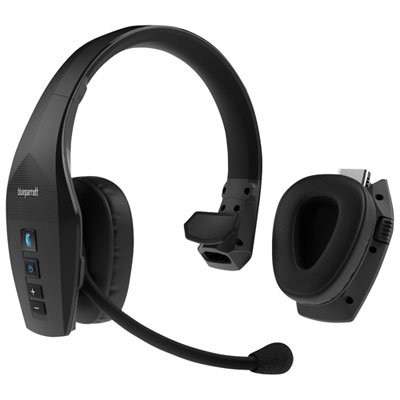 Your price for this item is $349.98
-
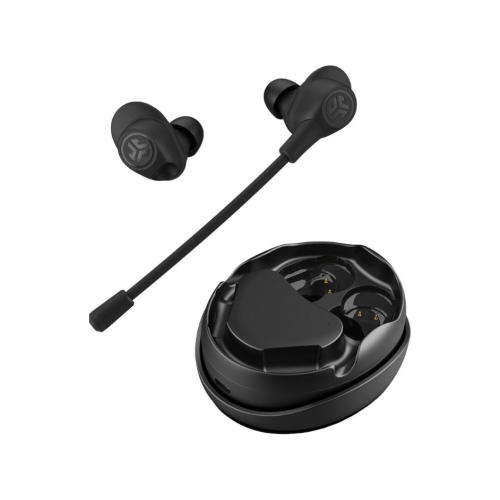 Your price for this item is $84.47
-
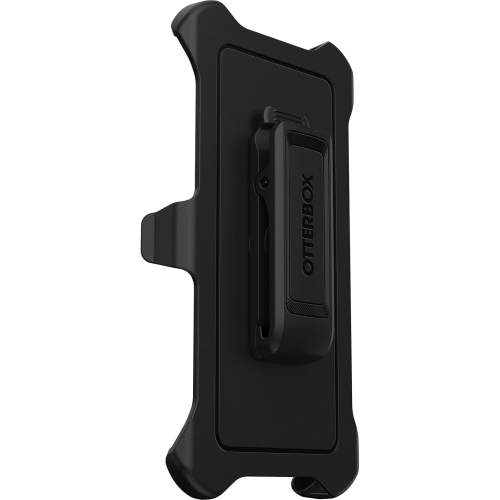 Your price for this item is $78
-
 Your price for this item is $109.99
Discover more categories related to Bluetooth Single Ear

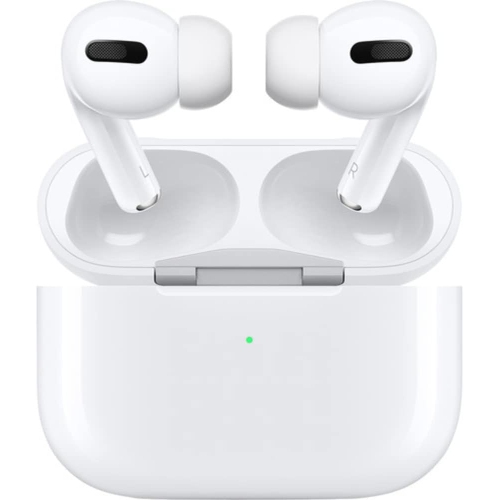
Top Collections:
Best Black Friday Deals This Year, Best Black Friday Deals On Electronics, Kindle Devices, Pokemon Centers, Best Black Friday Deals On Apple Products, Best Cameras for Sports Photography, Dyson Airwrap, Pokémon 30th Celebration Cards, Apple iPhone 17 Pro, Canon G7X Cameras
Some products may be subject to Environmental Handling Fees
(EHF) depending on your province.
Learn more about EHFs.