Car Mounts for Commuting Students
Car mounts for commuting students make it easier to keep devices secure and accessible on the road. With a variety of options designed to fit different vehicles and preferences, these mounts help students stay organized during daily drives between home, school, and other destinations. Explore car mounts for commuting students that offer convenient solutions for hands-free navigation, music control, and communication while traveling. Find the right mount to support a safe and efficient commute every day.
Sort






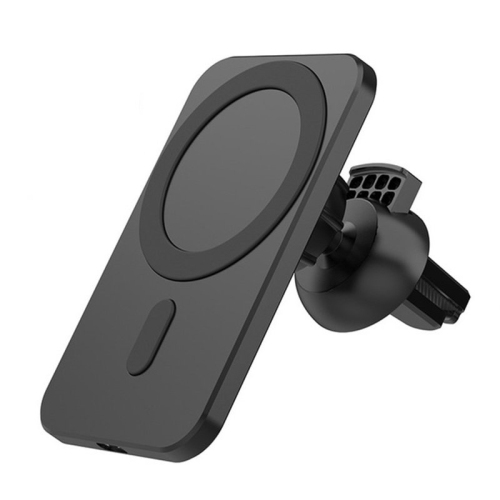
A steady view of directions from home to campus
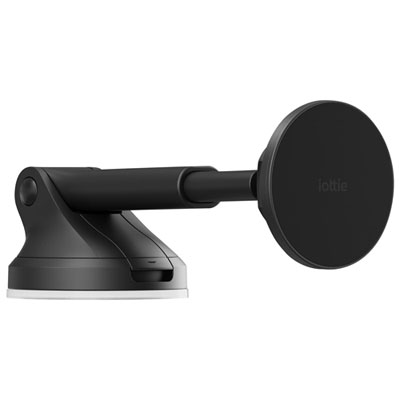
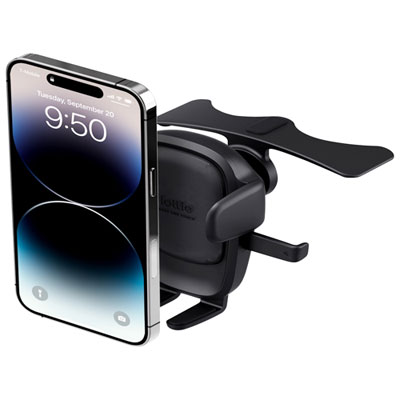
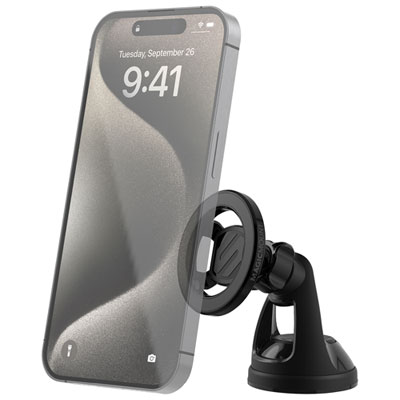
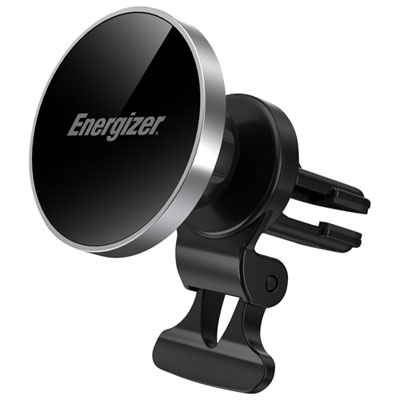
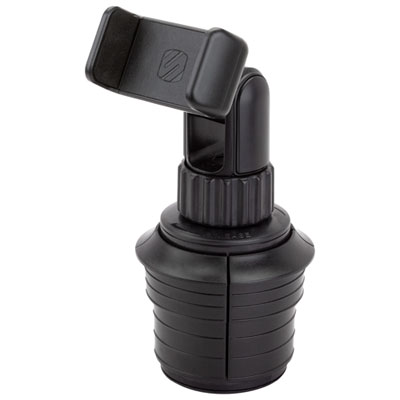
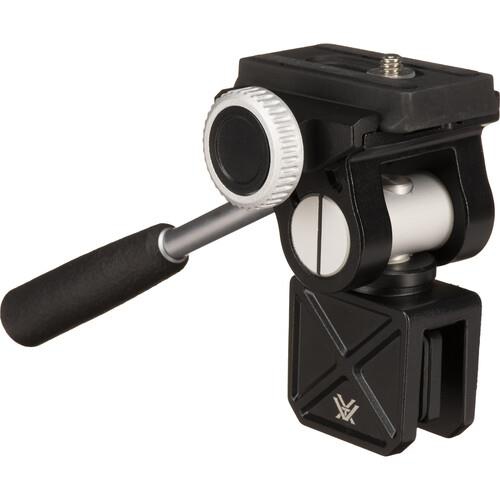
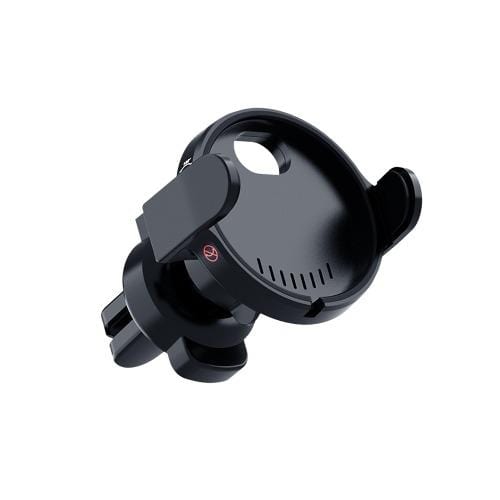
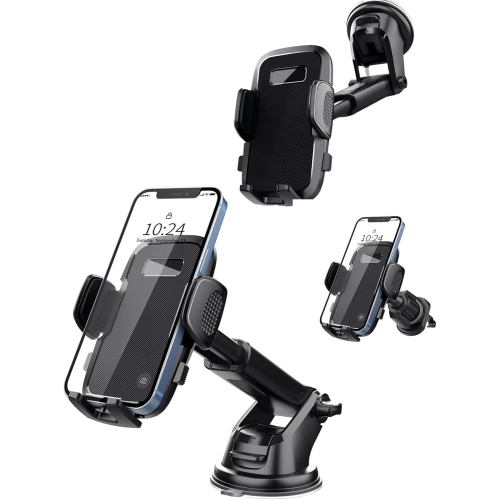
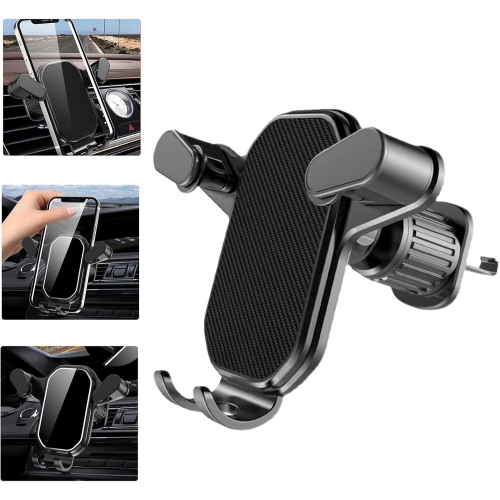
Car mounts for commuting students give a phone a consistent place between home, campus, placements, and part-time work. A familiar route can still involve an unfamiliar parking entrance, a different lecture building, or a stop to collect a classmate, making clear navigation useful even on an everyday drive. A well-matched mount keeps the display visible without leaving the phone loose on a passenger seat or tucked into a cup holder where directions are difficult to see. The most useful features for student commuting are secure attachment, compatibility with the phone and its case, straightforward docking before departure, and a viewing angle that suits the vehicle. Different mounting styles accommodate different interiors. Vent mounts take up little dashboard space and can be convenient for students who regularly switch vehicles, although their clips need to suit the shape and strength of the vent slats. Dashboard and windshield mounts offer more placement options, but the attachment surface, sightlines, and local rules matter. Textured or curved dashboards may not work with every adhesive base or suction cup, and windshield placement must not obstruct the driver's view. Cup holder mounts avoid attaching directly to the dashboard or glass, though they occupy drink space and may position the screen lower than some drivers prefer. A compact mount can be useful in a small car with closely spaced controls, while an adjustable arm may help position a phone in a deeper dashboard layout. Longer arms can also introduce more movement, so reach and stability need to be considered together. The right location leaves mirrors, instruments, essential controls, and airbag deployment areas unobstructed. A mount supports a hands-free setup; it does not make phone interaction distraction-free. Routes, audio, and any permitted voice controls are best set before driving, with adjustments left until the vehicle is safely parked. For a student following directions to a new campus entrance, that preparation keeps the mount serving its intended purpose: holding the phone securely in a predictable position.
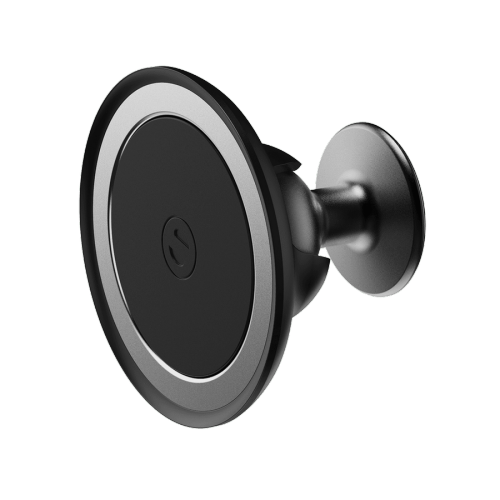
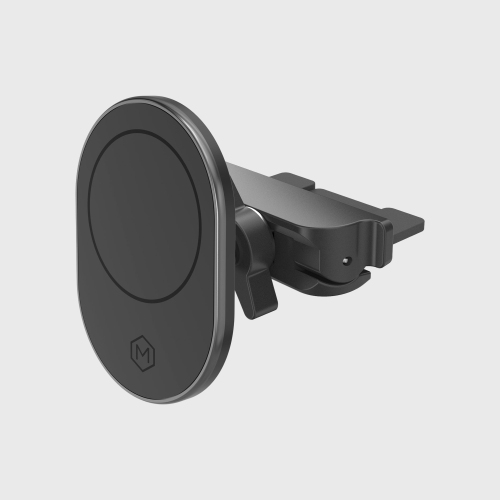
Phone fit involves more than screen size. The width and thickness of the device with its everyday case attached determine whether a cradle can grip it properly, and side buttons, camera housings, and charging ports also affect the fit. Adjustable side arms can accommodate different phones, while a lower support ledge helps carry the device's weight without relying entirely on side pressure. A release mechanism that is easy to reach makes removal less awkward once the car is parked, particularly when a student has a backpack on one shoulder and a laptop bag waiting on the passenger seat. Magnetic mounts offer a less enclosed design, but their attachment system must match the phone, case, or compatible accessory. A phone staying attached magnetically does not automatically mean that it can charge wirelessly, and a thick case or incorrectly positioned metal plate can interfere with charging on some setups. Manufacturer compatibility details are more useful than assuming that any magnetic surface will work. Materials and construction influence everyday durability as well. Rigid plastic housings keep many mounts relatively light, metal components can reinforce arms or joints, and rubber or silicone contact pads help cushion the phone and reduce slipping. Firm adjustment joints matter because a screen that gradually tilts downward becomes less useful over a longer drive. Repeated docking, removal, and repositioning put wear on clips, hinges, and locking collars, making those small parts worth considering alongside the overall shape. For vehicles shared with family members or roommates, a holder that adjusts without repeated dismantling can accommodate different devices and seating positions. Care is usually straightforward: dust and grit should be removed from contact surfaces, and suction cups, pads, and adhesive bases should be maintained according to their instructions. A gentle wipe with a suitable cloth is generally preferable to harsh cleaning products that could affect the finish or gripping material. Repeatedly moving an adhesive base may weaken its hold or leave marks, so portability depends on the attachment design rather than the mount's size alone.
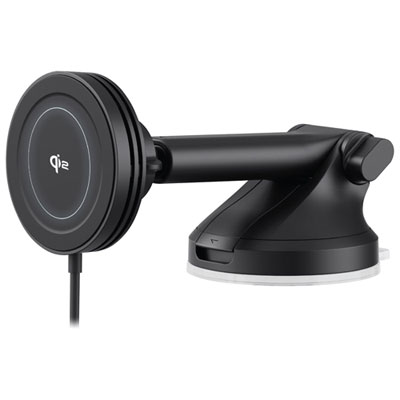
Charging needs often shape how a car mount fits into a student's routine. Navigation, audio playback, and a long journey can leave less battery power for lecture notes, transit connections, or calls after arrival. A holder with an accessible charging port allows a cable to connect without pressing against the cradle, while a mount with integrated wireless charging can reduce the need to plug a connector into the phone at every stop. Wireless charging still requires a compatible phone, suitable case, and appropriate power connection; a mount that holds a device securely is not necessarily a charging mount. Cable length and routing matter in either arrangement. Enough slack allows normal adjustment without pulling on the connector, but loose loops should stay clear of the gear selector, steering controls, pedals, and other moving parts. Where a vehicle has limited power outlets, the charging setup also needs to account for anything else connected during the commute. Students who drive alone may value a small holder that stays neatly in place, while those sharing driving duties may prefer a mount that can be repositioned easily between trips. Portrait orientation often suits turn-by-turn directions, whereas landscape may be useful for a compatible navigation layout; a rotating joint provides that flexibility without moving the base. Adjustment range is especially helpful when drivers of different heights use the same car, although a secure final position matters more than unrestricted movement. The broader selection on the Best Cell Phone Mounts page offers context for comparing attachment styles and device compatibility. A car mount can also be a practical gift for a student beginning a driving commute or travelling between campus and a work placement. Knowing the recipient's phone, case, and vehicle layout makes that choice more personal and useful. For everyday commuting, the lasting value lies in a dependable fit: a phone that docks without fuss before departure, stays supported over ordinary road bumps, and lifts out easily after parking, ready for the walk to class.
Top selling and popular products
-
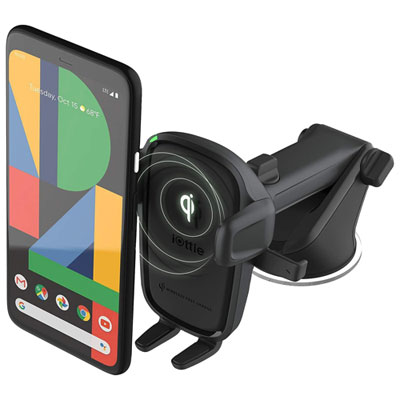 Your price for this item is $49.99
-
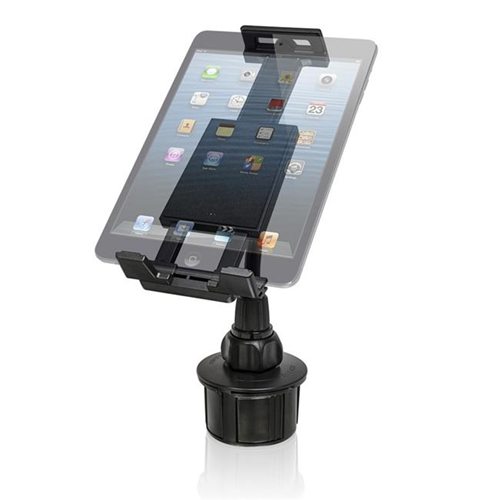 Your price for this item is $56.47
-
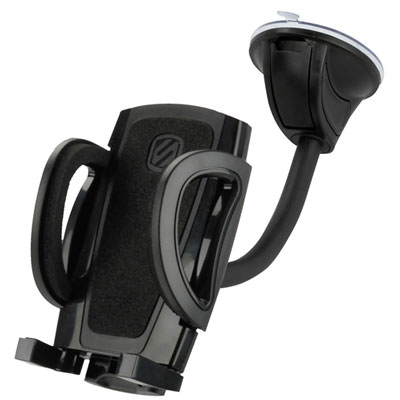 Your price for this item is $9.99
-
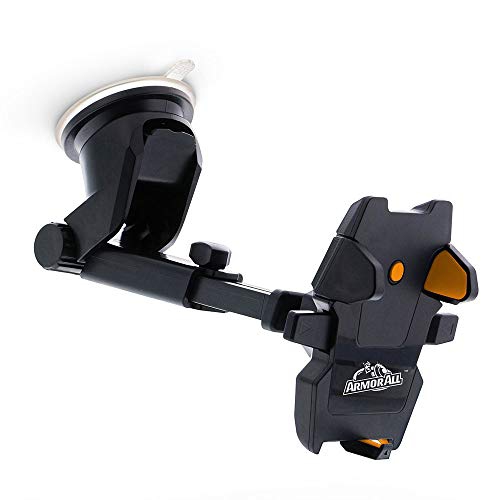 Your price for this item is $14.68
-
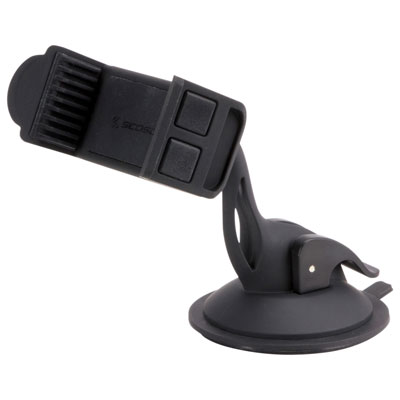 Your price for this item is $16.99
-
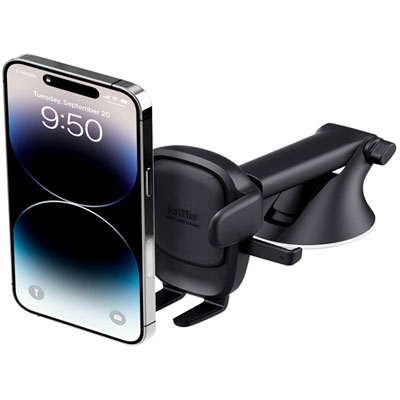 Your price for this item is $29.99
-
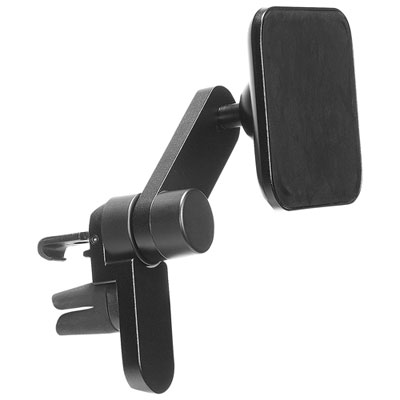 Your price for this item is $89.99
-
 Your price for this item is $49.99
Discover more categories related to Car Mounts for Commuting Students
Top Collections:
Best Black Friday Deals This Year, Best Black Friday Deals On Electronics, Kindle Devices, Best Black Friday Deals On Apple Products, Best Budget Office Chairs, Best Cameras for Sports Photography, Dyson Airwrap, Canon G7X Cameras, Best Laptops for Writers, Samsung Galaxy Phones
Some products may be subject to Environmental Handling Fees
(EHF) depending on your province.
Learn more about EHFs.