GPS Tracker Tags
GPS Tracker Tags offer a convenient way to keep track of your valuables, whether it’s keys, bags, or other important items. Designed for everyday use, these handy devices help you stay organized and minimize the stress of misplacing your essentials. With a variety of options available, finding the right GPS Tracker Tags to suit your needs is simple. Explore the selection to discover reliable solutions that make it easier to locate your belongings quickly and efficiently.
Sort

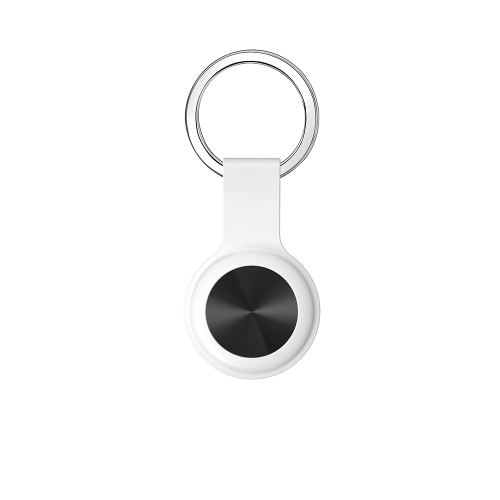
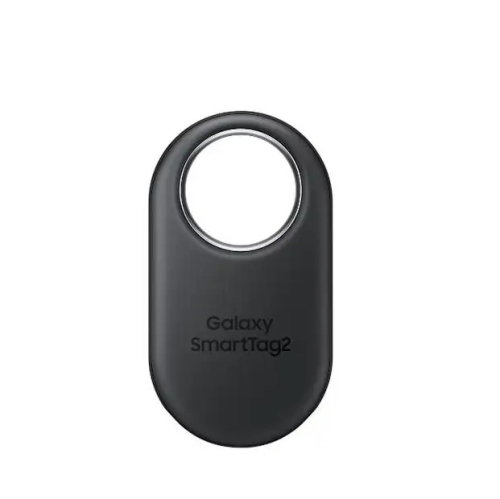
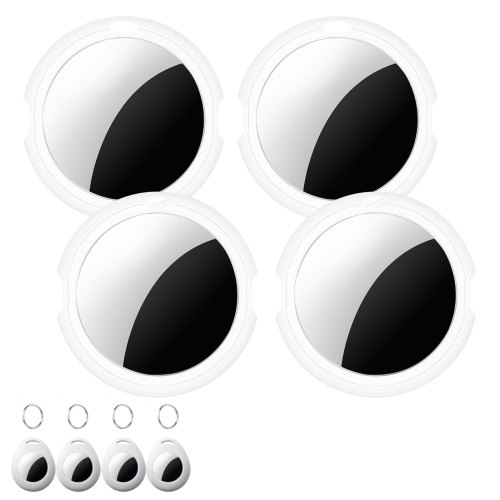
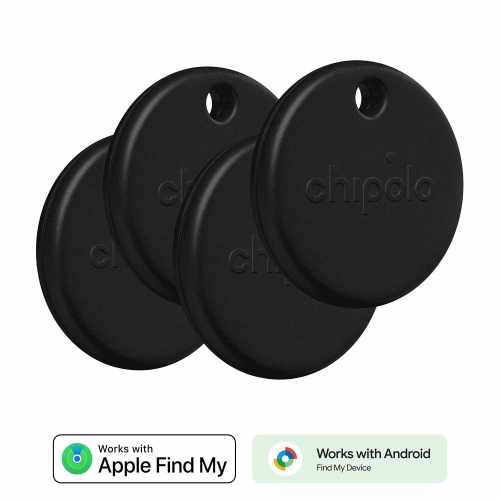


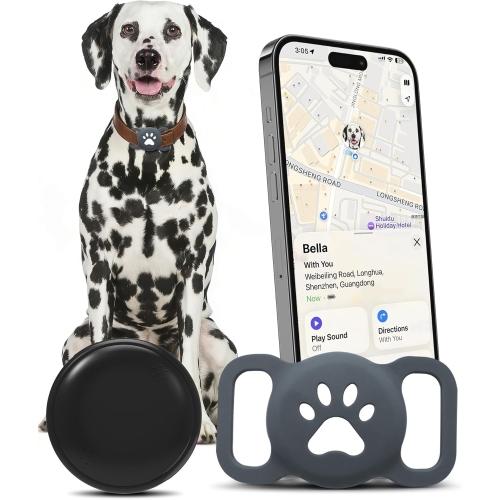

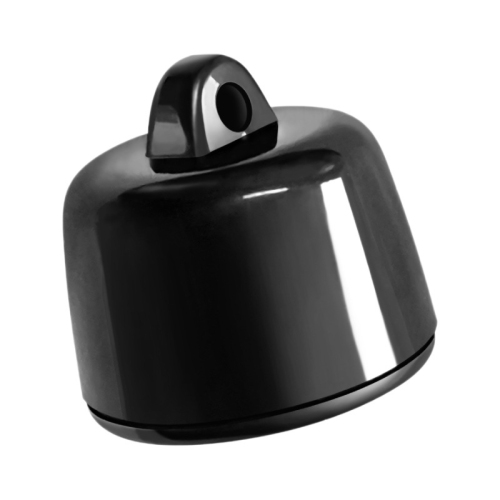
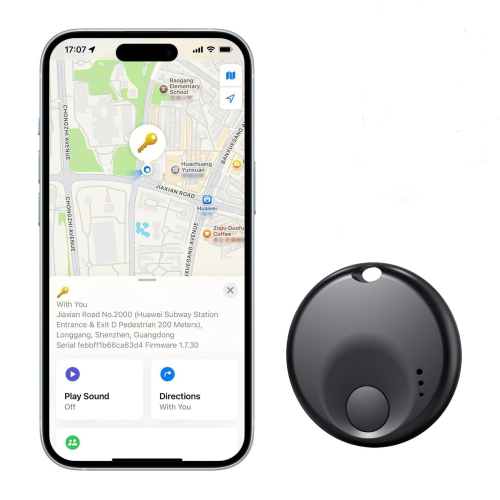
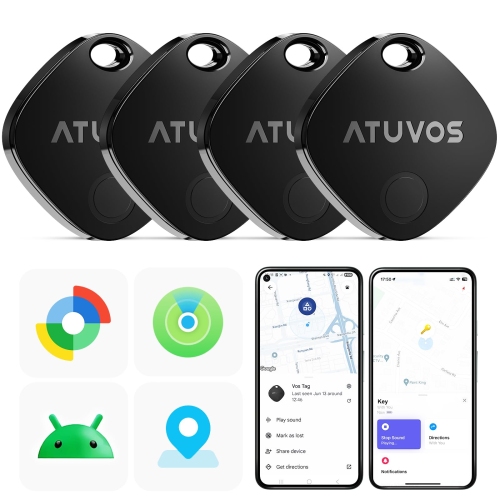
Why Bluetooth tags and GPS trackers work differently
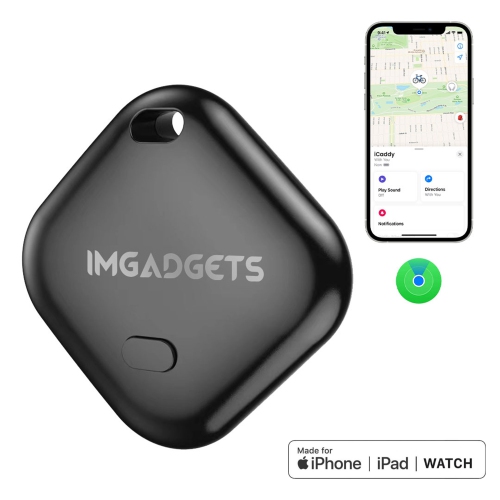
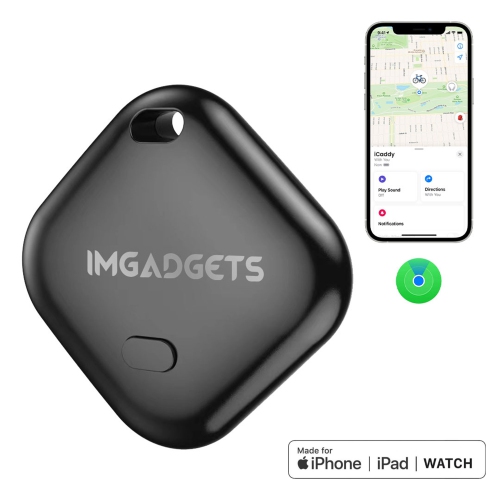
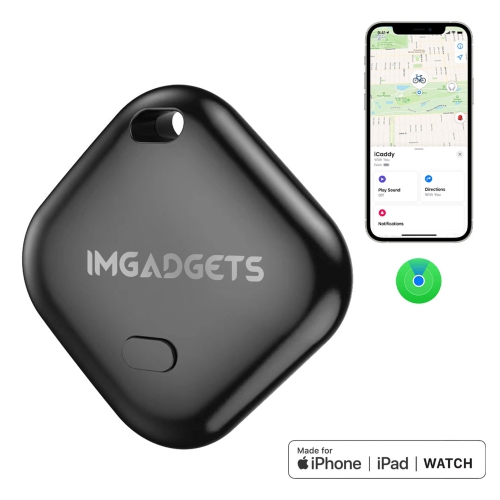
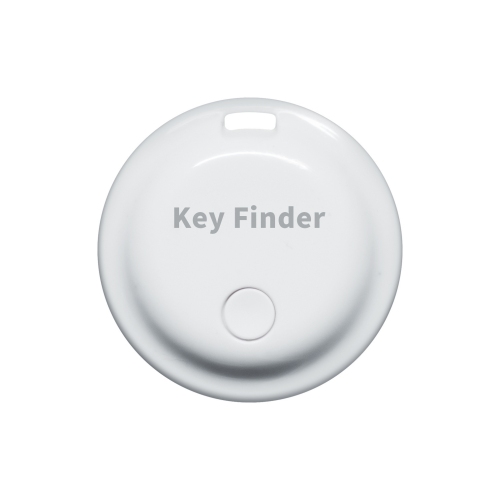
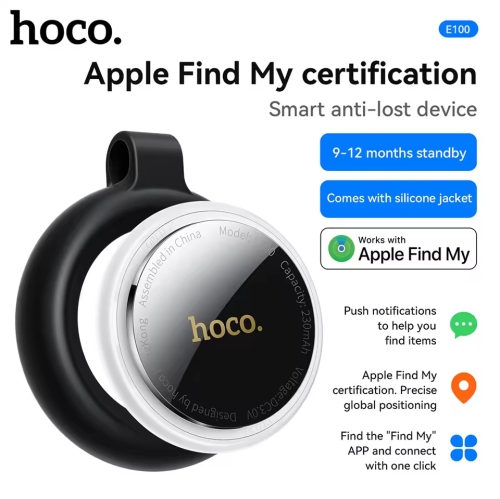
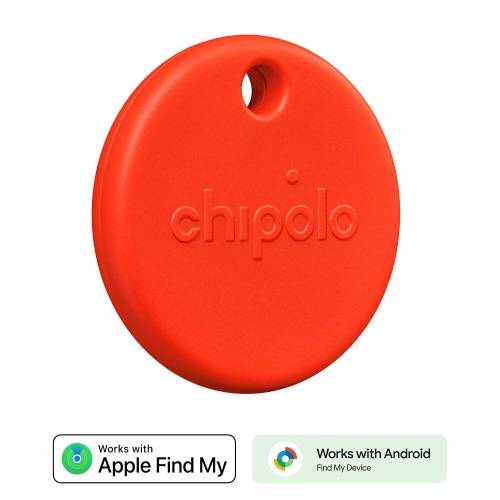
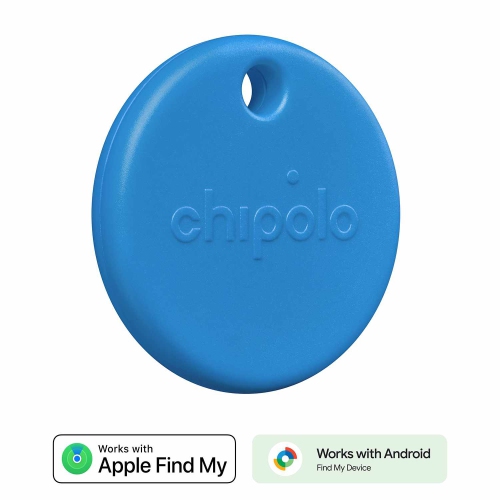
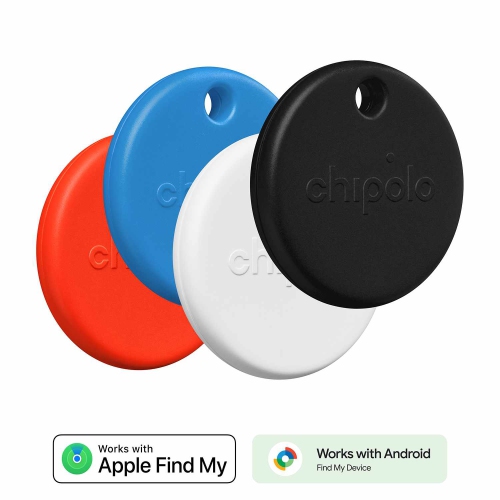
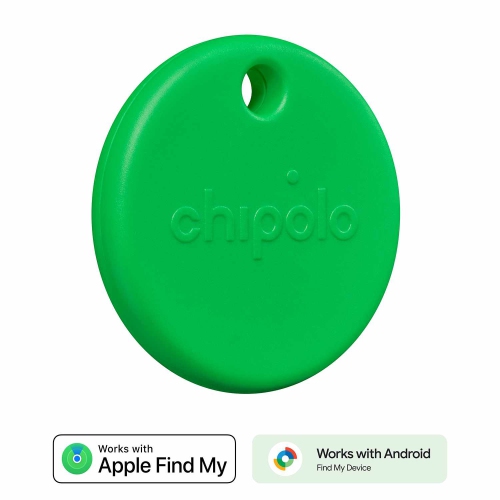
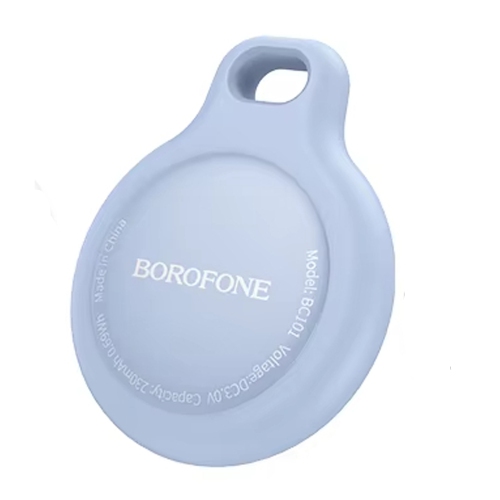
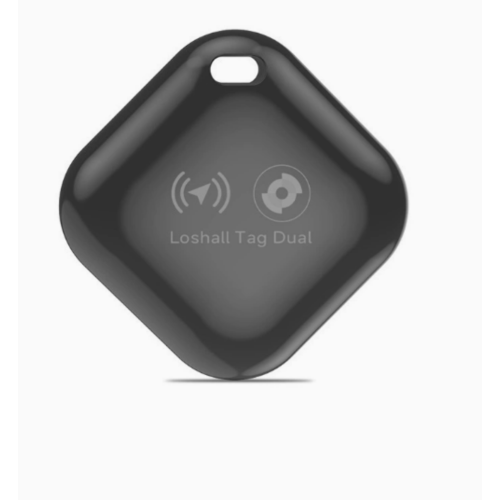
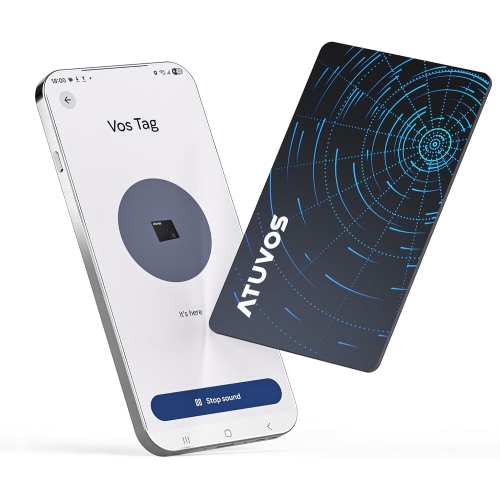
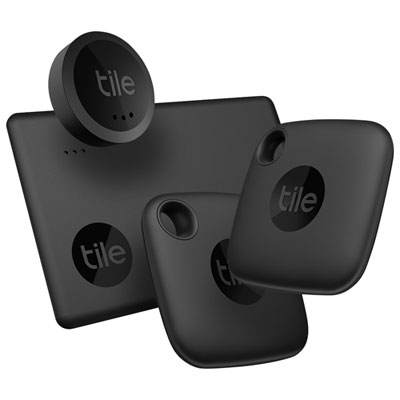
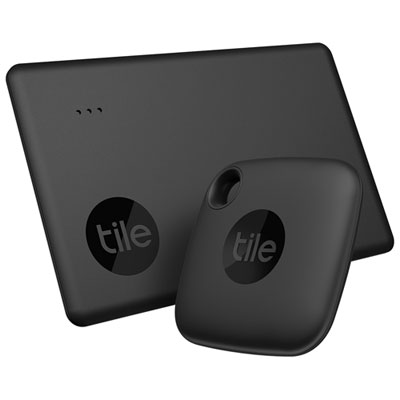
GPS tracker tags help locate personal belongings, whether that means finding a set of keys tucked between sofa cushions or checking the last reported location of a travel bag. The term covers different types of item locators, and the distinction matters: many compact tracking tags use Bluetooth rather than having a built-in GPS receiver. A Bluetooth tag communicates with a compatible phone at close range, often allowing its owner to make the tag sound when the missing item is nearby. Some also connect to a crowdsourced finding network, where participating devices can securely relay a detected tag’s location to its owner. That makes it possible to receive location updates beyond the owner’s Bluetooth range, but those updates depend on a participating device passing close enough to detect the tag. A map pin may show the last reported location rather than where an item is at that exact moment. True GPS trackers use satellite signals to calculate their position, and many use a cellular connection to send that position to an app. They can provide more frequent remote updates when satellite reception and cellular coverage allow, although they generally have different power and service requirements from small Bluetooth tags. Neither approach guarantees an uninterrupted location signal. Buildings, obstructions, network coverage, and the placement of the tracker can affect performance. Phone compatibility is equally important, since a tag may work only with a particular operating system or finding network. Basic app support does not necessarily mean every locating feature is supported. Directional finding, for example, may require ultra-wideband technology in both the tag and the phone. Nearby sound alerts, separation notifications, shared access, and lost-item contact details are other features that vary between devices. Separation alerts can help flag a bag left behind at a café, while an audible signal is often more useful for keys buried under a stack of mail. Understanding whether the intended use is nearby finding, occasional remote location updates, or more frequent GPS reporting helps keep expectations aligned with how the technology works.
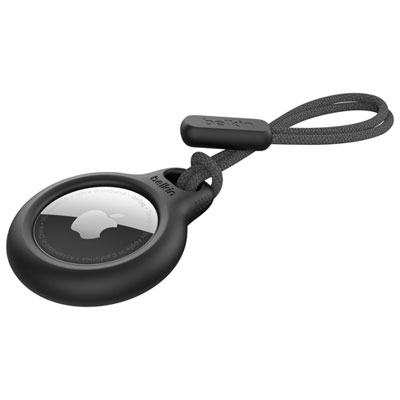
The shape, attachment method, and construction of a tracker tag influence how comfortably it fits into everyday routines. A small rounded tag can sit on a key ring or attach to a bag through a fitted holder, while a flatter design may suit a wallet pocket or document pouch. Overall thickness matters as much as width when a tag needs to slide into a narrow compartment without making it difficult to close. An integrated attachment hole reduces the need for a separate holder, whereas an enclosed design may need a case or strap that matches its dimensions. Plastic housings keep weight down, and silicone holders can provide a flexible attachment point and cushioning against minor bumps. Metal fittings add strength at the connection, but the security of the whole setup still depends on the ring, clasp, stitching, or adhesive holding it in place. A tag on the outside of a backpack needs a secure fastening that will not easily catch or pull loose; one inside a zippered pocket is less exposed but may be harder to hear. Water and dust resistance should be assessed by the stated rating rather than assumed from a sealed appearance. Resistance to splashes does not automatically mean a tracker is suitable for immersion, and repeated impacts can damage a housing or its seals. Battery design also affects long-term convenience. Some tags have replaceable batteries, others recharge, and some have sealed batteries that cannot be replaced by the user. Battery life varies with locating activity, alert use, signal conditions, and reporting frequency, so a device used for frequent updates may need more attention than one used mainly for occasional nearby searches. A secure battery compartment is especially important around children, as loose button batteries present a serious swallowing hazard. Routine care usually involves wiping the housing with a soft cloth, checking attachments for wear, and following the manufacturer’s cleaning and charging directions. For luggage use, airline requirements concerning tracking devices and batteries remain relevant even when a tag is small enough to fit neatly into an interior pocket.
GPS tracker tags can be useful for commuters, students, frequent travellers, and anyone who regularly moves between home, work, and shared spaces with important belongings. A tag attached to a laptop bag can make an overlooked meeting room easier to identify, while one placed in a suitcase may provide an additional location reference during a journey. It does not replace an airline’s baggage tracking process or guarantee immediate recovery. For households, clearly named tags can help distinguish similar bags and keep app entries organized; supported sharing features may allow more than one authorized person to help locate a shared item. Tracking tags can also make practical gifts when the recipient’s phone compatibility and intended use are known. Someone who often misplaces keys may get more benefit from a loud nearby alert than from a detailed location history, while a traveller may value access to a broad finding network. Vehicle monitoring is a different use case: dedicated Car GPS Trackers may offer cellular reporting, movement notifications, or vehicle power connections that small item-finding tags do not. A Bluetooth tag placed in a vehicle should not be treated as equivalent to a dedicated vehicle tracker or a guaranteed theft-recovery system. The same distinction applies to pet use, where attachment safety, size, reporting frequency, and coverage matter; an item locator is not automatically suitable as a pet tracker. Privacy is an essential part of any connected tracking device. Tags are intended for belongings the owner is entitled to track, not for secretly monitoring another person. Shared access should be limited to trusted users, and unfamiliar tracking alerts should not be ignored. If a location suggests an item has been stolen, sharing the information with police is safer than attempting a confrontation. Ultimately, a tracker tag adds a useful layer of visibility to familiar belongings, with the strongest fit coming from a balance of compatible technology, secure attachment, manageable battery care, and realistic expectations about location updates.
Top selling and popular products
-
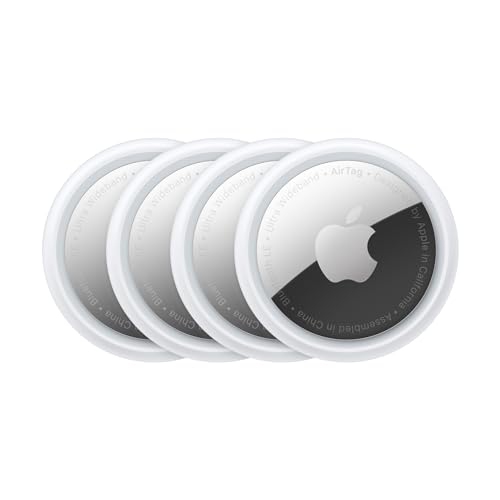 Your price for this item is $119
-
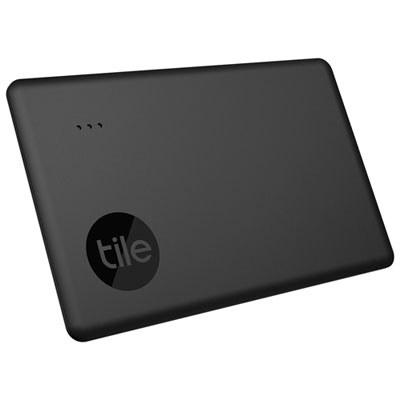 Your price for this item is $49.99
-
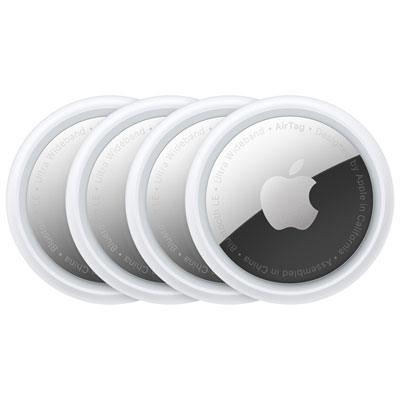 Your price for this item is $98.95
-
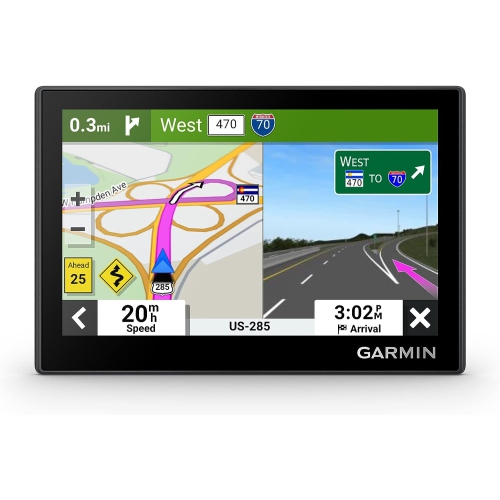 Your price for this item is $229.99
-
 Your price for this item is $109.99
-
 Your price for this item is $47.99
-
 Your price for this item is $15.95
-
 Your price for this item is $39.99
Discover more categories related to GPS Tracker Tags

Top Collections:
Pokemon Centers, Best Cameras for Sports Photography, Kindle Devices, Samsung Galaxy Phones, Canon G7X Cameras, Pokémon 30th Celebration Cards, Refurbished Apple Laptops, iPhone 15 Apple, Laptops for Students, Budget Smartphones
Some products may be subject to Environmental Handling Fees
(EHF) depending on your province.
Learn more about EHFs.