HD Cell Phones
Discover the latest in mobile technology with an HD Cell Phone, designed to keep you connected and entertained wherever you go. Whether you're streaming videos, browsing social media, or staying in touch with friends and family, these phones offer a vibrant viewing experience and reliable performance. Explore a wide selection of HD cell phones to find the perfect fit for your lifestyle and communication needs. With options to suit every preference, upgrading your mobile experience has never been easier.
Sort
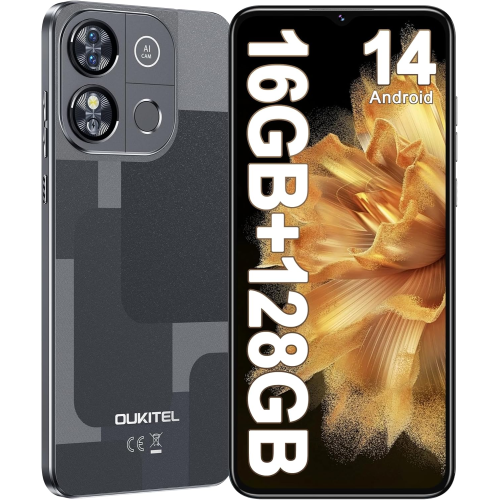
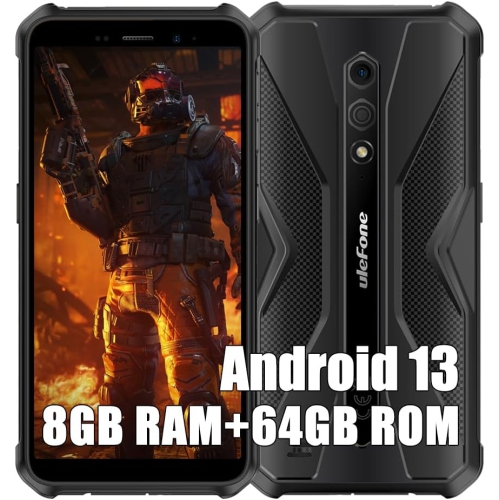

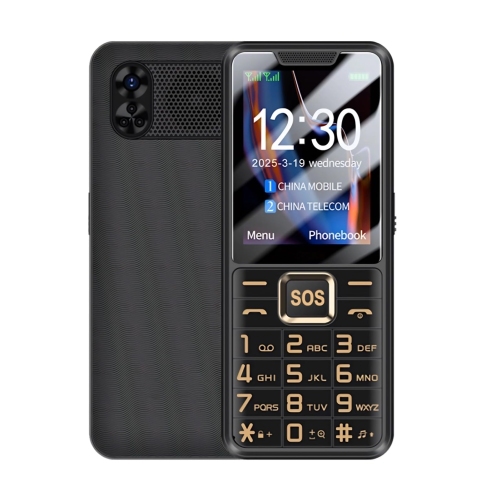
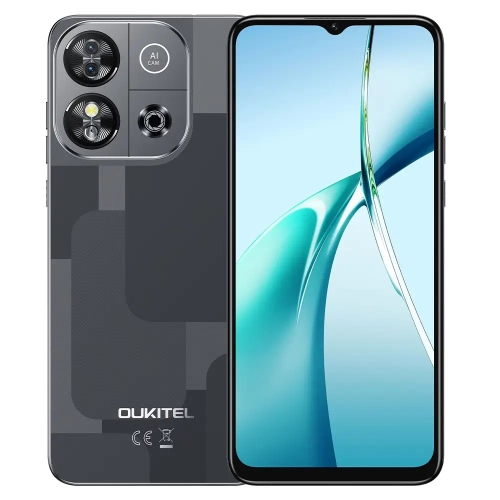
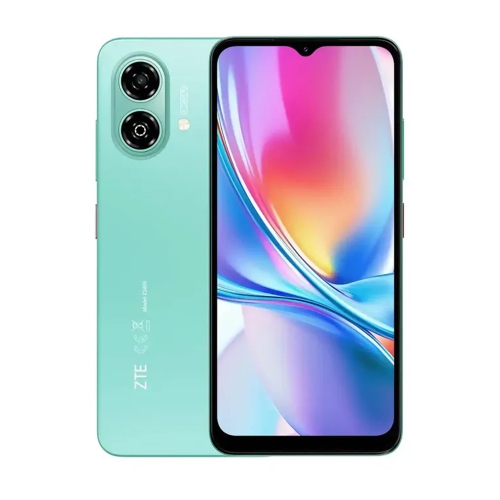
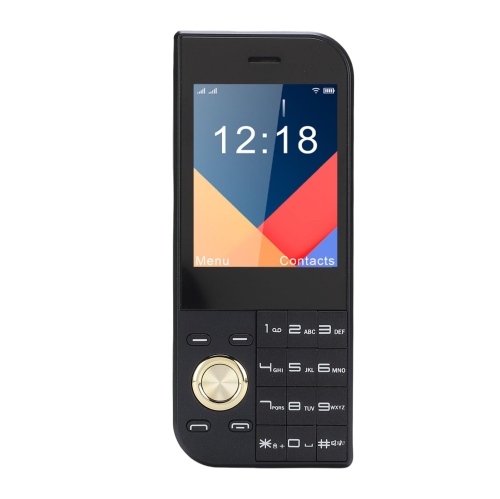
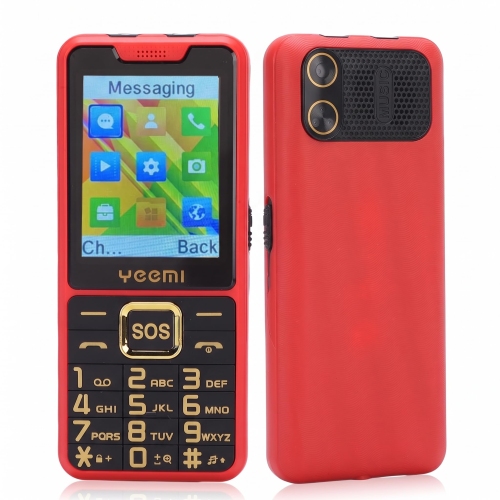
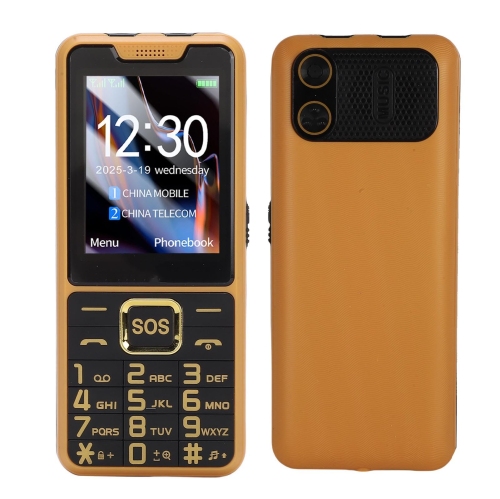
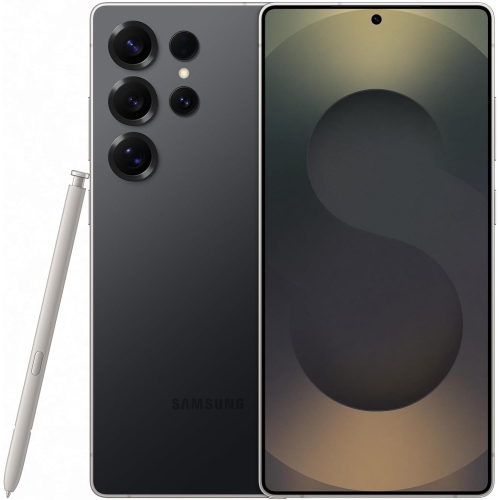

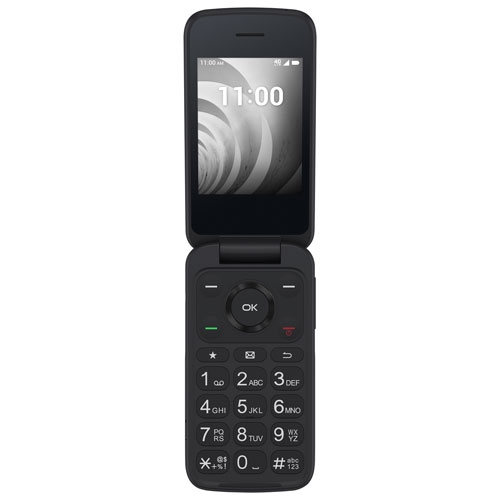
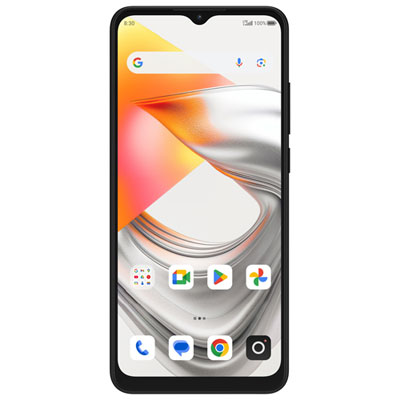
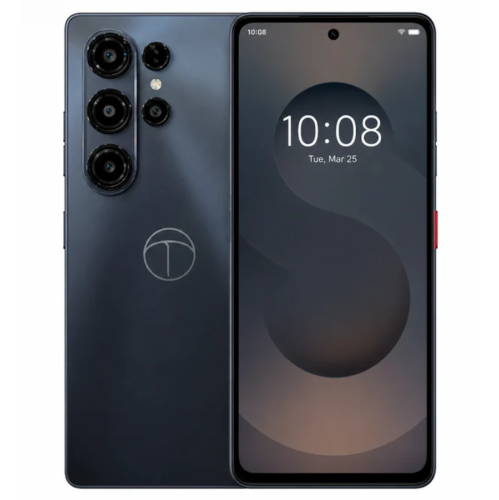
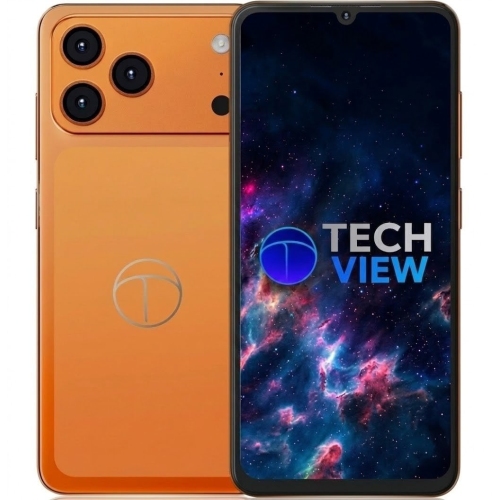

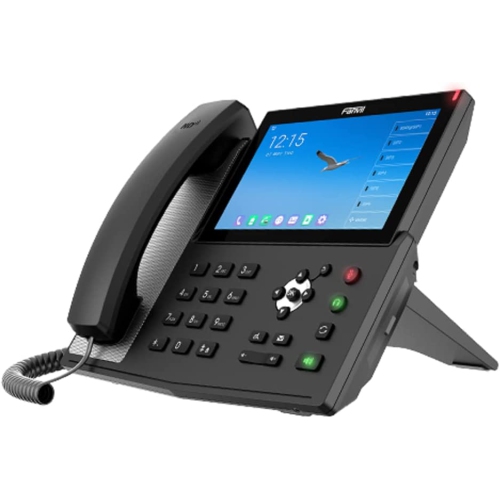
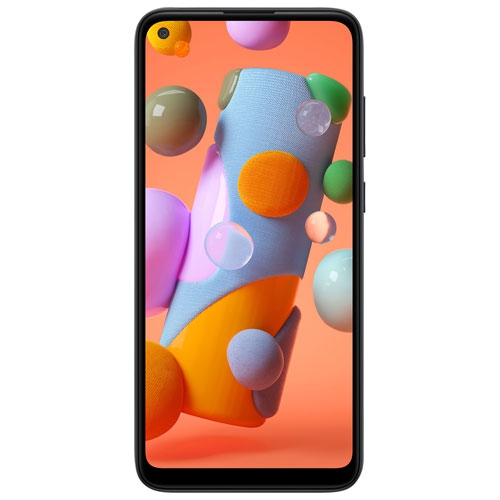
Why phone screen quality goes beyond pixel counts
HD cell phones have high-definition displays designed to show text, photos, and video with clear detail. Traditional HD resolution is 1280 x 720 pixels, while Full HD is 1920 x 1080 pixels; many phones use taller variations labelled HD+ or FHD+ to suit their screen proportions. These resolution labels describe pixel counts, not every aspect of screen quality. LCD, OLED, and AMOLED describe display technologies, so an AMOLED screen is not automatically a particular resolution. Screen size also affects how detailed an image looks: the same number of pixels appears more densely packed on a smaller display than on a larger one. For everyday use, that balance becomes noticeable when reading small text in a transit app, enlarging a family photo, or following subtitles without holding the phone close to the face. A larger display gives maps, documents, and video more room, while a smaller handset can feel more manageable in a pocket or during one-handed use. Brightness, contrast, colour accuracy, and viewing angles contribute to the experience alongside resolution. Dark scenes can be easier to distinguish on a display with strong contrast, while good brightness and reflection control help keep text readable beside a bright window. Refresh rate is a separate specification that affects how smoothly scrolling and supported games appear; it does not increase the number of pixels in an image. Video quality also depends on the source material, app settings, and connection speed. A high-resolution screen cannot reveal detail that is missing from a low-resolution stream, and some streaming services limit playback quality according to the device or subscription. For people who spend more time messaging and checking directions than watching films, comfortable text sizing and responsive touch controls may matter as much as resolution. Shoppers interested in that operating system can also explore HD Android Phones, where display specifications remain an important part of the overall phone experience.
The appeal of an HD cell phone extends beyond watching video. A clear screen supports reading recipes on a kitchen countertop, reviewing a document between appointments, and seeing several faces during a family video call. The hardware behind that screen determines how comfortably those activities fit together. Processor performance and memory influence app responsiveness and multitasking, while internal storage holds photos, downloaded media, messages, and applications. The storage capacity stated for a phone includes space used by its operating system, so usable space is lower. Expandable storage can offer additional flexibility where supported, although not every application or file type can be moved to a memory card. Battery life depends on a combination of capacity, display settings, signal strength, software, and activity; a larger battery does not guarantee a longer day between charges. Streaming video, navigation, gaming, and video calling generally place different demands on a phone than occasional texts and brief calls. Charging connections, supported charging speeds, and compatibility with existing cables also affect daily convenience. Camera quality deserves separate attention because an HD display does not establish how well a phone captures images. Lens quality, focusing, image processing, stabilization, and lighting all influence results, and megapixel counts alone do not determine photo quality. A front-facing camera that handles indoor lighting well can be especially useful for remote appointments or calls with relatives. Similarly, HD voice is a calling feature rather than a screen specification, and its operation depends on compatible devices and network support. For use in Canada, compatibility with the intended carrier’s network bands and calling features matters whether a phone is unlocked or associated with a carrier. An unlocked phone is not automatically compatible with every network. Wi-Fi calling, mobile hotspot use, contactless payments, and dual-SIM functions also vary by model and service. Software support, security updates, and compatibility with essential apps help determine how well a handset will continue to serve its owner, particularly when it is used for banking, work communication, or account verification.
Materials, dimensions, and everyday handling shape how an HD cell phone feels long after the first video plays. Glass can provide a smooth finish but may show fingerprints or feel slippery, while plastic backs can be lighter and metal frames can add rigidity. None of these materials alone guarantees durability. The phone’s width, weight, edge shape, and camera placement affect grip, especially when typing with one hand or holding the device through a lengthy call. A case adds bulk, so a handset that feels compact on its own may fit differently once protected. Well-fitted cases and compatible screen protectors can help reduce everyday wear, but they do not make a device damage-proof. Any stated water- or dust-resistance rating should be read according to the manufacturer’s conditions rather than treated as permission to immerse the phone. Care is generally straightforward: a soft, lint-free cloth helps remove fingerprints, and cleaning methods should follow the manufacturer’s directions. Liquid should not be sprayed into openings, and charging ports are best kept free of debris without inserting metal objects. For a student, useful qualities might include readable course notes, enough storage for assignments, and comfortable video calls. Someone using a phone for work may place greater value on reliable app performance, clear speaker audio, and manageable dimensions. Larger text, adjustable contrast, screen-reading tools, and simple navigation can make a phone more comfortable for people with different vision, hearing, or dexterity needs. As a gift, a phone is most useful when its operating system, carrier compatibility, size, and accessibility features match the recipient’s habits. For a younger user, parental controls and account settings can help establish suitable boundaries. The strongest fit is a phone whose screen, handling, and essential functions suit the person who will carry it, whether that means reading on the commute, sharing photos with family, or keeping daily plans close at hand.
Top selling and popular products
-
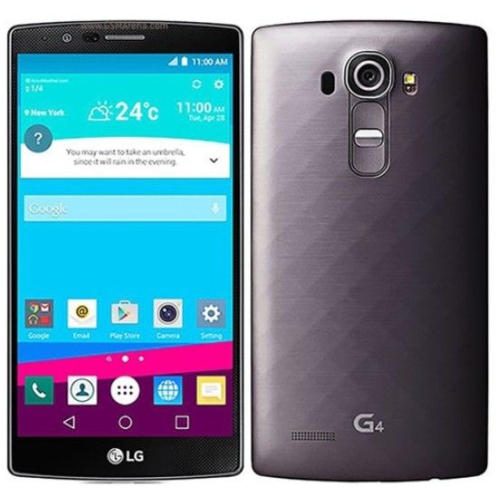 Your price for this item is $120
-
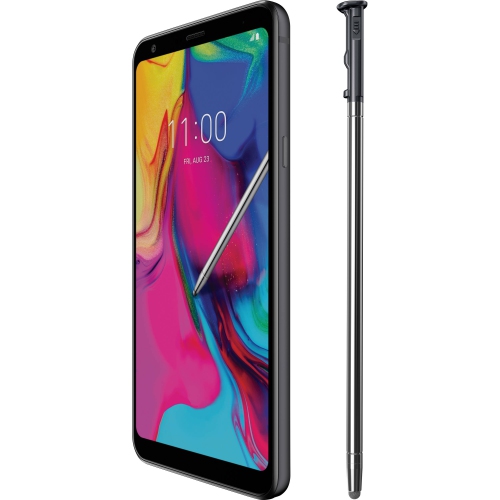 Your price for this item is $221.01
-
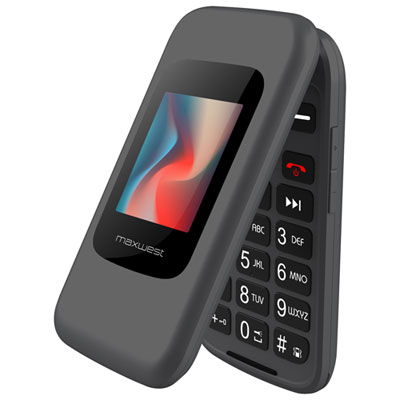 Your price for this item is $92.99
-
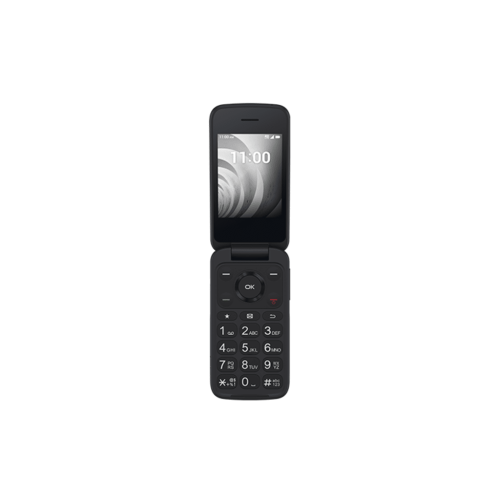 Your price for this item is $184.99
-
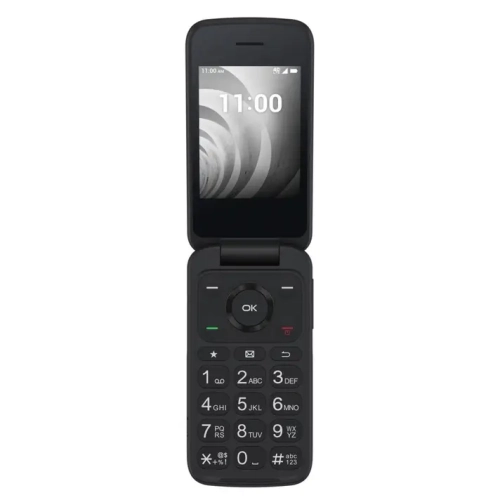 Your price for this item is $259
-
 Your price for this item is $177.1
-
 Your price for this item is $200.01
-
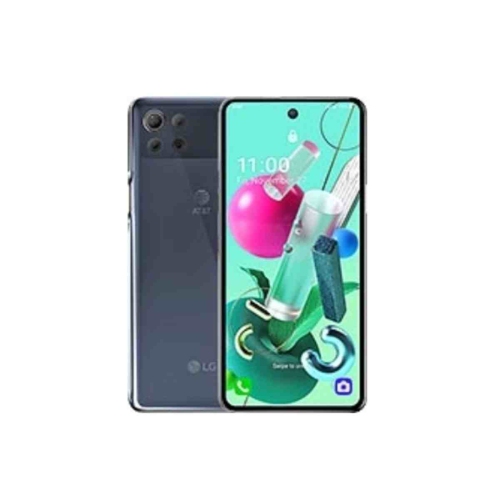 Your price for this item is $329.99
Discover more categories related to HD Cell Phones
Top Collections:
Best Black Friday Deals This Year, Best Black Friday Deals On Electronics, Kindle Devices, Best Black Friday Deals On Apple Products, Best Budget Office Chairs, Best Cameras for Sports Photography, Dyson Airwrap, Canon G7X Cameras, Best Laptops for Writers, Samsung Galaxy Phones
Some products may be subject to Environmental Handling Fees
(EHF) depending on your province.
Learn more about EHFs.