High Quality Lightning Cables
High Quality Lightning Cables are essential for keeping your devices powered up and ready to go. Whether you need a reliable option for charging at home, syncing data at the office, or staying connected while on the move, you'll find a wide selection to suit your needs. Explore durable options designed for seamless compatibility with your favorite devices. Shop High Quality Lightning Cables and experience effortless charging and data transfer every time.
Sort

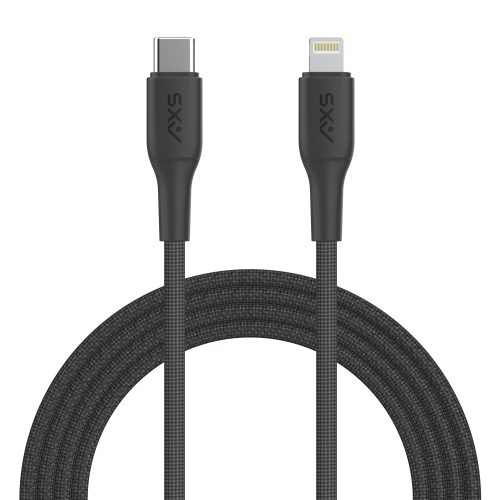
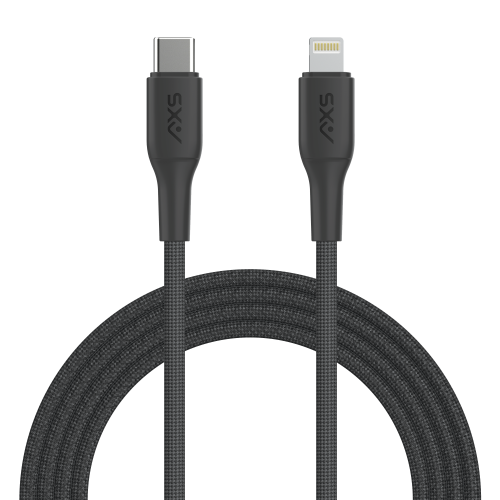


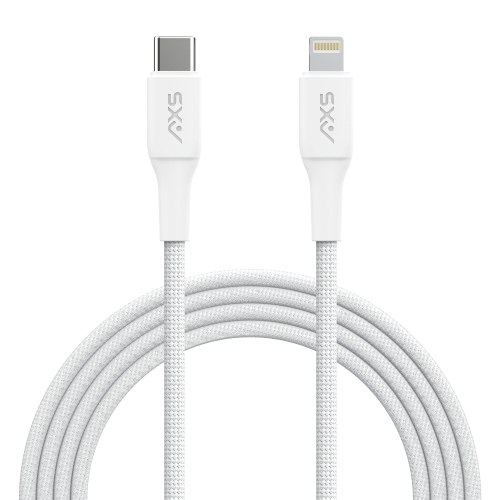


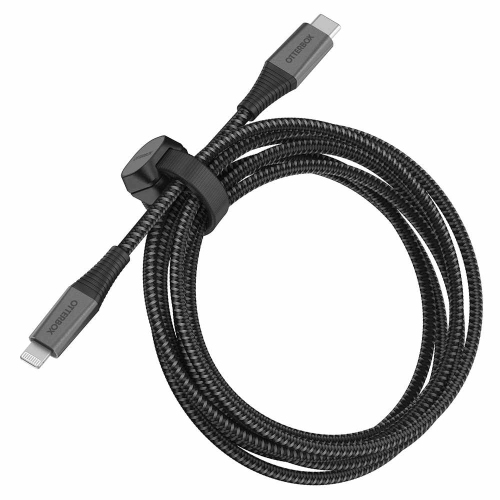





Why Lightning cable quality goes beyond the outer braid
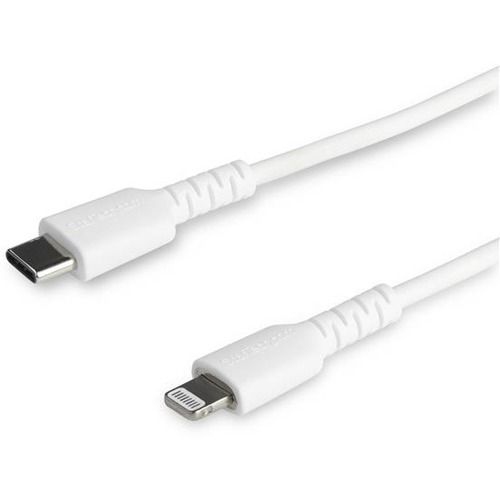
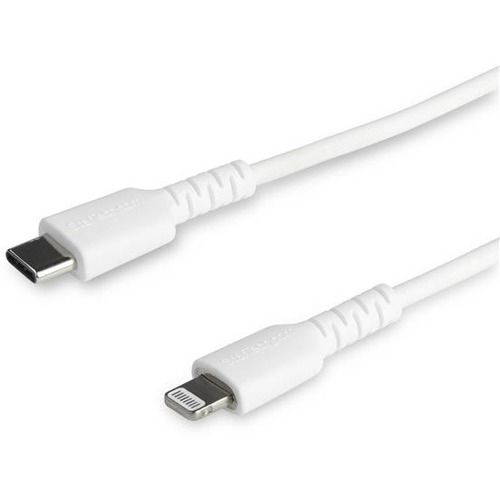
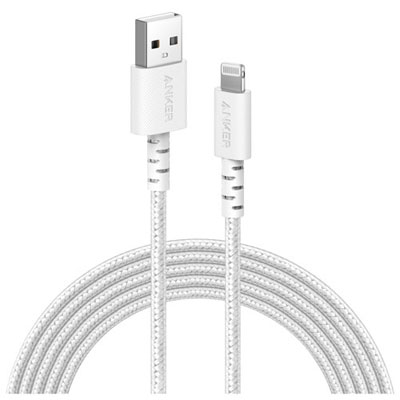
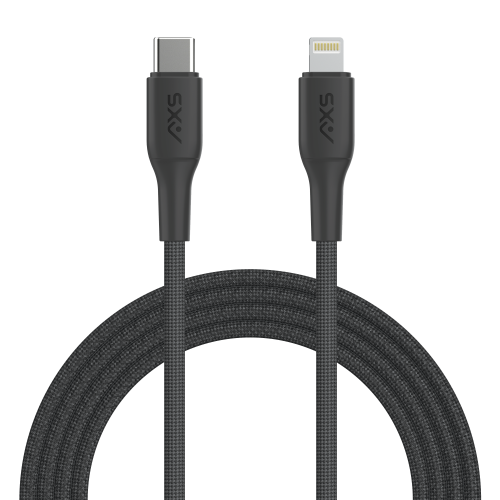
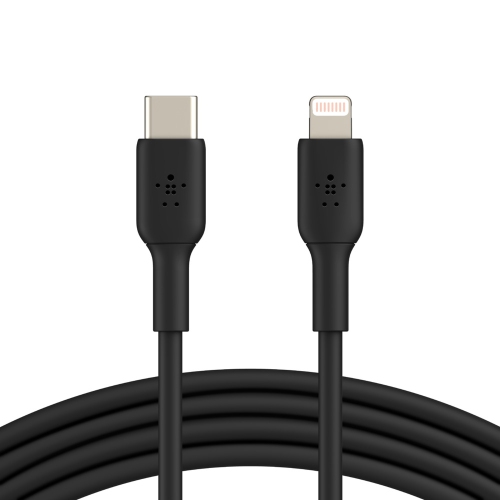
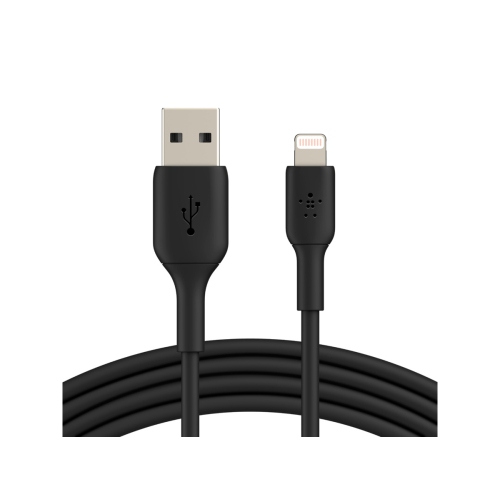
High-quality Lightning cables bring together dependable charging, a secure connection, and construction suited to repeated everyday use. They serve devices with a Lightning port, including compatible phones, tablets, headphones, and other accessories, with a USB connector at the opposite end for a power adapter, computer, or charging hub. The most useful choice depends on both ends of that connection: a Lightning device needs a Lightning plug, while the power source determines whether USB-A or USB-C is appropriate. A cable cannot make a Lightning port compatible with a device that requires USB-C, even when the connectors look similar at a glance. MFi certification is a useful quality indicator because it identifies accessories certified to meet compatibility and performance requirements for supported Lightning devices. It is separate from claims about braided finishes or reinforced connectors, which describe physical construction rather than electrical compatibility. For charging at a desk, transferring photos to a computer, or keeping a phone connected during a commute, the details of the cable matter more than an impressive-looking exterior alone. A well-made connector should seat securely without needing pressure at an angle, and its housing should leave enough clearance around the device’s charging port. This is especially relevant with protective cases that have deep or narrow port openings. Slim connector housings can fit those openings more easily, although fit still depends on the case and device. Clear specifications for connector type, length, charging support, and data transfer make it easier to match a cable to its intended role. Shoppers comparing connection styles can also explore Best Lightning-To-USB Cables for related options. Whether a cable stays beside a reading chair or travels between home and work, quality comes down to a practical combination of compatibility, sound construction, and convenient handling. Those qualities help make plugging in a routine task rather than a matter of finding the one position in which a worn connection still works.
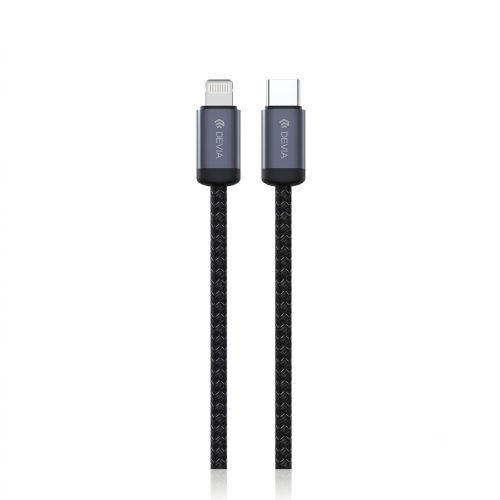
Materials and construction affect how a Lightning charging cable feels, stores, and holds up to daily handling. Braided nylon jackets can add abrasion resistance and a textured grip, making them useful for cables that frequently pass through a bag or across a desk edge. A braid does not make a cable immune to damage, however, and its thickness is not a reliable measure of the quality of the conductors inside. Smooth, flexible jackets offer a different feel and can be easy to wipe clean; their durability depends on the material, internal construction, and reinforcement where the cord meets each connector. These junctions deserve particular attention because they flex whenever a device is picked up while connected. Extended strain relief can help spread that movement along a larger section of cable instead of concentrating it at one sharp bend. Reinforced connector housings may offer additional protection during handling, but pulling on the housing rather than the cord remains important with any design. Published bend-test claims can provide context, though test methods differ and the numbers should not be treated as a direct prediction of lifespan. Length is equally practical. A short cable keeps a portable battery setup compact and reduces loose cord in a vehicle console. A medium-length cable often suits a desk or bedside table, while a longer cable can reach from a wall outlet to a sofa without leaving the device suspended by its connector. Extra reach also means more cord to manage, so routing matters around chair wheels, drawers, and walkways. Longer cables do not automatically charge more slowly, but their construction and electrical specifications still matter. A reusable cable tie can keep excess length gathered loosely, while a relaxed coil is kinder to the cord than a tight wrap around a power adapter. Different colours can help distinguish household members’ cables or separate a travel cable from one that stays at a workstation. These small details are particularly useful when several similar-looking leads share a drawer or charging station.
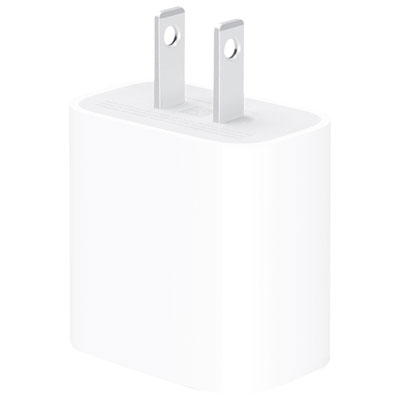
Charging performance depends on the complete setup, not just the Lightning cable. A USB-C-to-Lightning cable can support faster charging on compatible devices when paired with a suitable USB-C Power Delivery adapter, but neither the connector shape nor a fast-charging label guarantees the same result for every device. The device’s supported charging rate, the adapter’s capabilities, and the cable’s specifications all play a part. USB-A-to-Lightning cables remain useful for matching USB-A ports on existing adapters, computers, and vehicle systems, even though they generally do not provide the same fast-charging capability as a compatible USB-C Power Delivery setup. Data support deserves its own check. A cable used only at a wall outlet has a different role from one used for computer backups, photo transfers, or a wired connection to an in-car system. Charging support alone does not establish that a cable supports the required data connection, and a USB-C plug at the power-source end does not automatically mean faster file transfers through Lightning. For a student, a flexible cable that coils neatly into a backpack may be more convenient than a bulky design. Someone working between several desks may prefer dedicated cables at each location, while a frequent traveller may value a shorter lead that stays tidy beside a portable battery. Lightning cables can also make practical gifts for someone with compatible devices, provided the device port, adapter connection, and preferred length are known. Everyday care helps protect that usefulness: disconnect by gripping the plug, avoid sharply folding the cord at the connector, and keep the cable from being pinched under furniture. Cleaning should be done with the cable unplugged, following its care instructions and keeping moisture away from the contacts. Fraying, exposed wires, loose housings, or intermittent operation are reasons to stop using a cable rather than keep adjusting it until charging resumes. A thoughtfully matched cable supports the ordinary moments that depend on a reliable connection, from a phone charging beside a laptop to a tablet syncing files before leaving home. The strongest choice is the one whose fit, charging capabilities, data support, and durability suit those daily tasks.
Top selling and popular products
-
 Your price for this item is $24.99
-
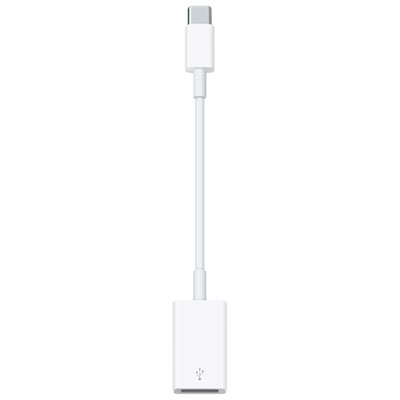 Your price for this item is $25
-
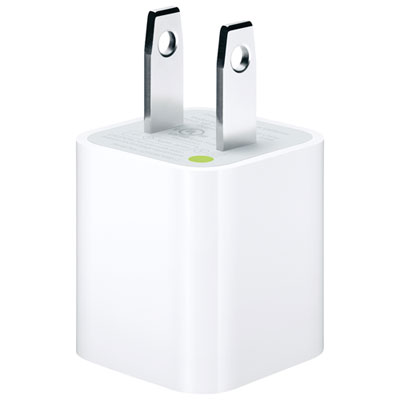 Your price for this item is $9.97
-
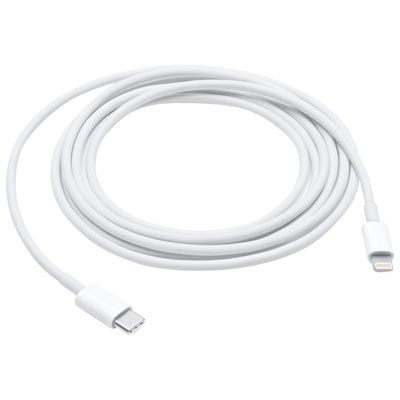 Your price for this item is $38.99
-
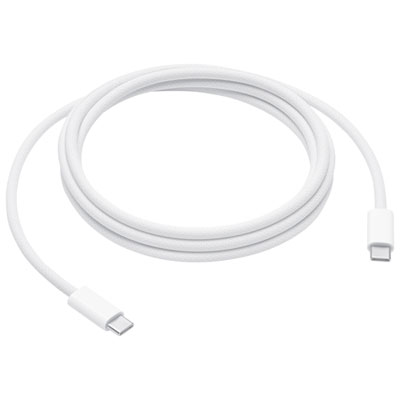 Your price for this item is $34.99
-
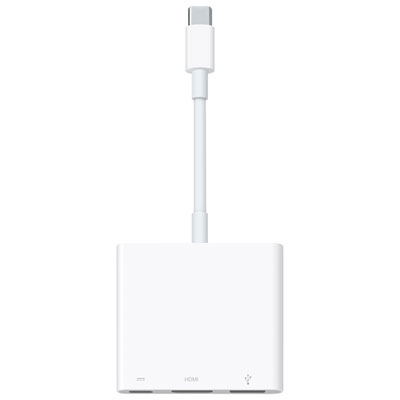 Your price for this item is $85
-
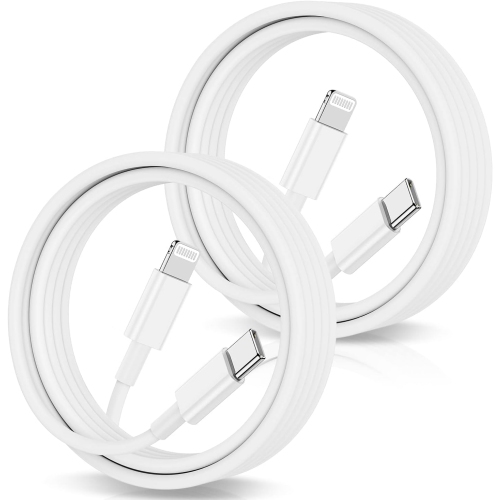 Your price for this item is $24.99
-
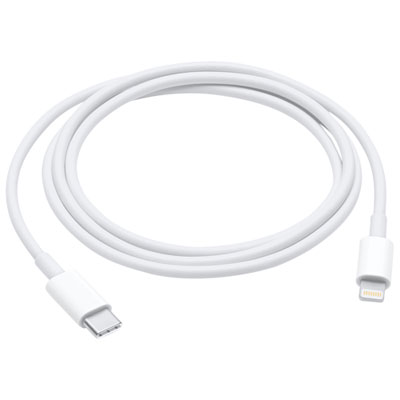 Your price for this item is $24.99
Discover more categories related to High Quality Lightning Cables


Top Collections:
Pokemon Centers, Best Cameras for Sports Photography, Kindle Devices, Samsung Galaxy Phones, Canon G7X Cameras, Pokémon 30th Celebration Cards, Refurbished Apple Laptops, iPhone 15 Apple, Laptops for Students, Budget Smartphones
Some products may be subject to Environmental Handling Fees
(EHF) depending on your province.
Learn more about EHFs.