iPhone MagSafe Battery Pack
Keep your iPhone powered up wherever you go with an iPhone MagSafe Battery Pack. Designed for effortless compatibility and convenience, these battery packs offer a seamless charging experience without the hassle of cables. Perfect for busy days, travel, or on-the-go lifestyles, the iPhone MagSafe Battery Pack ensures your device stays charged when you need it most. Explore a variety of options to find the perfect match for your charging needs and enjoy uninterrupted use of your favorite features.
Sort

![CSMART [] 5000 Mah Magnetic Wireless Charger Magsafe Battery Pack Portable Power Bank for Iphone](https://multimedia.bbycastatic.ca/multimedia/products/500x500/193/19361/19361365.jpeg)

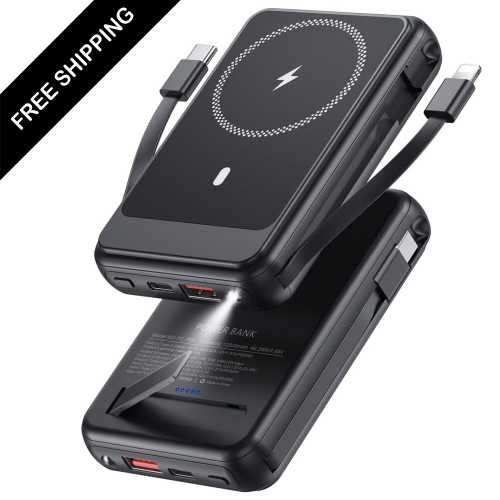
Magnetic power for days away from an outlet
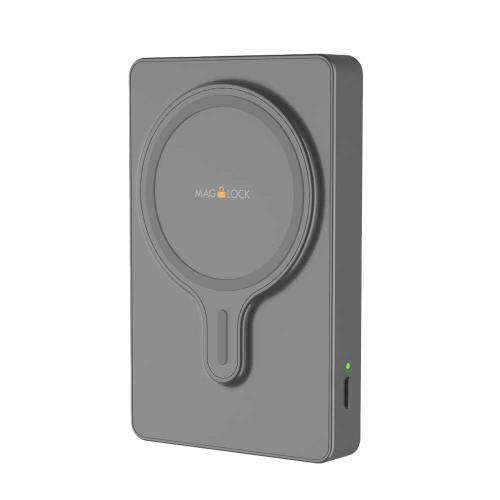
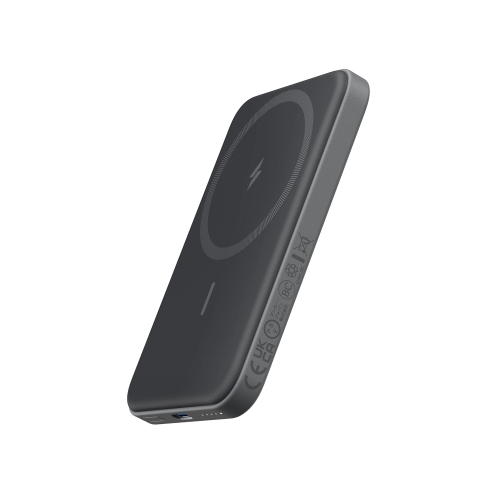
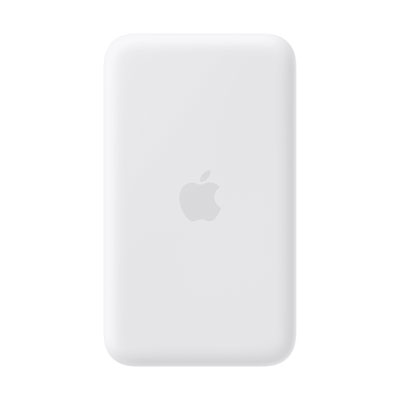
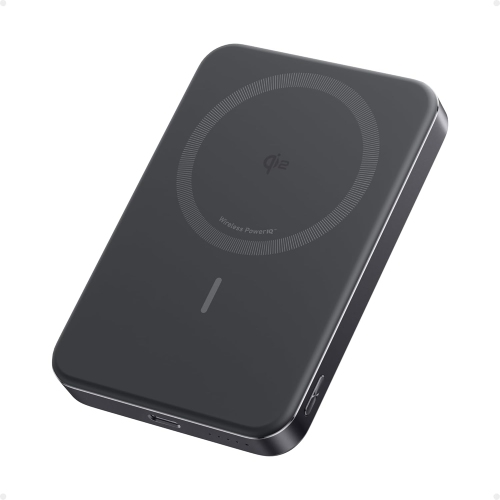
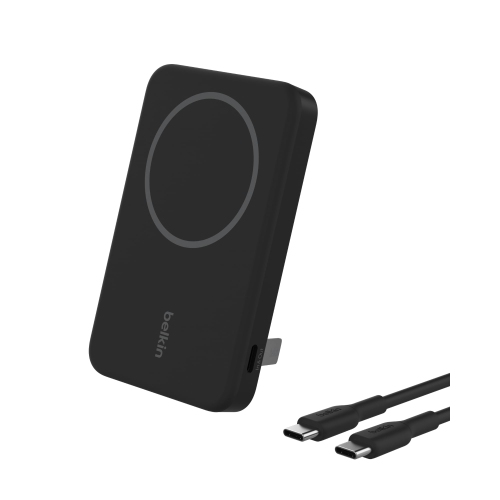
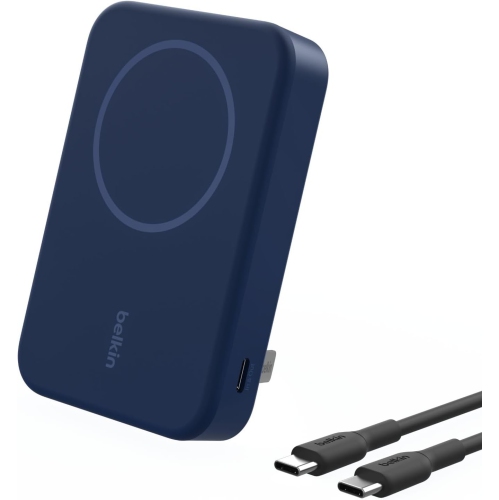
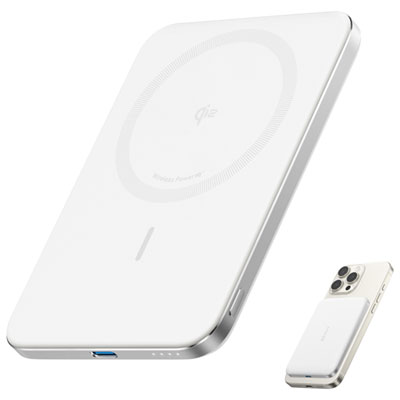
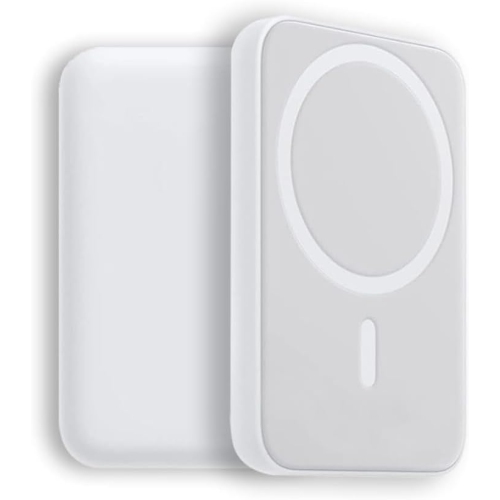
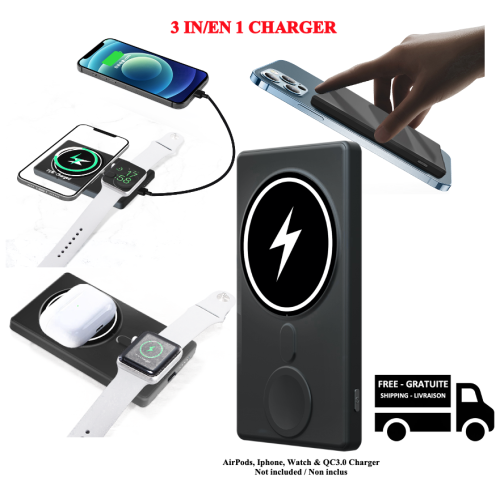
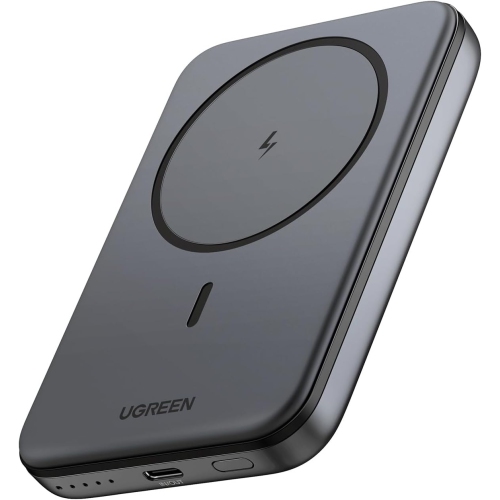
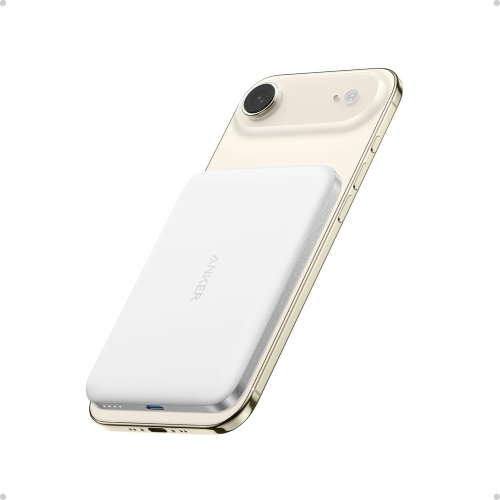
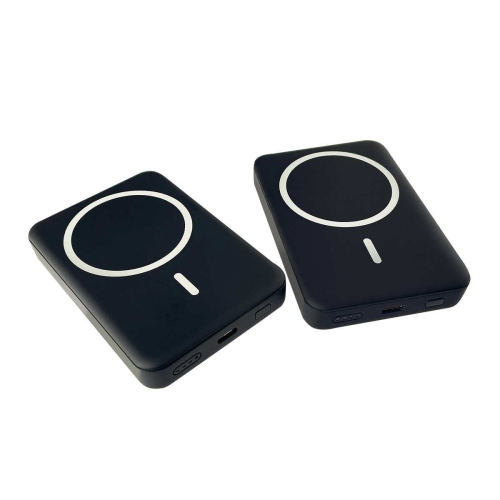
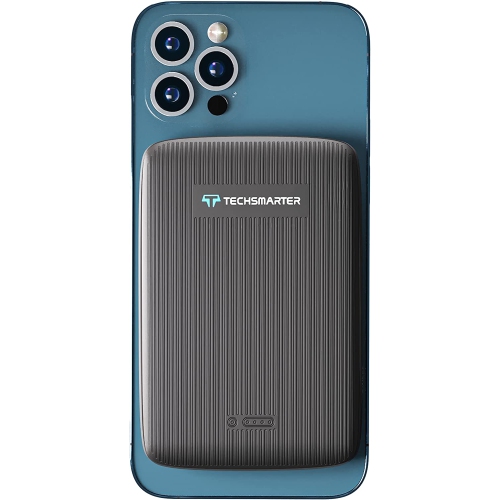
An iPhone MagSafe battery pack is a portable power source that attaches magnetically to a compatible phone and supplies power through wireless charging. It keeps a little extra battery close at hand without a cable running between the phone and the pack, making it useful for transit rides, long days on campus, work away from a desk, and afternoons spent navigating unfamiliar streets. Unlike a charging pad that stays plugged into a wall outlet, a rechargeable magnetic battery pack carries its own stored power. The magnetic connection helps position the charging coils, although compatibility depends on the phone model, case, and charging standard supported by the pack. Magnetic attachment alone does not guarantee a particular wireless charging speed, and a phone that supports wireless charging does not necessarily have built-in magnets. Packs described as magnetic, MagSafe-compatible, or certified for a particular wireless charging standard can have different capabilities, so the stated phone compatibility and wireless output are meaningful distinctions. These accessories generally suit people who want a manageable top-up while continuing to use their phone rather than stopping beside an outlet. A slim pack can sit against the back of a handset while its owner checks a boarding pass, answers messages between appointments, or takes photos during a family outing. Larger designs trade some of that pocket-friendly feel for more stored energy, which can be useful when navigation, video calls, or frequent camera use keep the screen active. For a broader look at this type of portable charging accessory, the Power Bank MagSafe page brings the same magnetic charging concept into focus. The practical appeal is straightforward: power travels with the phone, and the pack can be detached when its extra weight is no longer needed. For commuters, students, travellers, and anyone whose day regularly runs longer than their phone battery, that flexibility can make portable charging easier to fit into an ordinary routine.
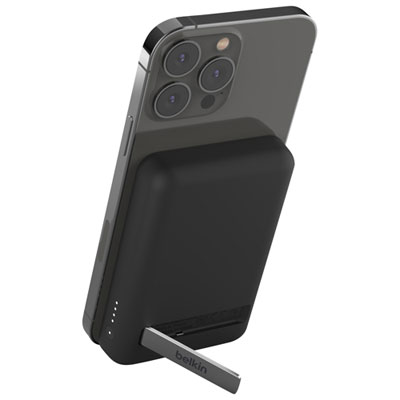
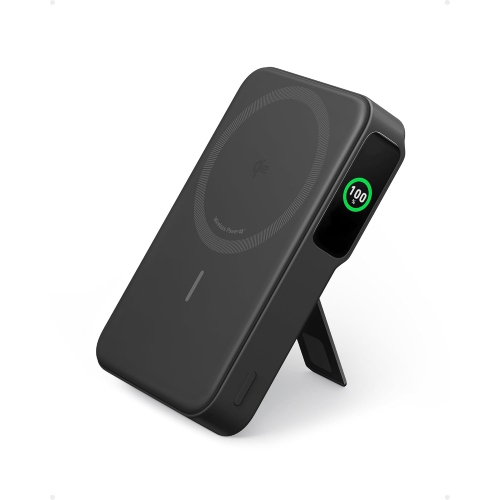
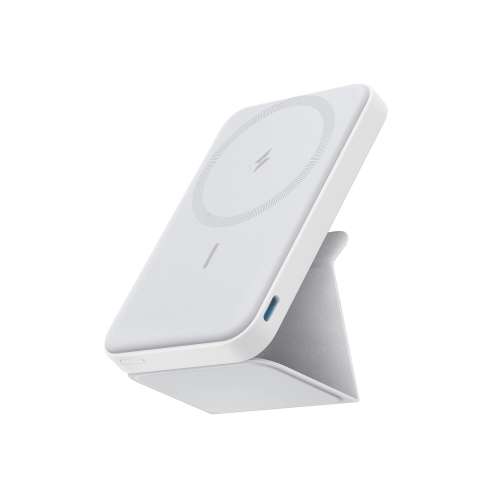
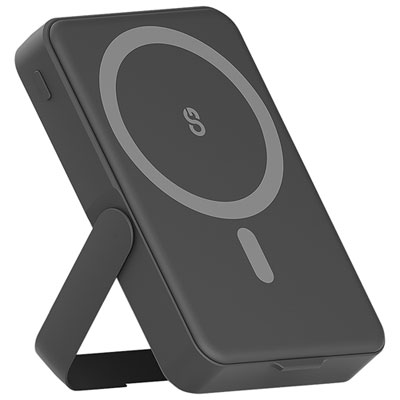
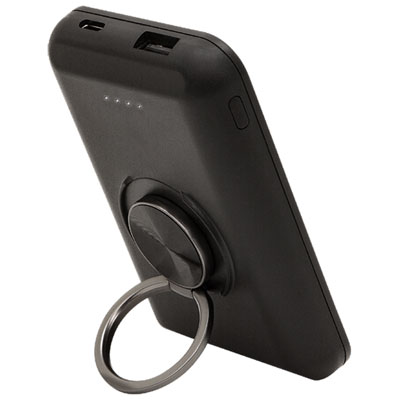
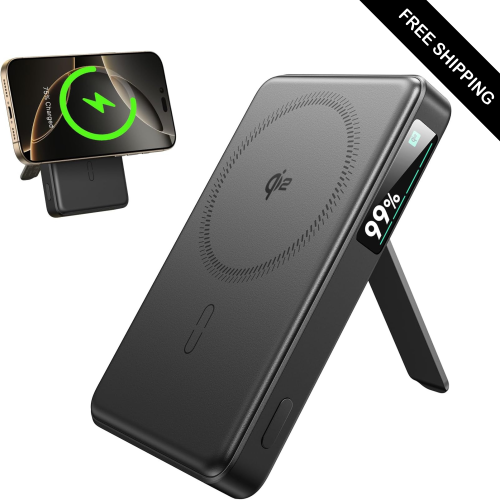
Capacity, dimensions, and charging output all influence how a magnetic battery pack feels in daily use. Common capacity ratings include 5,000 mAh and 10,000 mAh, but those figures describe the battery inside the pack, not the amount of energy that reaches the phone. Power conversion, wireless charging losses, temperature, and the phone’s own activity affect the usable result, so a capacity figure should not be treated as a promise of a specific number of full charges. A smaller pack may be enough for the journey home after a busy day, while a higher-capacity design can provide a larger reserve during extended outings. Wireless output, expressed in watts, describes another part of the experience: actual charging speed depends on the combination of phone, pack, supported charging protocol, and operating conditions. A phone running navigation at high screen brightness may gain charge more slowly than one resting with its screen off. Some packs also offer wired charging through a USB-C port, which can be useful when a cable connection better suits the situation; port functions differ, and a connection used to recharge the pack may not always supply power to another device. Models with a stand can support hands-free viewing on a stable surface, keeping a recipe visible on a kitchen counter or holding a video call at a desk. The stand’s angle, hinge strength, and ability to support portrait or landscape placement matter as much as its presence. Charging more than one device, or charging a phone while the pack itself is plugged in, requires explicit support for those functions and may affect output and heat. Battery-level lights or a display can help make the remaining reserve easier to judge before leaving home. Together, these details distinguish a compact companion for occasional top-ups from a larger accessory intended for heavier phone use, without making capacity alone the deciding factor.
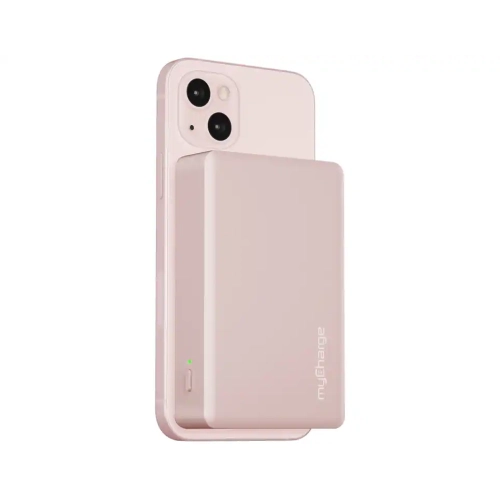
Fit deserves particular attention because a magnetic battery pack becomes part of the phone’s shape while attached. Its width, height, and thickness affect how comfortably the handset sits in a hand, jacket pocket, or small bag. On a smaller phone, a taller pack may extend near the bottom edge or sit close to the camera area; checking dimensions against the exact handset helps avoid awkward overhang or interference. A case designed for magnetic charging can help maintain alignment, while a thick case, metal plate, or some card-holder attachments may weaken the connection or interrupt charging. Adding a magnetic ring does not give a phone wireless charging capability it did not already have. Cards, loose metal objects, and other accessories should stay out of the space between the phone and pack. Materials also shape everyday comfort and durability. Rigid plastic housings can keep weight manageable, while metal housings may feel more substantial; textured or soft-touch surfaces can improve grip but may collect lint or show wear differently. Smooth edges are particularly useful when the phone stays in hand for reading or messaging. Magnetic attachment is convenient, but it is not a locking mount, and lifting the phone by the battery pack can allow the two to separate. For care, a soft, dry cloth is usually suitable for wiping the exterior, with cleaning methods kept within the manufacturer’s directions. Charging ports should remain free of debris, and liquid exposure should be avoided unless the pack carries a suitable protection rating. Some warmth during wireless charging is normal, but covering the pack with bedding or leaving it in direct sunlight can trap heat. During cooler weather, an inside pocket can help protect it from prolonged cold, while the stated operating-temperature limits remain important. A damaged, swollen, or unusually hot battery pack should be taken out of use. As a practical gift, this accessory is best matched to the recipient’s exact phone and case, along with whether they value a lighter carry or a larger power reserve. That attention to fit and daily habits makes it more likely to become something they reach for before heading out.
Capacity, dimensions, and charging output all influence how a magnetic battery pack feels in daily use. Common capacity ratings include 5,000 mAh and 10,000 mAh, but those figures describe the battery inside the pack, not the amount of energy that reaches the phone. Power conversion, wireless charging losses, temperature, and the phone’s own activity affect the usable result, so a capacity figure should not be treated as a promise of a specific number of full charges. A smaller pack may be enough for the journey home after a busy day, while a higher-capacity design can provide a larger reserve during extended outings. Wireless output, expressed in watts, describes another part of the experience: actual charging speed depends on the combination of phone, pack, supported charging protocol, and operating conditions. A phone running navigation at high screen brightness may gain charge more slowly than one resting with its screen off. Some packs also offer wired charging through a USB-C port, which can be useful when a cable connection better suits the situation; port functions differ, and a connection used to recharge the pack may not always supply power to another device. Models with a stand can support hands-free viewing on a stable surface, keeping a recipe visible on a kitchen counter or holding a video call at a desk. The stand’s angle, hinge strength, and ability to support portrait or landscape placement matter as much as its presence. Charging more than one device, or charging a phone while the pack itself is plugged in, requires explicit support for those functions and may affect output and heat. Battery-level lights or a display can help make the remaining reserve easier to judge before leaving home. Together, these details distinguish a compact companion for occasional top-ups from a larger accessory intended for heavier phone use, without making capacity alone the deciding factor.
Fit deserves particular attention because a magnetic battery pack becomes part of the phone’s shape while attached. Its width, height, and thickness affect how comfortably the handset sits in a hand, jacket pocket, or small bag. On a smaller phone, a taller pack may extend near the bottom edge or sit close to the camera area; checking dimensions against the exact handset helps avoid awkward overhang or interference. A case designed for magnetic charging can help maintain alignment, while a thick case, metal plate, or some card-holder attachments may weaken the connection or interrupt charging. Adding a magnetic ring does not give a phone wireless charging capability it did not already have. Cards, loose metal objects, and other accessories should stay out of the space between the phone and pack. Materials also shape everyday comfort and durability. Rigid plastic housings can keep weight manageable, while metal housings may feel more substantial; textured or soft-touch surfaces can improve grip but may collect lint or show wear differently. Smooth edges are particularly useful when the phone stays in hand for reading or messaging. Magnetic attachment is convenient, but it is not a locking mount, and lifting the phone by the battery pack can allow the two to separate. For care, a soft, dry cloth is usually suitable for wiping the exterior, with cleaning methods kept within the manufacturer’s directions. Charging ports should remain free of debris, and liquid exposure should be avoided unless the pack carries a suitable protection rating. Some warmth during wireless charging is normal, but covering the pack with bedding or leaving it in direct sunlight can trap heat. During cooler weather, an inside pocket can help protect it from prolonged cold, while the stated operating-temperature limits remain important. A damaged, swollen, or unusually hot battery pack should be taken out of use. As a practical gift, this accessory is best matched to the recipient’s exact phone and case, along with whether they value a lighter carry or a larger power reserve. That attention to fit and daily habits makes it more likely to become something they reach for before heading out.
Top selling and popular products
-
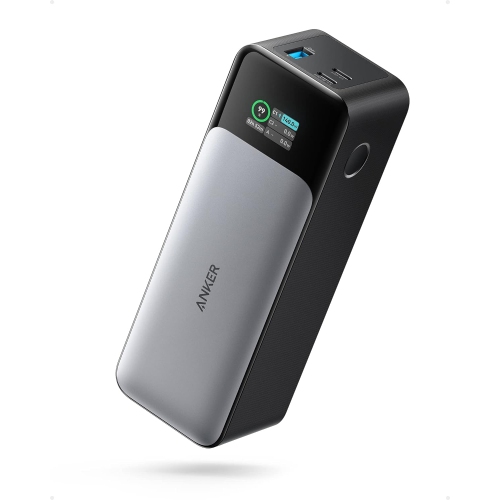 Your price for this item is $234
 -
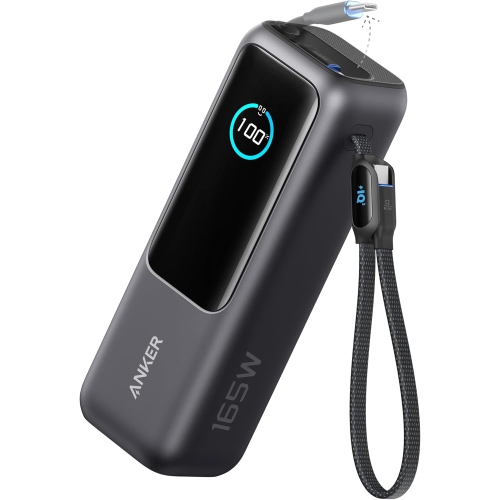 Your price for this item is $238.9
 -
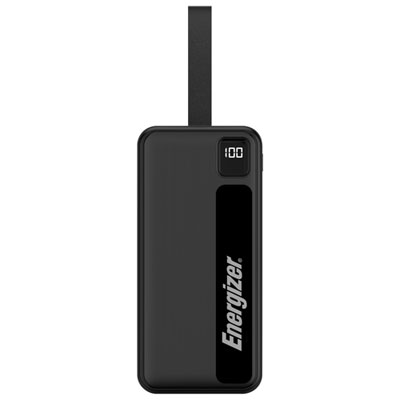 Your price for this item is $37.99
 -
 Your price for this item is $49.99
 -
 Your price for this item is $69.99
 -
 Your price for this item is $100
 -
 Your price for this item is $54.99
 -
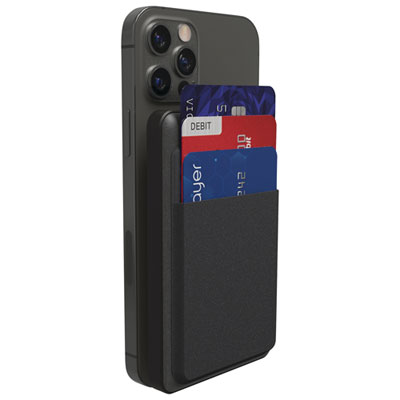 Your price for this item is $48.97
Discover more categories related to iPhone MagSafe Battery Pack

Top Collections:
Pokemon Centers, Budget 4K TVs, Best Budget Office Chairs, Kindle Devices, Canon G7X Cameras, Apple iPhones 16, iPhone 15 Apple, Laptops for Business Work, Xiaomi Phones, Flip Phones
Some products may be subject to Environmental Handling Fees
(EHF) depending on your province.
Learn more about EHFs.