Power Bank MagSafe
Power Bank MagSafe options offer a convenient way to keep your devices charged wherever you go. Designed for compatibility with select smartphones and accessories, these power banks provide an easy solution for staying powered up throughout the day. Whether you're traveling, working remotely, or simply on the move, explore a variety of Power Bank MagSafe choices to find the perfect match for your charging needs.
Sort



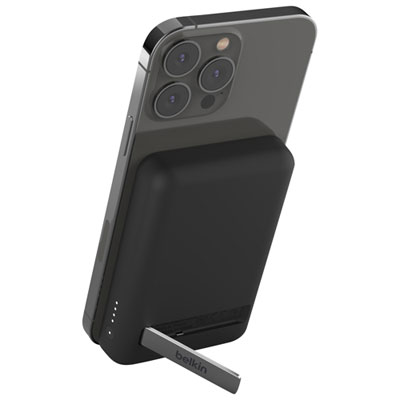
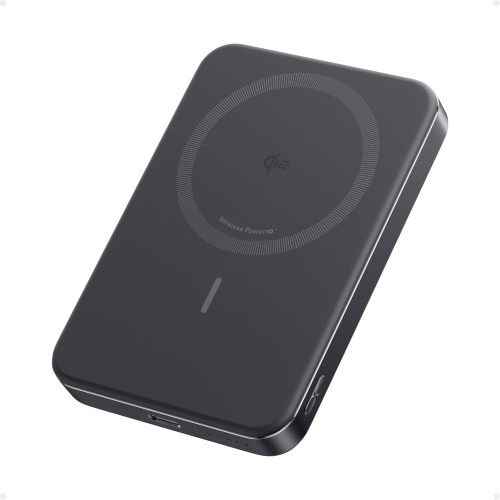
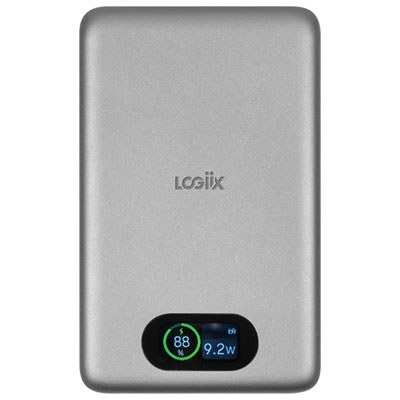
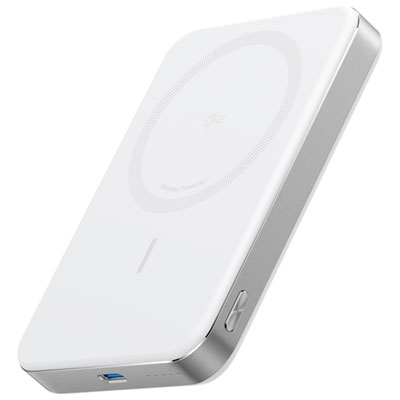





Why phone compatibility matters for magnetic wireless charging
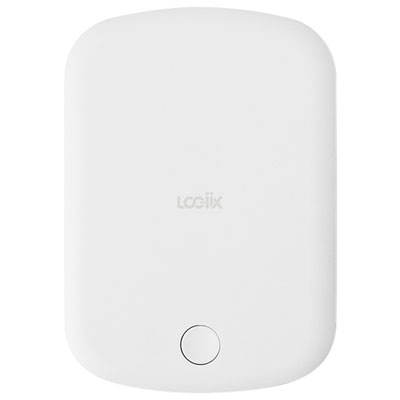
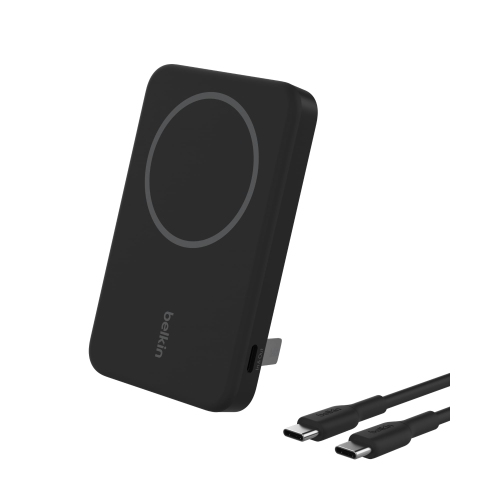
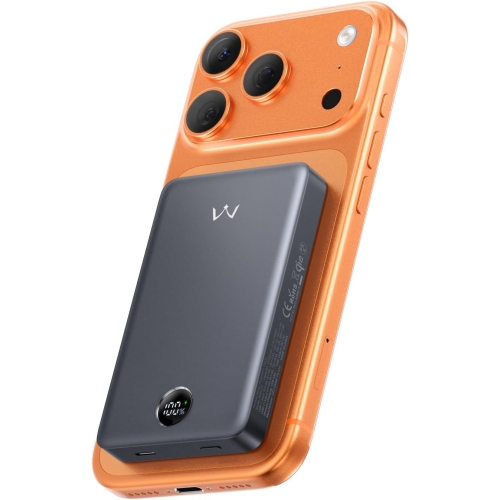
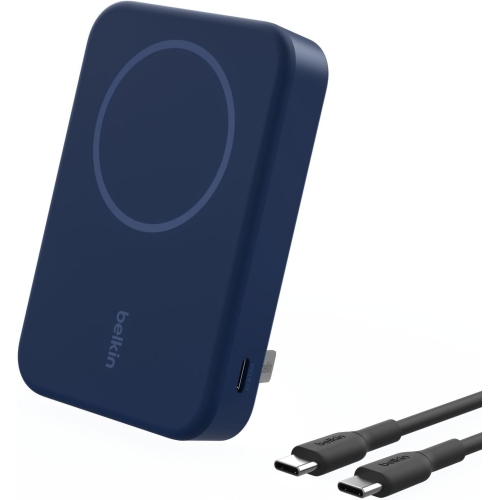
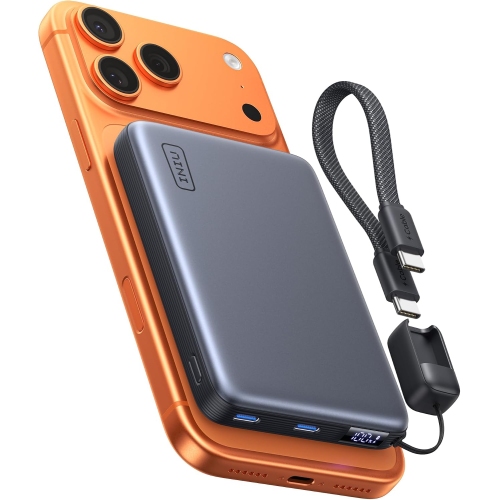
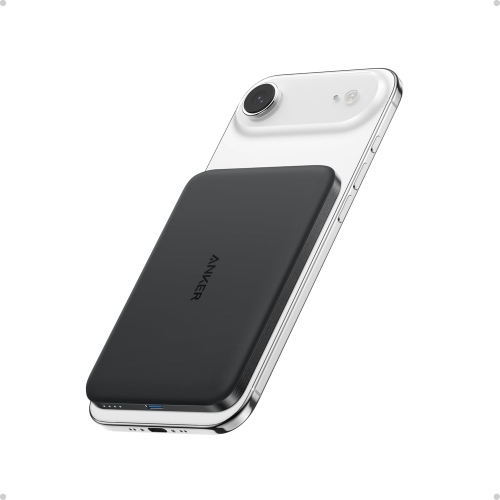
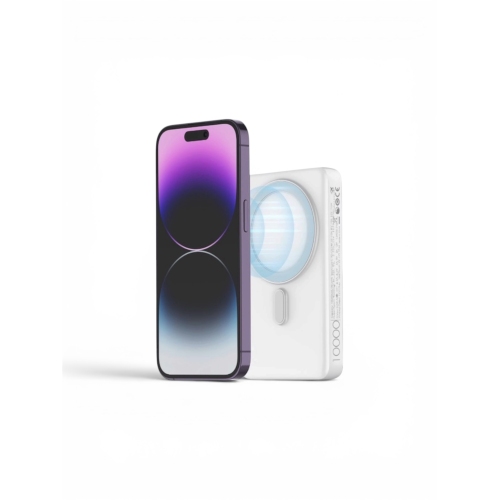
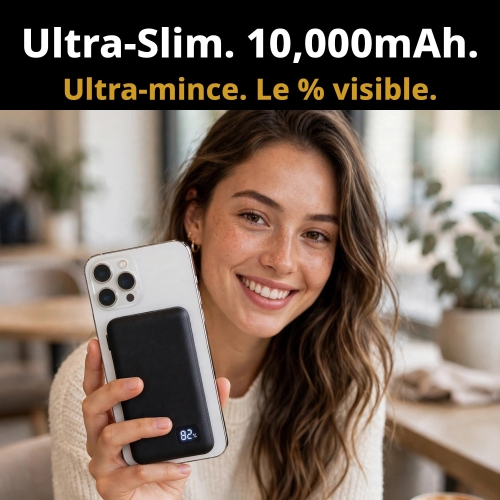
A MagSafe power bank is a portable battery that attaches magnetically to the back of a compatible phone and supplies power through wireless charging. The magnetic connection helps keep the charging coils aligned, so the phone and battery can move together without a cable running between them. That makes this style of portable charger useful for a commute, a day of appointments, or a long stretch away from a wall outlet. The power bank itself still needs to be recharged, usually through a wired connection. Magnetic attachment and wireless charging support are separate considerations: a phone must support the appropriate wireless charging technology, and its built-in magnets or compatible case must provide a suitable attachment point. Adding a magnetic ring does not give a phone wireless charging capability that it does not already have. Case construction also affects the connection. A case designed for magnetic charging generally provides more dependable alignment than a thick case without a matching magnetic ring, while metal plates, card holders, and other accessories between the phone and battery can interfere with charging. Physical fit deserves attention beyond the compatibility label. The battery should sit comfortably below the camera area without blocking a lens or extending awkwardly past the phone’s edges. A compact phone may feel quite different with a broad battery attached than a larger handset does, even when both support the same charging method. Rounded corners, a manageable thickness, and a balanced shape can make the combined device easier to hold while reading a message or checking directions. Magnetic strength helps the battery stay aligned during ordinary handling, but the attachment is not a carrying handle or a substitute for a secure grip. For anyone who regularly uses a phone one-handed, the feel of the complete setup matters just as much as the battery’s stated capacity.
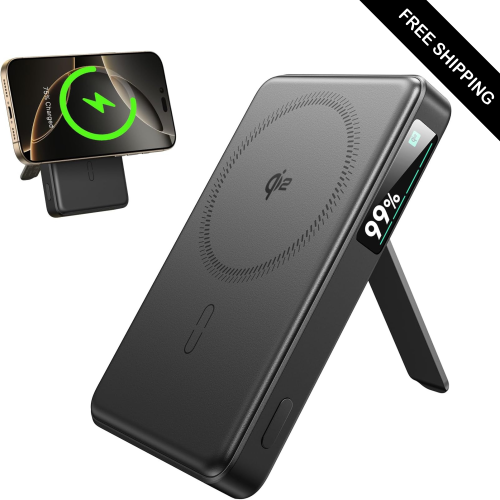
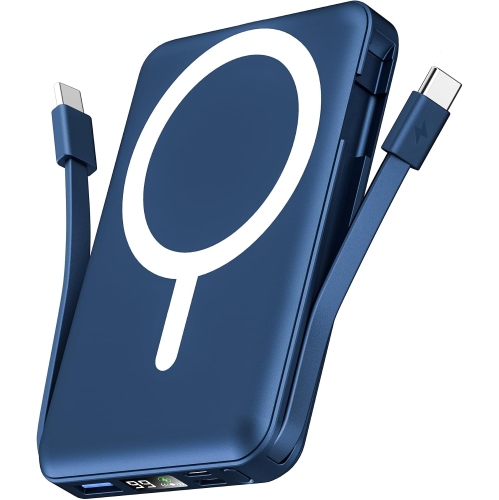
Battery capacity helps distinguish a light top-up companion from a power bank intended for longer use. Capacity is commonly expressed in milliampere-hours, or mAh, with figures such as 5,000 mAh and 10,000 mAh describing familiar size ranges. A lower-capacity design can be easier to slip into a small bag, while a higher-capacity battery generally adds weight and thickness in exchange for more stored energy. Those numbers do not translate directly into a guaranteed number of full phone charges. Energy is used during voltage conversion and wireless transfer, and results also depend on the phone’s battery size, condition, settings, and activity while charging. Streaming video, navigating, or taking frequent photos can use part of the incoming power as it arrives. Charging output, measured in watts, is another specification worth distinguishing from capacity. A large battery does not automatically charge a phone faster, and the maximum advertised wireless output is only achievable with a compatible combination of phone, power bank, and charging conditions. Magnetic attachment alone does not confirm a particular charging speed; supported standards and certifications, including Qi2 where specified, provide more useful detail. Wired connections can broaden the ways a power bank is used. A USB-C port may support recharging the battery, supplying power to another device, or both, depending on the design. Supported input power affects how quickly the power bank can be replenished, while output specifications determine what it can deliver through a cable. When multiple devices are connected, available power may be shared rather than supplied at each port’s individual maximum. Features such as pass-through charging, which allows the battery to receive power while charging a connected device, should be confirmed in the specifications rather than assumed. Clear battery indicators are useful for a quick check before leaving home, and a built-in stand can make a phone easier to view during a video call or a meal. Stand angle, stability, and support for portrait or landscape positioning vary between designs.
Materials and construction shape how a magnetic power bank feels and how well it handles everyday use. Plastic housings can keep weight manageable, metal exteriors can feel solid in the hand, and textured or soft-touch surfaces can add grip. No single material guarantees durability, so details such as well-fitted seams, a sturdy charging port, and a secure stand hinge also matter. Smooth edges are especially helpful when a battery shares a pocket or bag compartment with other belongings. Keeping grit away from the contact surfaces helps protect both the battery casing and the phone or case beneath it. Routine care is usually straightforward: disconnect the power bank, wipe its exterior with a soft, dry cloth, and follow its care instructions for anything more involved. Liquid cleaners should not be applied directly to ports, and water resistance should never be assumed without a stated rating. A separate pouch or compartment can help prevent loose keys and coins from rubbing against the housing or entering exposed connections. A power bank with swelling, a damaged port, or a cracked casing should be taken out of use rather than carried as a backup. Intended use can help narrow the right balance of size and features. A commuter may value a slim profile that stays comfortable during a crowded train ride, while someone attending a conference may prefer enough capacity to support messaging, tickets, and navigation throughout a long day. For trips, portability extends beyond the phone itself to the charging cable and wall adapter needed to replenish the battery. Travel MagSafe Chargers can complement a portable battery when a compact charging setup is useful at a destination. Air travellers should check airline requirements for portable batteries, including carry-on placement, capacity limits, and any restrictions on use during a flight. As a gift, a magnetic power bank is most useful when the recipient’s phone compatibility, case fit, and carrying preferences are known. The right match provides practical backup power without making an everyday phone unnecessarily cumbersome.
Top selling and popular products
-
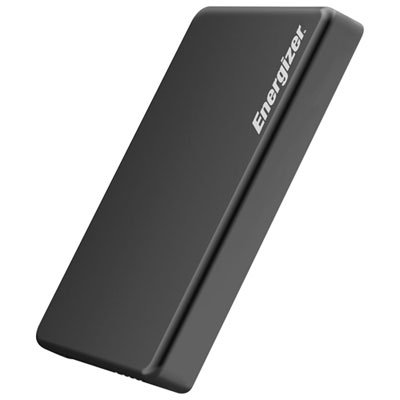 Your price for this item is $44.99
-
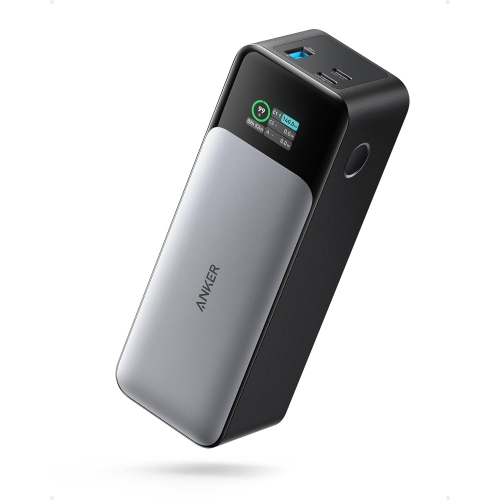 Your price for this item is $234
-
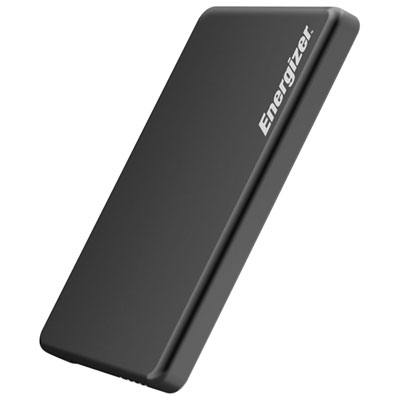 Your price for this item is $29.99
-
 Your price for this item is $19.99
-
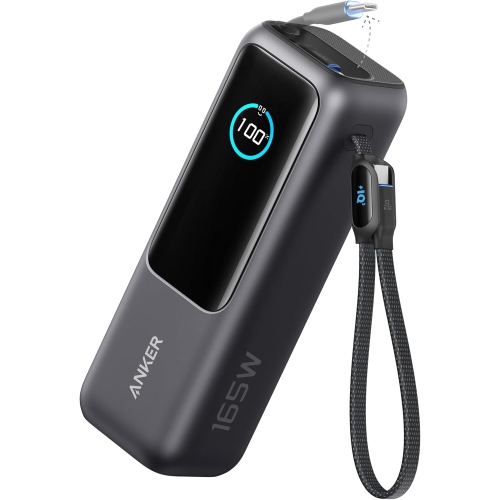 Your price for this item is $238.9
-
 Your price for this item is $34.99
-
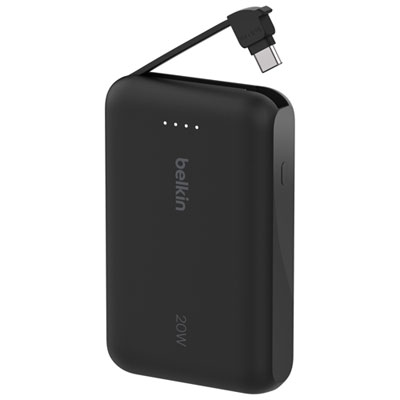 Your price for this item is $49.99
-
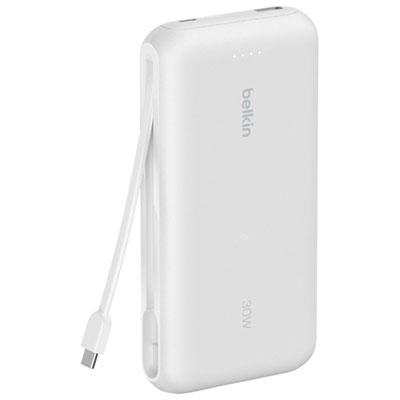 Your price for this item is $69.99
Discover more categories related to Power Bank MagSafe
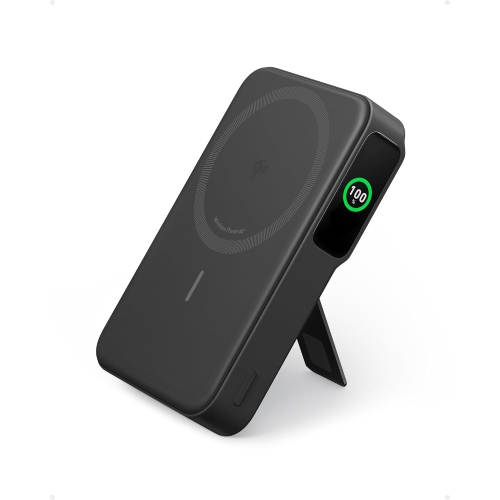

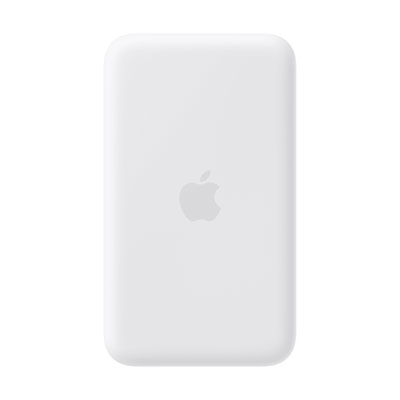
Top Collections:
Pokemon Centers, Kindle Devices, Best Black Friday Deals This Year, Pokémon 30th Celebration Cards, Best Black Friday Deals On Electronics, Best Cameras for Sports Photography, Best Black Friday Deals On Apple Products, Canon G7X Cameras, iPhone 15 Apple, Candle Warmer Lights
Some products may be subject to Environmental Handling Fees
(EHF) depending on your province.
Learn more about EHFs.