Music Smart Phones
Music Smart Phone options blend advanced mobile technology with features designed for music lovers. Explore a wide selection of devices that make it easy to enjoy your favorite playlists, stream new tracks, and stay connected on the go. Whether you’re searching for enhanced audio experiences or seamless app integration, find the right Music Smart Phone to suit your lifestyle and listening preferences. Discover models that keep you in tune with the latest hits and provide the connectivity you need every day.
Sort
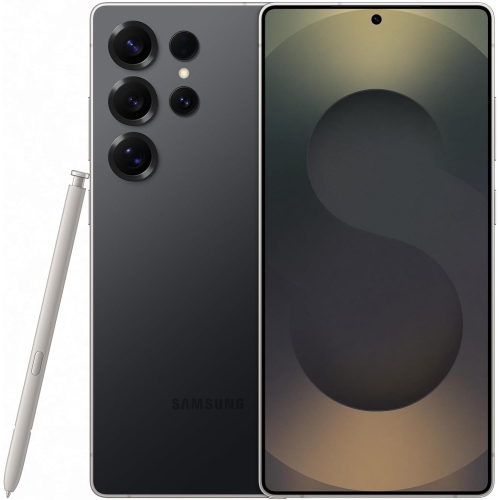
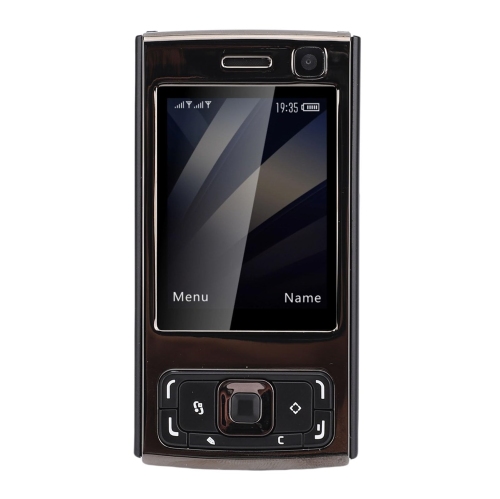
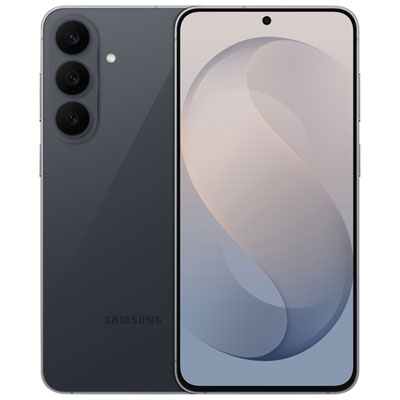

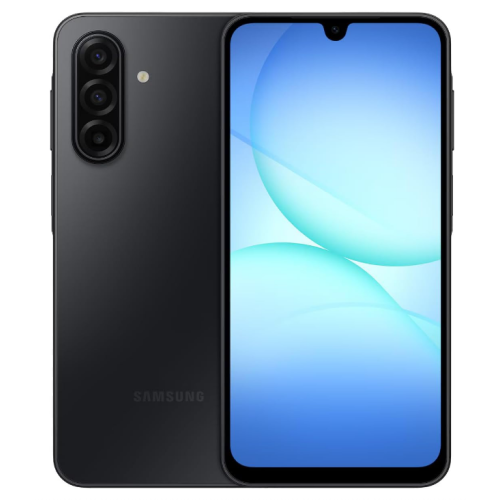


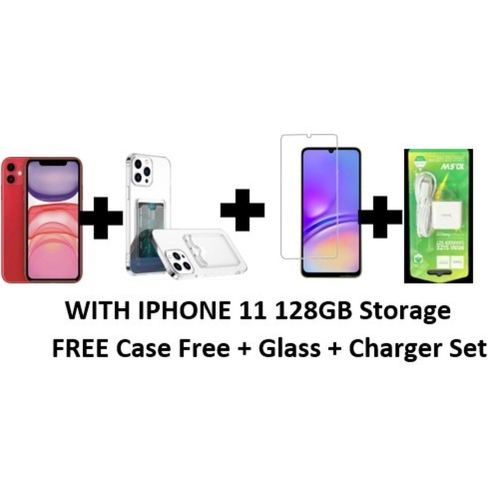

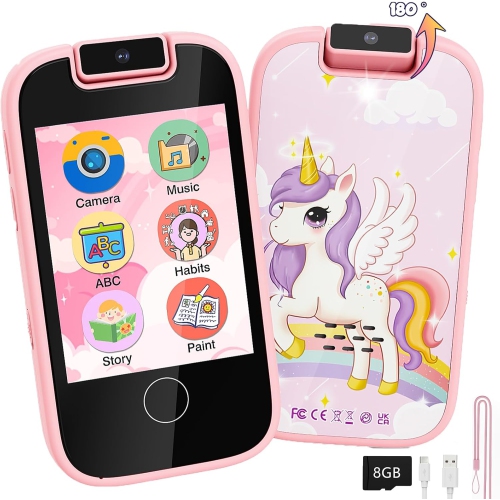
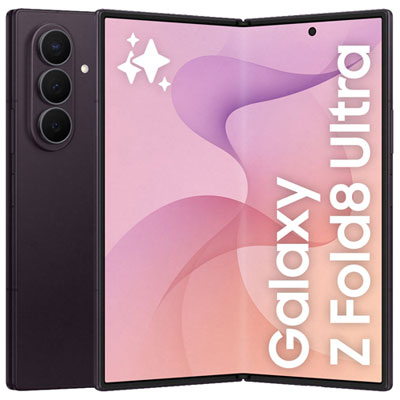
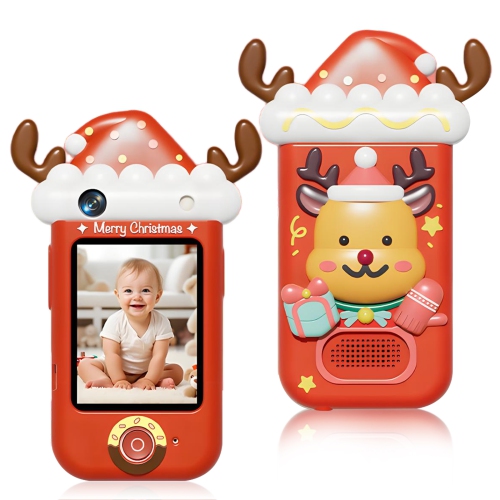
What shapes your phone’s sound beyond the speakers
A smartphone suited to music combines reliable playback, practical storage, comfortable everyday handling, and audio connections that work with the way its owner listens. Music smartphones can serve as a pocket-sized album library, a source for wireless speakers, or a companion for listening through headphones on a commute. Their audio performance depends on more than a single specification. Speaker design, headphone output, wireless codec support, software, and the quality of the original recording all contribute to the result. Built-in stereo speakers can create a wider impression of sound than a single speaker, although their small size limits deep bass. Speaker placement matters, too: a hand covering an opening while holding the phone sideways can muffle a song or video. For wired listening, a physical headphone jack offers a straightforward connection to compatible headphones. The digital-to-analogue converter, commonly called a DAC, turns digital audio into the analogue signal those headphones use, while the headphone amplifier helps determine whether they reach a comfortable listening level without distortion. A high-resolution DAC can support detailed audio formats, but that specification alone does not guarantee better sound; the headphones, recording, and listening conditions remain important. Phones without a headphone jack may support wired listening through a compatible USB audio connection or adapter, with conversion handled by the connected device when it contains its own DAC. Compatibility is worth confirming because adapters and phone ports do not all support the same functions. For listeners exploring Music Mobile Phones, these differences affect familiar moments: hearing a quiet vocal clearly on the sofa, keeping an instrumental track balanced through headphones, or sharing a playlist while preparing dinner. Clear mids, controlled bass, and clean playback at a moderate volume are often more useful than sheer loudness. Built-in speakers suit casual listening and sharing, while headphones or a separate speaker can offer a fuller experience when the music deserves closer attention.
Wireless listening adds another set of considerations, particularly for people who move between earbuds, a vehicle, and speakers at home. Bluetooth audio relies on a codec, which determines how sound is encoded and sent between the phone and the receiving device. Both devices need to support a compatible codec to use its capabilities, and the connection settings can also affect the result. A higher advertised data rate is not an automatic promise of audibly better music, especially in a noisy setting or with a heavily compressed source. Wireless stability, dependable pairing, and convenient playback controls can matter just as much during daily use. Wi-Fi playback to compatible home audio equipment may offer a different listening path, with supported quality and controls depending on the phone, app, network, and receiving equipment. Storage is equally relevant to a music-focused phone. Downloaded albums make listening possible without a mobile connection, but offline access can depend on the music service, subscription terms, and download settings. Lossless files generally take up more space than compressed files, and high-resolution recordings can require substantially more room. The phone’s usable storage must also accommodate apps, photos, videos, and system files; expandable storage is a separate capability that varies by device. Supported file formats and playback apps determine which locally stored tracks can be played, so an existing digital library deserves attention alongside streaming habits. Battery endurance depends on the listening setup rather than music playback alone. Streaming over a mobile network, using the screen frequently, running navigation, and sending audio wirelessly all contribute to power use. Downloaded music can reduce reliance on a connection during a long journey, while accessible lock-screen controls make it easier to pause or skip without repeatedly opening an app. Equalizer settings, left-right balance adjustments, and volume controls can help personalize playback. A restrained adjustment often works better than pushing every frequency higher, which can introduce distortion or make a familiar album tiring to hear.
The physical design of a music smartphone matters because listening often happens while doing something else. A manageable width, balanced weight, and secure grip make a difference when changing tracks one-handed on public transit or carrying a phone between rooms. Glass backs, metal frames, and plastic housings each have different handling characteristics; the material name alone does not establish how well a phone will withstand a drop. A well-fitting case can improve grip and help protect vulnerable edges, provided its openings leave microphones, speakers, buttons, and charging connections unobstructed. A headphone plug or USB adapter also needs enough clearance to seat properly through the case. Screen size brings a similar trade-off: a larger display gives album artwork, lyrics, and playback controls more room, while a smaller device may fit more comfortably in a pocket or hand. Durability depends on construction, use, and care. Water-resistance ratings describe specific test conditions rather than a promise that a phone is waterproof, and resistance can diminish with wear. Keeping ports free of debris, handling cables by their connectors, and following the manufacturer’s cleaning directions can help maintain dependable connections. Liquid should not be introduced into speaker openings or charging ports during cleaning. For frequent headphone users, a comfortable fit and moderate volume make longer sessions more pleasant; turning music up to overcome background noise can expose hearing to excessive sound. Accessibility features such as mono audio, adjustable channel balance, larger text, and voice controls may also make everyday listening easier, depending on the phone and software. As a gift, a music-focused smartphone is most useful when it matches the recipient’s existing headphones, preferred apps, mobile service, and comfort with the operating system. Someone with a large downloaded library may value storage more than speaker volume, while a person who shares songs around the home may care more about simple wireless connections. The strongest fit comes from how naturally the phone supports those everyday listening habits alongside calls, messages, and the rest of daily life.
Top selling and popular products
-
 Your price for this item is $244
-
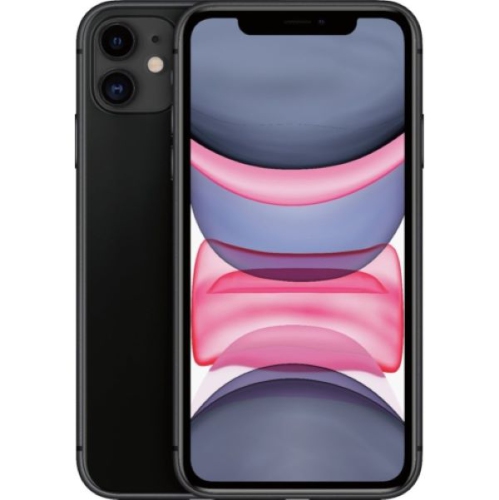 Your price for this item is $219.99
-
 Your price for this item is $278.89
-
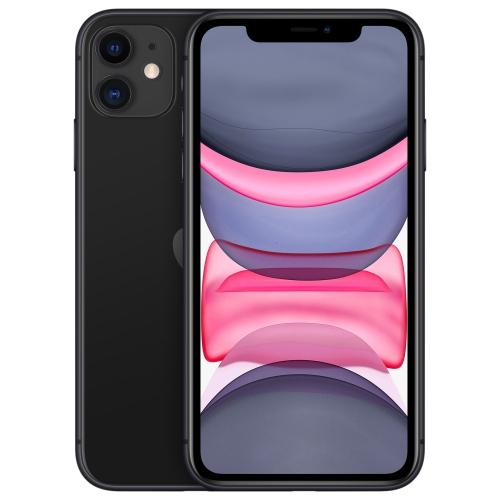 Your price for this item is $257
-
 Your price for this item is $275
-
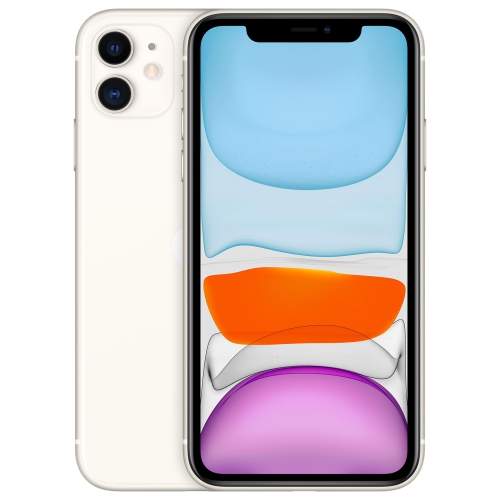 Your price for this item is $263
-
 Your price for this item is $269.99
-
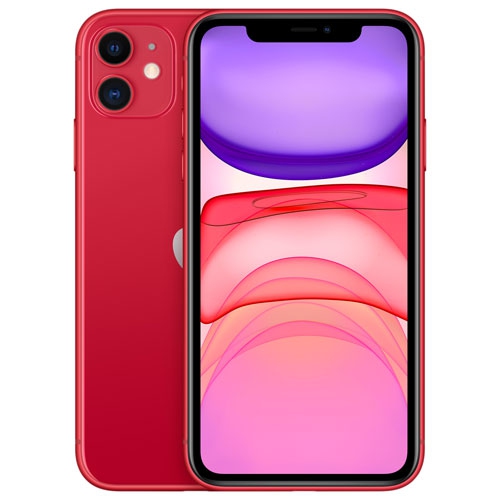 Your price for this item is $359.99
Discover more categories related to Music Smart Phones
Top Collections:
Best Black Friday Deals This Year, Best Black Friday Deals On Electronics, Kindle Devices, Pokemon Centers, Best Black Friday Deals On Apple Products, Best Cameras for Sports Photography, Dyson Airwrap, Pokémon 30th Celebration Cards, Apple iPhone 17 Pro, Canon G7X Cameras
Some products may be subject to Environmental Handling Fees
(EHF) depending on your province.
Learn more about EHFs.