OtterBox Commuters
OtterBox Commuter offers reliable protection for your mobile devices, combining a sleek profile with dependable durability. Designed for those with busy, on-the-go lifestyles, these cases help keep your phone secure from everyday bumps and drops. Discover a range of options that make it easy to find the right fit for your device while maintaining easy access to all your essential functions. Explore OtterBox Commuter and experience peace of mind wherever life takes you.
Sort
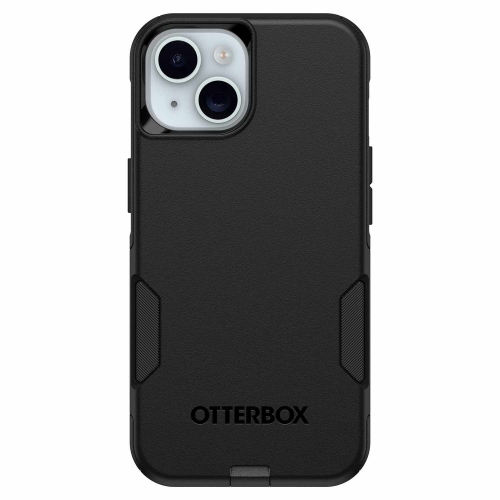
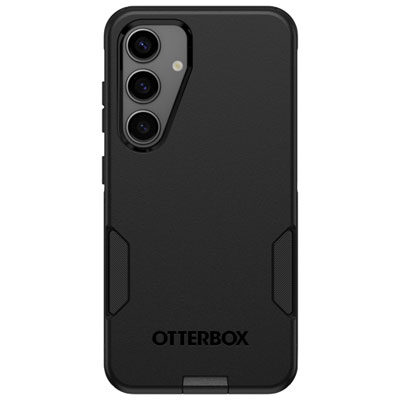
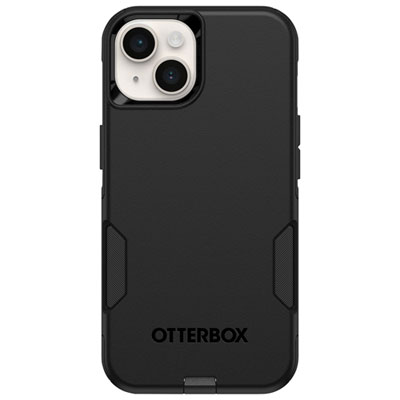
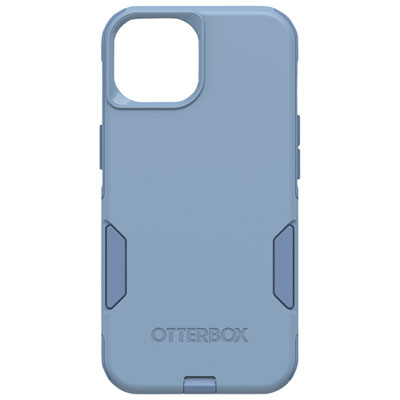
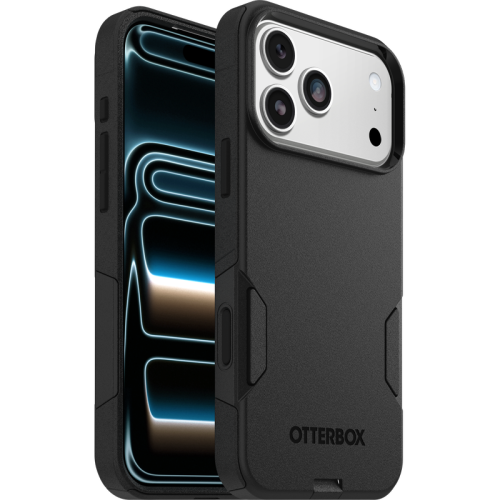

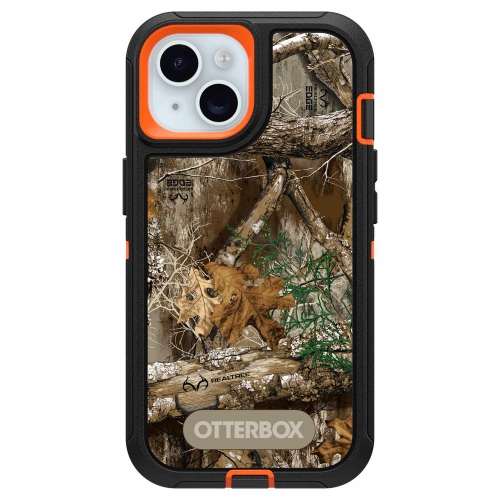
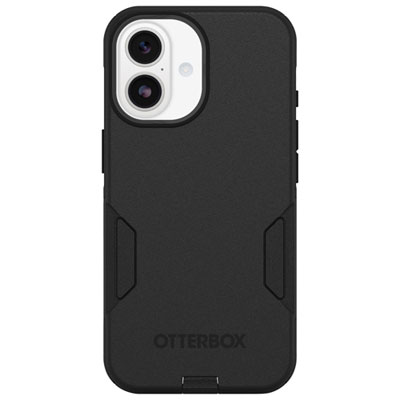
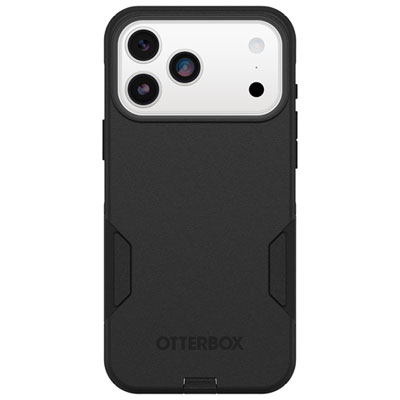
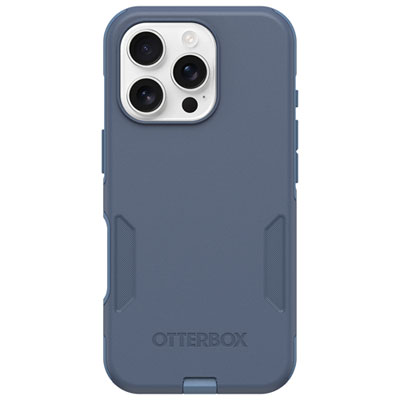
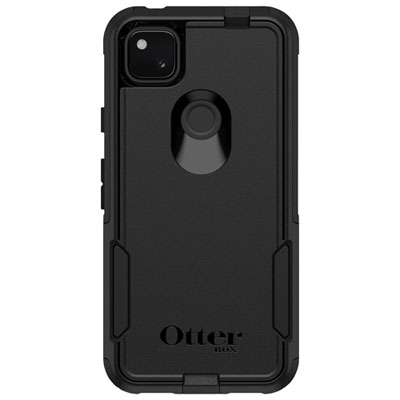
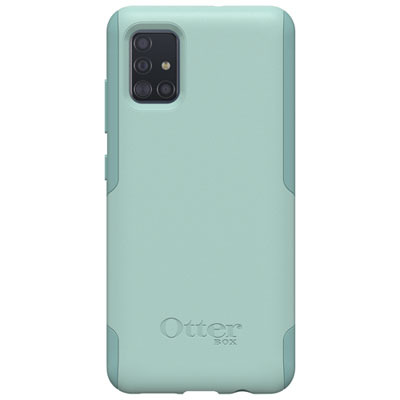
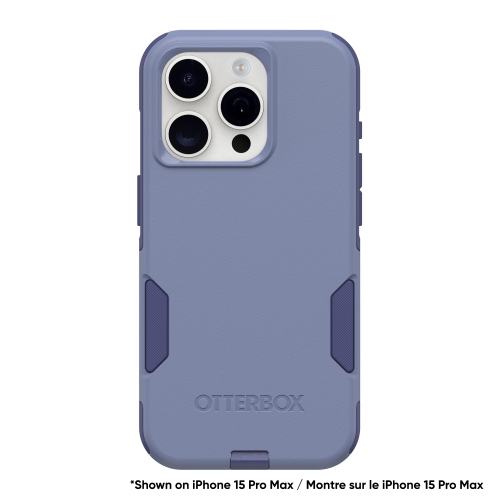
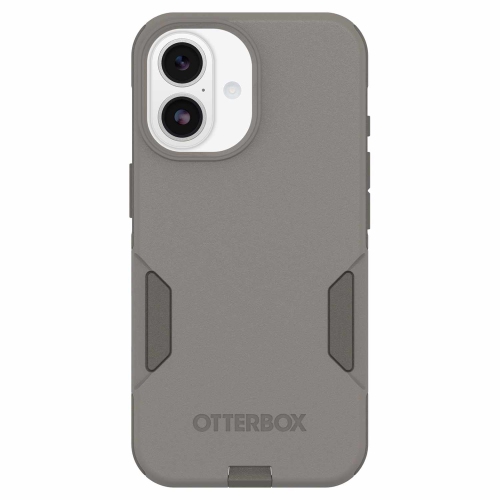
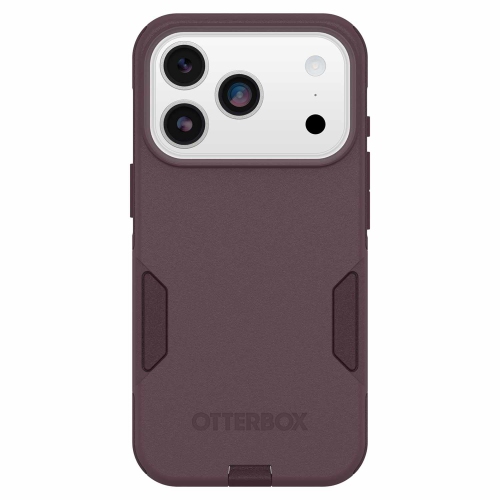
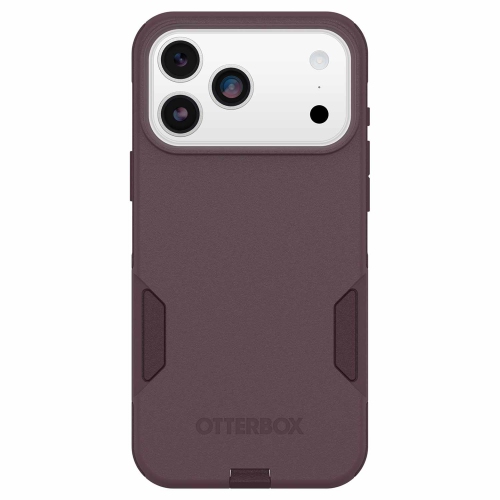
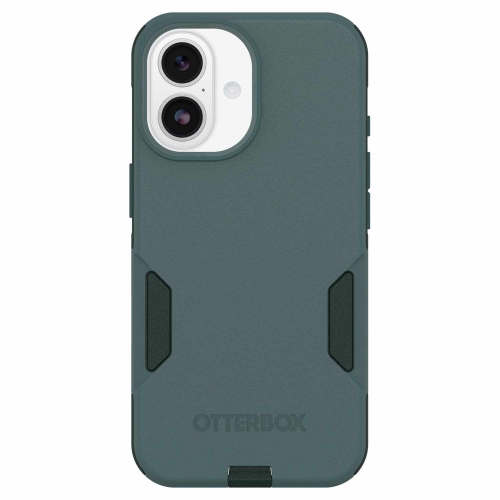
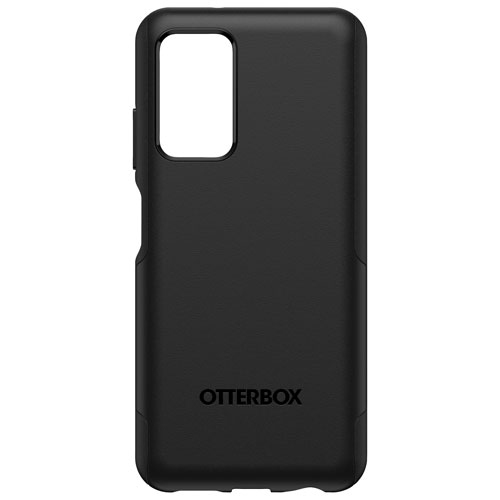
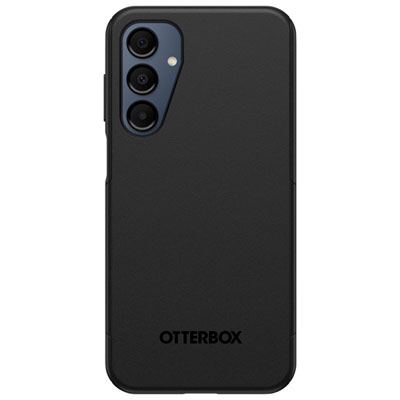
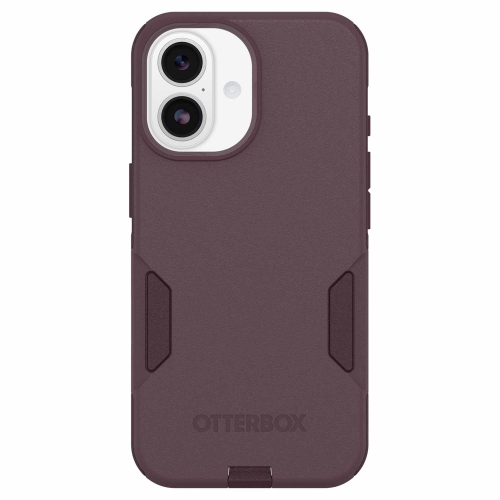
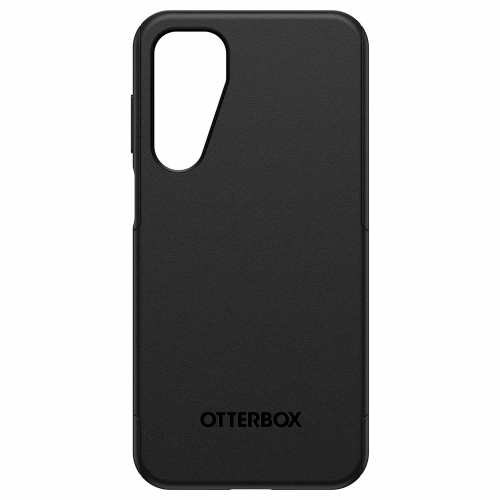
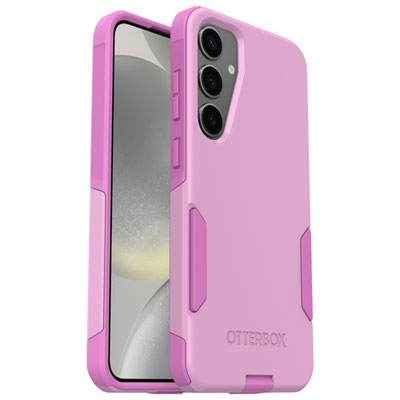
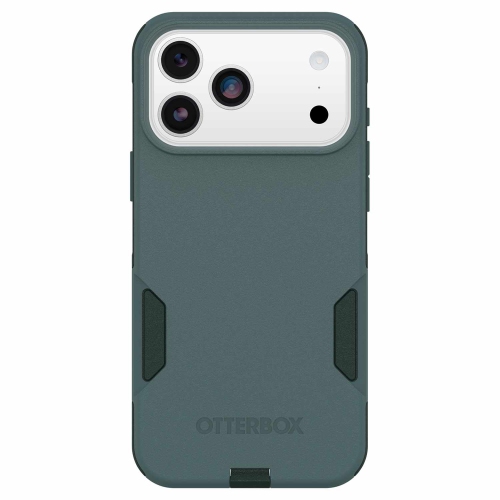
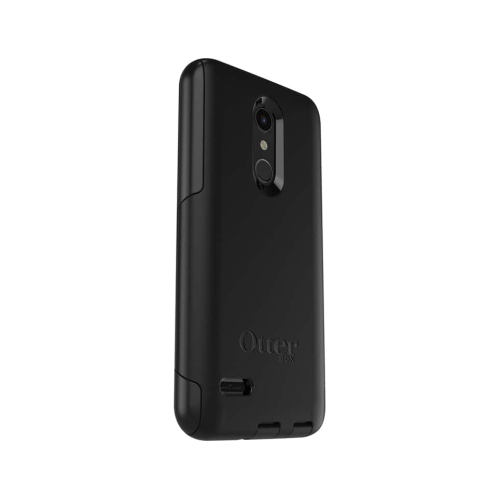
Dual-layer phone protection with a pocket-friendly profile
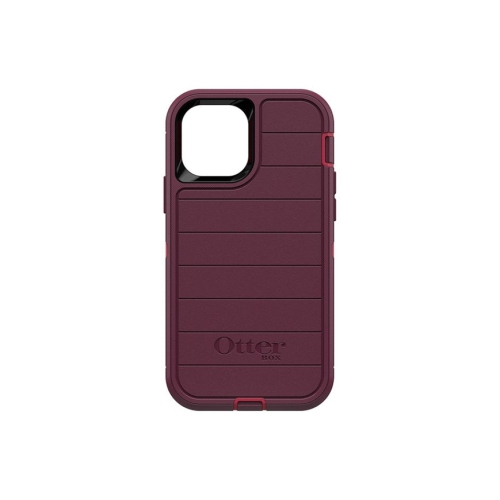
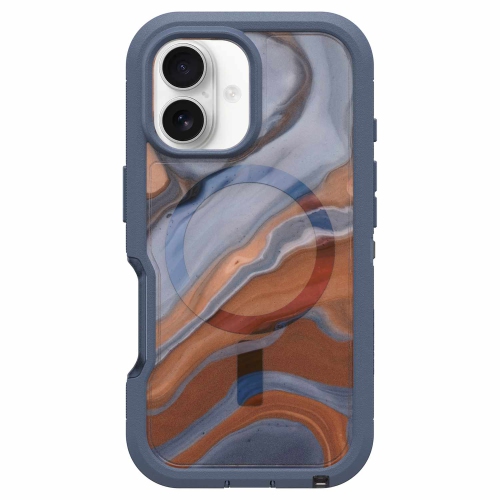
Commuter-style phone cases pair everyday drop protection with a shape that remains practical for pockets, bags, and frequent handling. Their appeal lies in the balance between a cushioned interior and a firmer exterior: a soft inner layer helps absorb the impact of bumps, while a rigid outer shell adds structure and helps resist scuffs from daily use. That layered construction suits the small mishaps that happen between home, work, school, and errands, whether a phone slips off a café table or gets knocked against the edge of a desk. Compared with a very thin cover, a dual-layer case generally adds some thickness around the back and sides, but its relatively streamlined profile is intended to keep the phone manageable throughout the day. Smooth areas can make it easier to slide the device into a jacket pocket, while textured sections along the sides can provide a more secure hold when typing, taking photos, or carrying several things at once. Raised edges around the screen and camera area may help keep those surfaces from touching a flat tabletop, although they cannot prevent every scratch or protect against every landing angle. Port covers, where included, help limit the pocket lint and everyday debris that reach charging openings. They do not make a phone waterproof, and a protective case should not be treated as a substitute for the device’s own water-resistance limits. This combination of cushioning, grip, and everyday practicality makes the category relevant to students moving between classrooms, commuters using transit, parents passing a phone between family members, and anyone who handles a device repeatedly throughout the day. A case can also be a useful gift for someone with a new phone, provided the exact device model is known. The most useful protection is the kind that fits comfortably into familiar routines without making the phone awkward to carry or operate.
Fit is central to how a protective phone case feels and functions. Devices with similar names or screen sizes can have different body dimensions, button positions, camera layouts, and charging openings, so a close visual match is not enough. A properly matched case should sit securely around the device, with the inner layer seated evenly and the outer shell fitted without gaps or distortion. The case should also leave speakers and microphones unobstructed and allow buttons to respond without excessive pressure. For shoppers browsing cases for that particular device, the OtterBox S24 Ultra page provides a model-focused way to narrow the selection. Compatibility matters just as much for accessories already used with a phone. A charging cable needs enough clearance around its connector to reach the port fully, especially when the cable has a thicker protective housing. Where a port flap is present, it should open far enough for the connector without being forced or trapped beneath it. Wireless charging support depends on the case design, the phone, and the charger; a case that permits wireless charging does not necessarily include magnets for attachment or alignment. Magnetic mounts and charging accessories require their own compatibility checks rather than an assumption based on the case’s appearance. The same care applies to screen protectors: the case lip and the protector’s edges need sufficient clearance so that one does not lift or press against the other. These details become noticeable in ordinary use, such as setting a phone on a bedside charging pad, attaching it to a dashboard mount, or plugging it into a power bank during a long day out. Shape also affects comfort. More pronounced corners can add reassurance when handling a larger device, while a smoother back may feel less bulky against the palm. For someone who often uses a phone one-handed, side grip and easy button access can matter as much as overall thickness. Colour and finish add a personal element, but the precise fit remains the foundation of a case that works well day after day.
Materials, care, and wear all contribute to the long-term usefulness of a dual-layer phone case. Flexible inner components and hard outer plastics serve different purposes, and their condition can change with repeated handling, friction, and impacts. A scuffed shell may still sit securely, whereas a crack, stretched corner, or loose fit can indicate that the case no longer holds the phone as intended. Published drop-test claims describe performance under defined test conditions, not a promise that a device will survive every fall. Landing surface, impact angle, previous damage, and the height of a fall can all affect the outcome. A case is therefore best understood as an added layer of protection rather than a guarantee against damage. Routine cleaning helps keep the fit comfortable and prevents grit from lingering between the phone and its cover. With the device removed, cleaning should follow the case maker’s care directions, using a soft cloth and a suitable gentle cleaner where permitted. Harsh solvents, abrasive pads, and excessive heat can affect finishes or flexible components. Any cleaned parts should be completely dry before the case is reassembled around the phone. Dust can gather around camera openings, speaker cut-outs, and port flaps, particularly when a device travels in a coat pocket or shares a bag with everyday essentials. Keeping those areas clear helps preserve access to controls and connectors without relying on sharp tools that could damage the case or phone. During the cooler months, textured sides can be helpful when hands are dry, though gloves may still make a device harder to hold and operate. A secure pocket or dedicated bag compartment remains useful when stepping onto transit or juggling keys at the door. For gifting, the recipient’s habits offer helpful context alongside their phone model: someone who charges wirelessly, uses a vehicle mount, or prefers a front trouser pocket may value different details. A well-matched commuter-style case brings those preferences together in a protective accessory designed for repeated, ordinary use, from the first alarm of the morning to the last charge of the evening.
Fit is central to how a protective phone case feels and functions. Devices with similar names or screen sizes can have different body dimensions, button positions, camera layouts, and charging openings, so a close visual match is not enough. A properly matched case should sit securely around the device, with the inner layer seated evenly and the outer shell fitted without gaps or distortion. The case should also leave speakers and microphones unobstructed and allow buttons to respond without excessive pressure. For shoppers browsing cases for that particular device, the OtterBox S24 Ultra page provides a model-focused way to narrow the selection. Compatibility matters just as much for accessories already used with a phone. A charging cable needs enough clearance around its connector to reach the port fully, especially when the cable has a thicker protective housing. Where a port flap is present, it should open far enough for the connector without being forced or trapped beneath it. Wireless charging support depends on the case design, the phone, and the charger; a case that permits wireless charging does not necessarily include magnets for attachment or alignment. Magnetic mounts and charging accessories require their own compatibility checks rather than an assumption based on the case’s appearance. The same care applies to screen protectors: the case lip and the protector’s edges need sufficient clearance so that one does not lift or press against the other. These details become noticeable in ordinary use, such as setting a phone on a bedside charging pad, attaching it to a dashboard mount, or plugging it into a power bank during a long day out. Shape also affects comfort. More pronounced corners can add reassurance when handling a larger device, while a smoother back may feel less bulky against the palm. For someone who often uses a phone one-handed, side grip and easy button access can matter as much as overall thickness. Colour and finish add a personal element, but the precise fit remains the foundation of a case that works well day after day.
Materials, care, and wear all contribute to the long-term usefulness of a dual-layer phone case. Flexible inner components and hard outer plastics serve different purposes, and their condition can change with repeated handling, friction, and impacts. A scuffed shell may still sit securely, whereas a crack, stretched corner, or loose fit can indicate that the case no longer holds the phone as intended. Published drop-test claims describe performance under defined test conditions, not a promise that a device will survive every fall. Landing surface, impact angle, previous damage, and the height of a fall can all affect the outcome. A case is therefore best understood as an added layer of protection rather than a guarantee against damage. Routine cleaning helps keep the fit comfortable and prevents grit from lingering between the phone and its cover. With the device removed, cleaning should follow the case maker’s care directions, using a soft cloth and a suitable gentle cleaner where permitted. Harsh solvents, abrasive pads, and excessive heat can affect finishes or flexible components. Any cleaned parts should be completely dry before the case is reassembled around the phone. Dust can gather around camera openings, speaker cut-outs, and port flaps, particularly when a device travels in a coat pocket or shares a bag with everyday essentials. Keeping those areas clear helps preserve access to controls and connectors without relying on sharp tools that could damage the case or phone. During the cooler months, textured sides can be helpful when hands are dry, though gloves may still make a device harder to hold and operate. A secure pocket or dedicated bag compartment remains useful when stepping onto transit or juggling keys at the door. For gifting, the recipient’s habits offer helpful context alongside their phone model: someone who charges wirelessly, uses a vehicle mount, or prefers a front trouser pocket may value different details. A well-matched commuter-style case brings those preferences together in a protective accessory designed for repeated, ordinary use, from the first alarm of the morning to the last charge of the evening.
Top selling and popular products
-
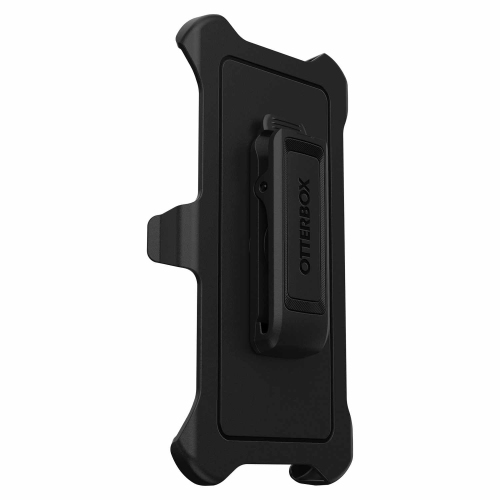 Your price for this item is $24.99
 -
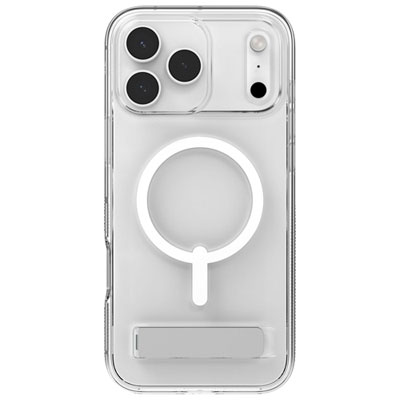 Your price for this item is $44.99
 -
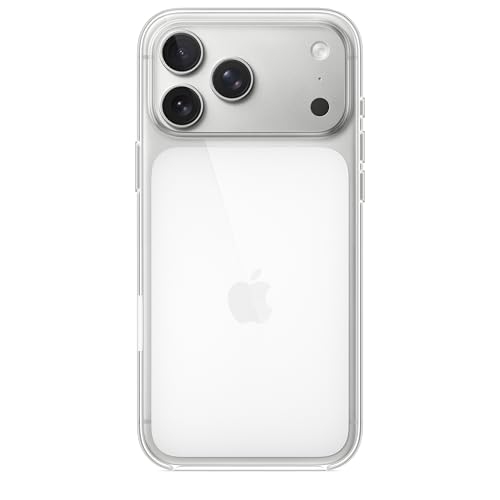 Your price for this item is $73.99
 -
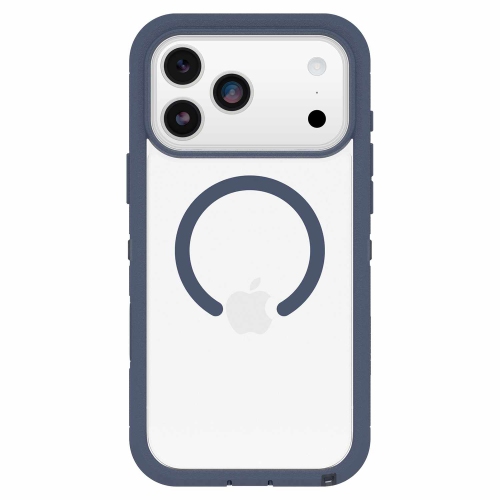 Your price for this item is $99.99
 -
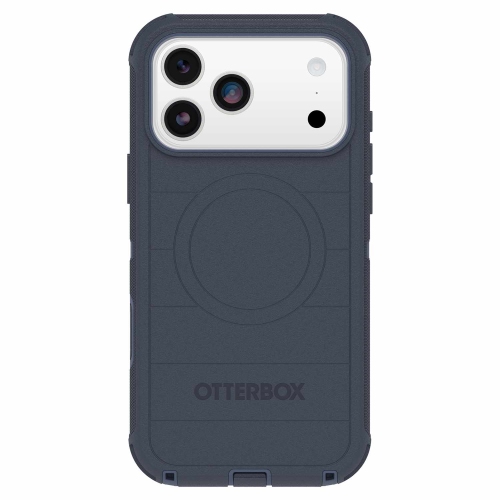 Your price for this item is $99.99
 -
 Your price for this item is $141.85
 -
 Your price for this item is $219
 -
 Your price for this item is $157
Discover more categories related to OtterBox Commuters
Top Collections:
Pokemon Centers, Kindle Devices, Best Budget Office Chairs, Apple iPhones 16, Best Laptops for Writers, iPhone 15 Apple, Canon G7X Cameras, Refurbished Apple Laptops, Alarm Clock, Motorola Razr Phones
Some products may be subject to Environmental Handling Fees
(EHF) depending on your province.
Learn more about EHFs.