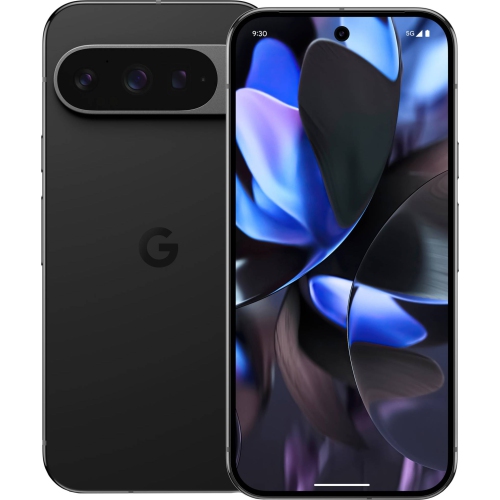
Pixel 9 Pro XL 512GB
Elevate your mobile experience with the Pixel 9 Pro XL 512GB. Designed for those who demand exceptional performance and ample storage, this device is perfect for work, entertainment, and everything in between. Explore a sleek design paired with advanced technology to keep you connected and productive throughout your day. Discover the Pixel 9 Pro XL 512GB and find the ideal balance of power, style, and capacity for your lifestyle.
Sort



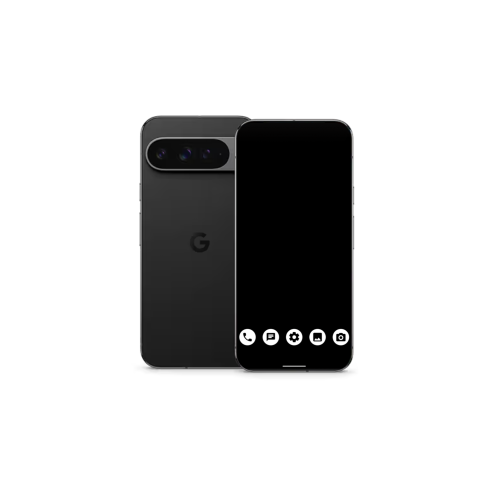
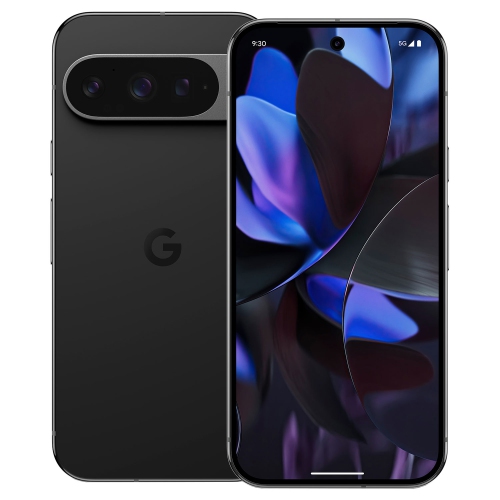
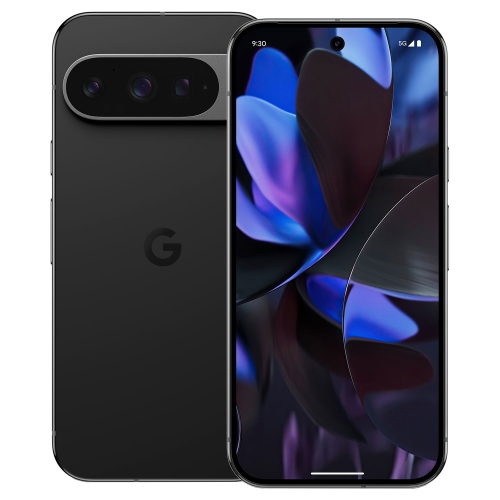

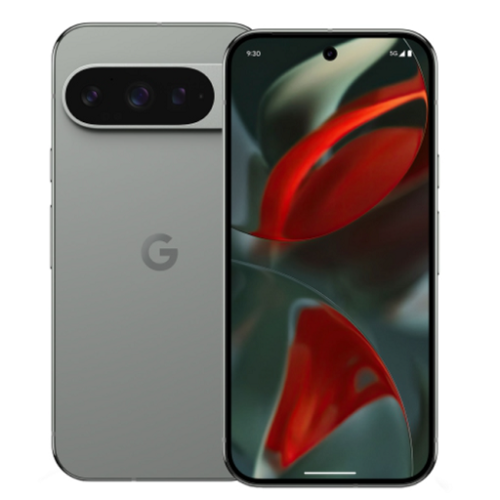
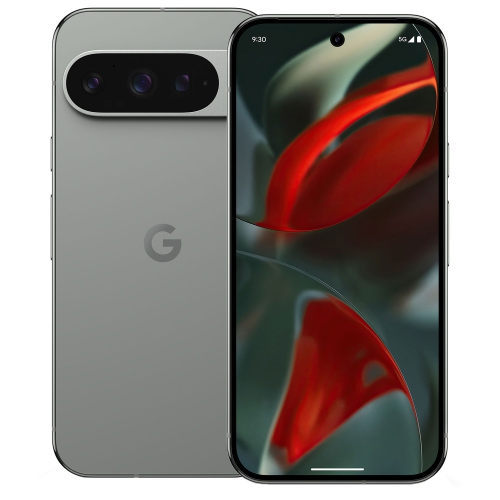





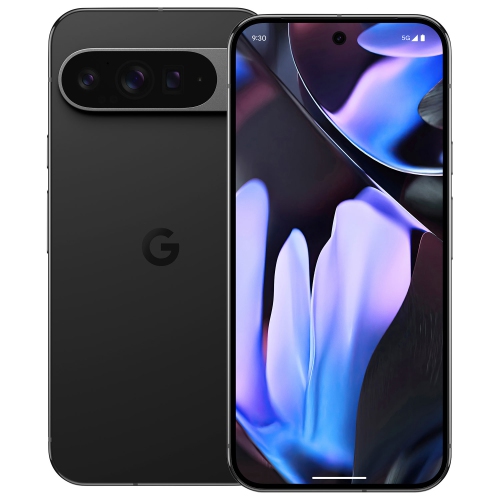


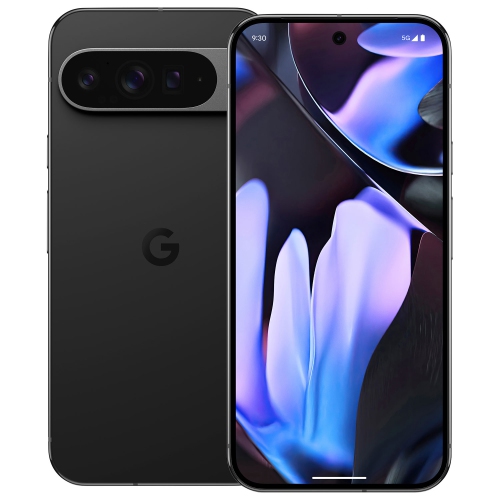
Big-screen flexibility with storage for your digital life
Large-screen smartphones with 512GB of built-in storage are well suited to people who keep a substantial part of their digital life on their phone. That capacity provides room for a growing photo library, high-resolution video, downloaded music, offline maps, games, and documents without making frequent file transfers part of the routine. It can be particularly useful for someone who records family celebrations, saves footage from trips, or carries work files between appointments. The stated storage capacity is not the same as the space available for personal files: the operating system, preinstalled software, and formatting use a portion of it. Where storage is non-expandable, choosing enough internal capacity at the outset matters because a memory card cannot be added later. Online storage can complement the phone’s internal memory, but locally saved files remain useful when a connection is unreliable or unavailable. Storage also serves a different purpose from RAM. Internal storage holds apps and files over time, while RAM helps the phone keep active tasks ready as someone moves between messaging, navigation, photography, and other apps. A large display complements that flexibility. A screen in the 6.8-inch range offers generous space for reading a document, following a route, checking details in a photograph, or watching a video with captions. OLED display technology can produce deep blacks and strong contrast, while brightness, resolution, and refresh rate influence visibility, sharpness, and the feel of scrolling. These qualities are especially noticeable when reading small text or moving through a long photo gallery. The larger format does have practical implications: it takes up more space in a pocket and can require two hands for comfortable typing. For someone who frequently uses their phone as a camera, a reading screen, and a portable workspace, that extra display area may be more valuable than the convenience of a smaller handset. The combination of screen size and storage capacity makes sense for everyday use that goes well beyond calls and messages.
Photography is another important consideration in this category, particularly because a generous storage capacity makes it easier to keep original files rather than immediately deleting or compressing them. Multiple rear cameras serve different purposes. A main camera handles everyday scenes, an ultrawide camera can fit a group or an architectural interior into the frame, and a telephoto camera helps bring a distant subject closer without relying entirely on digital enlargement. The distinction becomes clear at a school performance, where a useful zoom range can help frame a child on stage, or in a small room, where a wider view can capture everyone around a table. Megapixel counts describe image resolution, but they do not tell the whole story. Lens quality, sensor size, stabilization, focusing, and image processing all affect the final photograph. Fine hair, moving pets, bright windows, and dim indoor lighting can reveal differences that are not obvious from a resolution figure alone. A front-facing camera has its own role in video calls, self-portraits, and recording while looking at the screen. For video, higher resolutions and frame rates can create detailed footage, but they also produce larger files; lengthy recordings can use substantial space even on a high-capacity phone. Keeping a separate backup remains important because ample internal storage does not protect files from loss, damage, or accidental deletion. Processing performance also shapes the experience of taking and reviewing pictures. A capable processor and sufficient RAM help support responsive editing, switching between apps, and demanding tasks such as games or video processing. Actual performance depends on the software and workload as well as the hardware. For a student annotating a document between classes, a parent capturing a quick expression, or someone reviewing photographs before sending them, responsiveness matters most when the phone handles those ordinary moments smoothly. Editing tools and automated features can be useful, although some functions may require an account, a network connection, or particular software settings.
The physical construction, charging options, and connection requirements deserve just as much attention as the screen and storage. Glass surfaces and metal frames give many premium smartphones a solid feel, but glass can still scratch or crack, and a large handset can be harder to hold securely. A fitted case adds grip and helps protect vulnerable edges, while a compatible screen protector provides an additional barrier against everyday contact with keys or grit. Case fit is specific to the handset’s dimensions, camera layout, and button placement; a similar screen size does not guarantee compatibility. Gentle cleaning with a soft, lint-free cloth helps remove fingerprints, and care should follow the manufacturer’s instructions for cleaning products and moisture exposure. Water-resistance ratings describe performance under defined test conditions rather than making a phone immune to liquid damage, and resistance can diminish with wear. Battery life varies with screen brightness, mobile reception, navigation, gaming, and camera use. Wired and wireless charging can offer different conveniences, but charging speed depends on the phone, charger, cable, and supported standards working together. Wireless charging compatibility may also be affected by a thick case or certain accessories. For use in Canada, carrier compatibility, supported network bands, and SIM or eSIM requirements help determine whether a handset fits an existing mobile service. Wi-Fi, Bluetooth, and accessory compatibility matter for connecting headphones, transferring files, and using the phone at home or work. Software support, security updates, and accessibility settings also contribute to day-to-day usability. Larger text, voice input, and adjustable controls can make a spacious display more comfortable for a wider range of users. As a gift, a high-capacity smartphone is most useful when its size, operating system, and service compatibility match the recipient’s preferences. Someone who mainly streams media and keeps fewer files locally may also find the Pixel 9 Pro XL 128GB a relevant comparison. For heavier photo, video, and offline-file use, the appeal of 512GB is having more room to keep those materials close at hand.
Top selling and popular products
-
 Your price for this item is $924
-
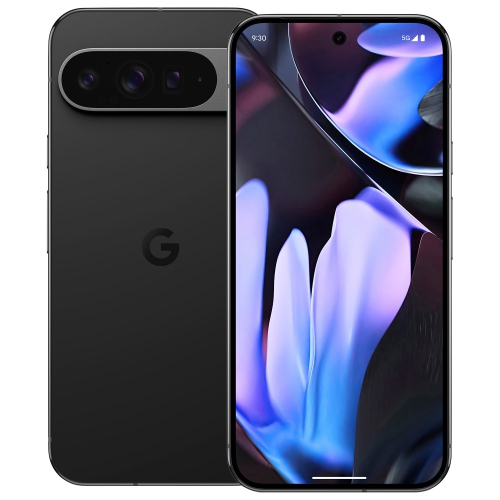 Your price for this item is $793.65
-
 Your price for this item is $979.89
-
 Your price for this item is $859.98
-
 Your price for this item is $677
-
 Your price for this item is $614.99
-
 Your price for this item is $579.99
-
 Your price for this item is $1062.47
Discover more categories related to Pixel 9 Pro XL 512GB
Top Collections:
Best Black Friday Deals This Year, Best Black Friday Deals On Electronics, Kindle Devices, Pokemon Centers, Best Black Friday Deals On Apple Products, Best Cameras for Sports Photography, Dyson Airwrap, Pokémon 30th Celebration Cards, Apple iPhone 17 Pro, Canon G7X Cameras
Some products may be subject to Environmental Handling Fees
(EHF) depending on your province.
Learn more about EHFs.