Power Banks For College Students
Power Banks For College Students are essential for keeping devices charged and ready throughout busy days on campus. Whether attending back-to-back classes, studying in the library, or spending time with friends, portable power solutions help ensure your phone, tablet, or laptop stays powered up when you need it most. Explore a wide selection of power banks designed to fit seamlessly into backpacks and daily routines, making it easier to stay connected and productive from morning lectures to late-night study sessions.
Sort
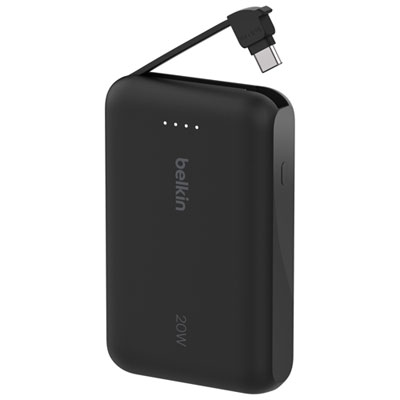
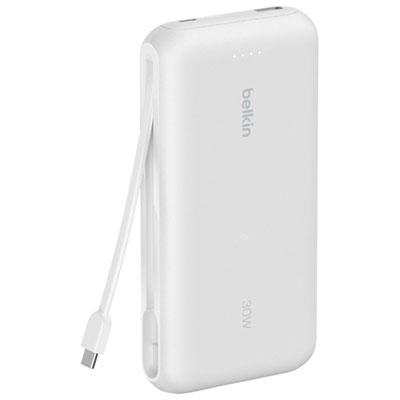
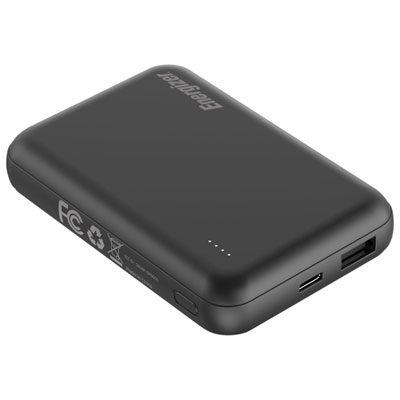
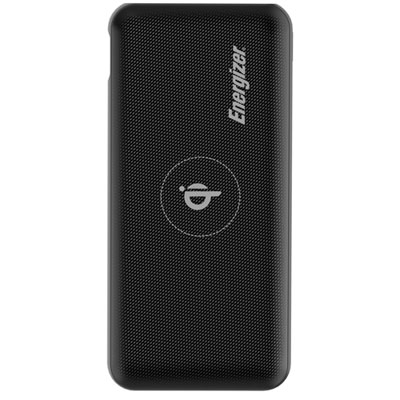

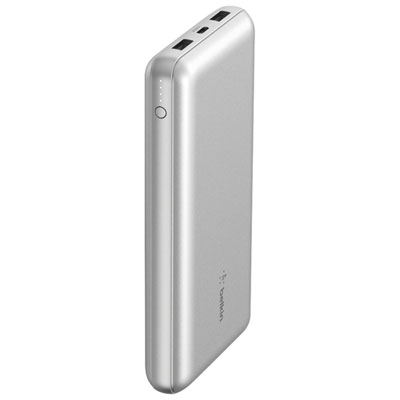
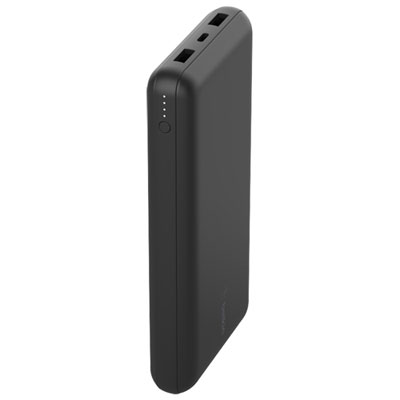
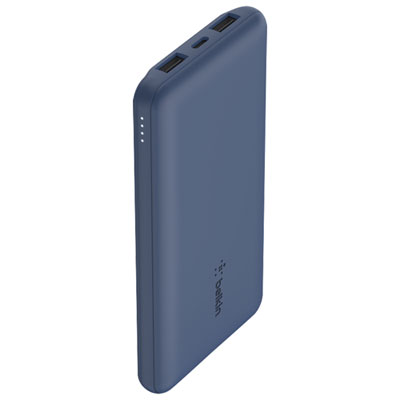
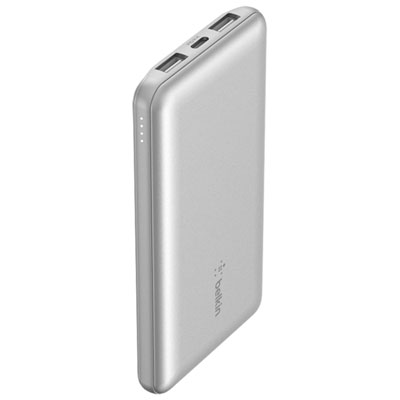
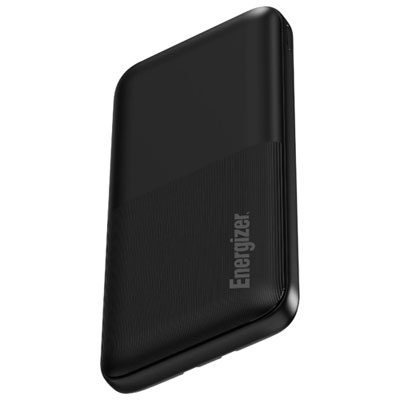
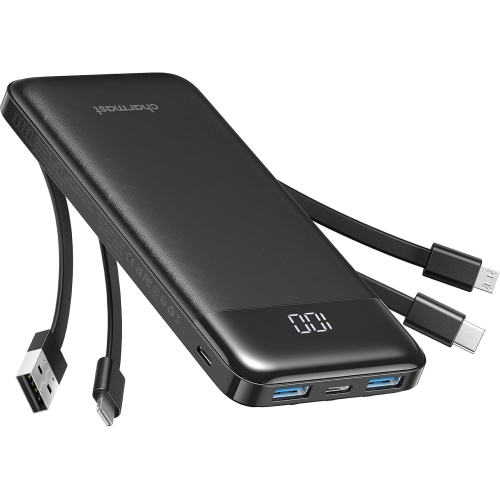
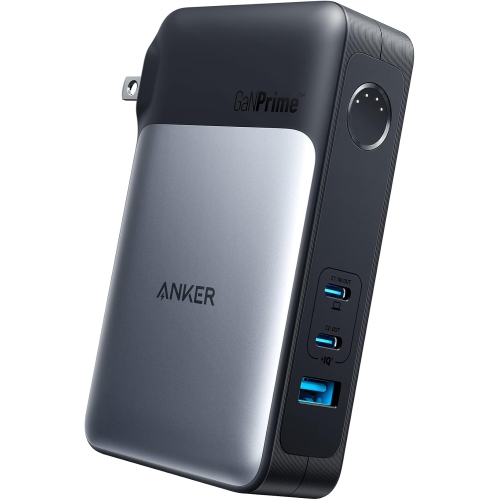
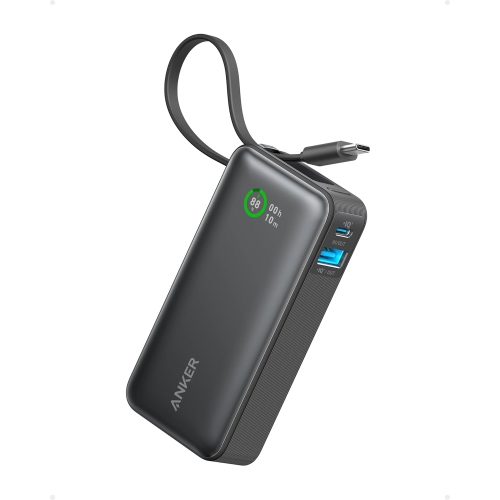
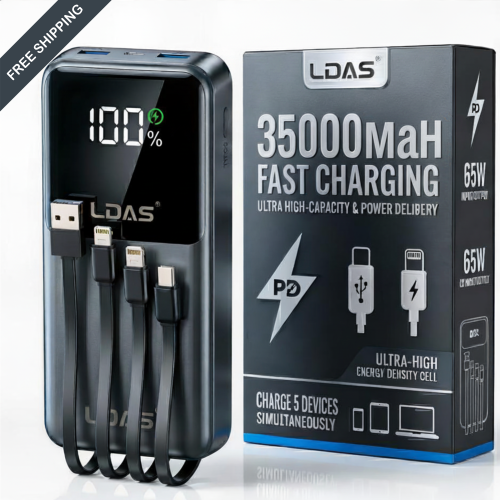
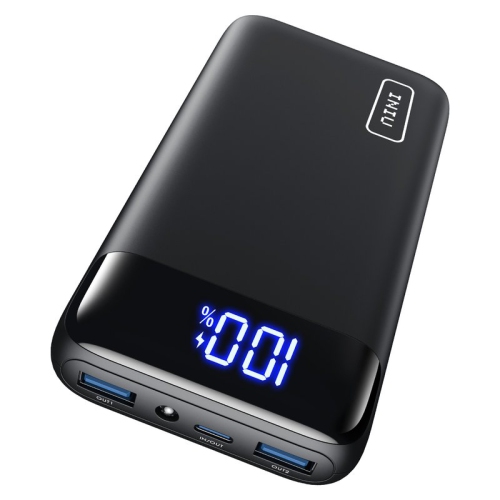
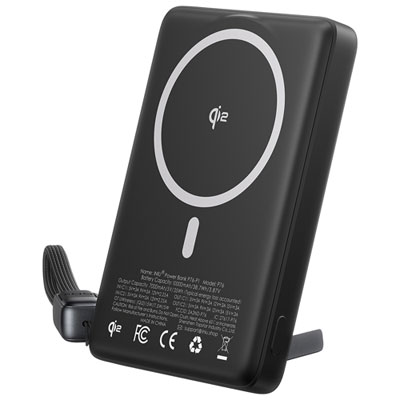
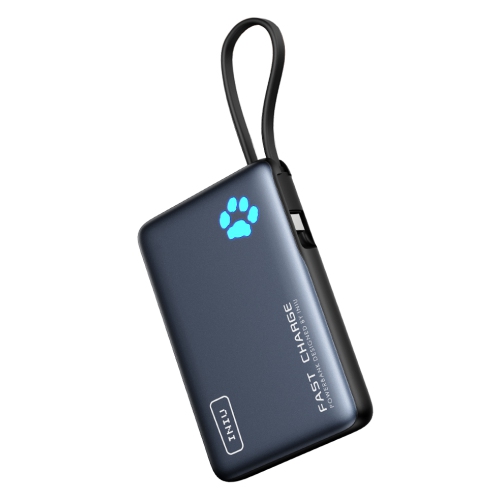
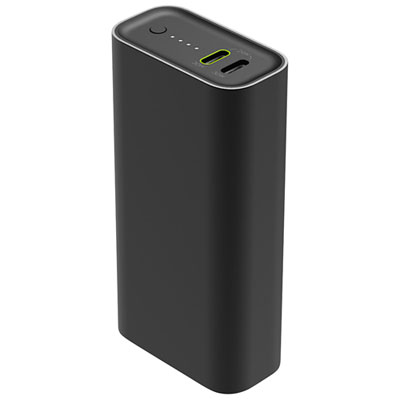
Campus charging is about more than battery capacity
Power banks for college students keep everyday devices useful when a timetable leaves little room to sit beside an outlet. A phone might handle transit directions, campus messages, digital tickets and a quick call home before an evening study session even begins. Wireless earbuds, a tablet for annotated lecture slides and a laptop for assignments can add to that daily charging load. The right portable charger depends on which devices need power, how long they need to last and how much weight fits comfortably in a backpack. A 10,000 mAh power bank is a practical starting point for phone-focused use, often providing roughly one to two full smartphone charges, depending on the phone’s battery size, battery condition and use while charging. Some energy is lost during charging, so the capacity printed on a power bank does not translate directly into the same amount delivered to a device. Capacities around 20,000 to 25,000 mAh offer more reserve for repeated phone top-ups, tablets or compatible laptops, although they generally add size and weight. Capacity and charging speed are separate considerations: mAh describes stored charge, while watts describe power delivery. For many compatible phones, output around 18W to 30W can support fast charging when the power bank, cable and phone use matching charging standards. Laptop charging usually calls for USB-C Power Delivery and substantially higher output. Many thin-and-light laptops work with 45W to 65W, while others need 100W or more to charge effectively during use. Matching the laptop’s specified charging requirements matters more than choosing a bank solely by capacity. A lower-output charger may replenish a sleeping laptop slowly yet struggle to maintain its battery during a demanding assignment. Even a high-capacity bank is not a guarantee of all-day laptop power; screen brightness, software and the laptop’s own battery size affect runtime. For students who mainly need a phone to last through lectures and a commute, a smaller bank can be the more comfortable daily companion.
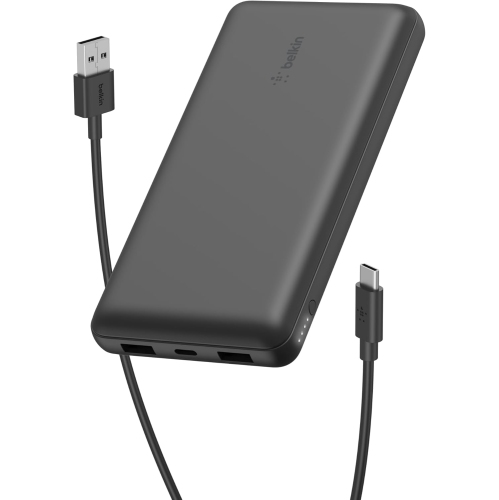
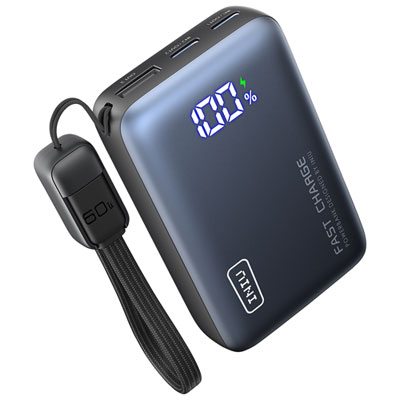
Connections and physical design make a noticeable difference when a power bank moves between a lecture hall, library desk and shared study space. A USB-C connector alone does not establish charging speed or laptop compatibility; the port’s supported output, charging protocol and cable rating all matter. Some ports accept power only, while others can both charge the bank and supply a connected device. Multiple outputs are convenient for a phone and earbuds, or a tablet and phone, but the total wattage may be divided when several devices are connected. A bank advertised with a high combined output may deliver less through each port during simultaneous charging, making individual port specifications especially useful. Input power deserves attention, too. A large battery with slow input can take many hours to refill, whereas higher-wattage USB-C input can shorten that wait when paired with a suitable wall charger and cable. An included cable does not necessarily mean a wall charger is included, and an older phone charger may refill a large bank much more slowly than expected. For students moving between classes, an integrated cable can reduce the number of loose accessories to organize, while replaceable cables offer flexibility across devices and are easier to swap if damaged. A short cable keeps a phone and bank together on a small desk; a longer one allows more flexible placement without leaving the connection under tension. Slim profiles slip into backpack organizer pockets, while rounded edges are less likely to catch on a bag lining. Weight should be considered alongside capacity rather than treated as an afterthought, especially when textbooks and a laptop already fill the bag. Textured surfaces can improve grip, and a clear battery-percentage display gives a more precise sense of remaining charge than a few indicator lights. Wireless charging can simplify quick phone top-ups, but compatibility and alignment matter, and it generally uses stored energy less efficiently than a wired connection. Magnetic attachment also requires a compatible phone or case.
Durability and sensible care help a portable charger stand up to regular campus use. Rigid plastic housings keep weight manageable, while metal housings can offer a solid feel; neither material alone establishes resistance to drops or liquids. Construction, port protection and any stated impact or water-resistance rating are more useful indicators of how a bank suits its intended use. A separate backpack compartment or small protective pouch helps keep connectors away from keys, loose coins and pressure from heavy books. Charging works best with the bank on a stable, uncovered surface, rather than buried beneath bedding or packed tightly inside a bag. Manufacturer instructions should govern use and storage, particularly for charging limits and compatible accessories. A bank with a swollen casing, leaking battery, damaged port or unusual heat should be taken out of use rather than carried through another day of classes. For students who travel by air, lithium-ion power banks belong in carry-on baggage, not checked luggage. Many fall below the common 100 Wh threshold, but the watt-hour marking and the airline’s rules should be checked before travel, including restrictions on onboard use and storage. Capacity stated in mAh alone is not enough to establish compliance without the battery voltage. Beyond travel, a power bank can be a thoughtful gift for a student starting college, commuting from home or spending long stretches in labs and study rooms. A compact phone charger suits a different routine from a higher-output bank intended to support a laptop, so matching the recipient’s devices and carrying habits makes the gift more useful. For a broader selection centred on campus routines, Portable Power Banks for Students brings together charging options for everyday academic life. The most useful choice balances enough stored power, compatible charging performance and a shape that earns its place in a bag every day.
Top selling and popular products
-
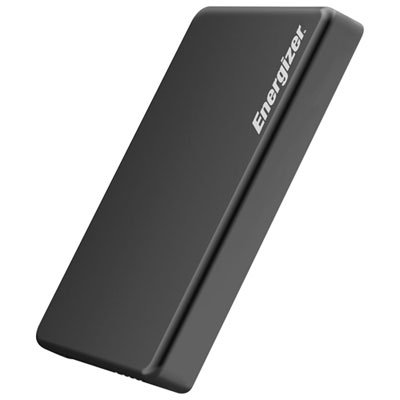 Your price for this item is $44.99
-
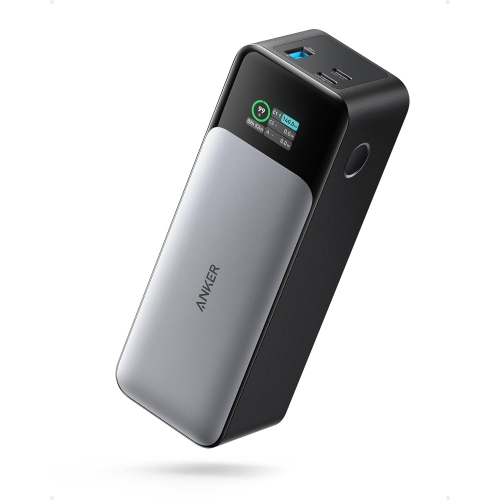 Your price for this item is $234
-
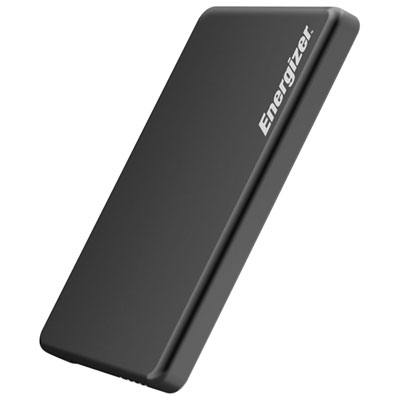 Your price for this item is $29.99
-
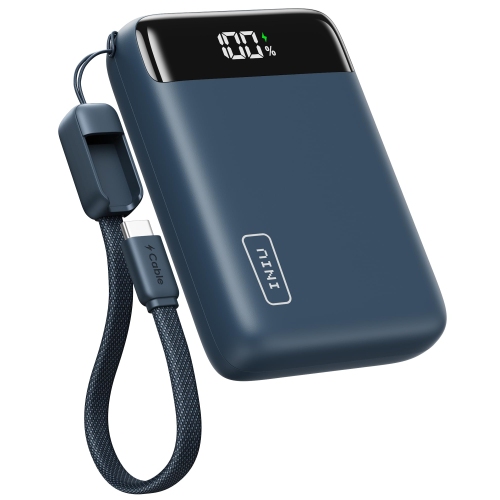 Your price for this item is $96.99
-
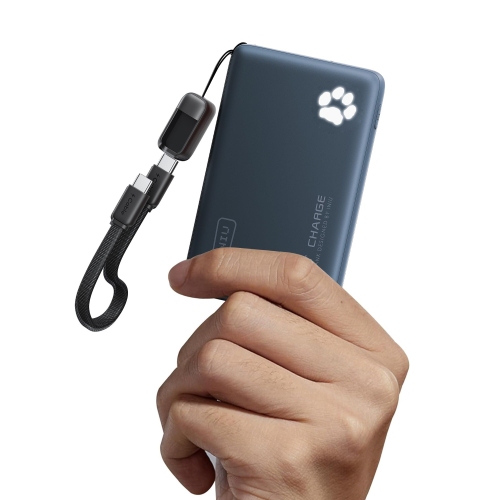 Your price for this item is $85.99
-
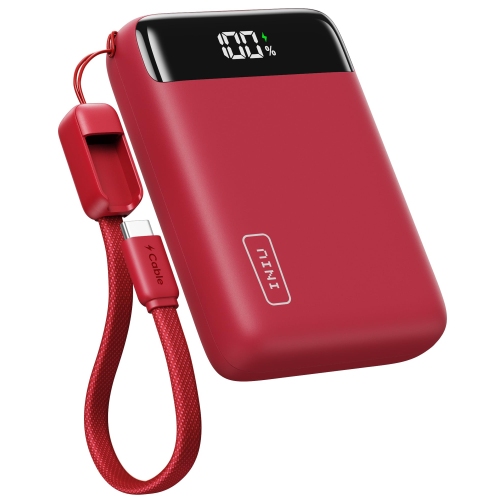 Your price for this item is $96.99
-
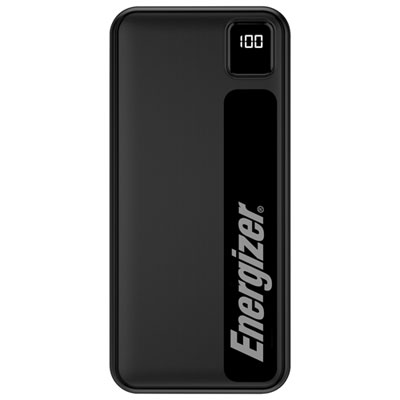 Your price for this item is $19.99
-
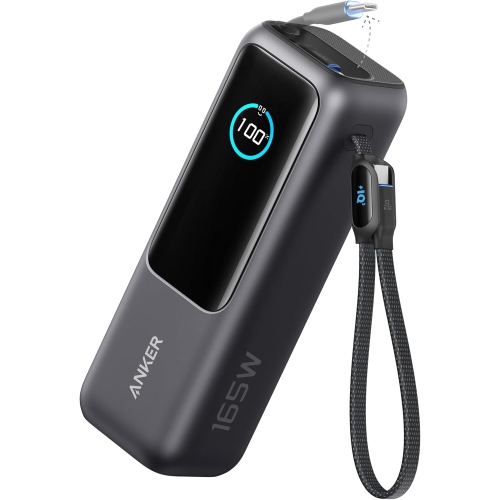 Your price for this item is $238.9
Discover more categories related to Power Banks For College Students
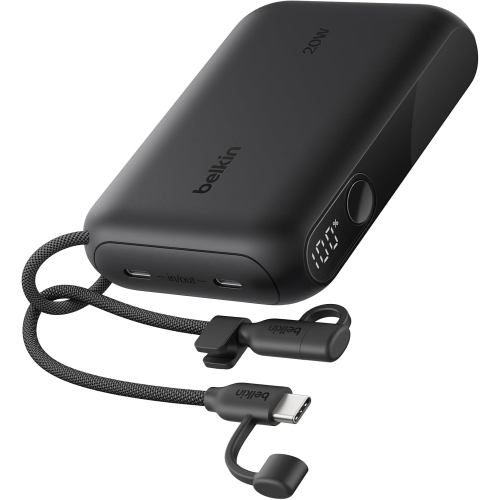
Top Collections:
Best Black Friday Deals This Year, Best Black Friday Deals On Electronics, Kindle Devices, Pokemon Centers, Best Black Friday Deals On Apple Products, Best Cameras for Sports Photography, Dyson Airwrap, Pokémon 30th Celebration Cards, Apple iPhone 17 Pro, Canon G7X Cameras
Some products may be subject to Environmental Handling Fees
(EHF) depending on your province.
Learn more about EHFs.