Power Banks for Spring Break Travel
Power banks for spring break travel are essential for keeping your devices charged and ready while you're on the go. Whether you’re heading to the beach, exploring a new city, or taking a road trip with friends, having a reliable power source ensures you can capture every moment and stay connected. Browse a wide selection of portable chargers designed to fit easily into your bag or pocket, making it simple to keep your phone, tablet, and other electronics powered up throughout all your spring break adventures.
Sort
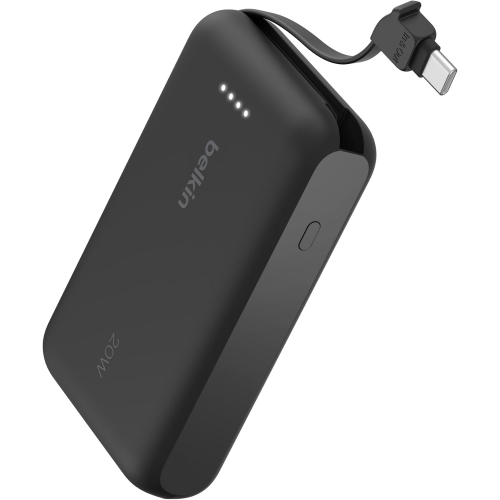
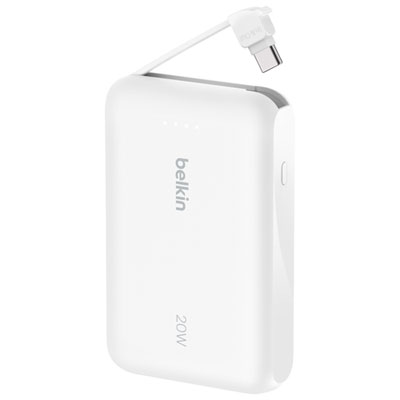
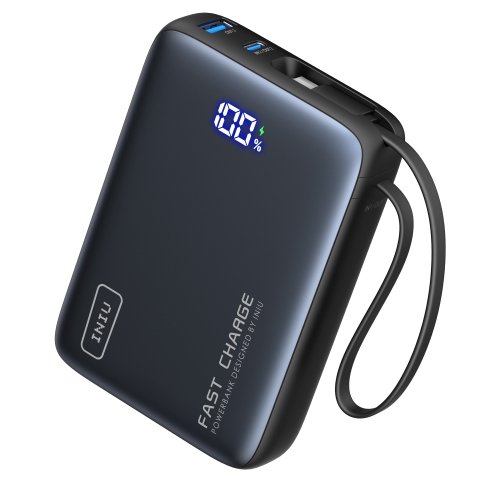
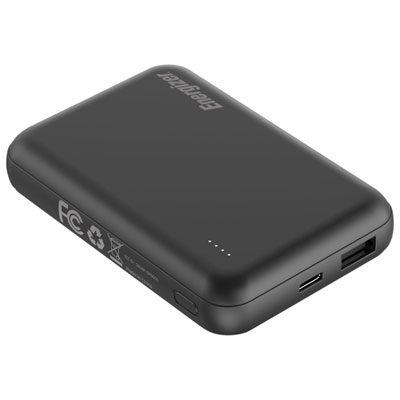
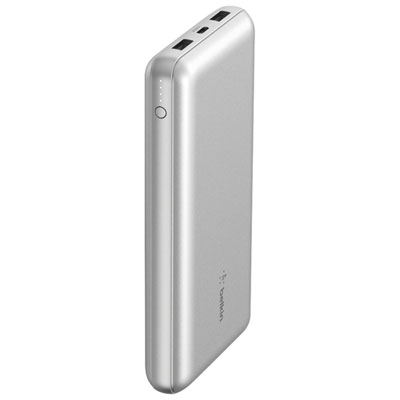

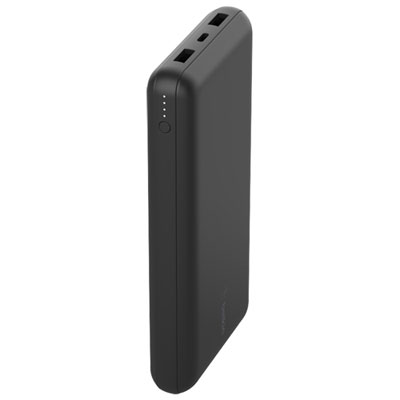
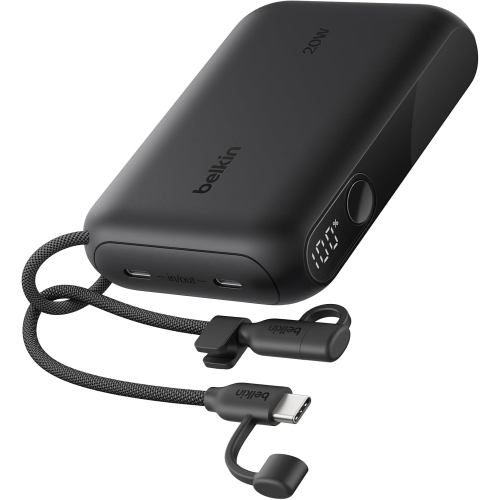
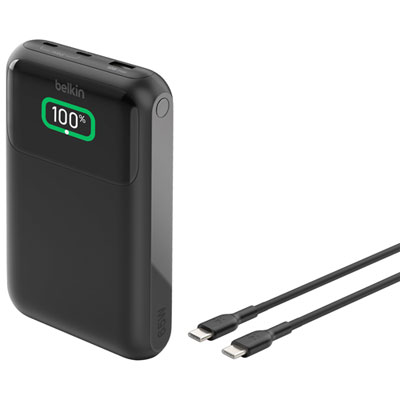
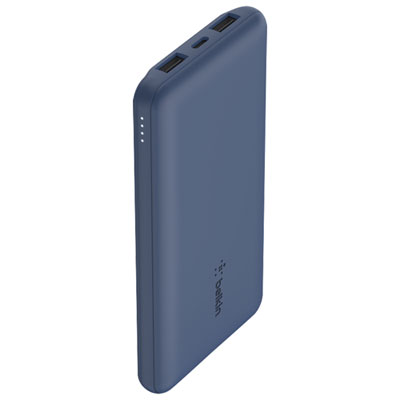
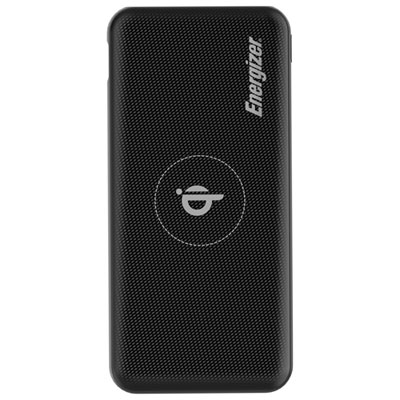
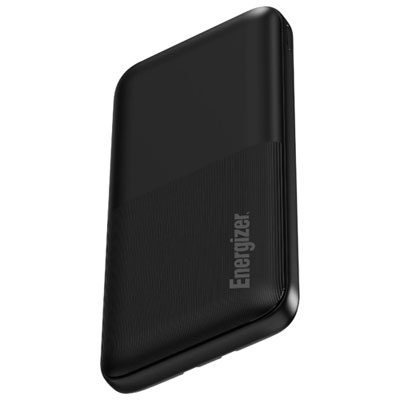
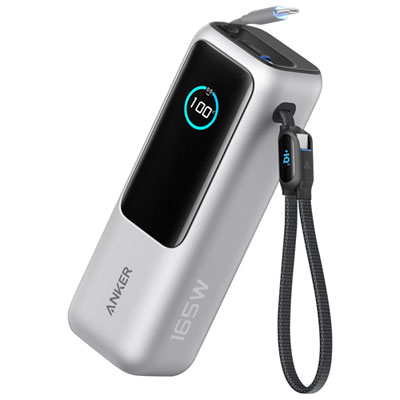
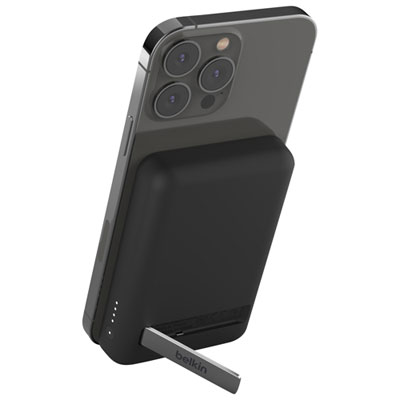
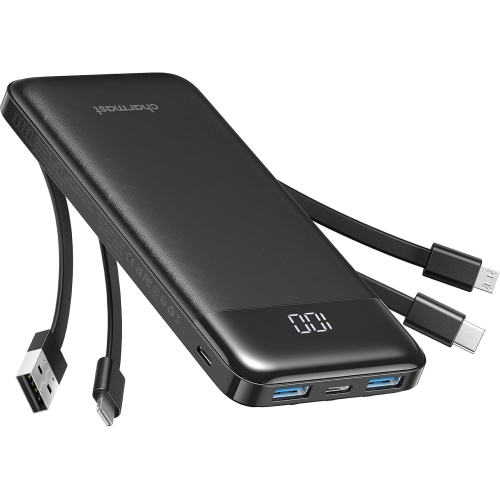
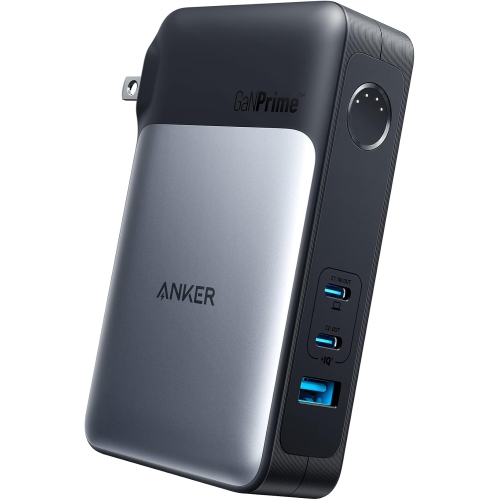
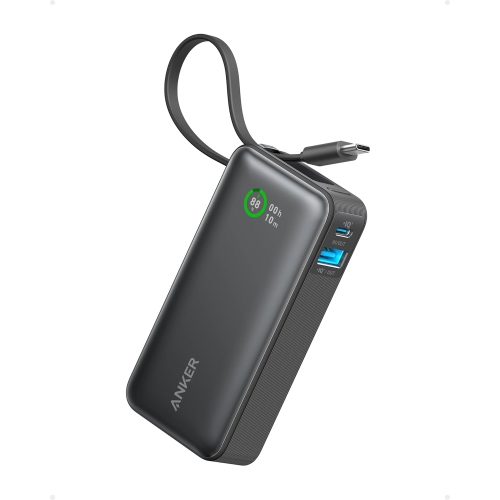
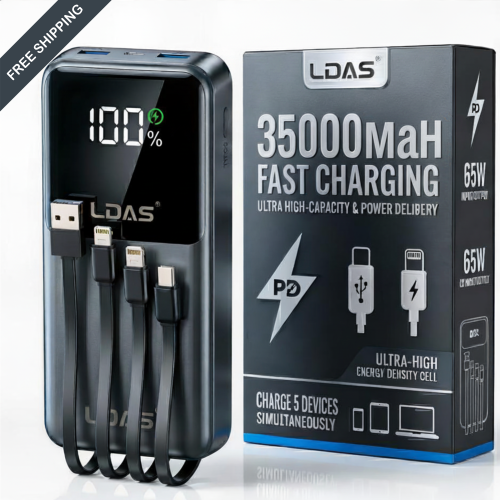
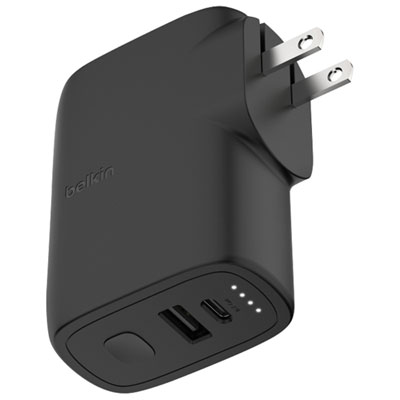
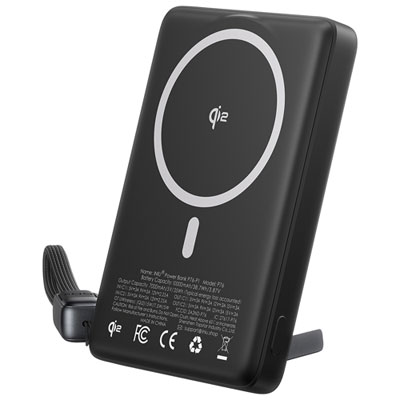
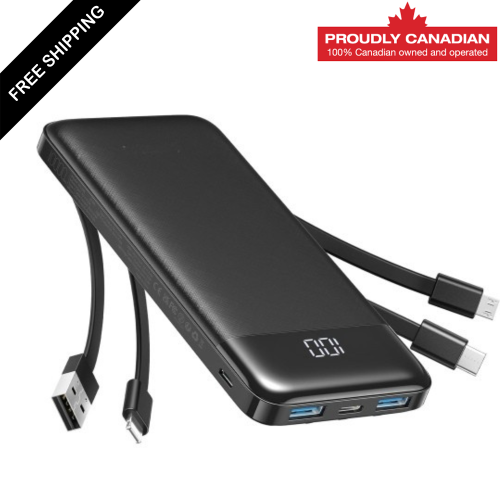
Backup charging that fits your devices and day bag
Power banks for spring break travel provide backup charging for the devices that handle boarding passes, directions, travel photos and messages from home. A useful travel power bank balances battery capacity, charging speed, size and weight, with connections that match the devices coming along. That balance looks different for a student travelling with a phone and wireless earbuds than for a family sharing charging cables during a long airport connection. A slim, lightweight battery can fit comfortably in a small crossbody bag for sightseeing, while a higher-capacity model may suit longer journeys or days when several people need a top-up. Capacity is commonly listed in milliamp-hours, or mAh: a 10,000 mAh power bank generally offers a lighter everyday option, while a 20,000 mAh model typically provides more stored energy at the cost of extra bulk. These ratings do not translate directly into a fixed number of phone charges. The phone’s battery size, power bank circuitry, charging method and energy lost during conversion all affect the usable charge. Keeping a navigation app open or recording video while charging also uses some of the incoming power. For spring break trips, the most practical capacity is often enough to cover the time between reliable outlets without making a day bag unnecessarily heavy. Think of a phone running low just before a shuttle arrives, or a camera battery warning appearing halfway through an afternoon outing: portable backup power offers flexibility when returning to a room is inconvenient. Frequent travellers, students heading away with friends and parents organizing family outings can all benefit from that flexibility. A power bank can also make a thoughtful gift for someone preparing for a trip, particularly when its weight, ports and charging capabilities suit the devices they already use. A readable battery display or clear indicator lights help show whether there is enough charge left for the journey back.
Charging performance depends on more than the capacity printed on the casing. The output rating, connected device and cable must all support compatible charging speeds, so a high-capacity battery is not necessarily a fast charger. USB-C ports can provide convenient charging for many phones, tablets and other portable electronics, but the connector shape alone does not guarantee a particular power level. Support for a compatible fast-charging standard, such as USB Power Delivery, matters when shorter charging stops are part of the trip. A cable must also support the required power; a worn or unsuitable cable can limit performance even when the power bank and device are compatible. For travellers bringing a laptop, the relevant considerations include whether the computer accepts USB-C charging and whether the power bank supplies sufficient wattage for that computer. Smaller batteries designed mainly for phones may not meet those needs. Multiple output ports are useful when a phone and earbuds need charging together, although the total available power may be shared across connected devices. Port placement also affects everyday convenience: closely spaced connections can become awkward when plugs are bulky or cables run in different directions inside a bag. Built-in cables reduce the number of separate accessories to pack, while detachable cables offer more flexibility if a connector needs replacing or different devices use different connections. Wireless charging can make brief top-ups convenient, provided the phone supports it and sits correctly against the charging surface. Case thickness, alignment and heat can affect wireless charging performance, and wired charging is generally more efficient. The power bank’s own input rating deserves attention, too. A larger battery may take considerably longer to recharge with a low-powered wall adapter, making compatible input power useful between travel days. Alongside chargers, headphones and other compact travel essentials, the broader selection of Portable Tech for Spring Break Travel can help round out a practical carry-on setup.
For flights, power banks must travel in carry-on baggage rather than checked luggage and must comply with the airline’s battery restrictions. Airline limits are usually expressed in watt-hours, or Wh, rather than mAh alone. As an example, a battery rated at 10,000 mAh with a nominal cell voltage of 3.7 V stores approximately 37 Wh; the manufacturer’s marked watt-hour rating is the clearest reference for travel checks. Many airline policies use 100 Wh as an important capacity threshold, but permitted quantities, approval requirements, storage rules and restrictions on onboard use can differ. Confirm the requirements for every airline on the itinerary, including connecting flights, and follow crew instructions. If a carry-on bag is taken for gate checking, remove the power bank before handing the bag over. Clear, legible battery markings make capacity easier to verify. Beyond the airport, construction and care influence how well a power bank stands up to repeated packing and daily handling. Plastic housings can help keep weight down, while metal housings may feel more substantial; neither material alone establishes resistance to drops or water. Rounded edges and a secure grip can make a battery easier to handle in a crowded departure lounge, and a small protective pouch can keep it separate from keys, coins and loose cables. Water resistance should only be assumed when the manufacturer provides a suitable rating, and a protective sleeve does not make a battery waterproof. Keep the power bank dry, protect its connections from loose metal objects and avoid leaving it in direct sunlight or a hot parked vehicle. Charging works best within the manufacturer’s stated temperature range, with the battery uncovered on a stable surface rather than buried under clothing or bedding. Stop using a power bank that is swollen, leaking, unusually hot or visibly damaged. Before departure, a full recharge and a quick check of the required cables can make the difference between carrying extra weight and carrying backup power that is ready when a long travel day demands it.
Top selling and popular products
-
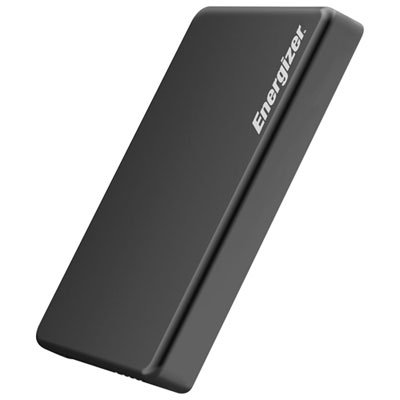 Your price for this item is $44.99
-
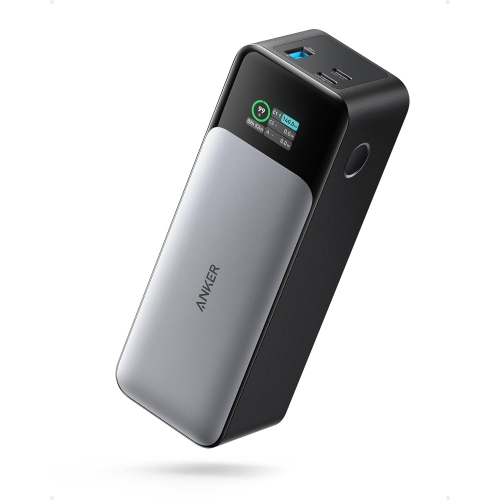 Your price for this item is $234
-
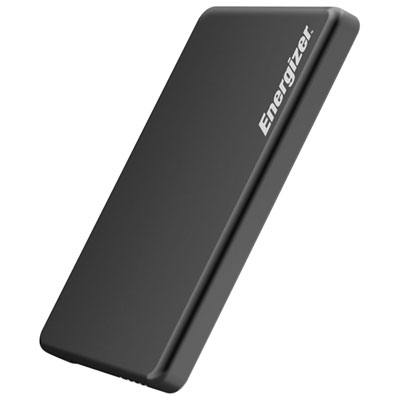 Your price for this item is $29.99
-
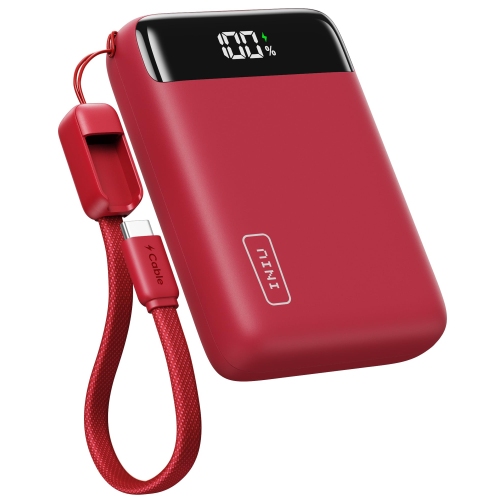 Your price for this item is $96.99
-
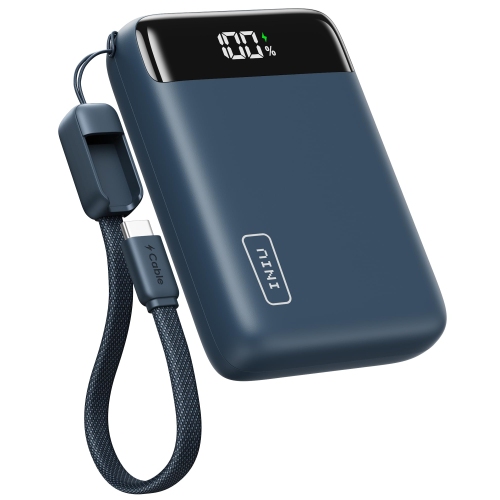 Your price for this item is $96.99
-
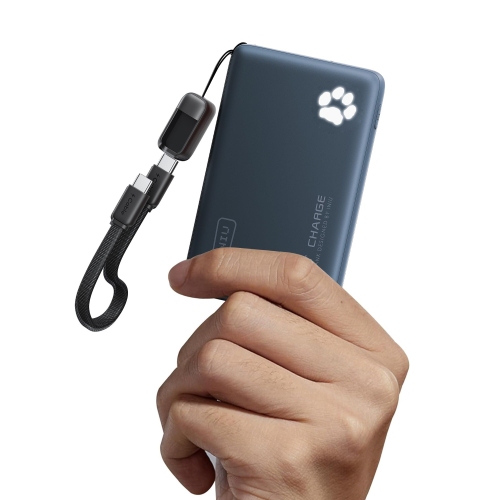 Your price for this item is $85.99
-
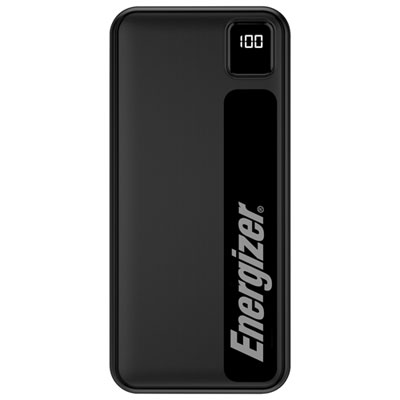 Your price for this item is $19.99
-
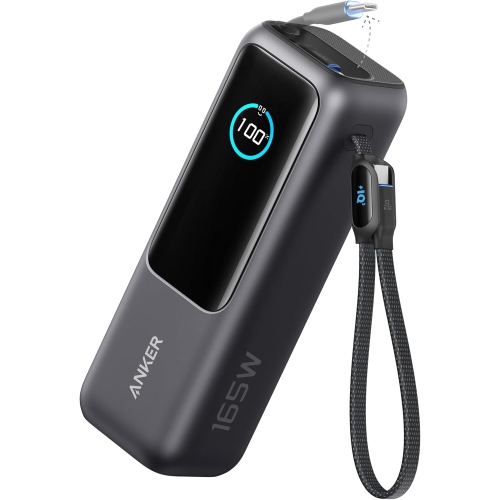 Your price for this item is $238.9
Discover more categories related to Power Banks for Spring Break Travel
Top Collections:
Best Black Friday Deals This Year, Best Black Friday Deals On Electronics, Kindle Devices, Pokemon Centers, Best Black Friday Deals On Apple Products, Best Cameras for Sports Photography, Dyson Airwrap, Pokémon 30th Celebration Cards, Apple iPhone 17 Pro, Canon G7X Cameras
Some products may be subject to Environmental Handling Fees
(EHF) depending on your province.
Learn more about EHFs.