Suction Phone Mounts
A Suction Phone Mount offers a convenient way to keep your device secure and easily accessible while on the go. Ideal for use in vehicles, offices, or at home, these mounts provide a hands-free solution that helps you stay connected and organized. Explore a variety of Suction Phone Mount options designed to fit different surfaces and meet your everyday needs. Find the perfect mount to enhance your mobile experience and simplify your daily routine.
Sort








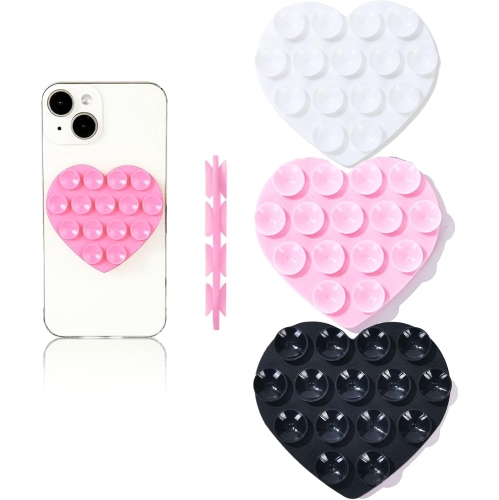

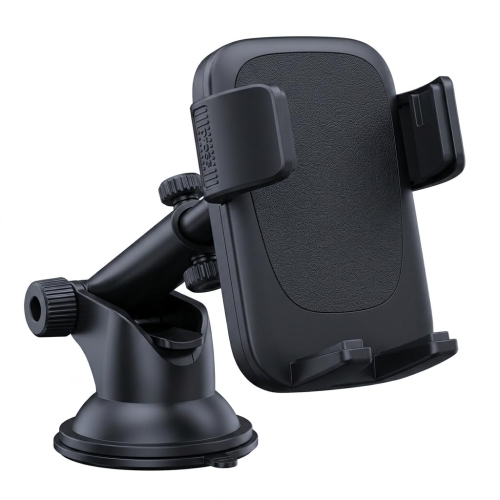

A steady phone starts with the right surface
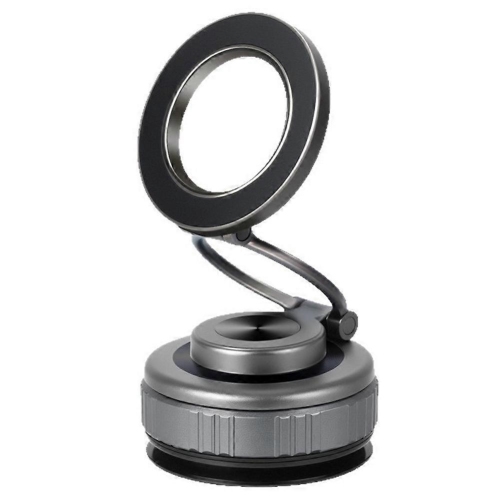
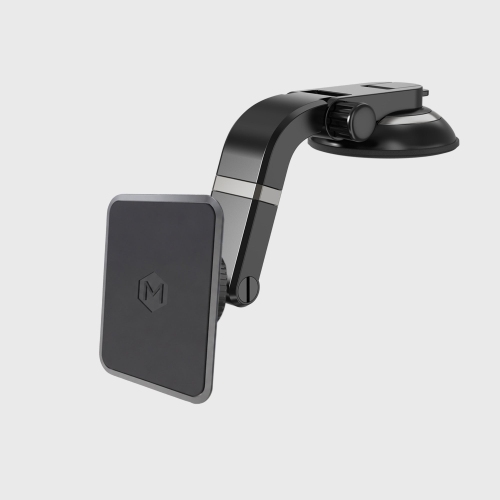
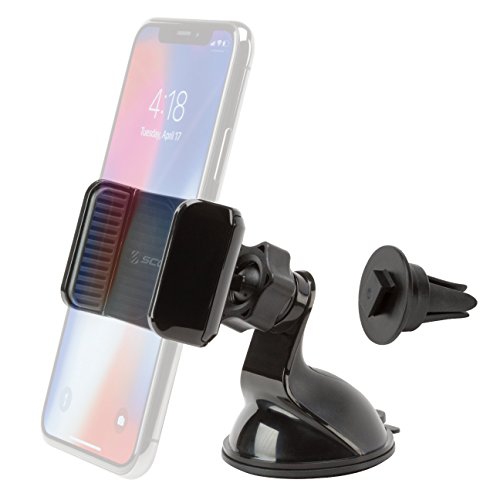
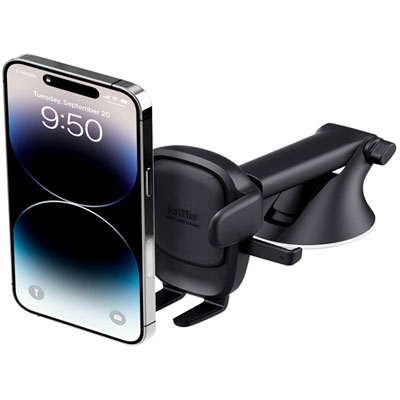
Suction phone mounts hold a smartphone against a smooth surface using a suction cup or a group of small suction cups, keeping the screen visible without taking up space in the hand. Common mounting surfaces include glass, mirrors, and smooth, non-porous tile, while dashboard compatibility depends on the surface finish and the mount’s design. These holders serve several everyday purposes: keeping navigation within view in a vehicle, supporting a video call at a desk, or positioning a phone on a mirror to record a workout. The main styles differ in how they attach to the surface and how they hold the phone. Traditional suction mounts often combine a large cup with a locking lever, an adjustable arm, and a cradle with gripping sides. Double-sided silicone pads use multiple small cups to attach a phone or its case to a suitable surface, creating a compact setup without a projecting arm. Their success depends on good contact on both sides, so textured cases and uneven surfaces can limit their grip. Some powered vacuum mounts use an electric pump to create or maintain suction, while a separate magnetic connection holds the phone. Suction and magnetic attachment do different jobs: the suction base anchors the holder, and the magnet connects the device to that holder. A magnetic design therefore still needs a compatible phone, case, or attachment ring. For anyone moving between navigation, calls, and recording, these distinctions matter more than appearance alone. A low-profile pad may suit occasional filming against a mirror, whereas an articulated holder offers more control over screen height and viewing angle. Designs intended for stationary use are not automatically suitable for driving, and a mount’s stated purpose, surface requirements, and load limits help establish where it belongs. Across these styles, the practical appeal is a screen that stays in a useful position while leaving hands free for the task at hand.
Fit involves the phone’s dimensions, its weight, and the case that stays on it. With a cradle-style suction phone holder, the jaw opening needs to accommodate the full width of the device with its case attached, and the lower support should leave charging ports, speakers, and microphones accessible. Side grips positioned over power or volume buttons can make an otherwise suitable holder awkward to use. Large camera bumps, folding cases, card pockets, and raised decorative details may also interfere with a flat magnetic connection or a double-sided suction pad. Magnetic holders require the correct alignment and compatible attachment system; a metal plate or ring should not be assumed to work with every mount or preserve wireless charging. Likewise, a powered suction mechanism does not necessarily charge the phone. Charging capability is a separate feature, with its own compatibility and power requirements. Adjustable arms, ball joints, and rotating cradles allow different screen positions, from portrait navigation to a landscape video call. A longer arm can bring the screen closer, but it also gives movement more leverage over the base, making a shorter extension useful when stability matters. In a vehicle, placement should preserve a clear view of the road and avoid airbags, controls, and displays. Windshield mounting rules vary by location, and hands-free operation does not remove the need to follow local laws or keep attention on driving. Routes and viewing angles are best set before departure. A dashboard with a grainy or soft-touch finish may not accept suction directly, even when it appears relatively flat. Some mounts use a separate dashboard disc to provide a compatible surface, though the disc’s adhesive and the dashboard material need to be suitable for each other. For shared vehicles, release buttons and easily adjusted grips can simplify switching between phones, while a compact base can help keep the surrounding controls accessible.
Materials and construction influence how a suction mount feels during daily use and how well its adjustments hold. Silicone or rubber suction components need enough flexibility to form a seal, while rigid plastic or metal arms provide structure. Padded contact points can help protect a phone’s edges, and secure joints reduce the gradual drooping that can move a screen out of position. A firm locking lever, smoothly moving adjustment points, and a release tab that can be reached without pulling on the phone are useful details for repeated handling. Care centres on keeping the suction surface and mounting area clean, since dust, skin oils, and residue can interrupt the seal. Cleaning methods vary by material, so washing, drying, and reattachment should follow the manufacturer’s directions; not every tacky base can be treated like a plain silicone cup. Pulling a release tab to break the seal is generally gentler than forcing the holder away from the surface. Periodic checks for cracks, hardened suction material, loose joints, or weakened grip are especially worthwhile before placing a phone above a hard floor. Smooth bathroom tile or a mirror can offer a convenient recording position, but a suitable mounting surface does not make the phone or holder waterproof. Keeping the setup away from direct splashes and avoiding unsupported overhead placement reduces unnecessary risk. Beyond the car, a suction holder can keep a recipe visible beside a preparation area, position a camera for a craft demonstration, or free desk space during a call. A clear, flat section of glass often offers a better attachment point than painted furniture or textured walls. For shoppers comparing different attachment methods, the broader Phone Mounts category provides context alongside suction-based designs. These holders can also make practical gifts for commuters, frequent video callers, or people who record hands-on projects, provided the recipient’s phone, case, and intended mounting surface are known. The most useful match brings those details together: a dependable attachment, an unobstructed screen, and adjustments that suit the space where the phone will be used.
Top selling and popular products
-
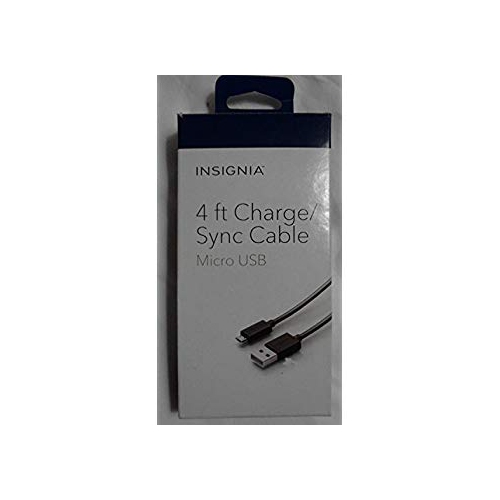 Your price for this item is $0.99
-
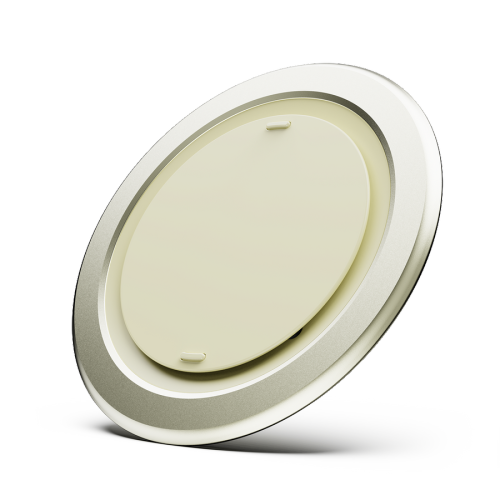 Your price for this item is $34.99
-
 Your price for this item is $59.49
-
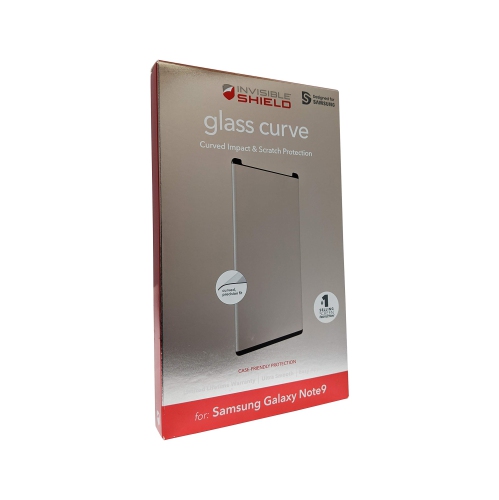 Your price for this item is $40.49
-
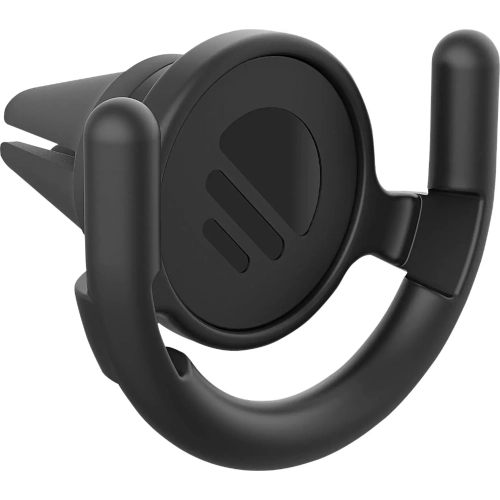 Your price for this item is $49.99
-
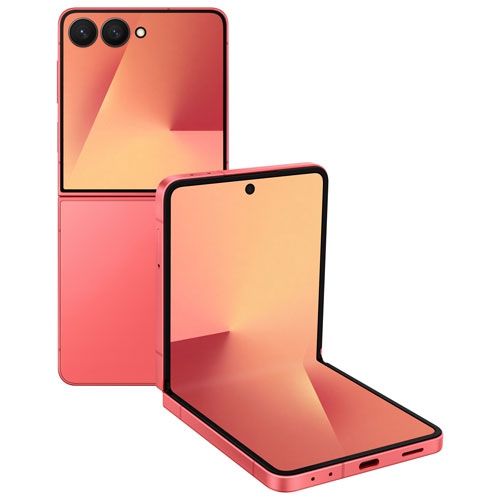 Your price for this item is $1099
-
 Your price for this item is $79.99
-
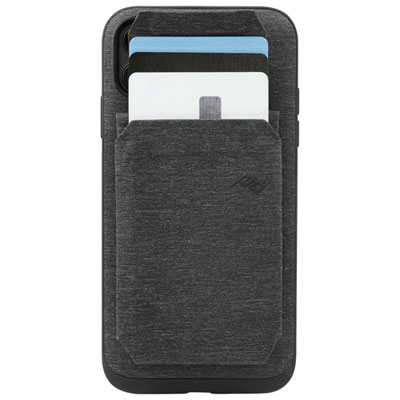 Your price for this item is $69.99
Discover more categories related to Suction Phone Mounts


Top Collections:
Pokemon Centers, Best Cameras for Sports Photography, Kindle Devices, Samsung Galaxy Phones, Canon G7X Cameras, Pokémon 30th Celebration Cards, Refurbished Apple Laptops, iPhone 15 Apple, Laptops for Students, Budget Smartphones
Some products may be subject to Environmental Handling Fees
(EHF) depending on your province.
Learn more about EHFs.