Uniden Boosters
Discover a wide range of Uniden Booster options designed to enhance your connectivity experience at home, in the office, or on the go. Whether you're looking to improve signal strength or maintain reliable communication, these solutions offer dependable performance for various needs. Explore different models and find the right Uniden Booster to help you stay connected wherever life takes you.
Sort







How cellular boosters strengthen the signal you already have
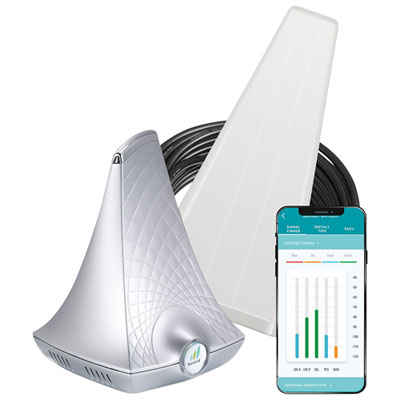
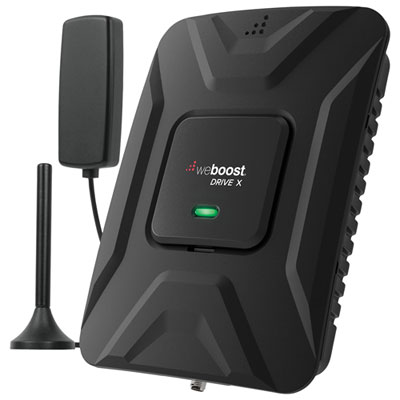
Cellular signal boosters strengthen an existing mobile network signal to help compatible phones and connected devices maintain a more reliable connection inside a building or vehicle. They work by receiving a usable cellular signal through an external antenna, amplifying it, and distributing it through an indoor or in-vehicle antenna. The system also supports the return signal from the device towards the cellular network, helping communication travel in both directions. This can make a difference in a home where calls sound clear beside a window but break up at a desk farther inside, or in an office where concrete walls and metal construction weaken reception. Depending on the original signal, network conditions, and system design, a booster may help reduce dropped calls, improve voice clarity, and support more consistent mobile data performance. It cannot create cellular service where no usable signal exists, and it does not replace an internet subscription, add a new mobile plan, or remove congestion from a busy network. Cellular boosters belong to the broader category of Radio Signal Boosters, but they serve a different purpose from Wi-Fi extenders, which expand coverage from a wireless router. That distinction matters when a phone shows weak cellular reception even though a laptop connects comfortably to home Wi-Fi. Boosters can be useful for people working from a home office, households with reception gaps between rooms, and businesses that depend on mobile calls for everyday coordination. They may also support compatible cellular-connected devices, provided the equipment uses supported network bands. The most suitable arrangement depends on where reception is weak, how much usable signal reaches the external antenna, and which spaces need better coverage. A small room with a weak indoor connection presents a different challenge from a multi-level home or a moving vehicle. Understanding that difference helps set realistic expectations: the goal is to make better use of an existing cellular connection, not to promise identical reception in every location.
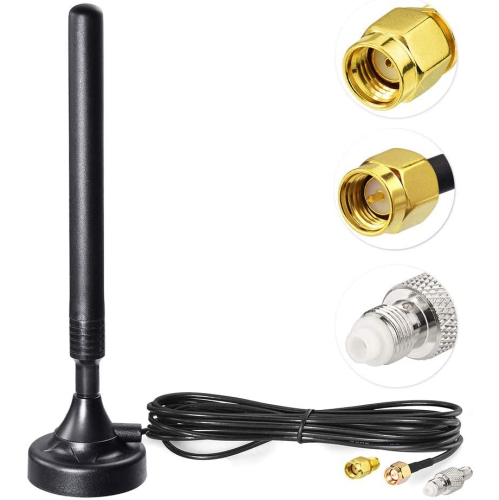
For building applications, a cellular booster system generally combines an amplifier, an external antenna, an internal antenna, connecting cables, and a power supply. Each part contributes to the result, so the amplifier alone does not tell the whole story. An external antenna needs access to a suitable signal, while the internal antenna needs a position that serves the intended living or working area. Some external antenna designs receive signals from several directions; others concentrate reception in a particular direction and depend more heavily on accurate positioning. Indoors, antenna coverage patterns also differ, making the shape and layout of a space relevant to the system’s fit. A long hallway, an open-plan office, and several enclosed bedrooms can distribute an amplified signal quite differently. Walls, floors, masonry, metal surfaces, and large appliances may all affect how far that signal reaches. Advertised coverage figures are therefore best understood alongside their stated test conditions rather than treated as a guarantee for every property. Cable routing matters as well: cable length, cable quality, and connector compatibility influence signal loss between components. Adequate separation between the external and internal antennas helps prevent feedback, which can cause a system to reduce its output or stop operating normally. For homes and offices, installation planning may involve a suitable exterior mounting point, a practical cable entry, access to power, and permission to make changes to the property. Professional installation can be worthwhile when mounting locations are difficult to reach or cable paths are complicated. Compatibility with a Canadian carrier’s frequency bands is another essential consideration. Support for one network technology does not automatically mean support for every band used by that carrier, and a broad claim of next-generation compatibility may not cover every service a phone can access. Equipment certified for use in Canada, installed and operated according to its requirements, provides a sound basis for evaluating a system intended for local mobile networks.
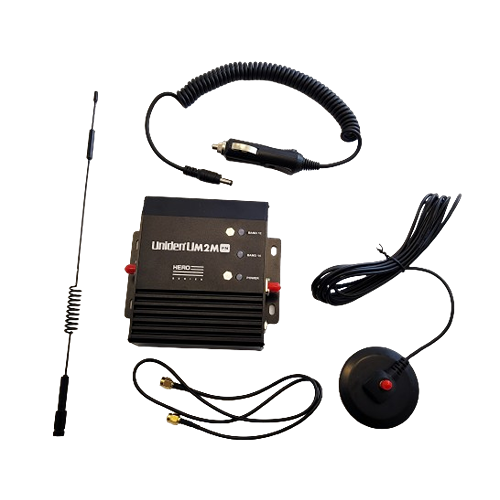
Vehicle boosters address a different pattern of use, with reception changing as a car, truck, or recreational vehicle moves between cell coverage areas. Their antennas, power connections, and mounting arrangements need to suit a mobile installation rather than a permanent building setup. Some configurations concentrate the boosted signal around a phone cradle, while others serve a limited area inside the passenger compartment; the supported device placement and coverage should match how the vehicle is used. A driver taking calls through a hands-free system has different needs from passengers using compatible phones during a long journey. Even with a booster, stretches without usable cellular coverage can remain disconnected, so it should not be treated as a guarantee of emergency communication. Physical construction and everyday care are important across both mobile and fixed systems. Depending on the design, protective housings may use metal or durable moulded plastic, while exterior components need mounting hardware and cable protection suited to their stated installation location. Secure brackets, well-supported cables, and connectors protected from strain help reduce wear caused by movement, vibration, or accidental pulling. Tight cable bends, loose connections, and damaged insulation can undermine performance even when the main amplifier is functioning. Indoor equipment also needs the clearance and ventilation specified by its manufacturer, rather than being buried beneath papers or squeezed into a crowded cabinet. Routine care usually centres on keeping accessible surfaces clean, checking that connections remain secure, and inspecting exposed cable runs without opening the amplifier housing. For someone setting up a home workspace, supporting a family member with patchy indoor reception, or spending substantial time travelling by vehicle, a properly matched booster can be a practical addition. As a gift, it benefits from knowing the recipient’s carrier, installation setting, and mounting restrictions beforehand. Lasting usefulness comes from that match between the signal available, the space being served, and the equipment’s intended application.
Top selling and popular products
-
 Your price for this item is $419.99
-
 Your price for this item is $214
-
 Your price for this item is $110
-
 Your price for this item is $19.99
-
 Your price for this item is $119.99
-
 Your price for this item is $209.99
-
 Your price for this item is $59.99
-
 Your price for this item is $29.99
Discover more categories related to Uniden Boosters
Top Collections:
Best Black Friday Deals This Year, Best Black Friday Deals On Electronics, Kindle Devices, Pokemon Centers, Best Black Friday Deals On Apple Products, Best Cameras for Sports Photography, Dyson Airwrap, Pokémon 30th Celebration Cards, Apple iPhone 17 Pro, Canon G7X Cameras
Some products may be subject to Environmental Handling Fees
(EHF) depending on your province.
Learn more about EHFs.