Xiaomi Redmi
Explore the latest selection of Xiaomi Redmi devices designed to fit your lifestyle and budget. Whether you're searching for reliable performance, sleek design, or advanced technology, the Xiaomi Redmi range offers a variety of options to suit your needs. Discover models that blend style and functionality, making it easy to stay connected at home, work, or on the go. Find the perfect Xiaomi Redmi product for you and enjoy a seamless experience every day.
Sort
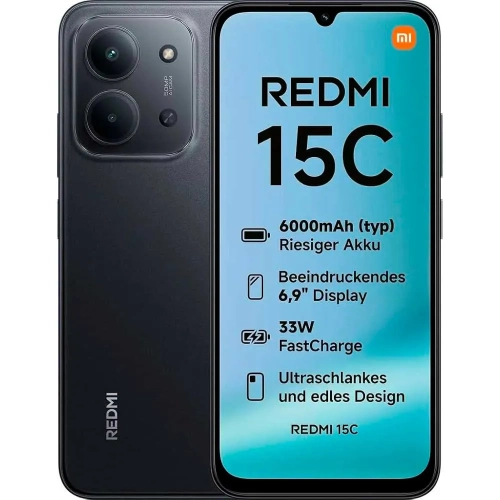
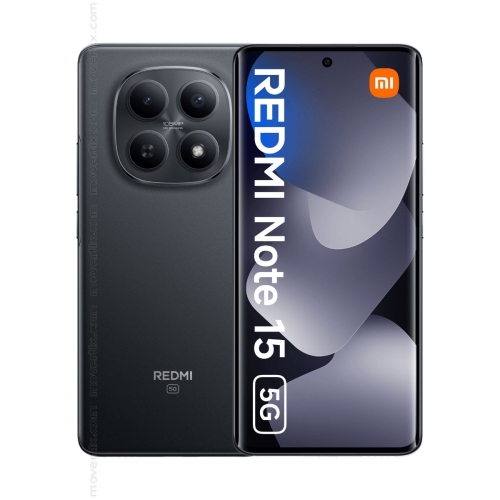
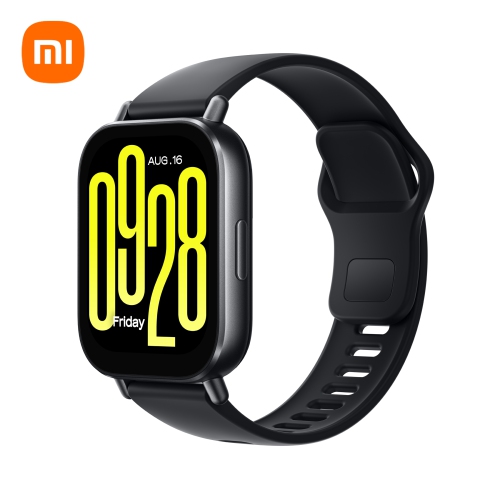
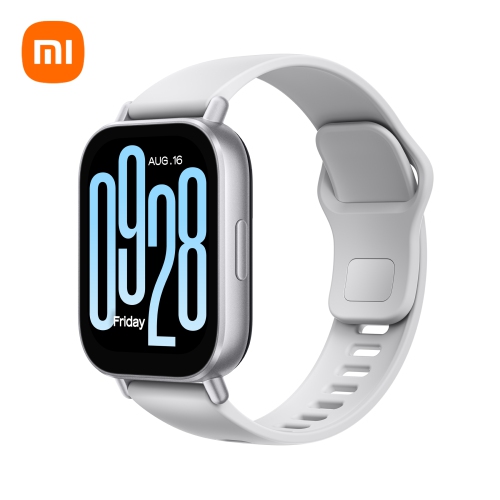
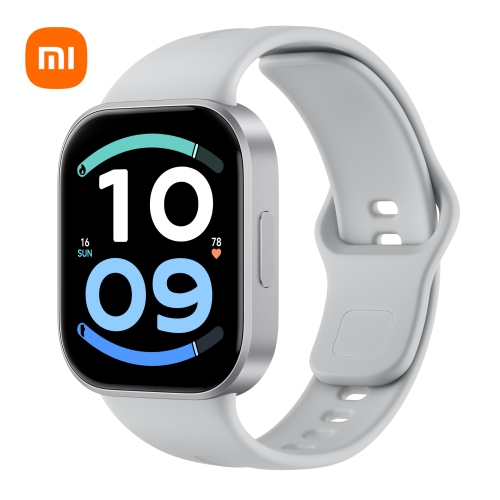
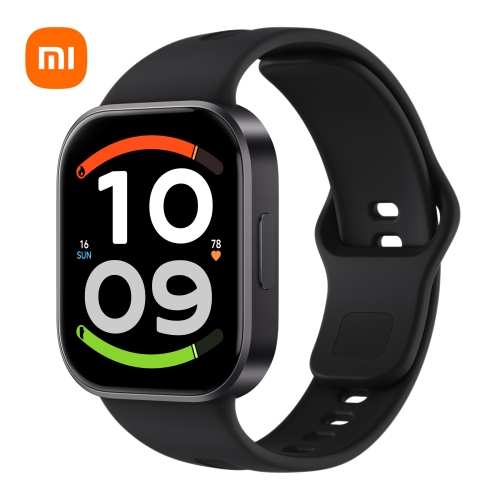
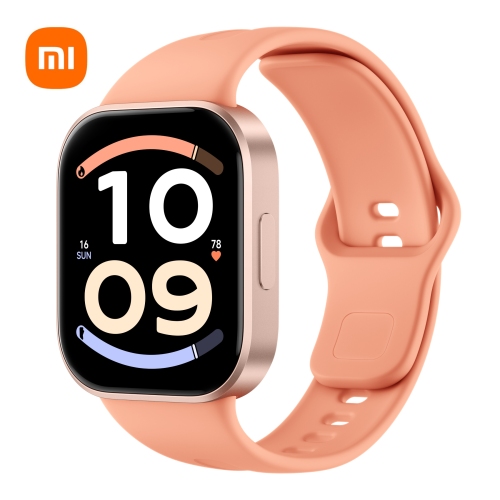
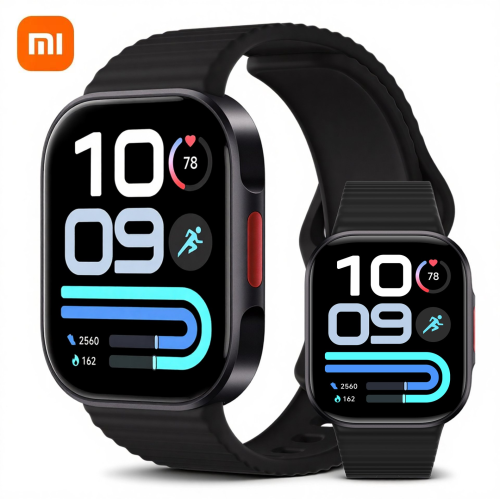
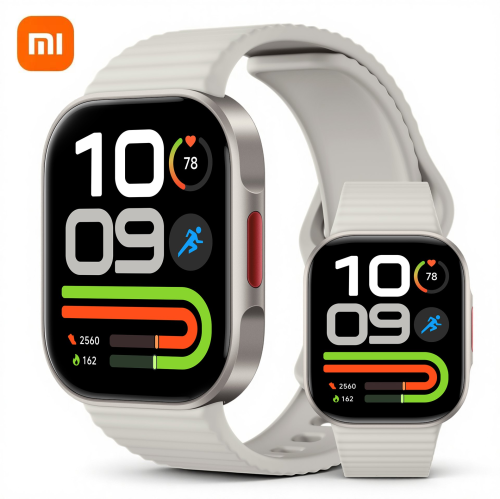
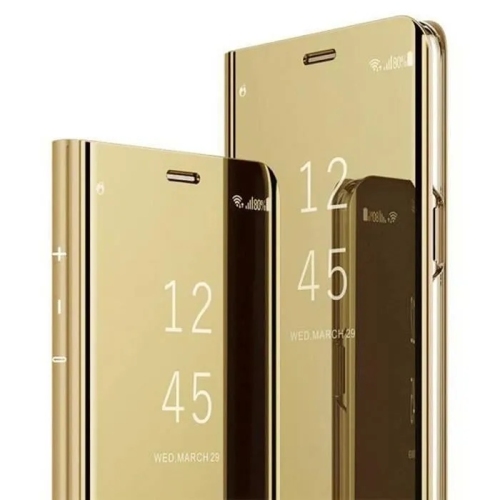
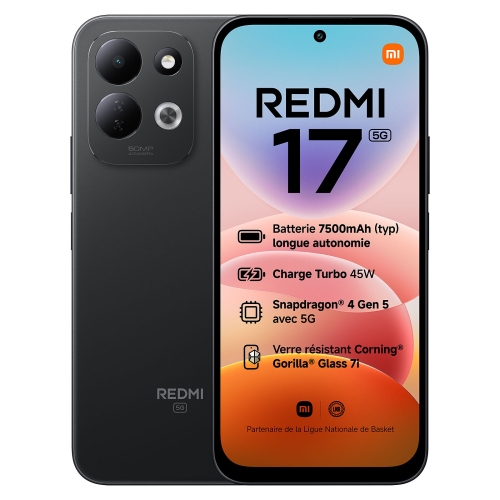
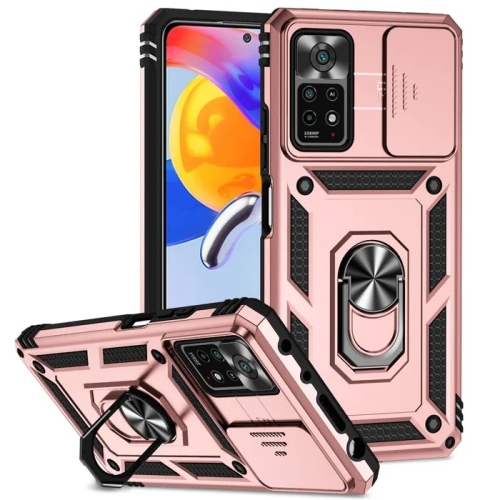
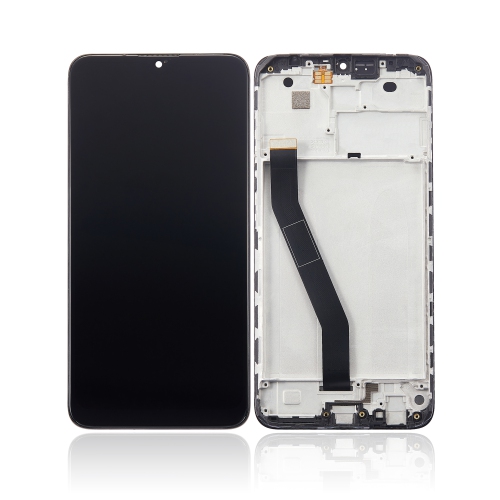
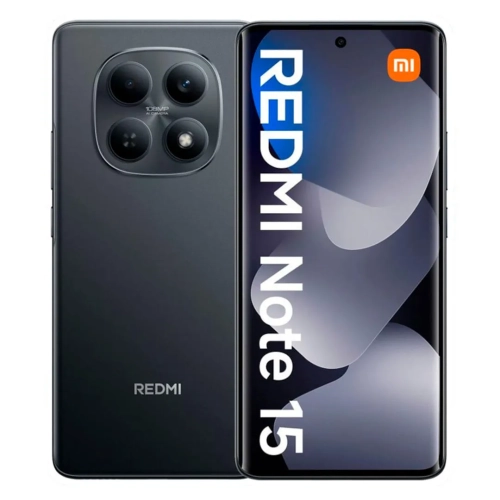
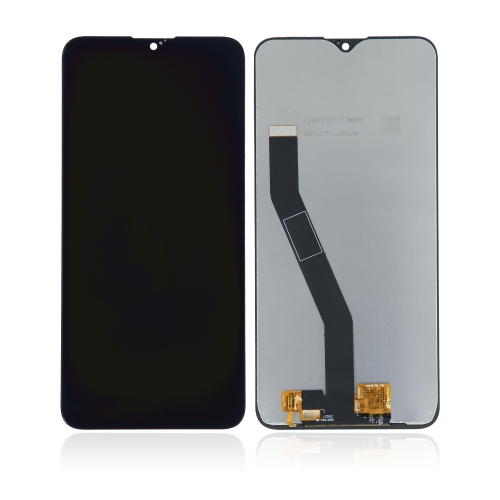
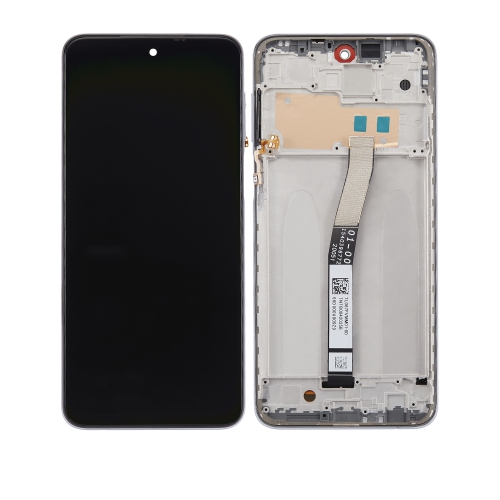
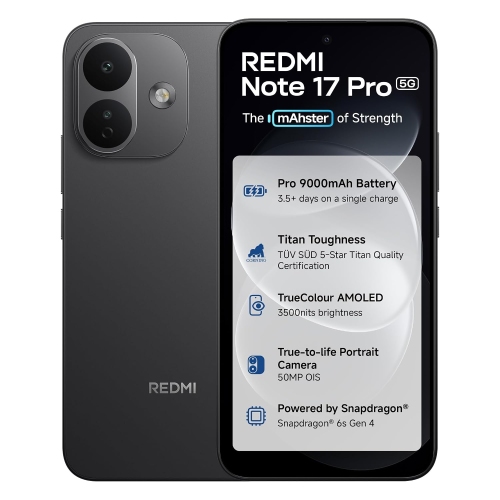
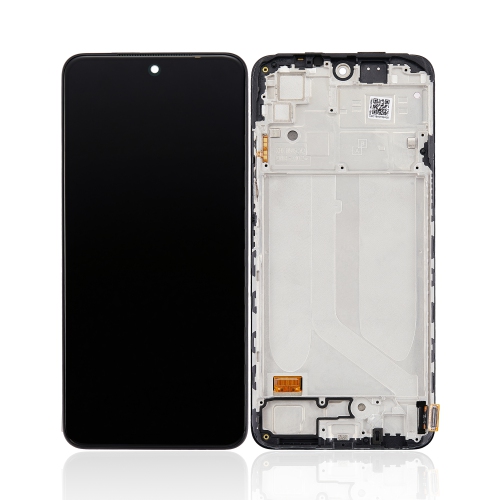
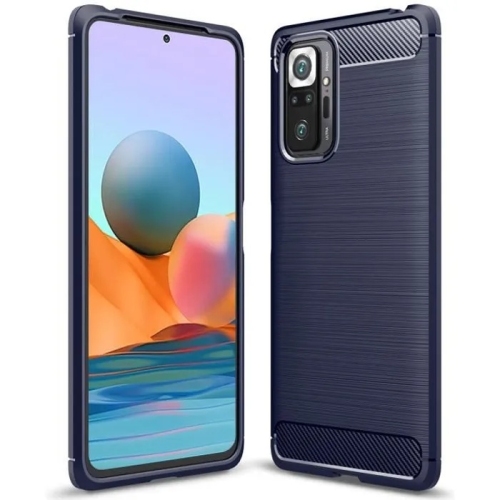
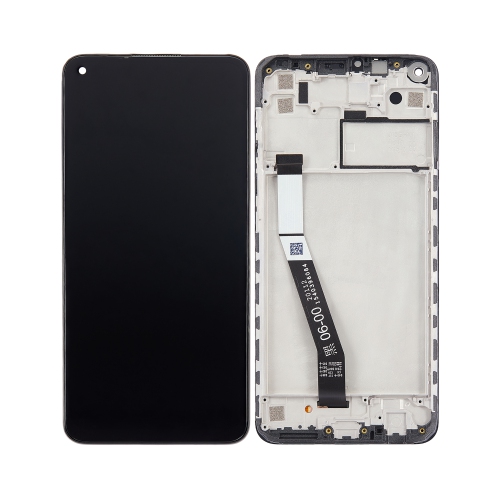
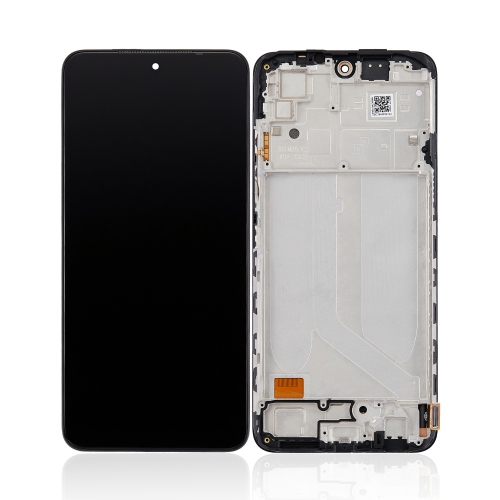
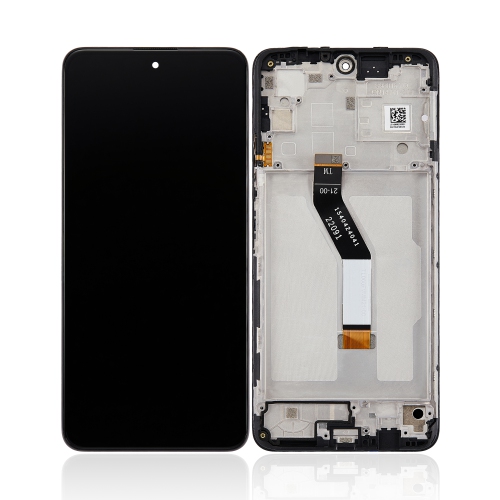
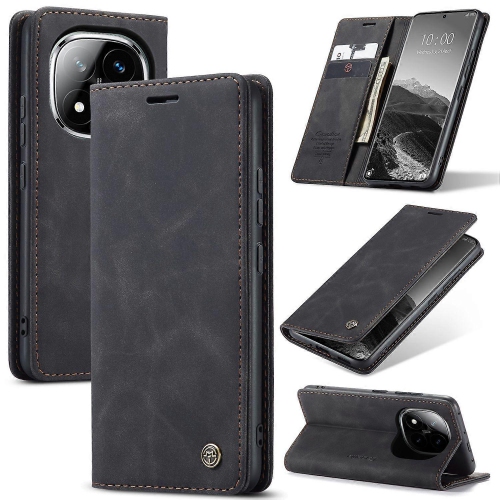
Everyday smartphone performance goes beyond screen size and megapixels
Large displays, long battery life and capable cameras are common priorities in entry-level and midrange smartphones, especially for people who want one device for messaging, navigation, photos and entertainment. A larger screen gives maps room to show the next turn and makes video calls easier to follow, while a sharper display can improve the readability of small text in documents or recipes. Screen size alone does not describe the viewing experience: resolution, brightness, contrast and refresh rate also influence how text, photos and movement appear. A higher refresh rate can make scrolling feel smoother, although its effect on battery use depends on the display settings and the tasks being performed. For someone who frequently switches between messages, music and a navigation app, processor performance and memory matter alongside screen quality. Storage capacity is a separate consideration, providing room for downloaded apps, videos and family photos; some of the stated capacity is used by system software and preinstalled apps. Expandable storage is useful where supported, but memory card compatibility and capacity limits differ between devices. Camera specifications deserve a similarly practical reading. A high megapixel count can support detailed images, but focus accuracy, image processing, lens quality and stabilization also shape the result. Photographing a child running across a playground presents a different challenge from capturing a still document on a desk. Front-camera quality and microphone performance matter for video chats, online appointments and recorded messages. Battery capacity provides another useful comparison, though actual runtime changes with screen brightness, signal strength, gaming, navigation and background activity. Fast charging can make a short break more useful, provided the phone, cable and adapter support compatible charging standards. Charging equipment included with a device can differ, so the package contents and supported charging specifications are worth checking together. These everyday details help distinguish a smartphone suited to occasional calls and photos from one better suited to frequent multitasking, streaming or longer stretches away from a charger.
Connectivity is particularly important when comparing smartphones for use in Canada, because an unlocked device is not automatically compatible with every carrier or service. Unlocked generally means the phone is not restricted to a particular carrier; it does not confirm support for the network bands or calling features needed by a Canadian provider. Global and regional versions can share similar names while differing in hardware, supported frequencies or software. The exact model number therefore matters when confirming compatibility with a carrier, including support for its LTE and 5G bands. A 5G specification on its own does not guarantee access to every provider’s 5G service, and reception also depends on local coverage and network conditions. Voice over LTE, often called VoLTE, and Wi-Fi calling may require carrier approval for the particular device, even when mobile data works. Physical SIM, dual-SIM and eSIM support also vary, making these details relevant to anyone separating personal and work numbers or arranging mobile service for travel. Two SIM connections do not necessarily provide identical capabilities, and travelling still requires confirmation of network compatibility and roaming arrangements. Beyond connectivity, software support influences how comfortably a phone fits into daily life over time. The length and frequency of security updates, the supported operating system version and compatibility with essential apps are useful considerations for banking, workplace access and account protection. Fingerprint recognition or facial unlocking can simplify access where supported, while a strong passcode remains important. Accessibility features such as adjustable text size, screen magnification, captions and hearing-device compatibility may matter more than a headline camera specification. Someone using a phone for transit directions might prioritize clear navigation prompts and dependable location services; someone managing appointments may care more about readable notifications and calendar synchronization. Contactless payment support, wired headphone connections and wireless accessory compatibility should also be confirmed individually rather than assumed. Together, these details describe how well a device can support familiar routines, not simply how its specifications look on paper.
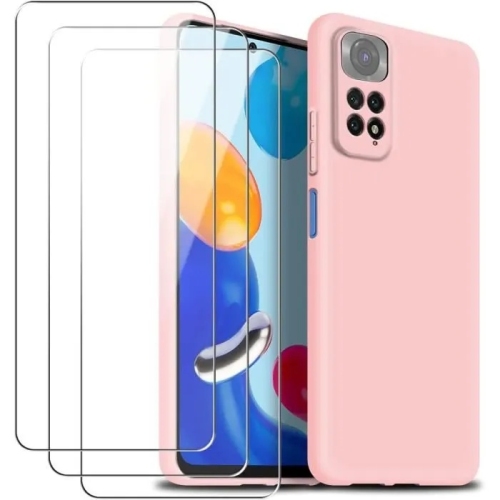
Materials, dimensions and construction affect how a smartphone feels every time it is picked up. Glass, metal and composite components can create different textures, weights and finishes, but appearance alone does not establish resistance to drops or scratches. A wide display may be enjoyable for videos yet awkward to reach across with one hand, especially once a protective case is fitted. Overall width, weight, button placement and the shape of the edges help determine whether a phone feels secure during a call or comfortable in a pocket. Cases and screen protectors need to match the exact device, including camera openings, speaker positions and charging-port access; a similar screen measurement does not guarantee the same fit. Any stated dust or water resistance should be understood according to the device’s published rating and care instructions, rather than treated as permission for unrestricted exposure. Routine care is straightforward: a soft, lint-free cloth helps remove fingerprints, and cleaning methods should follow the manufacturer’s directions to avoid damaging coatings or allowing moisture into openings. A protective case can reduce everyday wear, although no accessory makes a phone damage-proof. Battery-care settings, where provided, can help manage charging habits, and keeping important photos and contacts backed up makes a future repair or device change less disruptive. For students, a suitable phone might balance readable course material with manageable size; for a commuter, comfortable audio, clear maps and dependable battery performance may take precedence. As a gift, a smartphone is most useful when it matches the recipient’s carrier, preferred screen size, accessibility needs and familiarity with the software. Compatibility with existing charging equipment and accessories can make the transition simpler, while enough storage leaves room for personal photos and frequently used apps. Related ranges such as Xiaomi Poco can broaden a smartphone comparison, with the most meaningful differences remaining practical: reliable connectivity, comfortable handling, suitable software support and the capacity to keep pace with everyday use.
Top selling and popular products
-
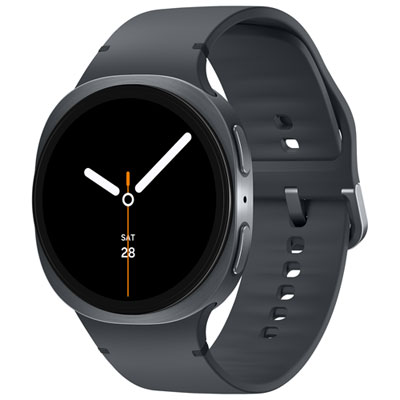 Your price for this item is $489.99
-
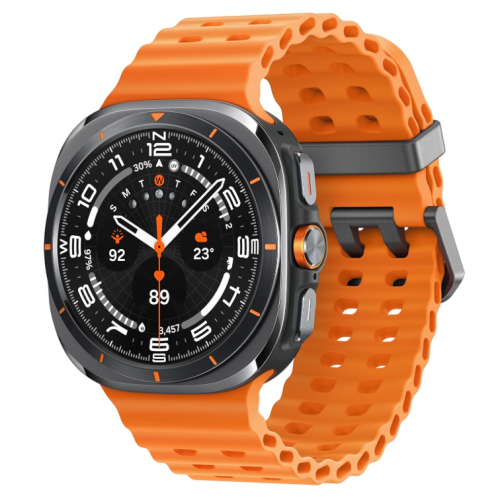 Your price for this item is $579.99
-
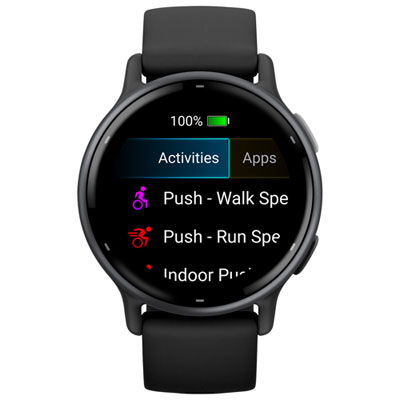 Your price for this item is $239.99
-
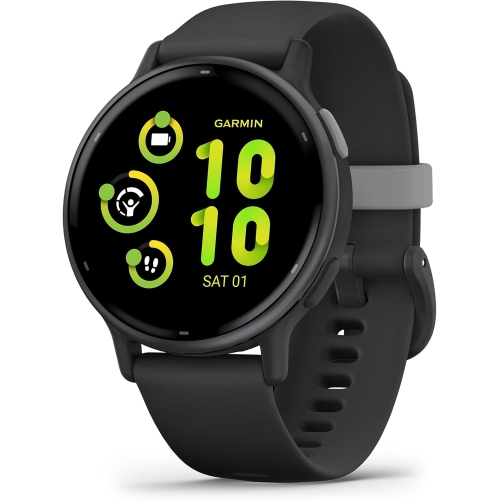 Your price for this item is $234.99
-
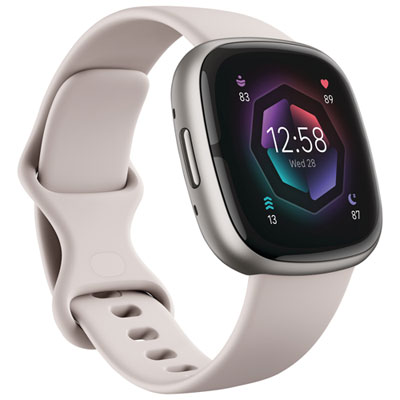 Your price for this item is $329.99
-
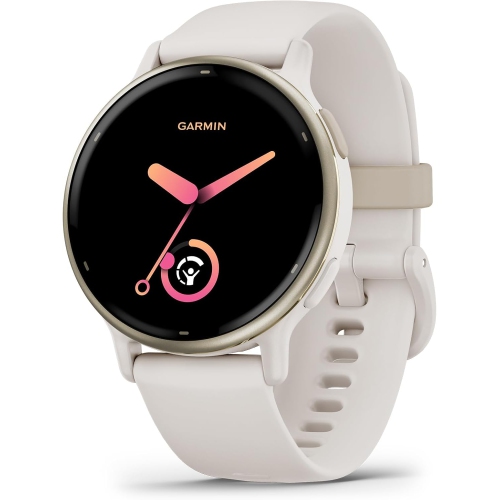 Your price for this item is $279.99
-
 Your price for this item is $399.99
-
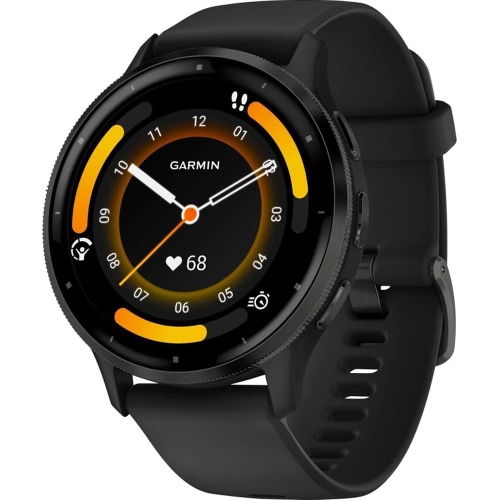 Your price for this item is $419.99
Discover more categories related to Xiaomi Redmi
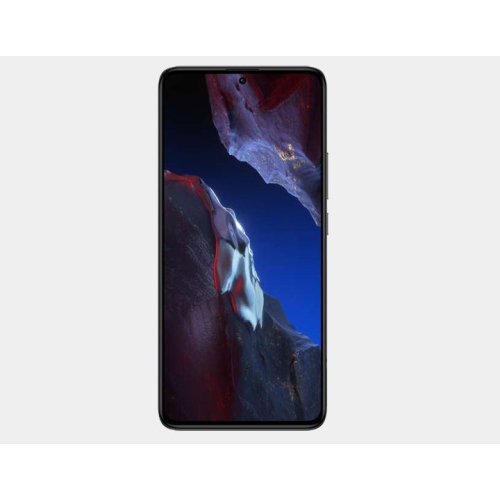
Top Collections:
Best Black Friday Deals This Year, Best Black Friday Deals On Electronics, Kindle Devices, Pokemon Centers, Best Black Friday Deals On Apple Products, Best Cameras for Sports Photography, Dyson Airwrap, Pokémon 30th Celebration Cards, Apple iPhone 17 Pro, Canon G7X Cameras
Some products may be subject to Environmental Handling Fees
(EHF) depending on your province.
Learn more about EHFs.