Model Paint
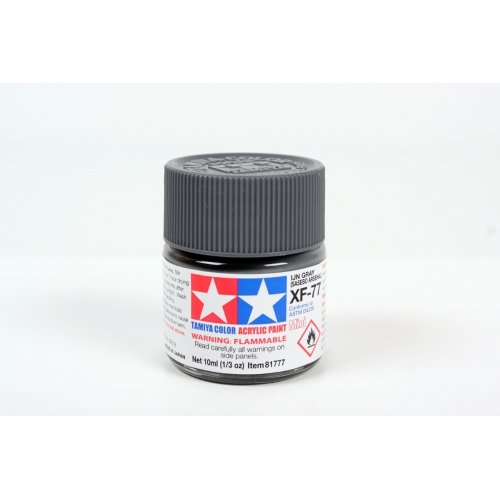
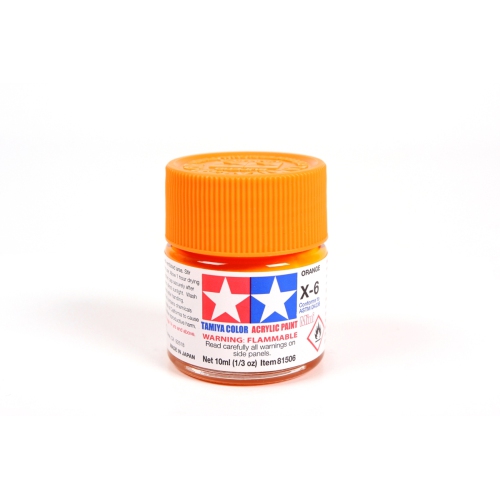
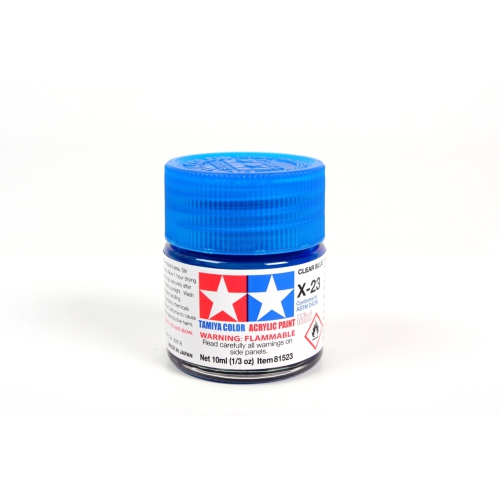
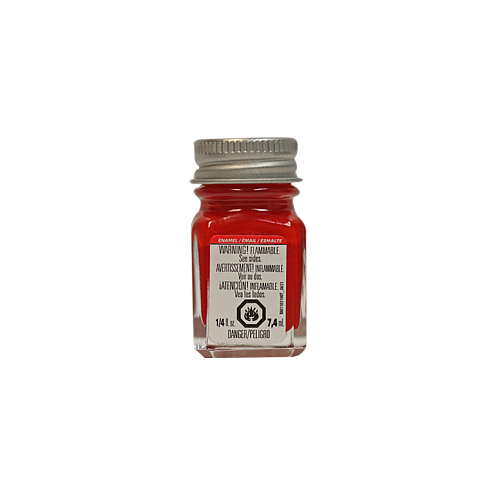
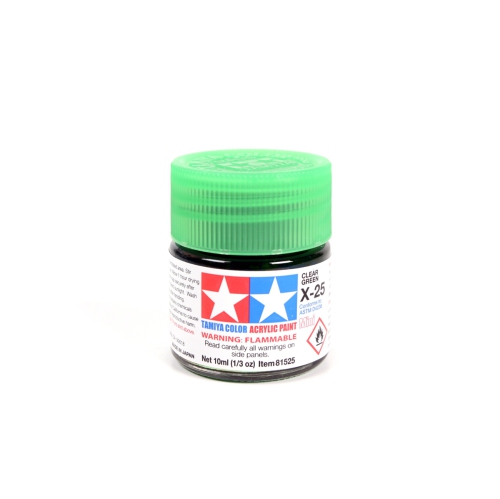
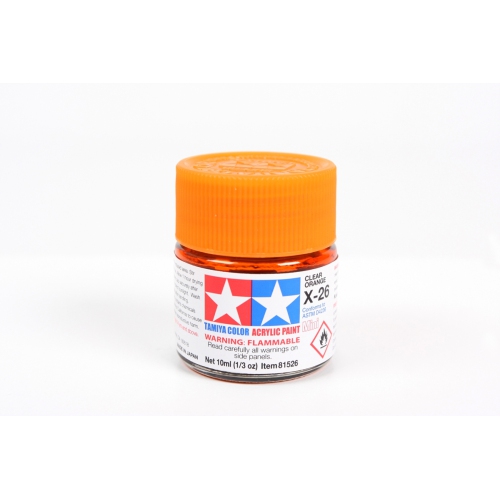
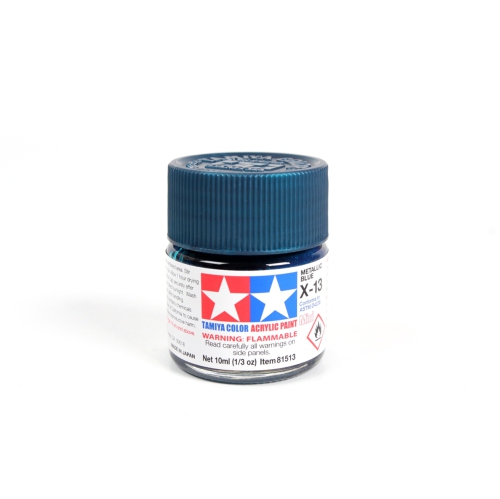
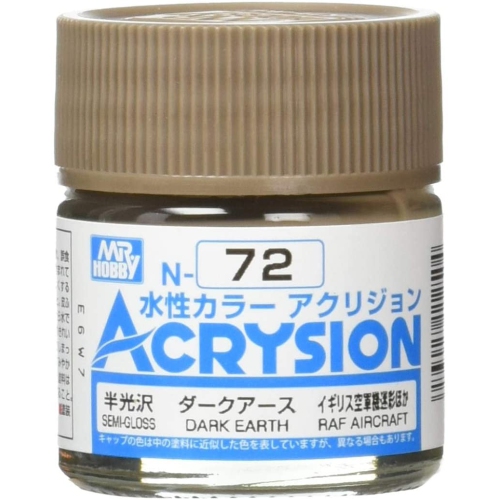
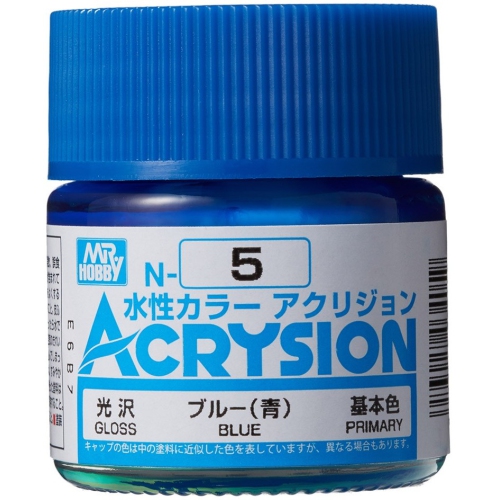
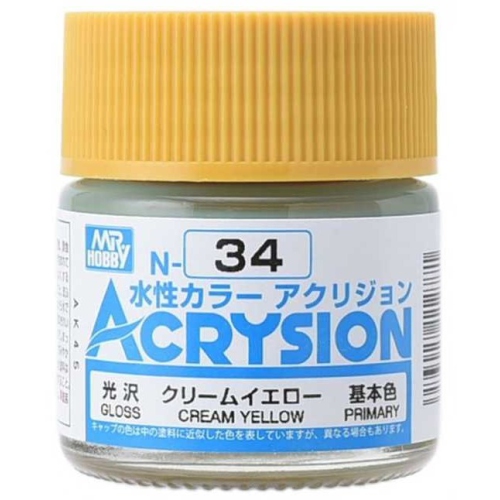
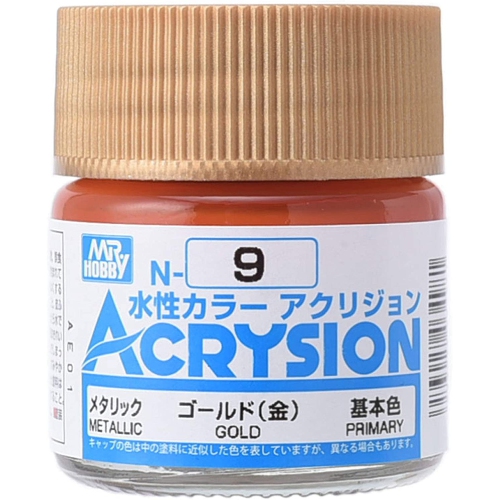
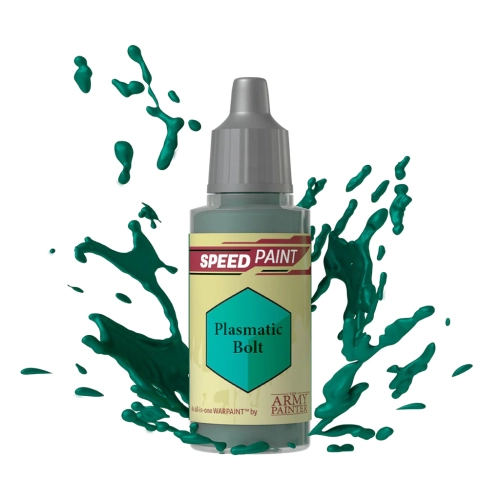
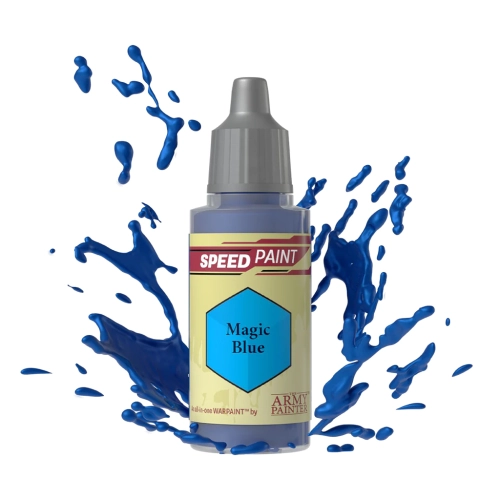
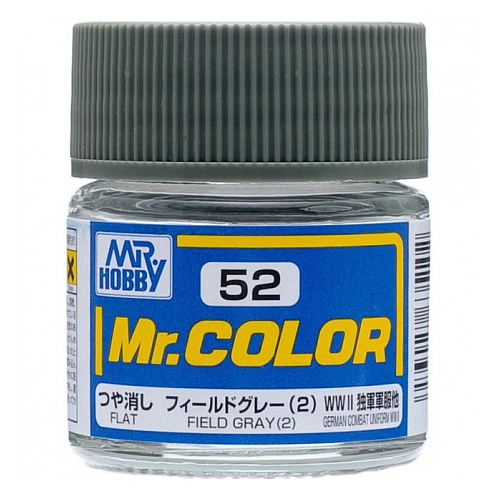
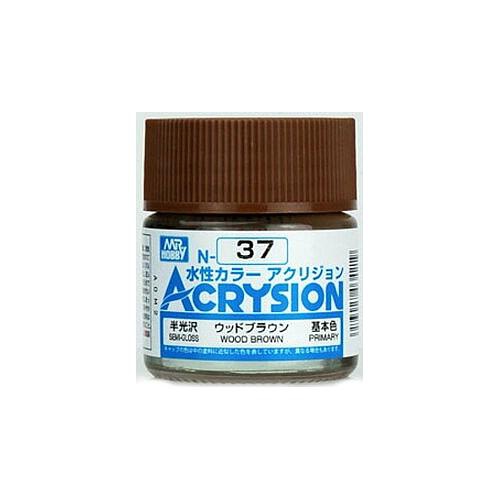
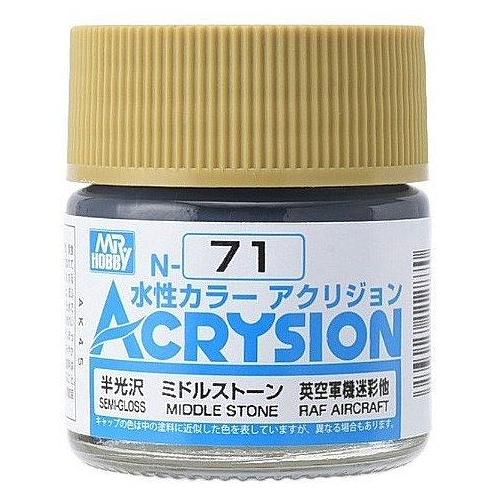
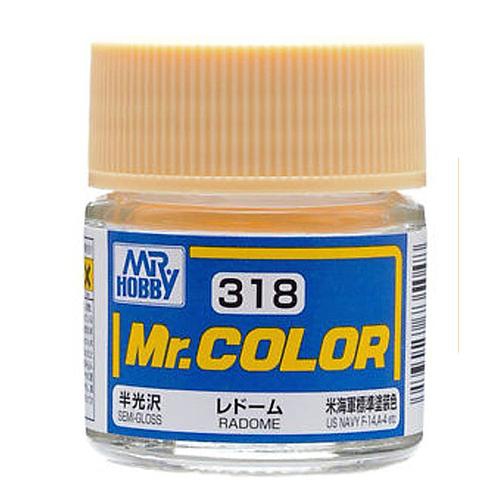
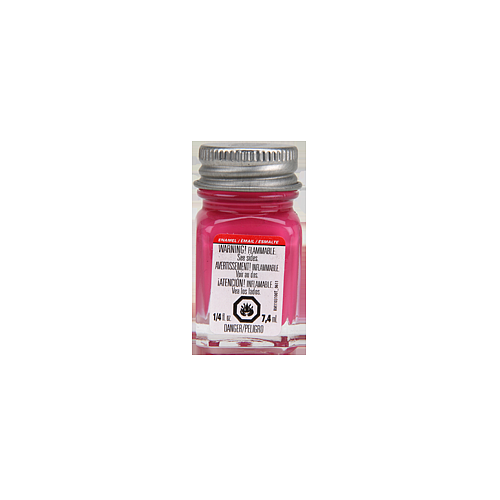
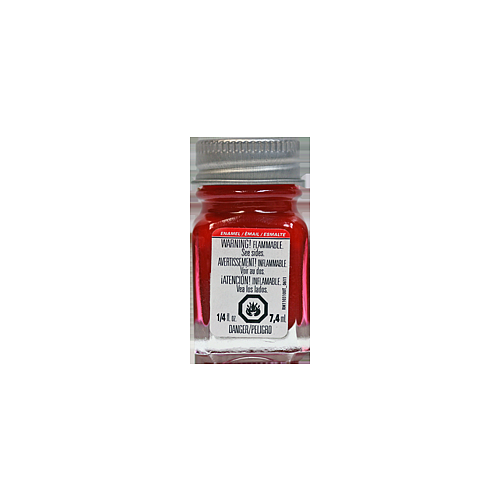
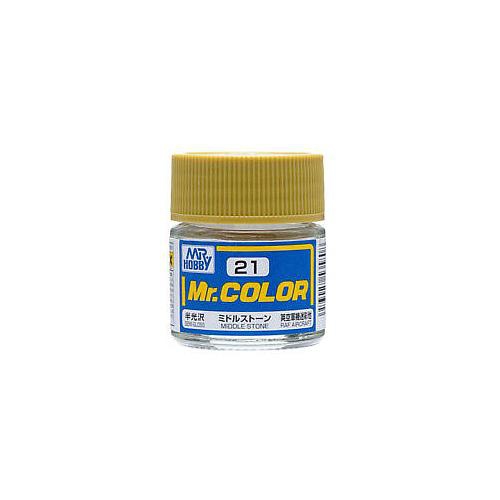
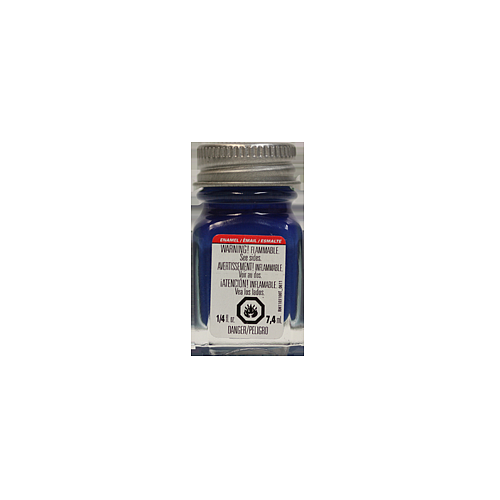
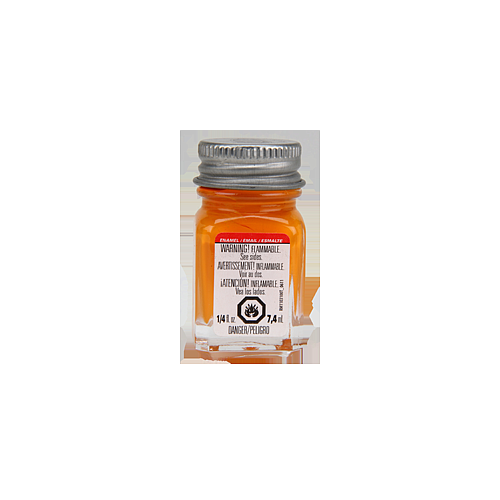
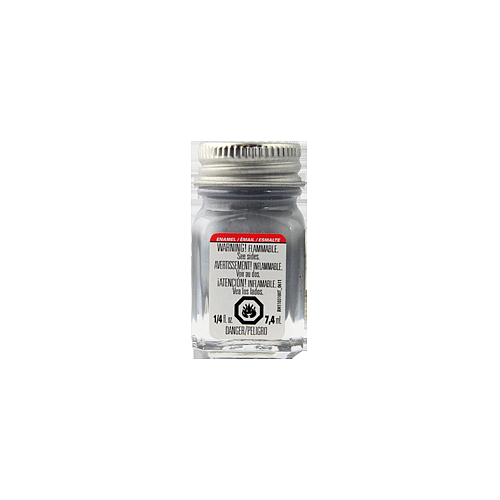
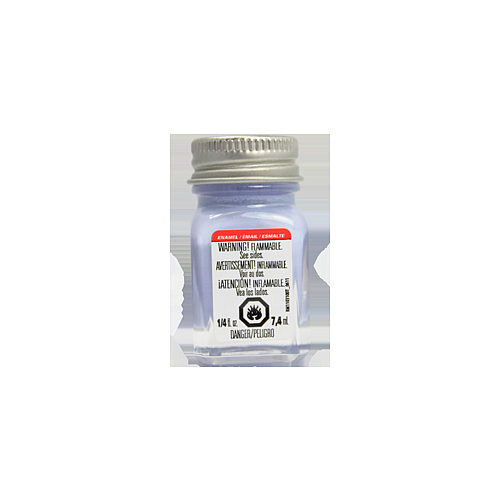
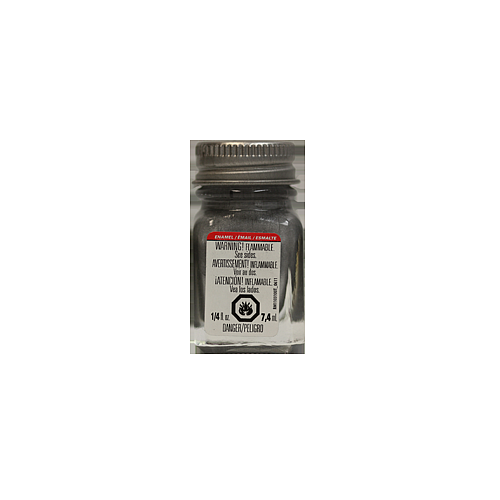
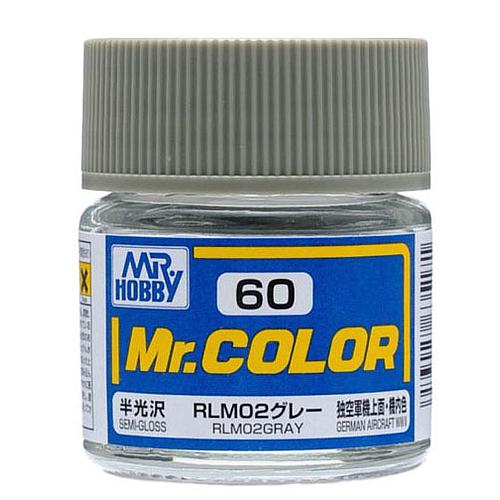
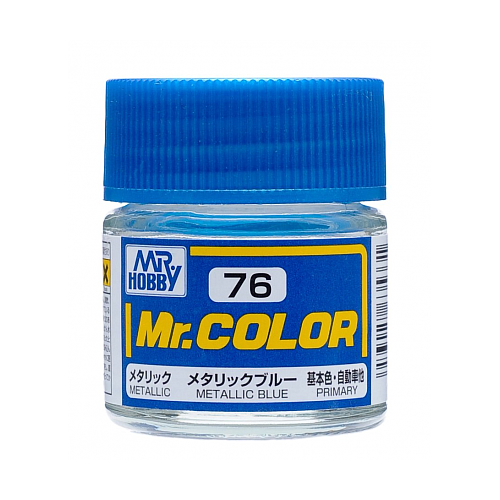
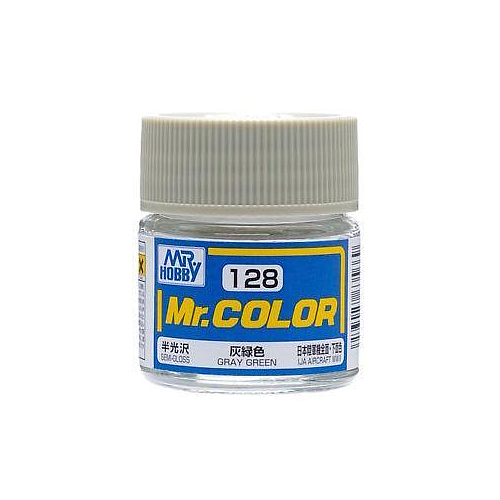
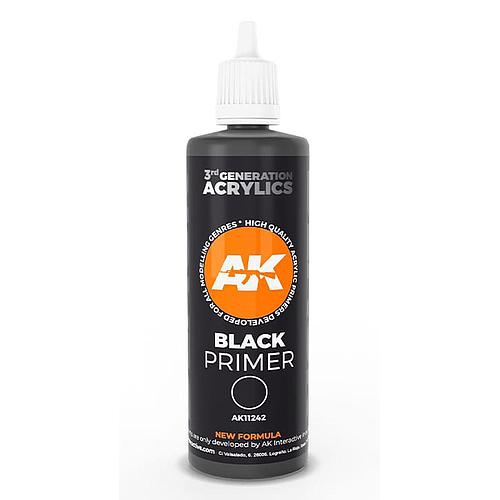
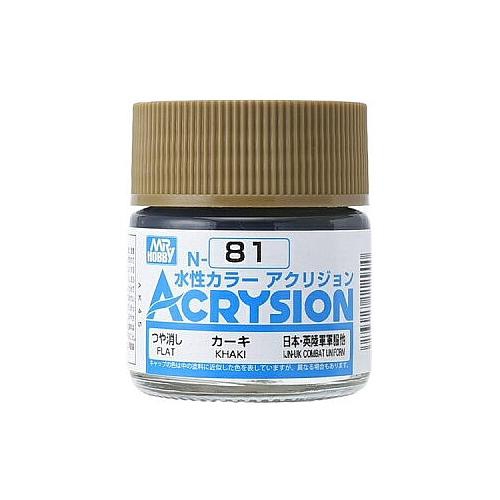
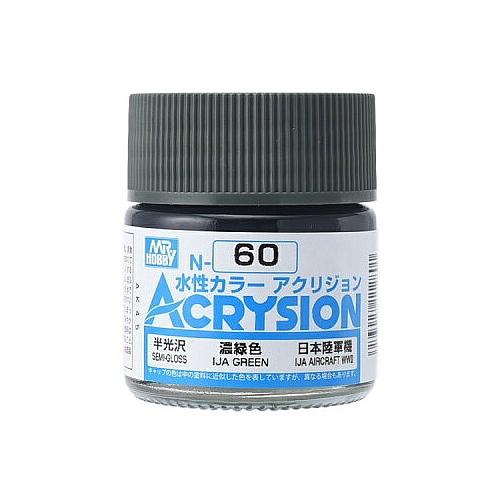
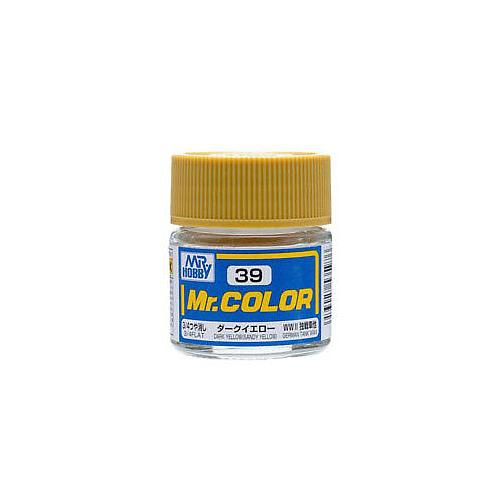
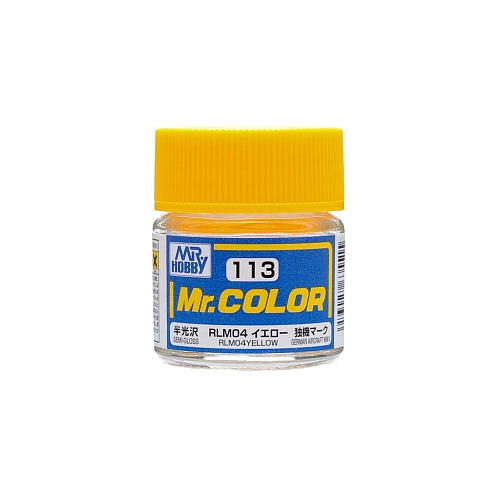
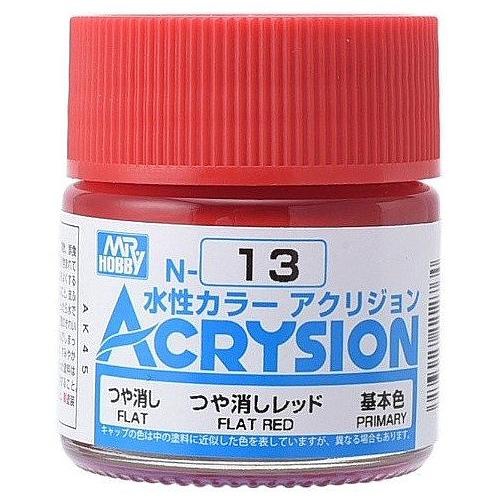
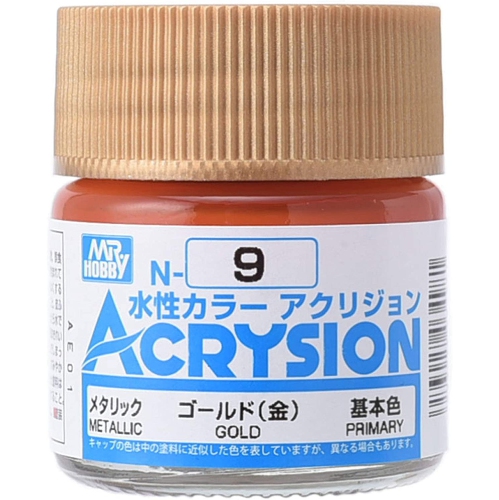
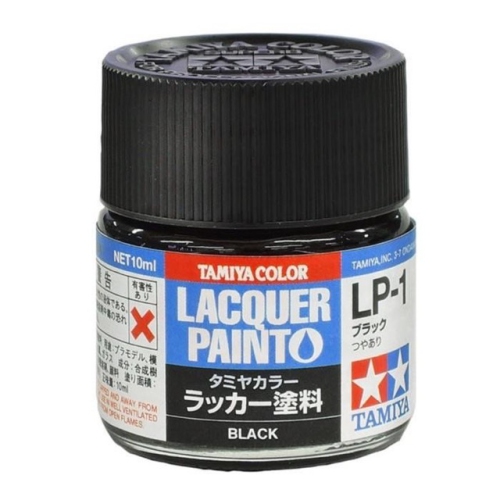
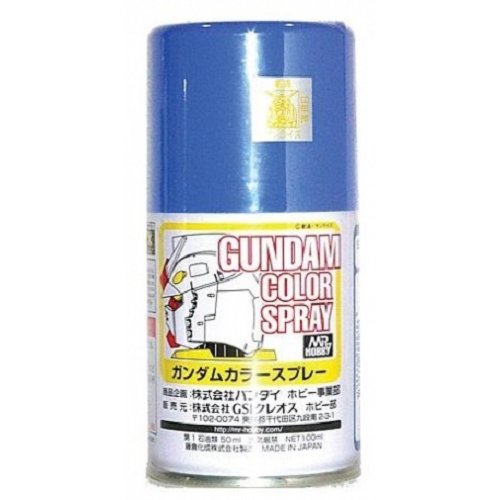
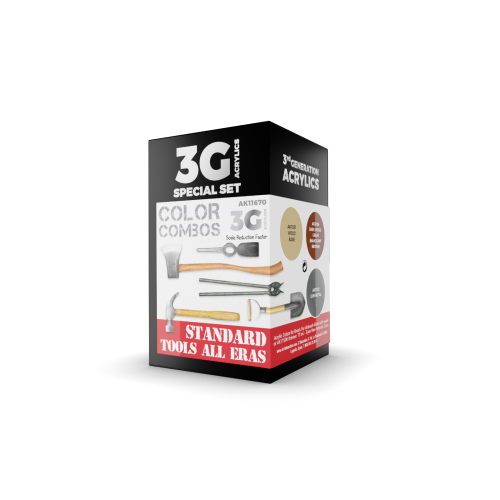
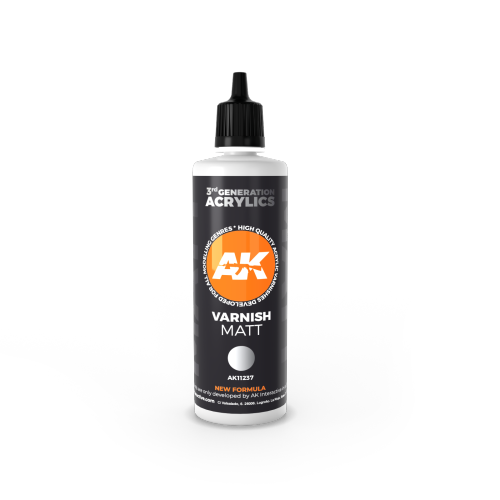
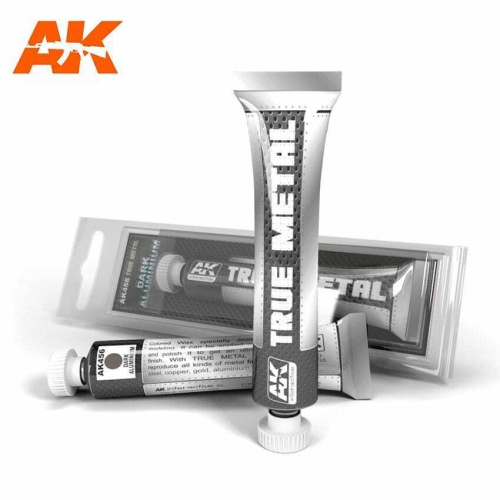
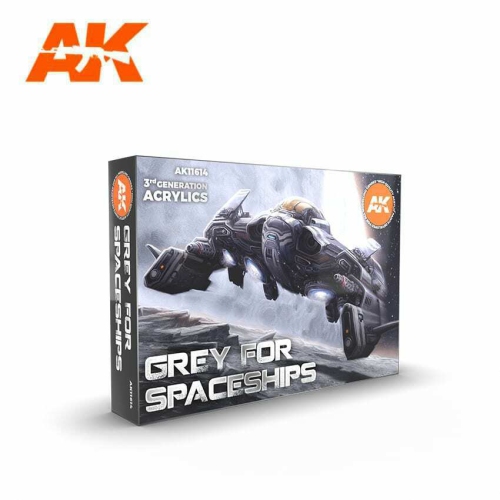
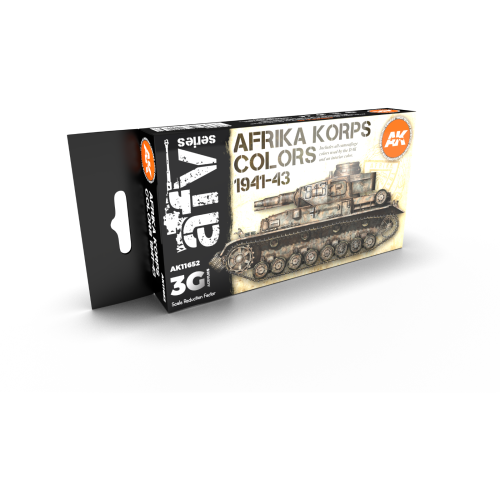
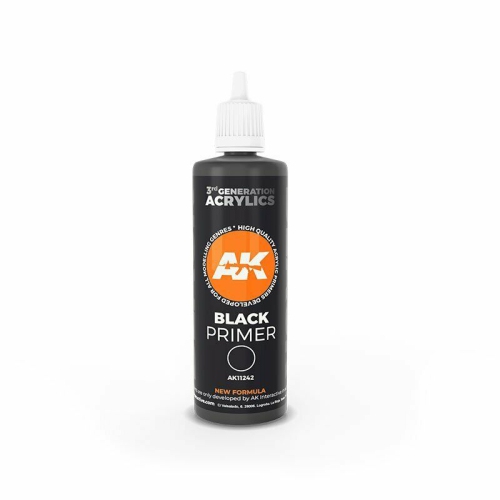
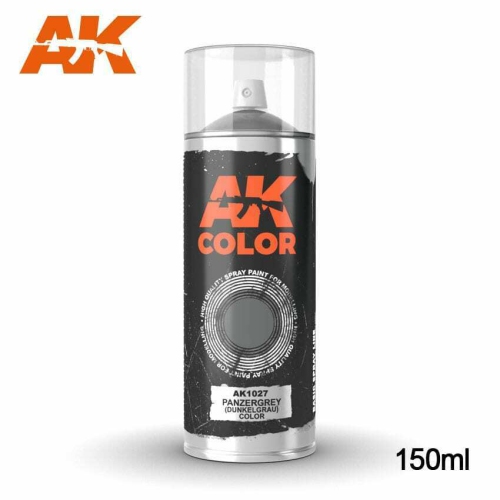
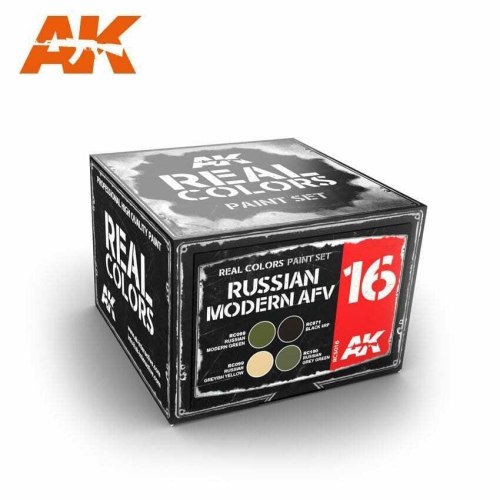
Find model paint for adding colour and detail to scale models and miniatures. Browse the selection with your project in mind, comparing available colours, finishes, and compatibility with the material you’re painting, whether you’re covering larger surfaces or picking out fine details.
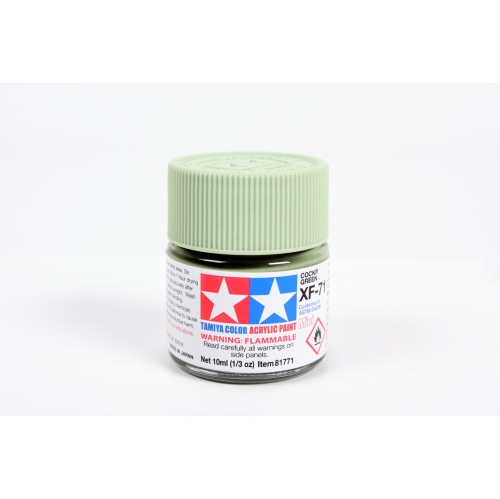
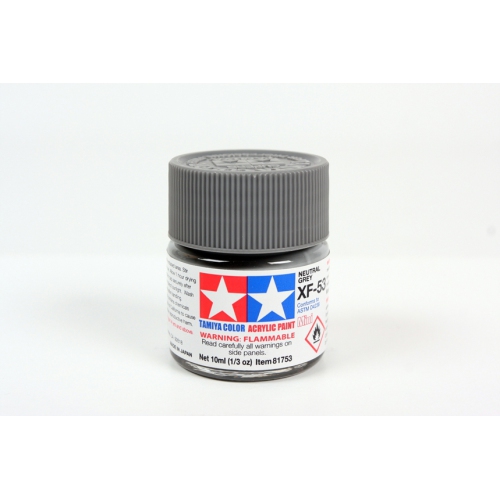
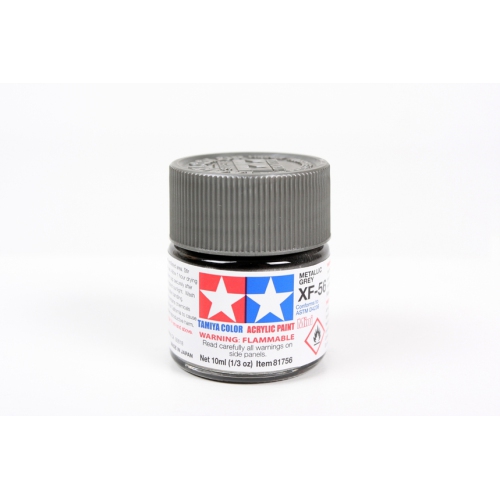
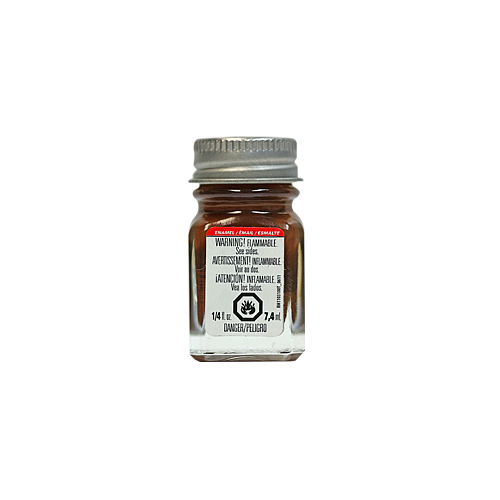
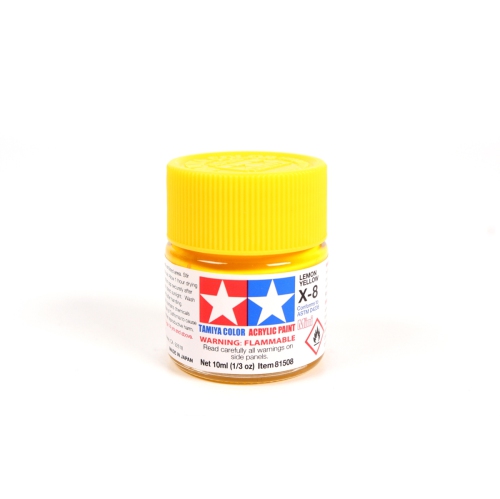
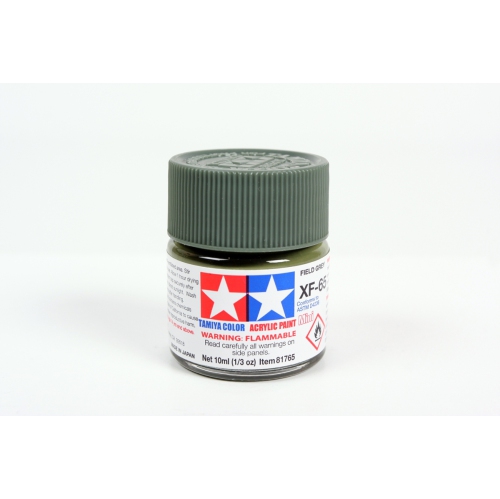
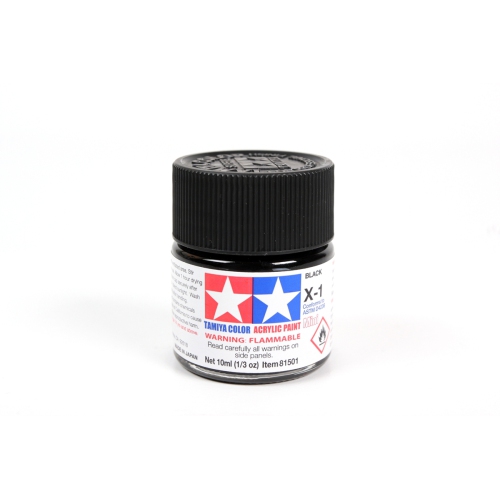
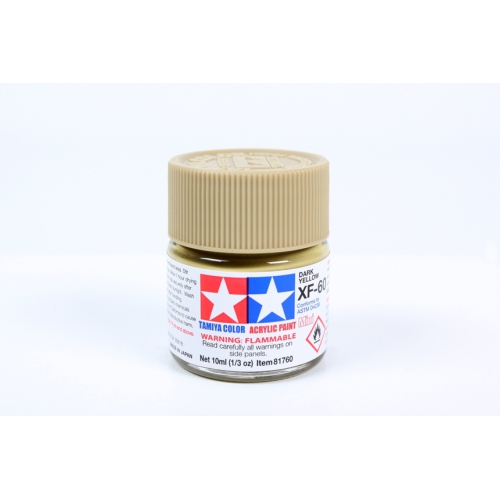






FAQ
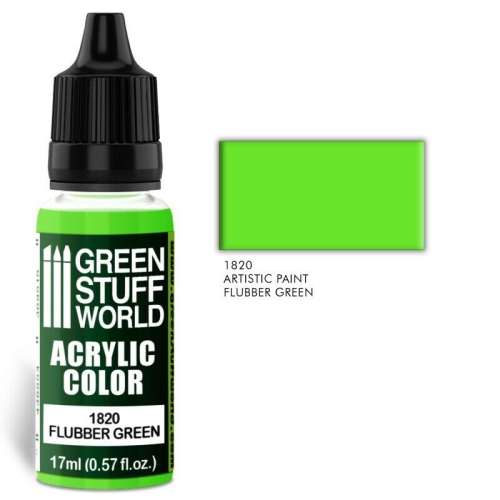
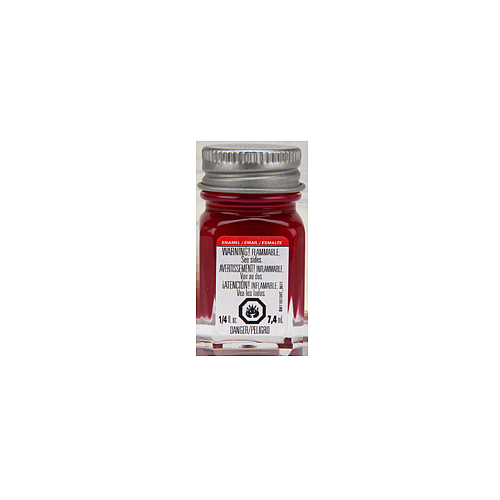
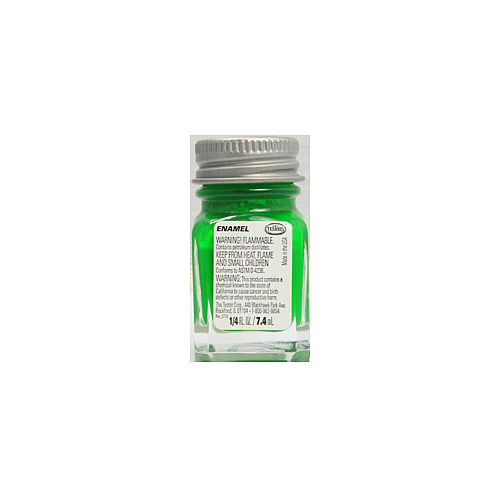
Common model paint types include acrylic, enamel, and lacquer. Many hobby acrylics are water-based, while enamels and lacquers generally use solvent-based formulas. Each type has its own thinning, clean-up, and drying requirements, so check the paint label when choosing related supplies.
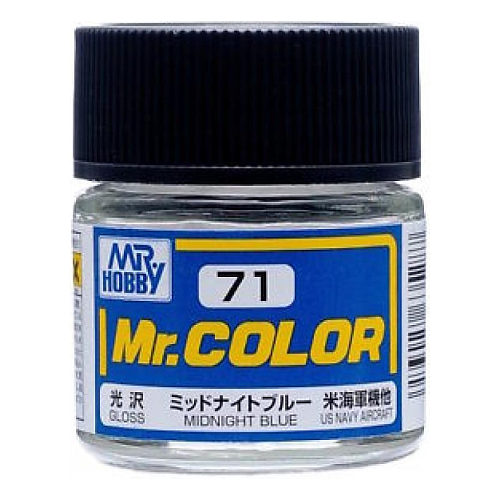
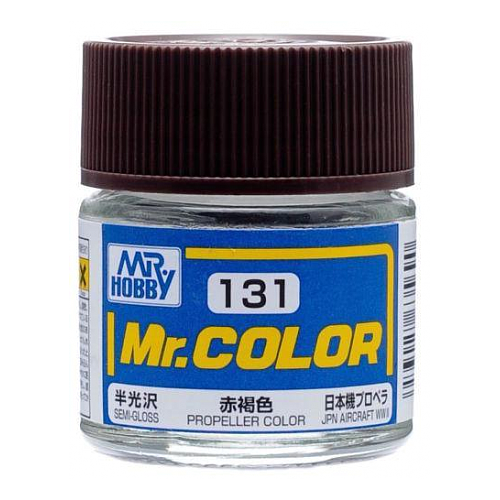
Matte paint has a flat appearance with little shine, satin has a subtle sheen, and gloss has a shiny finish. The choice depends on the surface you want to represent, such as matte fabric, satin interior panels, or glossy automotive bodywork.
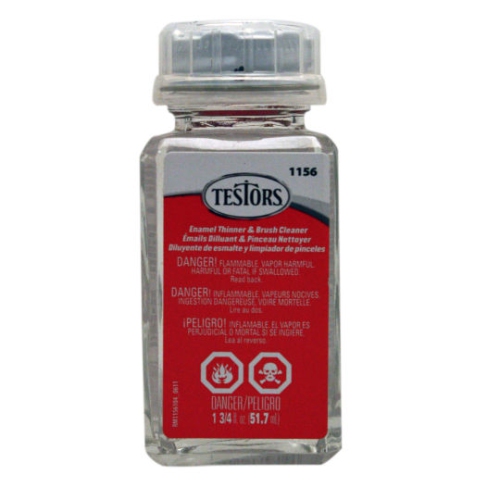
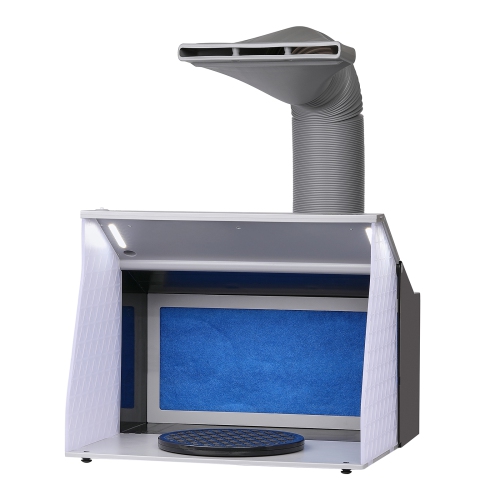
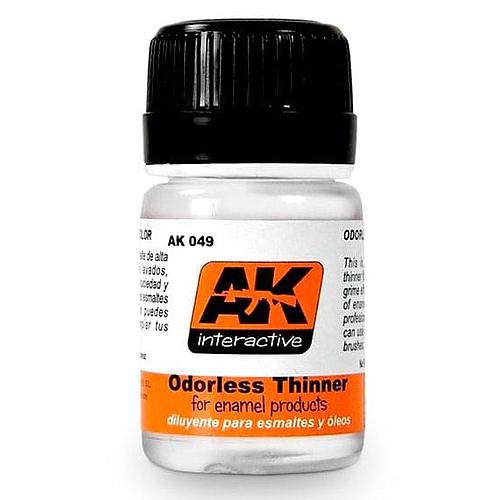
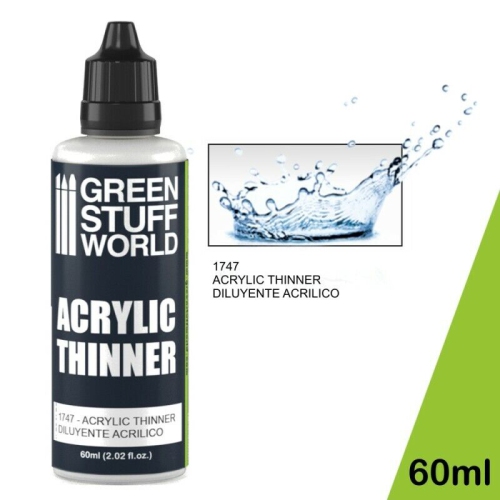
Model paints are available for brush application, airbrushing, or both. Brush painting is commonly used for details and individual parts, while airbrushing is often used for base coats and colour transitions. Some paints come ready for airbrushing; others require a compatible thinner.
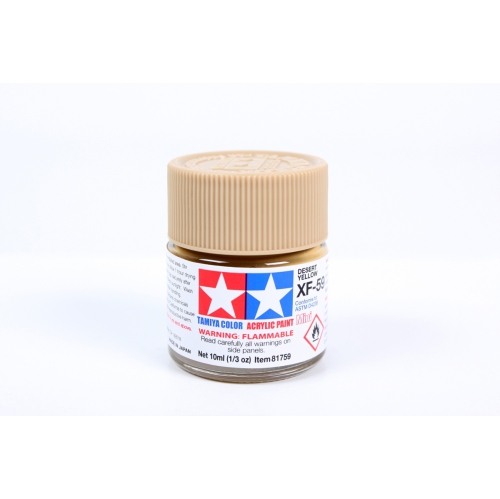
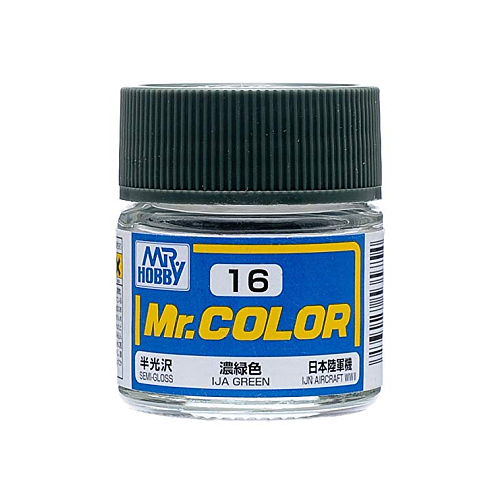
Model kit instructions often include colour names or paint reference codes. Hobbyists may also use reference photos, historical paint guides, or fictional colour schemes. For custom shades, paints from a compatible range can be mixed, with the proportions recorded for future touch-ups.
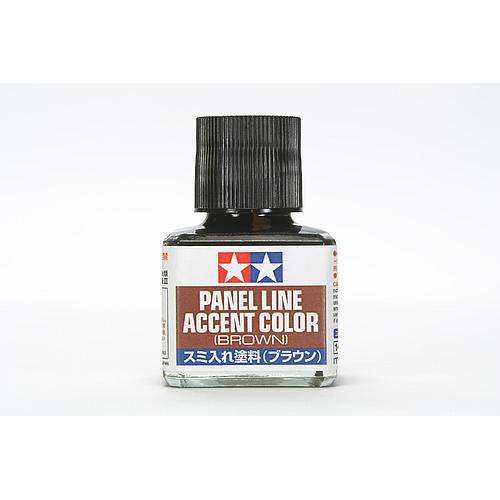
A wash is a fluid colour applied to recesses to suggest shadows or accumulated grime. Dry brushing uses a brush carrying very little paint to highlight raised details. Weathering is a broader group of techniques used to depict wear, dust, rust, fading, or other signs of age and use.
Top selling and popular products
Discover more categories related to Model Paint
Some products may be subject to Environmental Handling Fees (EHF) depending on your province. Learn more about EHFs.