Chill Out Music Cds
Discover the perfect soundtrack for relaxation with chill out music CDs. Whether you’re winding down after a busy day or creating a soothing atmosphere at home, these carefully curated albums offer calming melodies and mellow rhythms to help you unwind. Explore a wide selection of chill out music CDs designed to bring tranquility and comfort to any setting, making it easy to set the mood for peaceful moments whenever you need them.
Sort

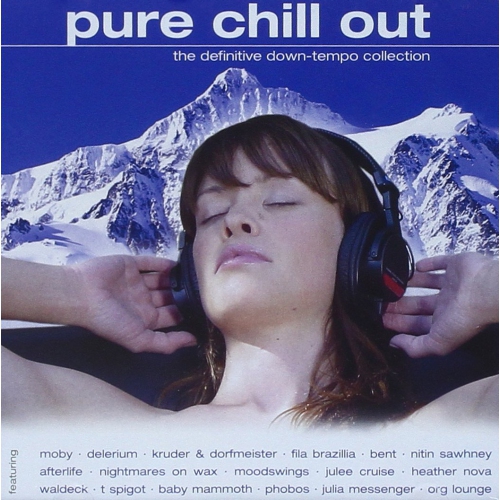

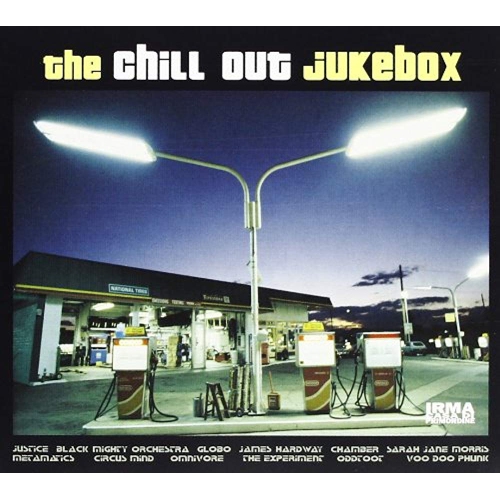


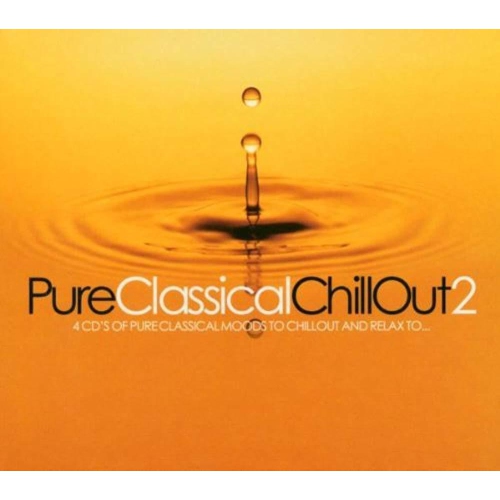




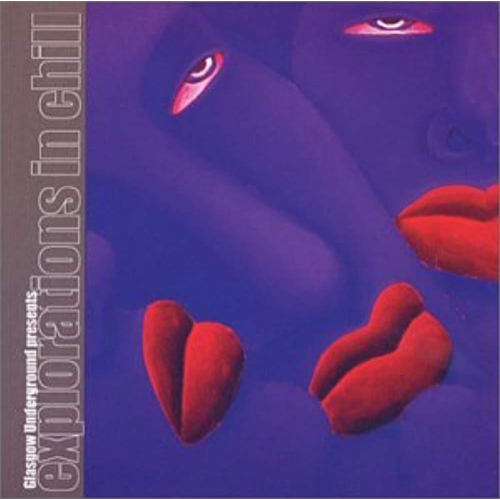






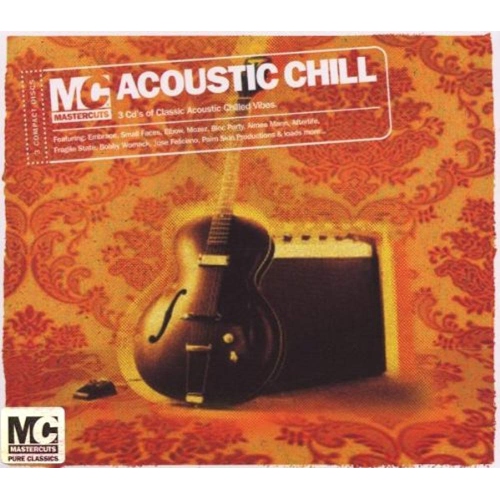


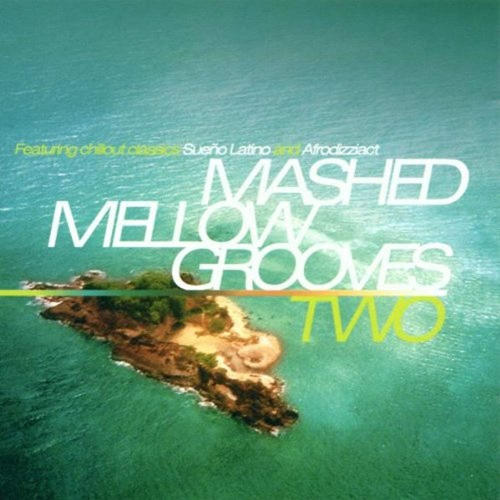


What gives a relaxed album its distinctive mood
Chill out music CDs bring together relaxed rhythms, spacious arrangements, and gently unfolding melodies in a physical format made for uninterrupted listening. Rather than describing one tightly defined genre, chill out is an umbrella term that can include ambient music, downtempo electronica, lounge, mellow jazz, acoustic instrumentals, and softer strands of trip-hop. The shared quality is an unhurried feel, although the sound can range from nearly beatless synthesizer textures to a steady bass line with brushed percussion and understated vocals. Ambient recordings often place atmosphere ahead of a memorable chorus, allowing sustained notes and subtle changes to shape the experience. Downtempo albums tend to keep a clearer rhythmic pulse, while lounge recordings may introduce electric piano, lightly syncopated drums, or jazz-influenced guitar. Trip-hop can add deeper bass and a more shadowy mood, so a chill out label does not always mean bright, delicate, or suitable for drifting off to sleep. These distinctions matter when choosing music for a quiet meal, an evening of reading, or a desk session that calls for fewer distractions. A mostly instrumental recording leaves more room for conversation and concentration; an album with prominent vocals offers a stronger focal point when the music itself is the main attraction. Some recordings develop slowly across long tracks, while others use shorter, song-based arrangements that are easy to dip into between activities. Chill out CDs also suit listeners who enjoy hearing an album in its intended order, with a beginning, a gradual build, and a gentle finish rather than a shuffled sequence. A soft piano phrase followed by a muted electronic groove can feel quite different from a compilation that moves abruptly between styles. Track order, vocal presence, and rhythmic intensity help distinguish a background soundtrack from a more immersive listening experience, even when both belong to the same broad category.
The choice between a single-artist album and a various-artists compilation often comes down to consistency versus variety. A full-length artist recording may maintain a recognisable palette of instruments and production choices throughout, making it appealing for listeners who want a cohesive mood. A compilation can introduce several approaches to chill out music, moving between acoustic passages, electronic textures, and jazz-led arrangements. Multi-disc sets may provide separate programmes with different characters, though the number of discs alone says little about how closely the music matches a particular preference. Track listings, running times, artist credits, and descriptions of the musical style are more useful clues. A continuously mixed CD links tracks together with overlapping transitions, which can work well during a relaxed gathering or a long stretch of creative work. An unmixed compilation usually preserves more distinct song boundaries, making individual tracks easier to appreciate on their own. Anyone who prefers familiar melodies and traditional song structures may also enjoy easy listening music CDs, a related category with some overlap in gentle instrumentation and approachable arrangements. The two categories are not identical: chill out frequently draws on electronic production and repeating grooves, whereas easy listening often centres on melody, orchestration, or a featured singer. Intended use can make those differences clearer. For dinner with friends, restrained vocals and an even pace can support conversation without pulling attention across the room. For reading, sparse instrumental passages may be a better match than lyric-heavy songs or sudden percussion changes. For stretching or a quiet break, slower tracks with gradual transitions can provide a comfortable accompaniment, without needing to promise any particular health or sleep outcome. Personal taste remains important, especially for gifts. A listener who enjoys jazz piano may appreciate a different corner of the category from someone drawn to synthesizers and deep, rounded bass. Matching those established preferences is usually more meaningful than choosing solely by cover artwork or a relaxing-sounding title.
As physical audio products, chill out music CDs have practical qualities that extend beyond the recordings themselves. A standard CD stores digital audio on a reflective layer within a rigid polycarbonate disc, with playback handled by a compatible optical drive. A conventional audio CD player can play standard audio CDs without an internet connection, making the format useful for a home stereo, a compact music system, or a vehicle with a built-in CD player. Many newer computers and vehicles do not include a disc drive, so playback compatibility is worth checking before choosing CDs for personal use or as a gift. A DVD or Blu-ray player may also support audio CDs, but that capability depends on the model; a computer generally needs a compatible drive and suitable playback software. Packaging varies as well. A plastic jewel case provides a rigid holder and often includes a removable booklet, while card sleeves and fold-out packs offer a different presentation and can hold liner notes, photography, or additional discs. For collectors, those printed details can be part of the pleasure, revealing musician credits, recording information, and the visual character of the release. The packaging dimensions and disc arrangement also matter when fitting a collection onto a shelf or into an existing storage system. Care is straightforward but makes a difference to long-term usability: hold discs by the outer edge or centre opening, return them to their cases after listening, and avoid touching the playing surface. Dust or fingerprints can be removed with a clean, soft, lint-free cloth, wiping gently from the centre towards the outer edge rather than in circles. Keeping discs away from direct sunlight, excessive heat, and abrasive surfaces helps protect both the disc and its packaging. Deep scratches or damage to the label side can interfere with playback, so loose storage in drawers is best avoided. With compatible equipment and careful handling, a chill out CD can become a familiar part of a listening routine: a chosen album, a comfortable volume, and a sequence of tracks that has room to unfold.
Top selling and popular products
-
 Your price for this item is $50.85
-
 Your price for this item is $15.28
-
 Your price for this item is $39.79
-
 Your price for this item is $54.99
-
 Your price for this item is $43.99
-
 Your price for this item is $47.36
-
 Your price for this item is $44.87
-
 Your price for this item is $51.85
Discover more categories related to Chill Out Music Cds



Top Collections:
Pokemon Centers, Kindle Devices, Best Cameras for Sports Photography, Pokémon 30th Celebration Cards, Apple iPhones 16, Canon G7X Cameras, iPhone 15 Apple, Flip Phones, Samsung Galaxy Phones, Alarm Clock
Some products may be subject to Environmental Handling Fees
(EHF) depending on your province.
Learn more about EHFs.