Classic Black and White Movies
Classic Black and White Movies capture the timeless charm and artistry of cinema’s golden era. Whether you’re a film enthusiast or discovering these masterpieces for the first time, this collection offers a captivating journey through iconic storytelling and unforgettable performances. Perfect for movie nights or expanding your home library, Classic Black and White Movies bring the elegance and drama of classic filmmaking right to your screen. Explore a selection that celebrates the enduring appeal of these cinematic treasures.
Sort
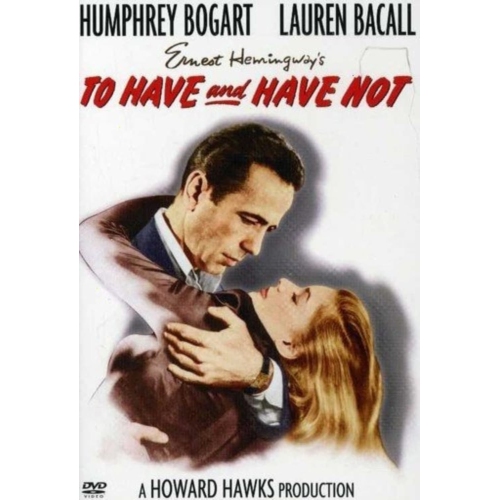
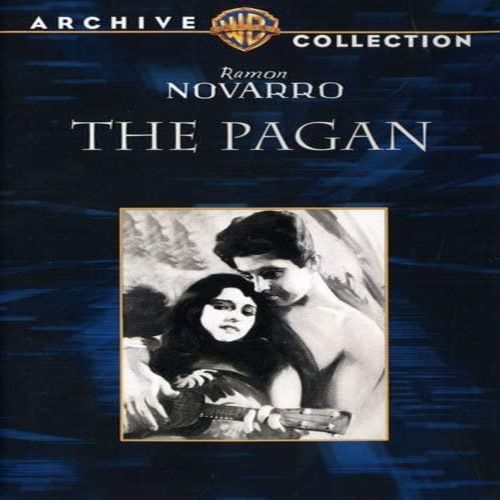
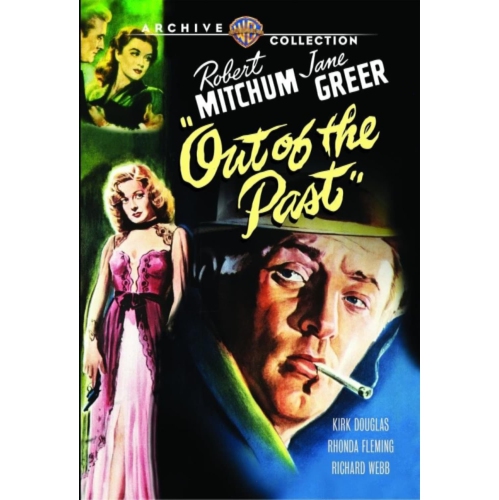
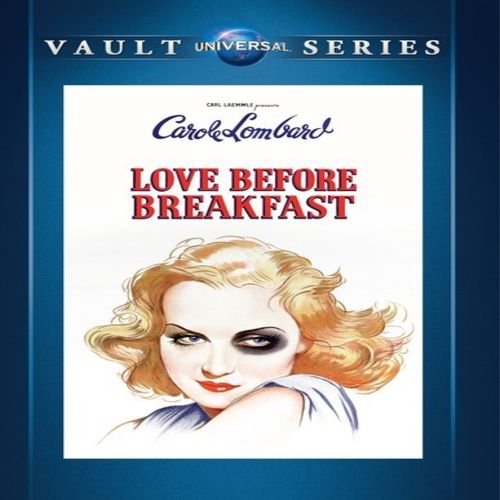
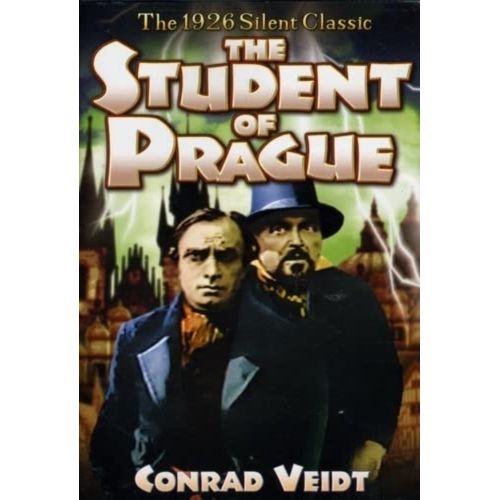



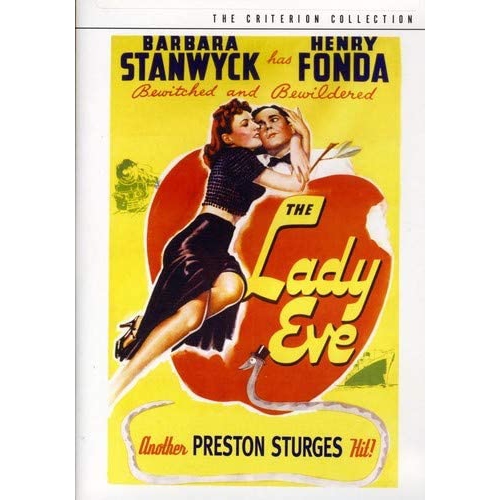

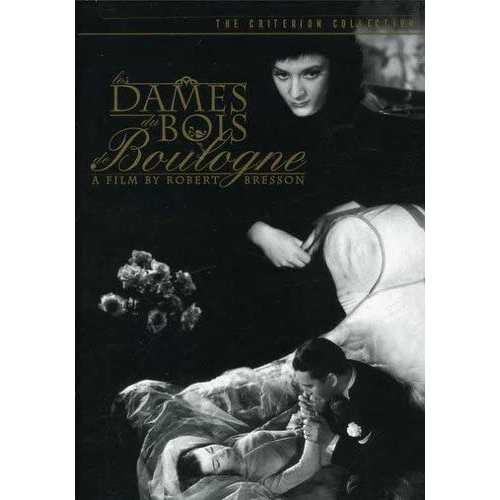
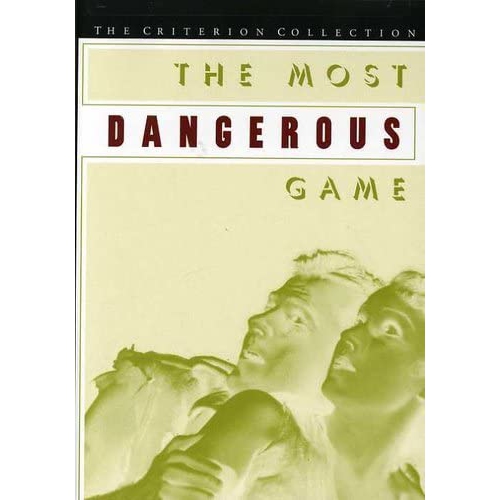
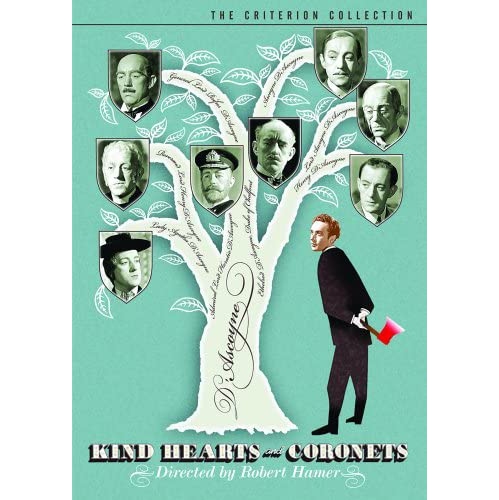
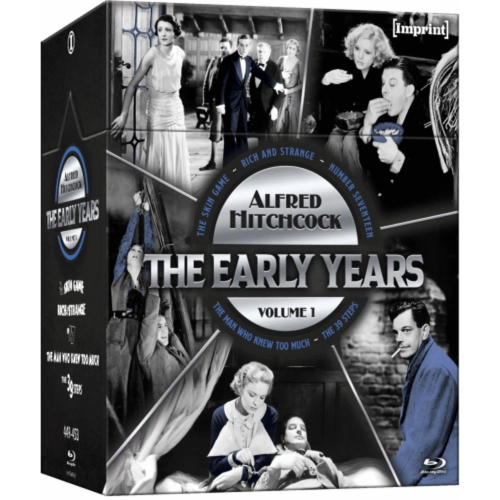

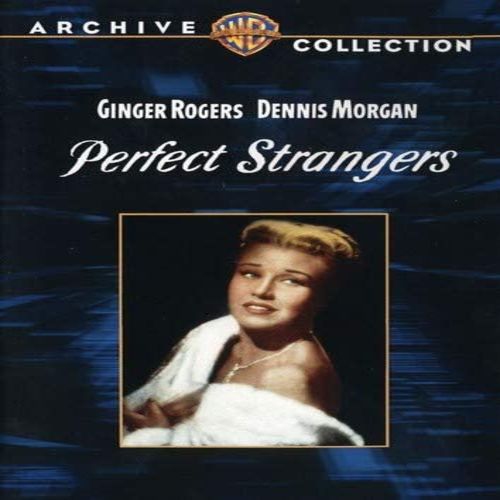

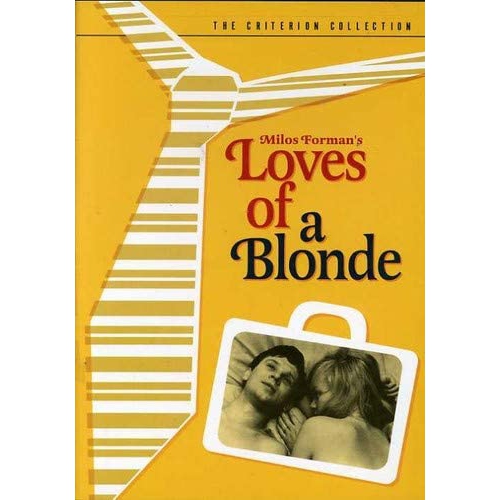
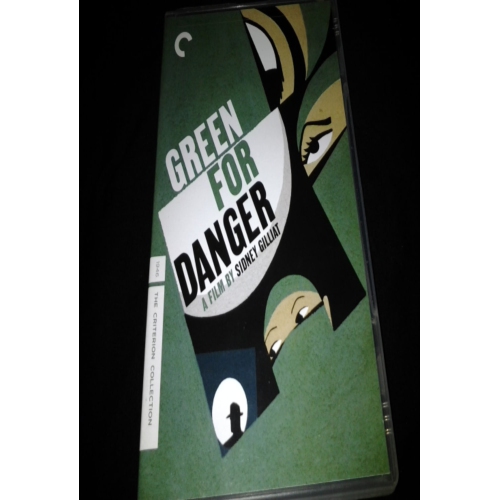
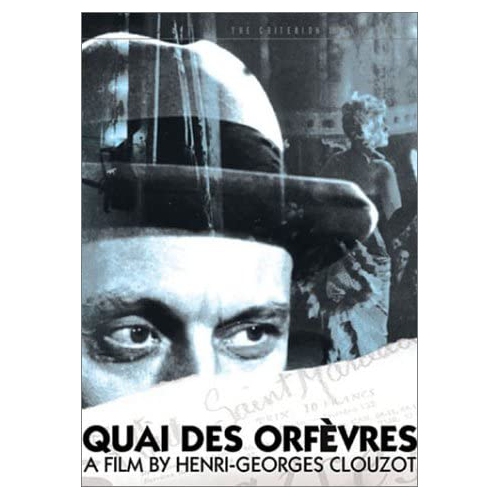
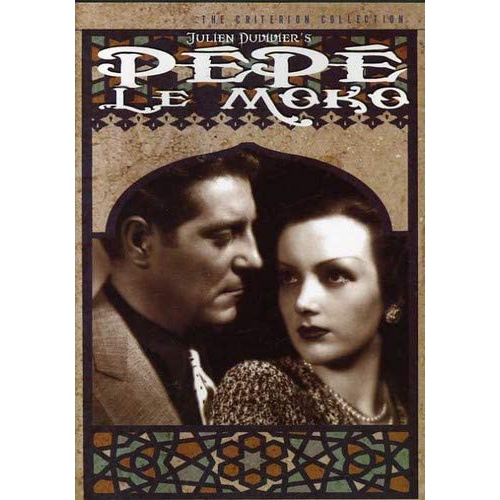


How light and shadow tell stories without colour
Classic black and white movies bring together distinctive visual storytelling, memorable performances, and many of the genres that shaped cinema. The category spans silent films, early sound pictures, and later productions that deliberately use monochrome photography for its expressive possibilities. Romantic dramas, screwball comedies, courtroom stories, detective mysteries, westerns, war films, and early horror all have a place within this tradition. Their shared appeal is not simply their age: without colour, lighting, composition, texture, and movement take on particular importance. A face half-hidden in shadow can suggest divided loyalties, while a brightly lit ballroom can convey glamour through sparkling glass, satin costumes, and carefully arranged reflections. Cinematographers often used chiaroscuro, the strong contrast between light and dark, to build depth and tension. Film noir made especially striking use of this approach, pairing shadowed streets and tightly framed interiors with stories of suspicion, ambition, and compromised choices. Other films used a softer range of greys to capture everyday life, intimate conversations, or sweeping landscapes. Black and white photography therefore describes a visual medium rather than a single mood or genre. A lively comedy can feel as immediate as a tense thriller, and a quiet drama can draw its strength from a pause or a glance rather than spectacle. Silent cinema adds another dimension, with expressive physical performances, visual staging, and musical accompaniment carrying the story. Sound-era films introduce everything from rapid-fire dialogue to richly layered orchestral scores. Many of these techniques continue to influence filmmaking, which helps explain why older pictures remain rewarding for both returning viewers and newcomers. For a broader view of studio-era filmmaking, Hollywood Classic Movies connects naturally with an interest in established screen traditions, including films made in both monochrome and colour. Within a black and white movie collection, the attraction lies in the variety: an evening of witty misunderstandings offers a very different experience from a tightly paced mystery, even when both share the same restrained visual palette.
For home viewing, classic black and white movies on physical media offer a tangible way to build a film library around favourite genres, periods, and storytelling styles. DVD, Blu-ray, and 4K Ultra HD editions differ in their technical capabilities, and the format alone does not determine how an older film will look. Picture quality also depends on the surviving source material, the transfer, and any restoration work. A carefully prepared presentation can reveal subtle details in a dark wool coat, the grain of a wooden doorway, or the layers of mist in a distant landscape. Natural film grain is part of the photographic image, rather than necessarily a flaw, and its appearance varies with the original production and the edition. Scratches, flicker, missing frames, or uneven sound may reflect the condition of historical materials, although restoration can address some of these issues. The distinction between an original black and white presentation and a later colourized version also matters to viewers who want the film’s monochrome appearance. Aspect ratio is another meaningful detail. Many older films were composed for a frame closer to square than a modern television screen, so vertical bars at the sides can preserve the intended picture rather than indicate that anything is missing. Stretching or cropping that image can alter faces, scenery, and carefully balanced compositions. Disc compatibility is equally practical: DVDs, Blu-rays, and 4K Ultra HD discs require suitable playback equipment, and regional restrictions may apply depending on the disc and format. Canadian viewers should confirm the compatibility information for an edition, especially when considering imported releases. Language options, subtitles, closed captions, and audio descriptions are edition-specific rather than guaranteed features. Original mono soundtracks can be an important part of a film’s presentation, while some editions also include alternative audio mixes. Supplementary features, when included, may add interviews, production photographs, commentary tracks, or background on restoration. These details distinguish a straightforward screening copy from an edition intended for someone who enjoys exploring how a film was made and preserved.
A collection of classic black and white movies can serve many kinds of viewing, from a relaxed comedy night to a small film-club gathering built around conversation afterwards. A brisk farce suits viewers who enjoy quick exchanges and escalating confusion; a courtroom drama invites attention to argument, character, and shifting perspectives. Detective stories reward an eye for clues and an ear for double meanings, while silent comedies make movement, timing, and the relationship between a performer and a physical space central to the humour. Film students, photography enthusiasts, and anyone interested in costume or set design may find particular pleasure in studying how light separates a figure from the background or how a room’s arrangement shapes a scene. For gift giving, the recipient’s tastes matter more than a film’s reputation alone. Someone drawn to romantic dialogue may appreciate a different selection from a viewer who prefers suspense, frontier settings, or large-scale historical drama. Familiarity with silent films, preferred languages, subtitle needs, and access to a compatible player all influence whether a disc will be enjoyed. Age ratings and content descriptions remain relevant, since older cinema can contain frightening sequences, violence, or dated attitudes that call for context; black and white does not automatically mean suitable for children. Physical editions also have everyday storage and care needs. Their plastic discs are convenient to keep in a home library, but the playing surfaces can be scratched through rough handling. Holding a disc by its edges or centre opening helps keep fingerprints away from the readable surface. A soft, lint-free cloth, moved gently from the centre towards the outer edge, is appropriate for removing light marks. Cases protect discs between screenings, while paper sleeves, booklets, and printed artwork benefit from dry storage away from direct sunlight and excessive heat. With sensible handling, a well-kept film library can support repeat viewing, shared favourites, and the pleasure of noticing a performance detail or visual touch that passed unnoticed the first time.
Top selling and popular products
-
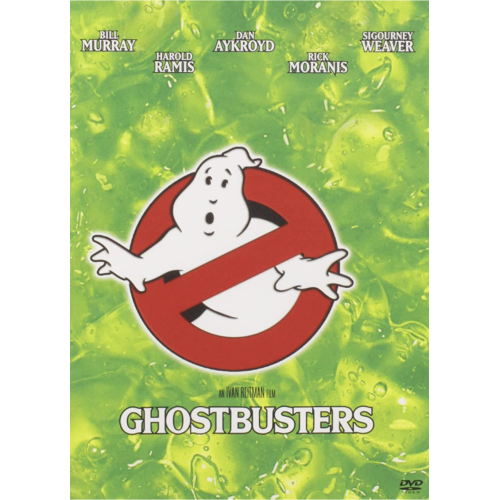 Your price for this item is $6.86
-
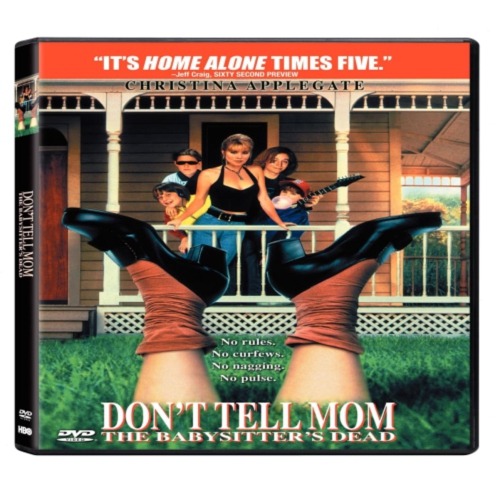 Your price for this item is $42.72
-
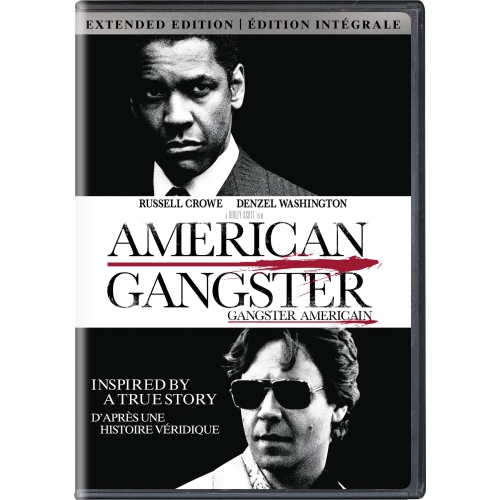 Your price for this item is $9.99
-
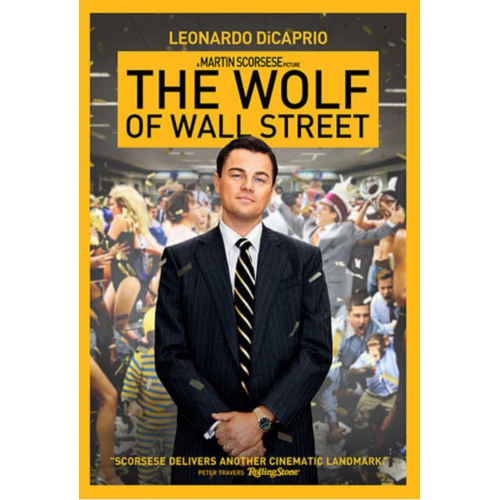 Your price for this item is $14.09
-
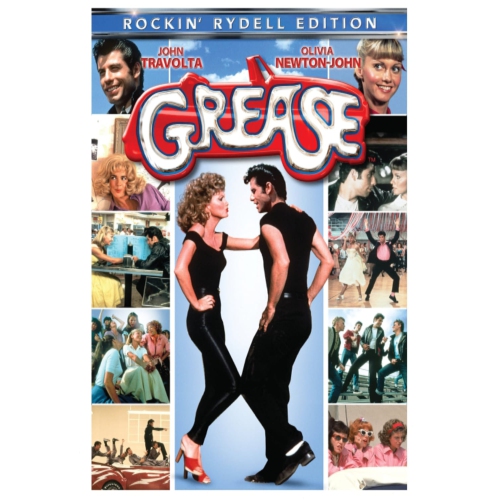 Your price for this item is $26.82
-
 Your price for this item is $38
-
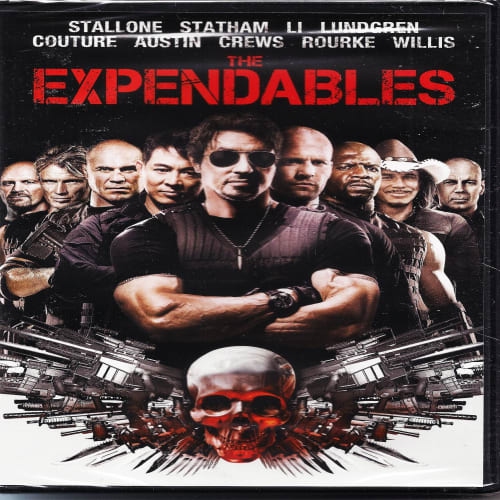 Your price for this item is $5.99
-
 Your price for this item is $10.88
Discover more categories related to Classic Black and White Movies


Top Collections:
Pokemon Centers, Kindle Devices, Best Budget Office Chairs, Canon G7X Cameras, Apple iPhones 16, Samsung Galaxy Phones, Refurbished Apple Laptops, Laptops for Students, iPhone 15 Apple, Budget Smartphones
Some products may be subject to Environmental Handling Fees
(EHF) depending on your province.
Learn more about EHFs.