Vintage Movies
Step back in time and immerse yourself in the golden era of cinema with this collection of vintage movies. From classic black-and-white films to iconic silent movies, this curated selection offers a glimpse into the captivating storytelling of yesteryear. Whether you're a film buff looking to expand your collection or a newcomer eager to explore cinematic history, our vintage movies are sure to transport you to a bygone era filled with timeless charm and unforgettable performances.
Sort


















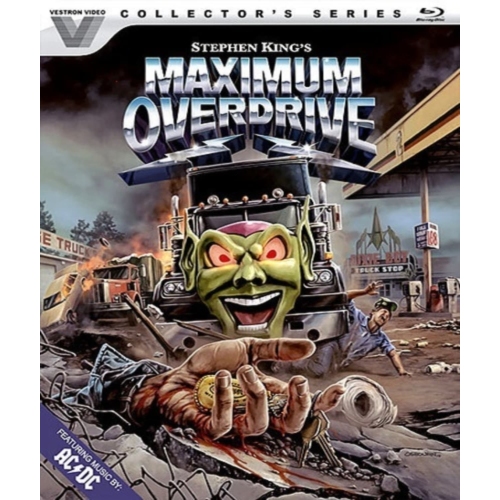

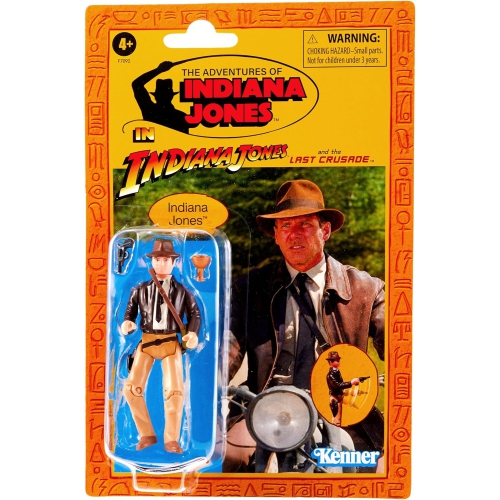


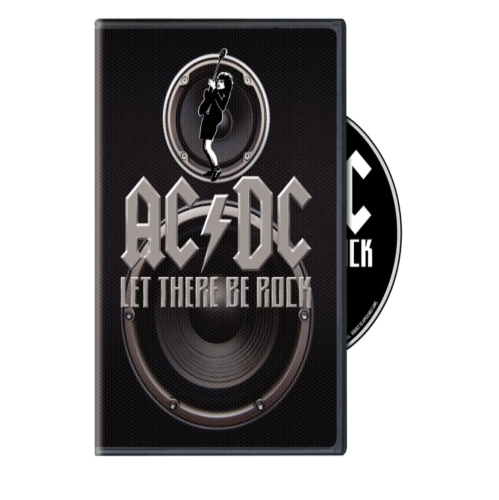


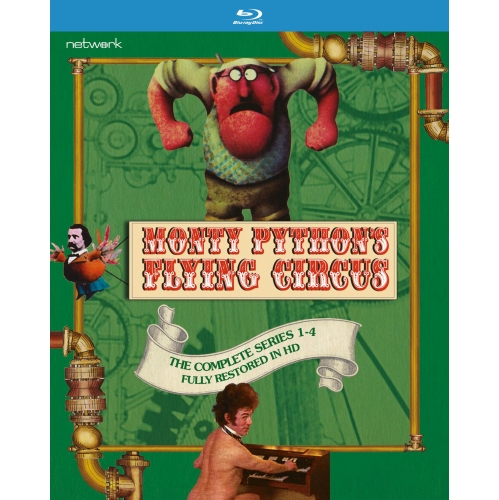



















Why older films still reward a closer look
Vintage movies are films from earlier periods of cinema, often associated with the 1910s through the 1960s, although the term has no single official date range. Their appeal comes from more than age: distinctive performances, practical sets, expressive lighting, memorable music, and storytelling traditions make these films rewarding to revisit or discover for the first time. Silent-era movies tell their stories largely through movement, facial expression, editing, and intertitles, usually accompanied by a musical score in home-viewing editions. The arrival of synchronized sound brought new possibilities for rapid-fire comedy, dialogue-driven drama, and elaborate musicals. Early sound films from the period commonly called pre-Code Hollywood, generally 1930 to mid-1934, often approached crime, social expectations, and moral conflict with a frankness that became less common under stricter enforcement of industry rules. Films of the 1940s and 1950s encompass far more than one style, from romantic comedies and family dramas to westerns, adventures, and lavish colour productions. Film noir is especially recognizable for shadow-filled photography, uneasy city settings, complicated loyalties, and characters whose choices carry consequences. By the 1950s and 1960s, widescreen photography and changing approaches to acting gave many films a different sense of scale and intimacy. These periods overlap rather than forming neat boundaries, and black-and-white filmmaking continued alongside colour. Vintage also describes an era, while classic usually suggests an enduring reputation; an older film can be a fascinating discovery without being a widely celebrated landmark. For viewers drawn particularly to the American studio tradition, Hollywood Classic Movies connects naturally with that interest. Beyond their historical significance, older movies offer familiar pleasures: a perfectly timed comic misunderstanding, a suspenseful encounter on a deserted railway platform, or a musical number that transforms an ordinary street into a theatrical stage. Those details give vintage cinema a character that remains engaging across generations, whether the attraction is the filmmaking itself, the period clothing and interiors, or the pleasure of settling into a well-told story.
For home viewing, the edition and physical format can shape the experience almost as much as the film. Vintage movies on DVD, Blu-ray, and other disc formats may differ in picture quality, sound presentation, subtitles, and supplementary material, even when they contain the same feature. A carefully prepared transfer can reveal texture in a wool coat, detail in a painted backdrop, or subtle expressions that disappear in a softer image. Restoration can address scratches, dirt, instability, and damaged sound, but the age and condition of surviving film elements still affect the result. Film grain is a normal characteristic of photographic film, not necessarily a defect, and a highly polished image is not automatically the most faithful one. Original framing matters too. Many earlier films use an image close to the proportions of a traditional television screen, while later productions may be much wider. Black bars at the sides or above and below the picture can preserve the intended composition; stretching or cropping may distort faces or remove information from the frame. Soundtracks also reflect their origins. Original mono can present dialogue and music clearly without filling every speaker, while an optional surround mix represents a different listening treatment. For silent films, the accompanying score can substantially change the mood, and editions may use different musical performances. Compatibility remains a practical consideration for a physical movie collection: DVDs commonly intended for Canada use Region 1, while Blu-ray discs commonly use Region A, though region-free releases also exist. The disc format and region information need to match the player, and a standard DVD player cannot play a Blu-ray disc. Runtime, language options, captions, and whether an edition includes a theatrical version or an alternate cut can also matter. For someone who enjoys studying performances or comparing filmmaking choices, these details help distinguish a straightforward movie-night edition from one intended for closer, repeated viewing.
Vintage movie collections suit many kinds of viewers, including established film enthusiasts, students exploring screen history, and newcomers who recognize a genre but have not spent much time with its earlier forms. A brisk comedy can make an approachable introduction, while a measured drama or atmospheric mystery may suit someone who enjoys lingering over dialogue, staging, and character. Shared viewing can bring different generations together, especially when a familiar style of humour, a musical performance, or a story remembered from television sparks conversation. Older does not automatically mean suitable for children, however: violence, frightening scenes, outdated stereotypes, and historical attitudes can call for a closer look at ratings and content information before a family screening. Subtitles or captions can make unfamiliar accents and older recording styles easier to follow, while descriptive audio, where included, supports viewers who benefit from spoken descriptions of visual action. As gifts, vintage films feel most personal when they reflect the recipient’s interests rather than age alone. Someone fascinated by costume design may enjoy elaborate period settings; an aspiring photographer may be drawn to dramatic black-and-white lighting; a theatre lover may appreciate tightly staged performances. Commentary tracks, interviews, booklets, and archival material can add context for viewers interested in how a film was made, although extras differ between editions. Physical presentation matters for repeat use as well. A secure case protects a disc from loose movement, and intact hubs and hinges make handling easier. Discs are best held by the edges or centre opening, returned to their cases after viewing, and kept away from direct sunlight and excessive heat. When cleaning is needed, a soft, lint-free cloth moved gently from the centre towards the edge helps limit scratches. With suitable handling and a compatible player, a physical vintage movie collection can support everything from an occasional shared screening to a lasting interest in the performances, craft, and storytelling of earlier cinema.
Top selling and popular products
-
 Your price for this item is $5.99
-
 Your price for this item is $7.99
-
 Your price for this item is $7.99
-
 Your price for this item is $14.19
-
 Your price for this item is $10.99
-
 Your price for this item is $5.99
-
 Your price for this item is $6.99
-
 Your price for this item is $11.99
Discover more categories related to Vintage Movies


Top Collections:
Pokemon Centers, Kindle Devices, Best Budget Office Chairs, Canon G7X Cameras, Apple iPhones 16, Samsung Galaxy Phones, Refurbished Apple Laptops, Laptops for Students, iPhone 15 Apple, Budget Smartphones
Some products may be subject to Environmental Handling Fees
(EHF) depending on your province.
Learn more about EHFs.