Criterion Collection Silent Films
Criterion Collection Silent Films offer a captivating journey into the origins of cinematic storytelling. Explore a curated selection that showcases the artistry, innovation, and timeless appeal of early cinema. Whether you’re a dedicated film enthusiast or discovering classic movies for the first time, Criterion Collection Silent Films provide an essential addition to any home library. Experience the magic of silent film with expertly restored editions that highlight the enduring impact of these groundbreaking works.
Sort


How images and music tell stories without spoken dialogue
Silent films on DVD and Blu-ray bring early cinema into the home through stories told with movement, composition, facial expression, and carefully timed editing. The term “silent” generally refers to films made without synchronized spoken dialogue, rather than films intended to be watched without sound. Musical accompaniment was central to many original screenings, and home video editions often pair the images with an orchestral, chamber, piano, or other instrumental score. That relationship between image and music gives silent cinema much of its character: a hesitant glance can become a romantic turning point, while an ordinary staircase can become the setting for an elaborate physical gag. The period encompasses far more than slapstick, with intimate domestic dramas, atmospheric thrillers, historical spectacles, experimental works, and romances all contributing to its range. Although closely associated with the 1910s and 1920s, silent filmmaking continued in some countries after synchronized dialogue became established elsewhere. Intertitles provide dialogue or narrative information between scenes, but much of the storytelling remains visible in the actors’ gestures and the placement of people within the frame. For someone exploring classic movies for the first time, a brisk comedy can offer an approachable introduction; for a viewer drawn to photography or design, expressive lighting, detailed sets, and striking close-ups may be the main attraction. Restored editions can make these qualities easier to appreciate, especially when earlier copies were incomplete, poorly transferred, or presented at an unsuitable speed. Restoration does not make an old film look newly shot. Rather, it can help recover detail, improve stability, and bring surviving material closer to an informed presentation of the original work. Film grain, occasional scratches, and differences between source elements may remain visible. These characteristics are part of the viewing experience, not necessarily signs of a faulty disc. Silent cinema rewards attention to small details, whether it is a carefully arranged background revealing a joke before the central character notices it or a lingering close-up conveying emotion without a line of dialogue.
The appeal of a physical silent-film edition lies partly in the presentation and partly in the context surrounding the feature. Depending on the release, supplementary material may include audio commentaries, interviews, visual essays, archival footage, alternate versions, or related short films. Printed essays and booklets can explain production history, discuss a director’s methods, or describe how surviving footage was assembled. These additions are particularly useful when a film exists in several cuts or when missing passages have been represented through still photographs and explanatory text. A longer running time does not automatically mean a more complete version, since differences in transfer speed can also affect duration. Edition descriptions and restoration notes provide a better basis for understanding what is included. Musical accompaniment deserves similar attention: two scores can give the same sequence a noticeably different mood, and some editions offer more than one option. A sparse piano performance may draw attention to the rhythm of a gesture, while a larger ensemble can emphasize tension or scale. Image presentation also varies. Many silent films use a comparatively square frame, so vertical black bars on a widescreen television can be normal and help retain the full composition. Zooming to fill the screen may crop faces, scenery, or written information. Black-and-white photography is common, but tinted or toned passages can also appear, reflecting historical techniques rather than a modern colour treatment. Disc format should suit the playback equipment as well as the viewing preferences of the household. DVDs require compatible DVD playback, while Blu-ray discs require a Blu-ray-compatible player; a standard Blu-ray player does not necessarily play Ultra HD Blu-ray discs. Region coding matters too, particularly for imported editions. Canadian players commonly support Region 1 DVDs and Region A Blu-ray discs, though individual discs and players can differ. Checking the stated region, format, subtitle options, and included version helps ensure that the edition fits the intended setup. English intertitles, translated intertitles, and optional subtitles are distinct features, so the language information is worth reading closely.
Physical editions suit viewers who enjoy returning to a favourite performance, building a film library, or spending time with the background material after the final scene. They can also make thoughtful gifts for film students, photography enthusiasts, collectors, and people interested in theatre, costume, architecture, or social history. A recipient who loves visual comedy may value an accessible feature with related shorts, while someone studying filmmaking may be more interested in a detailed commentary or an account of the restoration. Age, tone, and subject matter still matter when choosing something for shared viewing. Silent does not automatically mean suitable for children: early films can contain frightening imagery, violence, mature themes, or dated stereotypes. Film classifications and content descriptions help set expectations without assuming that every old movie is light entertainment. For viewers interested in a broader selection organized around a filmmaker, performer, or theme, Criterion Collection Box Sets offer another way to explore connected works and their supporting material. Shelf space and packaging are practical considerations for any growing disc library. Standard cases are straightforward to store and handle, while multi-disc packaging and printed inserts may need a little more care to keep corners, spines, and disc holders intact. Handle discs by the outer edge and centre opening rather than the playing surface, and return them to their cases after use. If cleaning is needed, use a soft, lint-free cloth and wipe gently from the centre towards the edge rather than in circles. Keeping cases away from direct sunlight, excessive heat, and moisture helps protect both the discs and any paper components. During playback, a balanced picture setting can retain subtle shadow detail, and restrained motion processing can avoid giving movement an unnaturally smoothed appearance. A comfortable volume for the musical score is often all that is needed to bring the presentation together. With the right edition and compatible equipment, a silent film can become a repeat-viewing favourite, revealing another background gesture, visual rhyme, or carefully planted joke each time it returns to the screen.
Top selling and popular products
-
 Your price for this item is $6.86
-
 Your price for this item is $42.72
-
 Your price for this item is $9.99
-
 Your price for this item is $14.09
-
 Your price for this item is $26.82
-
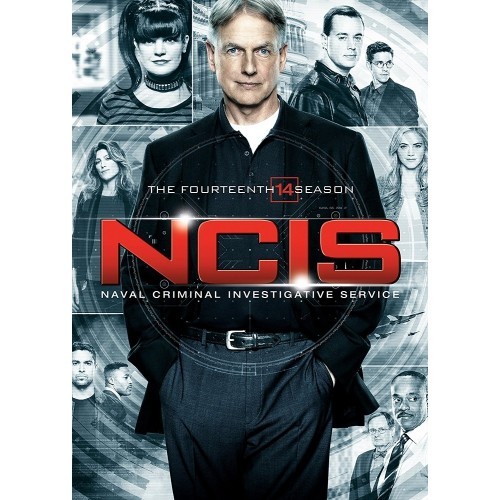 Your price for this item is $38
-
 Your price for this item is $5.99
-
 Your price for this item is $10.88
Discover more categories related to Criterion Collection Silent Films


Top Collections:
Pokemon Centers, Best Cameras for Sports Photography, Kindle Devices, Samsung Galaxy Phones, Canon G7X Cameras, Pokémon 30th Celebration Cards, Refurbished Apple Laptops, iPhone 15 Apple, Laptops for Students, Budget Smartphones
Some products may be subject to Environmental Handling Fees
(EHF) depending on your province.
Learn more about EHFs.