Doom Metal CDs
Doom Metal CDs deliver a powerful listening experience for fans of heavy, atmospheric music. Explore a wide selection of albums that capture the essence of slow tempos, crushing riffs, and deep, resonant vocals. Whether you’re building your collection or searching for standout releases, Doom Metal CDs offer the perfect way to immerse yourself in the genre’s signature sound. Find new favorites and timeless classics to enjoy at home or on the go.
Sort
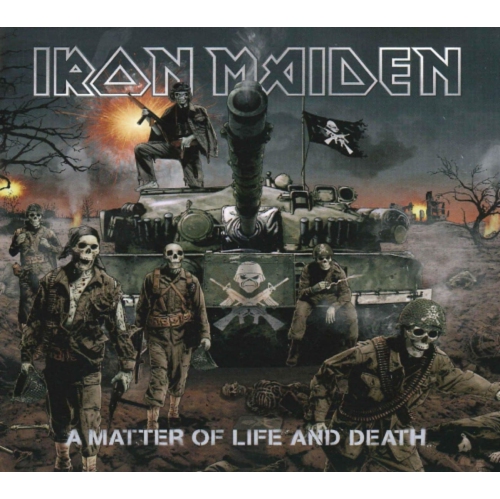
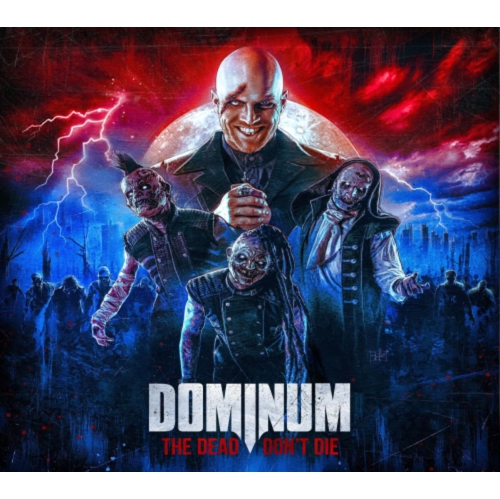
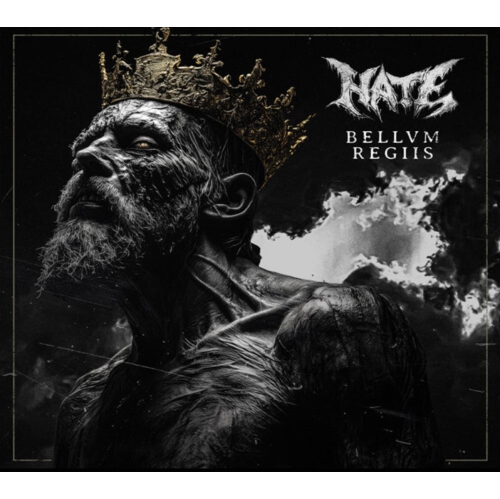
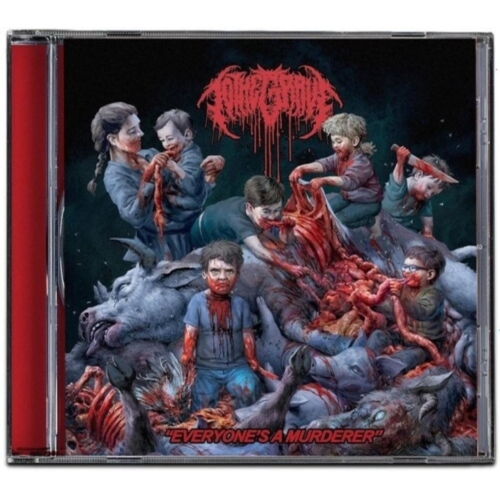
Why slow riffs carry so much weight
Doom metal CDs feature a style of heavy metal known for slow tempos, weighty guitar riffs, and an atmosphere that can feel ominous, mournful, or hypnotic. Rather than relying mainly on speed, doom often builds intensity through repetition, sustained notes, and the space between drum hits. A guitar chord may hang in the air while a bass line adds depth underneath it, giving even a simple passage considerable force. The genre grew from the darker, heavier side of early heavy metal, then developed into several distinct approaches with different vocal styles, production choices, and song structures. Traditional doom usually places memorable riffs and clearly sung vocals at the centre, making it a natural connection for listeners who enjoy classic heavy metal and hard rock. Epic doom often adds soaring vocal melodies, dramatic arrangements, and a grand sense of scale. Stoner doom tends towards thick distortion, blues-influenced grooves, and psychedelic textures, while sludge-influenced doom can sound rougher and more abrasive, with harsh vocals and a raw performance style. Death/doom combines slow, heavy passages with elements of death metal, including growled vocals, while funeral doom typically stretches the pace further, allowing sparse melodies and extended instrumental sections to develop gradually. Drone-oriented recordings may reduce conventional song structures in favour of sustained tones and subtle changes in texture. These distinctions are useful, but they are not rigid boundaries: a recording can move between several approaches without losing its underlying heaviness. Lyrics may draw on mythology, fantasy, loss, personal struggle, or abstract imagery, and instrumental passages can carry just as much emotional weight as the words. For listeners exploring doom metal on CD, vocal delivery, pacing, and the balance between melody and distortion often reveal more about personal fit than a broad genre label alone. Someone who enjoys a clear chorus and a commanding lead vocal may connect with a very different recording from someone seeking long, slowly unfolding compositions. That breadth gives the category room for both accessible, riff-led listening and more demanding music that rewards patience and close attention.
The compact disc format suits doom metal particularly well when an album is intended to be heard as a complete sequence. Extended introductions, transitions between tracks, and quieter passages can establish a mood that becomes more effective as the recording progresses. Playing the disc from beginning to end keeps that sequence intact, whether the music accompanies a focused listening session or a stretch of uninterrupted downtime. A standard audio CD can be played on compatible CD players, many disc-based home audio components, and computers equipped with a suitable optical drive and playback software; not every computer or newer audio device includes a disc drive. Headphones can bring out layered guitar parts and subtle background sounds, while a speaker system can give bass lines and drums a more physical presence. Moderate listening levels still allow the music’s contrasts to come through, especially when a soft passage leads into a dense wall of guitars. Sound quality depends on the recording and mastering as well as the playback equipment, so the CD format alone does not guarantee a particular sonic character. Some doom recordings favour a clean separation between instruments; others deliberately blend guitars, bass, and room sound into a thick, grainy texture. Edition details can matter to listeners who prefer a particular presentation, since a remastered version may sound different from an earlier mastering, and expanded editions may include additional recordings or alternate performances. Packaging also forms part of the physical listening experience. Jewel cases generally use rigid plastic to protect the disc and hold printed inserts, while folding card packages may use trays, pockets, or sleeves. Booklets can contain lyrics, artwork, credits, and recording information, although their contents vary by edition. The disc itself typically has a polycarbonate body and a reflective layer, with its recorded information read by a laser. Handling it by the outer edge and centre opening helps keep fingerprints off the playing surface. Returning a disc to its case reduces exposure to dust and accidental scratches; if cleaning is needed, a soft, lint-free cloth moved gently from the centre towards the edge is preferable to rubbing in circles. Keeping discs secured in their cases, rather than loose in a drawer or stacked together, helps preserve both playback reliability and the printed packaging.
Doom metal CDs can appeal to dedicated metal listeners, collectors of physical music, and people who enjoy recordings with a strong sense of atmosphere. The tangible format offers more than a way to play the music: artwork, lyrics, and production credits give a listener something to examine while the album unfolds. A booklet may identify the musicians behind a layered arrangement or clarify words that are difficult to make out beneath dense guitars. For an established collection, differences in vocal style, songwriting, and production can provide variety without moving far from the genre’s core appeal. A traditional doom recording with distinct melodies can sit alongside a stark funeral doom performance or a groove-heavy stoner doom release, each offering a different kind of listening experience. Listeners drawn to growled vocals and heavier rhythmic contrasts may also explore Death Metal CDs, where the emphasis often shifts towards faster passages, intricate riffs, and a more aggressive attack. The overlap is especially relevant to death/doom, though the two categories are not interchangeable. As a gift, a doom metal CD is most personal when it matches the recipient’s listening habits rather than simply the broad label of heavy metal. A preference for clean singing, harsh vocals, lengthy compositions, or blues-based guitar work can help distinguish the styles they are likely to enjoy. Packaging can matter too: someone who reads liner notes and keeps a carefully organized collection may value the physical presentation as much as the recording. Confirming that the recipient has a compatible player makes the gift practical, particularly if most of their listening happens through a phone or wireless speaker. For personal use, doom’s slower pacing can make an album an absorbing companion to reading its lyric booklet, studying its artwork, or settling into a dedicated listening session. Whether the appeal lies in a memorable riff, a resonant vocal performance, or the gradual build of a long composition, the right recording provides a distinctive experience that can reveal new details over repeated plays.
Top selling and popular products
-
 Your price for this item is $15.32
-
 Your price for this item is $5.99
-
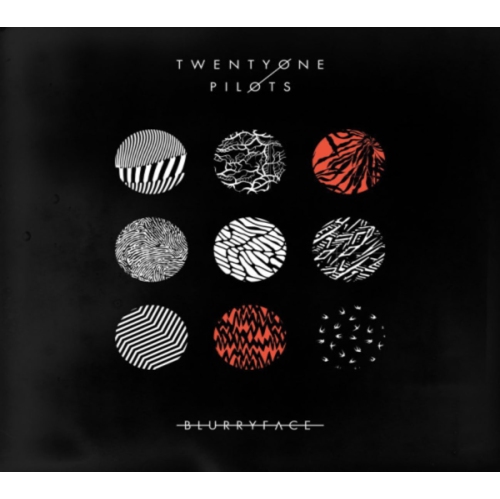 Your price for this item is $16.29
-
 Your price for this item is $15.32
-
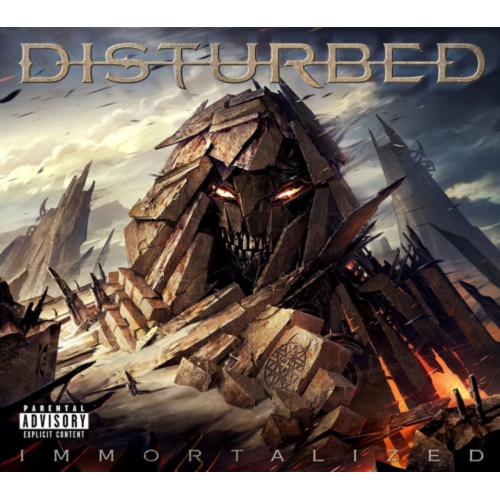 Your price for this item is $24.68
-
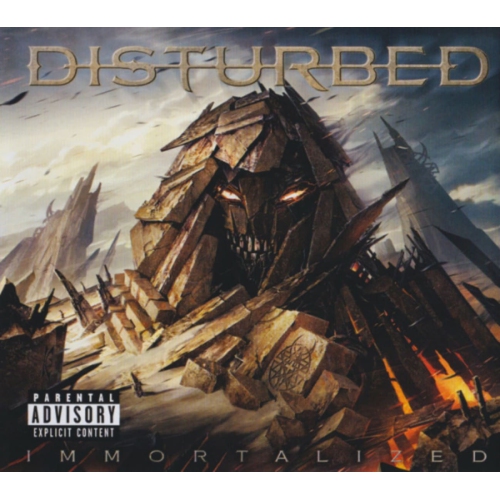 Your price for this item is $15.32
-
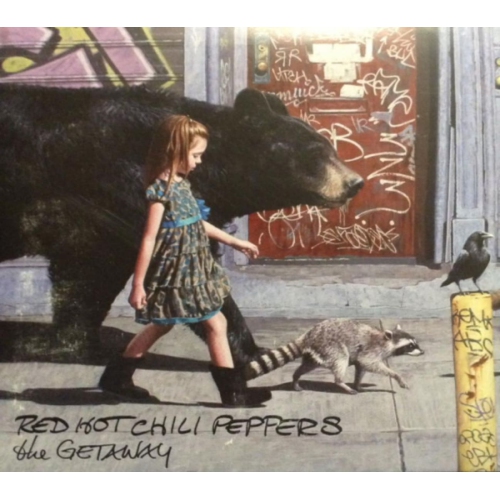 Your price for this item is $15.32
-
 Your price for this item is $15.91
Discover more categories related to Doom Metal CDs
Top Collections:
Pokemon Centers, Best Cameras for Sports Photography, Kindle Devices, Samsung Galaxy Phones, Canon G7X Cameras, Pokémon 30th Celebration Cards, Refurbished Apple Laptops, iPhone 15 Apple, Laptops for Students, Budget Smartphones
Some products may be subject to Environmental Handling Fees
(EHF) depending on your province.
Learn more about EHFs.