Forest Horror Movies
Forest Horror Movies deliver spine-tingling thrills and chilling suspense, transporting viewers deep into shadowy woods where anything can happen. Eerie landscapes and mysterious surroundings set the perfect stage for heart-pounding encounters and unforgettable scares. Whether you’re a longtime fan or new to the genre, Forest Horror Movies promise edge-of-your-seat entertainment that keeps you guessing until the very end. Explore a wide selection and discover your next haunting adventure among the trees.
Sort


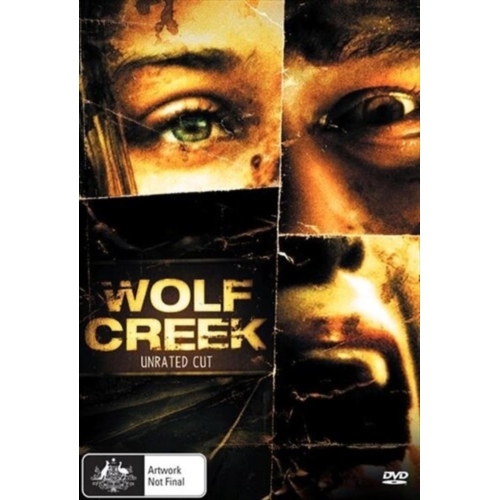


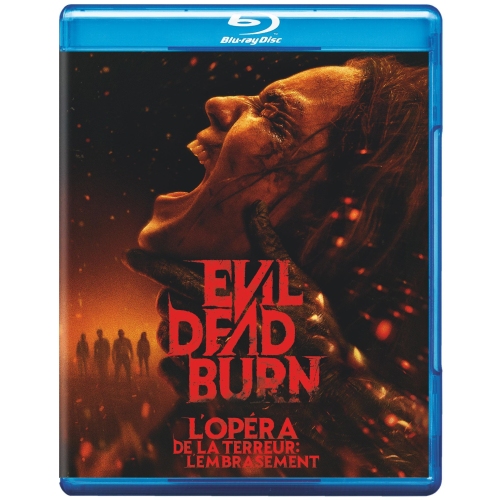
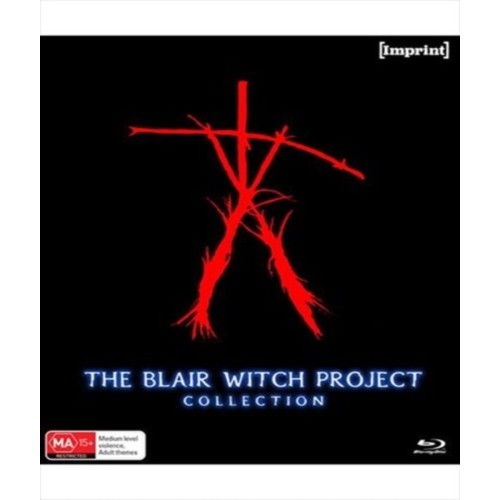


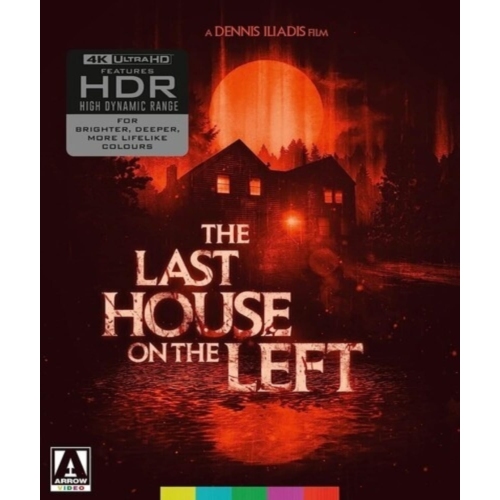


Why the woods make every unseen threat feel closer
Forest horror movies are horror films that use woods, remote trails, campsites, and isolated cabins as central sources of fear. Their stories often follow hikers, campers, friends, or families whose ordinary trip becomes a struggle against a hidden threat. That threat might be a human pursuer, a dangerous animal, a supernatural presence, or something never fully explained. What connects these films is the way the forest limits visibility, makes familiar landmarks difficult to distinguish, and puts help beyond easy reach. A path that seemed obvious on the way in can disappear among identical trees; a voice just beyond the campsite can sound close without revealing its source. The setting does more than provide a backdrop. It shapes the characters’ decisions and gives simple actions, such as leaving a marked trail or stepping outside a cabin, real dramatic weight. Within this theme, several horror traditions overlap. Woodland slashers focus on pursuit and the vulnerability of a group cut off from assistance. Survival horror builds tension around injury, dwindling supplies, failed navigation, and encounters with wildlife. Folk horror draws on rituals, local beliefs, forbidden places, and communities with unsettling rules. Supernatural forest horror introduces hauntings, curses, or beings that make the landscape feel impossible to understand. Found-footage films add another layer by presenting events through handheld cameras, personal recordings, or other footage captured within the story. These categories are not rigid: a camping story can begin with believable outdoor hazards and gradually reveal something far stranger. For viewers who enjoy contained settings, uncertain threats, and the feeling that safety is only a few steps away but impossible to reach, scary movies set in the woods offer a distinctive kind of suspense. Their appeal lies as much in anticipation as in confrontation, with empty spaces between trees inviting the audience to search the frame before anything actually appears.
The experience of watching forest horror depends heavily on tone, pacing, and how much of the danger the film reveals. A slow-building woodland mystery may spend considerable time with the characters before introducing an unmistakable threat, allowing an unfamiliar sound or an abandoned shelter to carry more weight. A faster-paced backwoods thriller may move quickly into chases, narrow escapes, and difficult survival choices. Creature features often make the physical presence of the attacker central to the story, while psychological horror can leave viewers unsure whether the characters are lost, manipulated, or misreading what they see. Even films with similar premises can feel very different: a small group sharing a campsite creates different tensions from a lone walker trying to retrace a route. Relationships matter, too. Old resentments, competing ideas about leadership, and reluctance to admit a mistake can turn a manageable problem into a dangerous one. These details give the scares a human foundation rather than relying entirely on sudden shocks. For a shared movie night, the most useful distinction is often between atmospheric dread and graphic intensity. Violence, disturbing imagery, animal peril, strong language, and themes of grief or trauma vary widely across the category, so the age rating and content advisories deserve attention. Horror animation and live-action films alike can be intended for adults; the setting or visual style alone does not establish suitability for younger viewers. Viewers sensitive to shaky camerawork may also prefer conventional cinematography over handheld found footage. Sound is especially important in this theme, from a twig snapping off-screen to footsteps that stop when a character stops moving. A quieter room can make those details easier to notice without turning the volume excessively high. For viewers drawn to recent approaches to suspense, Modern Horror Films offers a related theme beyond the woodland setting, encompassing other locations and styles of fear.
For home viewing and film collecting, the edition and playback format are practical considerations alongside the story itself. DVDs, Blu-ray discs, and 4K Ultra HD Blu-ray discs require compatible equipment, and a standard DVD player cannot play Blu-ray or 4K Ultra HD discs. A suitable disc player, display, and connection are needed to take advantage of higher-resolution formats; the format label alone does not guarantee that every image will look equally detailed. The source material and the quality of the transfer also matter, particularly in forest horror, where dark scenes, fine branches, dense foliage, and subtle movement can be difficult to reproduce clearly. Some films intentionally use grainy photography, rough handheld images, or limited light, and a faithful presentation preserves those choices rather than making every frame look polished. Audio options, subtitle languages, closed-caption support, runtime, region compatibility, and the version of the film are worth checking in the edition details. A theatrical version and an alternate cut may differ in pacing or content, while supplementary material such as filmmaker commentaries and making-of features can provide context for practical effects, location filming, and sound design. Such features vary by release and should not be assumed. Physical movie editions also benefit from straightforward care: hold discs by their edges or centre hole, return them to their cases after use, and keep the playing surfaces free of fingerprints. When cleaning is needed, use a soft, lint-free cloth and wipe gently from the centre towards the outer edge rather than in circles. Cases help protect discs from scratches during storage and handling, especially in a frequently used collection. As gifts, forest horror films suit adult horror fans, collectors interested in particular subgenres, and viewers who enjoy comparing different approaches to a familiar setting. Matching the recipient’s preferred level of intensity and their playback equipment makes the gift more useful than choosing on cover artwork alone. Whether watched for the tension of getting lost, the mystery of an unseen presence, or the craft behind a carefully staged scare, woodland horror brings a recognisable setting into unsettling focus.
Top selling and popular products
-
 Your price for this item is $79.99
-
 Your price for this item is $9.99
-
 Your price for this item is $11.99
-
 Your price for this item is $99.99
-
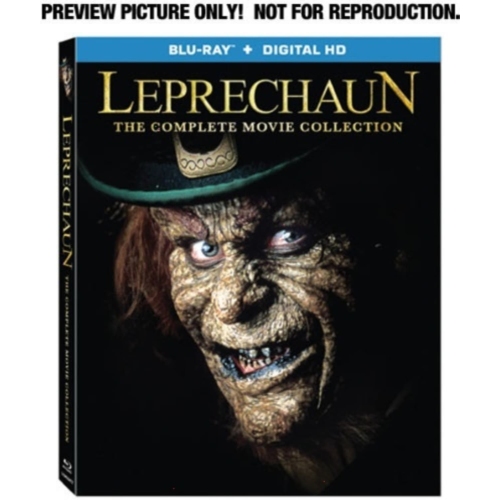 Your price for this item is $34.99
-
 Your price for this item is $119.99
-
 Your price for this item is $9.99
-
 Your price for this item is $10.99
Discover more categories related to Forest Horror Movies


Top Collections:
Pokemon Centers, Best Cameras for Sports Photography, Kindle Devices, Samsung Galaxy Phones, Canon G7X Cameras, Pokémon 30th Celebration Cards, Refurbished Apple Laptops, iPhone 15 Apple, Laptops for Students, Budget Smartphones
Some products may be subject to Environmental Handling Fees
(EHF) depending on your province.
Learn more about EHFs.