Hip Hop Albums
If you're looking to immerse yourself in the vibrant world of hip hop, look no further than this extensive collection of hip hop albums. From classic hits to the latest chart-toppers, we've curated a selection that will satisfy every rap enthusiast's craving for rhythm and lyricism. Whether you're a long-time fan or just dipping your toes into the genre, our diverse range of hip hop albums offers something for everyone.
Sort


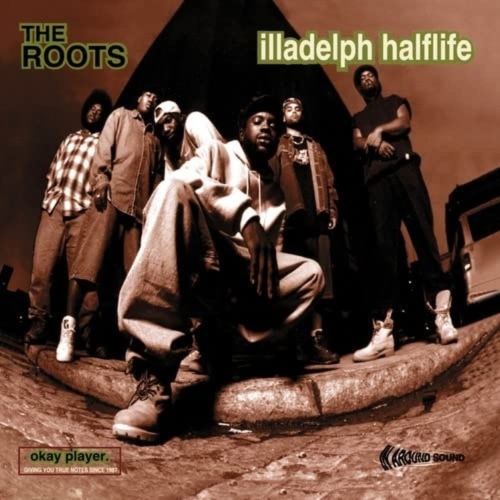


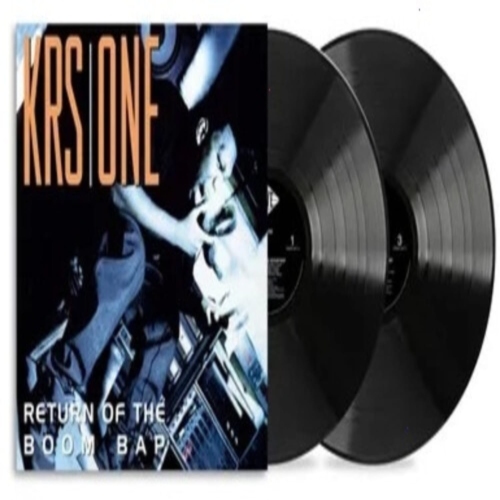


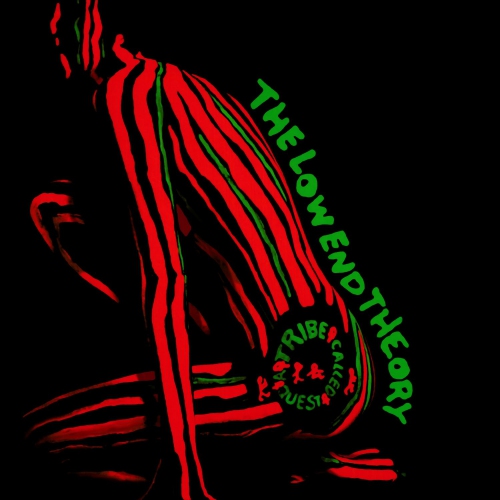

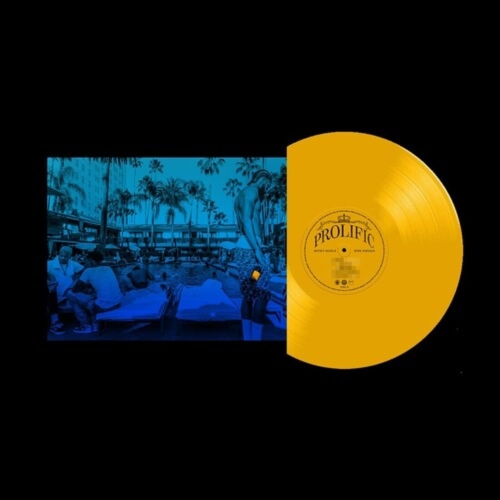

















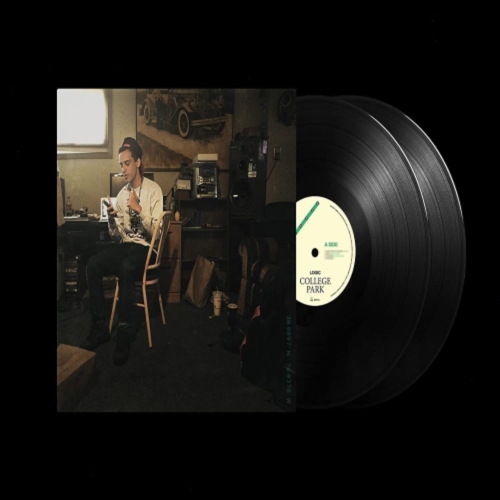


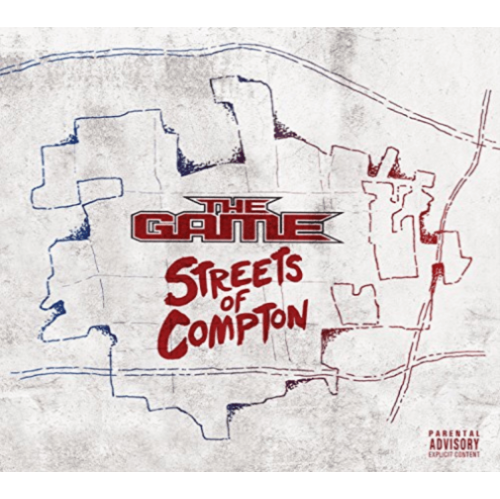


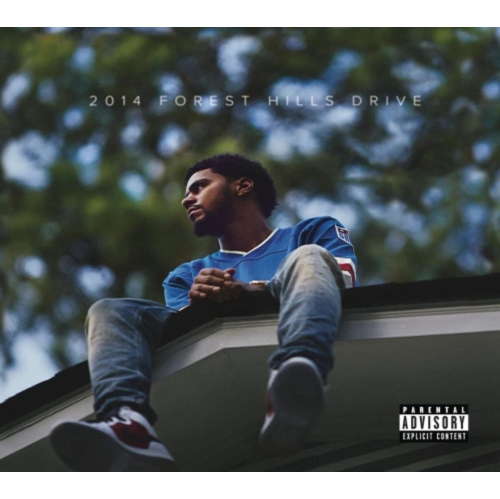


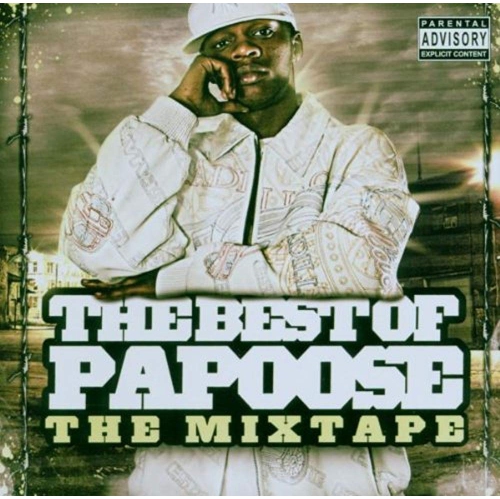

























Why hip-hop rewards listening beyond the standout tracks
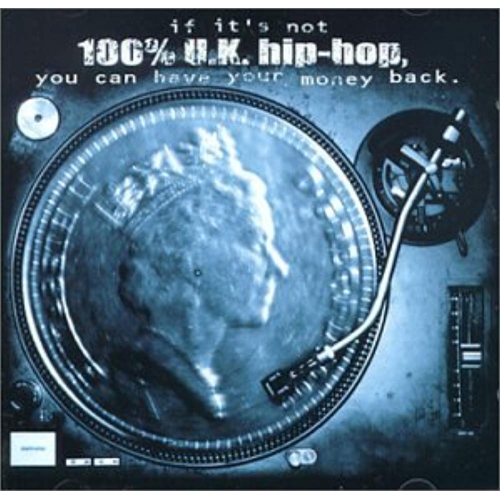
Hip-hop albums bring together rhythm, rhyme, storytelling, and production in a form that rewards listening beyond a single track. Rooted in the Bronx’s DJ and MC culture of the 1970s, hip-hop developed into an album-driven art form with distinct regional sounds and a wide range of perspectives. Early releases often carried the energy of parties and live performance, while later albums expanded into detailed neighbourhood portraits, personal reflection, social commentary, and ambitious musical experiments. East Coast boom-bap is associated with hard-hitting drums, sampled textures, and intricate lyricism; West Coast G-funk draws on elastic bass lines, melodic synthesizers, and funk influences. Southern hip-hop encompasses styles ranging from bass-heavy party music to trap, with its deep low end, rapid hi-hats, and spacious production. Jazz rap brings improvisational textures and harmonically rich samples into the mix, while alternative and experimental hip-hop can stretch familiar song structures with unexpected instrumentation and abstract writing. These distinctions offer useful context, but many albums cross several styles rather than fitting neatly into one category. A sparse beat can give every syllable room to land, while a densely layered arrangement may reveal a quiet keyboard phrase or backing vocal only after repeated plays. For some listeners, the main attraction is the writing: internal rhyme, shifting perspectives, humour, or a story that unfolds across multiple songs. For others, it is the way the drums sit against the bass or how a producer turns a brief musical fragment into the foundation of an entire track. The album format gives those details a larger setting. Introductions, interludes, transitions, and closing songs can establish a mood and carry it through a complete listening session. Classic hip-hop albums and newer releases alike can be appreciated for their lyrical craft, production, cultural significance, and cohesion, rather than simply the number of familiar songs they contain. Canadian hip-hop adds further perspectives through local storytelling, multilingual influences, and connections to rap scenes across the country and beyond.
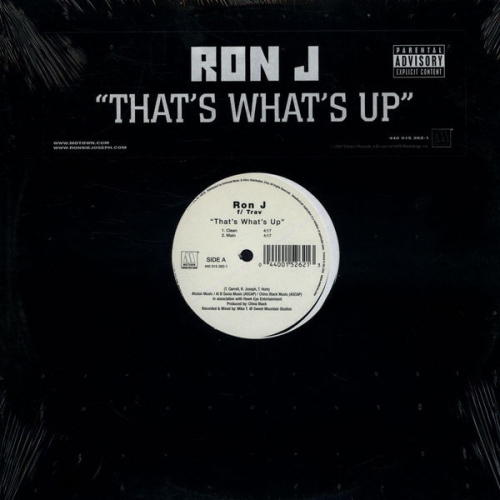
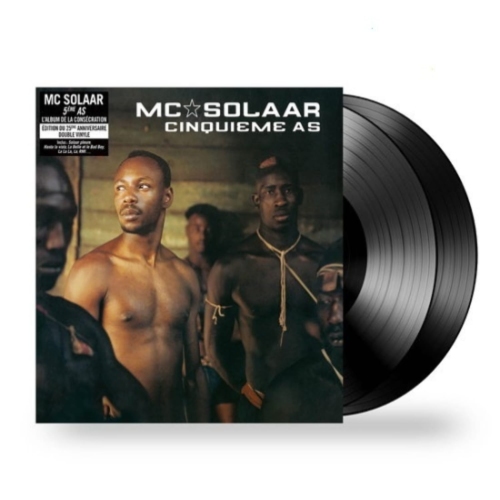
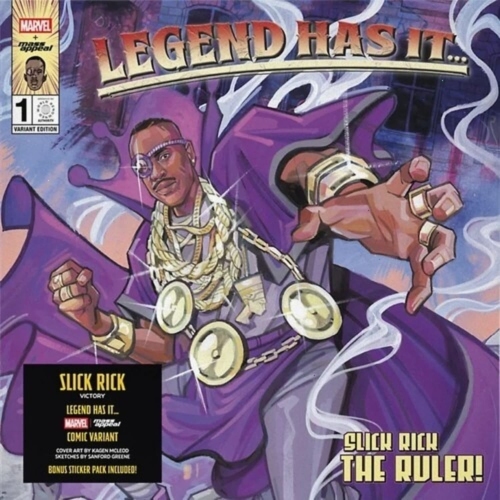
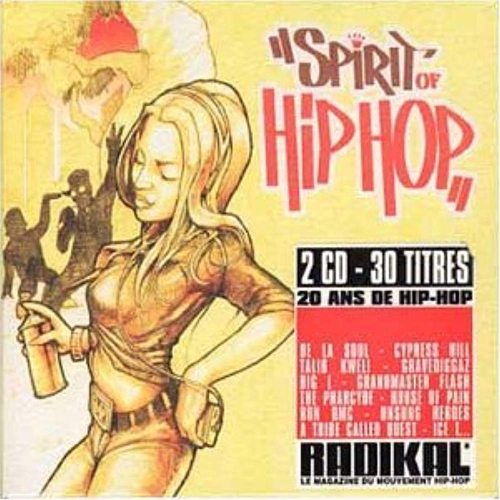
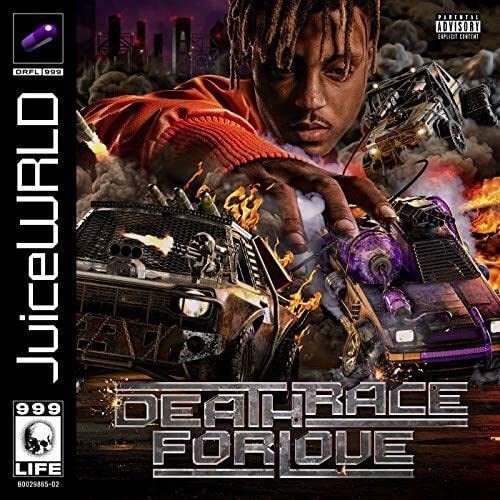
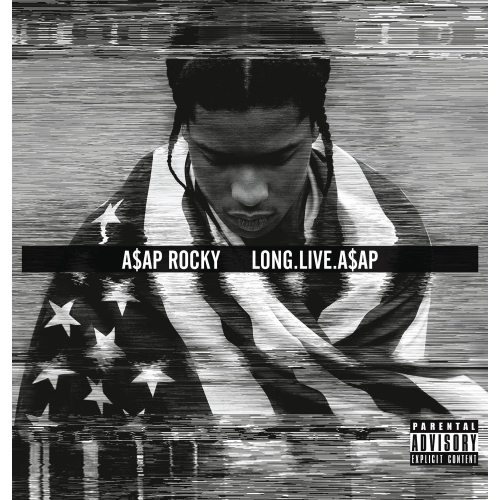
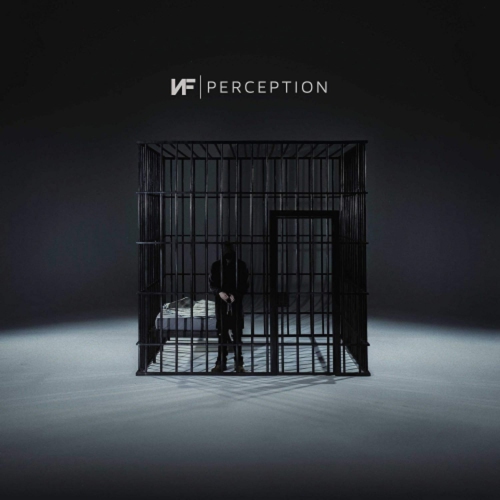
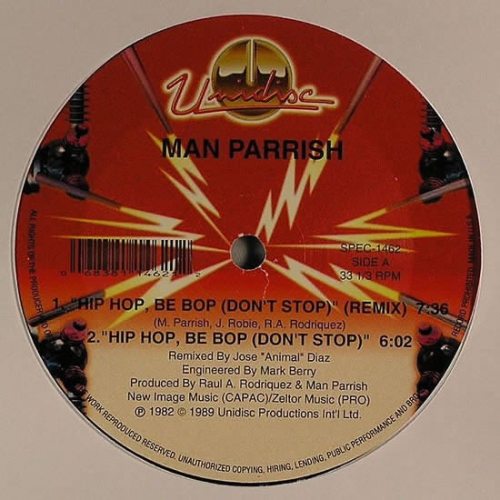
Physical hip-hop albums also offer an experience shaped by their format, packaging, and playback equipment. Vinyl records give cover art a larger canvas and divide the music into sides, creating natural pauses within an album. A gatefold sleeve or printed insert may include lyrics, photographs, production credits, and acknowledgements that help connect the sound to the people behind it. CDs offer compact storage and direct track access, with booklets that can carry many of the same details in a smaller package. The right format depends partly on where the music will be played: a turntable-based home setup, a dedicated CD player, or a compatible disc drive connected to a computer. A disc drive alone does not replace the software and audio equipment needed for playback, and not every vehicle or computer includes one. Vinyl playback requires a compatible turntable and an audio system with the necessary amplification, including a phono stage where one is not built in. Sound quality varies with the source recording, mastering, manufacturing, equipment, and condition; neither vinyl nor CD automatically sounds better for every album. Heavier vinyl is not, by itself, a guarantee of better audio. Edition details matter, too, since track lists, bonus material, mixes, and clean or explicit versions can differ between releases of the same album. Packaging materials affect handling and storage as much as appearance. Cardboard sleeves can develop worn corners, plastic cases can crack, and playing surfaces can suffer from scratches or careless handling. Vinyl is best stored upright in protective sleeves, away from direct sunlight and heat, with fingers kept off the grooves. A suitable record brush helps remove surface dust, while deeper cleaning calls for products intended for vinyl. CDs benefit from being returned to their cases after use and handled by the edges or centre opening. When cleaning a CD, gentle strokes from the centre towards the outer edge are preferable to circular rubbing. These everyday habits help protect both playback quality and the artwork that makes a physical music collection distinctive.
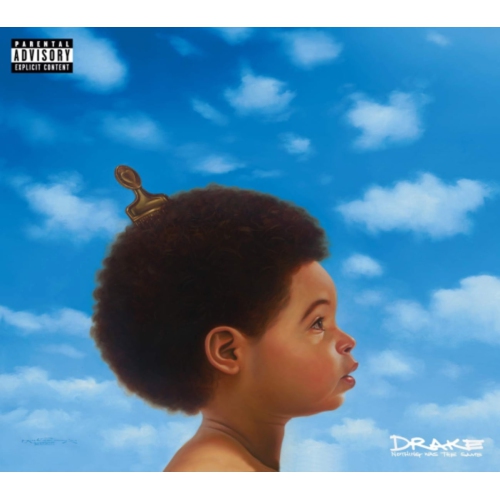
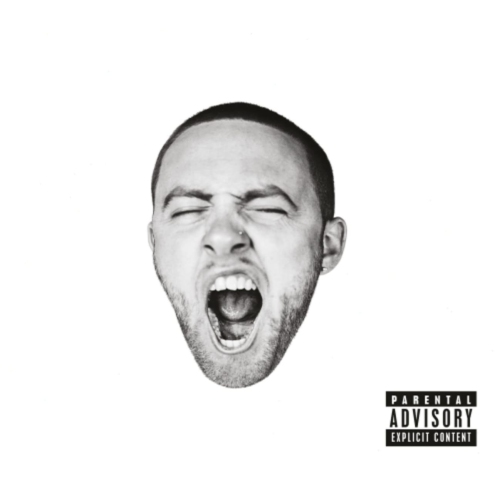
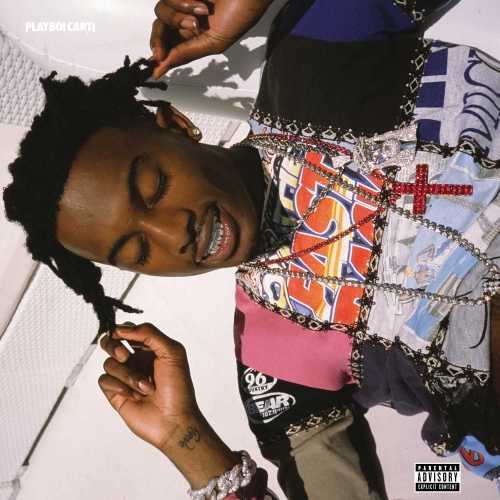
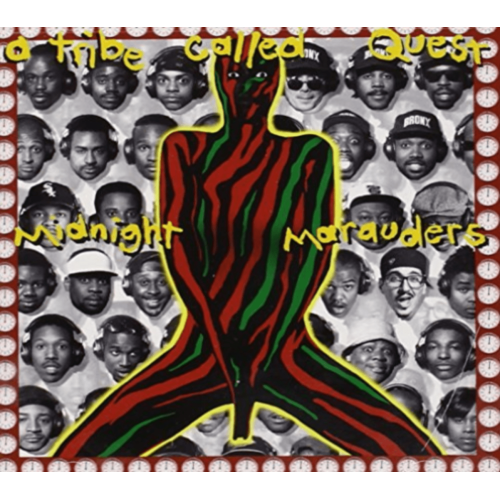
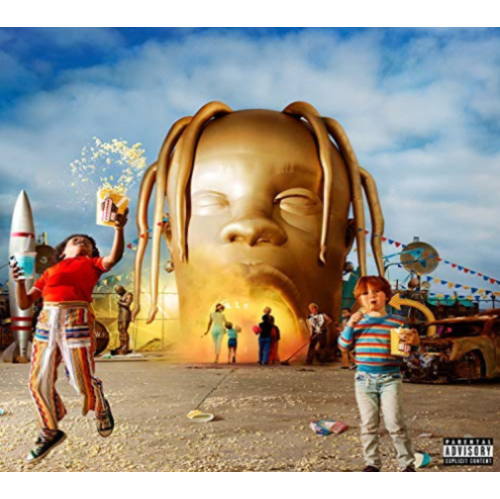
A hip-hop album collection can reflect a favourite sound, a particular period, or the pleasure of following connections between performers and producers. Someone drawn to sharply defined drums and dense verses may gravitate towards boom-bap, while a listener who enjoys sung hooks and atmospheric arrangements may favour melodic rap. Instrumental hip-hop places the beat-making itself at the centre, making room to focus on drum programming, sample choices, and changes in texture without a lead vocal. Underground releases often appeal to listeners interested in independent scenes, unconventional writing, and production outside mainstream trends, although “underground” describes a broad musical space rather than one fixed sound. Underground Hip Hop CDs provide a format-specific way to explore that side of the genre, with the compact dimensions and straightforward playback associated with discs. Across styles, album credits can make listening more rewarding: a familiar producer, guest vocalist, bassist, or engineer may explain why two otherwise different releases share a particular feel. Printed lyrics, when included, can clarify a fast-moving verse, while artwork can reinforce the setting or themes of the music. Hip-hop albums can also make thoughtful gifts for dedicated fans, budding DJs, beat-makers, or anyone building a physical music library. A suitable gift takes account of the recipient’s playback equipment, favourite styles, and existing collection, rather than relying on cover art alone. Language and subject matter deserve attention for younger listeners or shared listening spaces; a clean version may alter explicit words without removing every mature theme. Intended use matters in quieter ways as well. An album for focused headphone listening may invite close attention to narrative and subtle production, while music played during a gathering may be chosen for its pacing and energy. Some listeners value a tightly sequenced album they can play from beginning to end; others return to individual tracks before gradually discovering the rest. Whether kept beside a stereo or filed alphabetically on a shelf, physical hip-hop albums give those listening habits a tangible home through music, artwork, and credits that remain part of the experience each time the album is played.
Top selling and popular products
-
 Your price for this item is $21.45
-
 Your price for this item is $19.12
-
 Your price for this item is $22.19
-
 Your price for this item is $21.45
-
 Your price for this item is $14.99
-
 Your price for this item is $15.34
-
 Your price for this item is $21.11
-
 Your price for this item is $20
Discover more categories related to Hip Hop Albums


Top Collections:
Pokemon Centers, Best Cameras for Sports Photography, Kindle Devices, Samsung Galaxy Phones, Canon G7X Cameras, Pokémon 30th Celebration Cards, Refurbished Apple Laptops, iPhone 15 Apple, Laptops for Students, Budget Smartphones
Some products may be subject to Environmental Handling Fees
(EHF) depending on your province.
Learn more about EHFs.