Horror Movies
Get ready to be on the edge of your seat with our collection of spine-chilling horror movies. Whether you're a fan of supernatural scares, psychological thrillers, or classic slasher flicks, we have something to send shivers down your spine. Dive into the world of suspense, jump scares, and heart-pounding terror as you explore our extensive selection of horror films. From iconic classics to the latest bone-chilling releases, Best Buy has all the frights you need for a thrilling movie night at home. So grab some popcorn, dim the lights, and get ready for a hair-raising cinematic experience like no other.
Sort


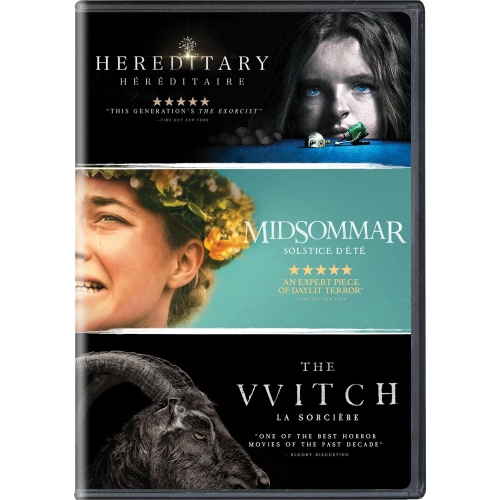


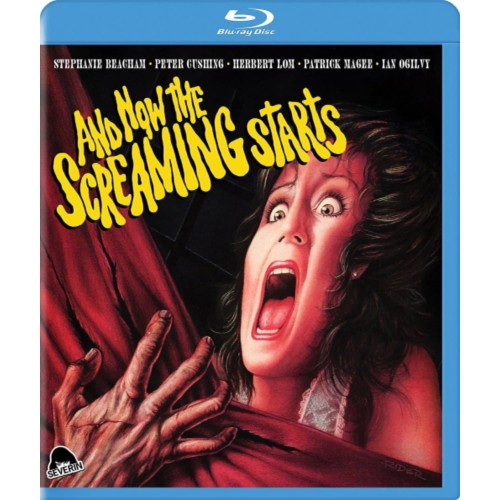


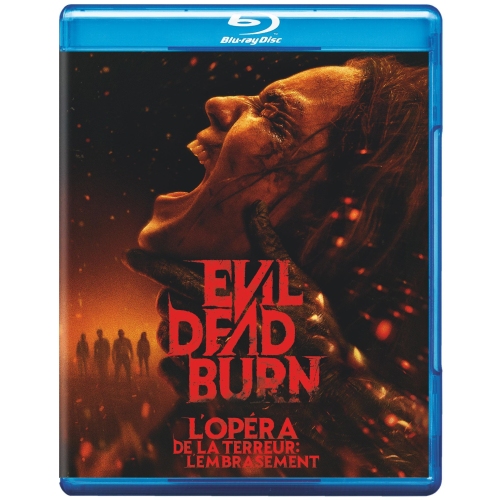


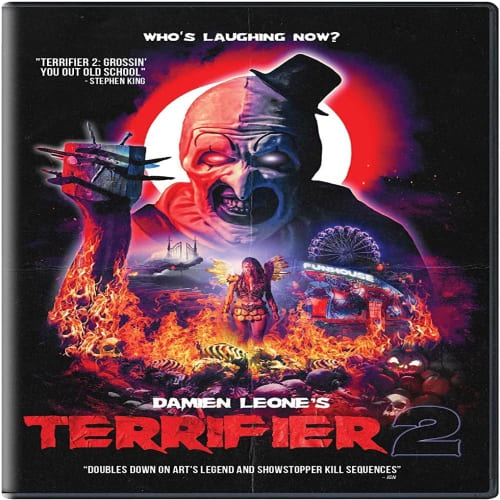


![PARANORMAL ACTIVITY 2 [DIRECTOR'S CUT - [DVD]](https://multimedia.bbycastatic.ca/multimedia/products/500x500/192/19221/19221911.jpeg)










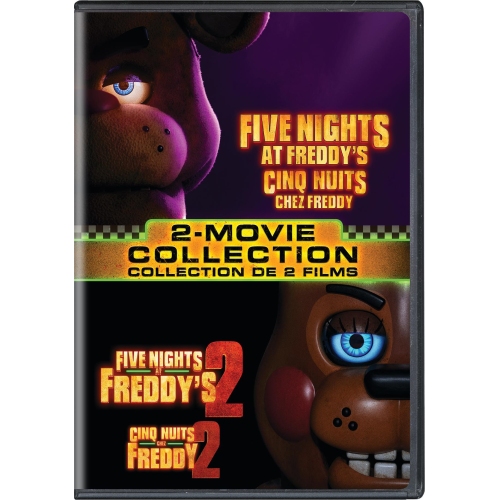


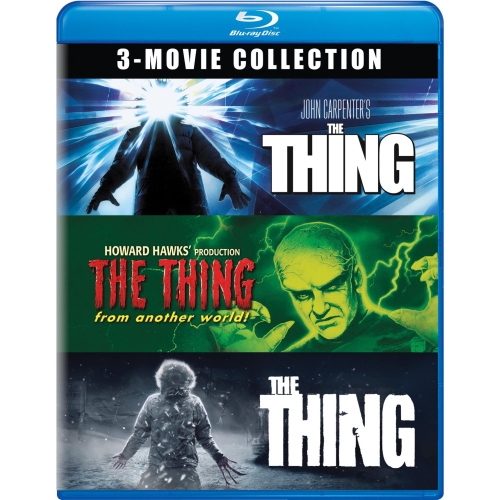


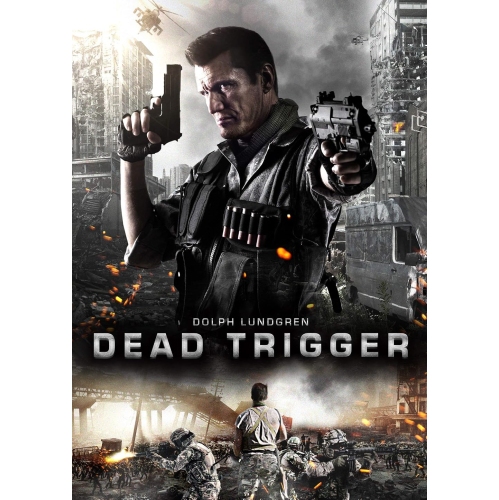


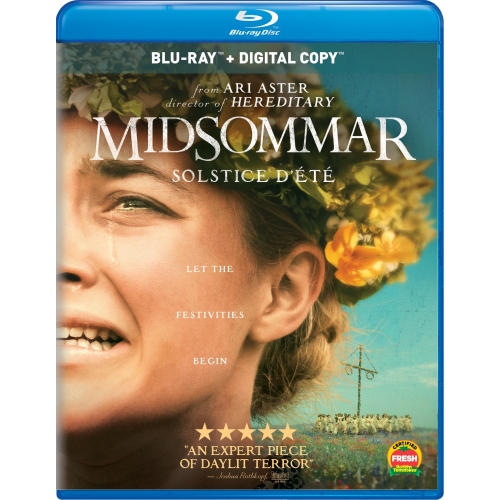


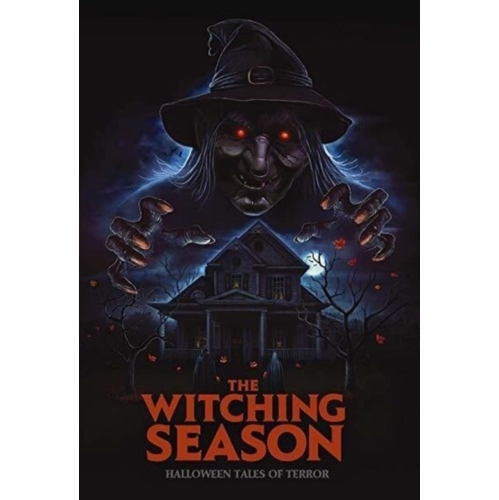


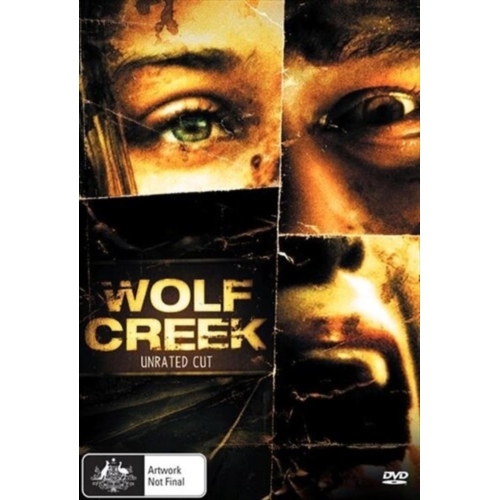


The right kind of fright for movie night
Horror movies turn fear, uncertainty, and the unfamiliar into stories that can linger long after the credits. The genre includes supernatural hauntings, psychological horror, creature features, slashers, gothic mysteries, and horror comedies, with each offering a different kind of tension. A ghost story might build unease through an empty hallway and a sound just beyond the frame, while a creature feature creates suspense around what is hiding and when it will appear. Psychological horror often centres on unreliable perceptions, strained relationships, or a character’s growing sense that something is wrong. Slashers typically place a threatening figure in pursuit of a group of characters, while found-footage films use recordings, handheld camerawork, and restricted viewpoints to make events feel immediate. These categories frequently overlap, so the tone and storytelling style can be more useful than a single genre label. Horror and thriller films also share an interest in suspense, although horror usually places greater emphasis on dread, disturbing imagery, or frightening threats, while thrillers often focus on danger, investigation, and escalating stakes. The Horror Thriller Movies category brings those closely related interests together. Classic horror can appeal to viewers who enjoy expressive shadows, practical effects, and deliberately paced suspense; more recent films may explore similar fears through different visual techniques and storytelling approaches. Neither a film’s age nor its reputation alone determines how frightening it will feel. Some viewers respond most strongly to unseen threats, while others find realistic situations more unsettling than monsters. Content descriptions and Canadian age ratings help clarify the intended audience, particularly when choosing a film for teenagers or a mixed group. Graphic violence, strong language, and distressing themes vary considerably across the genre. For a shared movie night, that distinction matters: a playful monster story and an intense psychological film can deliver very different experiences, even when both are described as horror.
Physical horror movies offer a way to build a personal film library, revisit favourites, and enjoy complete presentations without relying on a streaming subscription. DVD, Blu-ray, and 4K Ultra HD are distinct disc formats, and their differences affect both playback compatibility and picture quality. DVDs provide standard-definition video, Blu-ray supports high-definition presentations, and 4K Ultra HD can provide greater image detail with a compatible player and display. A standard Blu-ray player does not play 4K Ultra HD discs, although many 4K Ultra HD players also support Blu-ray and DVD playback; the player’s specifications determine compatibility. Region coding also matters, especially with imported editions, so the disc and player need to support the same region unless the disc is region-free. For horror, presentation can be particularly noticeable in dimly lit scenes, textured sets, and carefully composed shadows. High dynamic range, when supported by the disc and viewing equipment, can help preserve differences between bright highlights and dark areas, but the quality of the original material and the transfer remains important. An older film does not automatically look better simply because it appears on a higher-resolution format. A well-prepared restoration can retain fine detail and the character of the original photography, including visible film grain. Sound contributes just as much to the experience: footsteps behind a character, a low rumble, or a sudden break in silence can shape a scene before anything frightening appears. Surround sound requires a suitable audio track and compatible equipment, while subtitles and captioning options can make dialogue and sound cues easier to follow. Language options, running time, aspect ratio, and any alternate versions are useful edition details. Bonus features, when included, may add interviews, commentary tracks, deleted scenes, or discussions of makeup and effects. Those additions can be especially appealing to viewers interested in how a memorable scare was staged, edited, and performed.
A horror movie collection can reflect many interests rather than a single preference for intense scares. Some collectors enjoy tracing the development of practical creature effects, others follow a particular style of filmmaking, and others keep a mix of eerie mysteries, energetic monster films, and dark comedies for different viewing moods. Standalone films suit an evening with a clear beginning and ending, while a series can offer recurring characters, connected stories, and opportunities to compare how the tone changes between instalments. For gifts, a recipient’s taste is more useful than choosing the most extreme film possible. A fan of slow-building suspense may appreciate a very different experience from someone who enjoys elaborate creature designs or fast-paced survival stories. Format compatibility, preferred languages, subtitle needs, and whether the recipient already owns an edition all affect how useful the gift will be. Packaging matters for collectors as well: physical editions may use plastic cases, paper inserts, cardboard sleeves, or sturdier presentation boxes, with dimensions that influence how neatly they fit on a shelf. The discs themselves need careful handling to keep their playing surfaces free from scratches and fingerprints. Holding a disc by its outer edge or centre opening, returning it to its case after viewing, and using a soft, lint-free cloth when cleaning help protect it during regular use. Wiping gently from the centre towards the edge is preferable to rubbing in circles. Cases are best kept away from direct sunlight, excessive heat, and moisture, while paper sleeves and inserts benefit from dry storage that prevents bending or damage. A well-organized shelf makes it easier to find a familiar favourite or choose something that suits the group. For home viewing, a comfortable screen position and room lighting that avoids glare help preserve the shadow detail on which many horror films depend. A thoughtfully chosen collection can serve both solitary late-night viewing and lively gatherings, with films that reward repeat watches through background details, carefully timed sound cues, and clues that become clearer once the ending is known.
Top selling and popular products
-
 Your price for this item is $7.99
-
 Your price for this item is $5.99
-
 Your price for this item is $23.63
-
 Your price for this item is $5.99
-
 Your price for this item is $7.99
-
 Your price for this item is $7.99
-
 Your price for this item is $5.99
-
 Your price for this item is $174.99
Discover more categories related to Horror Movies
Top Collections:
Pokemon Centers, Best Cameras for Sports Photography, Kindle Devices, Samsung Galaxy Phones, Canon G7X Cameras, Pokémon 30th Celebration Cards, Refurbished Apple Laptops, iPhone 15 Apple, Laptops for Students, Budget Smartphones
Some products may be subject to Environmental Handling Fees
(EHF) depending on your province.
Learn more about EHFs.