Indie Rock Vinyl Records
Indie Rock Vinyl Records offer a unique way to experience your favorite music, bringing the raw energy and creativity of indie rock bands right into your home. Perfect for collectors and fans alike, these records capture the authentic sound and spirit that define the genre. Whether you’re building your vinyl collection or searching for standout albums to enjoy, explore a wide selection of Indie Rock Vinyl Records to find new favorites and timeless classics that showcase the best of independent music.
Sort



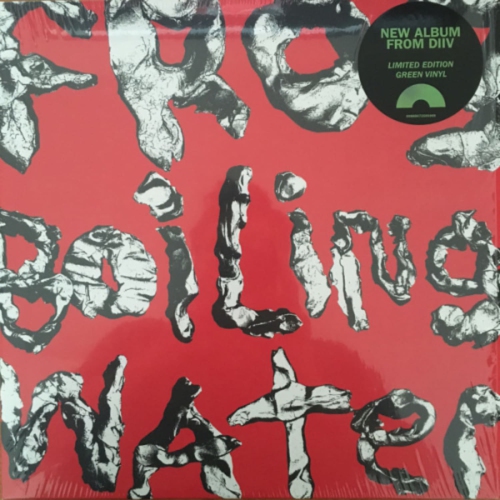

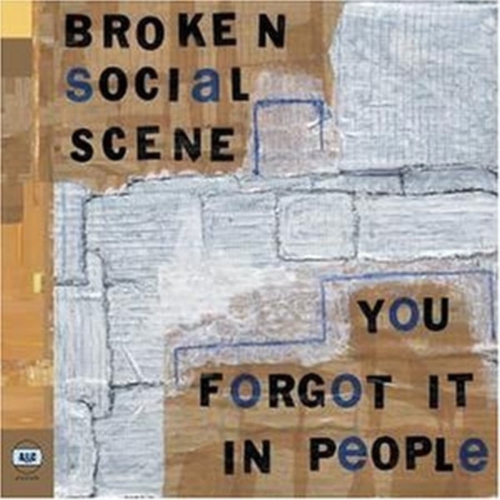




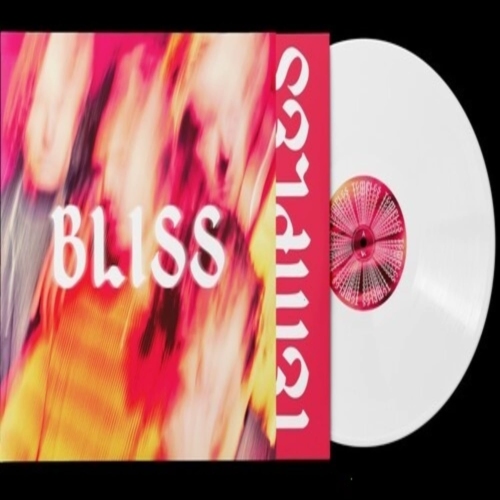
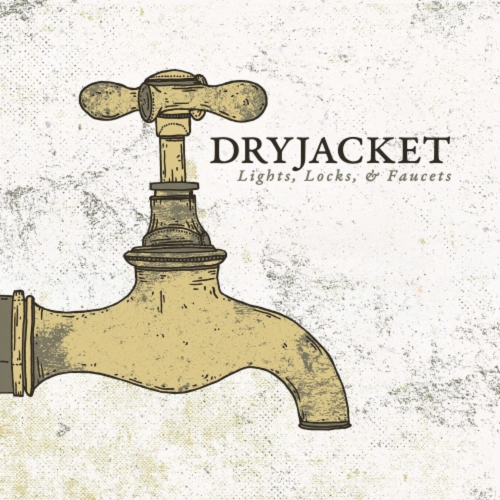

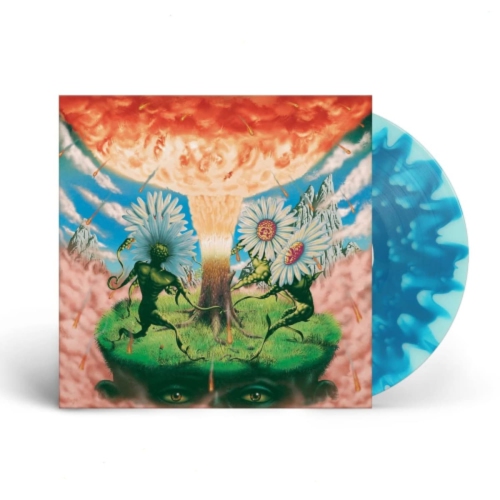

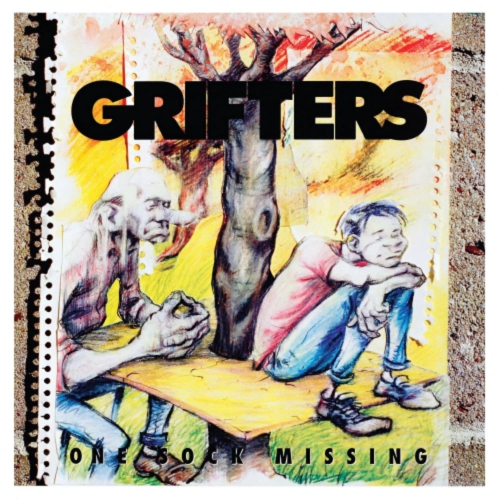

Fuzzy guitars and deeper cuts across two sides
Indie rock vinyl records span jangling guitars, fuzzy riffs, intimate vocals, and adventurous arrangements, bringing together music shaped by independent recording and a willingness to work outside mainstream formulas. The term “indie rock” can describe both a connection to independent labels and a musical identity, so it does not mean every artist in the genre releases music independently. Its roots in do-it-yourself recording, small labels, and local music scenes have grown into a broad sound that includes spare, home-recorded songs, tightly wound post-punk rhythms, dreamy guitar textures, and expansive studio productions. On vinyl, those different approaches become part of a physical album experience: a full-size sleeve to examine, liner notes to read, and a sequence of songs divided into two deliberate sides. A quiet vocal followed by a sudden wall of guitars can feel especially absorbing when the album has room to unfold without a shuffled playlist interrupting its flow. Indie rock LPs suit listeners who enjoy discovering a band’s deeper cuts as much as its familiar tracks, whether the occasion is a focused listening session or a relaxed evening with friends. The genre also overlaps with alternative rock, although the terms are not interchangeable. Alternative rock is a broader category that can include heavier, more commercially established, or differently styled music alongside indie sounds. For listeners drawn to that wider range of guitar-driven music, Alternative Rock Vinyl Records offers a related direction to explore. Within indie rock itself, the character of a recording matters more than a single genre label. Some albums place rough-edged vocals and roomy drums at the centre; others emphasize layered harmonies, synthesizers, or interlocking guitar lines. That variety makes the format appealing to longtime collectors, listeners building their first record collection, and anyone who enjoys connecting an album’s artwork with the music inside. A collection can follow one distinctive sound or move between contrasting moods while still feeling personal and coherent.
The physical details of an indie rock record help distinguish one edition from another, even when the album title and track list are the same. Most records are pressed from polyvinyl chloride, commonly called PVC, and paired with paper or card packaging that may include printed inner sleeves, lyric sheets, or a gatefold jacket. Standard black vinyl, coloured vinyl, and patterned pressings offer different visual presentations, but colour alone does not establish sound quality. Similarly, a 180-gram pressing describes the record’s weight rather than a guarantee of better audio. Mastering, manufacturing quality, record condition, and playback equipment all contribute to what reaches the speakers. A heavier record can feel substantial in the hand, while a well-made lighter pressing can still deliver clean, satisfying playback. An original pressing dates from an album’s initial release period, whereas a reissue brings the recording back in a later edition; neither description automatically makes one the better listening choice. Remastering involves preparing a new master from an audio source and may change the presentation, but it is not a promise that every listener will prefer the result. Artwork, included material, and the exact track listing can be just as meaningful when comparing editions. A bonus song, alternate mix, or additional disc may change how an album fits into a collection. The phrase “indie exclusive” has a separate meaning from the musical genre: it generally identifies an edition intended for independent record shops, rather than confirming that the artist belongs to an independent label. For everyday playback, format details deserve attention too. A 12-inch LP commonly plays at 33⅓ rpm, while many 7-inch singles play at 45 rpm, though exceptions exist. The speed indicated on the record or sleeve is the reliable reference. Albums spread across multiple discs also involve more side changes, something a listener may welcome as part of the ritual or prefer to keep to a minimum. These distinctions help match a pressing to its intended use, whether that is regular listening, an interest in sleeve design, or a collection centred on different editions.
A record’s long-term enjoyment depends as much on handling and playback as on the pressing itself. Vinyl is durable enough for repeated listening when treated carefully, but its grooves are vulnerable to scratches, embedded dust, and excessive stylus pressure. Holding a disc by its outer edge and centre label helps keep fingerprints away from the playing surface. A record brush can lift loose dust before a listening session, while a suitable record-cleaning solution can address residue that dry brushing leaves behind. Household cleaners and abrasive cloths are poor substitutes for products designed for records. Clean inner sleeves help protect the playing surfaces, and outer sleeves can reduce scuffing on jackets, especially when records are handled often. Records are best stored upright with enough support to prevent leaning, rather than stacked in piles that place weight on the discs and sleeves beneath them. Direct sunlight and nearby heat sources can cause damage, so a dedicated shelf away from a radiator or bright window is a practical home for a growing collection. Playback also calls for a compatible turntable, a stylus in good condition, and the correct tracking force for the cartridge. Depending on the equipment, a phono preamp may be built into the turntable or amplifier, or supplied separately; speakers or headphones complete the listening setup. The recording itself will still shape the result, and the hiss or distortion on a deliberately rough production should not be confused with dirt or damage. As gifts, indie rock records work particularly well when they reflect the recipient’s listening habits rather than simply an eye-catching sleeve. A favourite musical style, a meaningful album, or an interest in artwork can provide a thoughtful starting point. Confirming that the recipient has access to a suitable turntable makes the gift ready to enjoy. For collectors and casual listeners alike, the lasting appeal lies in the combination of music, physical design, and the familiar pleasure of choosing a record, lowering the needle, and settling into an album one side at a time.
Top selling and popular products
-
 Your price for this item is $15.32
-
 Your price for this item is $5.99
-
 Your price for this item is $16.29
-
 Your price for this item is $15.32
-
 Your price for this item is $24.68
-
 Your price for this item is $15.32
-
 Your price for this item is $15.32
-
 Your price for this item is $15.91
Discover more categories related to Indie Rock Vinyl Records


Top Collections:
Pokemon Centers, Best Cameras for Sports Photography, Kindle Devices, Samsung Galaxy Phones, Canon G7X Cameras, Pokémon 30th Celebration Cards, Refurbished Apple Laptops, iPhone 15 Apple, Laptops for Students, Budget Smartphones
Some products may be subject to Environmental Handling Fees
(EHF) depending on your province.
Learn more about EHFs.