Kpop Albums With Unique Packaging
Kpop Albums With Unique Packaging offer fans an exciting way to celebrate their favorite artists while enjoying creative, collectible designs. These albums stand out for their eye-catching presentation, making them perfect for display or gifting. Explore a wide selection of Kpop Albums With Unique Packaging and discover the perfect addition to your music collection, whether you’re a dedicated collector or new to the world of K-pop.
Sort
![JYP ENT / REPUBLIC Stray Kids - This & That - [Solar Eclipse Vinyl - (Limited Edition, Poster, Photo / Photo Card, Bookmark) - [Vinyl]](https://multimedia.bbycastatic.ca/multimedia/products/500x500/200/20082/20082961.jpeg)





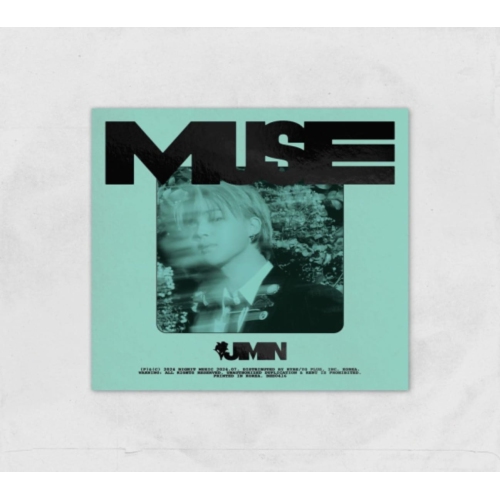


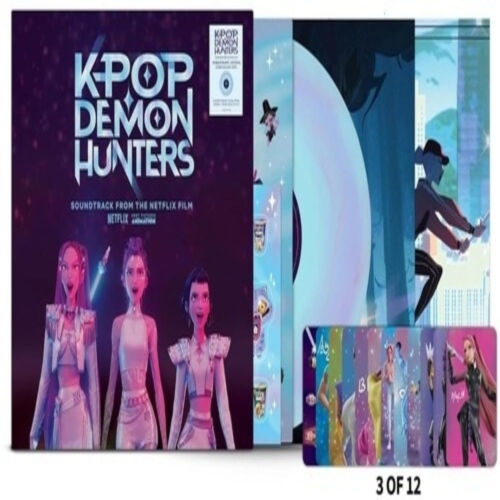


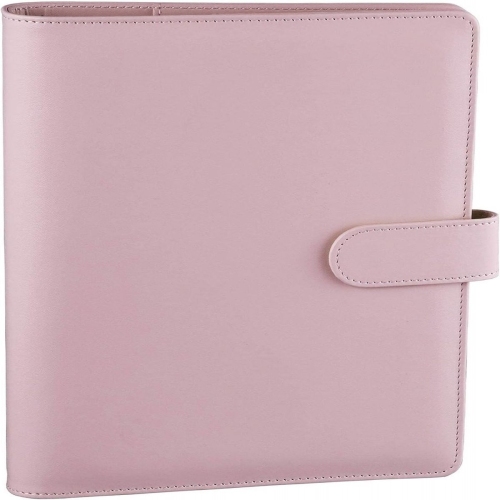



When an album’s design becomes part of its story
K-pop albums with unique packaging turn a physical music release into a collectible design piece, pairing the recording with artwork, photography, and a distinctive way of presenting it. Instead of relying on a standard plastic CD case, these albums may take the form of a miniature suitcase, a retro media box, a book with an elaborate slipcase, or a pouch that holds the music and printed extras together. Some designs borrow the visual language of everyday objects, using illustrated panels, unusual closures, or shaped inserts to make the outer package part of the album’s story. Others stand out through quieter details: translucent sleeves that layer over a portrait, embossed lettering that catches the light, or folded pages that open into a larger scene. The difference is not simply the number of extras inside. Memorable packaging connects its shape, materials, and opening sequence to the musical concept, giving fans another way to engage with the release. A bright, playful concept might suit a toy-like container, while a more restrained concept might use textured paper, monochrome photography, and a clothbound cover. Photobooks, lyric booklets, photo cards, stickers, and folded posters can extend that visual identity, although the contents vary by edition. For listeners who enjoy spending time with album artwork, the physical format offers details that a small screen can miss, from the grain of a printed photograph to the way two facing pages create a continuous image. For collectors, the appeal may be a recognisable spine, an unexpected silhouette, or a package that feels satisfying to open and revisit. These releases can serve several purposes at once: a way to listen to music, a keepsake connected to a favourite artist, and an object to display on a bookshelf or desk. A distinctive exterior does not automatically mean a larger package, either; a compact album can feel just as considered when its folds, typography, and compartments work together.
The construction of an album package affects how it feels in the hand and how well it tolerates repeated handling. Rigid paperboard can give a presentation box structure, while a paper wrap supplies the printed finish; exposed corners and edges are often the first places to show wear. Softcover photobooks are flexible and easy to browse, whereas hardcover editions offer firmer support but may need more space when opened. Matte surfaces can make colours look soft and muted, glossy finishes can bring out contrast, and metallic foil can add a reflective accent. None of these finishes is immune to marks: dark matte covers may show fingerprints, glossy surfaces can pick up fine scratches, and raised details can flatten under pressure. Fabric pouches and bag-style packaging introduce other considerations, including seam quality, closure strength, and whether the material can be cleaned safely. A bag-shaped album package is not necessarily intended to carry everyday belongings, just as a toy-shaped container may be decorative rather than playable. Dimensions matter as much as appearance when deciding where an album will live. A deep box may extend beyond a narrow shelf, a rounded case may need a stable resting position, and a large photobook needs enough room to open without bending its cover backwards. Packaging format and music format also deserve separate attention. Some physical releases contain a CD, while others provide access to music through a code or a platform-based format; an elaborate outer box alone does not establish what is inside. Edition details can also distinguish a fixed set of printed extras from randomly assigned inclusions. A photo card pictured among several possible designs may represent one possible inclusion rather than the full set. For anyone drawn to a particular visual concept, the named version, stated contents, and package measurements offer a clearer picture than the cover image alone. That distinction is especially useful when several editions share the same music but use different photography, colours, or outer construction.
Keeping unusual album packaging in good condition often comes down to supporting its original shape and limiting unnecessary friction. Clean, dry hands help protect paper surfaces, and lifting a tray or insert from its intended opening is gentler than pulling on a ribbon, tab, or decorative element that may not be designed to bear weight. Tight slipcases benefit from slow, even movement rather than a firm squeeze that can crease the inner book. CDs are best handled by the edge and centre hole, then returned to their holder after listening. Loose photo cards can be stored in appropriately sized, PVC-free sleeves, while folded posters are less likely to develop extra creases when kept along their original folds rather than repeatedly flattened and refolded. Albums displayed near a window can lose colour over time, so a shelf away from direct sunlight helps preserve printed artwork. Heavy boxes should not rest on delicate lids, and irregularly shaped packages need enough space that neighbouring books do not press into protruding details. For dust, a soft, dry cloth is usually a gentler starting point than a cleaning spray, particularly around exposed paper edges; any care directions supplied with fabric or plastic components take priority. These practical details matter whether an album is opened often or kept mainly for display. A listener may want the disc and lyric booklet within easy reach, while a collector may prefer to keep every insert together in its original compartment. As a gift, a creatively packaged album can suit a music fan who enjoys photography, graphic design, or the ritual of opening a physical release. Knowing the recipient’s favourite artist and preferred edition helps make the choice personal, while checking whether they use CDs or a digital music platform helps ensure the listening format suits them. Related K-Pop Merchandise can complement a collection, but a distinctive album has its own place as both a music release and a carefully assembled visual object. Its lasting appeal lies in those small, repeatable pleasures: sliding a book from its sleeve, unfolding a printed scene, and returning each piece to a space designed for it.
Top selling and popular products
-
 Your price for this item is $13.79
-
 Your price for this item is $21.26
-
 Your price for this item is $15.32
-
 Your price for this item is $15.32
-
 Your price for this item is $15.32
-
 Your price for this item is $18.39
-
 Your price for this item is $10.79
-
 Your price for this item is $15.32
Discover more categories related to Kpop Albums With Unique Packaging


Top Collections:
Pokemon Centers, Best Cameras for Sports Photography, Kindle Devices, Samsung Galaxy Phones, Canon G7X Cameras, Pokémon 30th Celebration Cards, Refurbished Apple Laptops, iPhone 15 Apple, Laptops for Students, Budget Smartphones
Some products may be subject to Environmental Handling Fees
(EHF) depending on your province.
Learn more about EHFs.