Metal Compilations
Dive into the electrifying world of metal compilations, where powerful riffs and thunderous beats converge to create an unforgettable audio experience. Whether you're a seasoned headbanger or just beginning your journey into the realm of heavy metal, these collections offer a diverse array of tracks that capture the essence of the genre's raw energy and intensity. Perfect for discovering new favorites or reliving classic anthems, metal compilations are a must-have for any music enthusiast looking to amplify their playlist with some of the most iconic sounds in metal history. Explore our selection and let the music transport you to a world where every note resonates with passion and power.
Sort

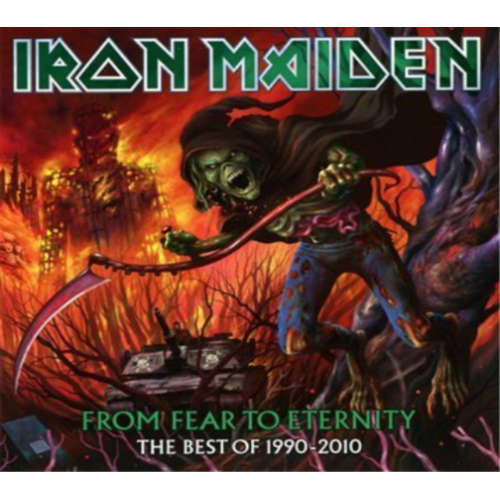
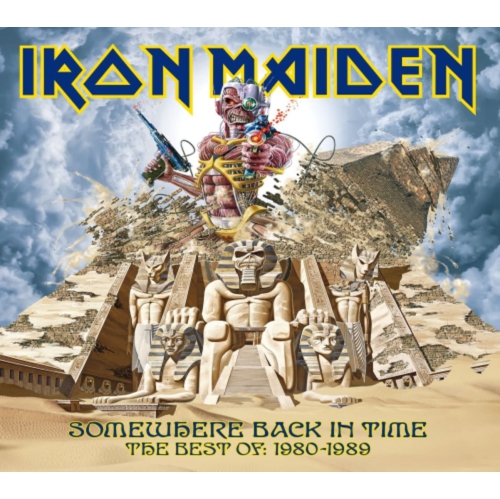



Familiar anthems meet lesser-known tracks across metal’s history
Metal compilations bring together tracks from multiple artists, periods, or releases to present a wider picture of heavy metal than a single studio album can offer. Some focus on a particular sound, such as traditional heavy metal, thrash, death metal, black metal, doom, or power metal. Others capture a regional scene, collect music associated with a record label, or trace a path through several decades of heavy riffs and changing production styles. A various-artists compilation can place a familiar anthem beside a lesser-known track, making the contrast part of the appeal: a tightly played, melodic chorus might give way to raw vocals, dense guitar distortion, and relentless double-kick drumming. Historically, label samplers and scene-based collections helped listeners discover bands beyond local radio and record shops. They also gave emerging acts a place alongside more established musicians, sometimes preserving early performances before a band developed its signature sound. That makes metal compilation albums both listening experiences and snapshots of musical history. Not every collection serves the same purpose, though. A broad heavy metal anthology usually emphasizes variety, while a narrowly focused sampler may offer a more concentrated selection of underground styles. Single-artist compilations take a different approach, gathering material from across one act’s catalogue rather than introducing several performers. Greatest-hits collections, rarities sets, and live anthologies can therefore sit within the broader compilation category while delivering quite different listening experiences. For someone getting acquainted with metal, a clearly defined collection can make the genre’s range easier to hear without requiring detailed knowledge of every subgenre. For a long-time listener, the draw may be an unfamiliar band, an alternate performance, or a sequence of songs that puts well-known music into a fresh setting. The strongest connection often comes from the collection’s point of view: the scene it captures, the era it represents, or the particular kind of intensity running through its track list.
The character of a metal compilation depends as much on its selection and sequencing as on the number of tracks it contains. Traditional heavy metal collections often centre on memorable guitar leads, driving rhythms, and clean vocals, while thrash compilations tend towards sharper riffing, faster tempos, and a more percussive attack. Doom-focused sets leave more room for slow, weighty passages; death metal and black metal collections can introduce harsher vocal textures and very different approaches to atmosphere and production. These distinctions matter when matching a collection to a listener’s taste. Someone drawn to soaring choruses may appreciate a different selection from someone who enjoys abrasive guitars and unpredictable song structures. Track details also help set expectations. Studio recordings, concert performances, demos, edited versions, and remastered tracks are not interchangeable, even when the song titles match. A live cut may include crowd noise and an extended solo, while a demo can reveal a rougher arrangement with less separation between instruments. Older and newer recordings placed together may vary in volume, tonal balance, and clarity; that variation can be part of a scene-focused collection’s character rather than a fault in the disc. Physical format shapes the experience too. CDs suit listeners who want direct track access and straightforward playback on compatible equipment, while vinyl adds larger artwork and a listening rhythm shaped by the length of each side. The Heavy Metal CDs page provides a related category for listeners whose preferred format is compact disc. Across formats, details such as the full track listing, number of discs, release information, and included printed material can clarify what a collection contains. Liner notes, when included, may explain the link between artists or place a recording within a local scene. Credits can be especially useful on various-artists sets, where discovering a guitarist, vocalist, or producer may be the beginning of another listening interest.
Physical metal compilations also have practical qualities that matter over years of use. A CD is made primarily from polycarbonate plastic with a reflective layer and protective coating, while a vinyl record is pressed from PVC; both benefit from careful handling and suitable storage. Holding discs by their edges helps keep fingerprints away from playing surfaces. CDs belong in their cases when not in use, and records are best stored upright in protective inner sleeves rather than stacked flat under weight. Heat, direct sunlight, dust, and damp storage can damage media or packaging, so a shelf away from radiators and windows is a better home than a box beside a heater. A clean, soft cloth used from the centre outward is appropriate for routine CD cleaning, while vinyl benefits from a purpose-made record brush and cleaning products intended for that material. Packaging deserves attention as well: plastic cases can crack, cardboard sleeves can show edge wear, and booklets can crease if squeezed into crowded shelving. Protective outer sleeves can help keep larger jackets looking tidy without separating the artwork from the music. Equipment fit is another everyday consideration. A turntable needs the correct playback speed and a properly set-up cartridge, and a CD requires a compatible player or disc drive; a device with a screen or USB port does not necessarily play physical audio discs. For gift giving, the recipient’s playback setup and favourite metal styles are useful starting points. A scene-based compilation can suit a collector who enjoys musical connections, while a broader anthology may appeal to someone building a first heavy metal library. These collections lend themselves to different occasions: focused headphone listening after a busy day, an evening spent reading sleeve notes, or sharing favourite tracks with a friend who knows a different corner of the genre. During the cooler months, settling in with a full compilation can turn familiar riffs and unexpected discoveries into an absorbing evening at home. Whether the attraction is musical history, striking cover art, or the pleasure of hearing several distinct bands in one thoughtfully arranged sequence, metal compilations offer a tangible way to explore heavy music and return to the tracks that leave a lasting impression.
Top selling and popular products
-
 Your price for this item is $15.32
-
 Your price for this item is $5.99
-
 Your price for this item is $16.29
-
 Your price for this item is $15.32
-
 Your price for this item is $24.68
-
 Your price for this item is $15.32
-
 Your price for this item is $15.32
-
 Your price for this item is $15.91
Discover more categories related to Metal Compilations


Top Collections:
Pokemon Centers, Best Cameras for Sports Photography, Kindle Devices, Samsung Galaxy Phones, Canon G7X Cameras, Pokémon 30th Celebration Cards, Refurbished Apple Laptops, iPhone 15 Apple, Laptops for Students, Budget Smartphones
Some products may be subject to Environmental Handling Fees
(EHF) depending on your province.
Learn more about EHFs.