New Metal Vinyl Releases
Discover the latest additions to your record collection with New Metal Vinyl Releases. Dive into a curated selection of fresh sounds and powerful riffs from today’s most exciting metal artists, all pressed on high-quality vinyl. Whether you’re a longtime fan or exploring new bands, these releases offer an immersive listening experience that brings every detail to life. Elevate your home audio setup and enjoy the energy of live performances right from your turntable with the newest arrivals in metal vinyl.
Sort





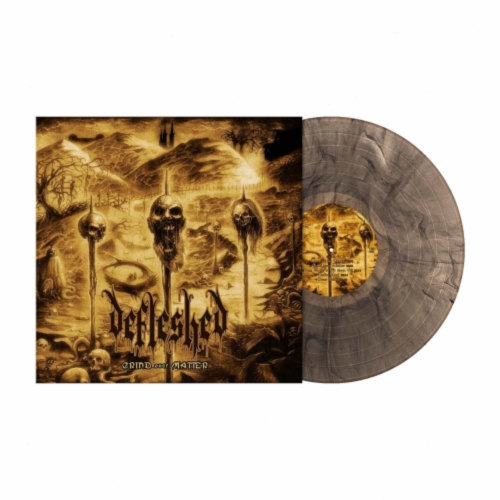


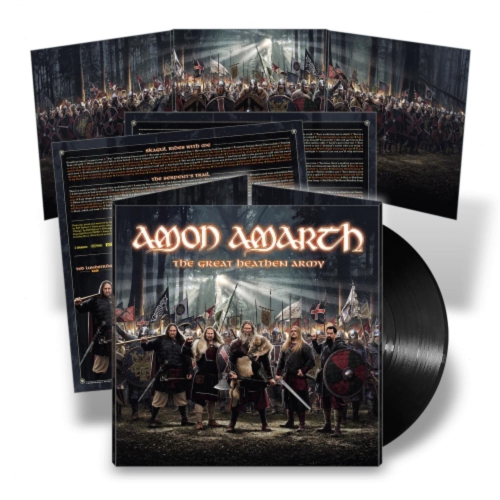











What sets one metal vinyl edition apart
New metal vinyl releases bring heavy riffs, intricate arrangements, and unmistakable album artwork into a format built around listening to a full side at a time. The category spans newly released studio albums, EPs, live recordings, and fresh vinyl editions of earlier material, with an important distinction between a new album and a new pressing. A new album introduces a newly issued work, while a reissue brings an existing release back to vinyl, sometimes with revised mastering, expanded artwork, or additional tracks. A first vinyl edition can also give a previously digital-only recording its first physical presentation on the format. These differences matter to listeners following a band’s next chapter and collectors filling a gap in an established discography. Across heavy metal, thrash, death metal, black metal, doom, progressive metal, and related styles, the appeal lies in both the music and the way each release presents it. Thrash often centres on tightly locked rhythm guitars and rapid percussion; doom gives sustained chords and slower passages room to build; progressive metal can move through shifting time signatures and long instrumental sections. Those musical differences give each album its own listening character, whether the intention is to follow every bass run through headphones or let a towering guitar passage fill a dedicated listening space. Vinyl also makes the visual side of metal more tangible. Full-size sleeves give elaborate illustrations, stark photography, and detailed lettering space that a small screen cannot match. Printed lyrics, credits, and inserts, when included, can reveal the musicians, studios, and creative collaborators behind the sound. For someone who already knows an album through streaming, the physical edition offers a different way to spend time with it: lowering the stylus, hearing the opening passage, and following the sequence through to the side break. For a listener exploring unfamiliar metal, a new release can become the starting point for a deeper connection with a particular sound.
The details of a metal vinyl edition shape how it fits into a collection and a listening setup. Most full-length albums use 12-inch discs, while shorter releases may use 7-inch or 10-inch formats; the stated playback speed, usually 33⅓ or 45 RPM, determines the correct turntable setting. Disc size alone does not establish speed, and an album spread across two discs is not necessarily longer than a single-disc edition. Side length, groove spacing, and mastering choices all affect how music is arranged on the format. Dense metal recordings can layer distorted guitars, double-kick drums, low bass, and vocals into a demanding mix, making the quality of the source, mastering, pressing, and playback setup more useful considerations than any single packaging feature. A heavyweight pressing describes the mass of the disc, not a guarantee of better sound. Similarly, black, coloured, marbled, and splatter vinyl describe visual treatments rather than a dependable ranking of audio quality. Conventional vinyl records are generally made from PVC, while sleeves and jackets commonly use paper or paperboard, with construction varying by edition. A gatefold jacket opens into a wider artwork spread and may hold one or more discs, while a printed inner sleeve can carry lyrics, photographs, or credits. Details such as a booklet, poster, etching, or bonus recording should be confirmed in the edition description rather than assumed from the album name. Different pressings of the same album can have different track lists, disc counts, or artwork, which is especially relevant when a collector wants a particular presentation. Playback compatibility matters just as much: a suitable turntable, the correct stylus and cartridge setup, and a phono stage where required help the record work properly with the rest of the system. A stable surface and suitable speaker placement can also reduce vibration reaching the stylus. The result depends on the complete setup, not simply the weight or colour of the vinyl.
Metal vinyl suits listeners who enjoy giving an album their attention, collectors drawn to physical artwork, and music fans building a shelf that reflects their tastes. It can also make a thoughtful gift when the recipient’s preferred subgenres, favourite artists, and existing collection are known. Someone devoted to slow, spacious doom may respond to a very different release than a listener who favours technical death metal or melodic heavy metal, so familiarity with their listening habits matters more than an eye-catching sleeve alone. For collectors, the exact edition may be part of the appeal; for frequent listeners, clear track information, practical packaging, and a format that suits their turntable may carry more weight. Browsing New Release Vinyl Albums also provides a broader view of newly issued music beyond metal, useful for collections that cross into hard rock, punk, experimental music, or other genres. Once a record becomes part of that collection, straightforward care helps preserve both playback and presentation. Holding discs by the outer edge and centre label keeps fingerprints away from the grooves, while returning them to clean inner sleeves reduces contact with dust and abrasive surfaces. A record brush can lift loose surface dust before playback; more thorough cleaning calls for a method and solution intended for vinyl, followed by complete drying before resleeving. Jackets benefit from outer sleeves where protection against shelf wear is important, particularly when printed finishes or intricate artwork are part of the attraction. Records are best stored upright with enough support to prevent leaning, rather than piled flat under the weight of other albums. Keeping them away from direct sunlight and sources of heat helps limit the risk of warping and fading. With careful handling, a metal vinyl release can remain part of a listening collection for years, returning to the turntable whenever a familiar opening riff, an absorbing live performance, or a newly discovered album calls for another full listen.
Top selling and popular products
-
 Your price for this item is $15.32
-
 Your price for this item is $5.99
-
 Your price for this item is $16.29
-
 Your price for this item is $15.32
-
 Your price for this item is $24.68
-
 Your price for this item is $15.32
-
 Your price for this item is $15.32
-
 Your price for this item is $15.91
Discover more categories related to New Metal Vinyl Releases


Top Collections:
Pokemon Centers, Best Cameras for Sports Photography, Kindle Devices, Samsung Galaxy Phones, Canon G7X Cameras, Pokémon 30th Celebration Cards, Refurbished Apple Laptops, iPhone 15 Apple, Laptops for Students, Budget Smartphones
Some products may be subject to Environmental Handling Fees
(EHF) depending on your province.
Learn more about EHFs.