Post Punk Vinyl Records
Discover the raw energy and innovative sounds of a defining music era with Post Punk Vinyl Records. Perfect for collectors and enthusiasts alike, these records capture the bold spirit and experimental edge that set post-punk apart. Whether you're expanding your collection or searching for new favorites, explore a diverse selection that brings the iconic rhythms and unique artistry of post-punk directly to your turntable.
Sort
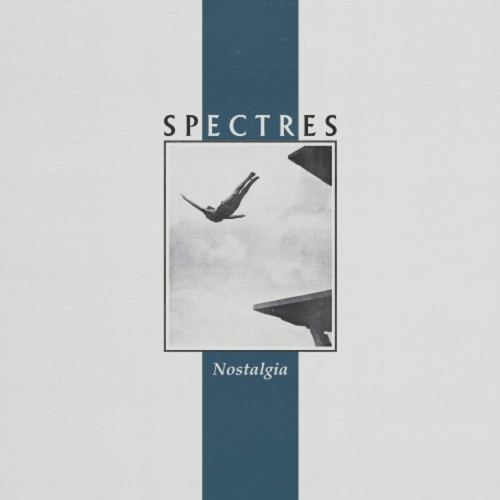

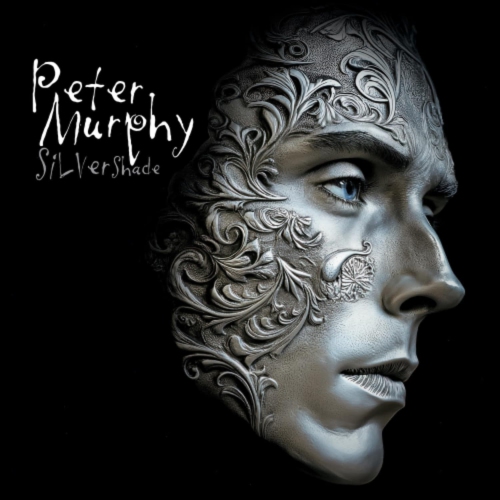





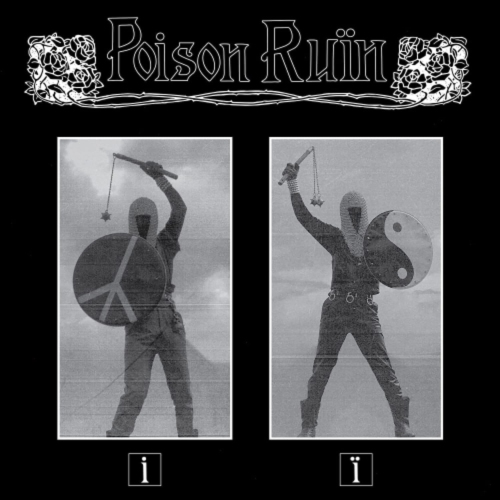
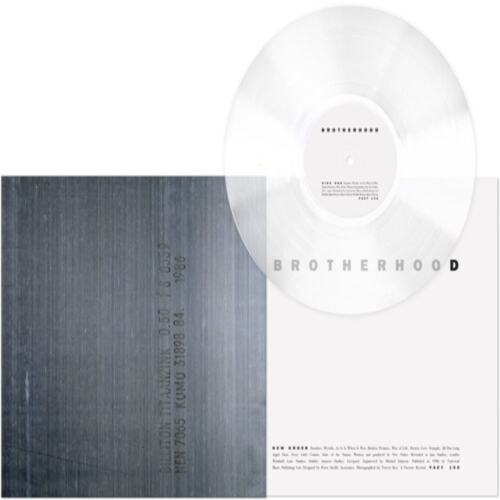




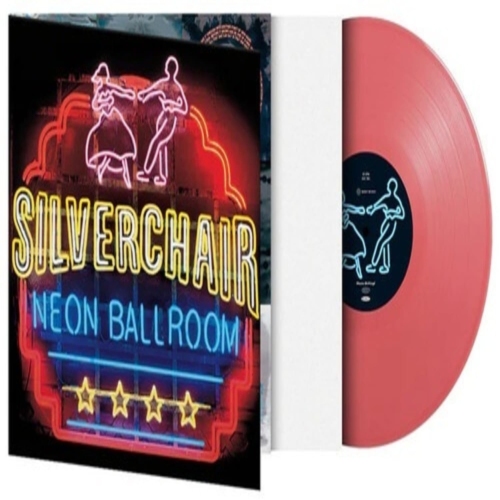









Where angular guitars meet bass-driven grooves on vinyl
Post-punk vinyl records capture a style of music that grew out of punk in the late 1970s and expanded its possibilities through experimentation, atmosphere, and rhythm. Rather than following a single sound, post-punk brought together angular guitar playing, prominent bass lines, insistent drums, electronic textures, and vocals that could shift from detached observation to raw urgency. Some recordings lean towards spare, shadowy arrangements; others draw on funk, dub, dance music, or the unpredictable structures of art rock. That range is part of the appeal: a tightly wound bass groove can sit beside a wash of guitar feedback, while a restrained vocal gives way to a sudden burst of percussion. On vinyl, these contrasts become part of an album-length listening experience, with each side offering its own sequence and pacing. The format suits listeners who enjoy following the space between instruments, the placement of a synthesizer in the mix, or the way a repeated rhythm gradually builds tension. Foundational releases, later interpretations, and contemporary recordings all belong within the broader post-punk landscape, although the balance of guitars, electronics, and dance rhythms varies considerably. Related styles such as new wave, cold wave, gothic rock, and dance-punk share some of its musical vocabulary without being interchangeable. For someone building a collection, those distinctions help describe the listening experience more meaningfully than a broad genre label alone. A guitar-led album with clipped rhythms offers a different mood from one built around drum machines and distant, reverberant vocals. Listeners interested in the wider guitar-driven music that developed alongside and after post-punk may also find connections through Alternative Rock Vinyl Records. Post-punk retains a distinct attraction for people who appreciate music with an exploratory edge, whether the intended setting is an attentive evening with headphones, a listening session with friends, or time spent discovering the influences behind a favourite sound.
The physical edition shapes the ownership experience as much as its appearance on a shelf. Most vinyl records are pressed from polyvinyl chloride, with black and coloured versions offering different visual finishes rather than a dependable ranking of sound quality. Clear, marbled, or multicoloured pressings can be appealing to collectors, but colour alone does not establish how quietly or accurately a record will play. Likewise, heavier vinyl can feel substantial in the hand without automatically sounding better than a lighter pressing. Mastering, the source used for that mastering, pressing quality, condition, and playback equipment all contribute to the result. An original pressing may interest someone who values an edition from the period when the music first appeared, while a reissue may appeal for its presentation, accompanying notes, or additional musical material. Neither description, on its own, guarantees superior audio. A remaster indicates that the audio has undergone a new mastering process; it does not necessarily mean the music has been remixed or that every listener will prefer the changes. Edition details matter particularly when alternate versions, live performances, or extra tracks are involved, since these can alter the running order or spread an album across additional sides. Full-length LPs, shorter EPs, and singles also serve different listening habits. An LP gives an extended view of an artist’s approach, while a single or EP can focus attention on a particular phase, a longer mix, or a sharply defined group of songs. Record size and playback speed are separate specifications: a 12-inch disc may play at either 33⅓ or 45 revolutions per minute, so the label or sleeve provides the relevant information. Sleeve construction adds another dimension, from a straightforward cardboard jacket to a gatefold with photographs, lyrics, or contextual notes. Post-punk’s visual identity often makes those details especially engaging, with stark typography, abstract imagery, and carefully considered layouts extending the character of the music beyond the grooves. Protective inner sleeves and well-fitted outer sleeves can help preserve both the playing surface and the artwork.
Post-punk records suit established collectors, newcomers to physical music, and listeners whose tastes already include experimental rock, electronic music, or bass-led alternative sounds. As a gift, an edition that matches the recipient’s musical interests and playback setup is usually more useful than one chosen for its appearance alone. Someone who enjoys studying album artwork may appreciate a generously presented sleeve, while a listener drawn to rhythm may connect more readily with the genre’s dub-influenced or dance-oriented side. For a person with an existing collection, knowing which edition they own helps avoid an unintended duplicate; alternate artwork or additional material matters most when those differences genuinely interest them. Playback requires a compatible turntable and an appropriate audio system, including phono amplification either built into a component or provided separately. A record cannot be played directly through a conventional digital music player, and not every turntable includes speakers or a built-in phono preamp. A correctly set up cartridge and a clean stylus help track the grooves properly, which is important when dense guitar textures and forceful bass share the same passage. Vinyl can remain enjoyable over many years when handled and stored carefully, but its playing surface is vulnerable to scratches, dust, and residue. Holding a disc by its edge and centre label keeps fingerprints away from the grooves. A record brush intended for vinyl helps remove loose surface dust, while more persistent dirt calls for a suitable record-cleaning solution and method. Discs should be fully dry before returning to their sleeves. Upright storage with adequate support helps protect jackets and reduces the pressure caused by stacking records flat. Direct sunlight and heat sources can warp discs or damage packaging, making a stable shelf away from radiators a better home than a windowsill. These practical details support the simple pleasure at the heart of collecting: taking a record from its sleeve, setting the stylus into the opening groove, and giving the music room to unfold. From brittle guitar figures to deep, rolling bass, post-punk offers plenty to return to across repeated listens.
Top selling and popular products
-
 Your price for this item is $15.32
-
 Your price for this item is $5.99
-
 Your price for this item is $16.29
-
 Your price for this item is $15.32
-
 Your price for this item is $24.68
-
 Your price for this item is $15.32
-
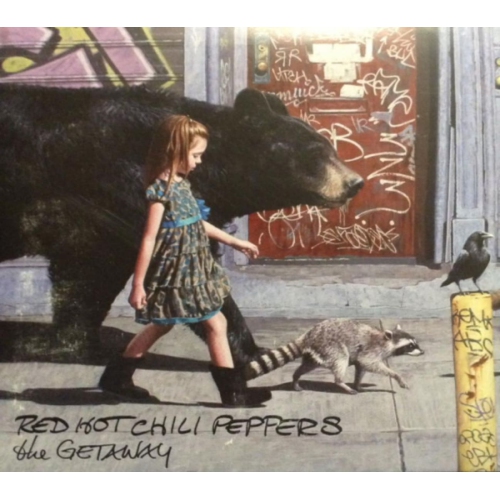 Your price for this item is $15.32
-
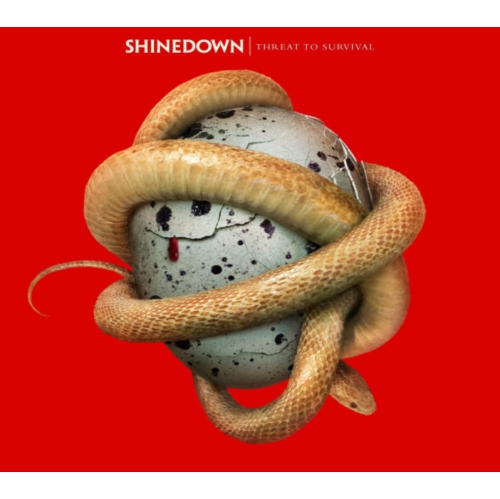 Your price for this item is $15.91
Discover more categories related to Post Punk Vinyl Records
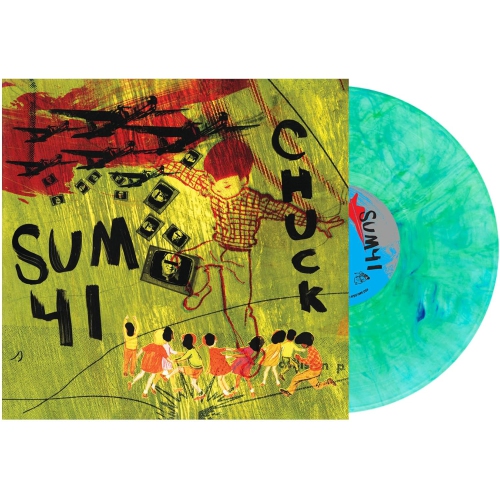



Top Collections:
Pokemon Centers, Best Cameras for Sports Photography, Kindle Devices, Samsung Galaxy Phones, Canon G7X Cameras, Pokémon 30th Celebration Cards, Refurbished Apple Laptops, iPhone 15 Apple, Laptops for Students, Budget Smartphones
Some products may be subject to Environmental Handling Fees
(EHF) depending on your province.
Learn more about EHFs.