Rock and Metal CDs
Rock and Metal CDs bring the energy, intensity, and passion of your favorite genres right to your collection. Whether you’re searching for classic anthems or the latest releases, discover a wide selection that captures the raw power and electrifying sound unique to rock and metal music. Perfect for dedicated fans and newcomers alike, Rock and Metal CDs offer an immersive listening experience that stands out in any music library. Explore top picks and hidden gems to fuel your love for powerful riffs, soaring vocals, and unforgettable rhythms.
Sort












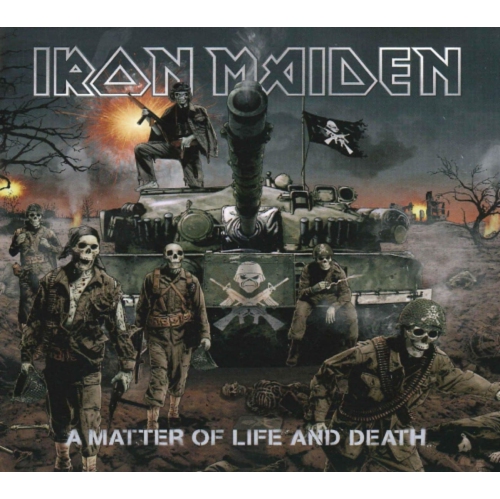

Heavy riffs deserve the full-album treatment
Rock and metal CDs bring guitar-driven music into a physical format that suits both full-album listening and a carefully organized music collection. Rock spans blues-rooted songs, arena-sized choruses, punk’s stripped-back energy, alternative sounds, and progressive arrangements, while metal branches into styles distinguished by their riffs, rhythms, vocals, and atmosphere. Traditional heavy metal often pairs melodic singing with prominent guitar leads; thrash favours fast, tightly articulated riffs; doom leans towards slower tempos and weighty textures; and death metal commonly features growled vocals and intricate, forceful playing. Those distinctions help explain why two albums filed under metal can offer very different listening experiences. A listener drawn to singalong hooks may enjoy hard rock or melodic metal, while someone who follows complex drum patterns and extended instrumental passages may gravitate towards progressive rock or metal. On CD, these recordings retain their intended track sequence, making the format particularly satisfying for concept albums, linked songs, and releases whose quieter interludes give the heavier passages their impact. Standard audio CDs contain two-channel digital audio at 16-bit resolution and a 44.1 kHz sampling rate, and they play without an internet connection on compatible equipment. The appeal is as much about the complete release as the disc itself: cover artwork, printed lyrics, musician credits, and production notes can add context to what comes through the speakers, although booklet contents vary by edition. Reading who played a particular solo or following the words through a dense vocal passage makes an album feel more familiar with each listen. For listeners whose tastes centre on group performances, Rock Band CDs offer a related way to explore guitar-led music. Whether the preference is a raw trio, layered twin-guitar harmonies, or a large-scale arrangement with keyboards and orchestral elements, the CD format gives each album a defined place on the shelf and a repeatable listening experience from the opening track to the final fade.
The type of release matters just as much as the musical style. Studio albums usually present a deliberately shaped set of performances, with production choices ranging from dry, immediate vocals and rough-edged guitars to densely layered arrangements. Live albums capture a different side of rock and metal: audience voices between songs, extended solos, altered tempos, and the push and pull of musicians playing together onstage. Compilations can bring together familiar tracks from different periods, while an EP generally offers a shorter programme than a full-length album. Multi-disc sets may gather several albums or combine a main release with additional material. Original editions, reissues, remasters, and remixes are not interchangeable descriptions. A reissue is a later release of an existing recording and does not necessarily mean the audio has changed. A remaster revisits the final audio source, potentially changing tonal balance and dynamics; a remix revisits the balance of individual recorded elements, which can make guitars, vocals, or drums feel more or less prominent. Neither designation alone guarantees a preferred sound. Someone who values the spacious contrast between a restrained verse and a loud chorus may respond differently from a listener who prefers a consistently forceful presentation. Track listings and edition details also establish whether a release includes demos, alternate takes, concert recordings, or other supplementary material. Explicit-content notices are relevant when choosing music for younger listeners or shared listening spaces, since artwork and musical style do not reliably indicate lyrical content. For a gift, knowing a recipient’s favourite subgenre, preferred vocal style, and existing collection is often more useful than choosing by cover art alone. A dedicated collector may appreciate detailed liner notes or a particular album version, while someone returning to CDs may prefer a straightforward studio album they can play from beginning to end. Birthdays, personal milestones, and thank-you gifts all suit music chosen around the recipient’s taste, especially when the choice reflects a band, sound, or concert memory that means something to them.
Everyday enjoyment also depends on playback compatibility, packaging, and handling. A standard audio CD is designed for a compatible CD player, but a computer needs a suitable optical drive and playback software; many laptops do not have a built-in disc drive. DVD and Blu-ray players may support audio CDs, though support should be confirmed for the particular device. A disc player also needs an appropriate listening setup, such as built-in speakers, headphones where supported, or a connection to an amplifier or powered speakers. For car listening, a built-in CD player is necessary unless another compatible setup is used, and discs should be changed only when safely parked. Rock and metal can reveal plenty of musical detail at moderate volume: the pick attack at the start of a riff, the separation between bass and rhythm guitar, or the cymbal decay behind a sustained chord. Higher volume is not required to appreciate those details, and comfortable listening levels help protect hearing. The disc itself is typically made from polycarbonate with a reflective metal layer and a protective coating. It tolerates normal handling, but scratches, contamination, and damage to either surface can interfere with playback. Holding a CD by its outer edge or centre hole keeps fingerprints away from the playing surface. When cleaning is needed, a soft, lint-free cloth moved gently from the centre towards the outer edge is preferable to rubbing in circles; abrasive cleaners and household solvents can damage the disc. Returning each disc to its case after use reduces contact with dust and loose objects. Rigid plastic jewel cases protect the disc and usually hold a booklet and rear insert, while card-based sleeves and fold-out packaging offer a different presentation that benefits from careful handling around corners and pockets. Packaging style alone does not determine audio quality. Storage away from direct sunlight, excessive heat, and moisture helps preserve both the discs and printed materials. Shelving albums vertically with enough room to remove them without forcing the cases keeps spines readable and booklets intact. With compatible playback equipment and simple care, rock and metal CDs remain a practical format for repeat listening, collecting, and sharing favourite albums.
Top selling and popular products
-
 Your price for this item is $15.32
-
 Your price for this item is $5.99
-
 Your price for this item is $16.29
-
 Your price for this item is $15.32
-
 Your price for this item is $24.68
-
 Your price for this item is $15.32
-
 Your price for this item is $15.32
-
 Your price for this item is $15.91
Discover more categories related to Rock and Metal CDs




Top Collections:
Pokemon Centers, Best Cameras for Sports Photography, Kindle Devices, Samsung Galaxy Phones, Canon G7X Cameras, Pokémon 30th Celebration Cards, Refurbished Apple Laptops, iPhone 15 Apple, Laptops for Students, Budget Smartphones
Some products may be subject to Environmental Handling Fees
(EHF) depending on your province.
Learn more about EHFs.