Rolling Stones Classic Albums
Rolling Stones Classic Albums bring legendary sound and timeless style to any music collection. Explore a curated selection of iconic releases from one of rock’s most influential bands, perfect for fans and collectors alike. Whether you’re revisiting favorite tracks or discovering essential albums for the first time, Rolling Stones Classic Albums offer an unforgettable listening experience that captures the energy and spirit of classic rock. Find the perfect addition to your vinyl shelf or digital library and celebrate the enduring legacy of these groundbreaking records.
Sort


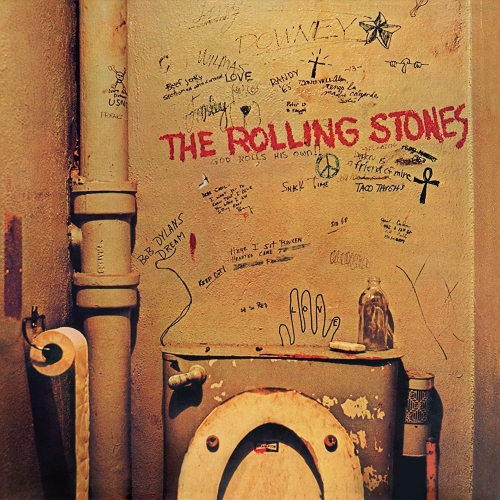


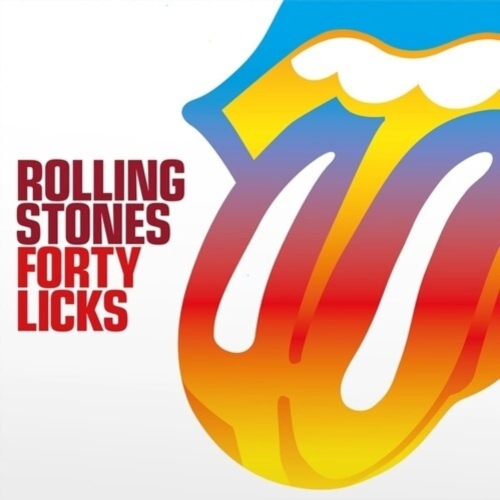





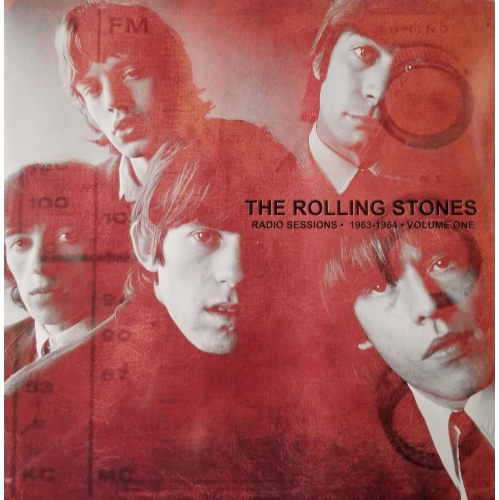





Why the Stones reward a full-album listen
Rolling Stones classic albums bring together the blues-rooted playing, restless energy, and distinctive songwriting that helped shape rock music across generations. The band’s late-1960s and early-1970s studio work is especially closely associated with its classic period, drawing on rhythm and blues, country, gospel, and soul without losing the loose, guitar-driven sound at its centre. These influences give the music a range that goes well beyond big riffs: acoustic passages sit beside gritty electric arrangements, piano adds movement beneath the guitars, and backing vocals can turn a spare melody into something expansive. Heard as complete albums, the songs reveal contrasts that a playlist of familiar tracks may miss. A quieter performance can change the mood before a forceful opener on the next side, while a less familiar track can become the reason to return to an album. For listeners building a physical music collection, that sense of sequence is part of the appeal. Vinyl records and CDs preserve the running order and offer artwork, credits, and packaging that can make the listening experience more tangible, although the included printed material varies by edition. Studio albums capture a particular stage in the band’s development; live albums present songs through the pace and interplay of a performance; compilations gather selections from different releases. Each serves a different purpose, whether the aim is to spend an evening with one body of work or revisit familiar songs across several eras. The music suits longtime fans revisiting a formative sound, younger listeners tracing the roots of guitar rock, and anyone drawn to performances where rhythm and feel matter as much as polish. A full-album listen can make small details stand out: the space between a bass line and a drumbeat, an acoustic guitar tucked behind an electric one, or a vocal that sounds almost conversational before the chorus opens up. Those details help explain why this music continues to reward attentive listening rather than simply serving as a familiar soundtrack.
The physical format shapes how these classic rock albums fit into everyday listening. A vinyl LP offers large-format artwork and the deliberate rhythm of playing one side at a time, making it a natural choice for someone who enjoys settling into a chair near the speakers and giving an album uninterrupted attention. Most full-length LPs play at 33⅓ rpm, though the speed printed on the label or packaging should match the turntable setting. Playback requires a compatible turntable and an audio setup with phono amplification, whether that is built into the turntable, provided by a separate phono preamp, or included in an amplifier or receiver. CDs offer a smaller physical footprint and straightforward track selection, with no need to turn the disc over midway through an album. They suit dedicated CD players and compatible disc drives, but not every player or computer supports every disc format. Packaging dimensions also matter when a collection shares space with books or other media: LP sleeves need taller shelving, while CD cases fit comfortably into more compact storage. Beyond format, different editions can vary in mastering, track listing, artwork, and additional material. A remaster revisits an existing recording during the mastering stage, potentially changing aspects such as tonal balance and overall level; it is not necessarily a new performance or a remix. A remix, by contrast, changes how the recorded parts are combined. Listeners interested in these edition differences can explore Remastered Rolling Stones Albums. Neither a newer release nor a heavier vinyl pressing automatically guarantees a preferred sound. Source material, mastering choices, pressing quality, playback equipment, and personal taste all contribute to the result. Mono and stereo versions can also offer distinct presentations, with mono bringing the music into a single channel and stereo spreading elements across left and right channels. For someone who knows the songs well, those differences may be noticeable in the placement of instruments or the balance of vocals. For a newer listener, a compatible format and the desired album programme are often more useful starting points than technical specifications alone.
Thoughtful handling helps physical albums remain enjoyable through years of repeat listening. Vinyl records are made from a plastic compound, commonly PVC, with grooves that require a clean surface and a well-maintained stylus. Holding a record by its edges and labelled centre helps keep fingerprints away from the playing area. A suitable record brush can lift loose surface dust, while more thorough cleaning calls for products and methods intended for vinyl rather than household cleaners. Records should return to clean inner sleeves after use and stand upright without leaning heavily or being packed so tightly that removing one strains the cover. Direct sunlight, radiators, and other heat sources can warp vinyl, so a shelf away from a sunny window is a better home than a stack beside a heater. Outer sleeves can help protect cardboard jackets from shelf wear and frequent handling, particularly when the artwork is part of the attraction. CDs have a polycarbonate body and a reflective layer; despite their convenient size, they still benefit from careful treatment. Holding them by the edges, returning them to their cases, and wiping with a suitable soft cloth from the centre outward can help limit marks and scratches. These small habits matter in a collection that is played regularly rather than kept only for display. Classic albums also make personal gifts when the format matches the recipient’s equipment and listening habits. A vinyl enthusiast may value the full-size sleeve and the ritual of lowering the needle, while a CD listener may appreciate an album that slips easily into an established shelf of favourites. For someone who already owns much of the band’s catalogue, the edition, track listing, and included material help distinguish a meaningful addition from an accidental duplicate. During the cooler months, these albums lend themselves to unhurried evenings indoors, whether the music fills the room while dinner is prepared or becomes the focus after everything else has quietened down. The lasting appeal lies in both the performances and the experience of returning to them: choosing an album, taking it from its sleeve or case, and hearing its familiar turns alongside details that still feel newly discovered.
Top selling and popular products
-
 Your price for this item is $15.32
-
 Your price for this item is $5.99
-
 Your price for this item is $16.29
-
 Your price for this item is $15.32
-
 Your price for this item is $24.68
-
 Your price for this item is $15.32
-
 Your price for this item is $15.32
-
 Your price for this item is $15.91
Discover more categories related to Rolling Stones Classic Albums


Top Collections:
Pokemon Centers, Best Cameras for Sports Photography, Kindle Devices, Samsung Galaxy Phones, Canon G7X Cameras, Pokémon 30th Celebration Cards, Refurbished Apple Laptops, iPhone 15 Apple, Laptops for Students, Budget Smartphones
Some products may be subject to Environmental Handling Fees
(EHF) depending on your province.
Learn more about EHFs.