World Music CDs
World Music CDs offer a vibrant journey through diverse cultures and sounds, bringing unique rhythms and melodies from around the globe straight to your collection. Whether you’re looking to expand your musical horizons or find the perfect soundtrack for any occasion, World Music CDs provide an array of genres and artists to explore. Discover captivating beats, traditional tunes, and contemporary fusions that will inspire and entertain both new listeners and seasoned enthusiasts alike.
Sort










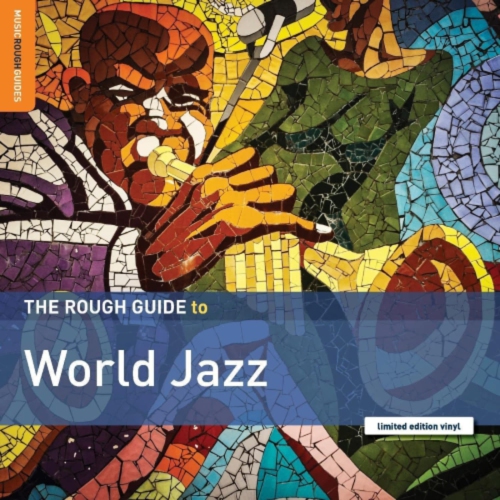
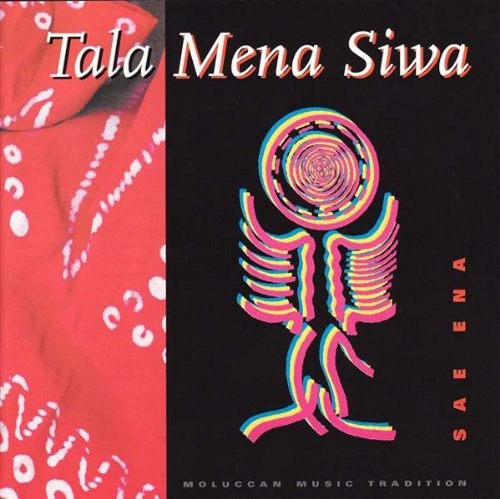
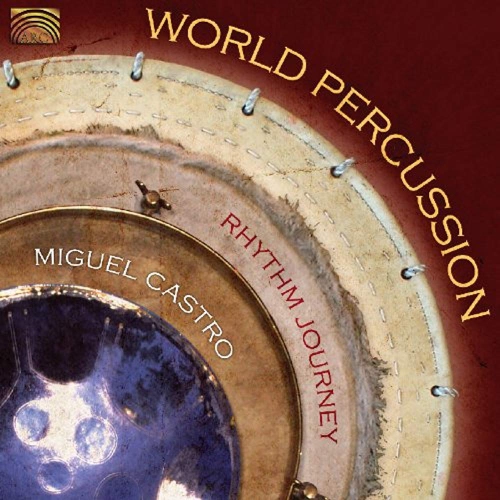
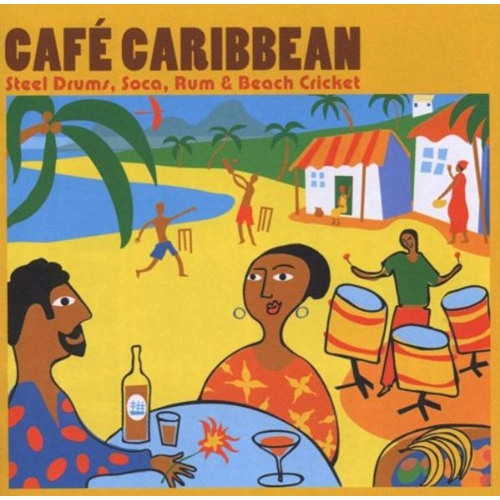


The instruments and stories behind music across cultures
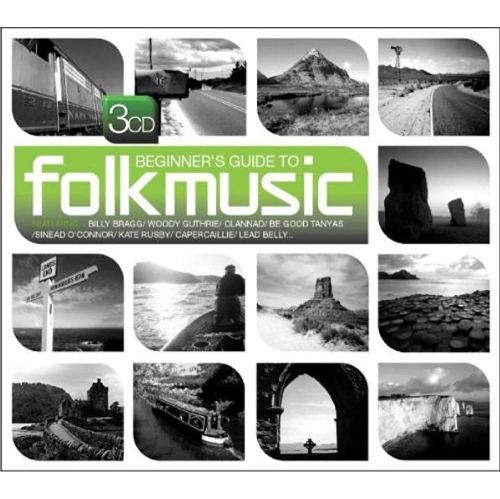
World music CDs bring traditional and contemporary music from many cultures to a physical format that can be played, collected, and revisited without an internet connection. The term “world music” is a broad browsing category rather than a single musical style: it can include regional folk traditions, popular music sung in different languages, instrumental performances, and collaborations that cross musical boundaries. Within that range, the listening experience might move from the interlocking patterns of a West African kora ensemble to the ornamented phrasing of an Arabic oud, the ringing strings of an Andean charango, or the rhythmic dialogue between voice and percussion in a Brazilian samba performance. Each tradition has its own history and range of expression, so an album’s artist credits, place of origin, and musical description often reveal more than the category name alone. Some releases centre on music passed between generations, while others feature artists working with electric guitars, synthesizers, studio effects, and contemporary songwriting. Neither approach tells the whole story of a country or culture. A single-artist album offers space to become familiar with a performer’s voice, repertoire, and arrangements; a various-artists compilation can introduce contrasting approaches through a shared region, instrument, or theme. Collections focused on a particular musical community may provide a more detailed introduction than a compilation spanning several continents. For listeners drawn to storytelling, acoustic instruments, and songs rooted in local traditions, Folk Music CDs offer a related area to explore, although the two categories overlap rather than mean the same thing. World music also includes dance-oriented arrangements, classical traditions, and modern popular styles that sit outside folk. This breadth makes these CDs appealing to curious listeners, musicians studying different approaches to melody and rhythm, and people seeking music connected to family heritage or a language they enjoy hearing. A familiar instrument played with unfamiliar phrasing can be as compelling as a sound heard for the first time.
The character of a world music CD depends on its repertoire, performers, arrangements, and recording approach, not simply its geographic label. A small acoustic ensemble may leave room to hear the breath behind a flute phrase or the brief resonance after a plucked string, while a large percussion group can fill a room with overlapping accents. Studio albums often present carefully balanced vocals and instruments; live albums may retain applause, spoken introductions, and the give-and-take between performers and an audience. Historical performances can carry audible hiss or other limitations from their original source, and remastering does not necessarily remove those qualities. Listeners interested in a clear, close vocal presentation may prefer a different production style from those who value the atmosphere of a concert or an archival session. Track length and album structure matter, too. A collection of short songs suits listening in smaller stretches, whereas an extended instrumental performance may develop gradually and reward an uninterrupted session. Instrumental does not always mean quiet or unobtrusive, just as an acoustic arrangement does not necessarily mean a slow tempo. For shared meals or relaxed conversation, the balance of voices, percussion, and dynamic changes is often more useful than a broad regional description. For focused listening, headphones or a well-positioned pair of speakers can make layered rhythms and subtle instrumental exchanges easier to follow. Booklets and packaging can add another dimension when they include lyrics, translations, instrument descriptions, performer biographies, or notes about the music’s origins. These details vary by release, but they can help connect a song’s sound with its meaning and credit the people involved in creating it. Language learners may enjoy following printed lyrics alongside a performance, while remembering that poetic language, regional pronunciation, and sung phrasing can differ from everyday speech. For a gift recipient, a connection to a favourite instrument, dance style, language, or performer’s musical tradition gives the choice a personal focus without assuming that all music from one place sounds alike.
As physical music products, world music CDs combine a digital audio format with packaging that becomes part of a home collection. A standard audio CD plays in a compatible CD player, including many component systems, portable players, and vehicles equipped with a disc drive. Computer playback requires a compatible optical drive and suitable software; a USB port alone does not provide a way to play a disc. Standard audio CDs do not use DVD-style region coding, so a release’s country of origin is generally less important for playback than its stated disc format. Editions containing additional disc types may have different equipment requirements. Packaging can range from plastic jewel cases with removable booklets to folding card sleeves and multi-disc sets. Jewel cases help keep the playing surface away from surrounding objects, although their hinges can crack; card sleeves take up less shelf space but may show wear at the edges with frequent handling. Multi-disc collections benefit from clearly labelled compartments that make it easy to return each disc to its proper place. The discs themselves are usually made from polycarbonate with a reflective metal layer and protective coating. Holding a CD by its outer edge or centre hole helps limit fingerprints, and returning it to its case after listening reduces exposure to dust and scratches. When cleaning is needed, a soft, lint-free cloth moved gently from the centre towards the edge is preferable to rubbing in circles. Deep scratches, damage to the label side, and prolonged exposure to direct sunlight or high heat can affect a disc’s lifespan, so careful storage matters even when playback remains trouble-free. For frequent listeners, accessible shelving with readable spines makes it easier to browse by artist, region, or musical style. For collectors and gift recipients alike, the appeal extends beyond owning the audio: opening the booklet, reading the credits, and hearing an album in its intended sequence gives each listening session a tangible sense of connection to the musicians and their work.
Top selling and popular products
-
 Your price for this item is $18.44
-
 Your price for this item is $19.98
-
 Your price for this item is $15.32
-
 Your price for this item is $21.84
-
 Your price for this item is $15.38
-
 Your price for this item is $15.8
-
 Your price for this item is $12.96
-
 Your price for this item is $42.99
Discover more categories related to World Music CDs



Top Collections:
Pokemon Centers, Best Cameras for Sports Photography, Kindle Devices, Samsung Galaxy Phones, Canon G7X Cameras, Pokémon 30th Celebration Cards, Refurbished Apple Laptops, iPhone 15 Apple, Laptops for Students, Budget Smartphones
Some products may be subject to Environmental Handling Fees
(EHF) depending on your province.
Learn more about EHFs.