15 Inch Powered PA Speakers
15 Inch Powered PA Speakers deliver impressive sound performance for a wide range of events and venues. Whether you're setting up for a live performance, DJing a party, or hosting a corporate function, these speakers provide the power and clarity needed to keep your audience engaged. Explore versatile options designed to meet the demands of both indoor and outdoor settings. Find the right 15 Inch Powered PA Speakers to elevate your audio experience with reliable performance and easy setup.
Sort
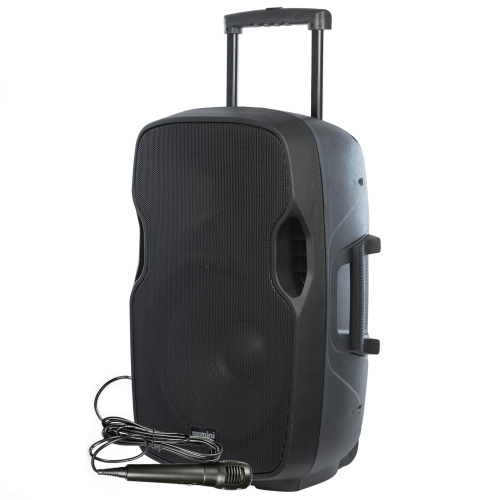
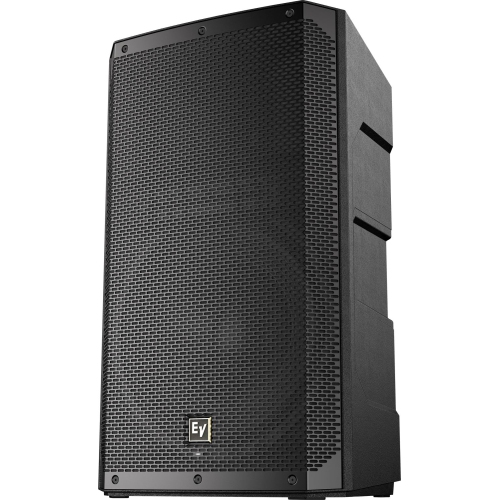
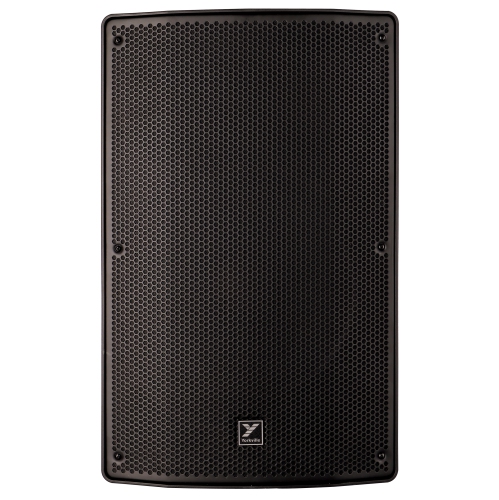
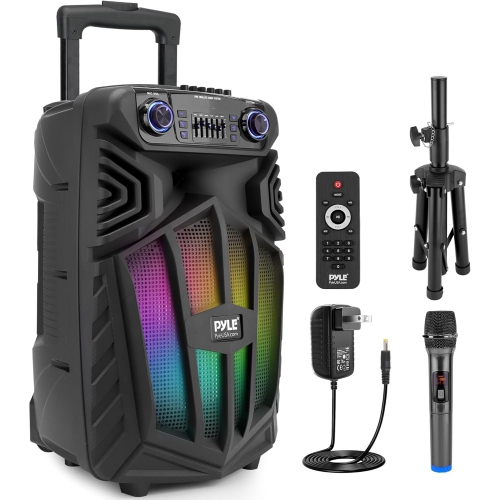

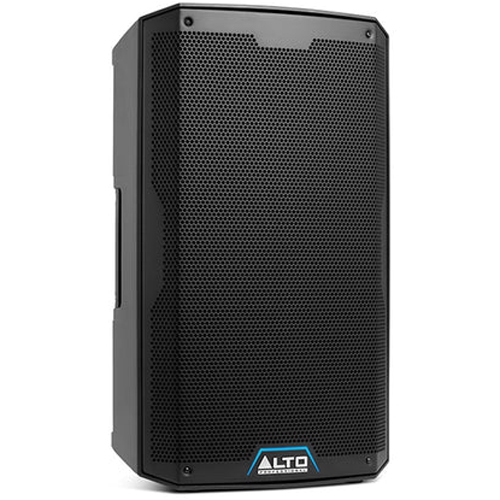
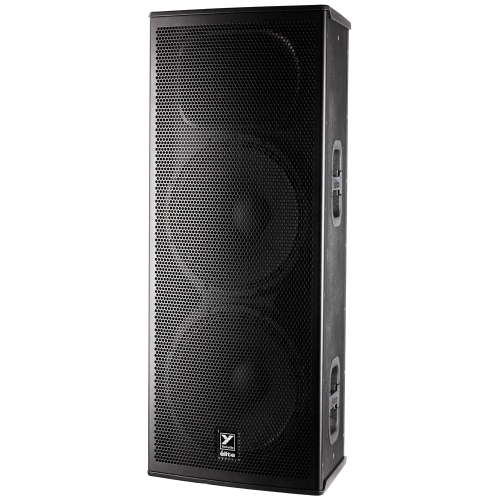
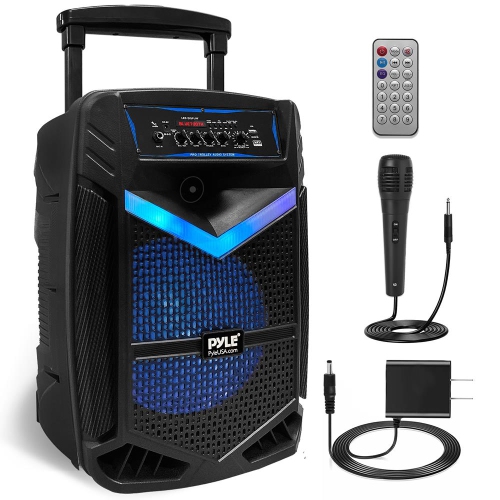
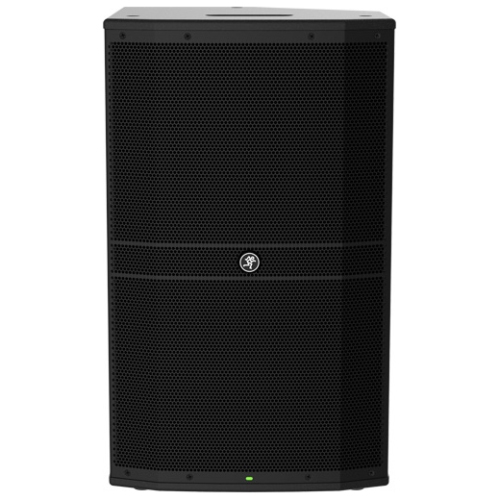
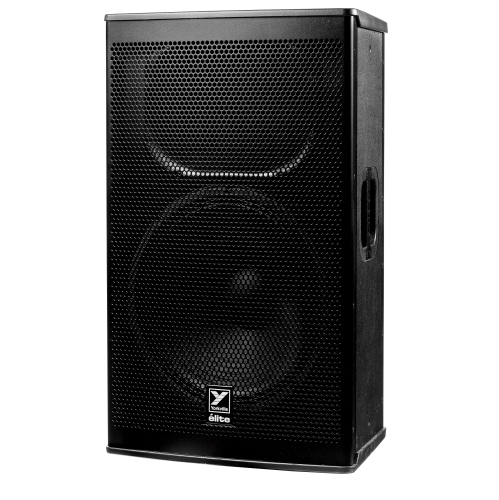
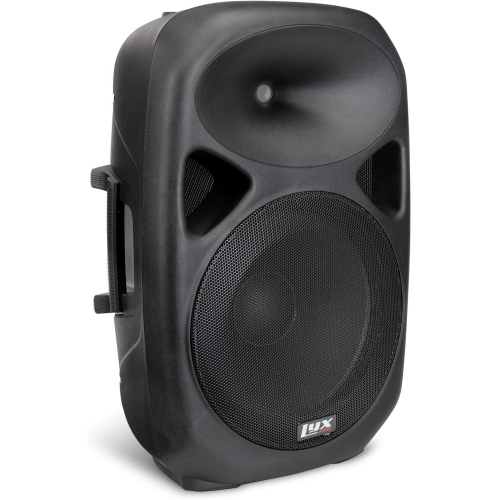
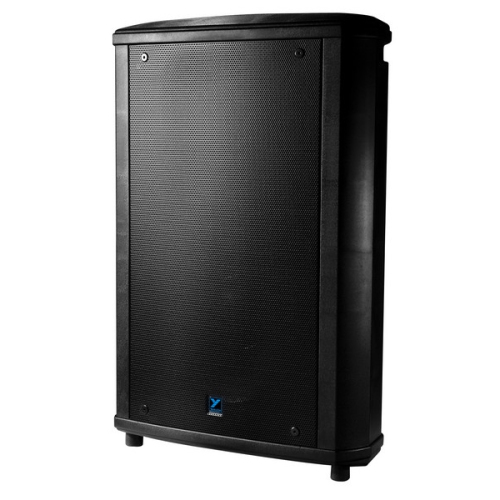
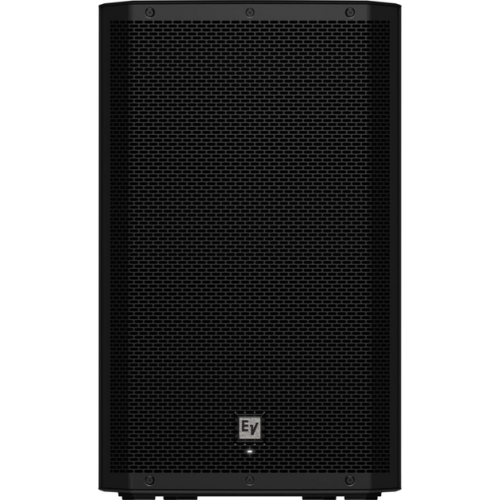
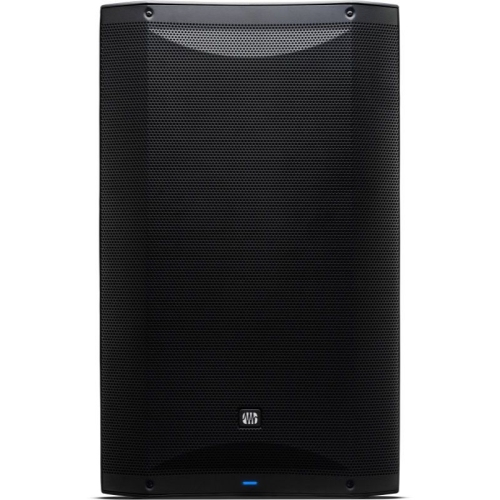
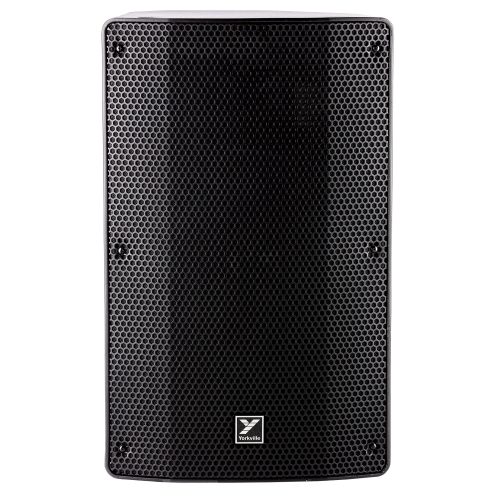
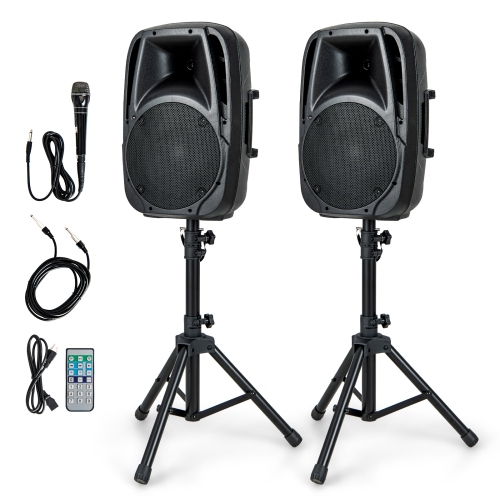
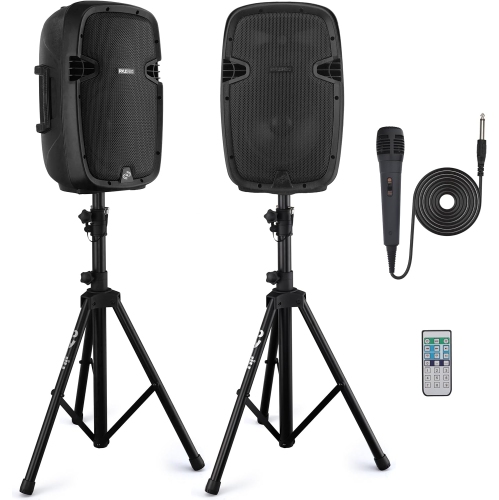

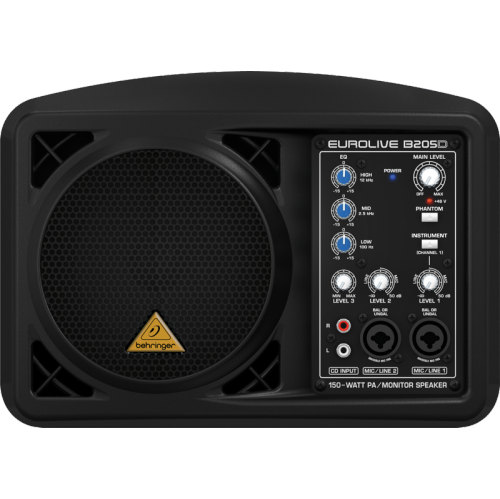
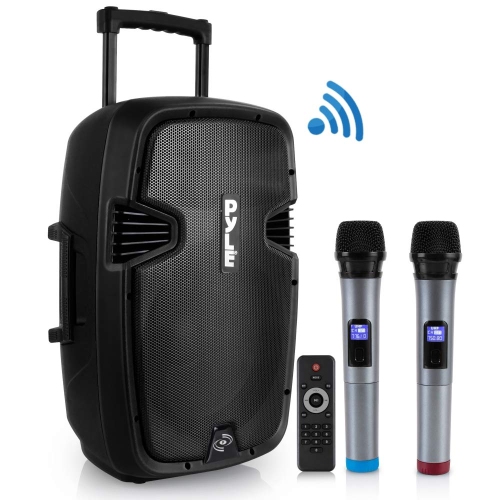
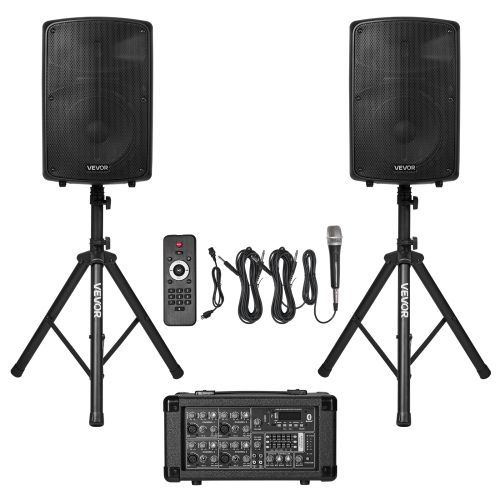
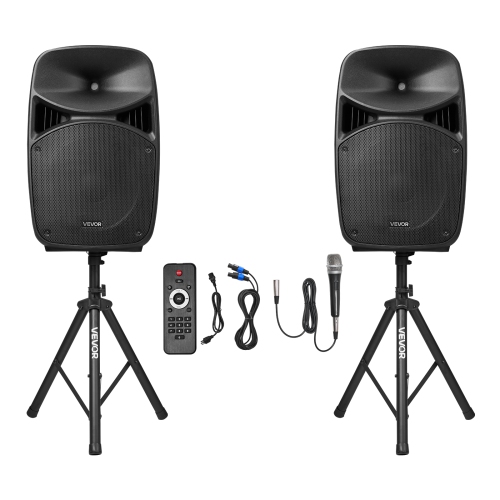
Clear event sound takes more than a large woofer
15-inch powered PA speakers are active loudspeakers that typically combine a 15-inch low-frequency driver, a high-frequency driver and built-in amplification in a single cabinet. The measurement refers to the nominal size of the bass driver, not the height or width of the enclosure. Because the amplifier is built in, these speakers do not require a separate power amplifier, although most need access to an electrical outlet and an appropriate audio source. Their combination of vocal projection, bass response and flexible connections makes them useful for mobile DJs, live performers, rehearsal spaces, community halls and event venues. At a wedding reception, a pair might carry announcements clearly before handling a dance playlist; in a rehearsal room, they might reproduce vocals and keyboards alongside acoustic drums. A larger woofer can provide useful low-frequency weight, but driver diameter alone does not establish bass depth, sound quality or achievable volume. Cabinet design, amplifier performance, signal processing and the speaker’s published frequency response all contribute to the result. Music with deep electronic bass or amplified kick drum may still benefit from a separate subwoofer, especially when the system needs to deliver strong low frequencies across a larger audience area. For speech-focused events, intelligibility and even coverage often matter more than extended bass. Maximum sound pressure level, usually expressed in decibels, can offer a more useful indication of output capability than amplifier wattage alone, provided the measurement conditions are comparable. Peak and continuous power ratings describe different operating conditions and should not be treated as interchangeable figures. Related options in High Power PA Speakers may also suit demanding event spaces, where coverage, clean output and compatibility with the rest of the sound system are important. Useful headroom allows musical peaks and louder passages to come through without relying on a speaker operating at its limits.
Connections and onboard controls determine how easily a powered PA speaker fits into an existing setup. A solo performer with a microphone and keyboard has different requirements from a DJ connecting a controller or a venue receiving audio from a mixing console. Common connections include balanced XLR and quarter-inch inputs, with some speakers using combination sockets that accept either connector. An input’s supported signal level matters as much as its shape: a microphone produces a much weaker signal than the line-level output from a mixer, so appropriate gain settings help maintain clarity without unnecessary noise or distortion. Some designs provide a small onboard mixer with independent channel controls, making simple announcements or compact performances possible without an external console. Larger groups usually need more channels and more detailed control than a speaker’s rear panel can provide. Wireless audio can be convenient for background playlists, but wired connections generally offer more predictable timing for live instruments and performance monitoring. A USB port may serve playback, charging or service functions rather than accepting every type of audio source. Similarly, a line output can pass audio to another powered speaker, but it does not normally supply amplified power to a passive cabinet. Placement also shapes what listeners hear. A compatible stand or mounting arrangement can position the high-frequency driver above seated or standing listeners, reducing the chance that the front rows absorb much of the sound before it reaches the back. Published horizontal and vertical coverage angles help describe how broadly the speaker distributes sound. A narrow room and a wide banquet hall can therefore call for different arrangements even when their audience sizes are similar. Keeping the main speakers ahead of open microphones can reduce feedback risk, while a suitably designed cabinet may also work on its side as a floor monitor. In larger spaces, adding speakers requires attention to aiming, overlap and timing rather than simply spreading cabinets around the room. Clear vocals at the back of a hall depend on controlled coverage as well as sufficient output.
Cabinet construction and practical handling deserve attention because a 15-inch powered PA speaker can be a substantial piece of equipment to transport and position. Moulded plastic enclosures are common in portable systems, while some cabinets use plywood or other wood-based construction with a textured finish. Neither material alone guarantees better sound or greater durability; internal bracing, assembly quality, grille design and the way components are secured also matter. A sturdy metal grille helps protect the drivers during routine handling, while recessed controls and well-positioned handles can make loading and unloading less awkward. Overall weight, cabinet depth and handle placement affect whether one person can move a speaker comfortably, particularly when stairs or tight vehicle spaces are involved. Stand sockets must match the intended support, and both the speaker’s weight and the stand’s rated capacity matter. Elevated or suspended installations require suitable hardware and qualified installation rather than improvised attachment points. Protective covers or padded bags help limit scuffs and keep dust away during transport and storage. For routine care, a soft, dry cloth is generally appropriate for exterior surfaces, with cleaning carried out according to the supplied care directions. Connectors, power leads and handles benefit from regular inspection, especially on equipment that travels frequently. Keeping ventilation openings unobstructed and routing cables away from foot traffic supports reliable operation and a tidier event space. Built-in processing may include equalization presets, feedback-related tools, limiters or selectable settings for use with a subwoofer, but these features vary and do not replace sensible system matching. The most suitable arrangement depends on how the speakers will be used: spoken presentations favour clear voices and straightforward controls, bands need connections and monitoring that fit their stage setup, and DJs often need bass support and convenient integration with a mixer or controller. For a musician or event host receiving speakers as a gift, transport space, existing connections and the ability to manage the equipment are just as relevant as output specifications. A well-matched system brings those details together, making sound easier to manage from the first microphone check to the final announcement.
Top selling and popular products
-
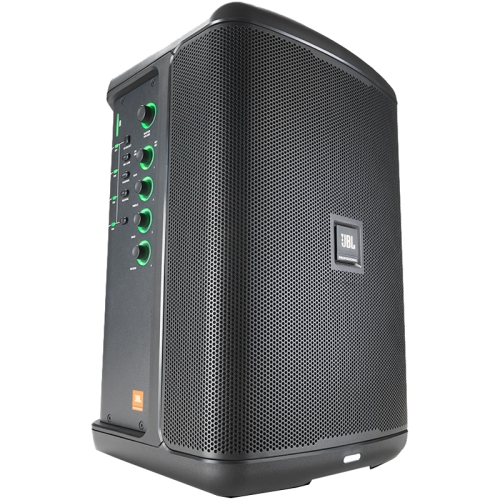 Your price for this item is $999.99
-
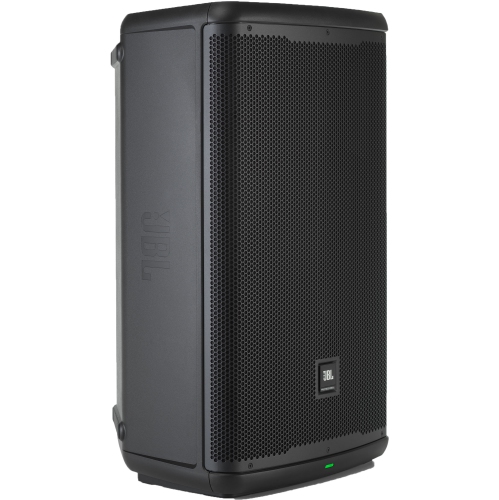 Your price for this item is $1049.99
-
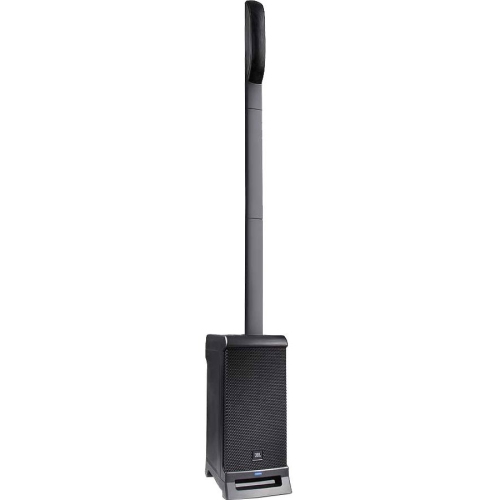 Your price for this item is $2099.99
-
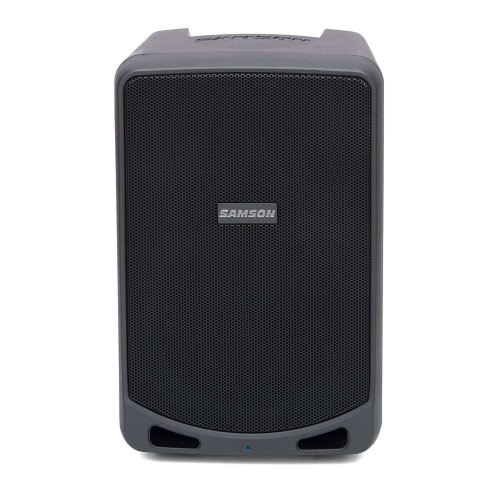 Your price for this item is $519.99
-
 Your price for this item is $899.99
-
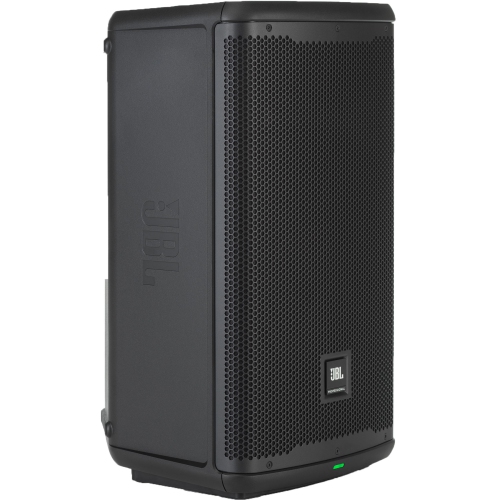 Your price for this item is $799.99
-
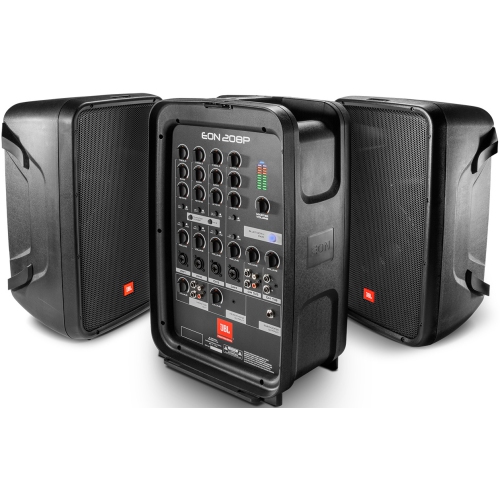 Your price for this item is $1649.99
-
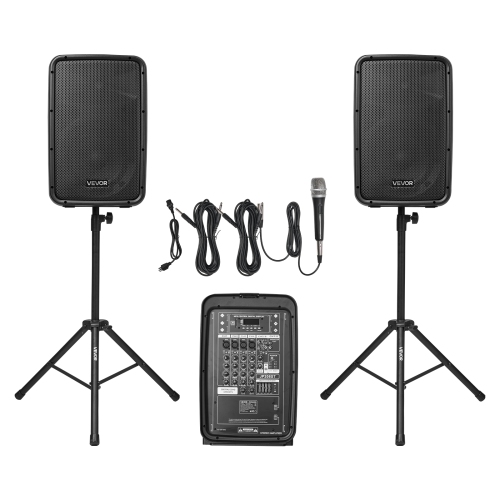 Your price for this item is $359.9
Discover more categories related to 15 Inch Powered PA Speakers
Top Collections:
Best Black Friday Deals This Year, Best Black Friday Deals On Electronics, Kindle Devices, Pokemon Centers, Best Black Friday Deals On Apple Products, Best Cameras for Sports Photography, Dyson Airwrap, Pokémon 30th Celebration Cards, Apple iPhone 17 Pro, Canon G7X Cameras
Some products may be subject to Environmental Handling Fees
(EHF) depending on your province.
Learn more about EHFs.