Acoustic Guitar Parts
Looking to enhance or repair your acoustic guitar? Explore a wide selection of high-quality acoustic guitar parts designed to help you customize, maintain, or upgrade your instrument. From tuning pegs and bridges to nuts and saddles, find everything you need to keep your acoustic guitar sounding its best. Whether you're a seasoned musician looking to fine-tune your instrument or a beginner embarking on your musical journey, these acoustic guitar parts are essential for achieving the perfect sound and playability.
Sort


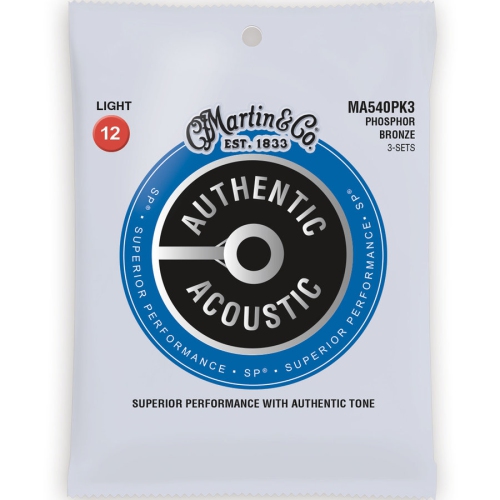
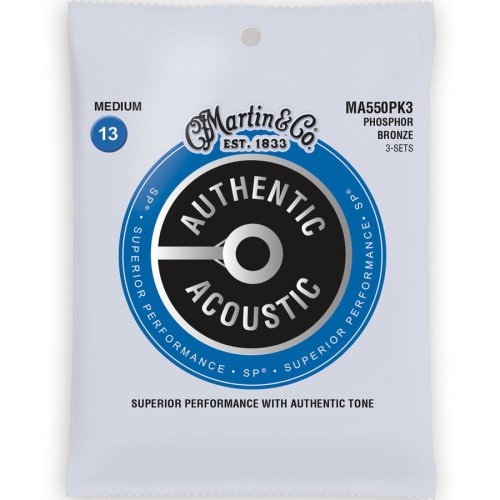
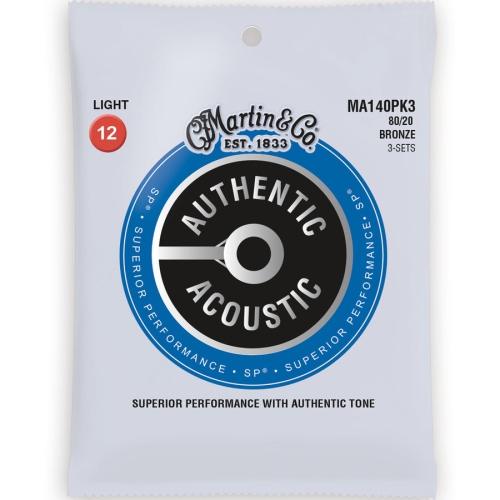


The parts that shape tone, comfort, and playability
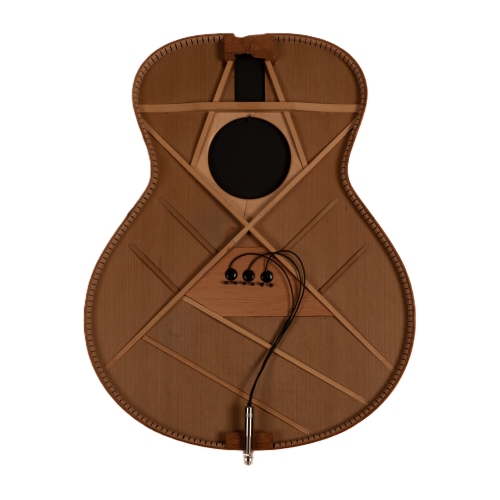
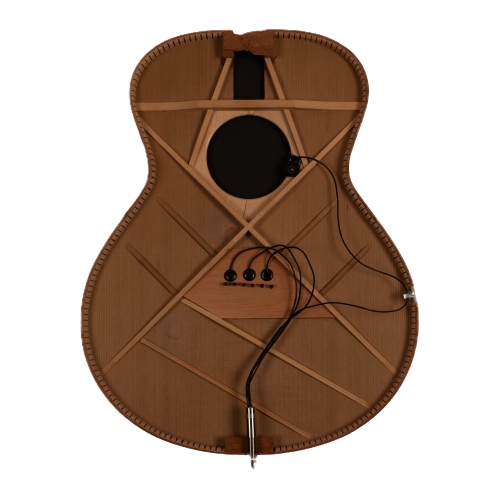
Acoustic guitar parts bring together the practical details that shape an instrument’s sound, comfort, appearance, and long-term playability. An acoustic guitar is built around a body, neck, and headstock, with each area made up of components that work together whenever a string is plucked. The body includes the soundboard, back, and sides, while the soundhole allows the air inside the body to move and project the vibration created by the strings. Internal bracing supports the top and helps it withstand string tension without preventing it from resonating. Around the soundhole, a rosette adds a decorative detail, and binding can protect and finish the edges where the body sections meet. The neck holds the fretboard, frets, and position markers, while the headstock houses the tuning machines that adjust each string’s pitch. At the body end of the neck, the heel provides structural support, and an adjustable truss rod inside the neck helps control its curvature. These parts may be useful for a player maintaining a well-loved instrument, a musician repairing an older guitar, a builder assembling a custom project, or a learner becoming familiar with how an acoustic guitar works. They can also make thoughtful gifts for someone who enjoys guitar maintenance, hands-on music projects, or gradually improving the feel of an instrument they already own. For broader playing and care needs, explore Acoustic Guitar Accessories.
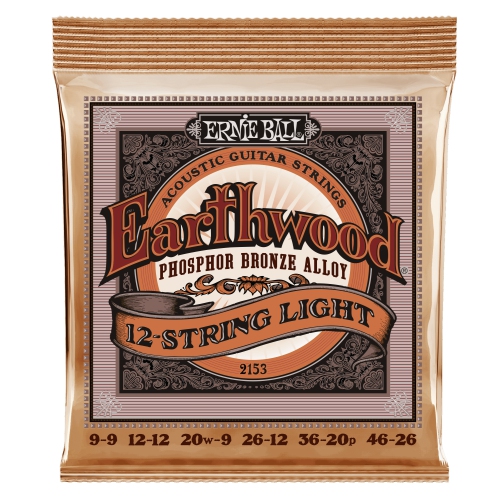
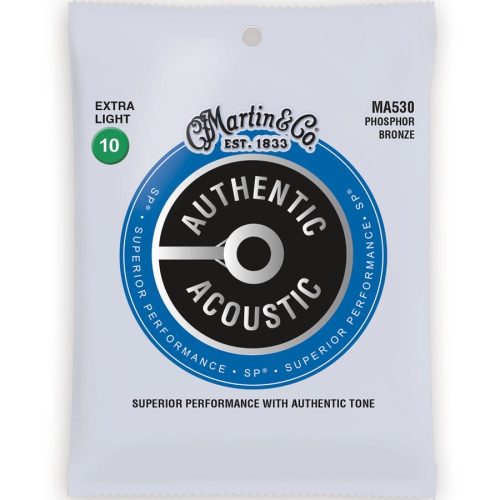
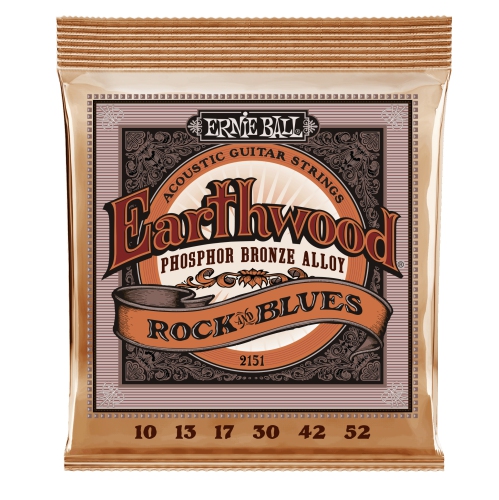
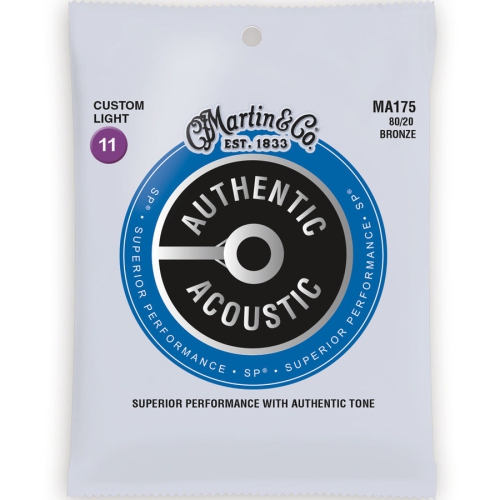
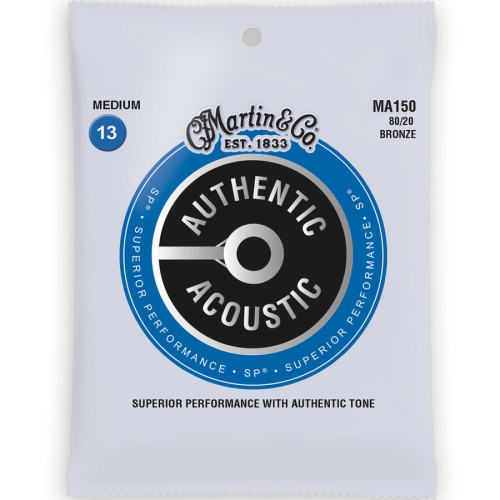
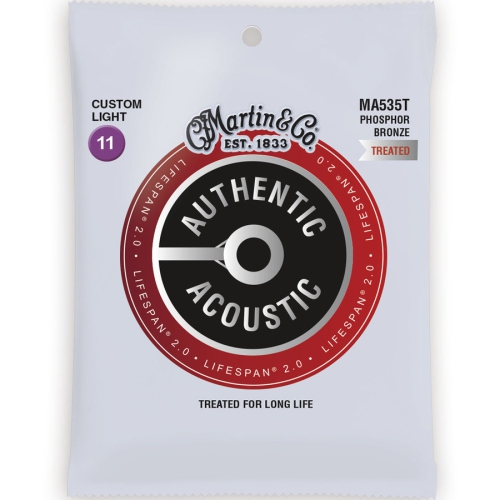
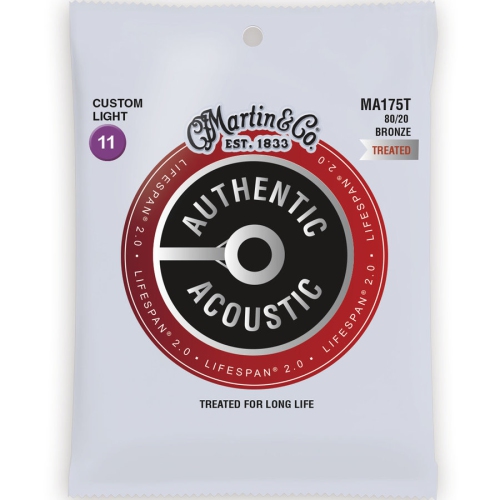
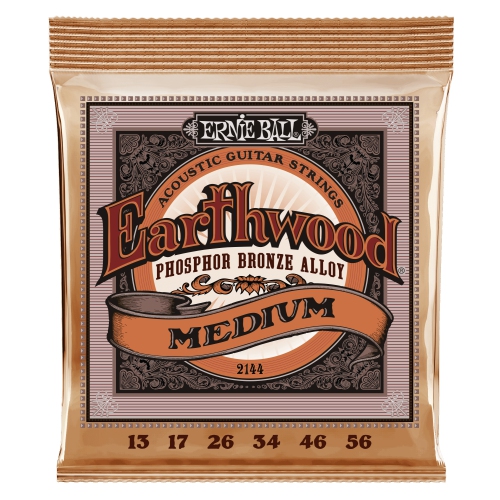
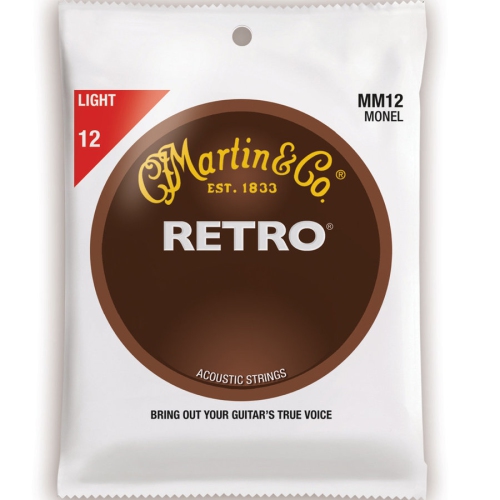
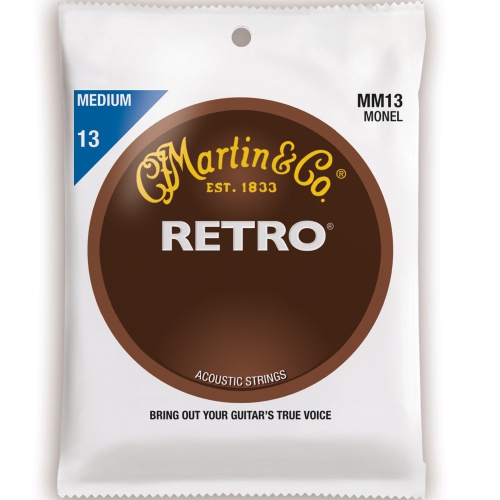
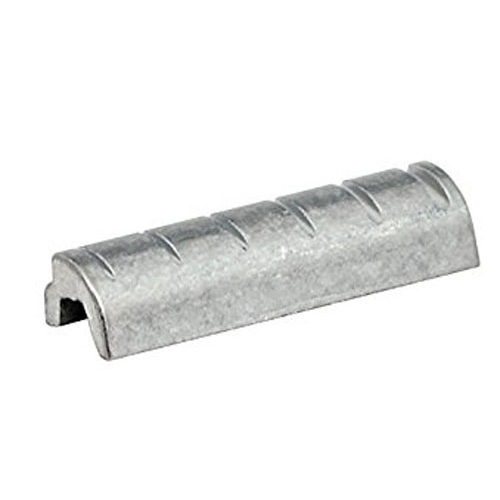
The bridge, saddle, bridge pins, nut, and tuning machines have a particularly direct effect on string position, tuning stability, intonation, and the way vibration travels through the guitar. The bridge is attached to the top of the body and transfers string energy into the soundboard. A saddle sits in the bridge and establishes the strings’ height and spacing at that point, while bridge pins hold ball-end strings securely in place. At the opposite end, the nut guides the strings from the fretboard towards the tuning machines and helps establish the correct spacing near the first fret. When a saddle or nut is worn, incorrectly sized, or poorly fitted, a player may notice buzzing, uncomfortable action, tuning that drifts, or notes that sound sharp or flat as they move up the fretboard. Tuning machines also deserve careful consideration: their gear ratio, mounting style, post layout, and hole spacing need to match the guitar before a replacement is selected. Acoustic guitar strings are another essential part of the instrument, with steel-string and nylon-string guitars requiring different string types and construction. A player who has ever replaced a set of strings knows the small transformation that can follow: the guitar feels brighter under the fingers, open chords ring more clearly, and the familiar wood-and-string voice seems to wake up again. When choosing replacement components, compare the instrument’s make and model, body style, scale length, number of strings, bridge design, and existing measurements. Parts that look similar can differ in dimensions, materials, mounting methods, or compatibility, so measuring carefully and checking the manufacturer’s specifications can help avoid an ill-fitting replacement.
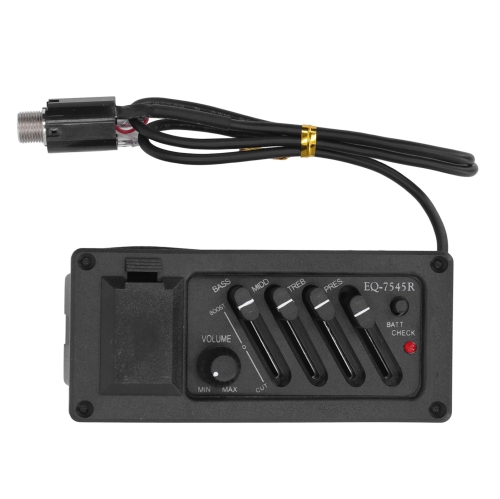
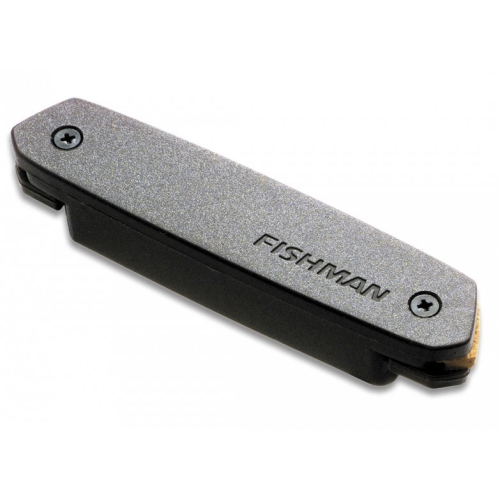
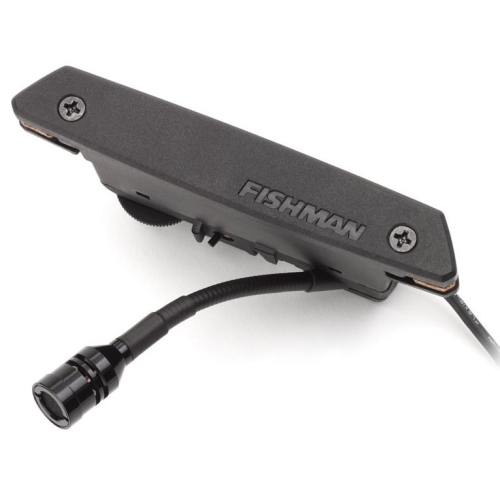
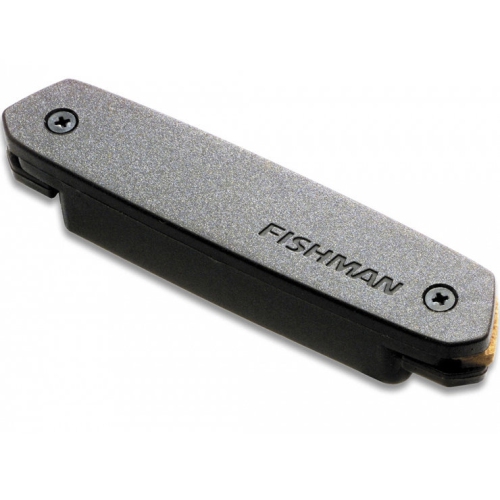
Other acoustic guitar parts protect the instrument and support different ways of playing. A pickguard helps shield the soundboard from scratches caused by strumming, which can be especially useful for players who use a firm attack or practise regularly. An end pin or strap button provides an attachment point for a guitar strap, although the location and installation method should be considered closely before making any changes to the body. A fretboard carries the frets that divide the neck into semitone intervals, and position markers help a player navigate the fingerboard without having to count each fret. Frets themselves can eventually wear down from years of playing, creating uneven notes or uncomfortable contact beneath the fingers. Replacing or levelling frets is a specialised task, while simple external replacements such as strings, bridge pins, pickguards, or tuning hardware may be more approachable for an experienced owner with the right tools. Some acoustic guitars also include a cutaway, which provides easier access to the higher frets, or built-in electronics such as a pickup and preamp for connecting to amplification. These features affect which replacement parts will fit and how the guitar can be used on stage, at a rehearsal, or during a casual living-room performance. During the cooler months, when indoor practice and home recording become especially inviting, a few well-chosen parts can help keep an instrument ready for regular playing. Whether the goal is a careful repair, a comfortable setup, a personal build, or a practical gift for a guitarist, matching each component to the guitar’s construction is the best way to preserve its balance of tone, stability, and playability.
The bridge, saddle, bridge pins, nut, and tuning machines have a particularly direct effect on string position, tuning stability, intonation, and the way vibration travels through the guitar. The bridge is attached to the top of the body and transfers string energy into the soundboard. A saddle sits in the bridge and establishes the strings’ height and spacing at that point, while bridge pins hold ball-end strings securely in place. At the opposite end, the nut guides the strings from the fretboard towards the tuning machines and helps establish the correct spacing near the first fret. When a saddle or nut is worn, incorrectly sized, or poorly fitted, a player may notice buzzing, uncomfortable action, tuning that drifts, or notes that sound sharp or flat as they move up the fretboard. Tuning machines also deserve careful consideration: their gear ratio, mounting style, post layout, and hole spacing need to match the guitar before a replacement is selected. Acoustic guitar strings are another essential part of the instrument, with steel-string and nylon-string guitars requiring different string types and construction. A player who has ever replaced a set of strings knows the small transformation that can follow: the guitar feels brighter under the fingers, open chords ring more clearly, and the familiar wood-and-string voice seems to wake up again. When choosing replacement components, compare the instrument’s make and model, body style, scale length, number of strings, bridge design, and existing measurements. Parts that look similar can differ in dimensions, materials, mounting methods, or compatibility, so measuring carefully and checking the manufacturer’s specifications can help avoid an ill-fitting replacement.
Other acoustic guitar parts protect the instrument and support different ways of playing. A pickguard helps shield the soundboard from scratches caused by strumming, which can be especially useful for players who use a firm attack or practise regularly. An end pin or strap button provides an attachment point for a guitar strap, although the location and installation method should be considered closely before making any changes to the body. A fretboard carries the frets that divide the neck into semitone intervals, and position markers help a player navigate the fingerboard without having to count each fret. Frets themselves can eventually wear down from years of playing, creating uneven notes or uncomfortable contact beneath the fingers. Replacing or levelling frets is a specialised task, while simple external replacements such as strings, bridge pins, pickguards, or tuning hardware may be more approachable for an experienced owner with the right tools. Some acoustic guitars also include a cutaway, which provides easier access to the higher frets, or built-in electronics such as a pickup and preamp for connecting to amplification. These features affect which replacement parts will fit and how the guitar can be used on stage, at a rehearsal, or during a casual living-room performance. During the cooler months, when indoor practice and home recording become especially inviting, a few well-chosen parts can help keep an instrument ready for regular playing. Whether the goal is a careful repair, a comfortable setup, a personal build, or a practical gift for a guitarist, matching each component to the guitar’s construction is the best way to preserve its balance of tone, stability, and playability.
Top selling and popular products
-
 Your price for this item is $14.99
 -
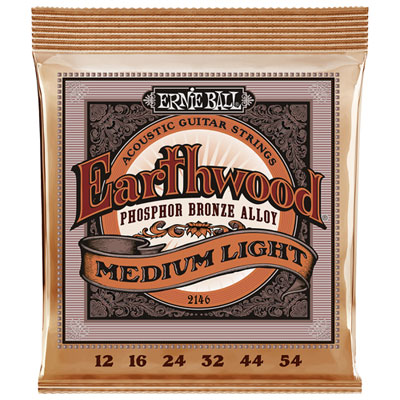 Your price for this item is $11.49
 -
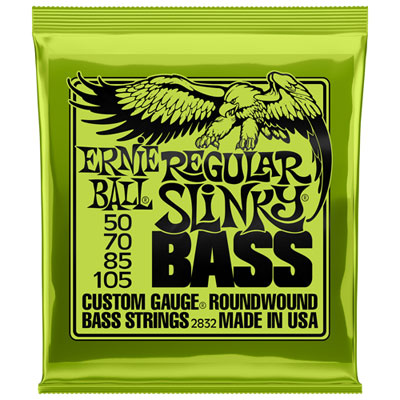 Your price for this item is $31.49
 -
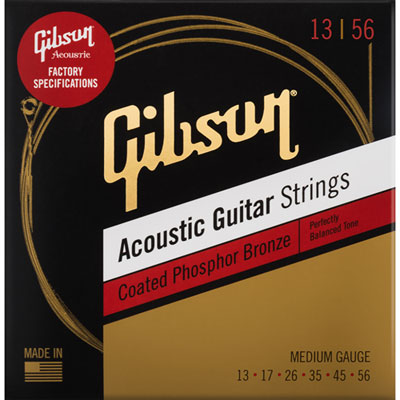 Your price for this item is $18.19
 -
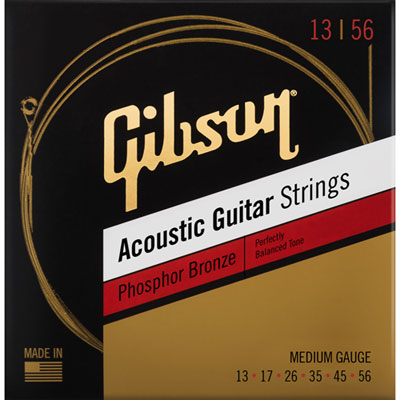 Your price for this item is $13.95
 -
 Your price for this item is $15.49
 -
 Your price for this item is $15.49
 -
 Your price for this item is $6.49
Discover more categories related to Acoustic Guitar Parts
Top Collections:
Pokemon Centers, Best Cameras for Sports Photography, Kindle Devices, Samsung Galaxy Phones, Canon G7X Cameras, Pokémon 30th Celebration Cards, Refurbished Apple Laptops, iPhone 15 Apple, Laptops for Students, Budget Smartphones
Some products may be subject to Environmental Handling Fees
(EHF) depending on your province.
Learn more about EHFs.