Acoustic Simulator Pedals
Looking to add a touch of acoustic charm to your electric guitar sound? Look no further than our collection of acoustic simulator pedals. These versatile pedals are designed to recreate the warm and natural tones of an acoustic guitar, allowing you to expand your sonic palette and explore new musical possibilities. Whether you're a seasoned guitarist or just starting out, our range of acoustic simulator pedals will help you achieve that authentic acoustic sound without having to switch guitars. So, get ready to strum, pluck, and pick your way to a whole new level of musical expression with our selection of top-notch acoustic simulator pedals.
Sort
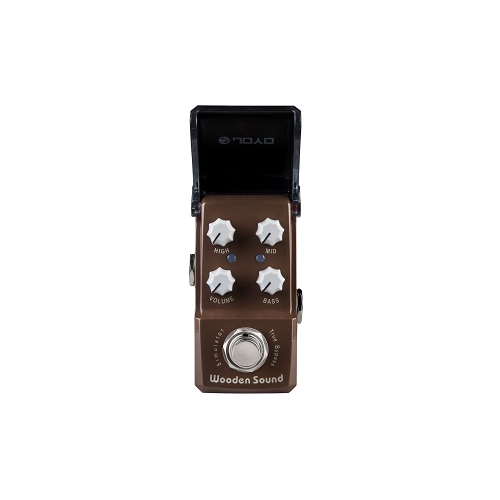
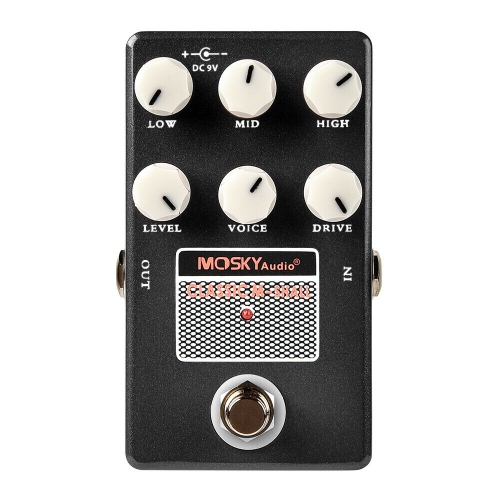
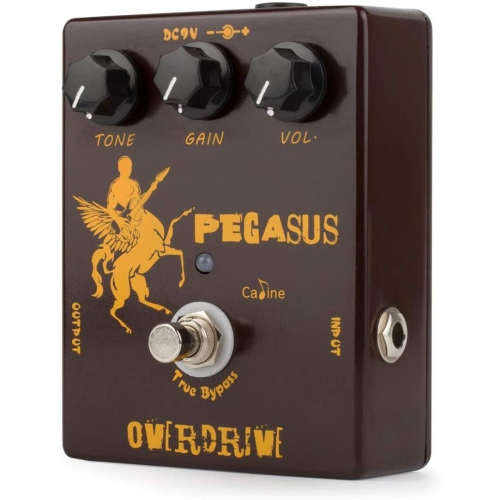
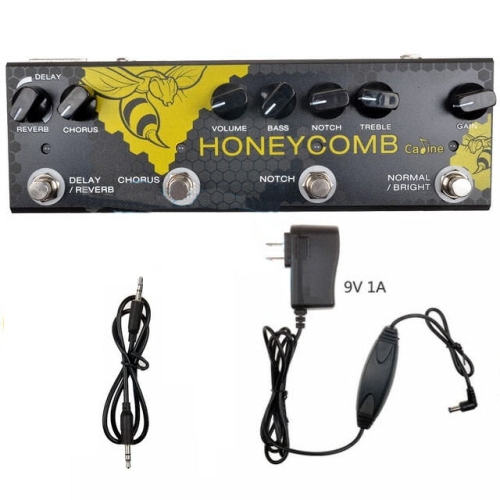
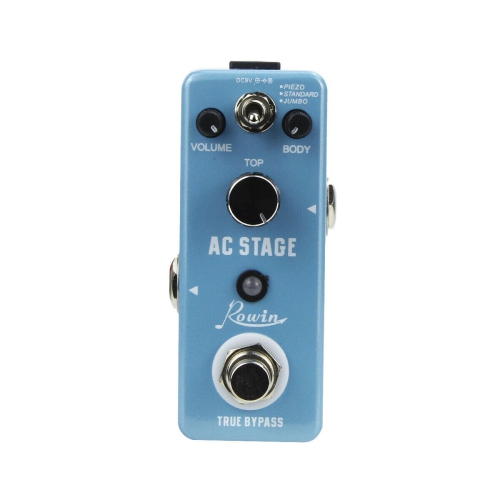
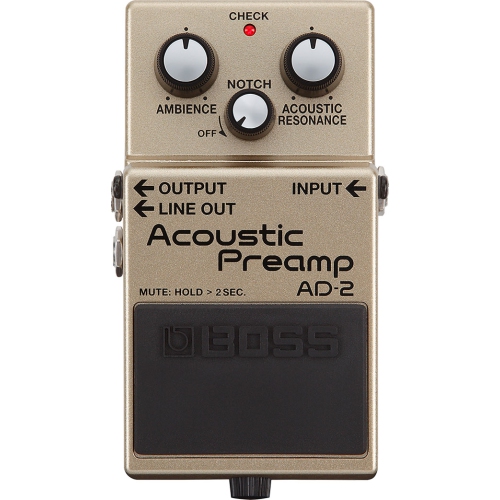
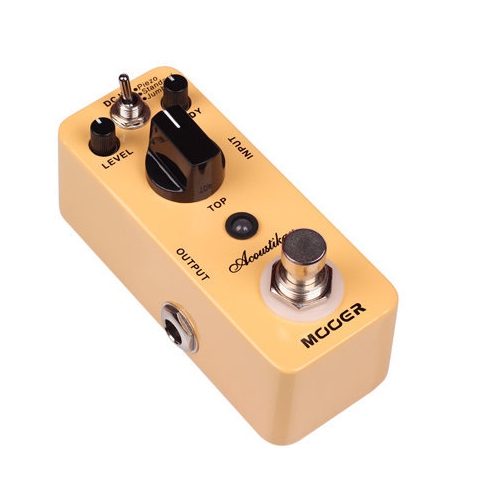
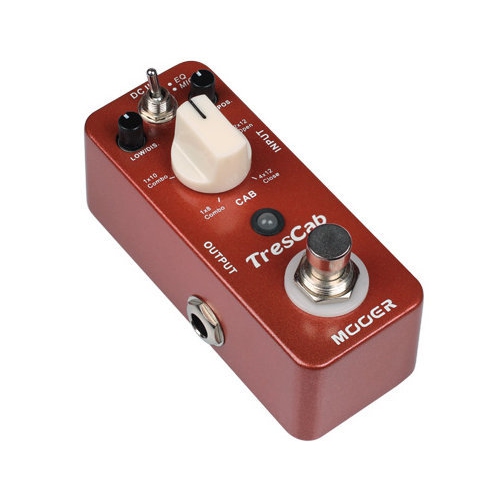
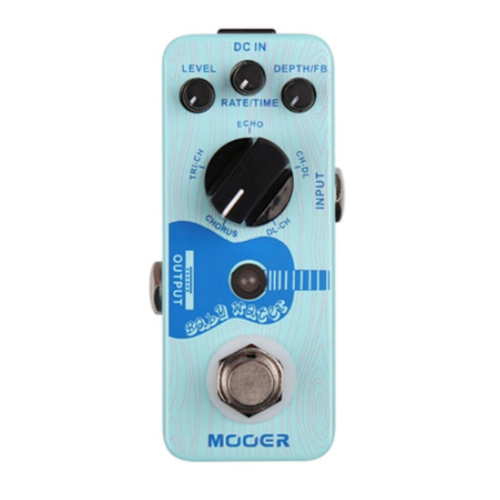
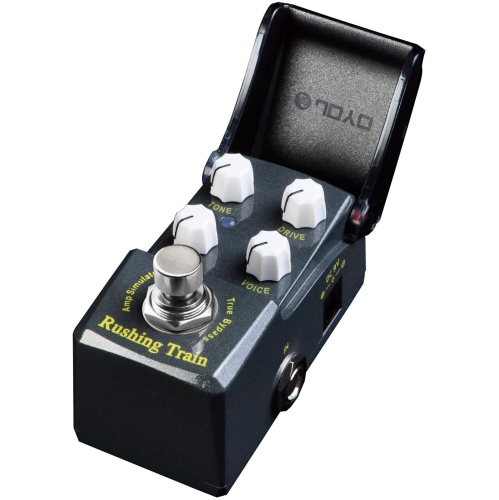
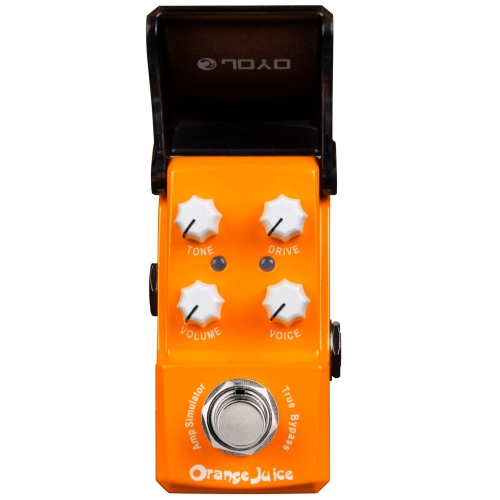
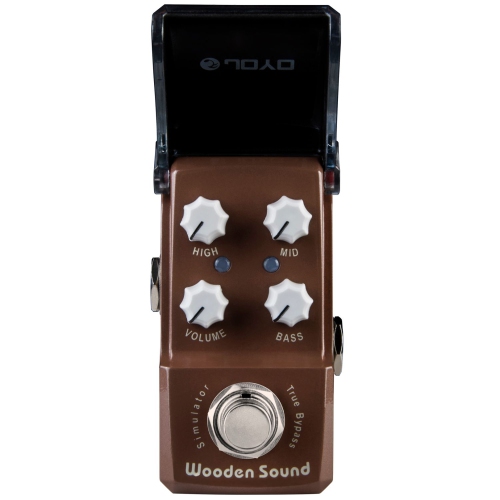
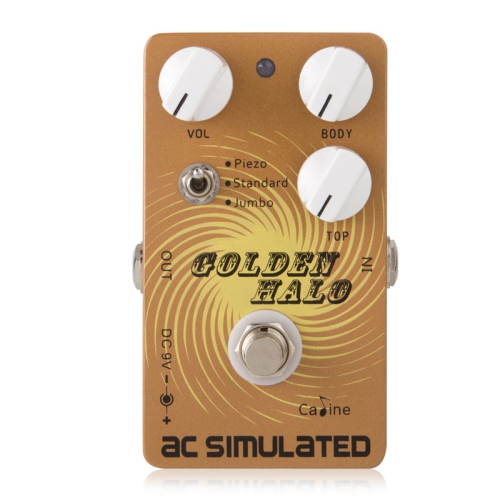
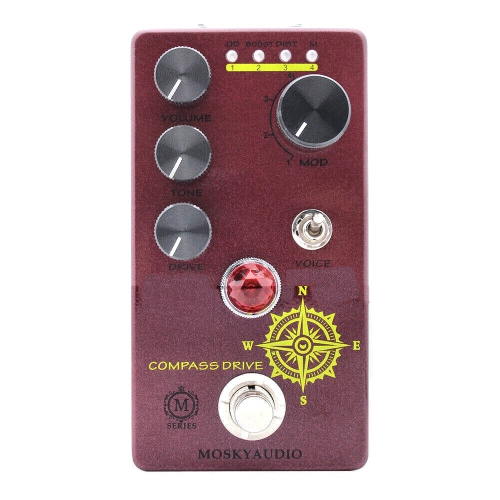
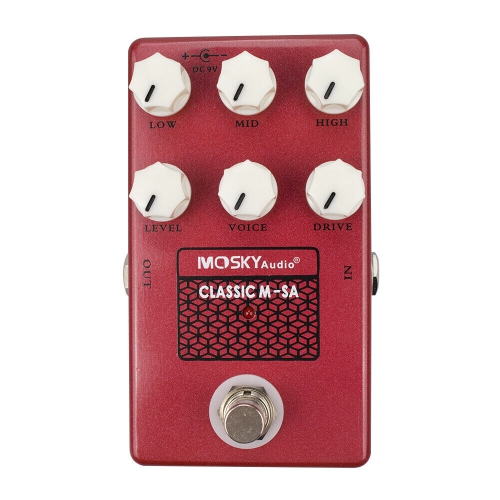
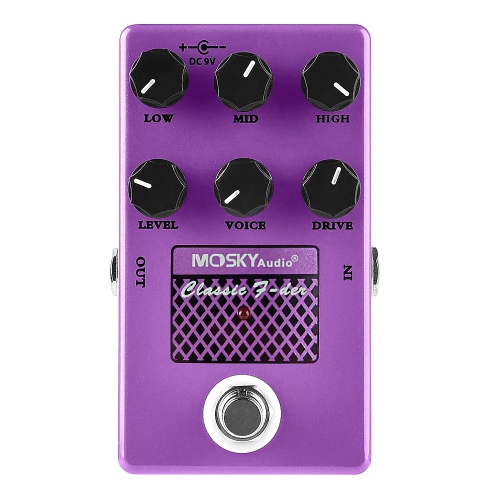
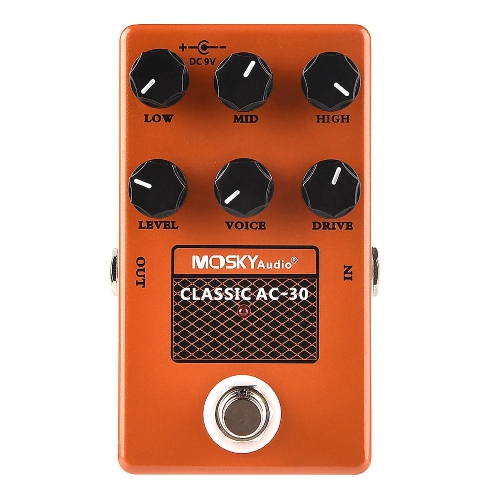


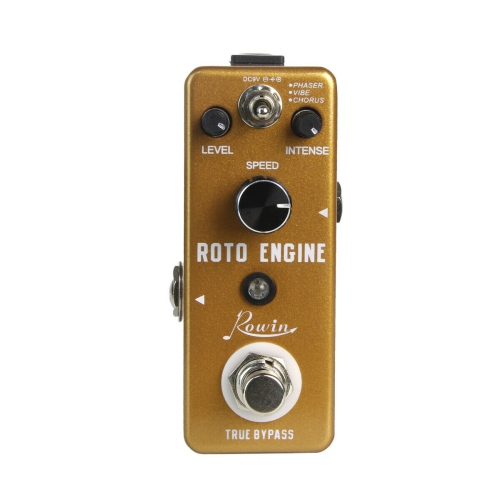
Acoustic-like tones without switching to another guitar
Acoustic simulator pedals give electric guitar players a practical way to add acoustic-like tones without carrying a second instrument or changing guitars between songs. These compact effects process the signal from an electric guitar with carefully shaped equalization, compression, resonance, and modelling to suggest the character of an acoustic guitar. They can be useful for solo performers, cover bands, worship musicians, recording artists, buskers, and home players who want to move from a driven electric sound to a brighter, more open voice with the press of a footswitch. A guitarist might use one during an intimate verse, a country-style rhythm section, a folk-inspired introduction, or a layered recording where a real acoustic guitar is not available. They can also be helpful at rehearsals and smaller performances, where a single guitar needs to cover several parts while keeping the setup quick and manageable. Acoustic simulator pedals are not designed to replace every detail of a real acoustic instrument, but they can deliver a convincing change in texture, especially when the arrangement, amplification, and playing technique support the effect. Light, precise picking often brings out the simulated top-end sparkle, while steady strumming can highlight the body and resonance controls. For guitarists building a flexible pedalboard, this type of effect can fill a useful gap between clean electric tones and more specialized options such as Guitar Synthesizer Pedals. They also make thoughtful gifts for players who perform in multiple styles, record at home, or enjoy experimenting with new sounds without investing in another full-size guitar.
When comparing acoustic simulator pedals, start with the controls and connection options that match the way the pedal will be used. Many models include a body control for low-mid resonance and fullness, along with a top control that adjusts brightness, pick definition, and upper harmonics. These controls can help move the sound between a compact, focused acoustic character and a larger, more spacious tone. Some pedals provide several voicings that suggest different acoustic guitar shapes, such as standard, jumbo, or piezo-inspired settings. Others add reverb to create a sense of depth, which can be handy when the pedal is connected directly to a mixer, powered speaker, acoustic amplifier, or PA system. A blend, level, or volume control is useful for matching the effect to the bypassed guitar signal, while a dedicated tone control can help tame excessive brightness. Players using humbuckers may prefer a setting with extra definition, whereas single-coil pickups can sometimes benefit from a little added body. Guitar type, pickup position, string gauge, picking style, and the rest of the signal chain all affect the result, so a pedal that sounds full through one setup may need different adjustments through another. For the most natural presentation, many players place an acoustic simulator before time-based effects and send it to a clean, full-range amplification system rather than a heavily coloured electric guitar amplifier. Running the signal straight to a PA or acoustic amp often preserves the pedal’s EQ and modelling more accurately. If the sound feels thin, nasal, harsh, or overly compressed, reduce the top setting, add a little body, check the pickup selection, and review the amplifier’s treble and midrange settings. A small amount of room reverb can add realism, while too much can blur individual notes and make strumming lose its definition.
The rest of the pedalboard also deserves attention when choosing an acoustic simulator. Distortion, fuzz, and strong overdrive placed before the simulator can produce unusual results, while compression before or after the effect may change the attack and perceived volume. Noise from patch cables, power supplies, or high-gain settings can become more noticeable when the simulated tone includes extra treble, so reliable isolated power and sensible gain levels can make a clear difference. Players recording into an audio interface may prefer a model with a direct output or a compact design that fits beside existing effects. Those performing live should consider footswitch operation, bypass behaviour, input and output placement, and whether the pedal is easy to adjust under stage lighting. A simulator with simple controls can be ideal for quick changes between songs, while a more detailed unit may suit someone who enjoys shaping separate sounds for fingerpicking, strumming, and lead parts. It is also worth checking the pedal’s power requirements and available outputs before adding it to a board, particularly when the setup includes several digital effects. Acoustic simulator pedals work best when treated as creative tools rather than exact replacements for a miked acoustic guitar. They can add a believable change of colour to a familiar instrument, make a compact rig more versatile, and help a player keep the music moving when switching guitars is impractical. During the cooler months, they can be especially convenient for home practice, small indoor sessions, and recording projects where space is limited and a quick tonal change matters. With careful adjustment and a clean signal path, they can bring a touch of acoustic warmth, brightness, and rhythmic definition to electric guitar performances across a wide range of styles.
When comparing acoustic simulator pedals, start with the controls and connection options that match the way the pedal will be used. Many models include a body control for low-mid resonance and fullness, along with a top control that adjusts brightness, pick definition, and upper harmonics. These controls can help move the sound between a compact, focused acoustic character and a larger, more spacious tone. Some pedals provide several voicings that suggest different acoustic guitar shapes, such as standard, jumbo, or piezo-inspired settings. Others add reverb to create a sense of depth, which can be handy when the pedal is connected directly to a mixer, powered speaker, acoustic amplifier, or PA system. A blend, level, or volume control is useful for matching the effect to the bypassed guitar signal, while a dedicated tone control can help tame excessive brightness. Players using humbuckers may prefer a setting with extra definition, whereas single-coil pickups can sometimes benefit from a little added body. Guitar type, pickup position, string gauge, picking style, and the rest of the signal chain all affect the result, so a pedal that sounds full through one setup may need different adjustments through another. For the most natural presentation, many players place an acoustic simulator before time-based effects and send it to a clean, full-range amplification system rather than a heavily coloured electric guitar amplifier. Running the signal straight to a PA or acoustic amp often preserves the pedal’s EQ and modelling more accurately. If the sound feels thin, nasal, harsh, or overly compressed, reduce the top setting, add a little body, check the pickup selection, and review the amplifier’s treble and midrange settings. A small amount of room reverb can add realism, while too much can blur individual notes and make strumming lose its definition.
The rest of the pedalboard also deserves attention when choosing an acoustic simulator. Distortion, fuzz, and strong overdrive placed before the simulator can produce unusual results, while compression before or after the effect may change the attack and perceived volume. Noise from patch cables, power supplies, or high-gain settings can become more noticeable when the simulated tone includes extra treble, so reliable isolated power and sensible gain levels can make a clear difference. Players recording into an audio interface may prefer a model with a direct output or a compact design that fits beside existing effects. Those performing live should consider footswitch operation, bypass behaviour, input and output placement, and whether the pedal is easy to adjust under stage lighting. A simulator with simple controls can be ideal for quick changes between songs, while a more detailed unit may suit someone who enjoys shaping separate sounds for fingerpicking, strumming, and lead parts. It is also worth checking the pedal’s power requirements and available outputs before adding it to a board, particularly when the setup includes several digital effects. Acoustic simulator pedals work best when treated as creative tools rather than exact replacements for a miked acoustic guitar. They can add a believable change of colour to a familiar instrument, make a compact rig more versatile, and help a player keep the music moving when switching guitars is impractical. During the cooler months, they can be especially convenient for home practice, small indoor sessions, and recording projects where space is limited and a quick tonal change matters. With careful adjustment and a clean signal path, they can bring a touch of acoustic warmth, brightness, and rhythmic definition to electric guitar performances across a wide range of styles.
Top selling and popular products
-
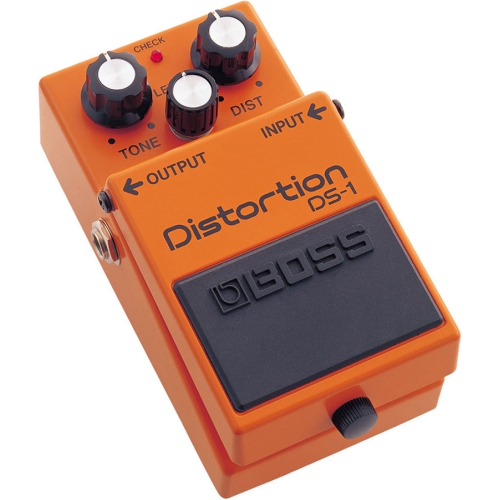 Your price for this item is $89.99
 -
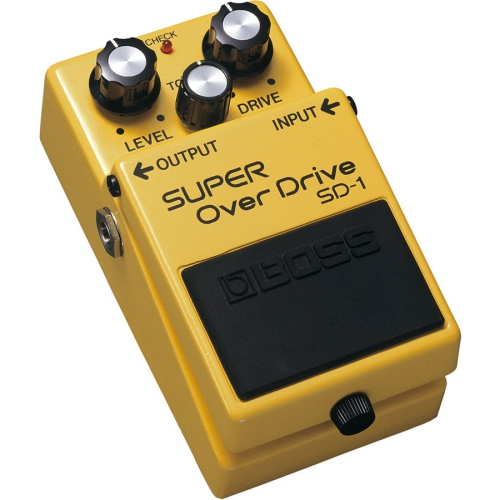 Your price for this item is $89.99
 -
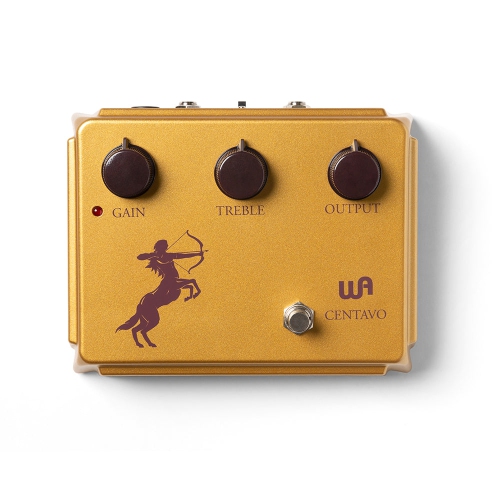 Your price for this item is $289
 -
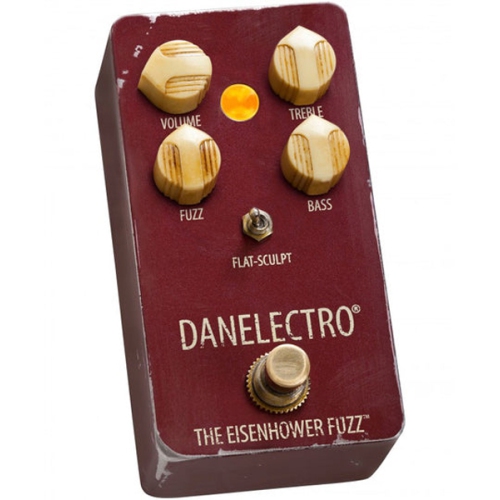 Your price for this item is $164.99
 -
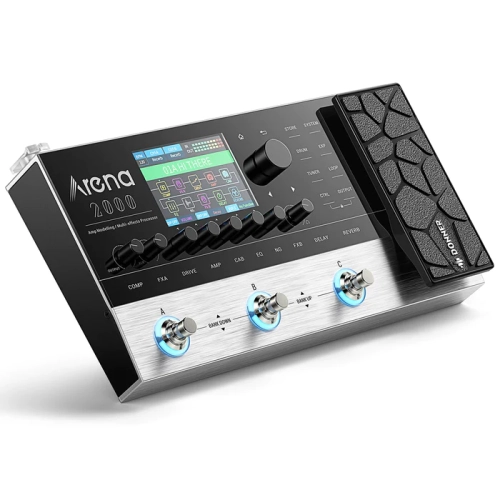 Your price for this item is $209.99
 -
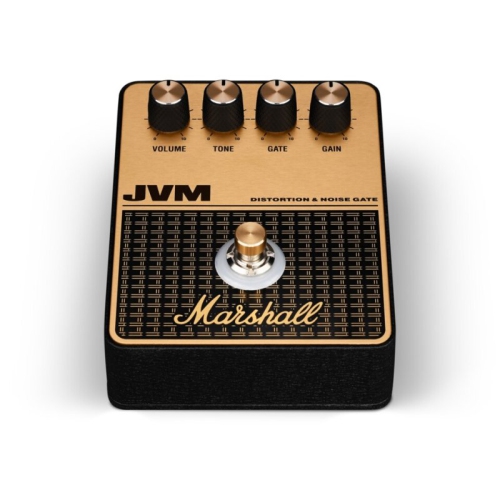 Your price for this item is $249.99
 -
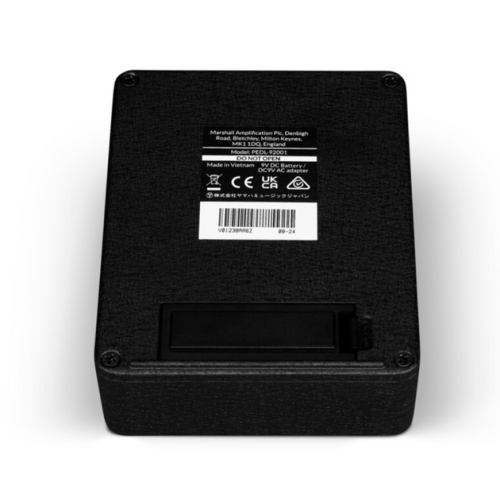 Your price for this item is $249.99
 -
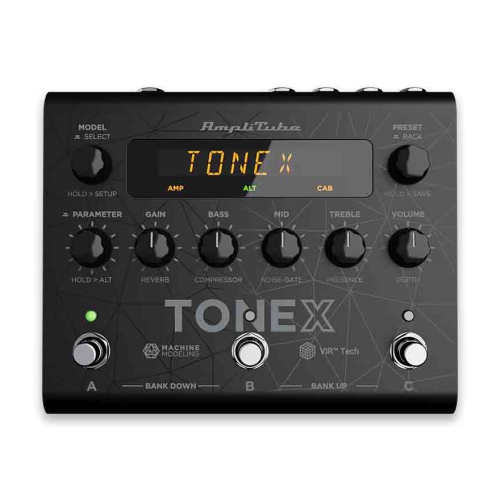 Your price for this item is $599.99
Discover more categories related to Acoustic Simulator Pedals
Top Collections:
Pokemon Centers, Kindle Devices, Best Budget Office Chairs, Apple iPhones 16, Canon G7X Cameras, iPhone 15 Apple, Alarm Clock, Refurbished Apple Laptops, Flip Phones, Best Laptops for Writers
Some products may be subject to Environmental Handling Fees
(EHF) depending on your province.
Learn more about EHFs.