Guitar Amp Pedals
Elevate your guitar playing to new heights with our diverse selection of guitar amp pedals. Whether you're looking to add depth with reverb, create crunch with distortion, or experiment with unique tones using modulation effects, we have the perfect pedal for you. Explore our range of high-quality pedals designed to enhance your sound and inspire your creativity. Find the perfect pedal to take your guitar performance to the next level and unlock a world of sonic possibilities.
Sort
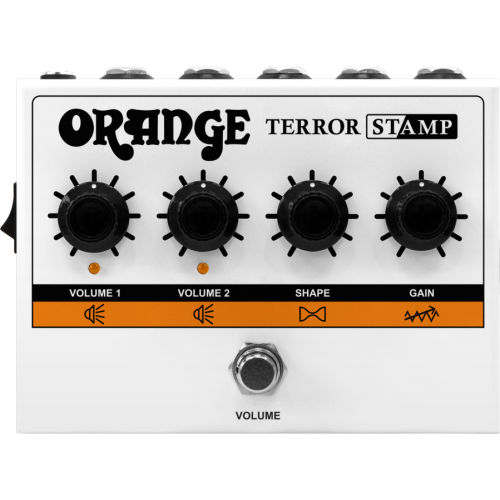

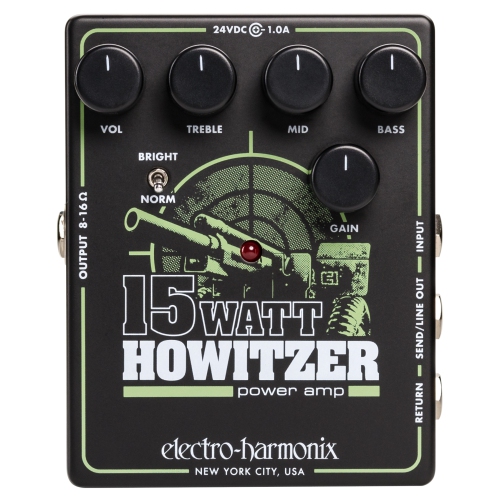
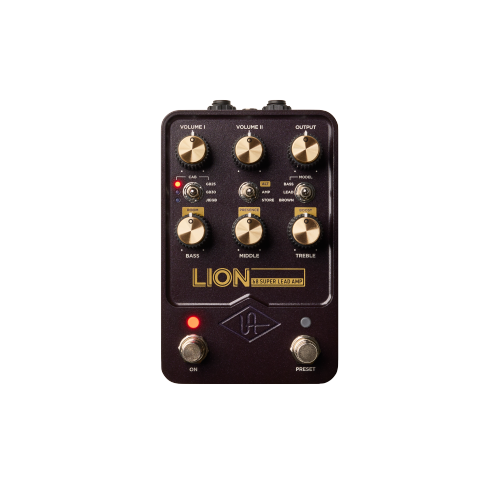


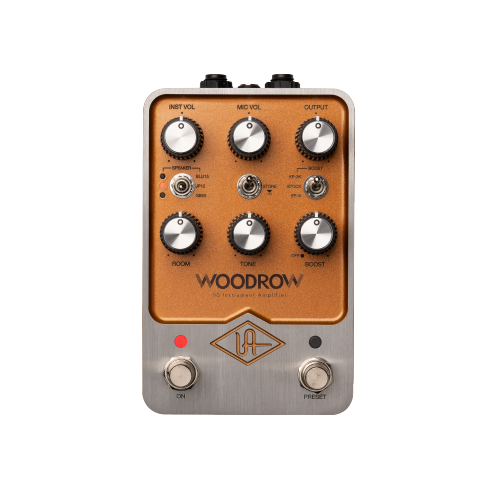


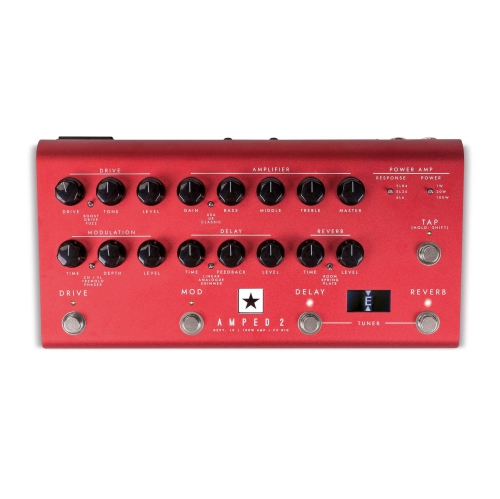

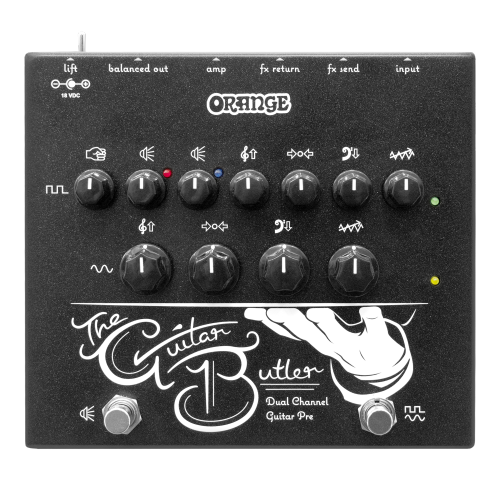
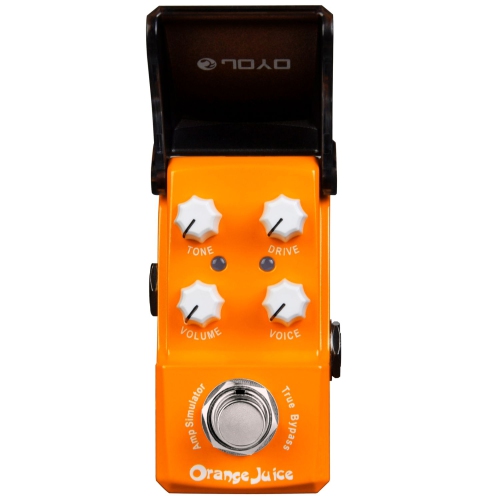
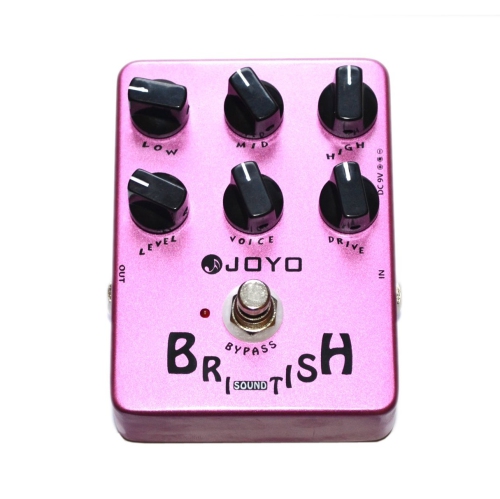
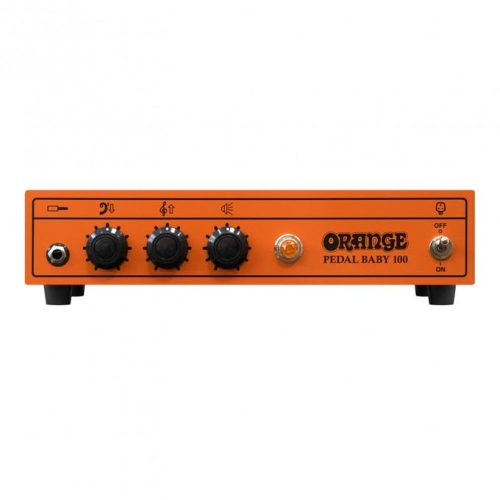


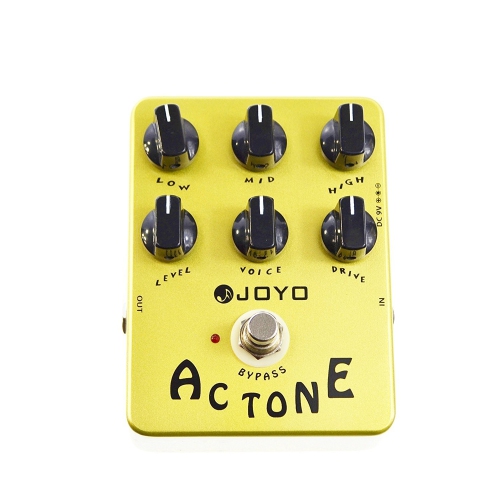
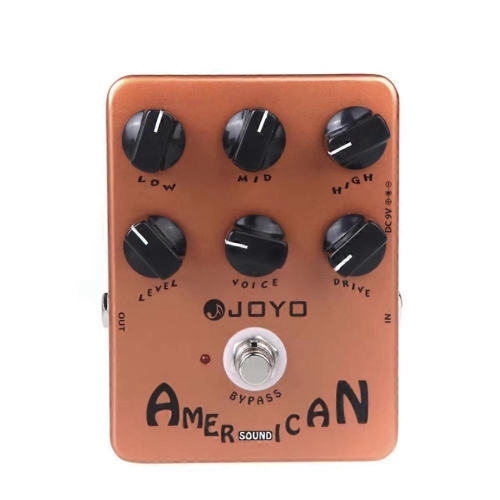

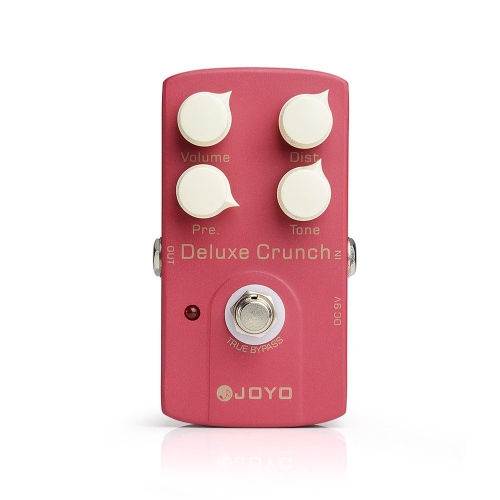
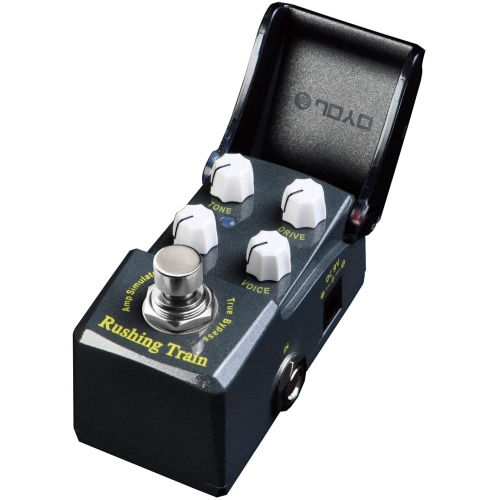
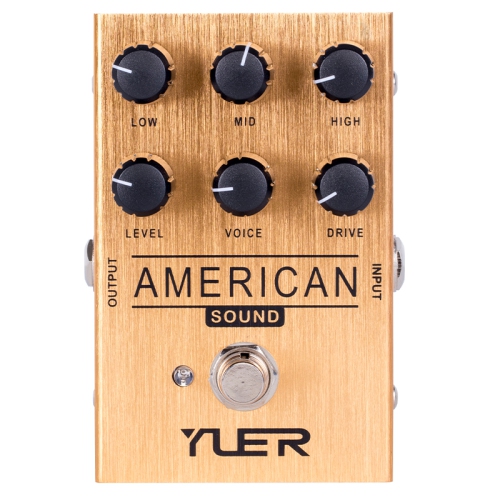


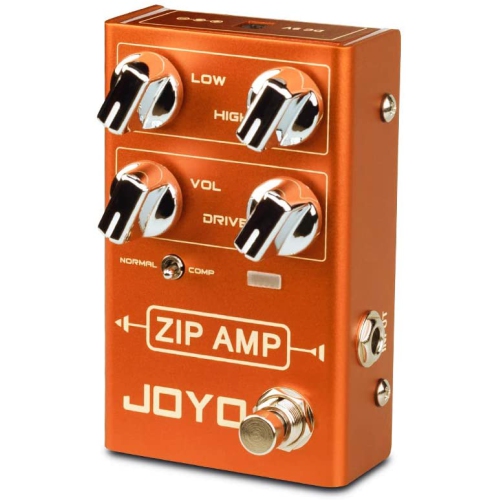
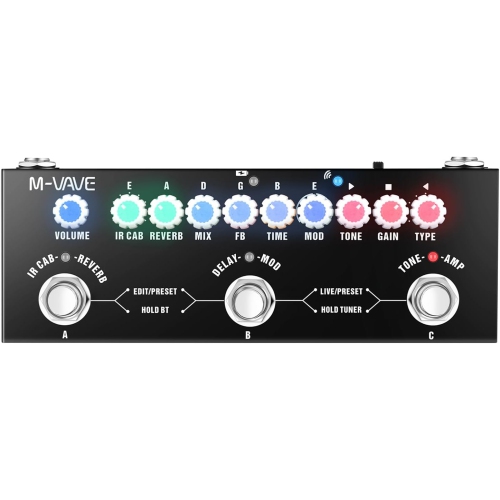

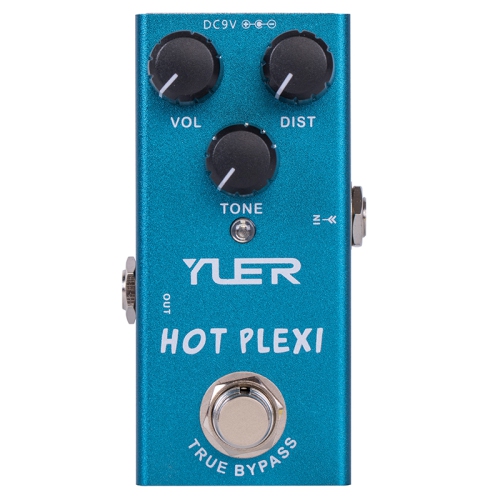
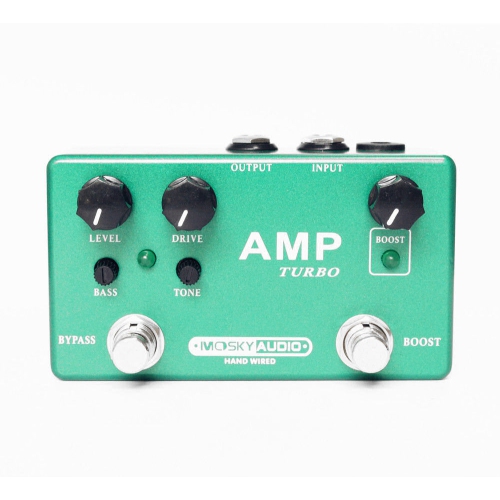
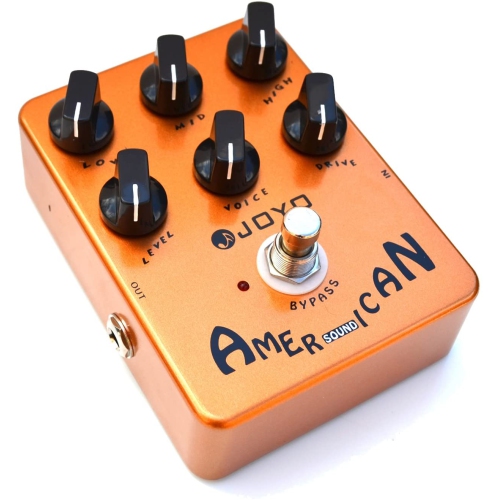
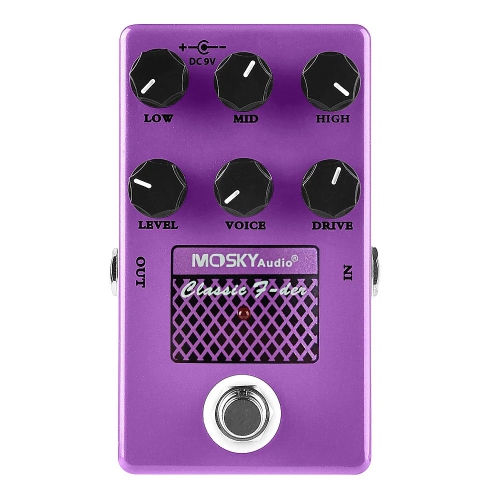

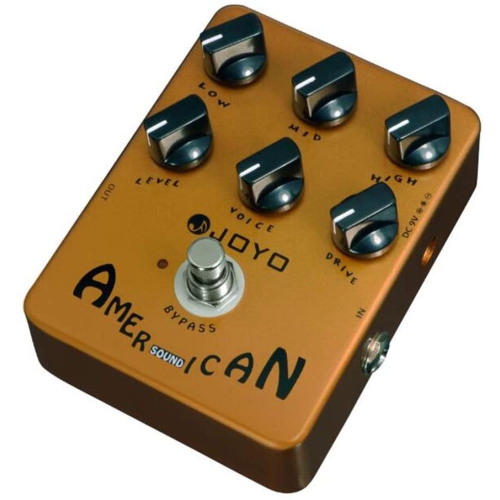


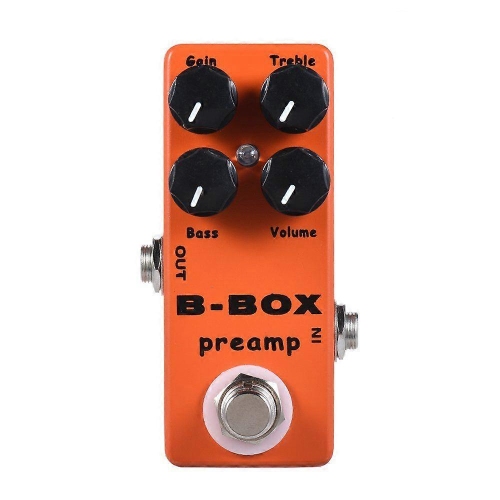

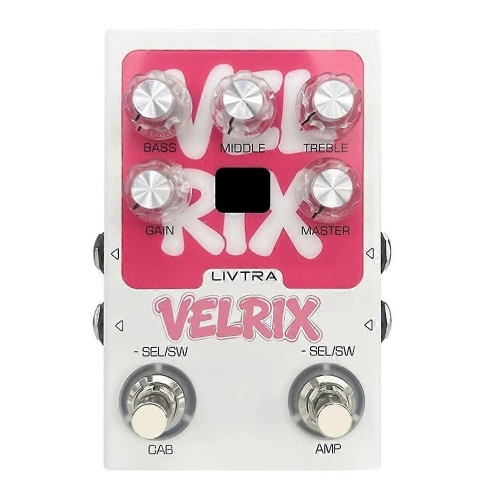
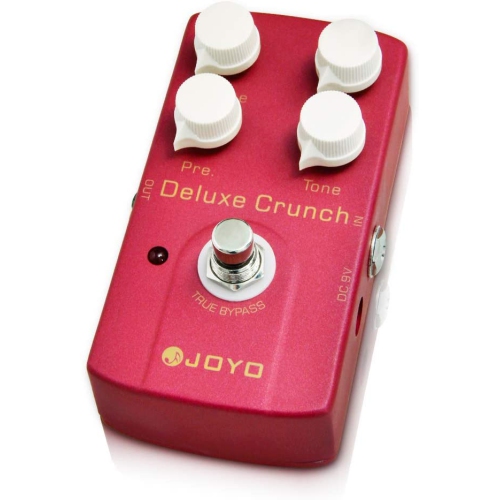
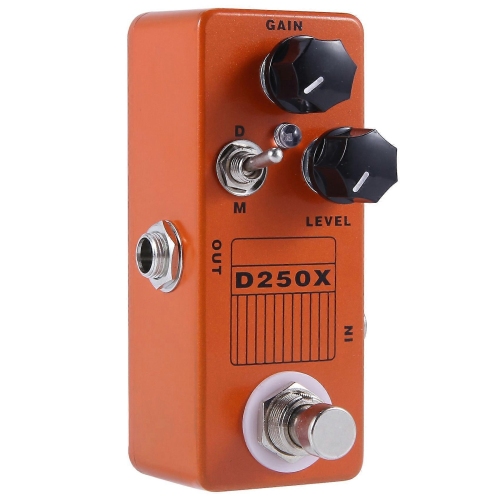
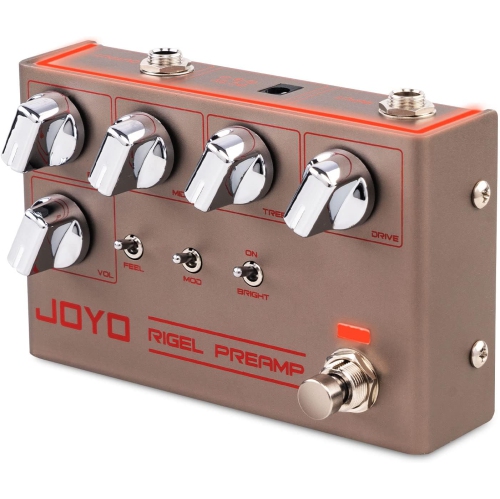
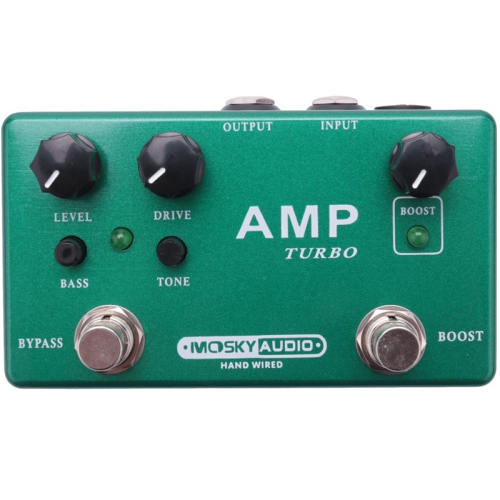
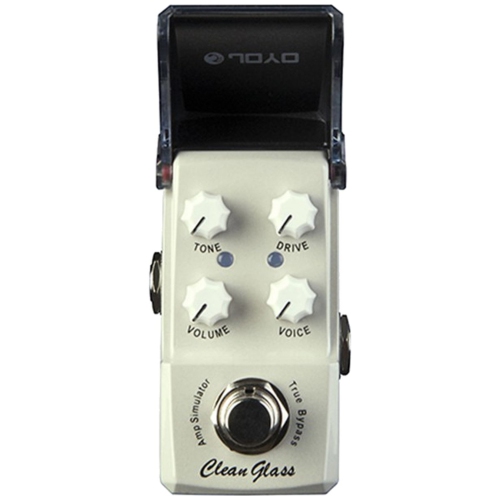

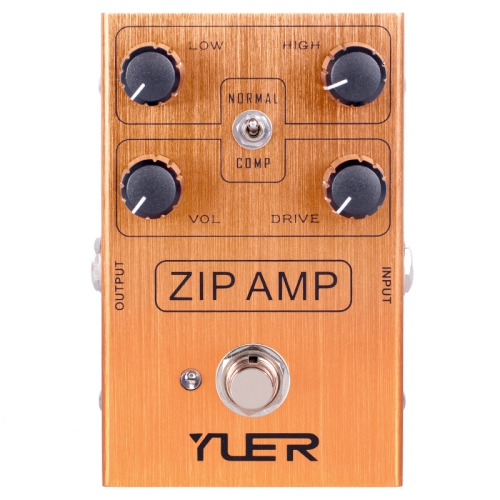
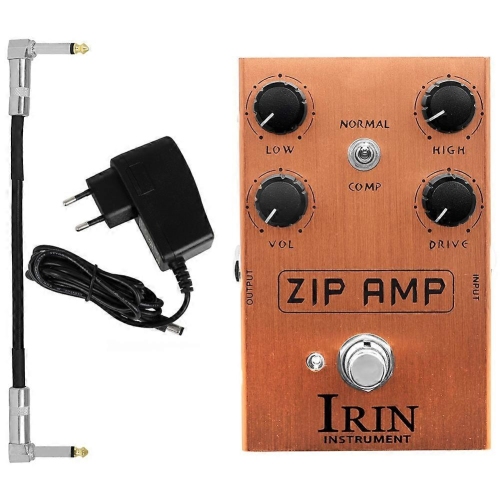
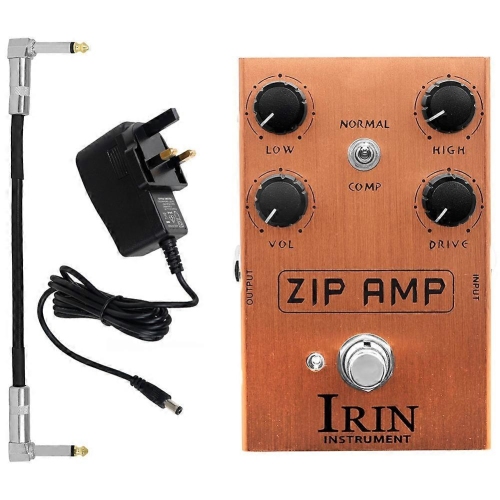
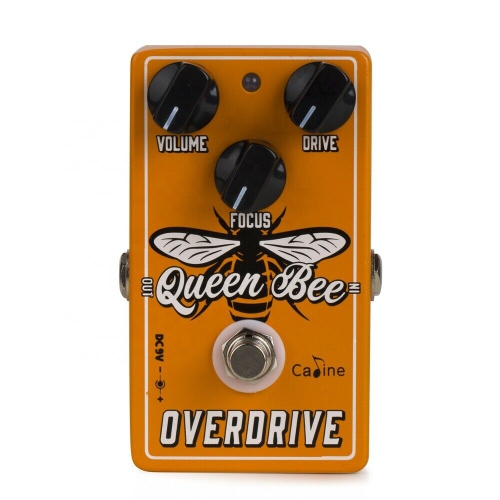
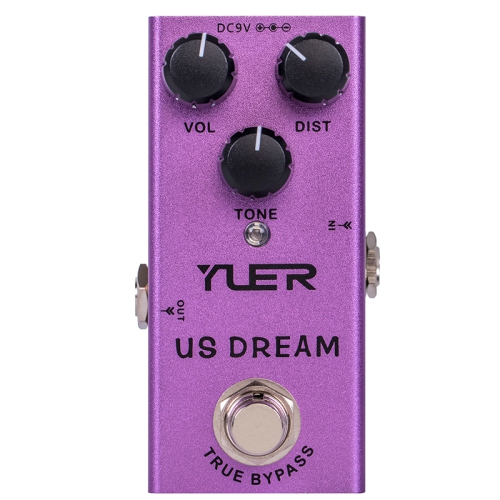
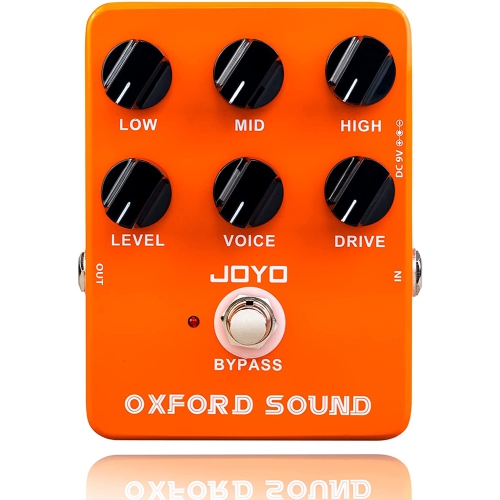
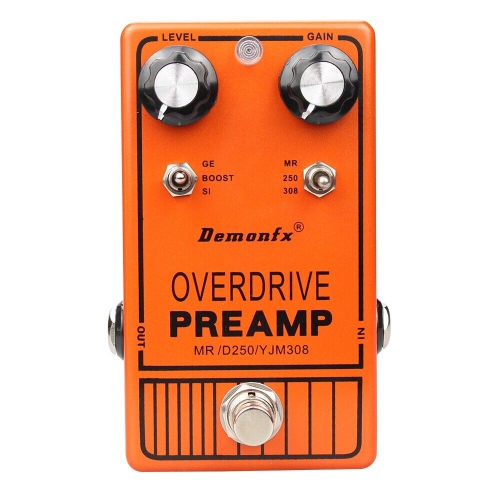
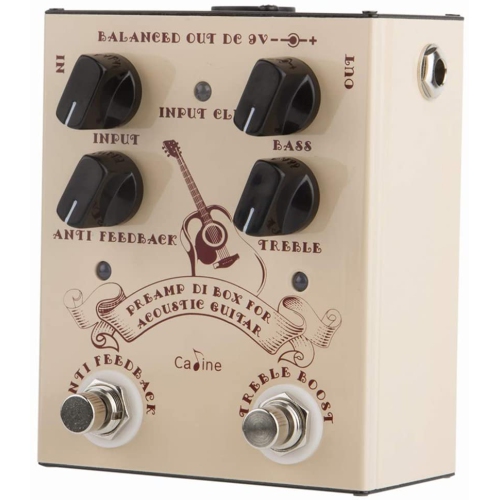
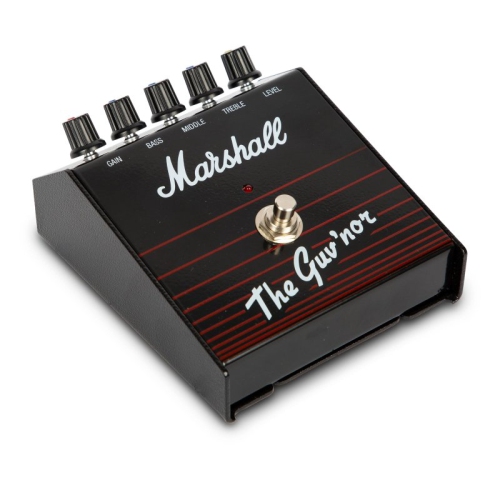
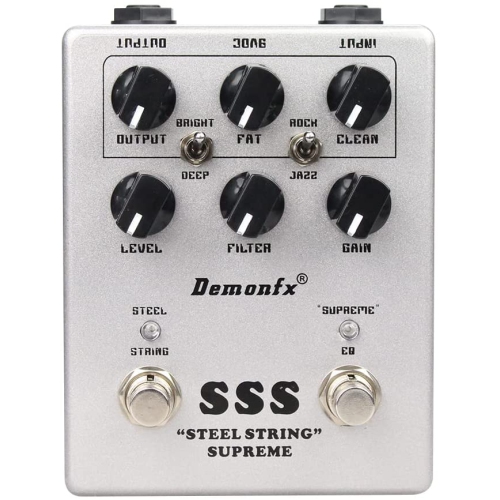

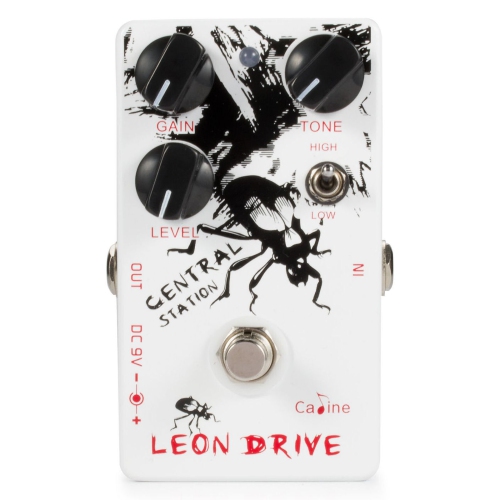
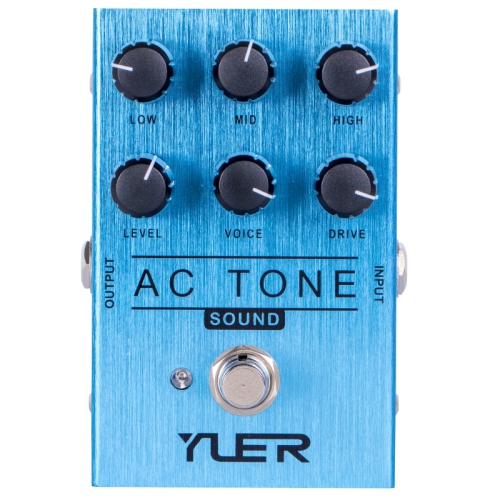
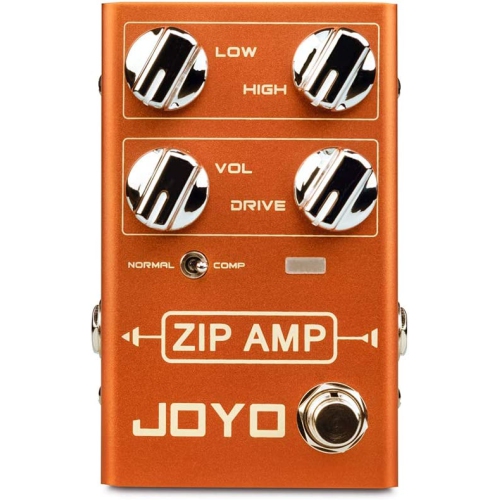
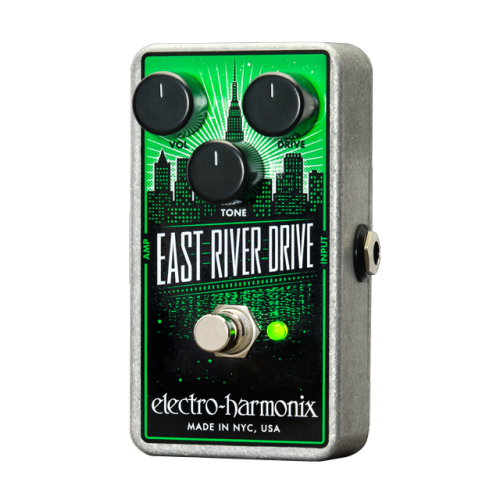


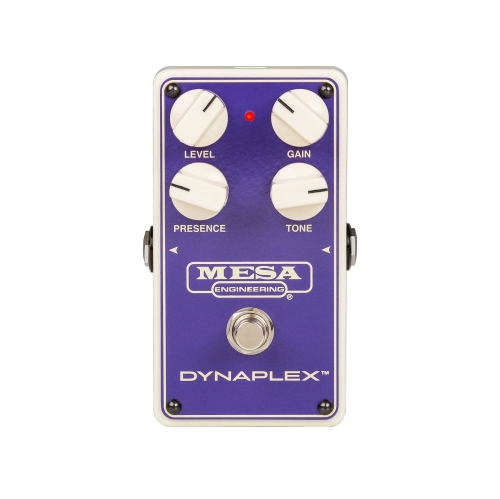
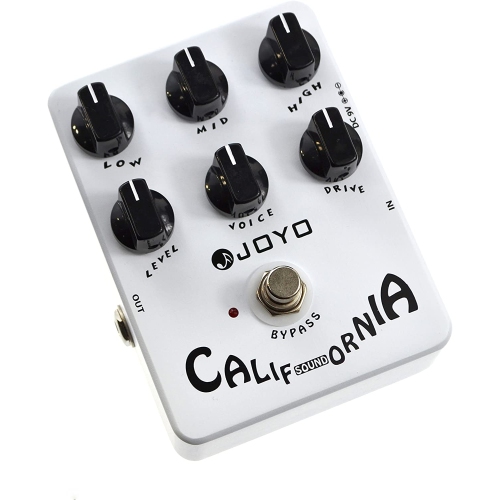

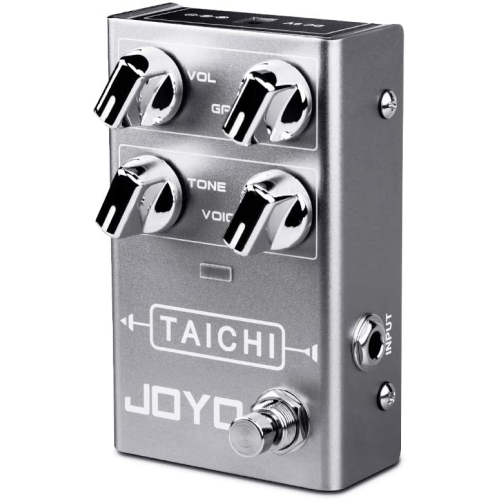
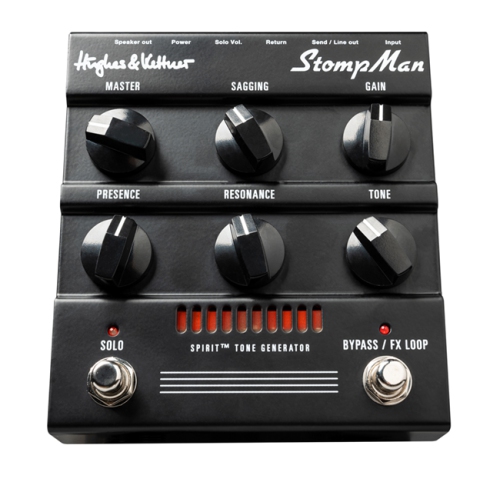
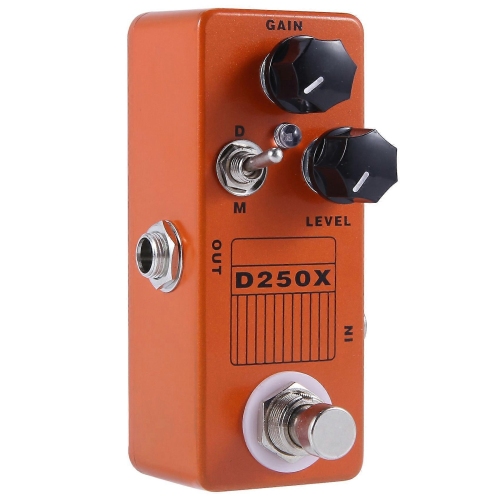


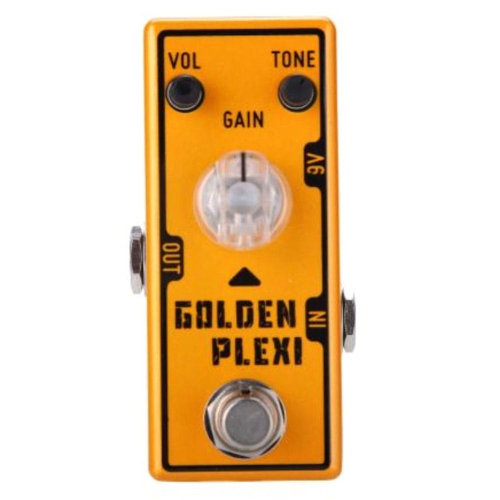
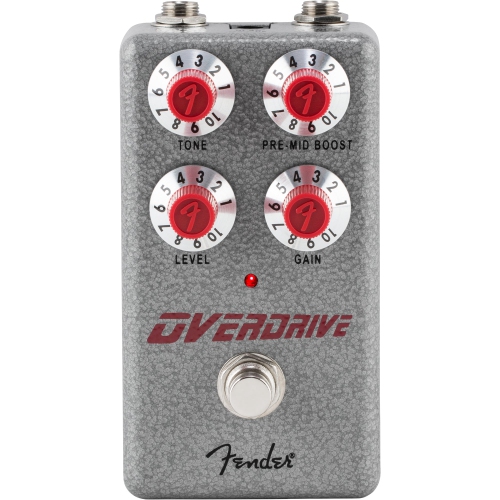

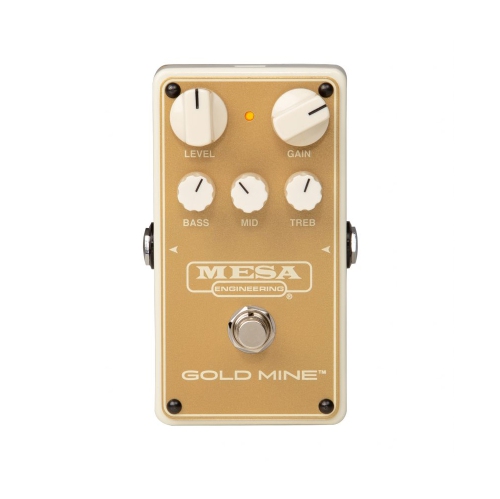

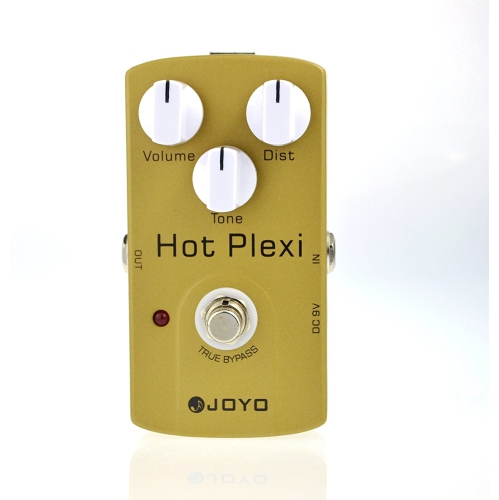
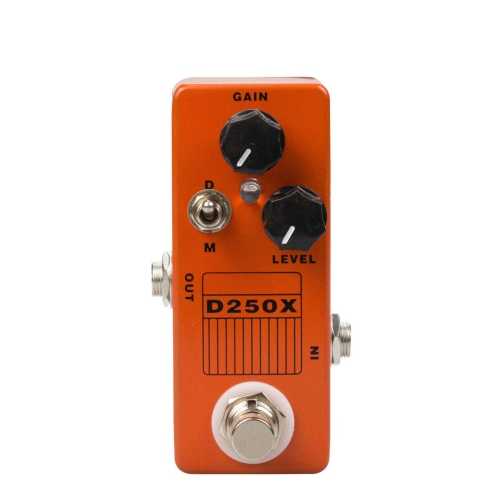

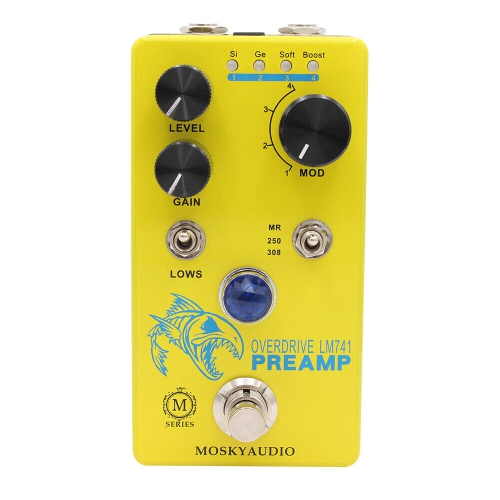
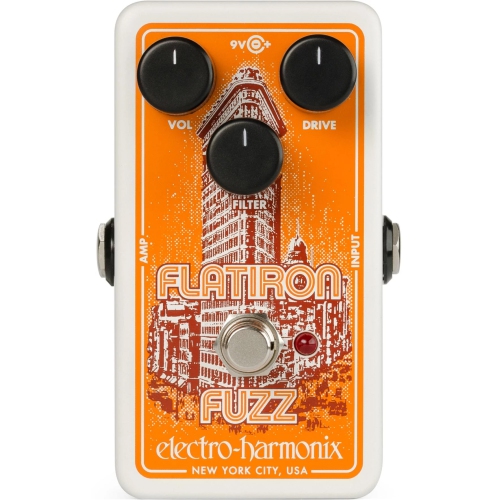

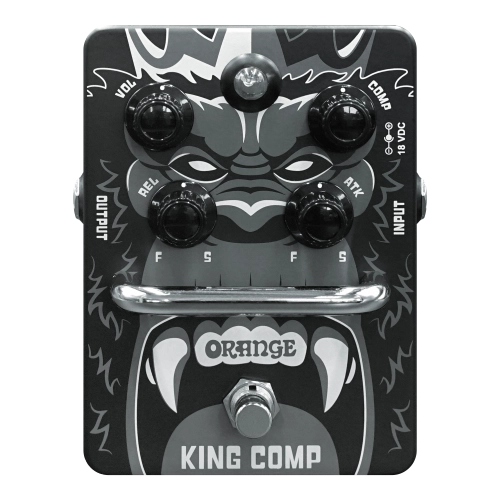
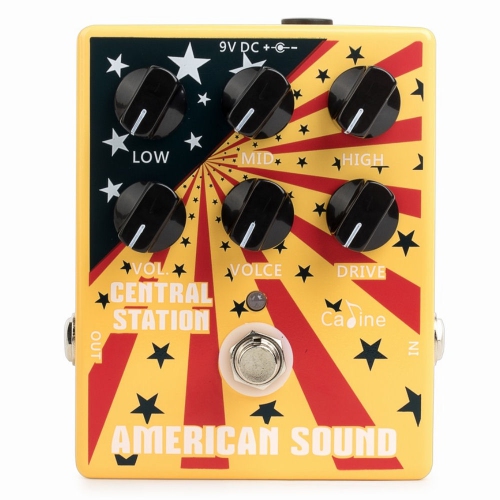
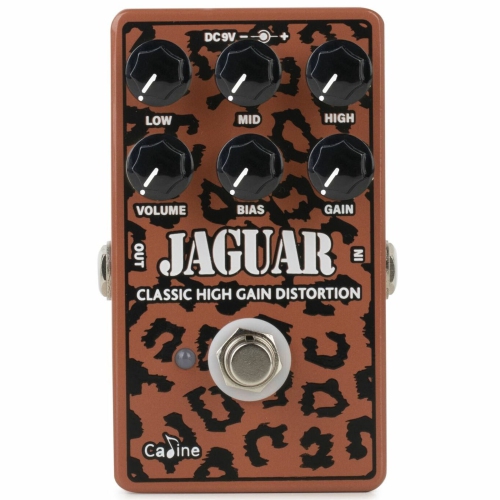
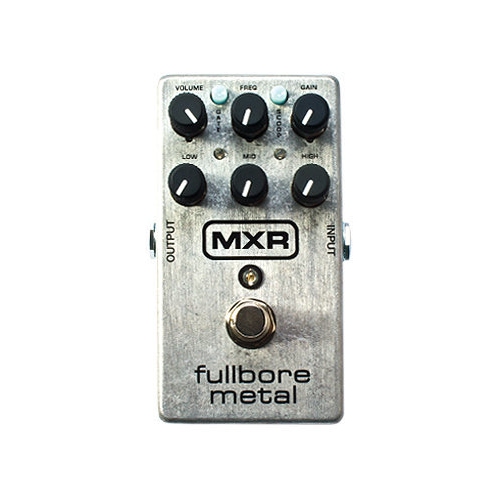
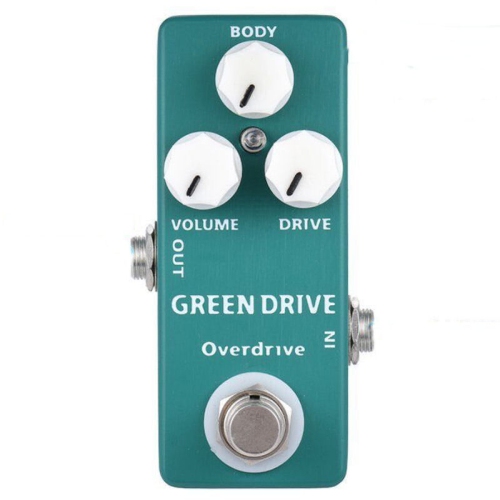
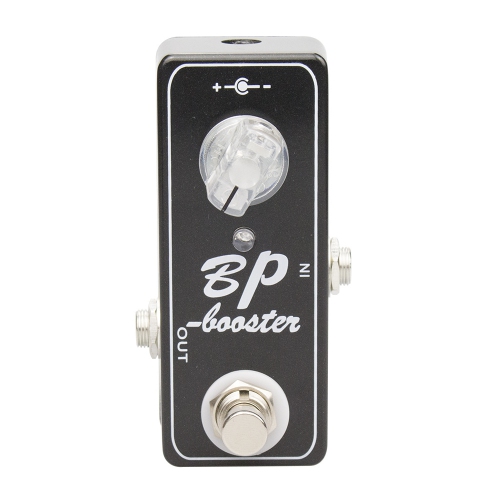
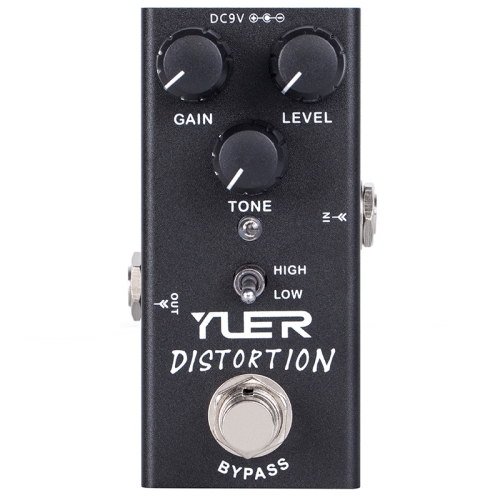

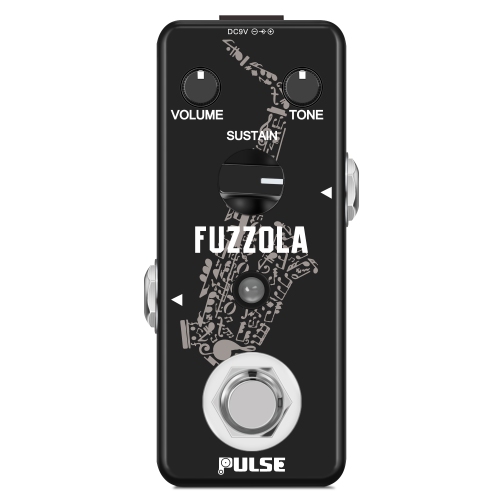
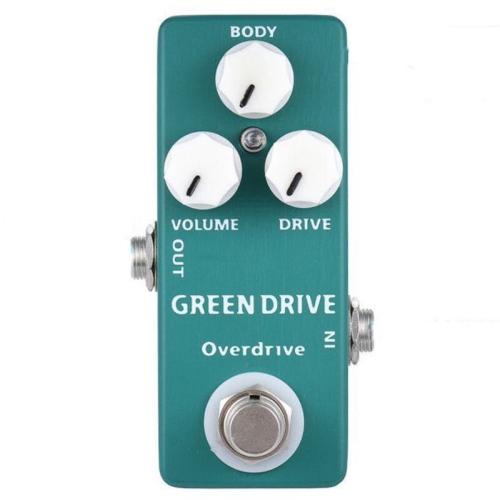
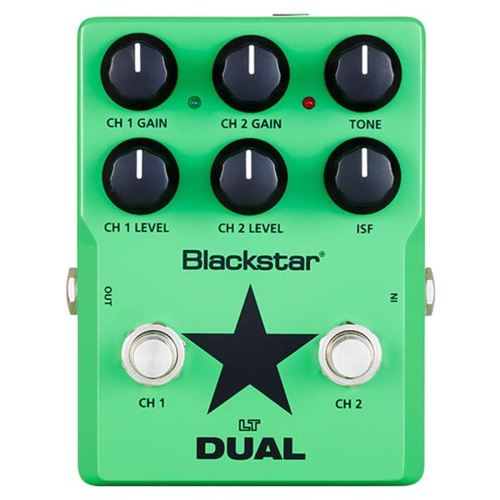
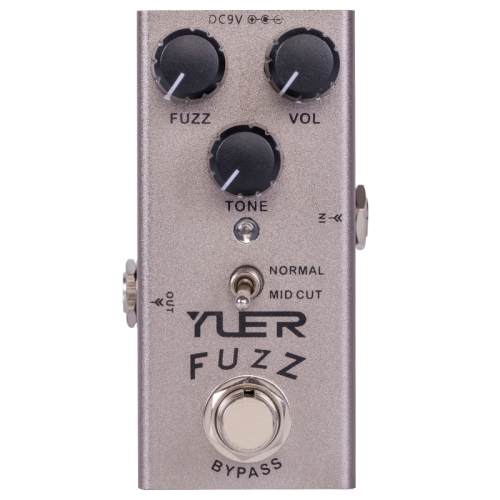


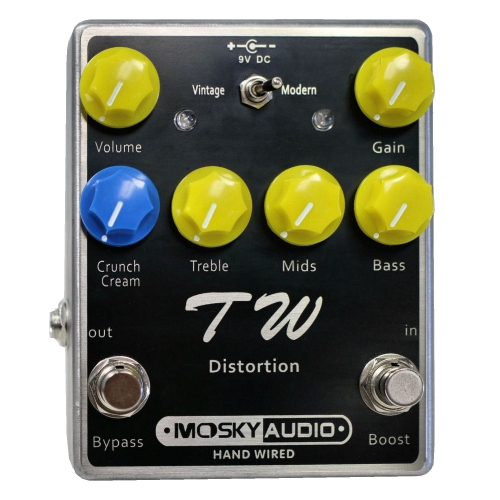
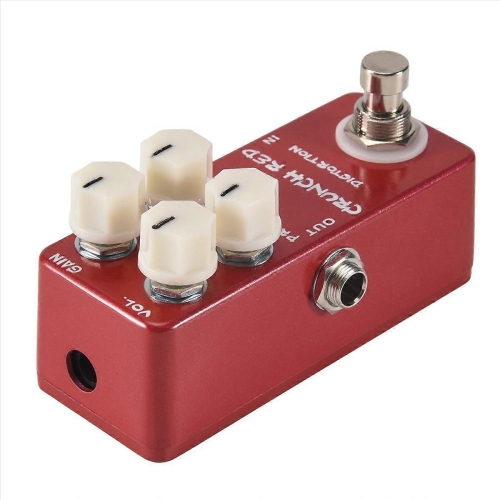
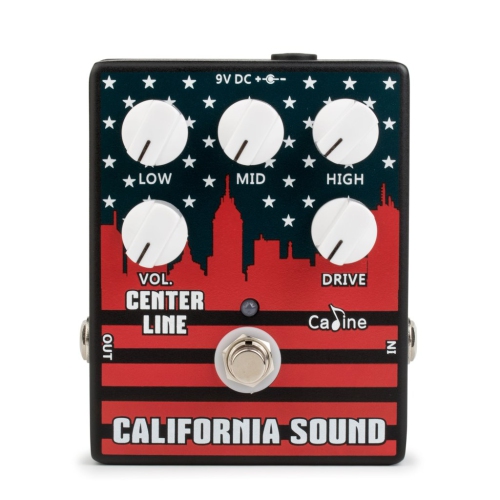

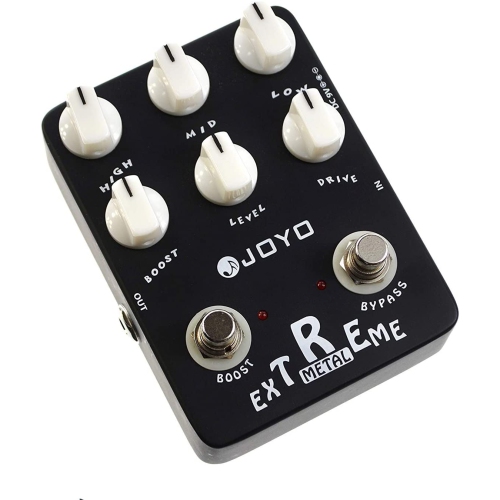
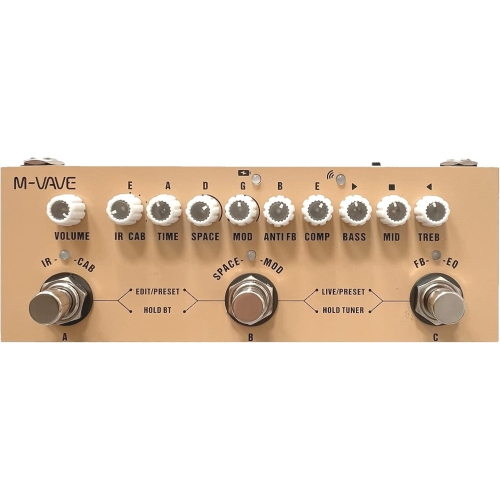
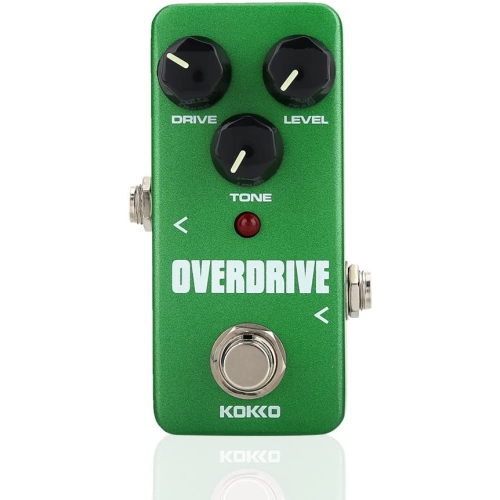
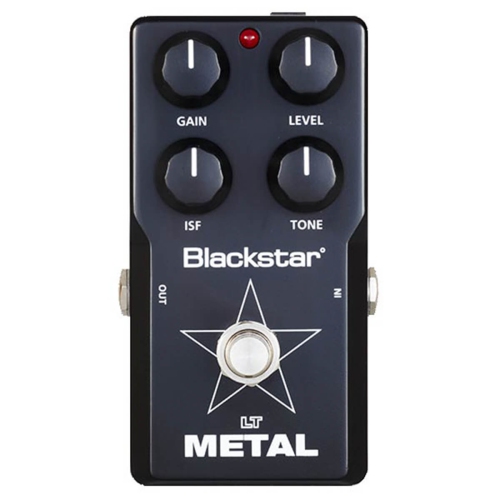
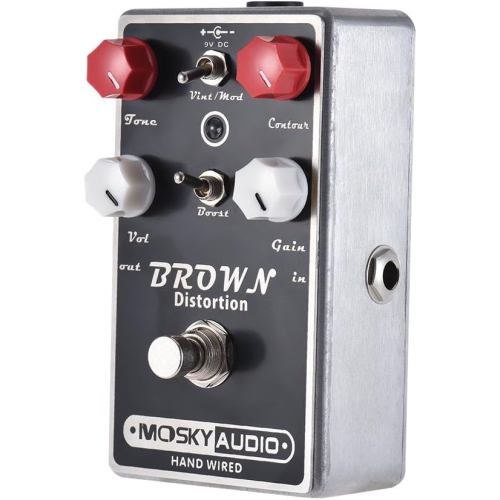
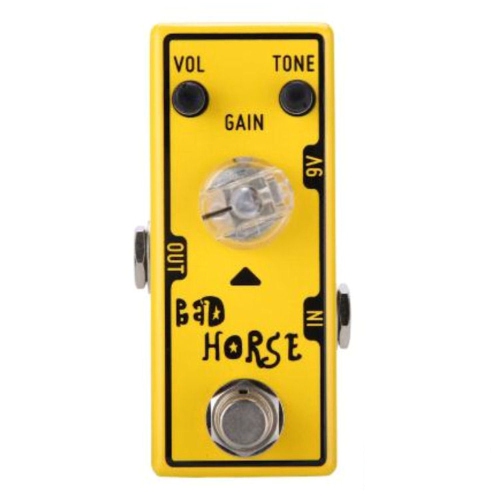
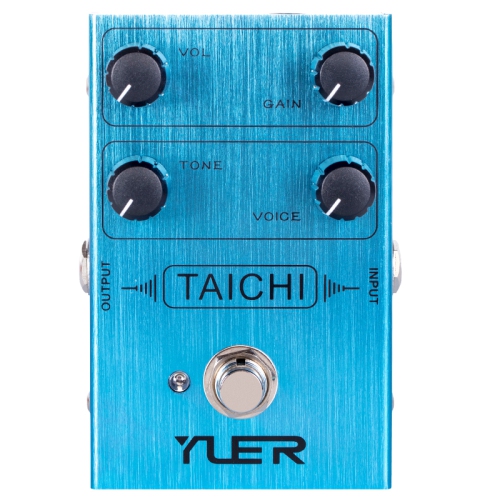
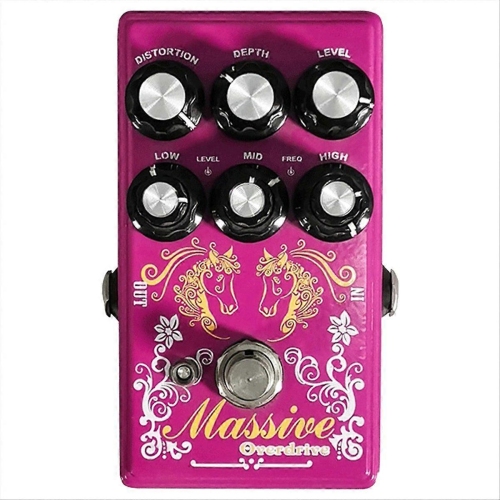
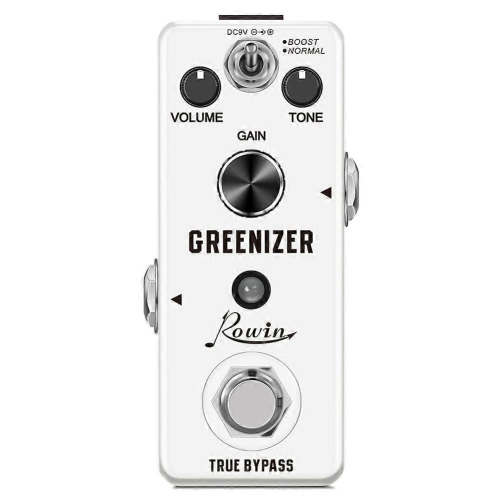
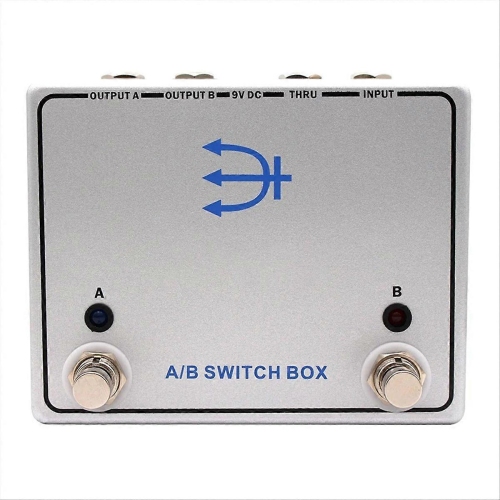
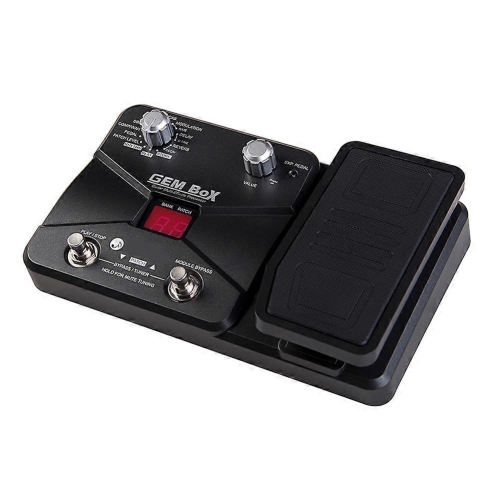
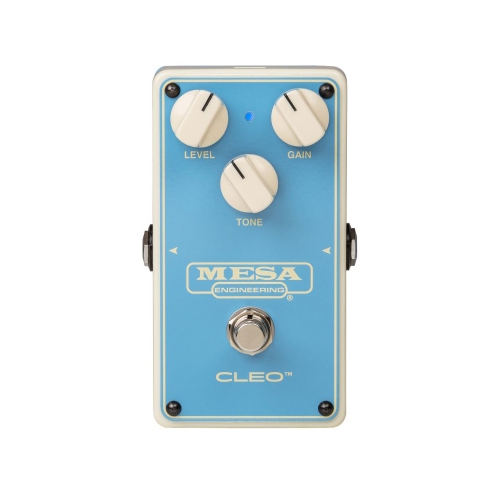
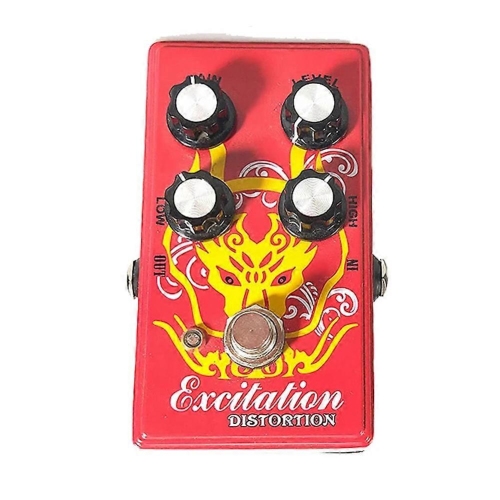
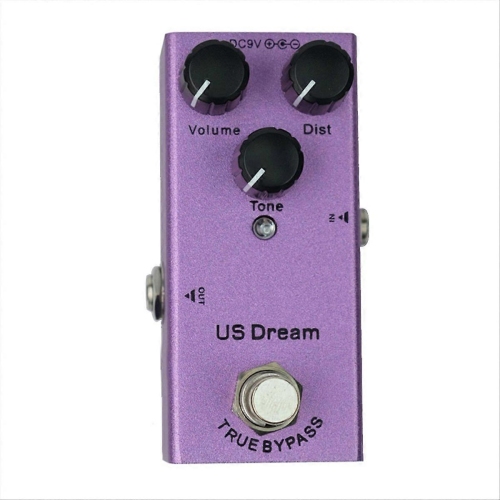
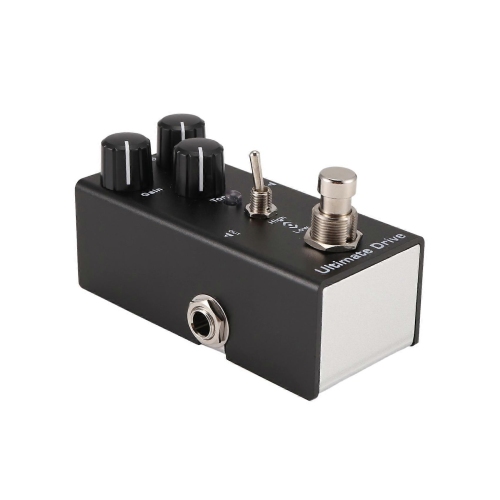
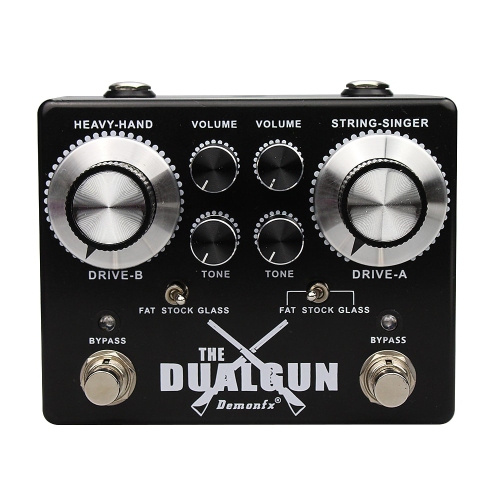
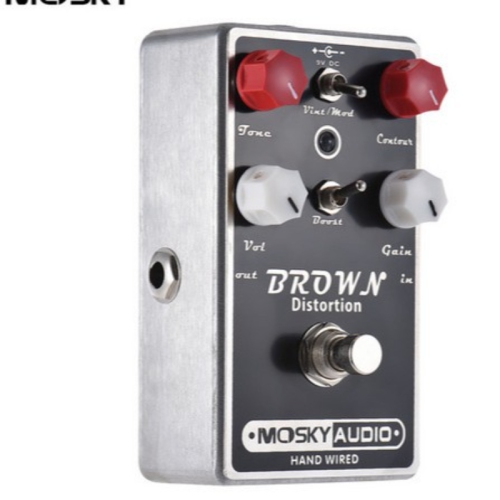
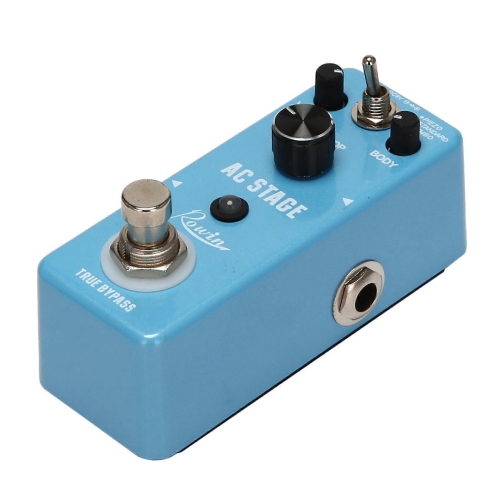
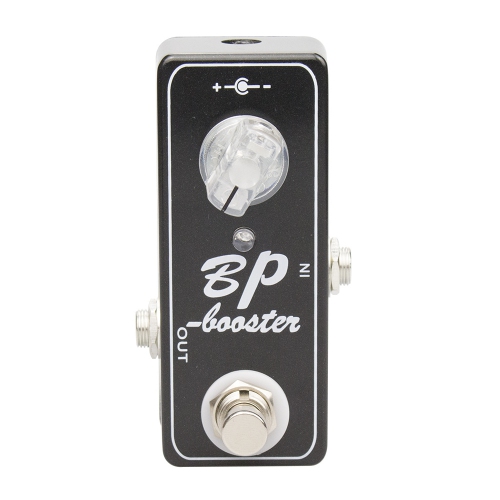
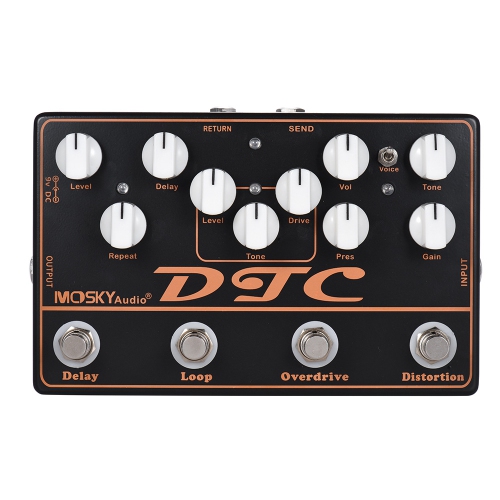
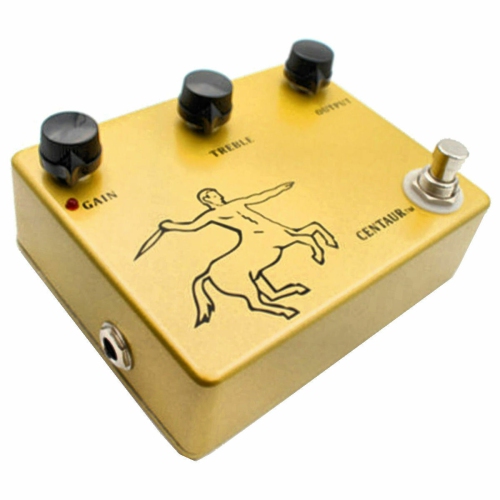
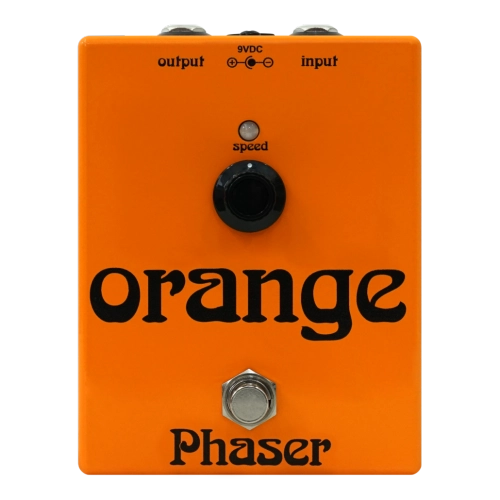


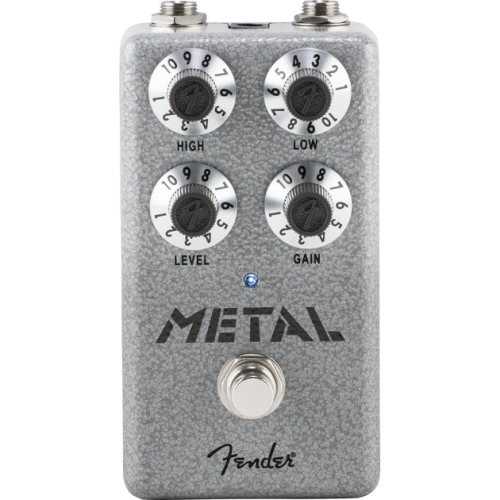
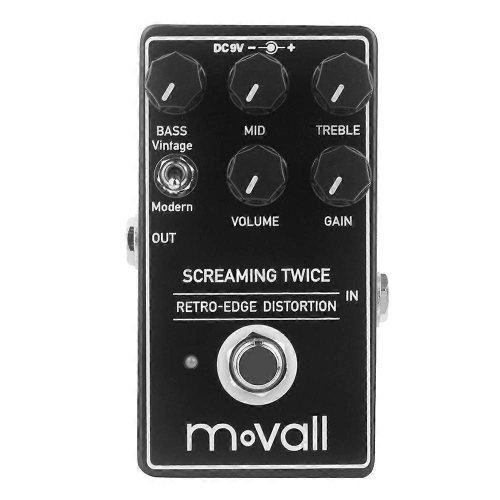

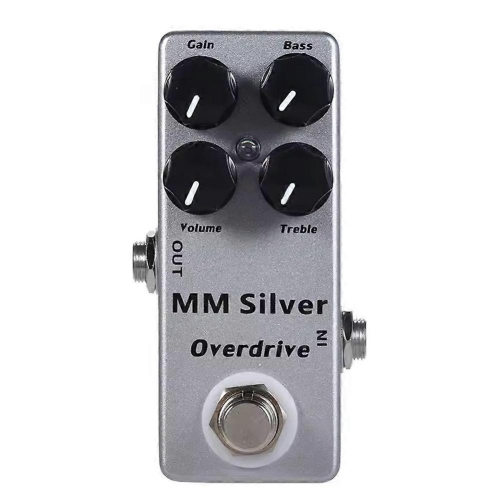
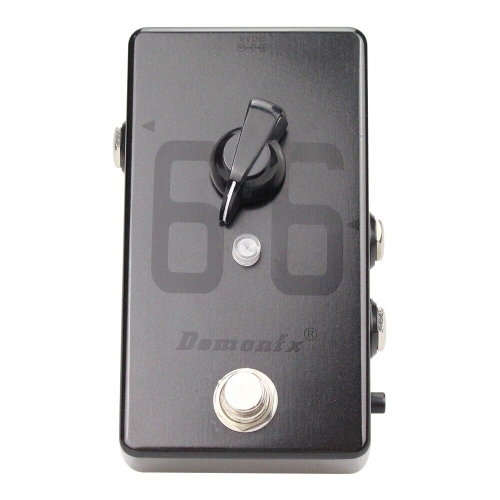
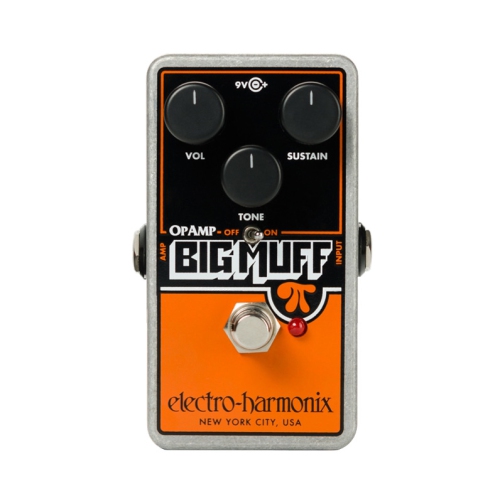
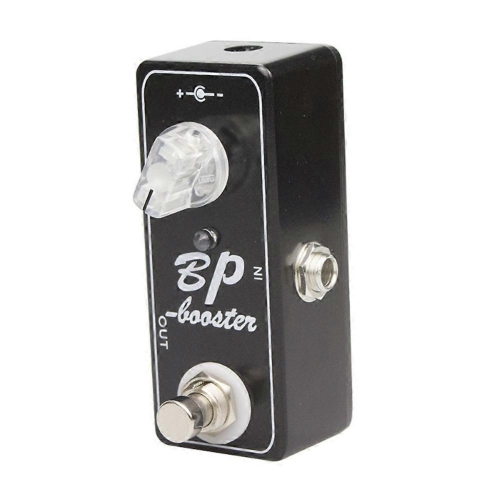
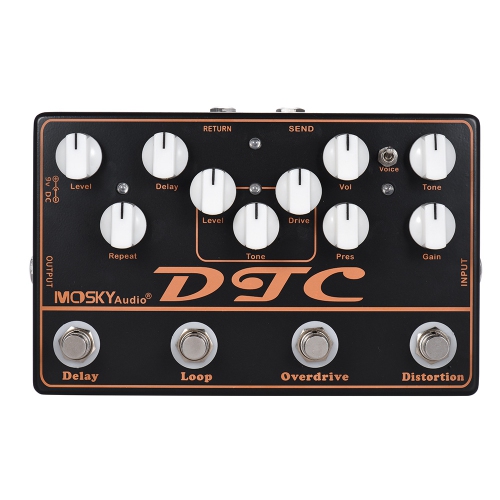
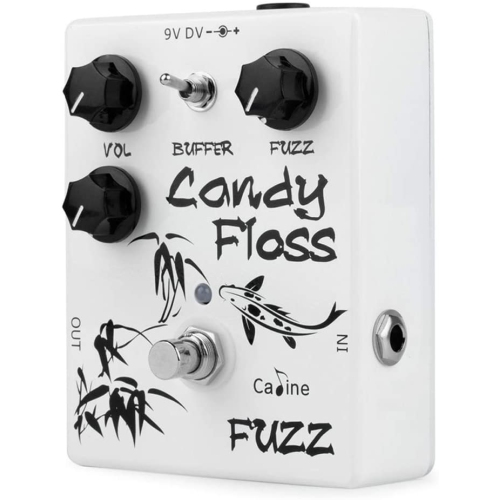
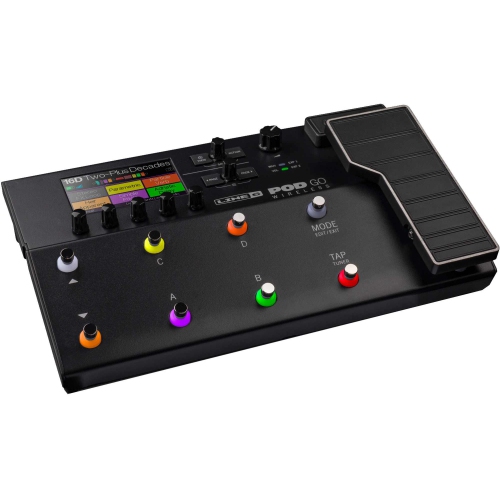
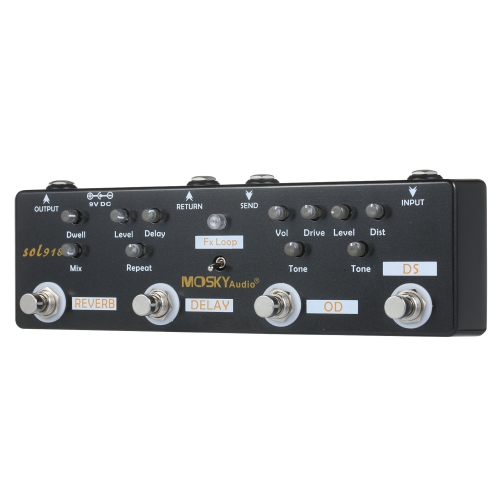

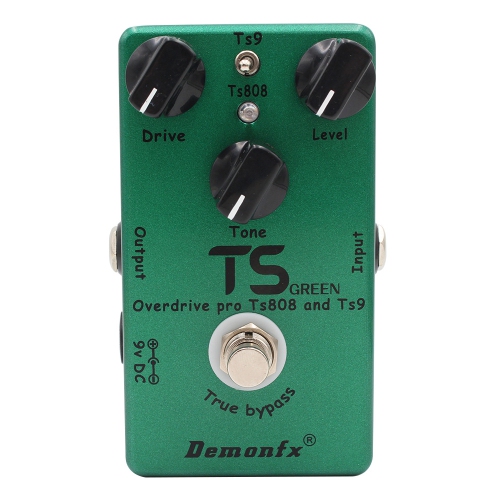
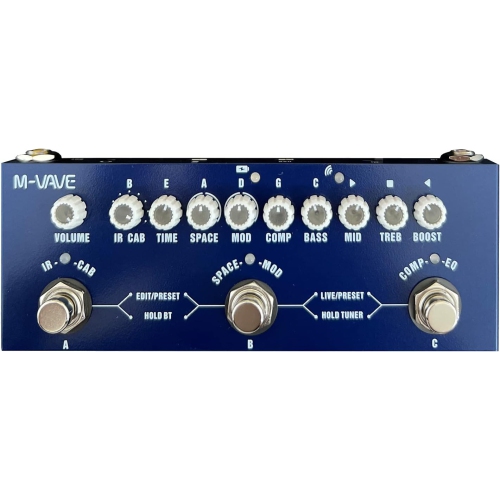
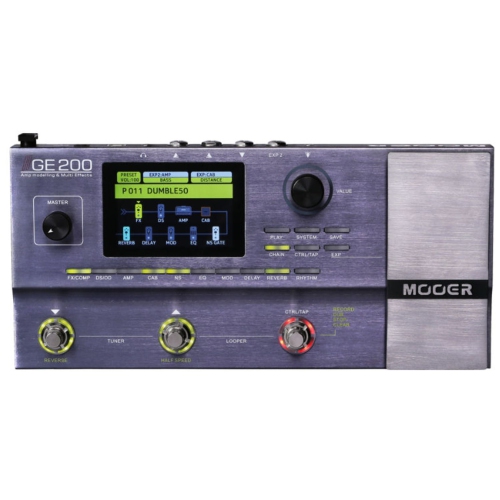
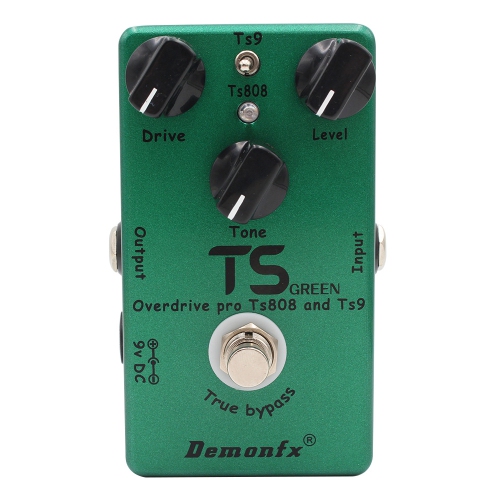
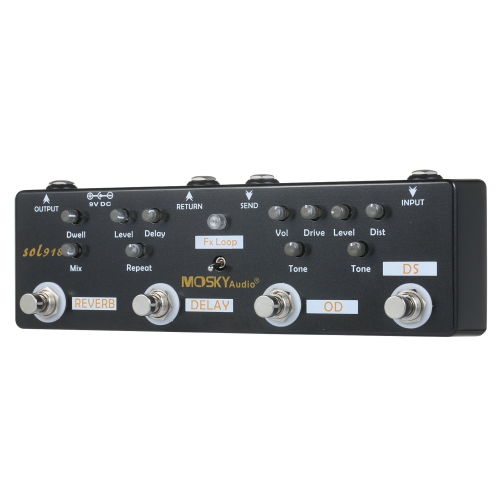
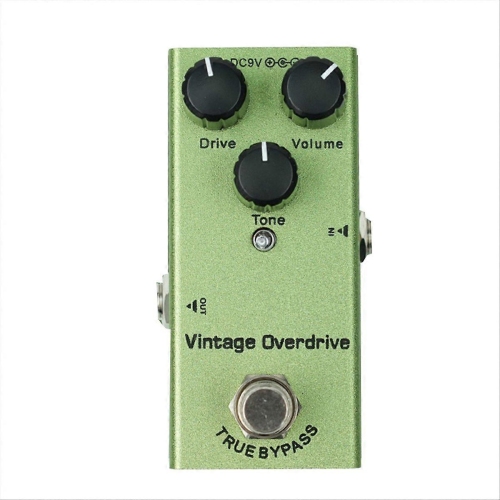

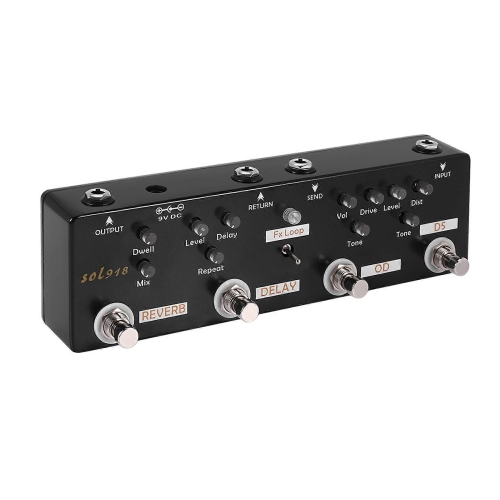
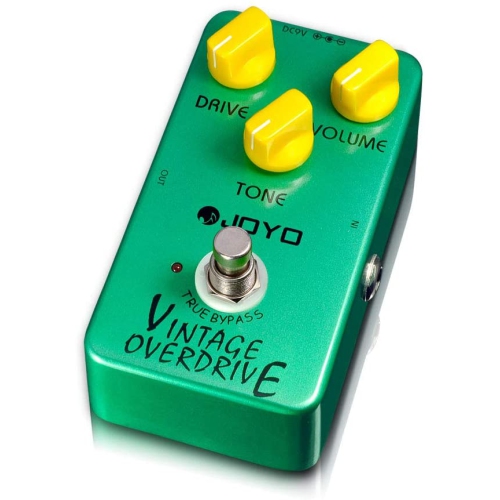
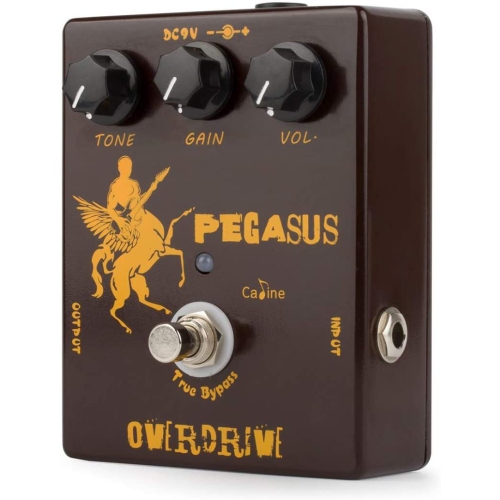
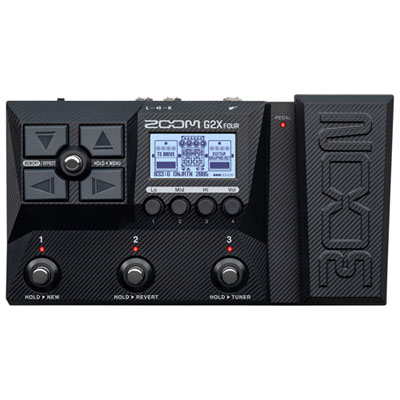
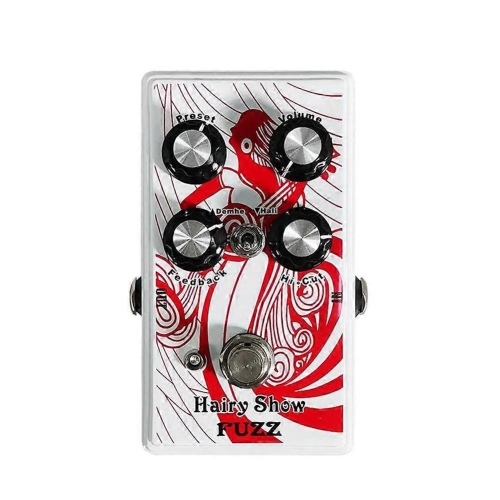
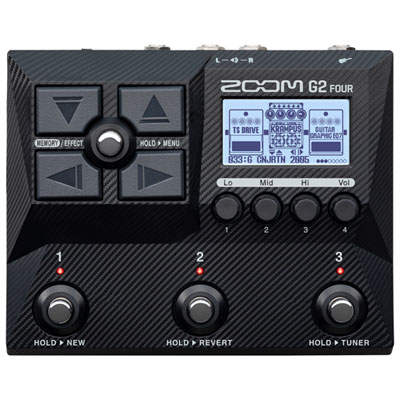
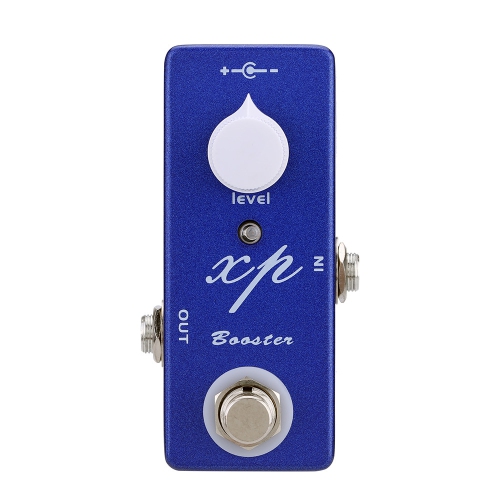
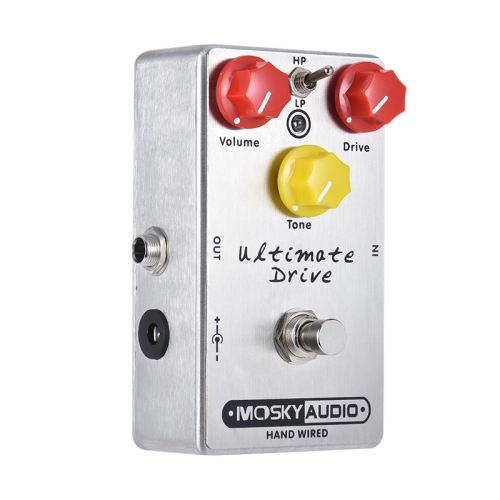
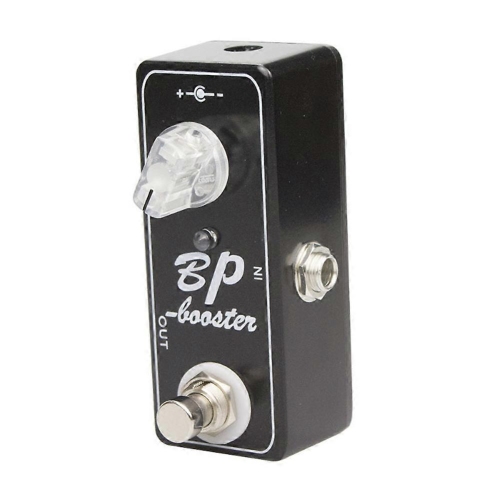
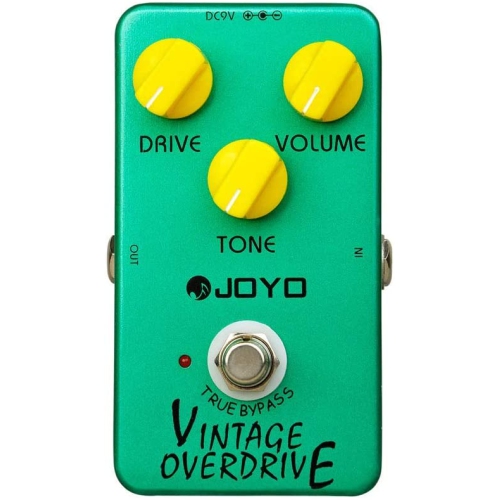
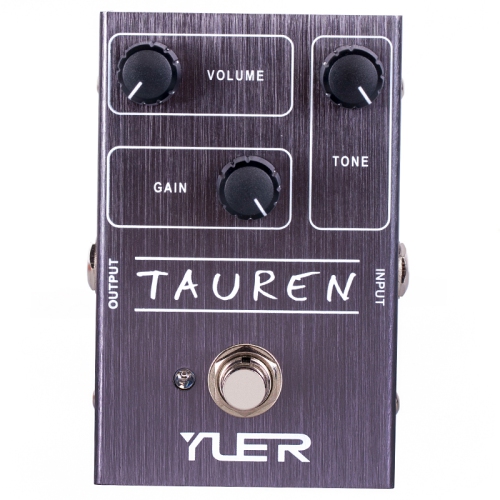
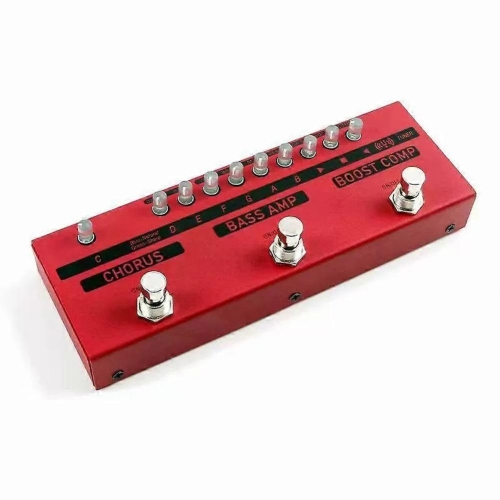
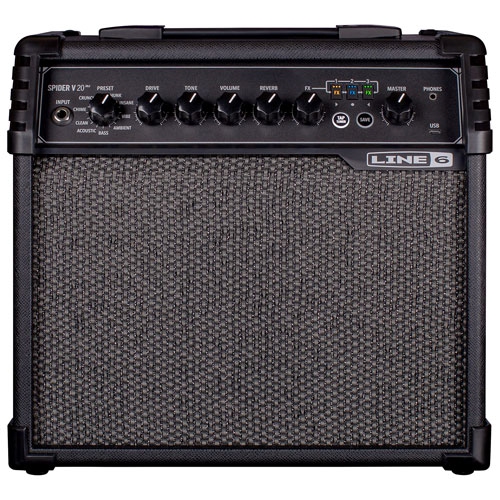
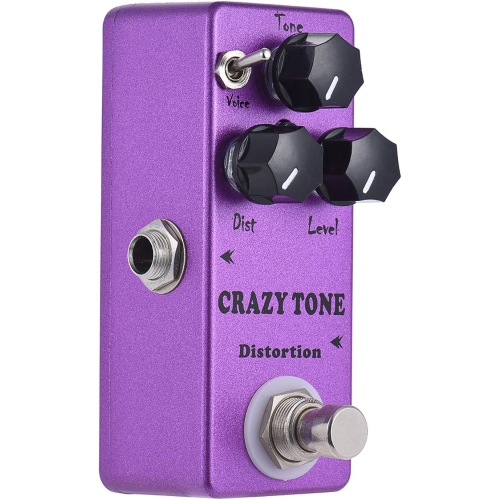
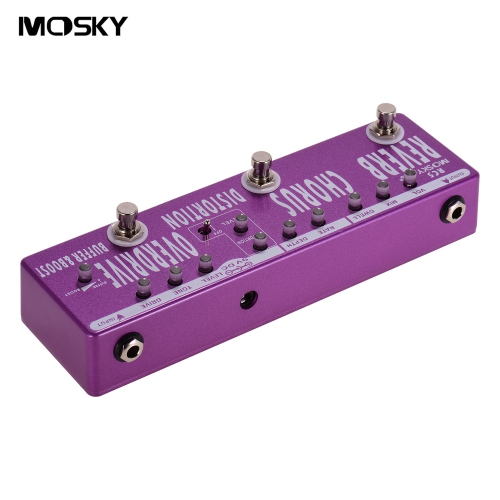
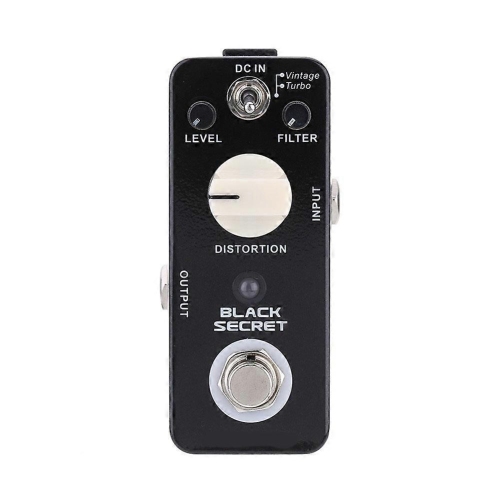

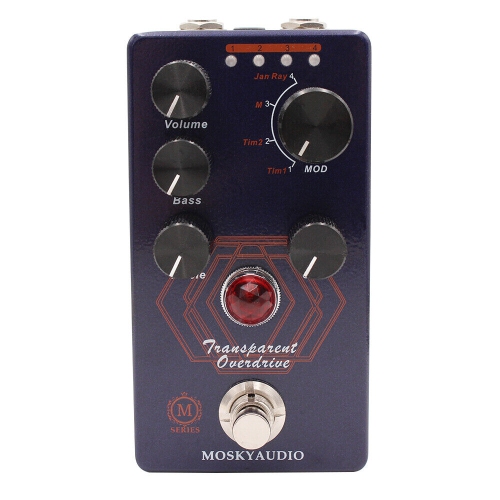
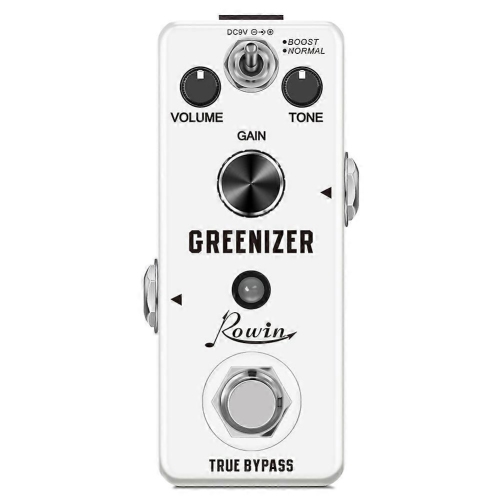
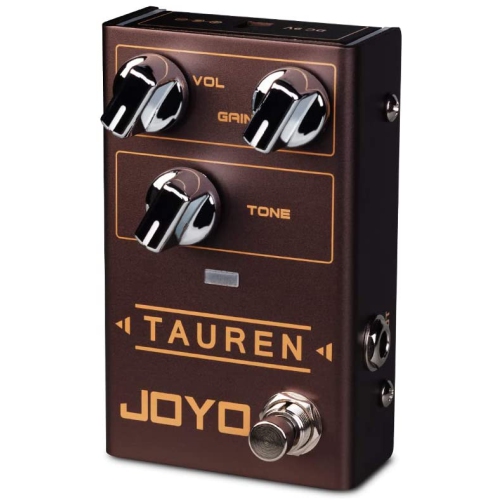
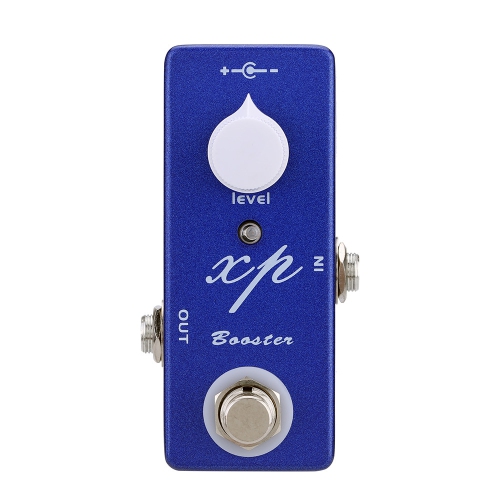
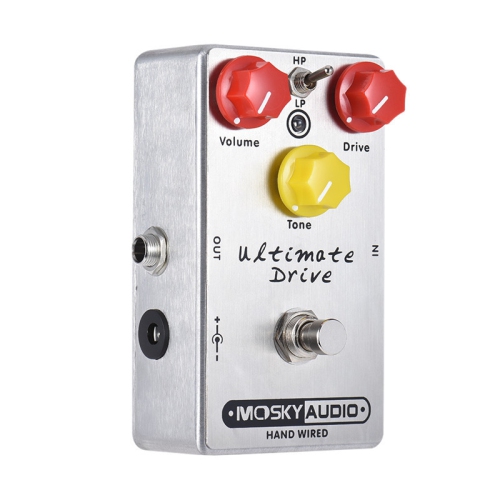
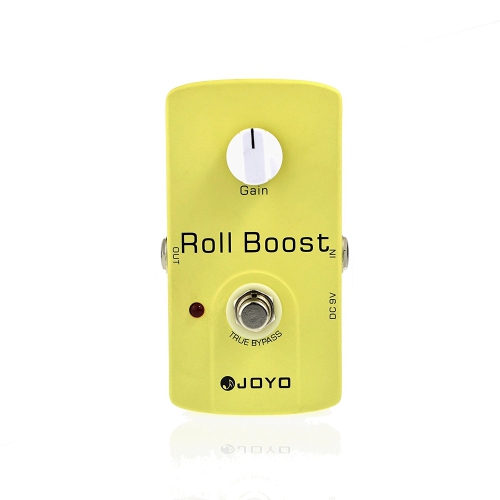
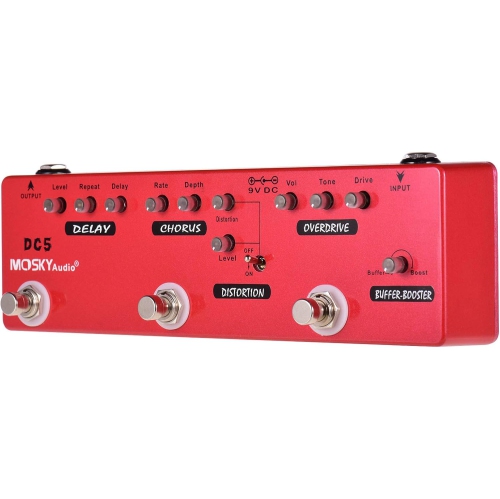
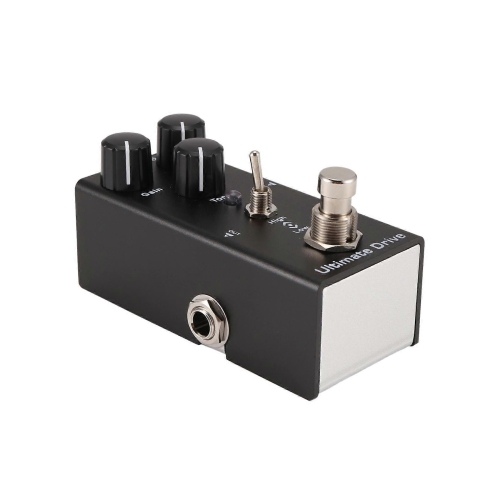

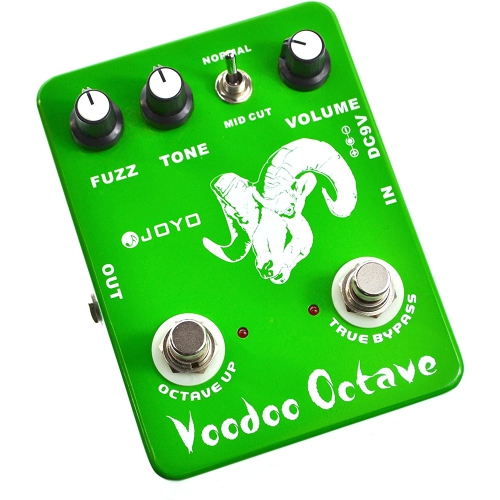
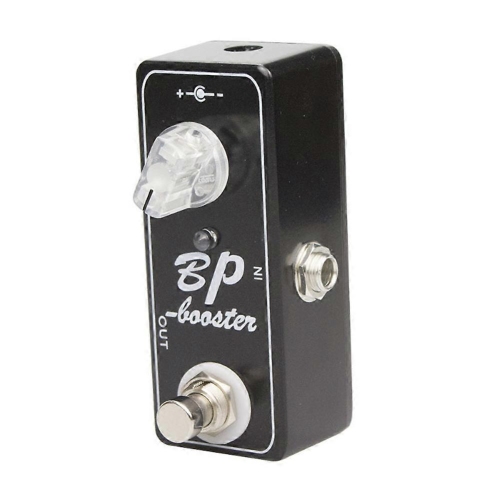
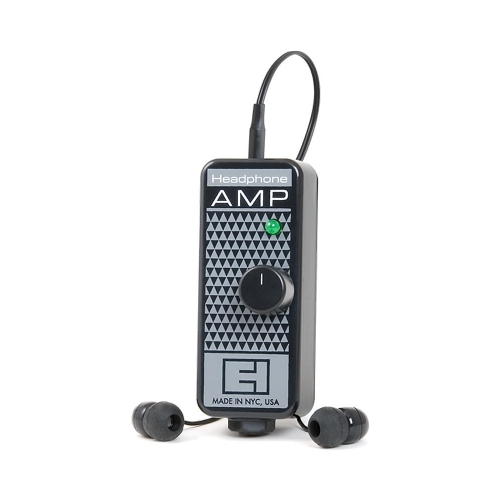
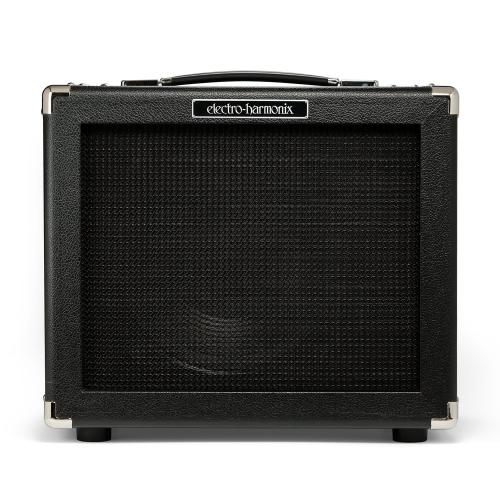
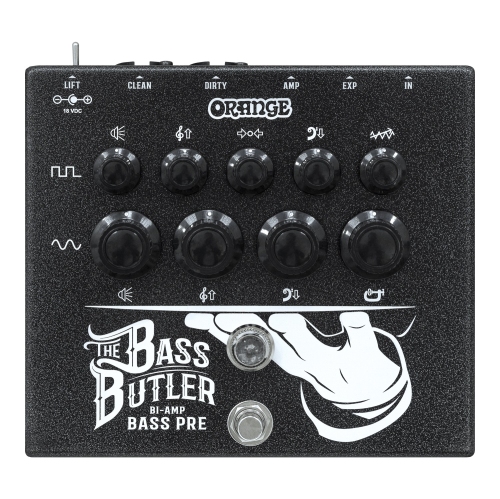
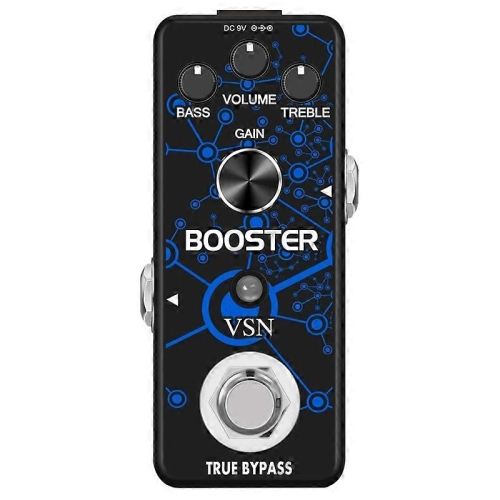
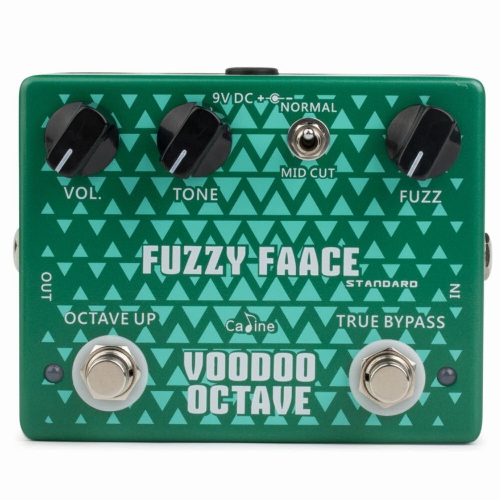
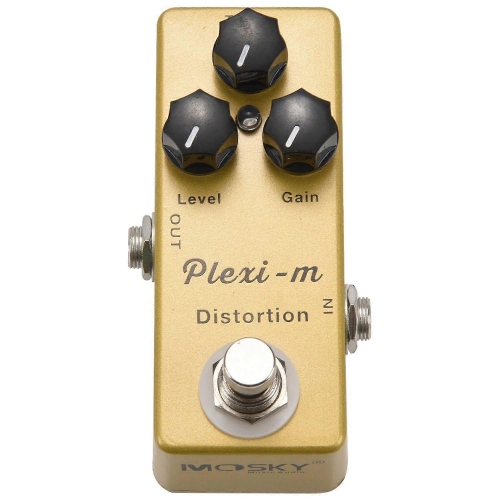
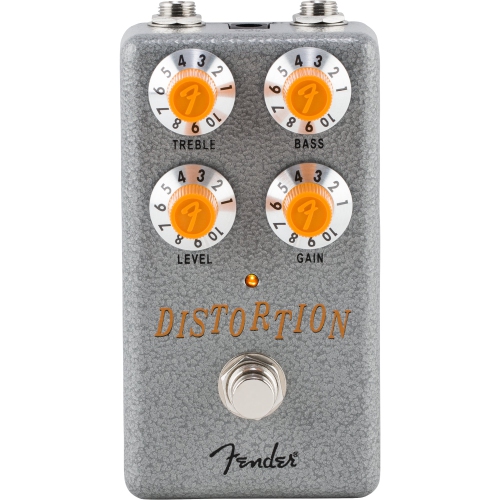
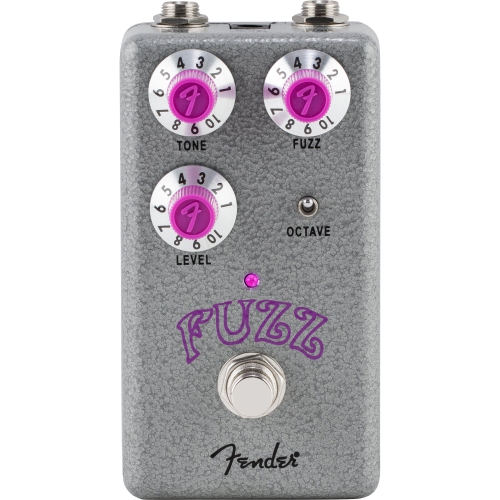
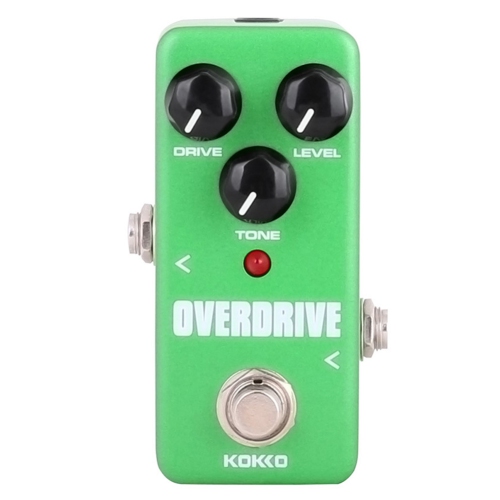
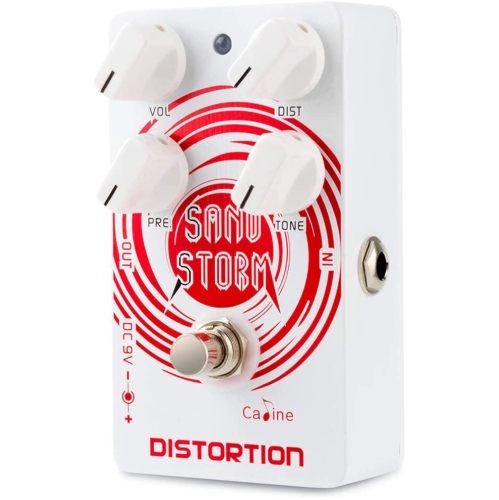
Shape amp tones for practice, recording, and live performance
Guitar amp pedals bring the character and response of a larger amplifier setup into a compact format that fits easily on a pedalboard. Depending on the design, a guitar amp pedal may recreate the sound of an amplifier and speaker cabinet, provide the preamp character of an amplifier, or supply the power needed to drive a separate speaker cabinet. Amp modelers and amp simulators typically combine amplifier and cabinet sounds, making it possible to connect a guitar directly to a PA system, audio interface, mixer, headphones, or powered monitor. These are useful for players who need consistent tones at rehearsals, on stage, or while recording at home. A preamp pedal focuses on the tone-shaping section of an amplifier and can run into a clean guitar amp, a power amp, or another suitable destination. A power amp pedal is designed to provide actual output wattage for a passive speaker cabinet, creating a compact rig for rehearsals, small performances, backup use, or travel. Since these categories can look similar from the outside, checking the intended signal path is an important first step. Some units are meant to go directly to a PA or recording interface, while others require a cabinet or a separate power amplifier. A pedal that sounds excellent through headphones or a mixing console may not be appropriate for driving a speaker cabinet, and a power amp pedal generally should not be connected to an unsuitable load. Reading the input, output, impedance, wattage, and connection specifications helps ensure that the pedal matches the rest of the equipment.
Tone is another major consideration when choosing guitar amp pedals. Players who favour bright, articulate cleans may look for responsive headroom and clear note separation, while those who play blues, classic rock, metal, punk, or alternative music may prefer natural breakup, touch-sensitive overdrive, tighter low end, or higher-gain voicings. Many amp-style pedals include controls for gain, volume, bass, middle, treble, presence, or cabinet selection, giving the player room to shape the sound for a particular guitar, venue, or recording. A pedal with several amplifier styles can be useful for musicians who move between genres, while a more focused design may suit someone who already knows the sound they want. The guitar, pickups, other effects, playing technique, and destination all influence the final result. For example, a bright single-coil guitar may pair well with a warmer amp-style setting, while a guitar with high-output pickups may benefit from controlled gain and firm low frequencies. Placement on the board matters too. An amp pedal is often positioned near the end of the signal chain, after effects such as distortion, modulation, and delay, although a preamp-style pedal may be used in different positions for creative results. A player who wants to use an existing amplifier may connect the pedal to a clean channel or an effects-return input, depending on the amplifier’s design. When running direct, cabinet simulation or impulse-response features can help reproduce the natural roll-off and resonance associated with a real speaker. Without that final speaker character, a direct guitar tone can sound unusually harsh or brittle through full-range equipment. Players building a flexible rig can also explore Guitar Processor Pedals for additional signal-shaping options, especially when one board needs to cover practice, recording, and live performance.
Guitar amp pedals can suit beginners assembling a first compact setup, experienced players looking for a dependable backup, and recording musicians who want repeatable tones without placing a loud cabinet in a room. They can also make thoughtful gifts for guitarists because they invite experimentation while solving a practical need: a smaller rig, a direct-recording solution, an additional amp voice, or a way to rehearse quietly during the cooler months. Before choosing one, consider where it will be used most often and what equipment is already available. A home player may value headphone output, silent operation, simple controls, and an audio-interface connection. A gigging musician may prioritize sturdy construction, footswitch access, preset storage, balanced outputs, and reliable operation under changing stage conditions. Someone travelling between rehearsal spaces may prefer a lightweight unit that can connect to different backline amplifiers or go directly to a venue’s PA. Power requirements are worth checking as well: some pedals use a standard pedalboard power supply, while others require a dedicated adapter or draw more current than a basic daisy chain can provide. If a unit is intended to power a cabinet, confirm the cabinet’s impedance and power-handling capacity, then follow the manufacturer’s connection guidance carefully. It is also helpful to think about control during performance. Separate footswitches for channel changes, boost, effects, tap tempo, or preset navigation can be more valuable on stage than a long list of hidden menu functions. For recording, USB connectivity, cabinet options, and low-noise operation may matter more than maximum volume. Taking these details into account makes it easier to choose a guitar amp pedal that feels natural underfoot, complements the rest of the signal chain, and delivers a convincing tone in the settings where it will actually be played.
Top selling and popular products
-
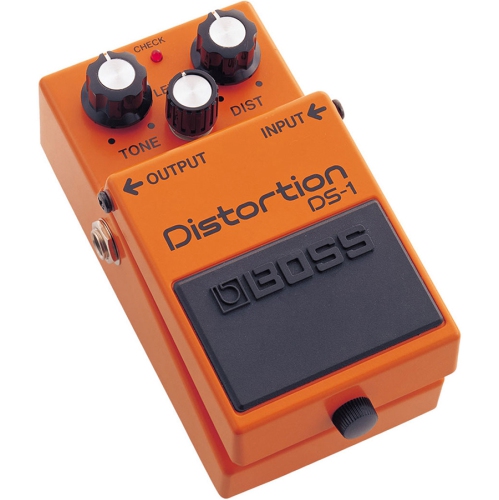 Your price for this item is $89.99
-
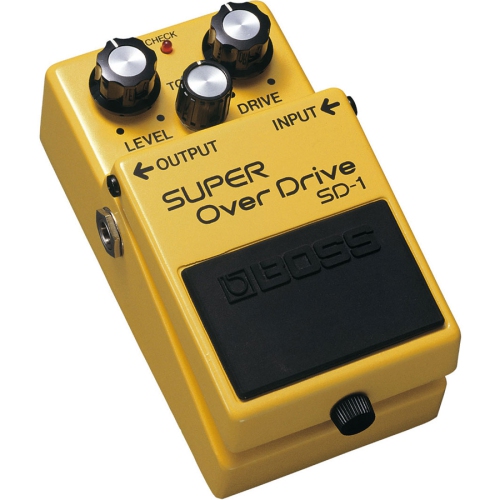 Your price for this item is $89.99
-
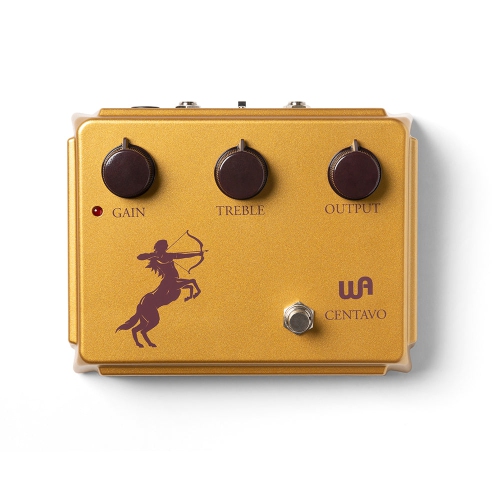 Your price for this item is $289
-
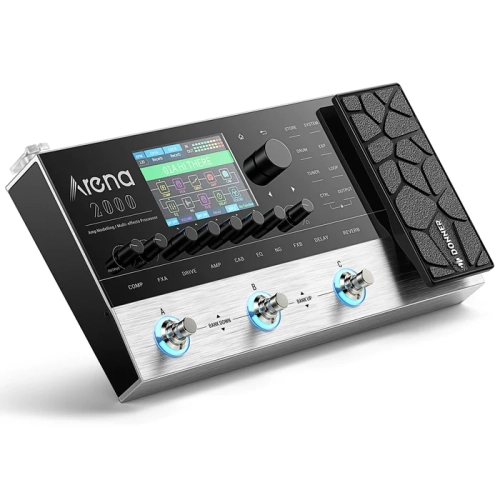 Your price for this item is $215.99
-
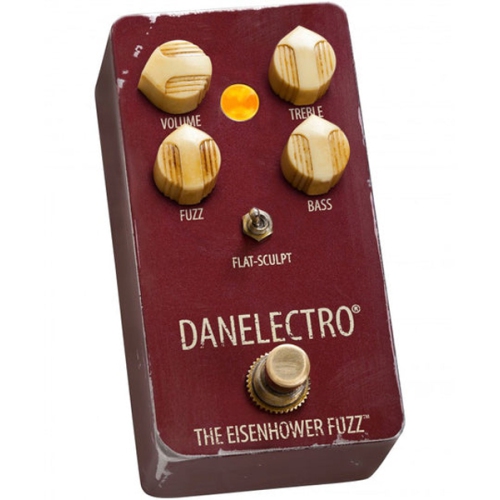 Your price for this item is $164.99
-
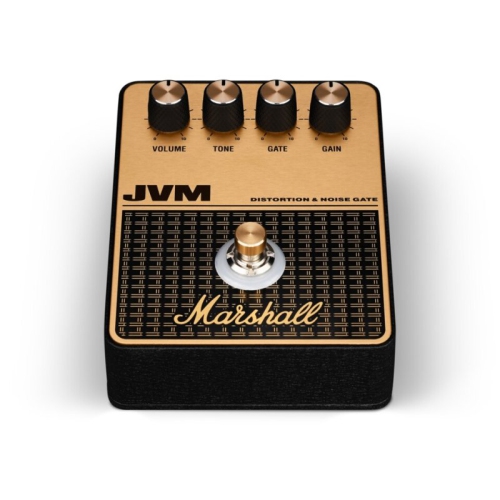 Your price for this item is $249.99
-
 Your price for this item is $249.99
-
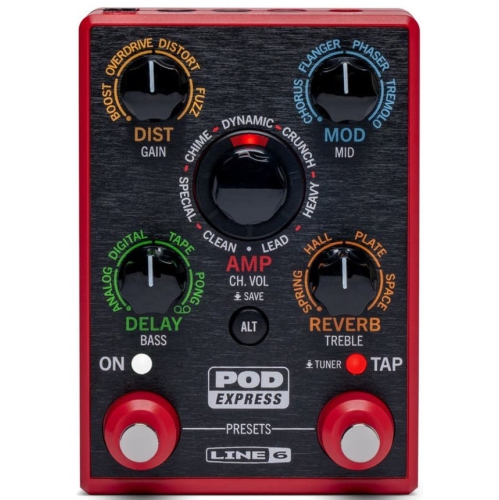 Your price for this item is $239.99
Discover more categories related to Guitar Amp Pedals
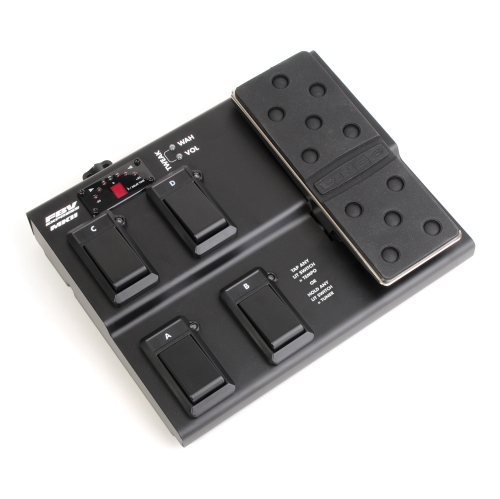
Top Collections:
Pokemon Centers, Best Cameras for Sports Photography, Kindle Devices, Samsung Galaxy Phones, Canon G7X Cameras, Pokémon 30th Celebration Cards, Refurbished Apple Laptops, iPhone 15 Apple, Laptops for Students, Budget Smartphones
Some products may be subject to Environmental Handling Fees
(EHF) depending on your province.
Learn more about EHFs.