Analog Delay Pedals
Looking to add some vintage warmth and character to your guitar sound? Look no further than our collection of analog delay pedals. These versatile effects pedals are a must-have for any guitarist looking to recreate the classic sounds of the past. With their ability to create lush, rich repeats that decay naturally over time, analog delay pedals have been a staple in the music industry for decades. Whether you're a seasoned musician or just starting out, our selection of analog delay pedals offers a range of options to suit your needs. So dive into the world of timeless echo and discover the perfect pedal to elevate your guitar playing to new heights.
Sort
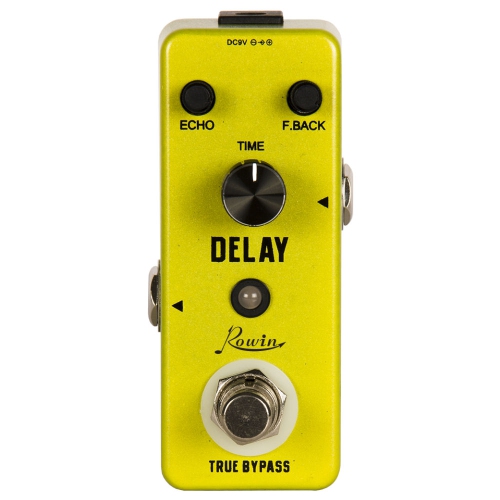

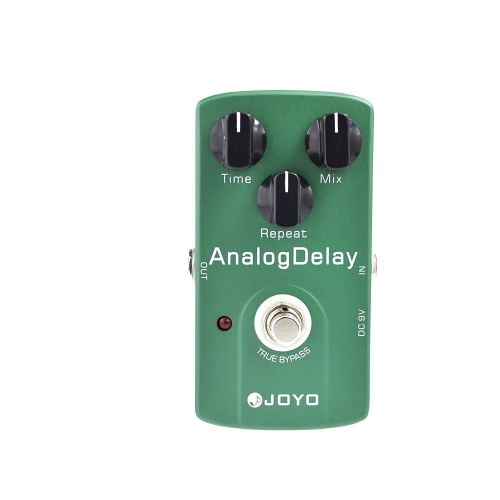
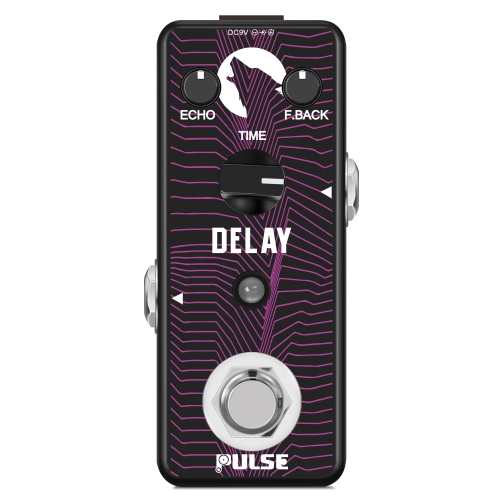
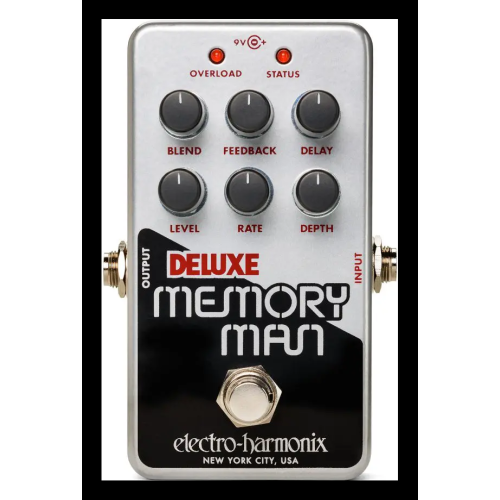
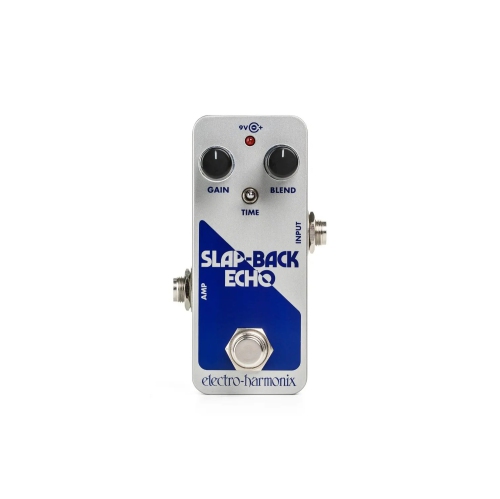
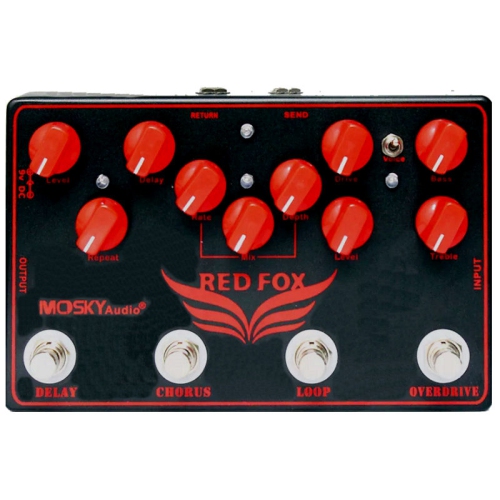
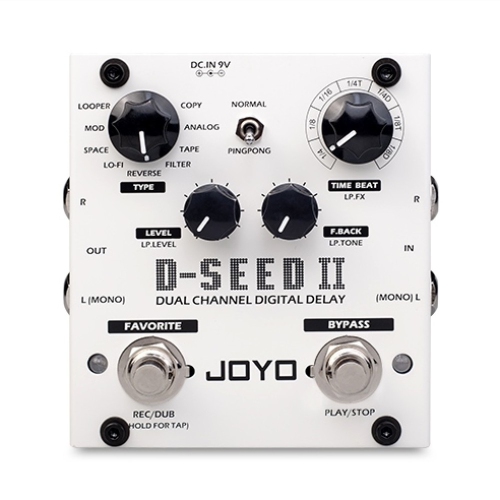
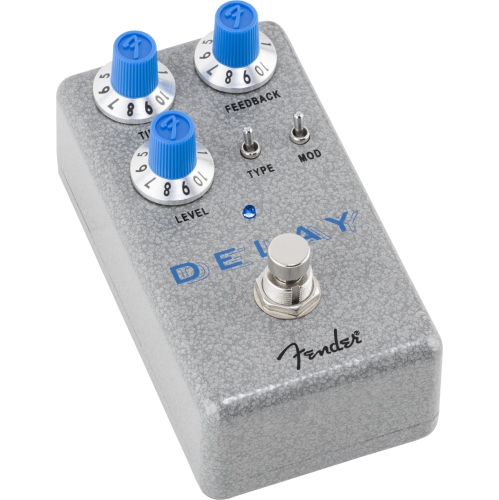
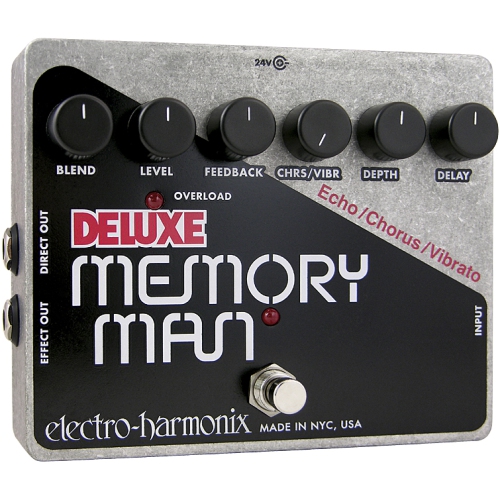

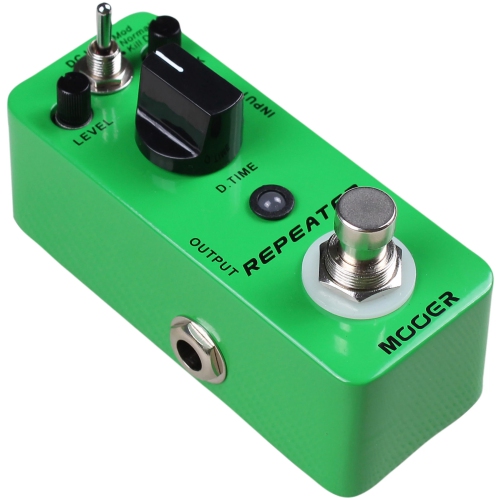
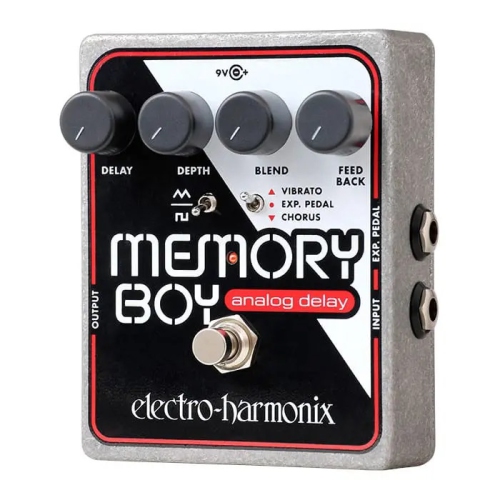
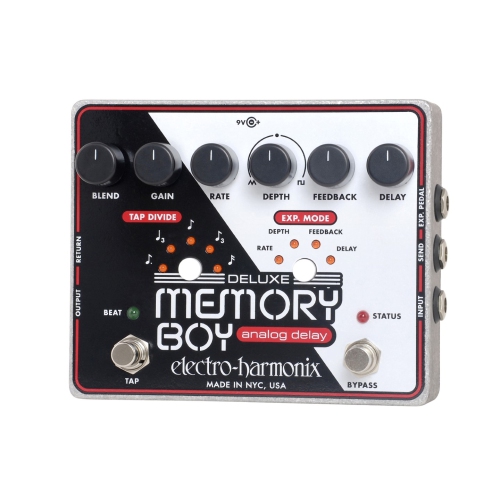
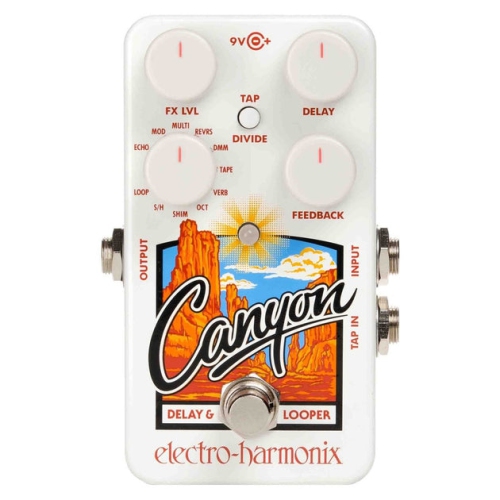
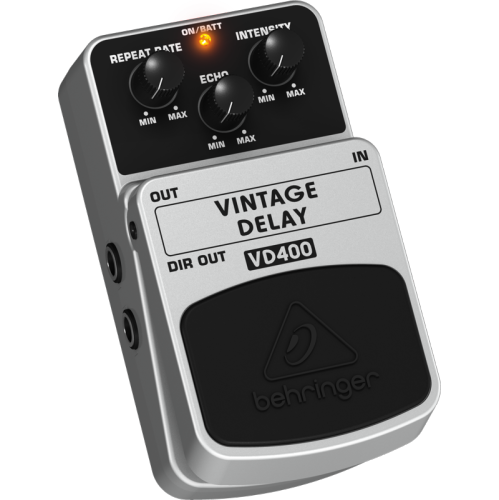
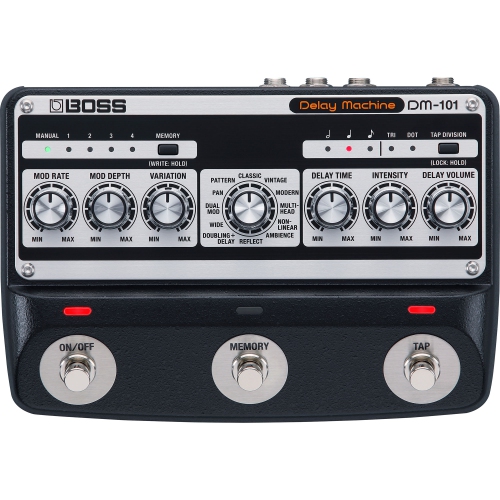
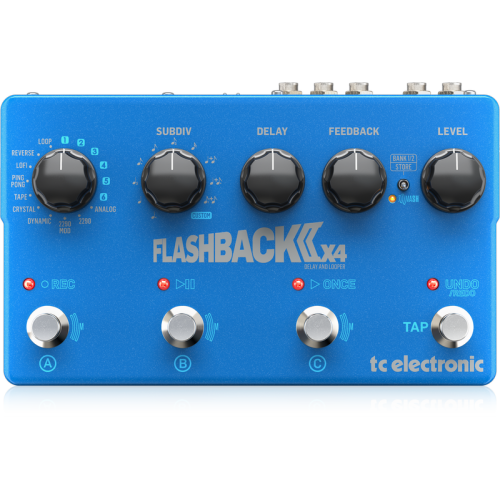
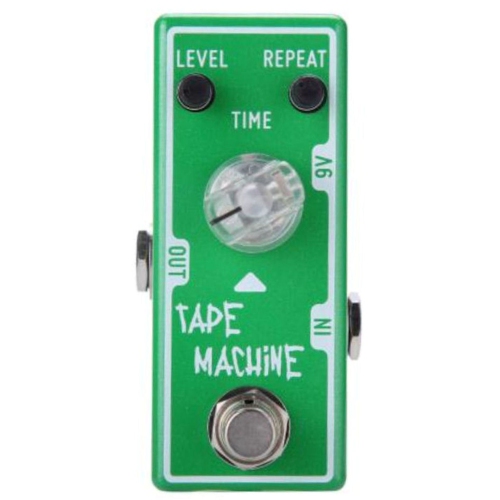


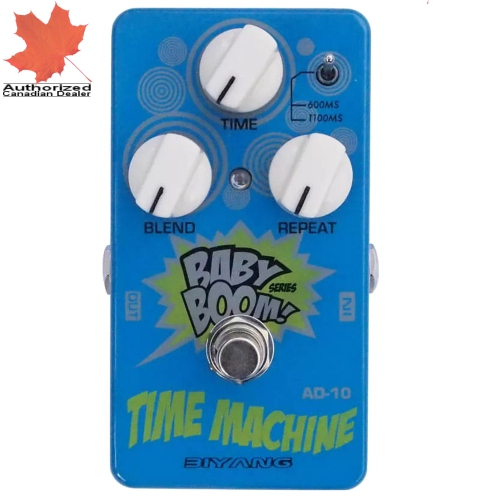
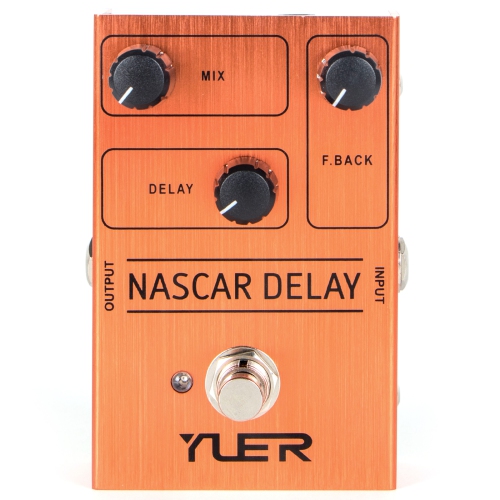
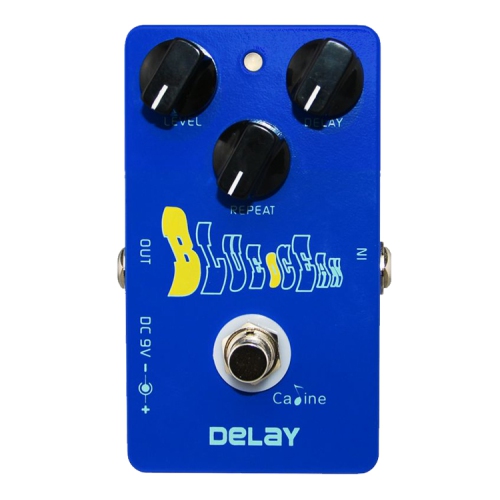

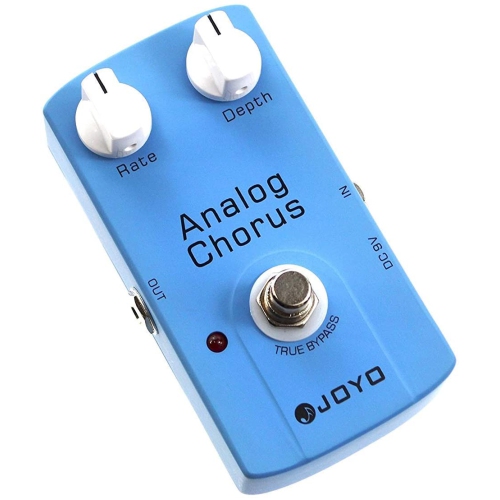


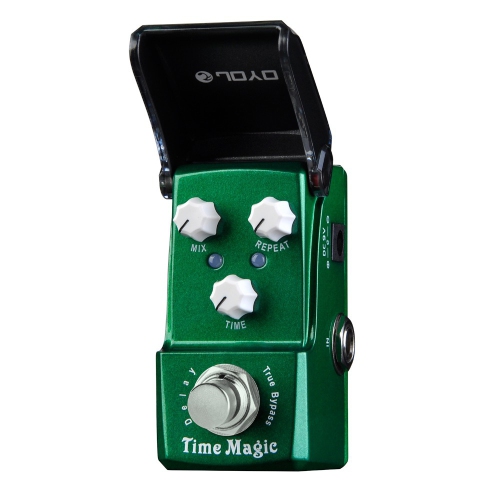
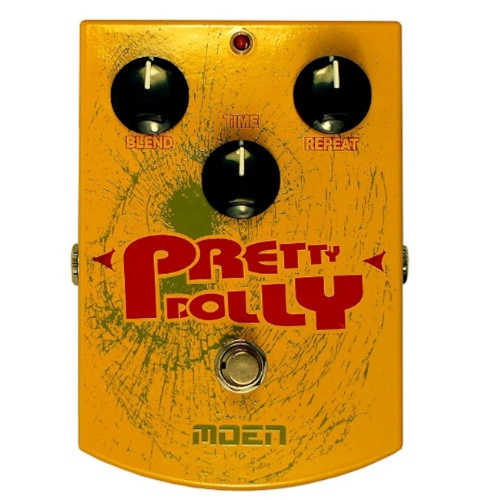
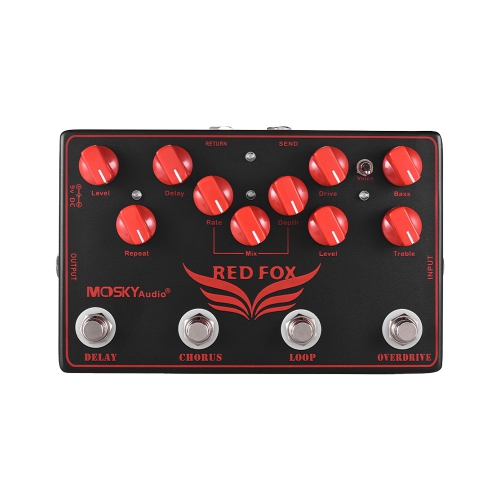
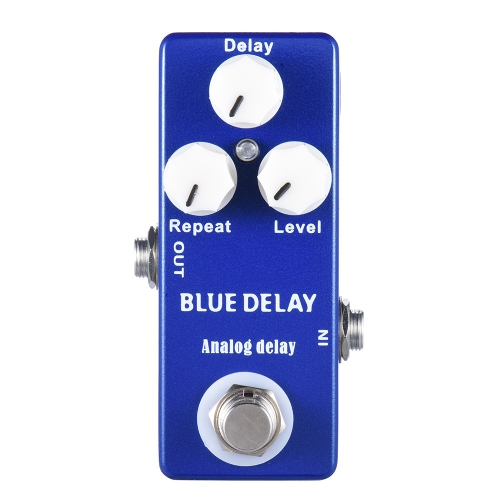
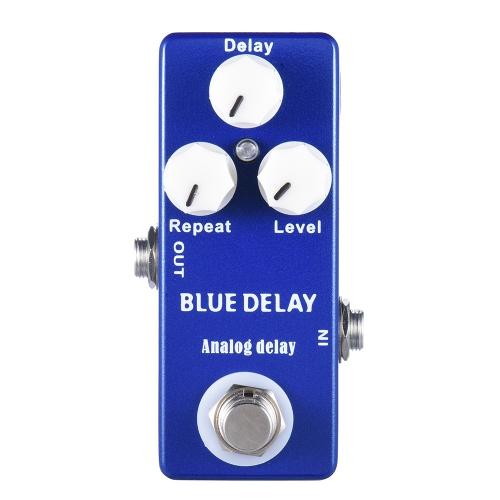
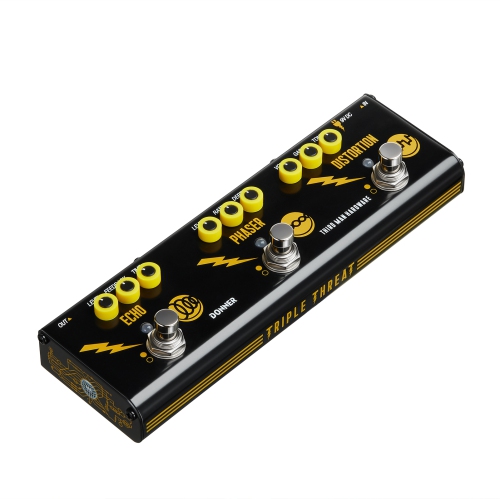
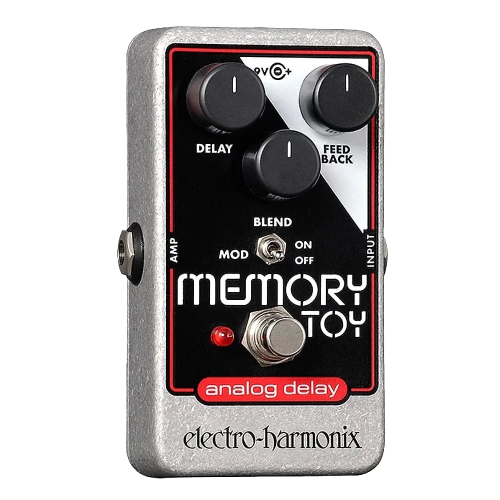
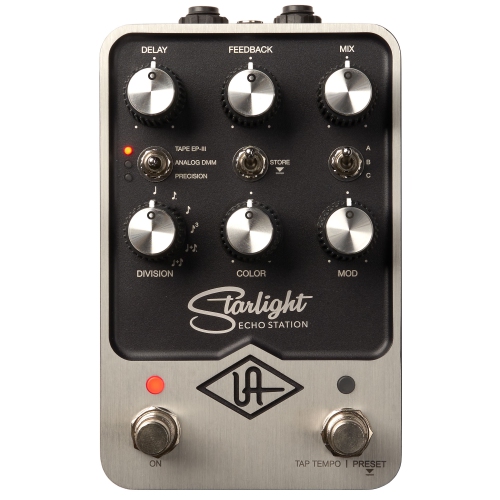
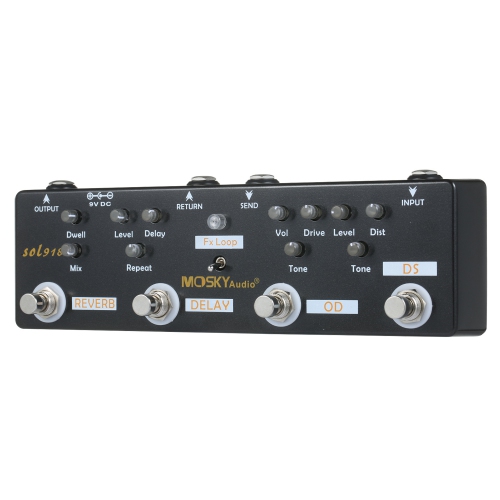

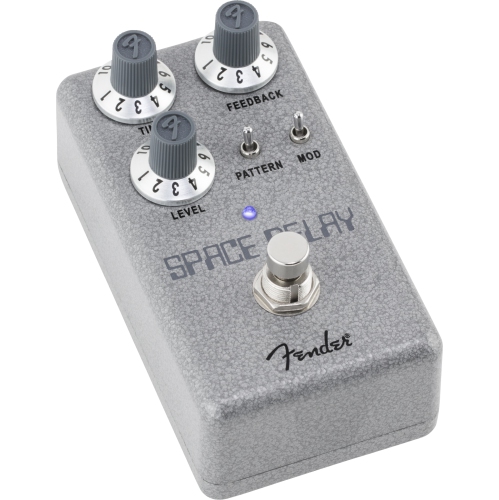
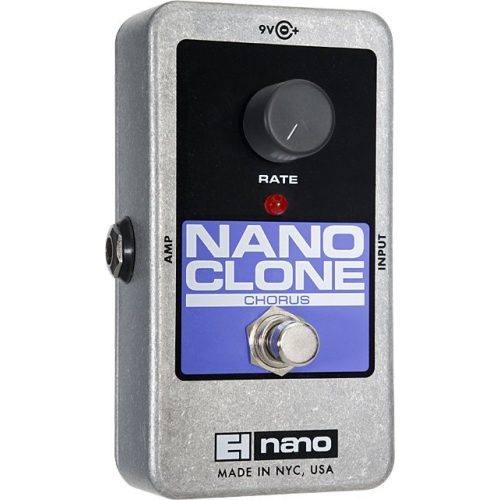
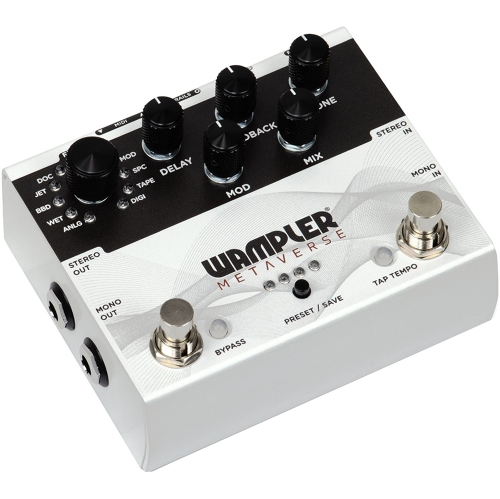
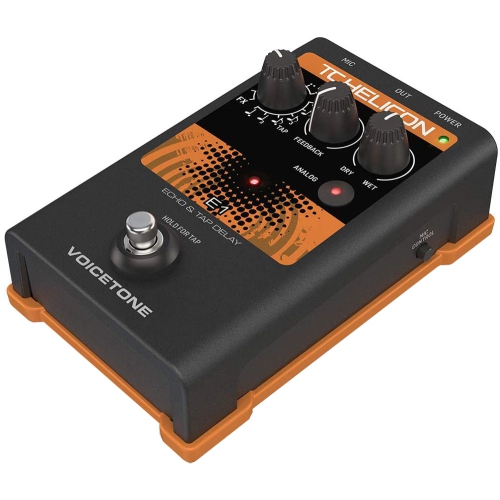
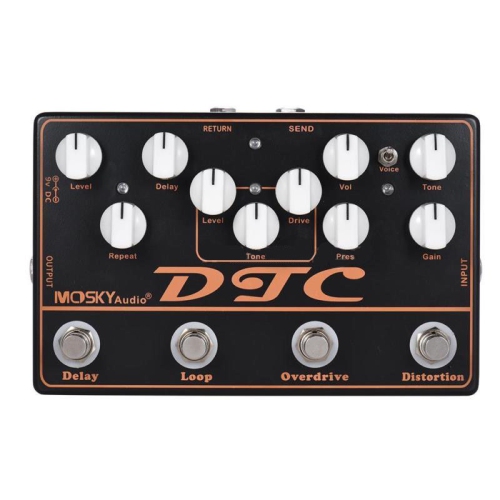
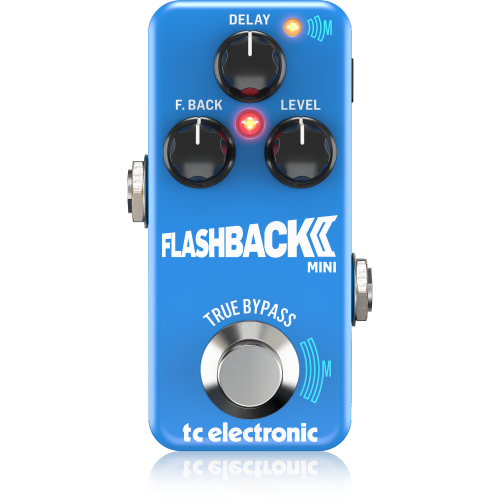
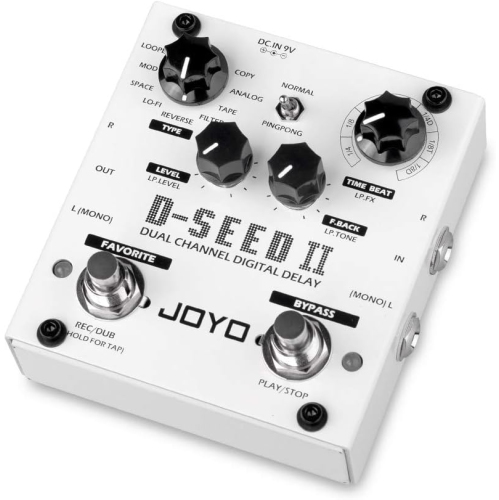
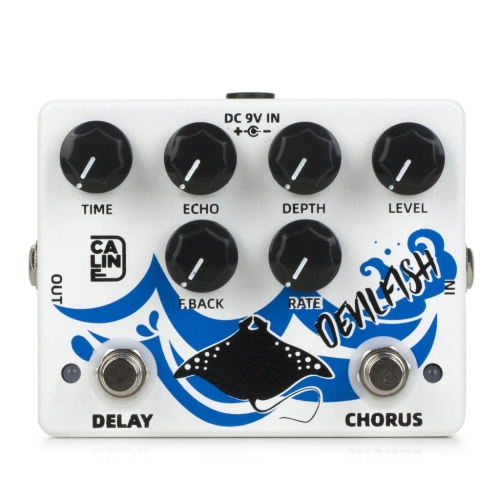
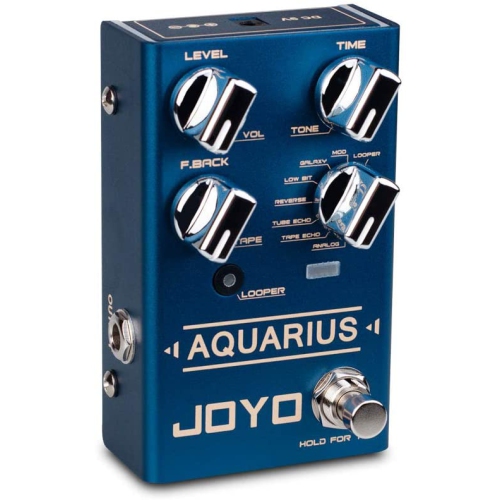

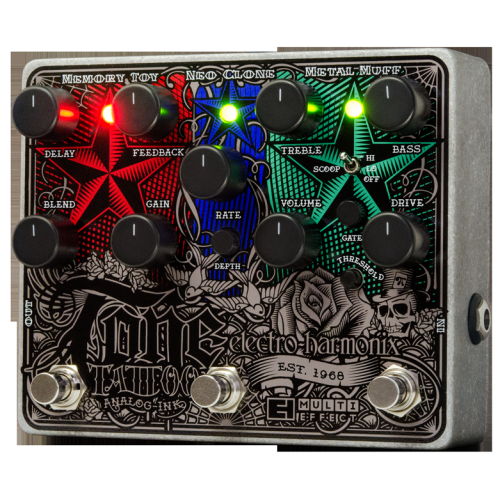
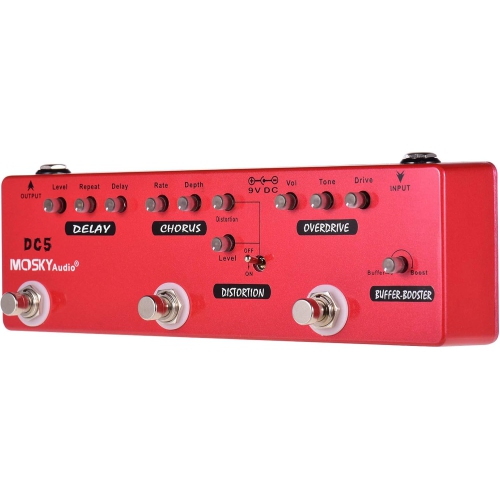
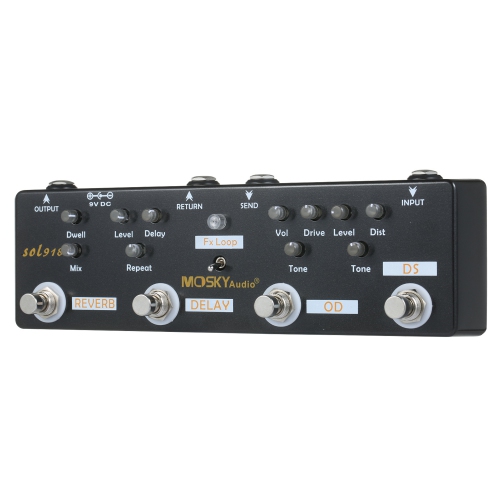
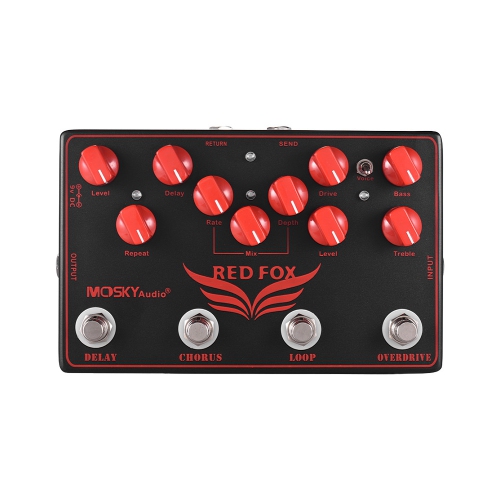
Warm, fading echoes for vintage-inspired guitar expression
Analog delay pedals add echo to a guitar signal using physical electronic circuitry rather than storing and replaying the sound as digital audio. Many use bucket brigade device (BBD) chips, which pass the signal through a chain of small storage stages, creating repeats that gradually lose high-frequency detail and become softer, darker, and slightly more textured. That gentle signal loss is central to the character of an analog delay: the original note remains prominent while the echoes recede naturally behind it, much like a guitar played in a wooden room where each reflection fades into the walls. Depending on the settings, an analog delay can create a tight slapback effect for rockabilly and country lines, a subtle sense of space for clean rhythm parts, or a rolling series of repeats that gives lead guitar a fuller, more expressive quality. Many models offer delay times of up to roughly 300 or 600 milliseconds, which is well suited to classic echo sounds, short ambient effects, and rhythmic doubling. Longer delay times may be available on some designs, but analog circuitry generally has a distinct sweet spot: the repeats become increasingly warm, compressed, and indistinct as they continue. That evolving quality can make individual notes feel more connected and musical, especially when playing blues, indie, alternative, classic rock, shoegaze, or atmospheric instrumental music. For players exploring related effects, Analog Guitar Pedals can also offer a broader look at the sounds and signal-shaping options available for a pedalboard.
When choosing an analog delay pedal, start by considering how much control you want over the echo and how the pedal will fit into your existing setup. Delay time determines the distance between the original note and its repeat: shorter settings can add punch and a vintage slapback feel, while longer settings create more spacious trails. Feedback, sometimes called repeats, controls how many echoes are heard before they fade away. A low feedback setting may produce one or two understated repeats, while higher settings build a longer trail that can become increasingly dense or self-oscillate when pushed. The blend or level control balances the delayed signal against the dry signal, making it possible to keep the effect barely noticeable or bring the repeats forward as a major part of the sound. Some pedals include modulation controls that gently vary the pitch of the repeats, adding a chorus-like movement reminiscent of old tape and studio effects. This can be especially appealing for clean tones, slow chord work, and spacious lead passages. Check whether the pedal includes a true-bypass or buffered-bypass design, as this can affect how your signal behaves when the effect is switched off, particularly in a larger chain with multiple cables. Power requirements are also worth confirming; many compact pedals use a standard 9 V power supply, while some may support batteries or require a different current rating. Since analog delay circuits can introduce a little background hiss, especially with longer delay times or high feedback, look for practical control placement and a design that keeps the dry guitar signal clear. A sturdy footswitch, readable knobs, and an enclosure that can handle regular use are helpful for musicians who rehearse, perform, or move their pedalboard between rooms and venues. Players who prefer hands-on adjustment may enjoy the immediacy of separate knobs for time, repeats, and level, while those who need precisely matched rhythmic echoes may want to consider whether tap tempo, tempo subdivision, presets, or MIDI features are available. These features are less common on traditional analog designs than on digital delays, so deciding between vintage-style simplicity and expanded control can help narrow the selection.
Analog delay pedals can suit beginners building a first effects board, experienced guitarists refining a familiar rig, bass players looking for a rounded echo, and musicians who enjoy shaping sound through touch and repetition. They respond naturally to playing dynamics: a lightly picked phrase can leave a restrained, smoky trail, while a harder attack can push the repeats into a more saturated and noticeable texture. They can also be useful for home recording, rehearsal spaces, worship and ambient arrangements, live performance, and songwriting sessions where a small amount of echo helps a part sit comfortably in the mix. Try placing the pedal before distortion or overdrive for repeats that become progressively more saturated, or after those effects for clearer echoes that remain distinct from the driven tone. With a clean amplifier, a short delay can add body without making the sound feel obviously processed; with an overdriven amplifier, a warmer setting can thicken sustained notes and fill gaps between phrases. Musicians should also consider the available space on a pedalboard, the position of the input and output jacks, and whether the controls can be adjusted easily while standing. These details matter when a quick turn of the delay-time knob changes a restrained rhythm sound into a broad, swirling effect during a performance. For someone who enjoys experimenting with tone, an analog delay pedal can be a thoughtful gift because it invites active listening and hands-on creativity rather than requiring a complicated setup. It can complement a beginner’s guitar, add a new colour to an experienced player’s collection, or provide a familiar vintage-inspired effect for a home studio. During the warmer or cooler parts of the year, it can also be an enjoyable addition to relaxed practice sessions, recording projects, and jam nights, offering a simple way to make ordinary chords and melodies feel more dimensional.
When choosing an analog delay pedal, start by considering how much control you want over the echo and how the pedal will fit into your existing setup. Delay time determines the distance between the original note and its repeat: shorter settings can add punch and a vintage slapback feel, while longer settings create more spacious trails. Feedback, sometimes called repeats, controls how many echoes are heard before they fade away. A low feedback setting may produce one or two understated repeats, while higher settings build a longer trail that can become increasingly dense or self-oscillate when pushed. The blend or level control balances the delayed signal against the dry signal, making it possible to keep the effect barely noticeable or bring the repeats forward as a major part of the sound. Some pedals include modulation controls that gently vary the pitch of the repeats, adding a chorus-like movement reminiscent of old tape and studio effects. This can be especially appealing for clean tones, slow chord work, and spacious lead passages. Check whether the pedal includes a true-bypass or buffered-bypass design, as this can affect how your signal behaves when the effect is switched off, particularly in a larger chain with multiple cables. Power requirements are also worth confirming; many compact pedals use a standard 9 V power supply, while some may support batteries or require a different current rating. Since analog delay circuits can introduce a little background hiss, especially with longer delay times or high feedback, look for practical control placement and a design that keeps the dry guitar signal clear. A sturdy footswitch, readable knobs, and an enclosure that can handle regular use are helpful for musicians who rehearse, perform, or move their pedalboard between rooms and venues. Players who prefer hands-on adjustment may enjoy the immediacy of separate knobs for time, repeats, and level, while those who need precisely matched rhythmic echoes may want to consider whether tap tempo, tempo subdivision, presets, or MIDI features are available. These features are less common on traditional analog designs than on digital delays, so deciding between vintage-style simplicity and expanded control can help narrow the selection.
Analog delay pedals can suit beginners building a first effects board, experienced guitarists refining a familiar rig, bass players looking for a rounded echo, and musicians who enjoy shaping sound through touch and repetition. They respond naturally to playing dynamics: a lightly picked phrase can leave a restrained, smoky trail, while a harder attack can push the repeats into a more saturated and noticeable texture. They can also be useful for home recording, rehearsal spaces, worship and ambient arrangements, live performance, and songwriting sessions where a small amount of echo helps a part sit comfortably in the mix. Try placing the pedal before distortion or overdrive for repeats that become progressively more saturated, or after those effects for clearer echoes that remain distinct from the driven tone. With a clean amplifier, a short delay can add body without making the sound feel obviously processed; with an overdriven amplifier, a warmer setting can thicken sustained notes and fill gaps between phrases. Musicians should also consider the available space on a pedalboard, the position of the input and output jacks, and whether the controls can be adjusted easily while standing. These details matter when a quick turn of the delay-time knob changes a restrained rhythm sound into a broad, swirling effect during a performance. For someone who enjoys experimenting with tone, an analog delay pedal can be a thoughtful gift because it invites active listening and hands-on creativity rather than requiring a complicated setup. It can complement a beginner’s guitar, add a new colour to an experienced player’s collection, or provide a familiar vintage-inspired effect for a home studio. During the warmer or cooler parts of the year, it can also be an enjoyable addition to relaxed practice sessions, recording projects, and jam nights, offering a simple way to make ordinary chords and melodies feel more dimensional.
Top selling and popular products
-
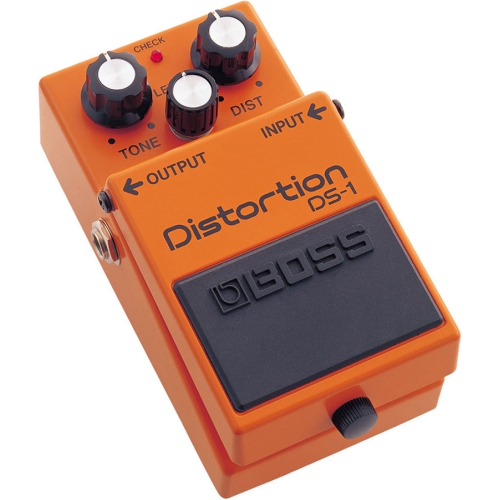 Your price for this item is $89.99
 -
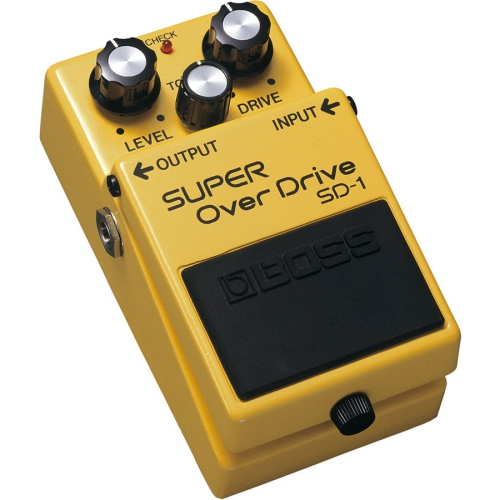 Your price for this item is $89.99
 -
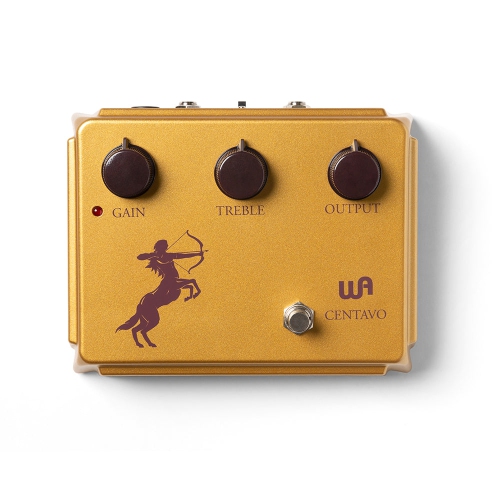 Your price for this item is $289
 -
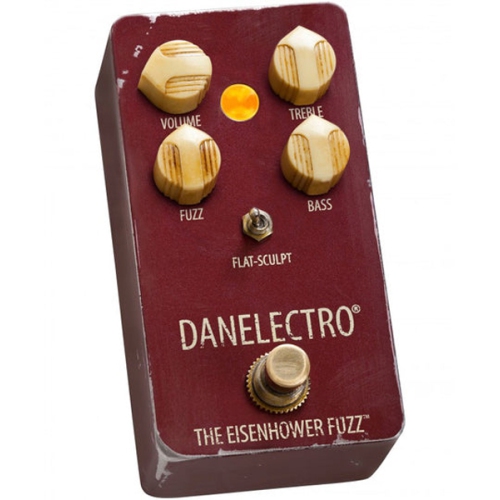 Your price for this item is $164.99
 -
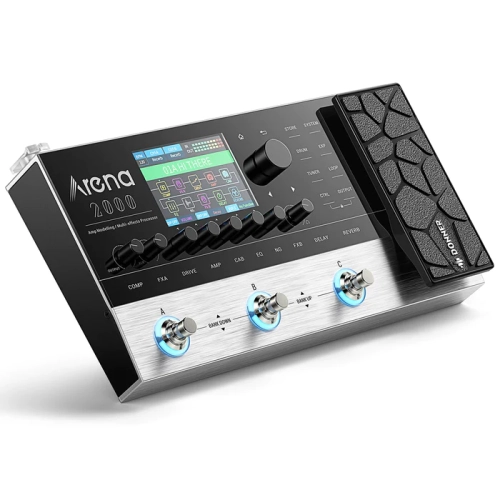 Your price for this item is $209.99
 -
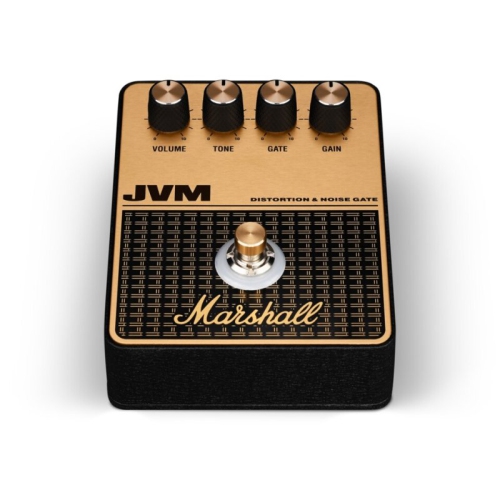 Your price for this item is $249.99
 -
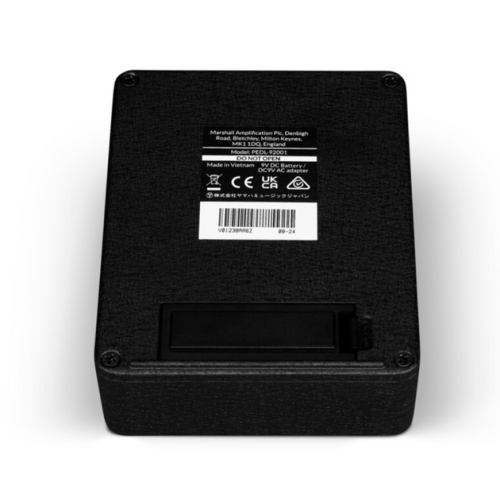 Your price for this item is $249.99
 -
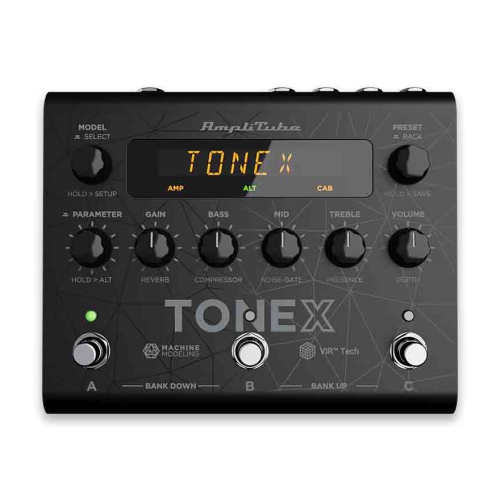 Your price for this item is $599.99
Discover more categories related to Analog Delay Pedals

Top Collections:
Pokemon Centers, Kindle Devices, Best Budget Office Chairs, Apple iPhones 16, Canon G7X Cameras, iPhone 15 Apple, Alarm Clock, Refurbished Apple Laptops, Flip Phones, Best Laptops for Writers
Some products may be subject to Environmental Handling Fees
(EHF) depending on your province.
Learn more about EHFs.