Guitar Delay Pedals
Looking to add a touch of magic to your guitar playing? Look no further than our collection of guitar delay pedals. These incredible devices have the power to transform your sound, adding depth, dimension, and a mesmerizing echo effect that will take your music to new heights. Whether you're a seasoned guitarist or just starting out, guitar delay pedals offer something for everyone.
Sort

![JUST4GAMES One Good Turn Deserves Another [Audio CD] Slaves On Dope](https://multimedia.bbycastatic.ca/multimedia/products/500x500/150/15096/15096223.jpg)
![Aya Nakamura - Dnk [Import] - (Canada - Import) - [CD]](https://multimedia.bbycastatic.ca/multimedia/products/500x500/186/18606/18606396.jpeg)


![UNIVERSAL STUDIOS The Croods: The Ultimate Movie & Tv Collection [DVD]](https://multimedia.bbycastatic.ca/multimedia/products/500x500/182/18209/18209337.jpeg)
![JUST4GAMES Dual [Audio CD] Mono, Ben](https://multimedia.bbycastatic.ca/multimedia/products/500x500/150/15093/15093985.jpg)





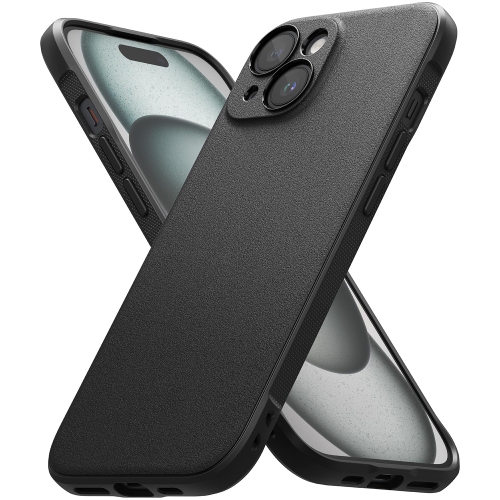





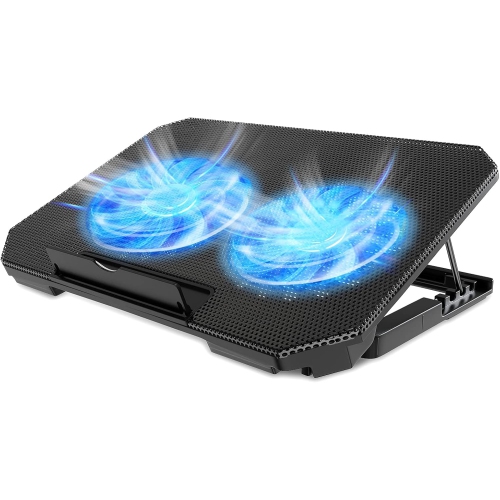

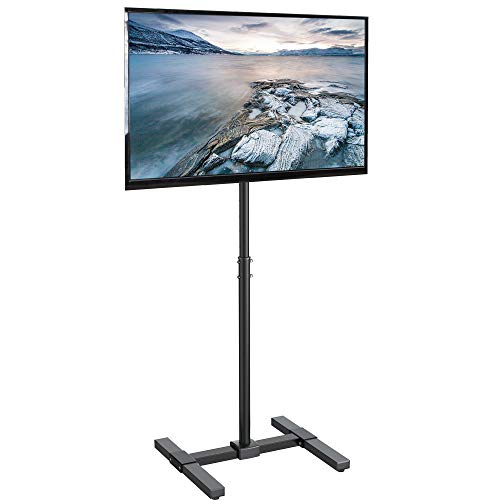
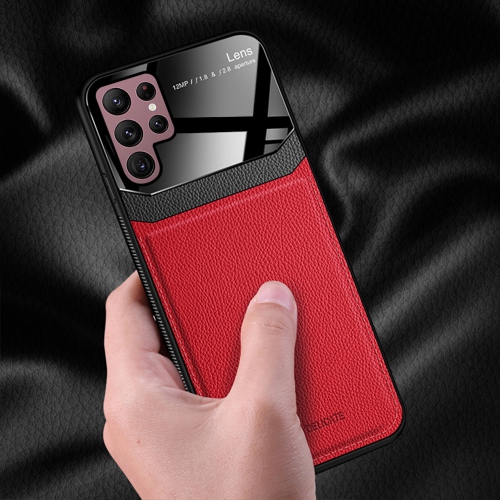

















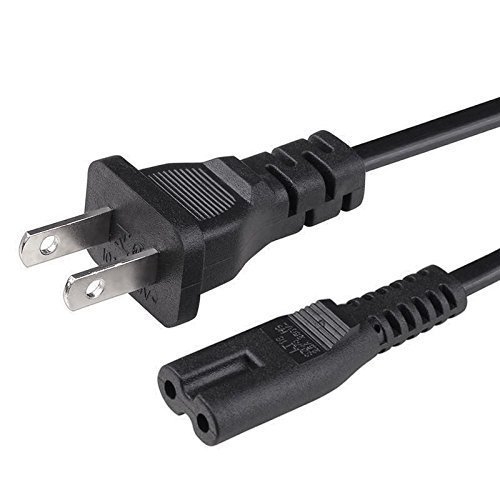


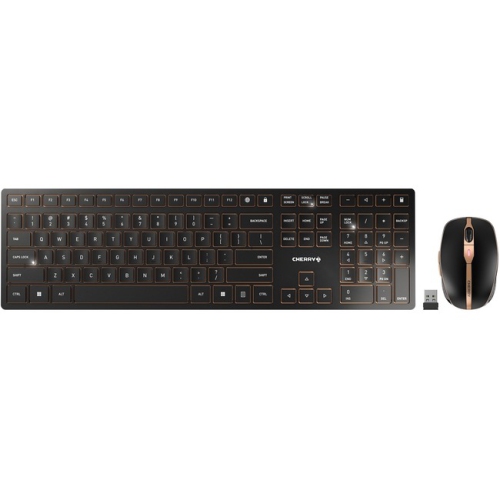



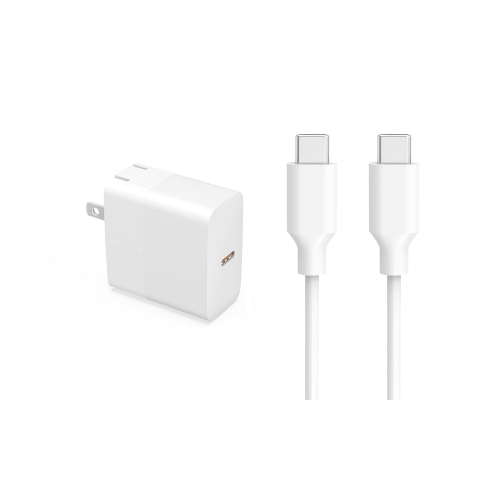
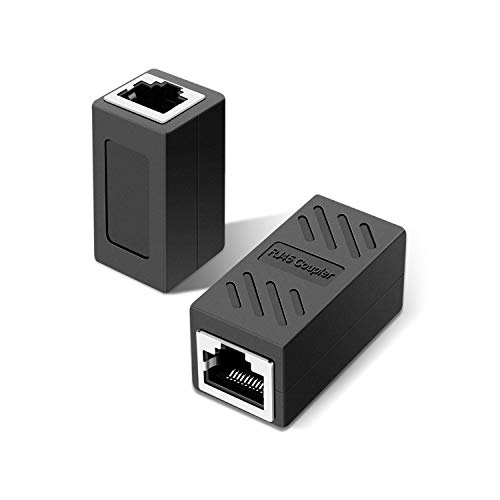
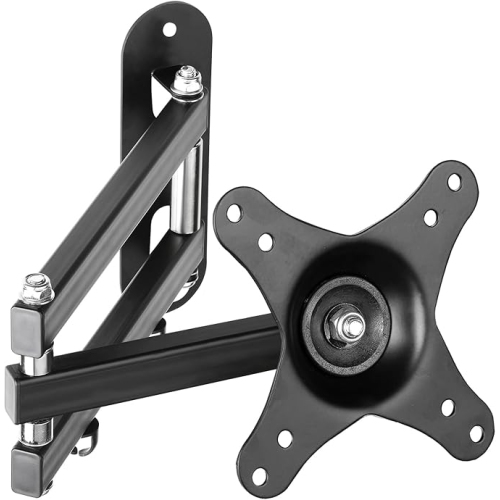
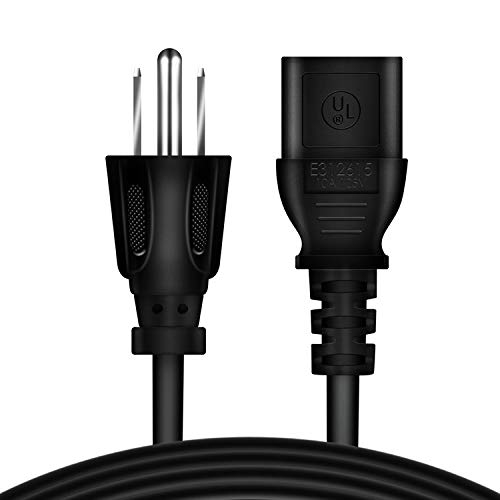
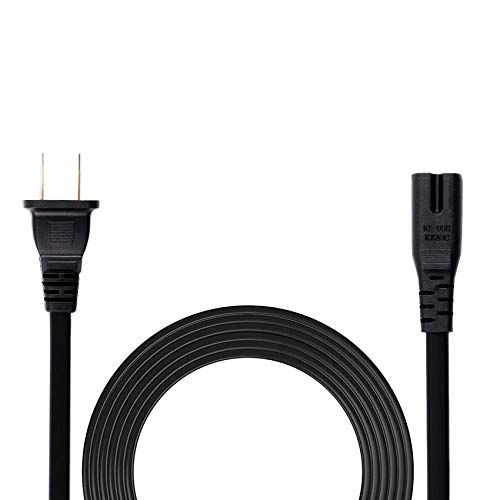








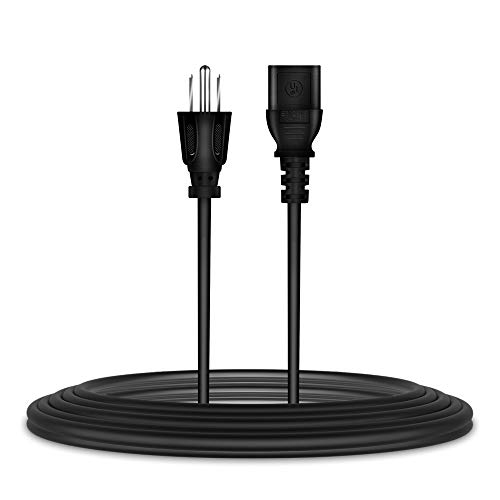

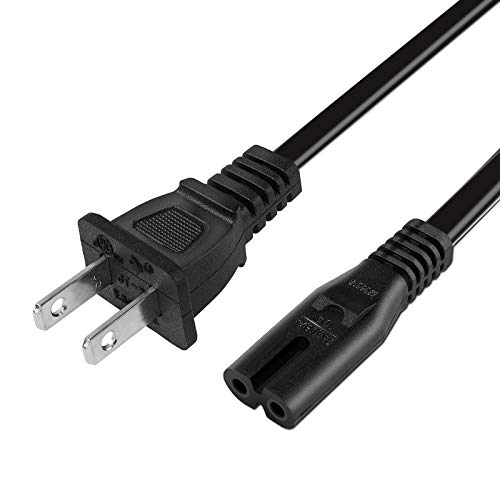



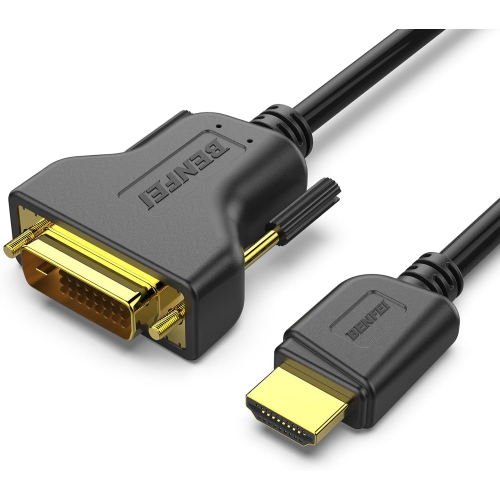




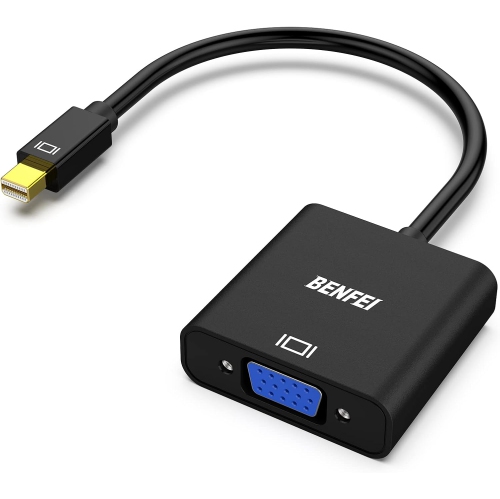
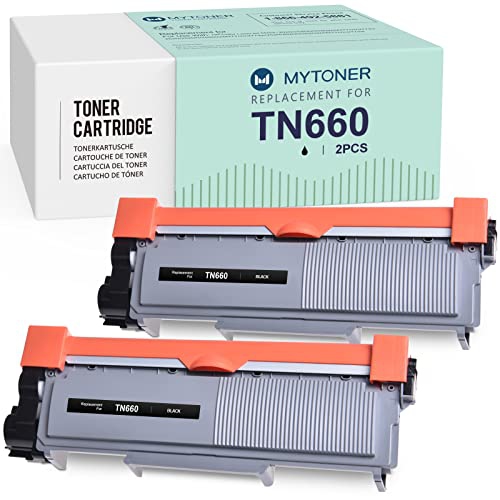














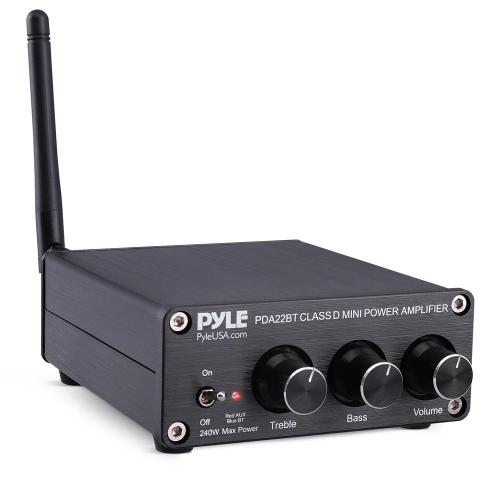








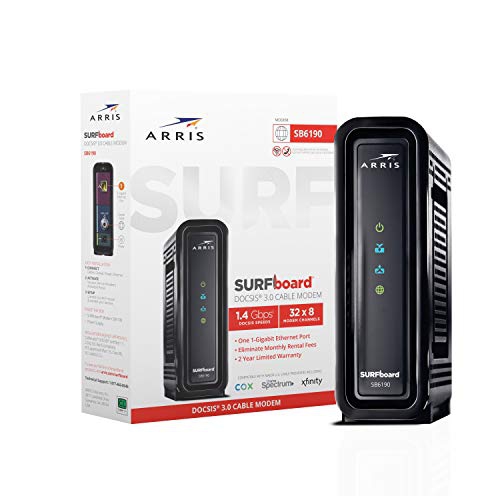
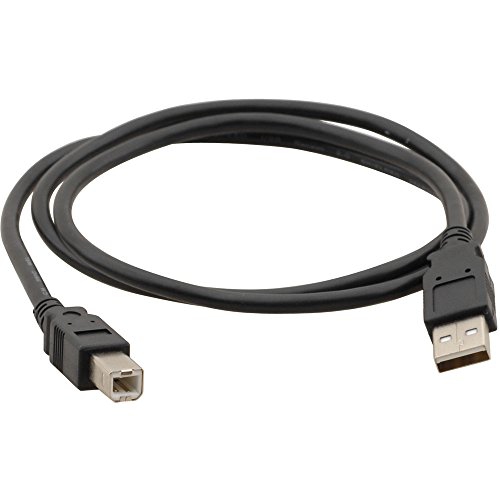
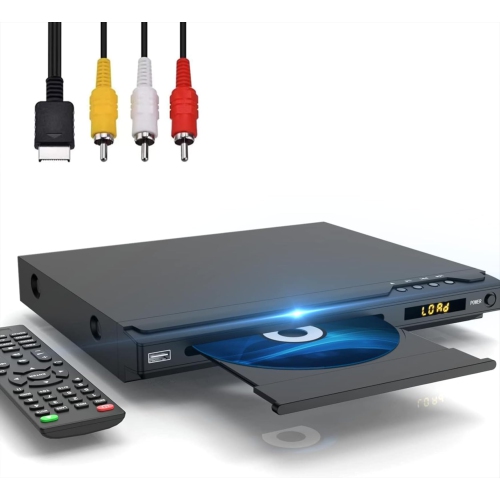
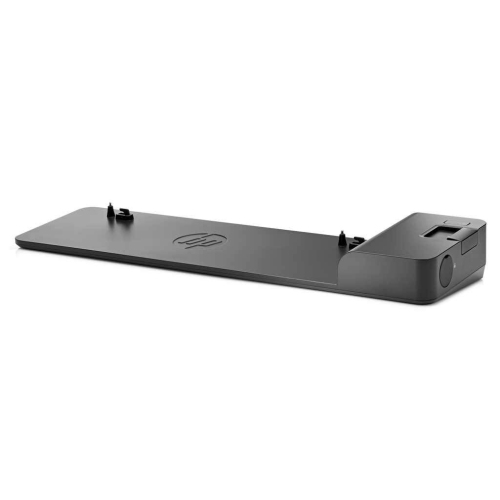
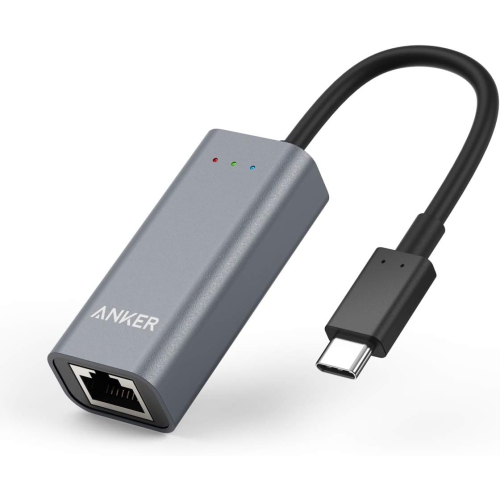
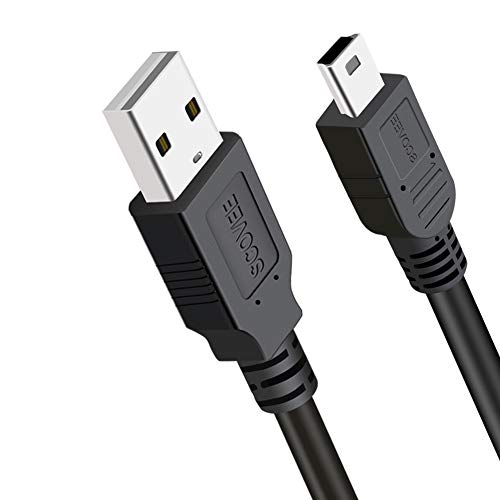
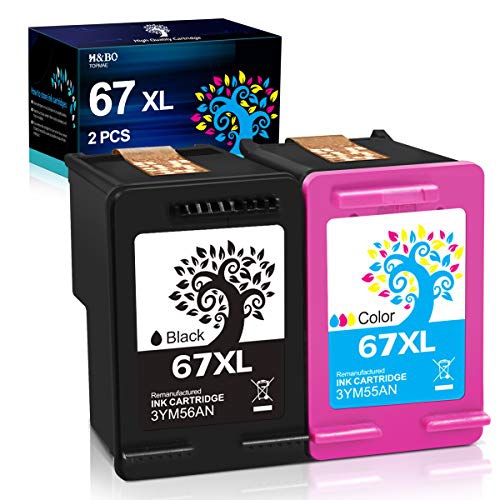
![IGENJUN 4Pack [Apple Mfi ] Iphone Fast Charger, 20W USB C Charger Wall Charger Block w Pd 3.0, Compact USB C Power Adapter for Iphone 14/14 Pro](https://multimedia.bbycastatic.ca/multimedia/products/500x500/173/17351/17351185.jpeg)
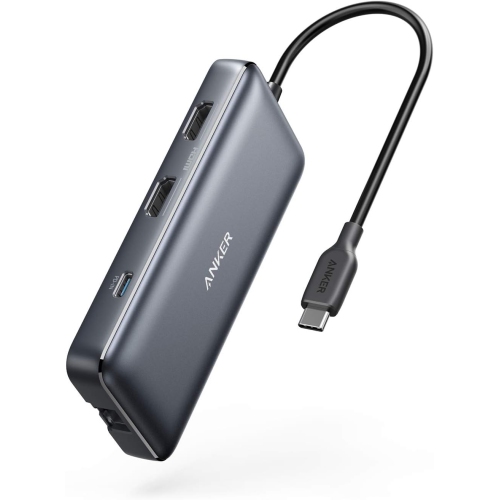
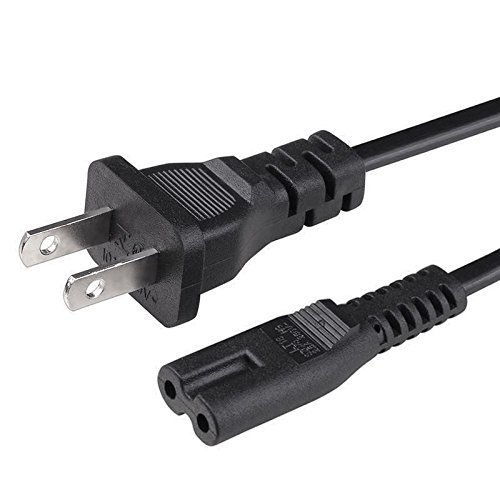


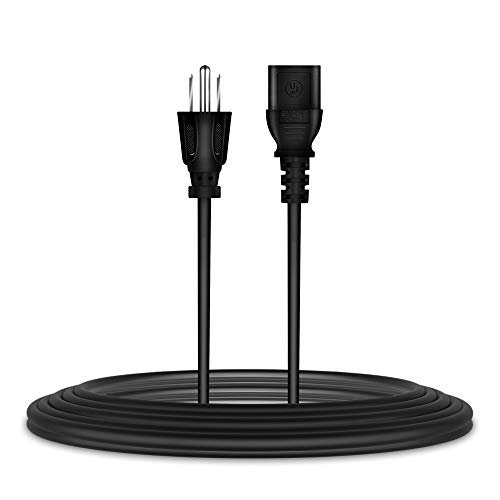
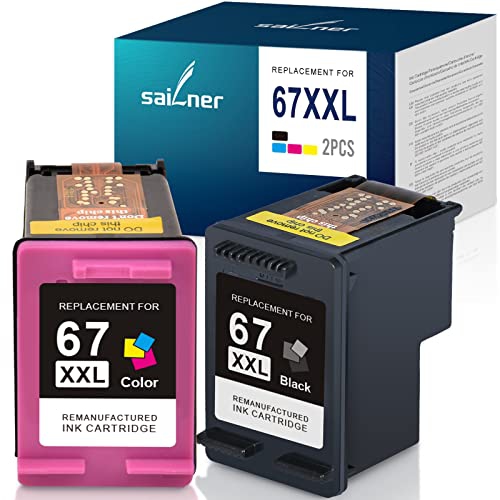

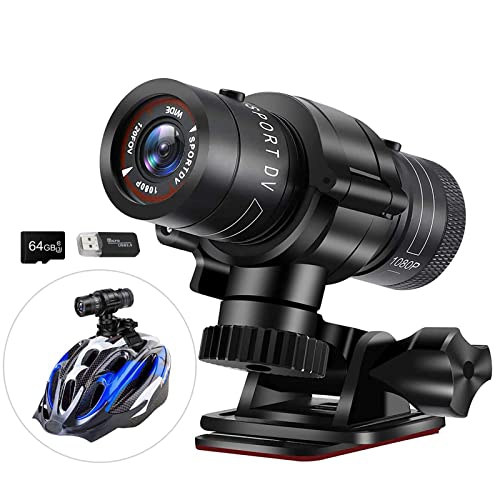
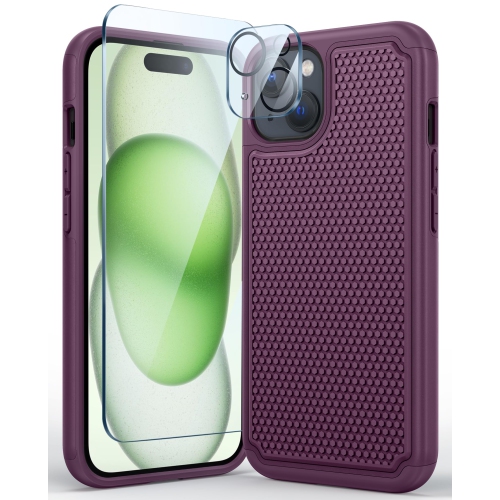

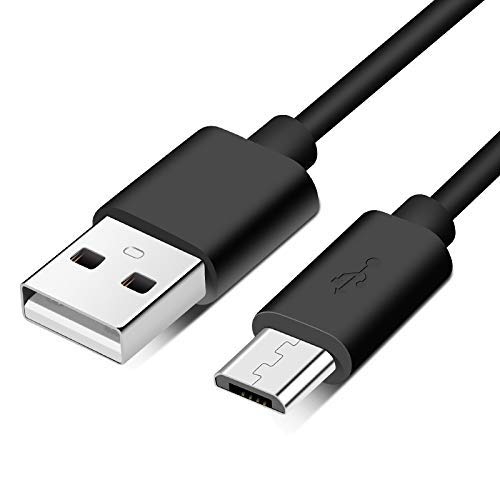


![SGUUVAY 2 Prong Ac Power Cord Replacement Power Cord Cable [Ul Listed]](https://multimedia.bbycastatic.ca/multimedia/products/500x500/173/17344/17344971.jpeg)






![YUHANG [Upgraded Version] Surface Pro Charger 65W, Microsoft Surface Pro Laptop/tablet Charger, Compatible for Surface Pro 7/6/5/4/3/x, Surface Book](https://multimedia.bbycastatic.ca/multimedia/products/500x500/173/17353/17353695.jpeg)
![GAKUS [Upgraded Version] Surface Pro Charger 65W for Surface Pro 3/4/5/6/7 Power Supply Adapter, Compatible for Both Microsoft Surface Book](https://multimedia.bbycastatic.ca/multimedia/products/500x500/173/17353/17353211.jpeg)







Shape spacious echoes, rhythmic repeats, and expressive guitar tones
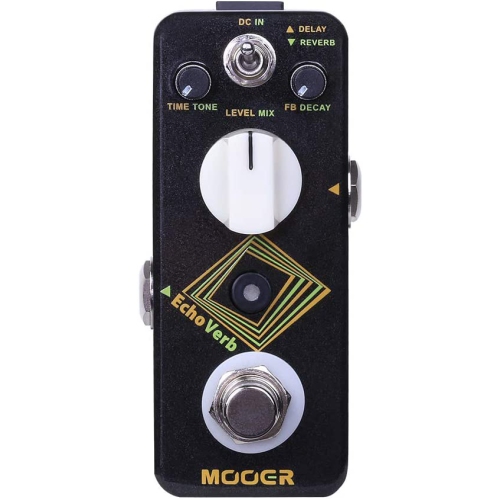
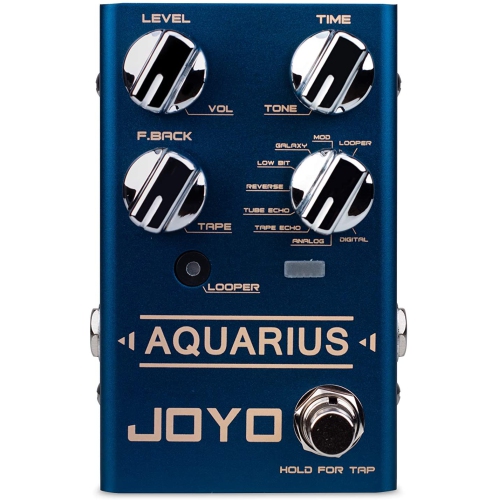
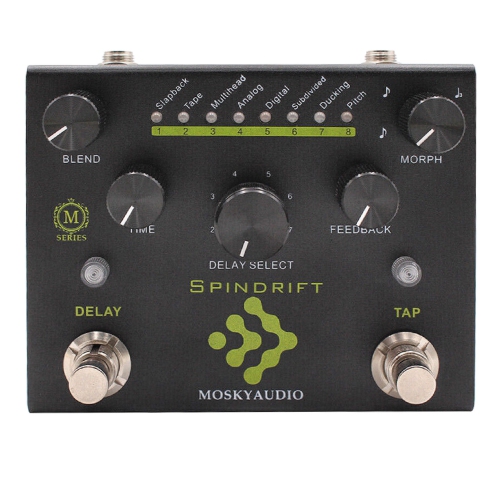
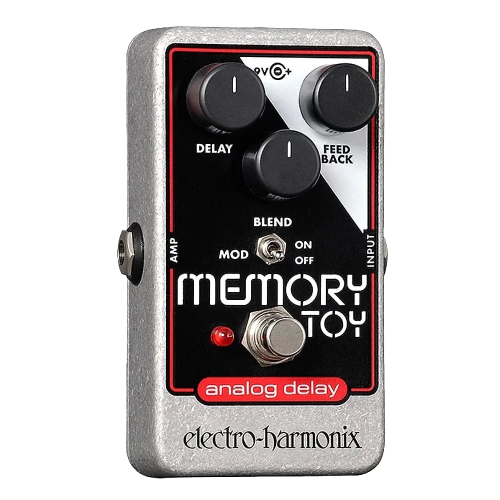
Guitar delay pedals add repeated echoes to a guitar signal, creating everything from a subtle sense of space to a cascading wall of sound. The pedal captures the original note or chord, then plays it back after a selected interval, allowing the dry guitar tone and delayed signal to blend together. A short delay can add body and dimension to clean chords without sounding like an obvious effect, while a longer setting can turn a single melody into a spacious, atmospheric phrase. Players often use delay to give lead lines more presence, make rhythmic parts feel wider, or add movement to simple riffs. It can also help a guitar sit comfortably in a full band arrangement, especially when the repeats are kept low in the mix. Guitarists who perform at home, in rehearsal spaces, on stage, or in recording setups can all find useful applications for a delay pedal. A player practising through headphones might use a light echo to make scales and chord changes feel more engaging, while someone building a live pedalboard may rely on delay for solos, transitions, ambient passages, and dramatic endings. These pedals can also be a thoughtful gift for a guitarist who is beginning to explore effects, as well as for an experienced musician who enjoys refining a familiar sound. During the cooler months, when more time may be spent indoors practising, writing, or recording, a delay pedal can bring fresh ideas to a well-used instrument and encourage experimentation without requiring a complete change to the rest of a setup.
When choosing among guitar delay pedals, start with the style of sound and the way the pedal will be used. Analog delay is known for warm, rounded repeats that gradually lose brightness as they fade, giving notes a softer and more vintage character. This can work beautifully for blues, classic rock, roots music, and thick lead tones where the echo should blend naturally into the original performance. Digital delay generally produces clear, precise repeats and can offer longer delay times, making it suitable for sharply defined rhythmic patterns, modern lead sounds, layered parts, and detailed recording work. Tape-style delay effects are designed to recreate the character of older tape machines, including gentle saturation, softened repeats, and a sense of motion that can make the echo feel less clinical. The controls deserve equal attention. Time, sometimes labelled delay, sets the gap between the original note and the first repeat. A short time can create a tight slapback effect, while a longer time places the echo farther behind the performance. Feedback, also called repeats, controls how many times the delayed signal returns. A low setting may produce one or two distinct echoes; increasing it can create a longer trail, and higher settings may build into a repeating loop or swelling texture. Mix, level, or echo volume balances the affected signal against the direct guitar sound. Keeping the mix restrained can add depth while preserving clarity, whereas a stronger setting makes the delay a central part of the tone. Some pedals also include modulation, tone, tap tempo, subdivisions, or a way to store settings. Tap tempo can be particularly useful for players who want the repeats to follow the beat of a song, while subdivisions help create dotted, triplet, or other rhythmic patterns. If the pedal will be used with several effects, check its power requirements, input and output connections, available space, and placement within the signal chain. Delay is often positioned after overdrive and distortion for clearer echoes, although placing it earlier can create more unusual, blended textures. There is no single correct arrangement; the best position depends on whether the goal is definition, warmth, or deliberate sonic haze.
A guitarist’s playing style and existing equipment can make the final choice easier. Someone who mainly plays clean chords may appreciate clear repeats that preserve the shape of each note, while a player using heavy gain may prefer a warmer or more controlled echo that does not overwhelm fast passages. Musicians who perform with a band may value easy-to-reach controls, a sturdy footswitch, and settings that can be adjusted quickly between songs. For home practice or songwriting, a pedal with a broad range of delay times can serve as a compact source of inspiration, shifting from a quick rhythmic bounce to a slow, spacious trail with a few turns of the knobs. Beginners should not feel pressured to use complicated settings: a practical starting point is a moderate delay time, a small number of repeats, and a mix level just loud enough to hear the echo behind the original guitar. From there, adjusting one control at a time makes it easier to understand how each change affects the sound. Players seeking a related way to add depth and spaciousness can also browse Reverb Delay Pedals. When giving a delay pedal as a present, consider the recipient’s guitar style, whether they play alone or with others, and how much room is available on their pedalboard. A compact design may suit a musician with limited space, while broader controls may appeal to someone who enjoys shaping sounds in detail. Whether it is used to imitate a distant canyon, thicken a solo, reinforce a repeating riff, or simply make a practice session feel more immersive, a guitar delay pedal offers a direct and expressive way to change the character of an instrument.
When choosing among guitar delay pedals, start with the style of sound and the way the pedal will be used. Analog delay is known for warm, rounded repeats that gradually lose brightness as they fade, giving notes a softer and more vintage character. This can work beautifully for blues, classic rock, roots music, and thick lead tones where the echo should blend naturally into the original performance. Digital delay generally produces clear, precise repeats and can offer longer delay times, making it suitable for sharply defined rhythmic patterns, modern lead sounds, layered parts, and detailed recording work. Tape-style delay effects are designed to recreate the character of older tape machines, including gentle saturation, softened repeats, and a sense of motion that can make the echo feel less clinical. The controls deserve equal attention. Time, sometimes labelled delay, sets the gap between the original note and the first repeat. A short time can create a tight slapback effect, while a longer time places the echo farther behind the performance. Feedback, also called repeats, controls how many times the delayed signal returns. A low setting may produce one or two distinct echoes; increasing it can create a longer trail, and higher settings may build into a repeating loop or swelling texture. Mix, level, or echo volume balances the affected signal against the direct guitar sound. Keeping the mix restrained can add depth while preserving clarity, whereas a stronger setting makes the delay a central part of the tone. Some pedals also include modulation, tone, tap tempo, subdivisions, or a way to store settings. Tap tempo can be particularly useful for players who want the repeats to follow the beat of a song, while subdivisions help create dotted, triplet, or other rhythmic patterns. If the pedal will be used with several effects, check its power requirements, input and output connections, available space, and placement within the signal chain. Delay is often positioned after overdrive and distortion for clearer echoes, although placing it earlier can create more unusual, blended textures. There is no single correct arrangement; the best position depends on whether the goal is definition, warmth, or deliberate sonic haze.
A guitarist’s playing style and existing equipment can make the final choice easier. Someone who mainly plays clean chords may appreciate clear repeats that preserve the shape of each note, while a player using heavy gain may prefer a warmer or more controlled echo that does not overwhelm fast passages. Musicians who perform with a band may value easy-to-reach controls, a sturdy footswitch, and settings that can be adjusted quickly between songs. For home practice or songwriting, a pedal with a broad range of delay times can serve as a compact source of inspiration, shifting from a quick rhythmic bounce to a slow, spacious trail with a few turns of the knobs. Beginners should not feel pressured to use complicated settings: a practical starting point is a moderate delay time, a small number of repeats, and a mix level just loud enough to hear the echo behind the original guitar. From there, adjusting one control at a time makes it easier to understand how each change affects the sound. Players seeking a related way to add depth and spaciousness can also browse Reverb Delay Pedals. When giving a delay pedal as a present, consider the recipient’s guitar style, whether they play alone or with others, and how much room is available on their pedalboard. A compact design may suit a musician with limited space, while broader controls may appeal to someone who enjoys shaping sounds in detail. Whether it is used to imitate a distant canyon, thicken a solo, reinforce a repeating riff, or simply make a practice session feel more immersive, a guitar delay pedal offers a direct and expressive way to change the character of an instrument.
Top selling and popular products
-
 Your price for this item is $360
 -
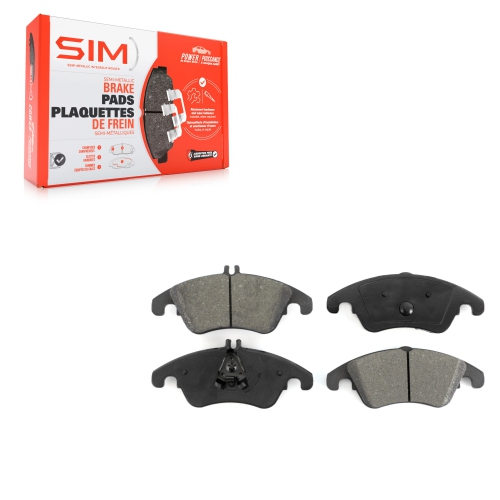 Your price for this item is $55.47
 -
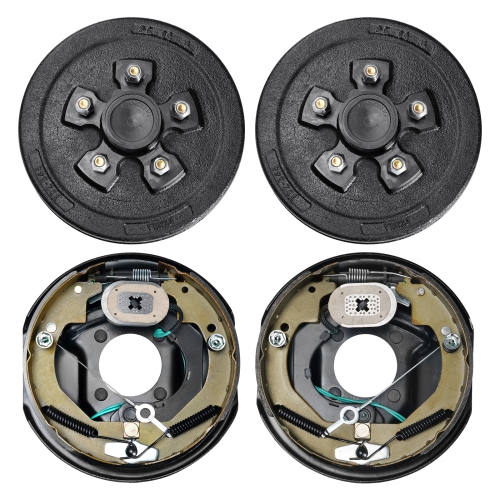 Your price for this item is $243.99
 -
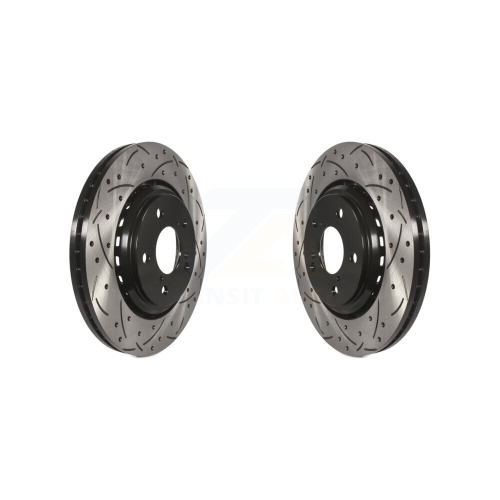 Your price for this item is $167.55
 -
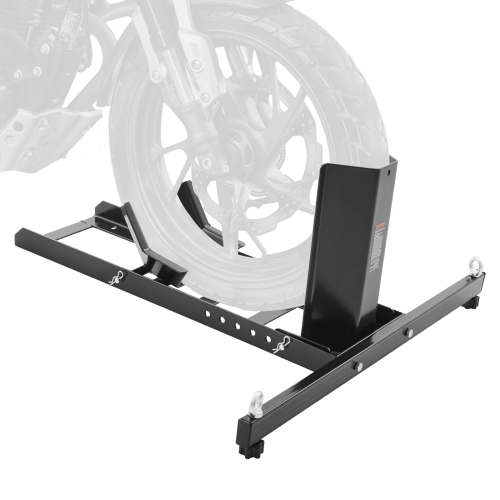 Your price for this item is $93.9
 -
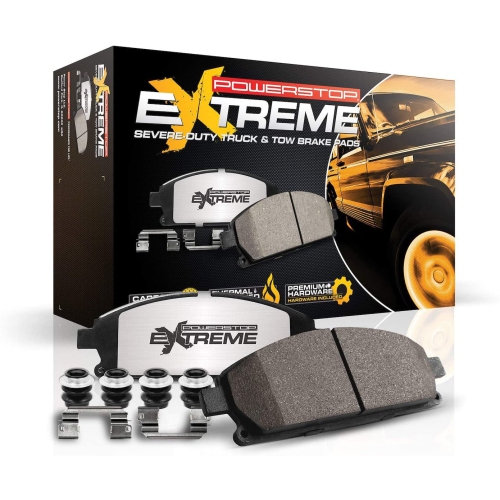 Your price for this item is $109.38
 -
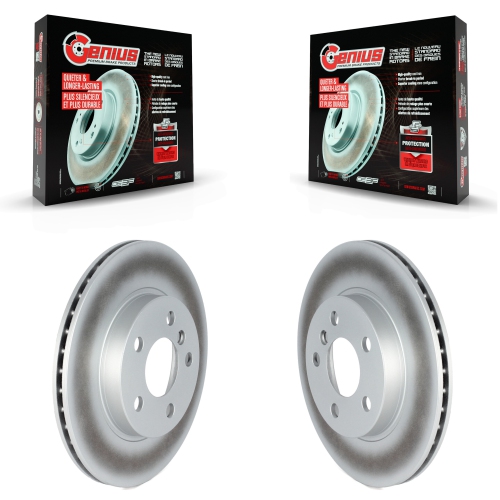 Your price for this item is $94.79
 -
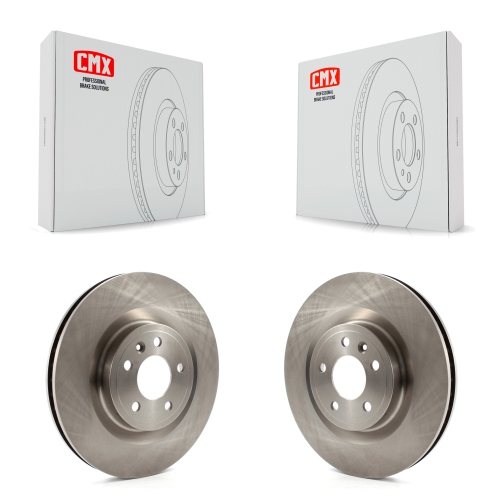 Your price for this item is $131.34
Discover more categories related to Guitar Delay Pedals
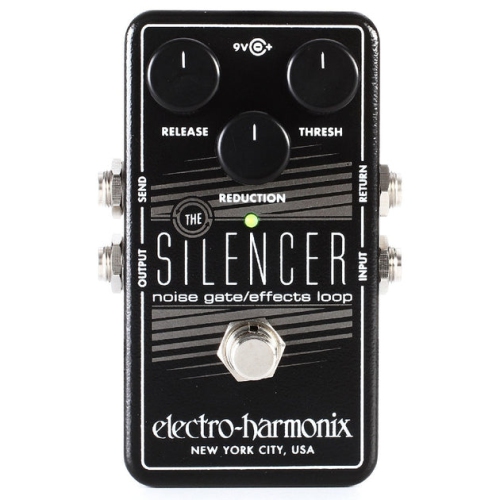
Top Collections:
Pokemon Centers, Kindle Devices, Best Budget Office Chairs, Apple iPhones 16, Canon G7X Cameras, iPhone 15 Apple, Alarm Clock, Refurbished Apple Laptops, Flip Phones, Best Laptops for Writers
Some products may be subject to Environmental Handling Fees
(EHF) depending on your province.
Learn more about EHFs.