Back To School MIDI Keyboard Controllers For Music Students
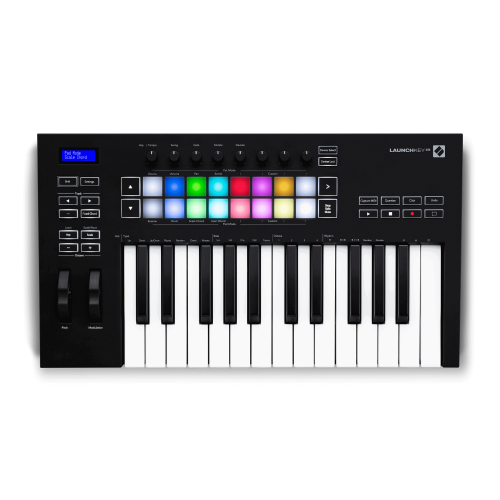
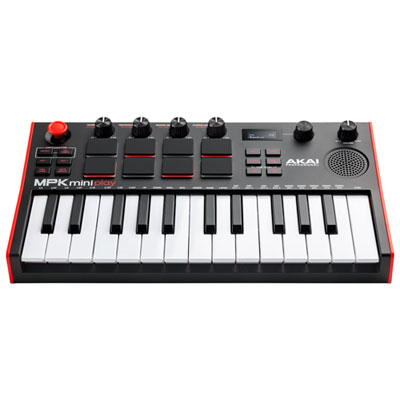
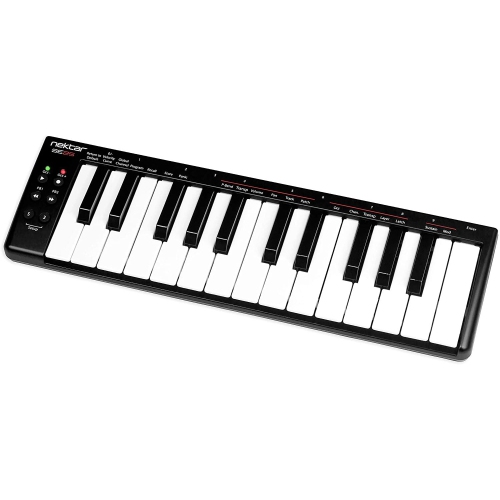
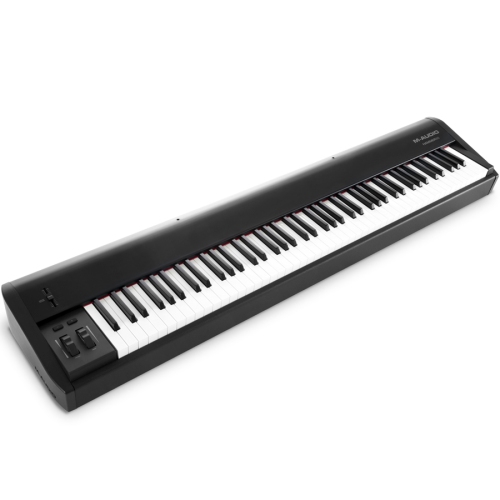
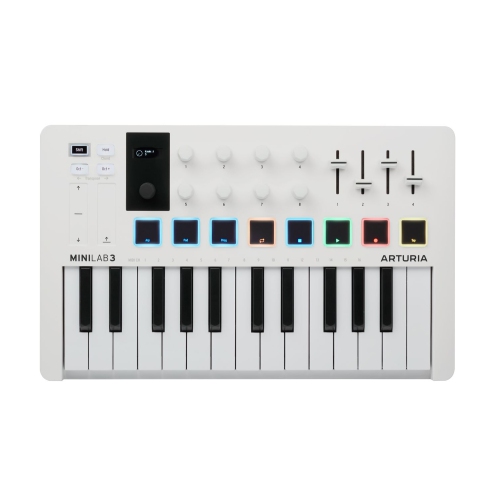
Find back-to-school MIDI keyboard controllers for music students to support composition, recording, and practice with software instruments. Compare key counts, keyboard size, and compatibility with your computer and music software to choose a controller that suits your coursework and study space.





FAQ
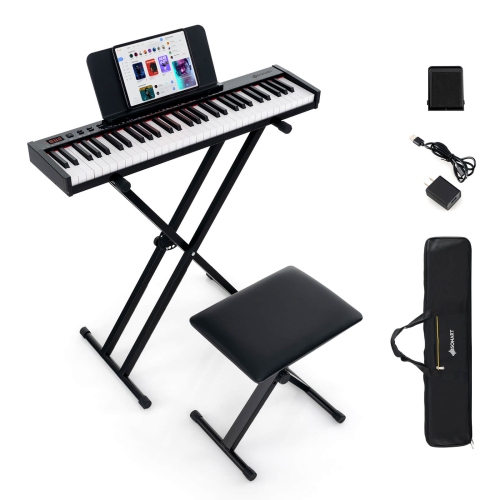
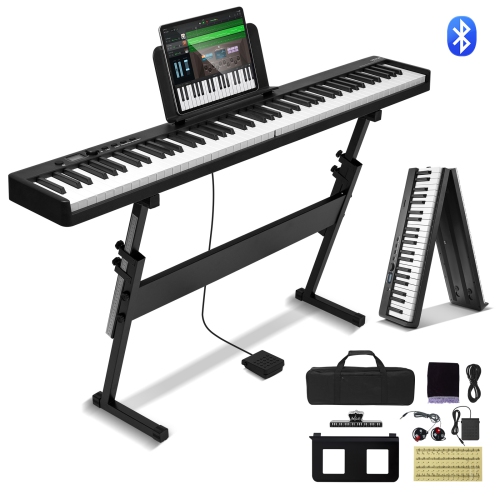
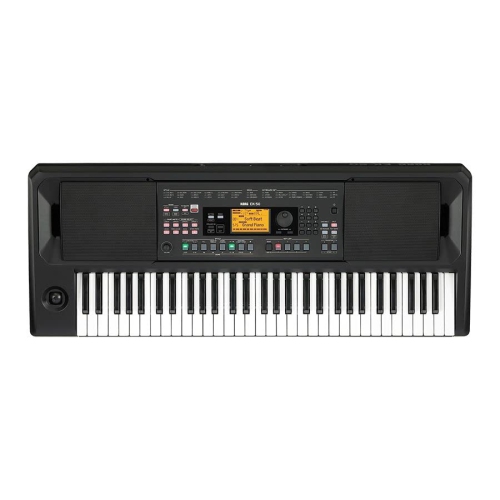
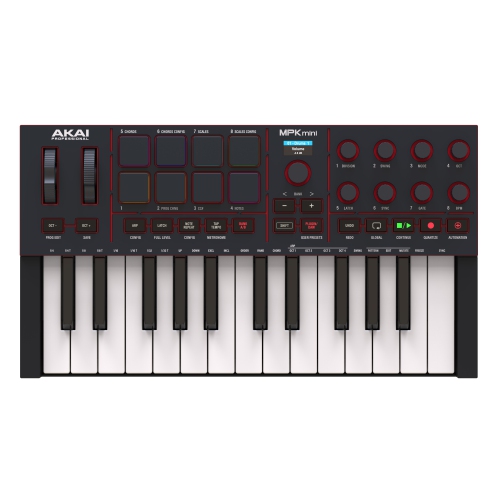
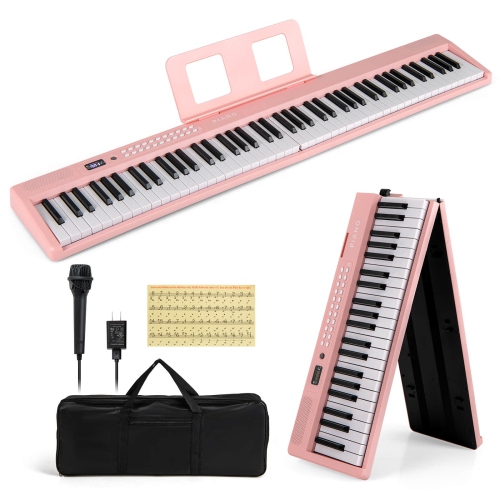
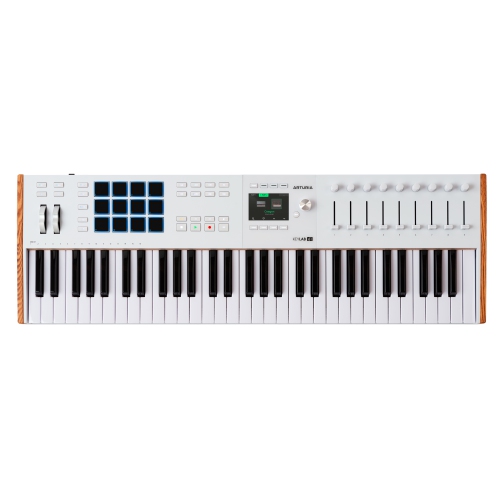
A MIDI keyboard controller sends note and performance information to music software or compatible hardware. Most models do not produce sound on their own. A digital piano typically has built-in sounds and can be played without a computer, although many digital pianos also support MIDI connections.
Music students can use a digital audio workstation (DAW), a standalone virtual instrument, or notation software that accepts MIDI input. A DAW supports composing and arranging, while notation software can turn MIDI input into written notes. For back-to-school planning, check which software your course requires and whether it supports your computer’s operating system.
Many MIDI keyboard controllers connect through USB, which may carry both MIDI data and power. Tablet connections can require a compatible adapter and a separate power source, depending on the devices. Controllers with traditional MIDI ports need a MIDI interface or compatible hardware to communicate with a computer.
Velocity sensitivity measures how quickly a key is pressed, allowing compatible software to vary a note’s volume or tone. Aftertouch sends additional control information when pressure is applied after a key is pressed. Not all controllers support aftertouch, and the response depends on the instrument software and its settings.
Recording MIDI captures performance data such as notes, timing, velocity, and pedal movements rather than sound. You can edit that data and change the virtual instrument after playing. Recording audio captures the sound itself. If an assignment requires an audio file, a MIDI performance played through a virtual instrument can usually be exported from a DAW in the required format.
Top selling and popular products
Discover more categories related to Back To School MIDI Keyboard Controllers For Music Students

Some products may be subject to Environmental Handling Fees (EHF) depending on your province. Learn more about EHFs.