Back To School Portable Audio Interfaces for Student Recordists
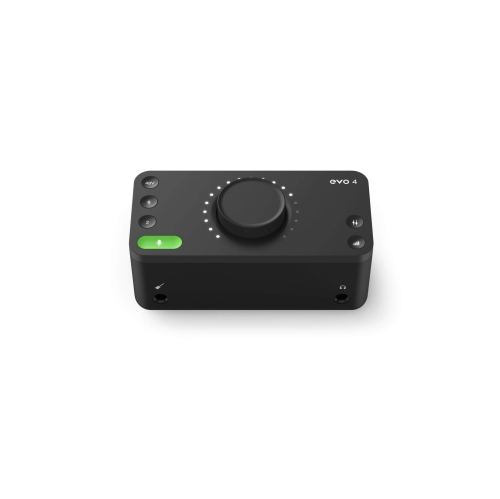
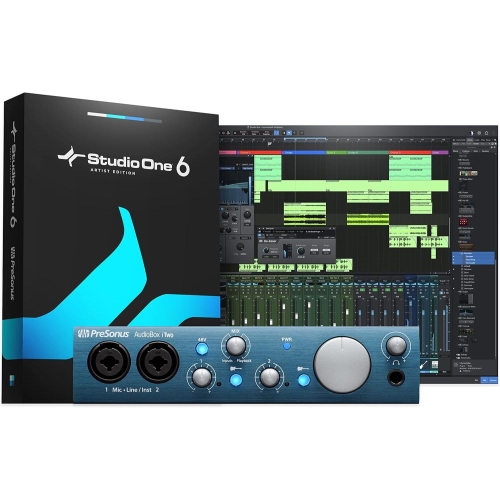
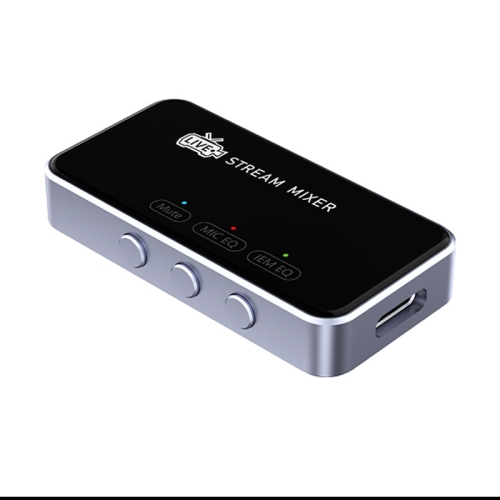
Find back-to-school portable audio interfaces for student recording projects, from vocals and instruments to podcasts. Compare microphone and instrument inputs, headphone monitoring options, and computer compatibility to find a fit for your setup. A compact design makes it easier to carry your recording gear between home, campus, and rehearsal spaces.



FAQ
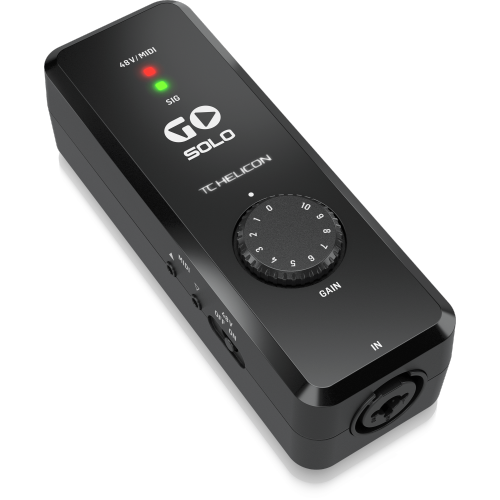
A portable audio interface connects microphones, instruments, and headphones to a compatible computer or mobile device. It converts incoming audio into digital signals for recording software and converts digital audio back for listening. Students can use one for music assignments, podcasts, voiceovers, and field recording projects.
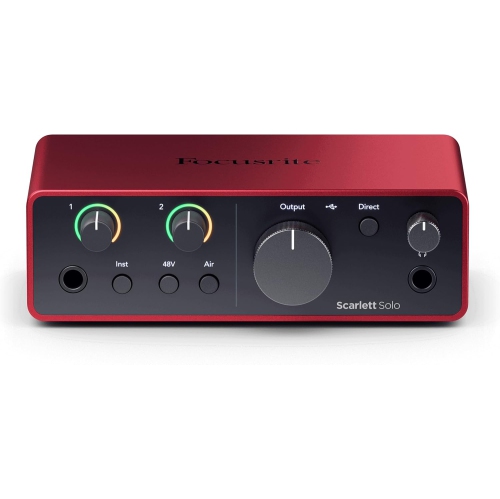
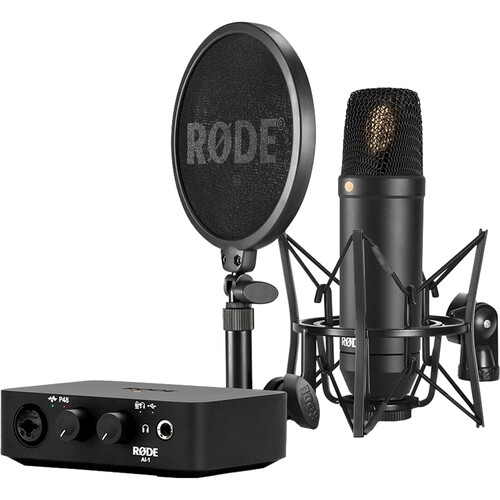
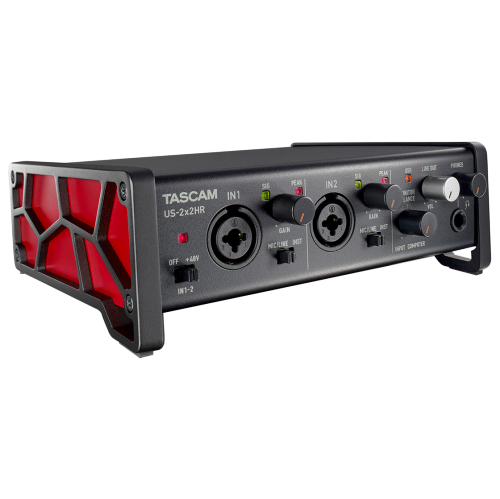
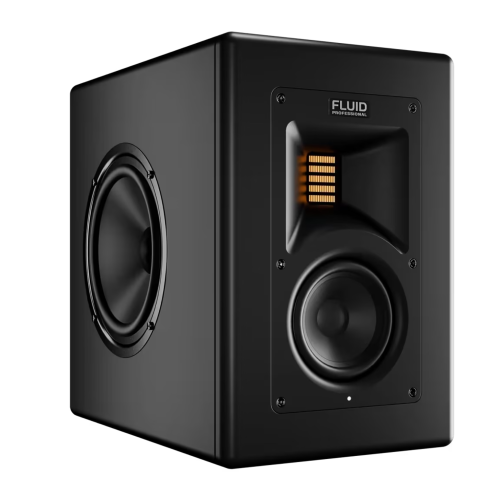
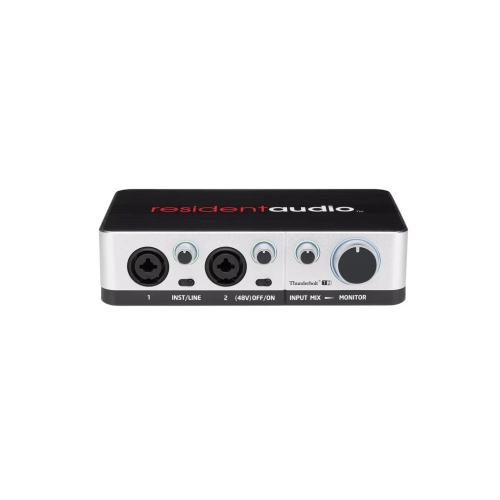
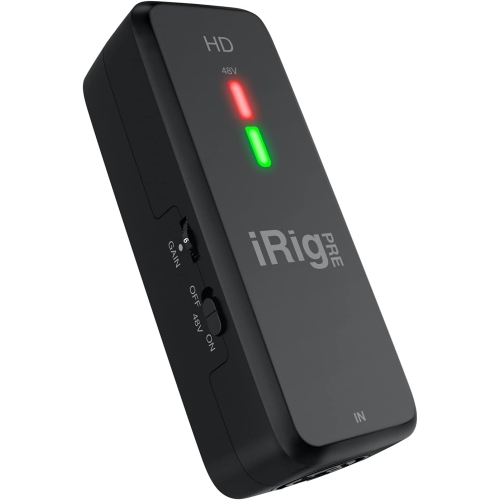
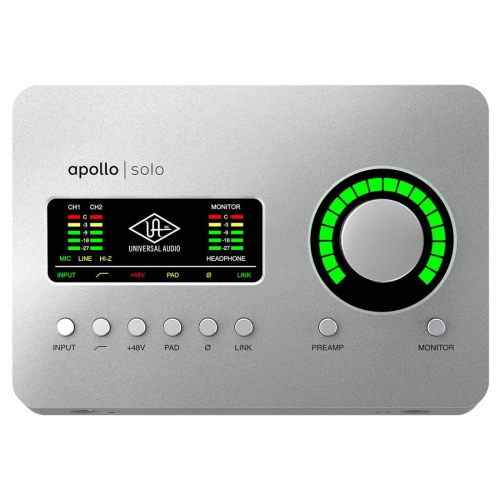
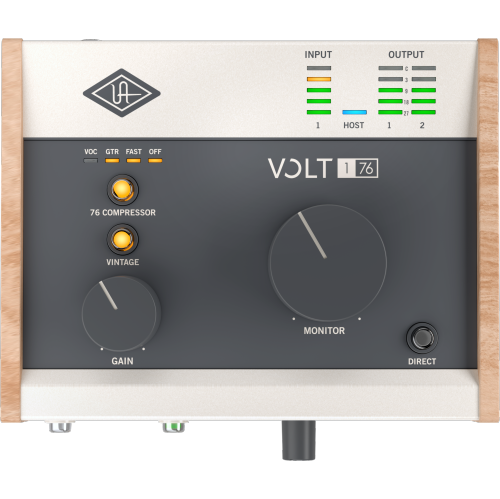
Common connections include XLR inputs for microphones, instrument inputs for guitars or basses, headphone outputs, and line outputs for studio monitors. A solo voice recording may need one microphone input, while an interview with two microphones needs two microphone inputs. Check the interface’s USB connection and host-device requirements as well.
Compatibility depends on the interface, the device’s operating system, and its connection type. Some interfaces require a driver, while class-compliant models can work without a separate driver on supported devices. Tablets and phones may also need an adapter or an external power source, so check the manufacturer’s compatibility details.
Direct monitoring routes incoming microphone or instrument audio to headphones or speakers without sending it through the recording software first. This lets students hear their input with minimal monitoring delay while recording. Some interfaces also include a control for balancing the live input with playback from a recording session.
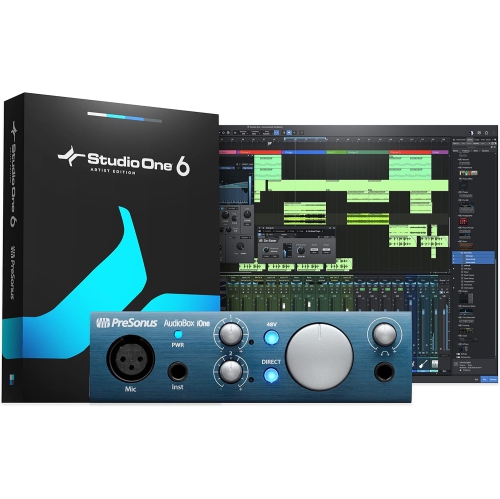
Portable audio interfaces typically work with compatible digital audio workstations, or DAWs, as well as many podcast and audio-editing applications. Students can record tracks, edit takes, and arrange projects in the software. Check operating-system and driver support, and select the interface as the audio input and output in the application’s settings.
Top selling and popular products
Discover more categories related to Back To School Portable Audio Interfaces for Student Recordists

Some products may be subject to Environmental Handling Fees (EHF) depending on your province. Learn more about EHFs.