Bass Chorus Pedals
Enhance your bass guitar's sound with the captivating effects of a bass chorus pedal. Designed to add depth and richness to your music, these pedals create a lush and mesmerizing chorus effect that will elevate your playing to new heights. Whether you're a professional musician or an aspiring bassist, our collection of bass chorus pedals offers a wide range of options to suit your unique style and preferences. From subtle and smooth tones to bold and vibrant sounds, these pedals are sure to inspire creativity and enhance your overall performance. Explore our selection today and discover the perfect bass chorus pedal for your musical journey.
Sort
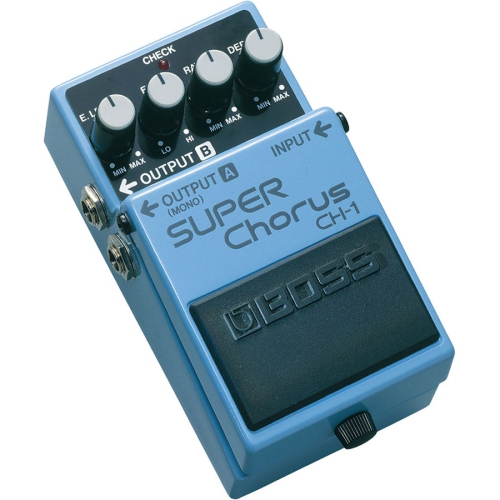
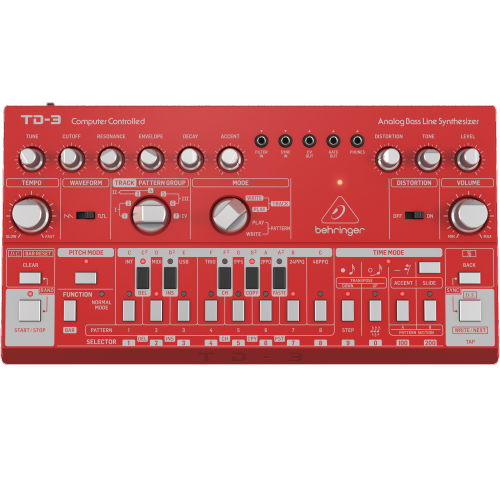
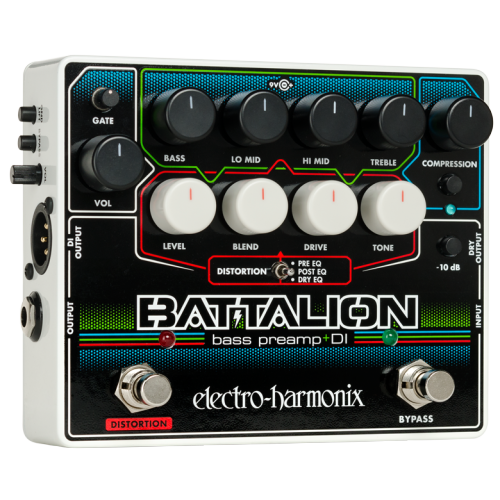
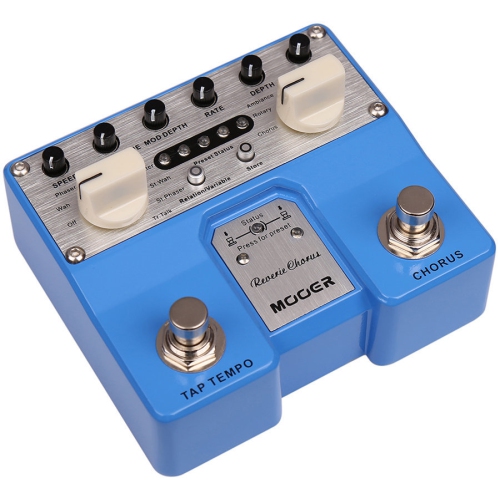
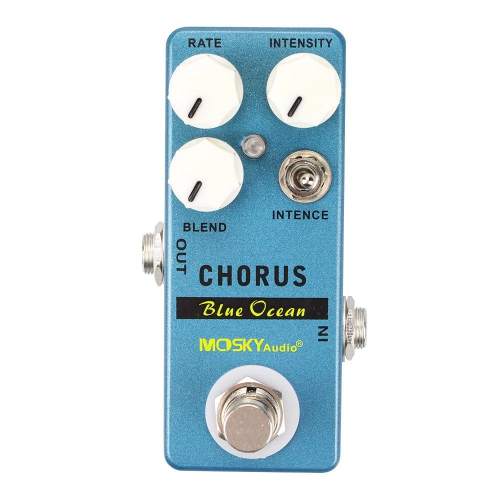
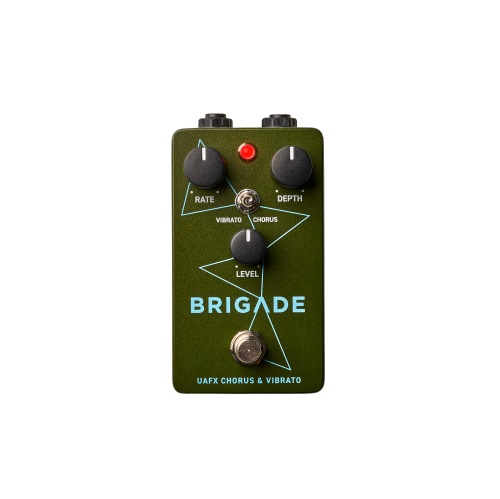
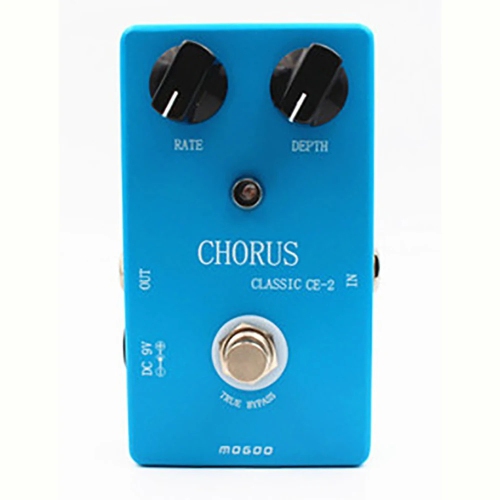
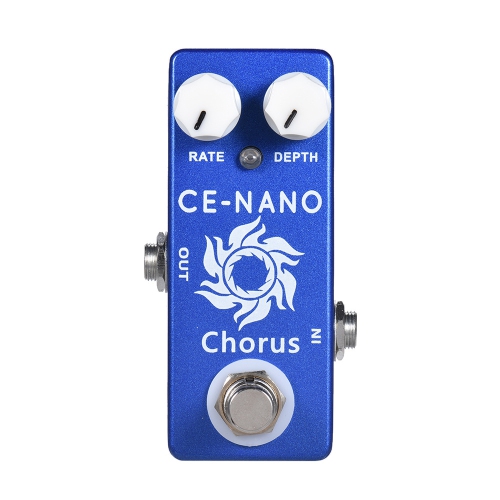
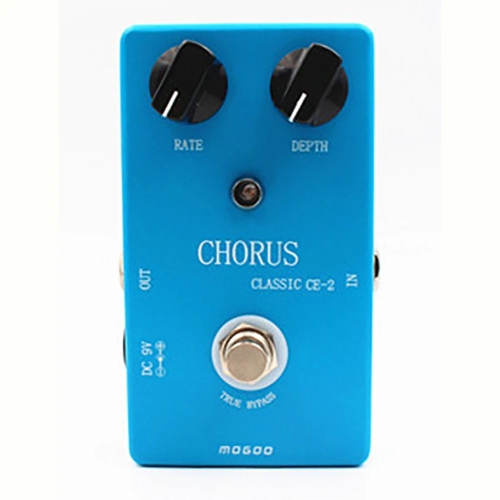
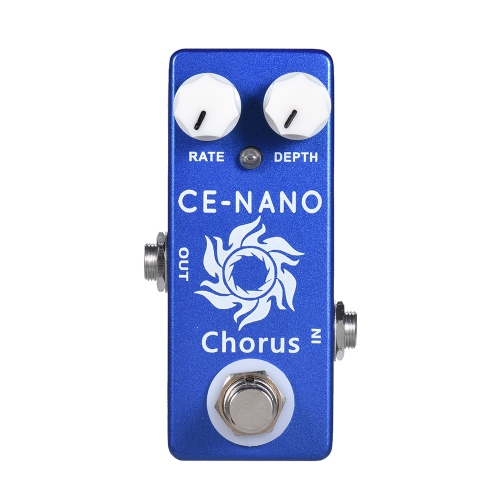
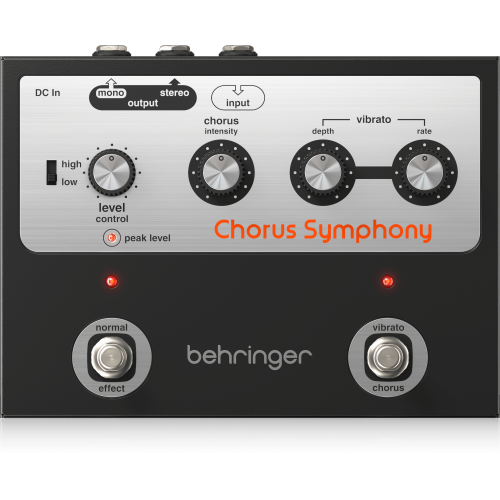
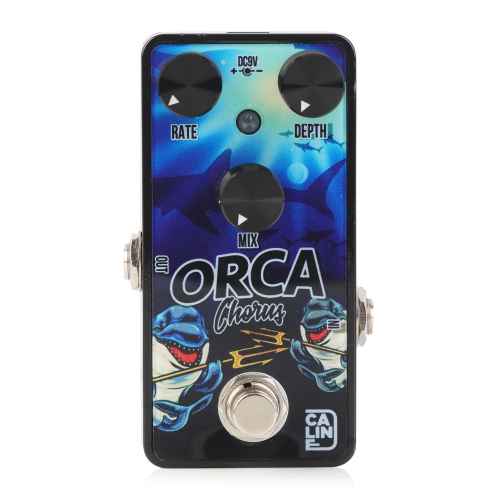
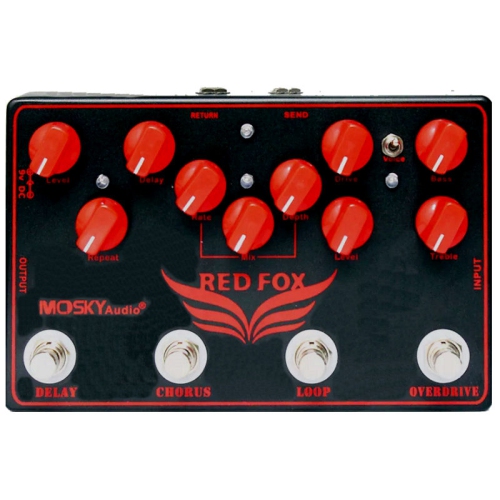
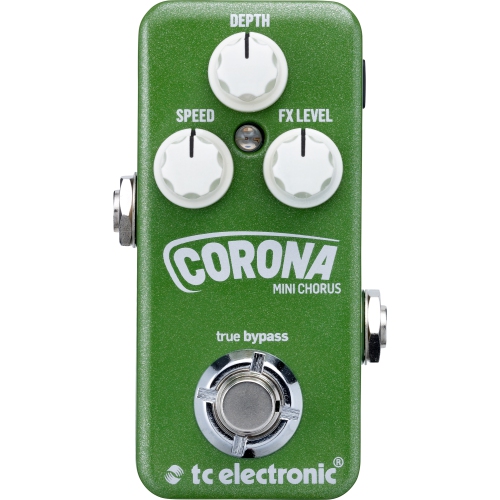
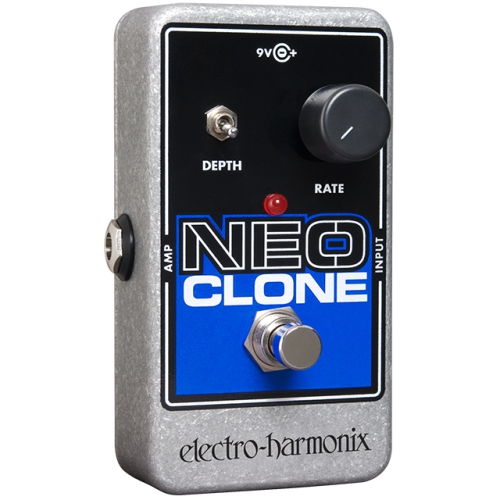
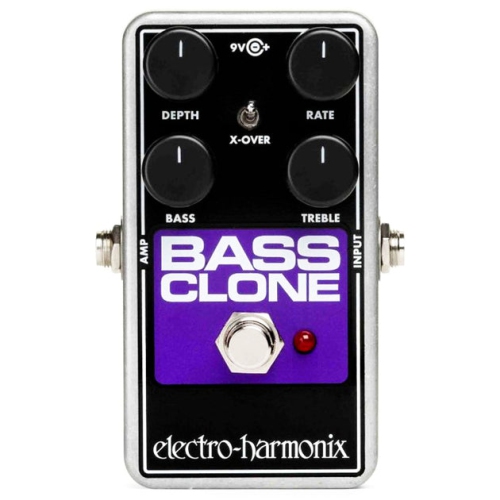

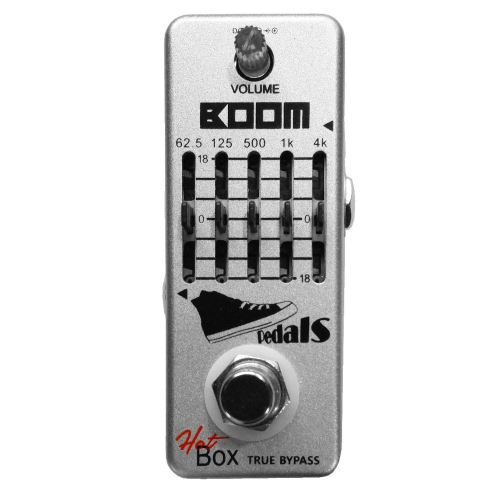
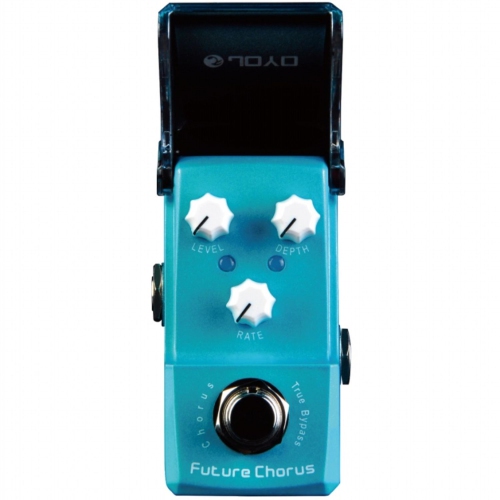
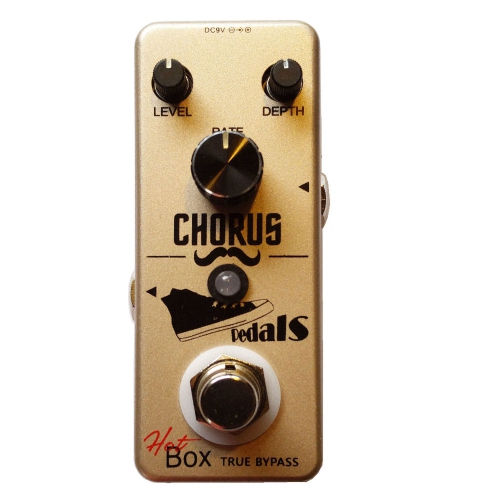
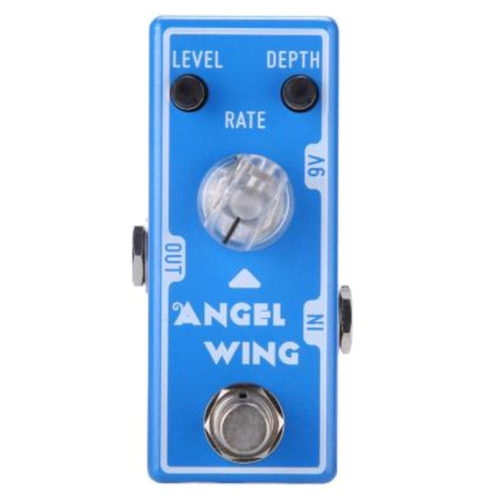
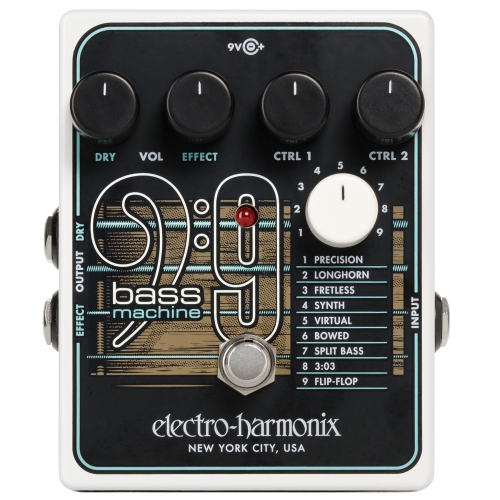
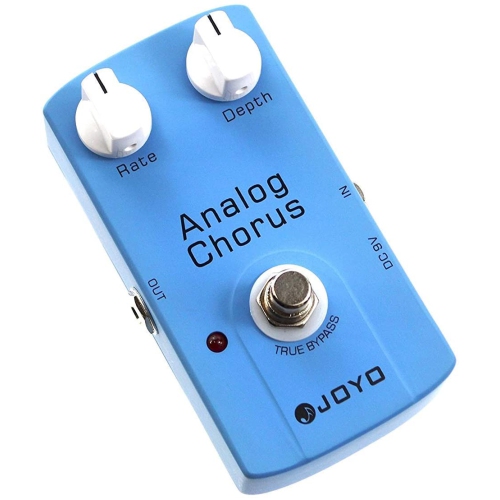
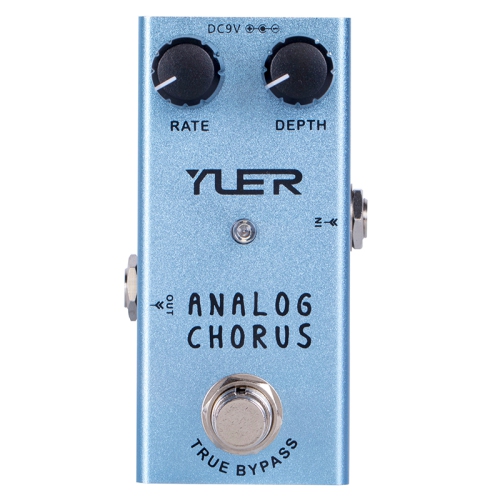
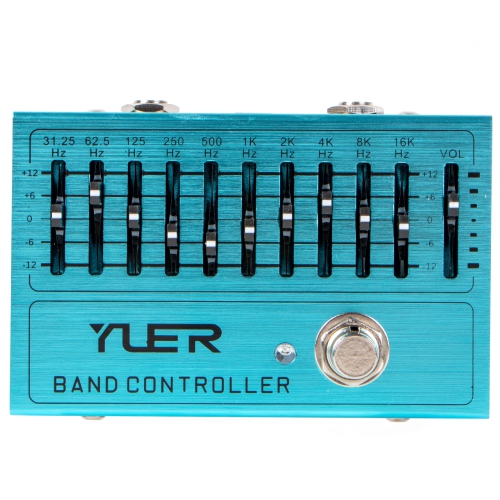
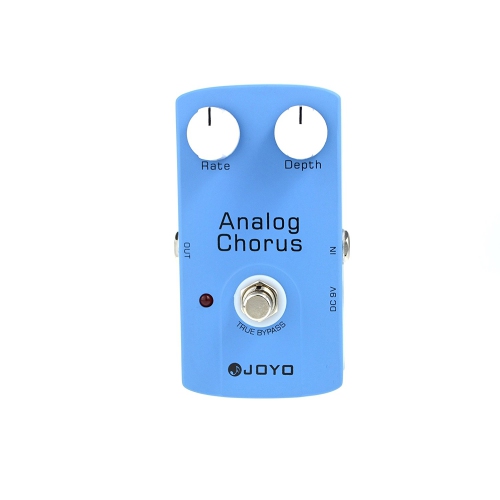
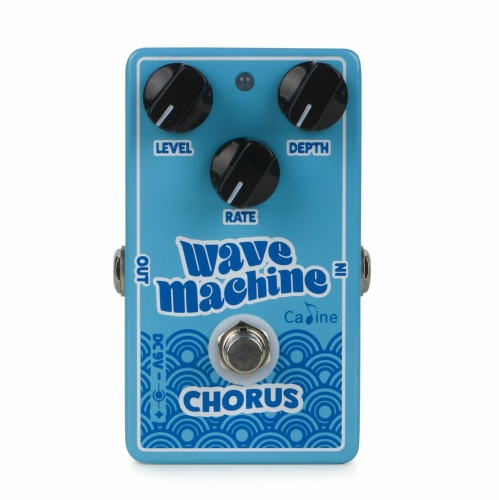
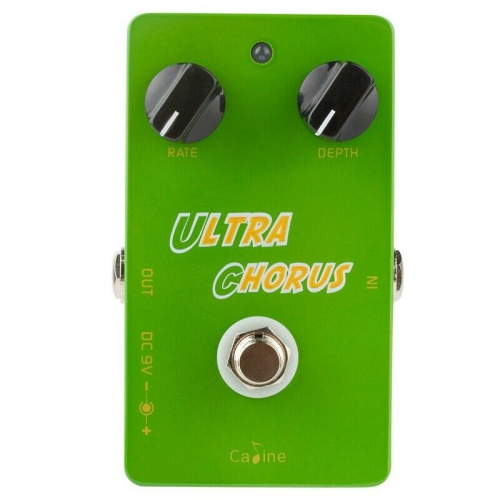
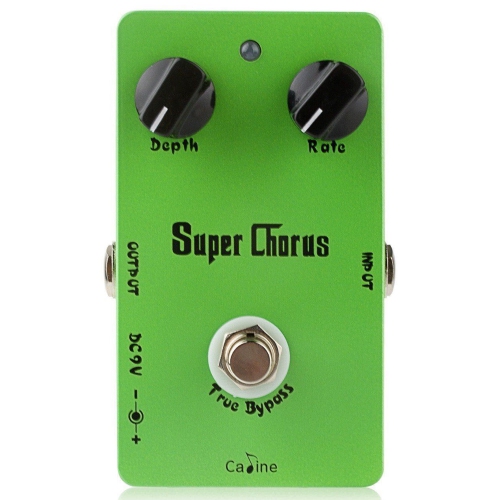
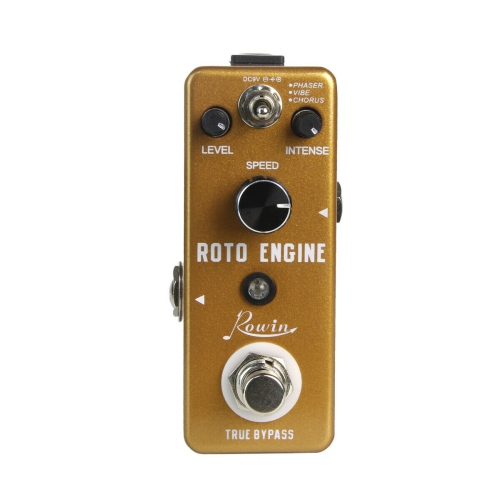
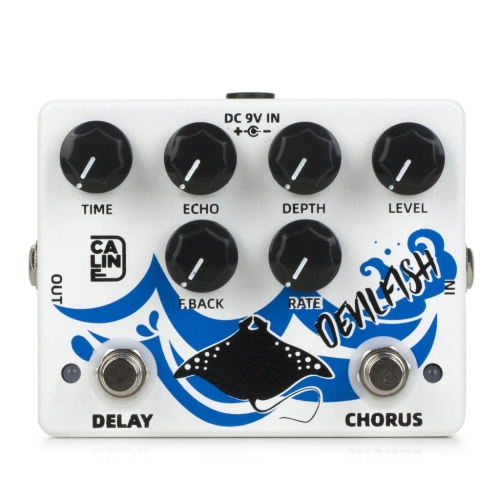
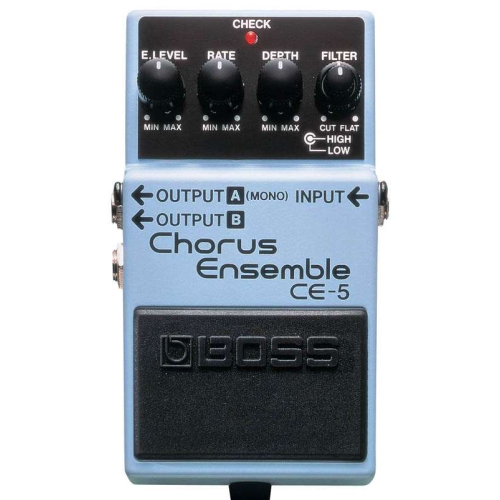
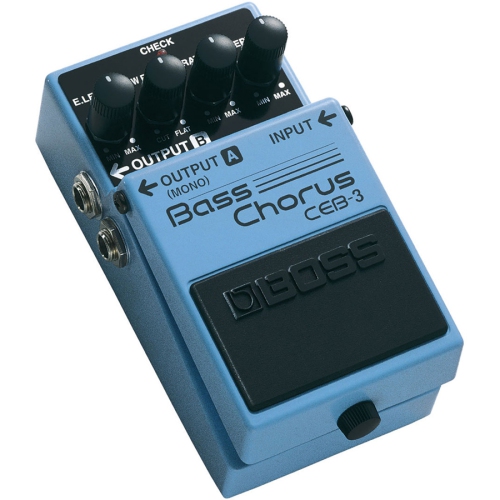
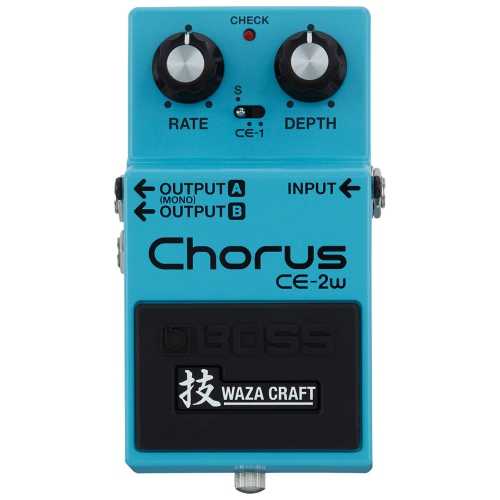
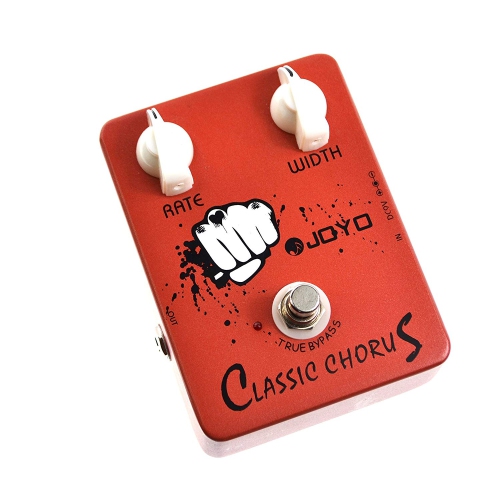
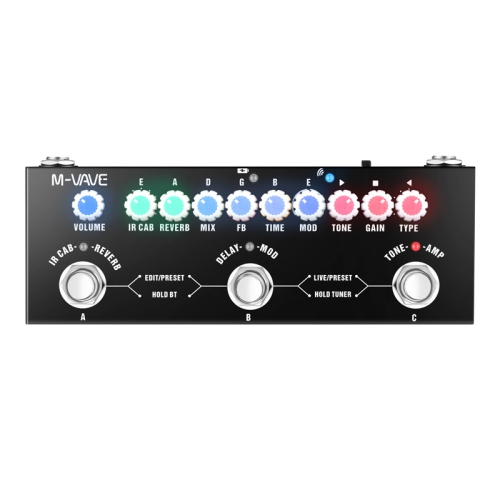
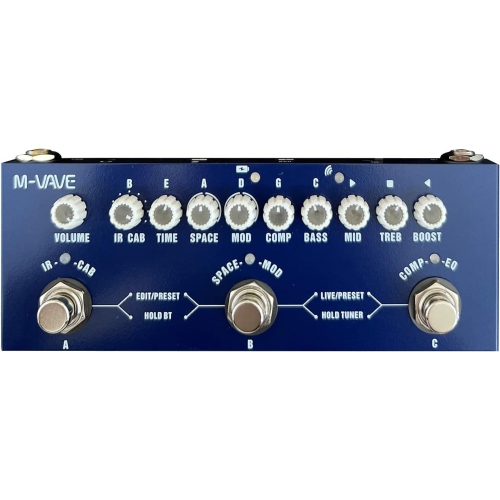
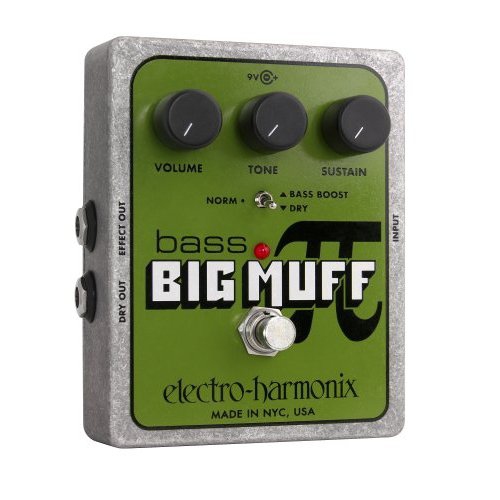
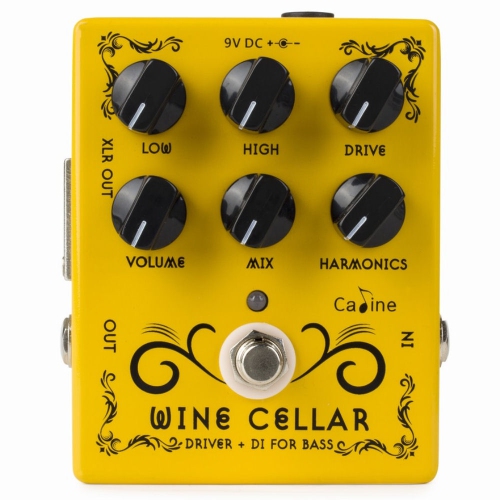
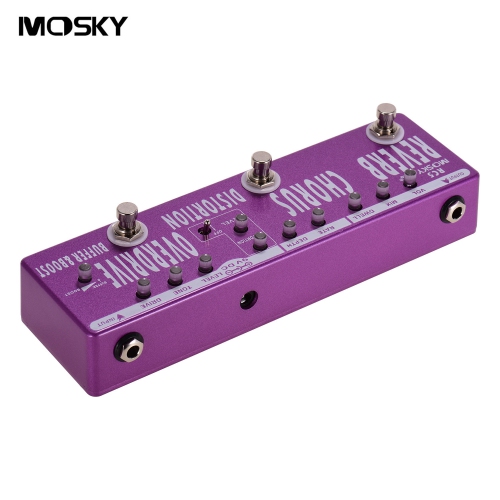
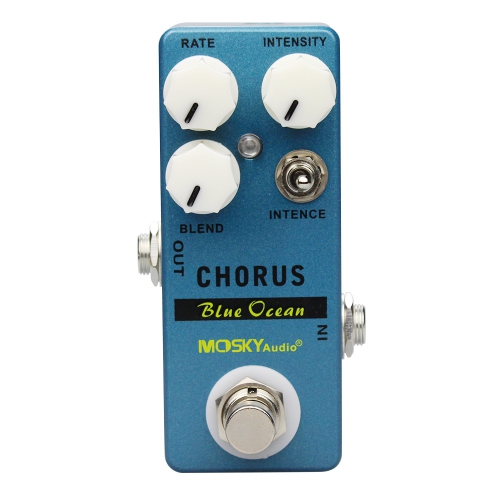
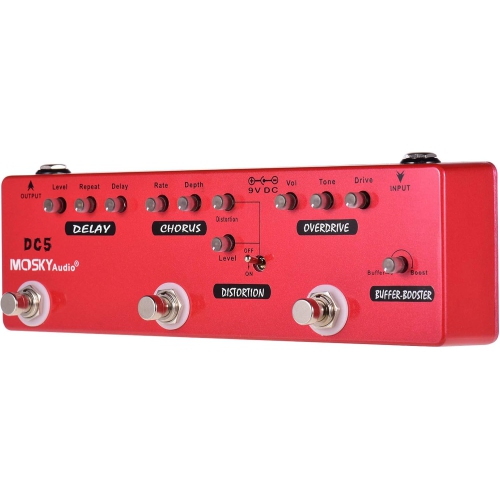
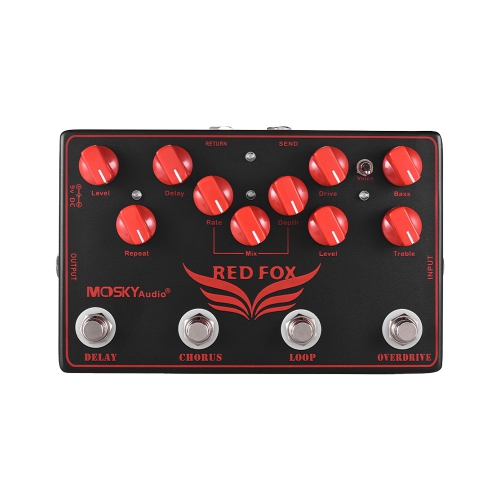
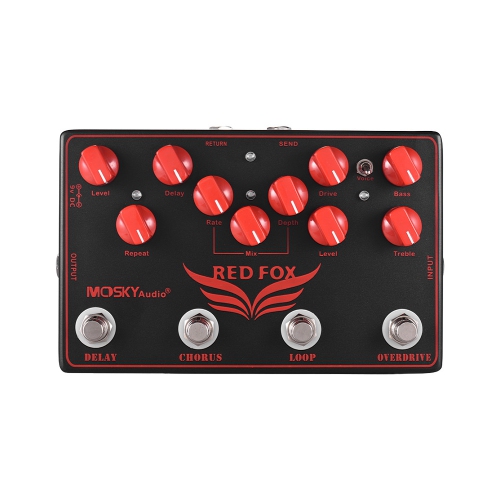
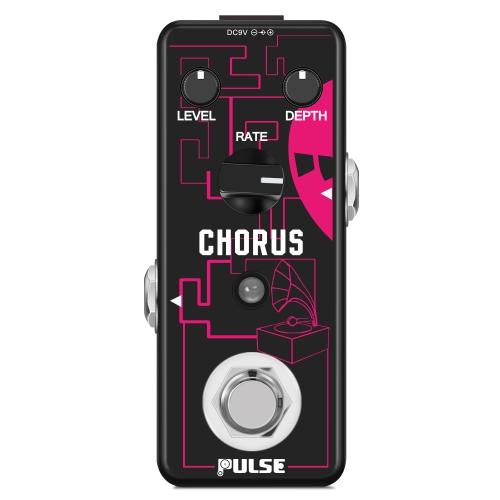
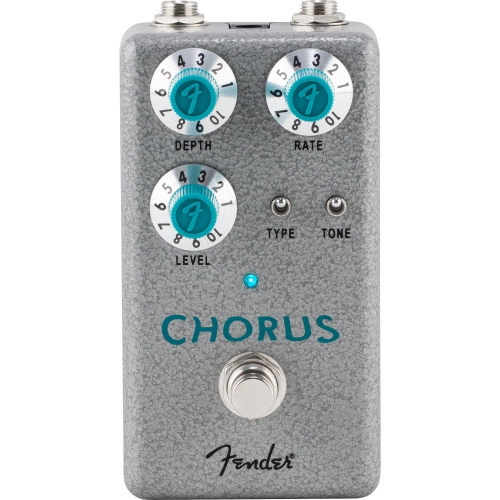
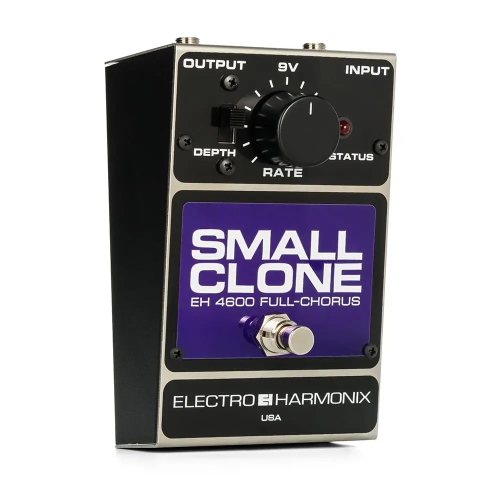

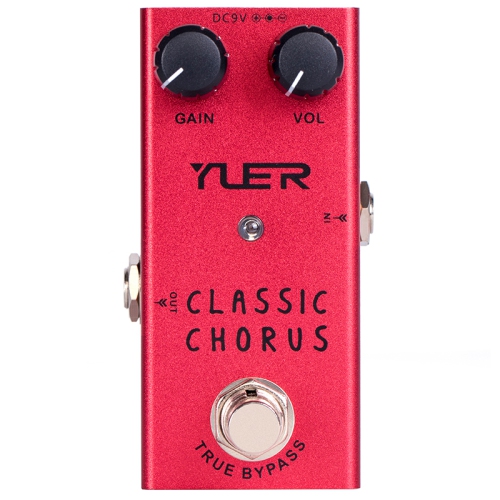
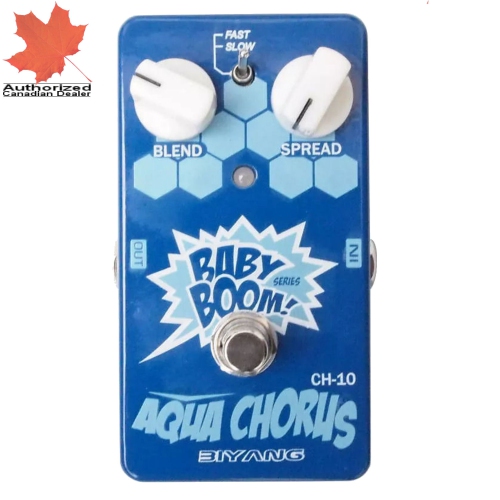
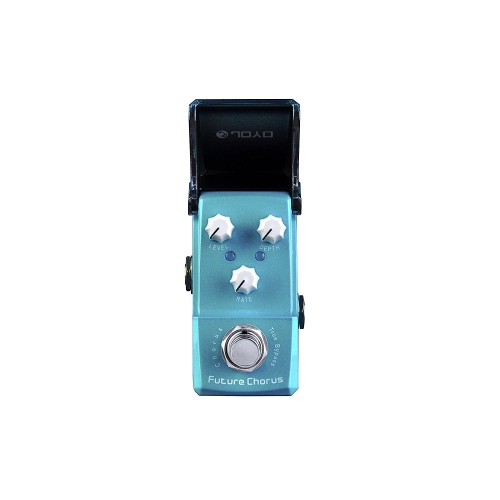
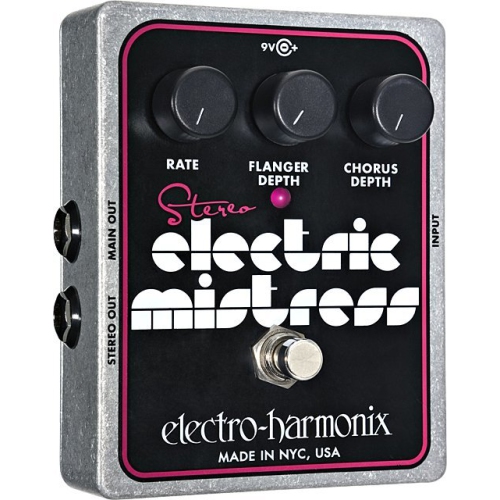
Width and movement without losing low-end definition
Bass chorus pedals add width, shimmer, and gentle movement to a bass signal while preserving the character that makes the instrument feel solid and immediate. By splitting the incoming signal and blending a slightly delayed, modulated copy with the original, a chorus effect can create the impression of two basses playing together, a softly swirling studio track, or a broad stereo texture that fills out a live arrangement. The best bass-focused designs are voiced with the instrument’s lower frequencies in mind, helping the fundamental notes remain clear instead of becoming vague or overly washed out. This matters because a bass line has an important job in the mix: it anchors the drums, supports the harmony, and gives every section its physical impact. A carefully adjusted chorus sound can add atmosphere without taking away that foundation. Use a restrained setting for a hint of motion on sustained notes, or increase the depth and mix for more pronounced, psychedelic movement during instrumental passages. Rate controls determine how quickly the modulation sweeps, while depth controls determine how far the pitch shifts. Slower rates often suit spacious grooves and ballads, whereas faster settings can bring a lively, animated pulse to funk, alternative, or experimental playing. A blend control is especially useful because it lets you keep more of the dry bass tone alongside the effected signal, making it easier to add colour while retaining definition.
When comparing bass chorus pedals, look closely at the controls that help separate the low end from the modulated effect. A crossover switch or low-frequency filter can keep deep bass notes primarily in the dry signal while allowing the chorus effect to work on the higher frequencies, where its shimmer and movement are easier to hear. This approach can be helpful for players who want a full, punchy bottom end for fingerstyle lines, pick playing, or low-tuned instruments, while still adding dimension to upper-register melodies and chords. A blend knob offers a similar kind of control, giving you the ability to move from a barely noticeable thickening effect to a much wider, more atmospheric sound. Equalization controls may also be valuable when a pedal needs to fit into different amplifiers, cabinets, rooms, or band arrangements. Consider the pedal’s rate and depth ranges, switching response, bypass style, power requirements, and overall footprint before choosing one for a pedalboard. A compact design can be convenient when space is limited, while a larger layout may provide easier access to several controls during a performance. Players who use active basses, extended-range instruments, fretless basses, or effects-heavy setups may appreciate additional tone-shaping options. It is also worth considering how the pedal will be used: a simple control layout can be ideal for quick rehearsals and straightforward live work, while more detailed controls can help studio players fine-tune a particular passage. Bass chorus pedals can work with headphones, amplifiers, recording interfaces, and other effects, although the order of pedals may change the result. Experimenting with distortion, compression, delay, or reverb can reveal different textures, so leave enough room to adjust levels and avoid allowing the chorus to overpower the original bass tone.
Bass chorus pedals suit a wide range of players, from someone building a first effects setup to an experienced bassist refining a personal sound. They can bring extra depth to home practice, make a repeated riff feel more expressive, and help a simple arrangement sound wider when recording direct. In a live setting, a touch of chorus can make sustained notes bloom between drum hits, add a glassy edge to chords, or give an otherwise dry section a distinct character. The effect can be particularly effective in intros, transitions, slower passages, and melodic parts where the bass needs to occupy more space without simply becoming louder. Players who prefer a natural, understated tone can keep the effect level low and use it as a subtle layer, while those drawn to dream-pop, progressive, ambient, new wave, or psychedelic sounds may favour a deeper, more obvious sweep. These pedals can also make thoughtful gifts for bassists, home recordists, students, and musicians who enjoy trying new sounds. If you are selecting one for someone else, consider whether they play primarily live or at home, whether their pedalboard has room for another effect, and whether they tend to prefer simple controls or detailed tone shaping. A reliable power supply, suitable patch cables, and a clear signal path can help any chorus pedal perform at its best. Bassists who also play guitar may want to explore Chorus Guitar Pedals for additional modulation options, while keeping in mind that bass-specific features are designed to help protect low-end clarity. During the cooler months, a chorus pedal can be an inviting addition to a home practice corner or recording setup, adding movement and atmosphere to everything from quiet late-night playing to full-band arrangements.
When comparing bass chorus pedals, look closely at the controls that help separate the low end from the modulated effect. A crossover switch or low-frequency filter can keep deep bass notes primarily in the dry signal while allowing the chorus effect to work on the higher frequencies, where its shimmer and movement are easier to hear. This approach can be helpful for players who want a full, punchy bottom end for fingerstyle lines, pick playing, or low-tuned instruments, while still adding dimension to upper-register melodies and chords. A blend knob offers a similar kind of control, giving you the ability to move from a barely noticeable thickening effect to a much wider, more atmospheric sound. Equalization controls may also be valuable when a pedal needs to fit into different amplifiers, cabinets, rooms, or band arrangements. Consider the pedal’s rate and depth ranges, switching response, bypass style, power requirements, and overall footprint before choosing one for a pedalboard. A compact design can be convenient when space is limited, while a larger layout may provide easier access to several controls during a performance. Players who use active basses, extended-range instruments, fretless basses, or effects-heavy setups may appreciate additional tone-shaping options. It is also worth considering how the pedal will be used: a simple control layout can be ideal for quick rehearsals and straightforward live work, while more detailed controls can help studio players fine-tune a particular passage. Bass chorus pedals can work with headphones, amplifiers, recording interfaces, and other effects, although the order of pedals may change the result. Experimenting with distortion, compression, delay, or reverb can reveal different textures, so leave enough room to adjust levels and avoid allowing the chorus to overpower the original bass tone.
Bass chorus pedals suit a wide range of players, from someone building a first effects setup to an experienced bassist refining a personal sound. They can bring extra depth to home practice, make a repeated riff feel more expressive, and help a simple arrangement sound wider when recording direct. In a live setting, a touch of chorus can make sustained notes bloom between drum hits, add a glassy edge to chords, or give an otherwise dry section a distinct character. The effect can be particularly effective in intros, transitions, slower passages, and melodic parts where the bass needs to occupy more space without simply becoming louder. Players who prefer a natural, understated tone can keep the effect level low and use it as a subtle layer, while those drawn to dream-pop, progressive, ambient, new wave, or psychedelic sounds may favour a deeper, more obvious sweep. These pedals can also make thoughtful gifts for bassists, home recordists, students, and musicians who enjoy trying new sounds. If you are selecting one for someone else, consider whether they play primarily live or at home, whether their pedalboard has room for another effect, and whether they tend to prefer simple controls or detailed tone shaping. A reliable power supply, suitable patch cables, and a clear signal path can help any chorus pedal perform at its best. Bassists who also play guitar may want to explore Chorus Guitar Pedals for additional modulation options, while keeping in mind that bass-specific features are designed to help protect low-end clarity. During the cooler months, a chorus pedal can be an inviting addition to a home practice corner or recording setup, adding movement and atmosphere to everything from quiet late-night playing to full-band arrangements.
Top selling and popular products
-
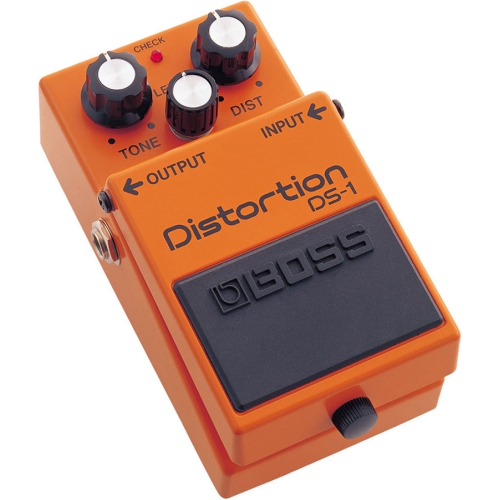 Your price for this item is $89.99
 -
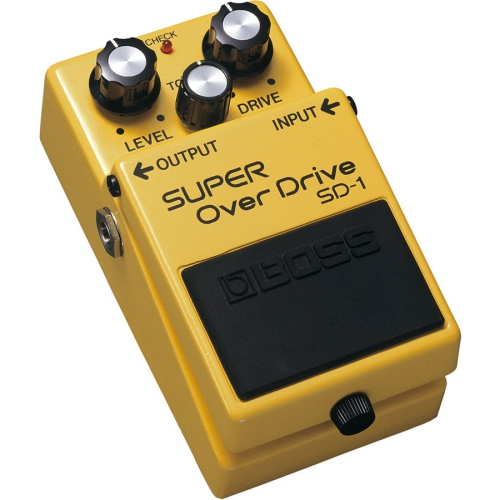 Your price for this item is $89.99
 -
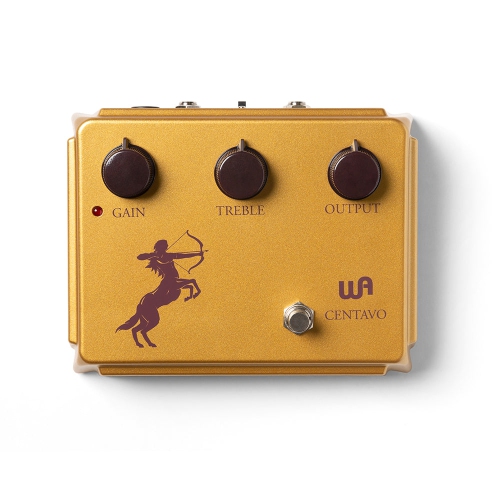 Your price for this item is $289
 -
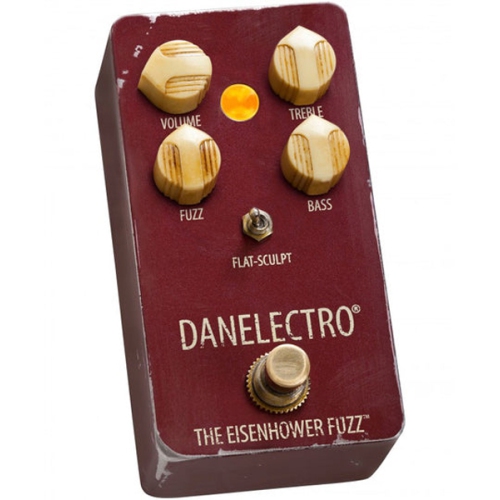 Your price for this item is $164.99
 -
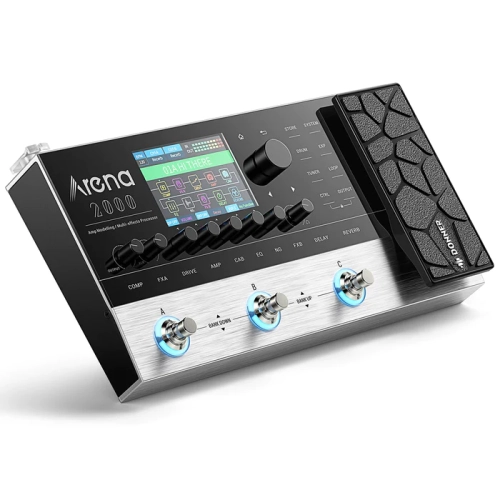 Your price for this item is $209.99
 -
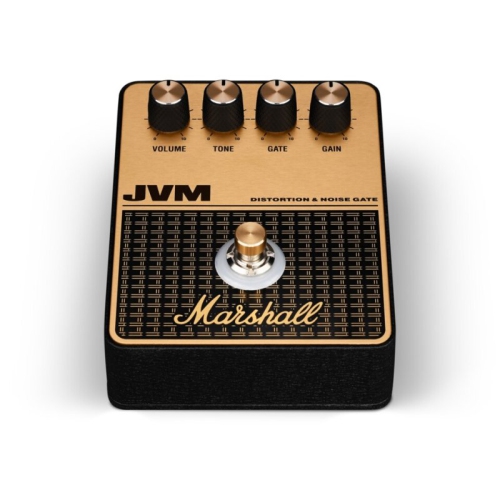 Your price for this item is $249.99
 -
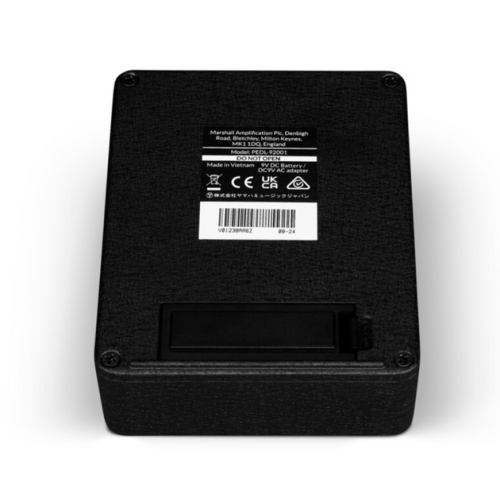 Your price for this item is $249.99
 -
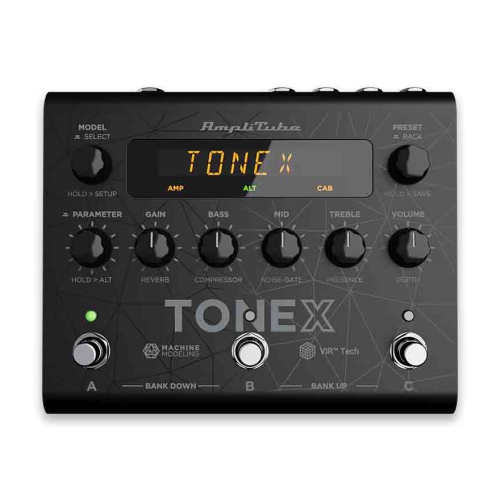 Your price for this item is $599.99
Discover more categories related to Bass Chorus Pedals
Top Collections:
Pokemon Centers, Kindle Devices, Best Budget Office Chairs, Apple iPhones 16, Canon G7X Cameras, iPhone 15 Apple, Alarm Clock, Refurbished Apple Laptops, Flip Phones, Best Laptops for Writers
Some products may be subject to Environmental Handling Fees
(EHF) depending on your province.
Learn more about EHFs.