Bass Pedalboards
Our bass pedalboards are designed to help you create unique and captivating bass tones, giving your music that extra punch and depth. Whether you're a seasoned professional or just starting out, our range of bass pedalboards offers a variety of options to suit every style and budget. From compact and portable designs to larger pedalboards with ample space for all your effects pedals, we have the perfect solution to help you achieve the sound you've been dreaming of. Explore our collection today and unleash your creativity on stage or in the studio
Sort
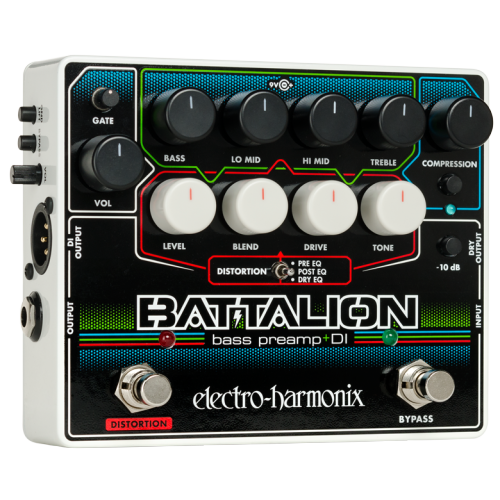
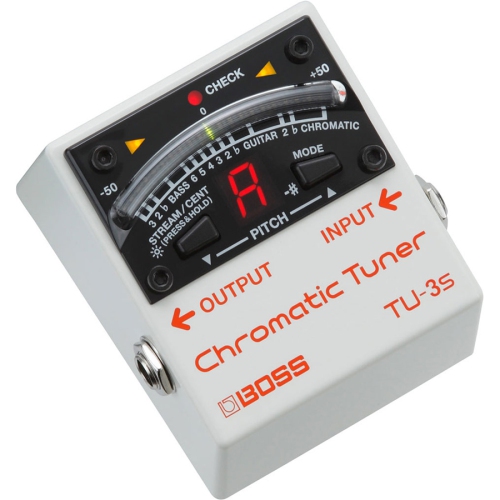
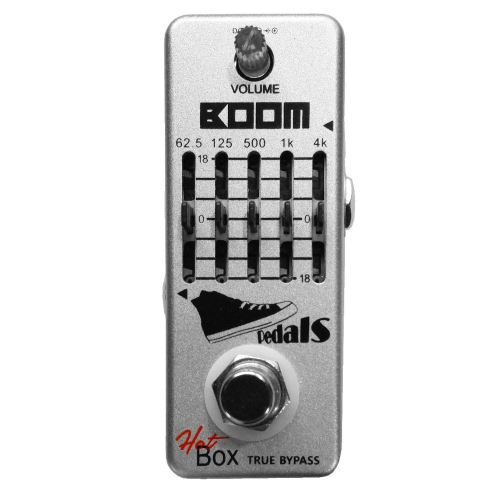
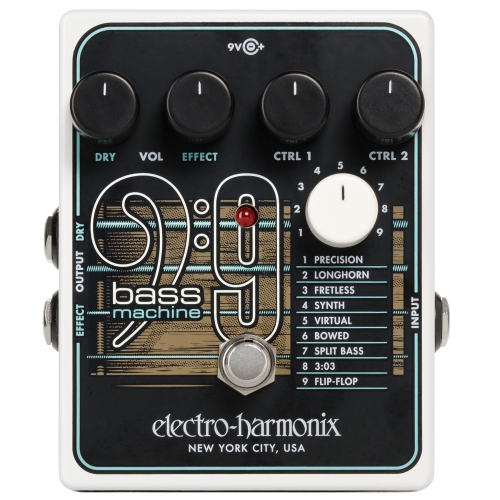
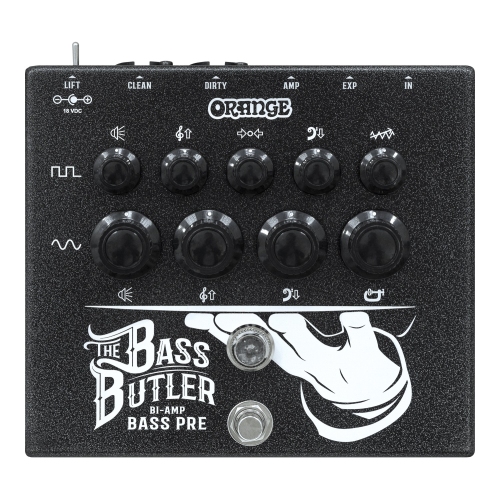
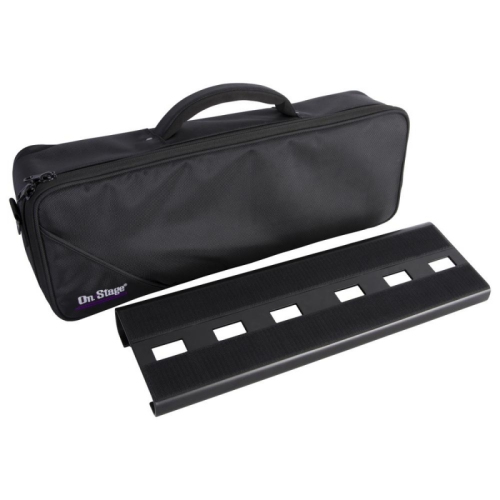
Build a reliable rig with pedals kept within reach
Bass pedalboards provide a practical foundation for arranging, protecting, and transporting the effects that shape your sound. Rather than leaving pedals loose on the floor or spread across a rehearsal room, a dedicated board keeps your signal chain in a consistent order and places essential controls within easy reach. A typical bass setup may begin with a tuner, allowing you to check pitch silently before the signal reaches other effects. From there, a compressor can even out playing dynamics, add sustain, and help the bass sit steadily in a mix without losing the natural character of the instrument. Many players also include a preamp or DI box near the end of the chain so they can send a shaped, reliable signal directly to a mixing console, PA system, audio interface, or amplifier. A board may also accommodate an octave pedal for extra depth, an overdrive or fuzz effect for grit and presence, or an envelope filter for expressive, responsive tones. When choosing a bass pedalboard, consider the number and size of the pedals you already own, along with room for future additions. Allowing a little extra space can make it easier to adjust knobs, replace patch cables, or add a new effect without rebuilding the entire layout. A compact board can be ideal for a streamlined rehearsal rig, while a larger model suits players who use several effects across different songs or need separate live and studio signal paths.
Construction and day-to-day practicality matter just as much as available surface area. Look for a sturdy platform that can handle the weight of multiple pedals, power supplies, and cables while remaining manageable to carry between home, rehearsal spaces, lessons, and venues. A raised or angled design can improve visibility and make footswitches easier to reach, especially when the stage is dim and attention is focused on the rest of the band. Mounting pedals securely with hook-and-loop fasteners helps prevent movement during energetic performances, while cable management keeps patch leads from crossing over foot controls or becoming tangled in a gig bag. Measure the footprint of each pedal, including its power connection and cable clearance, before settling on a board size. Bass players should also pay close attention to signal integrity. Long cable runs, crowded power connections, and poorly planned routing can introduce hum or unwanted noise, so arranging effects with short patch cables and using an appropriate isolated power supply can make the rig quieter and more dependable. A common starting arrangement places the tuner first, followed by dynamics and tone-shaping effects, with modulation or filter effects in the middle and a preamp, DI, or volume-based effect later in the chain. There is no single correct order, though; moving an octave effect before or after distortion, for example, can produce noticeably different tracking and texture. Testing the layout while standing with the instrument connected is a useful final check, since a board that looks tidy on a workbench should also feel natural underfoot during a song.
Bass pedalboards are useful for beginners building their first effects setup, experienced musicians refining a touring rig, and home recordists who want a repeatable sound from one session to the next. They can also make thoughtful gifts for a bassist preparing for rehearsals, live performances, recording projects, or a new level of creative experimentation. If the recipient already owns several pedals, check the approximate dimensions of the current collection and whether the board needs space for a dedicated tuner, compressor, octave effect, filter, overdrive, or power supply. For someone who plays through a PA system or records directly into an interface, a board with room for a preamp or DI solution can be particularly useful; browse Bass Preamp Pedals to explore options for shaping the final bass signal. Players who perform in smaller venues may prefer a compact arrangement that can be set up quickly, while musicians in cover bands or larger ensembles may appreciate extra room for multiple sounds and clearly separated controls. During the cooler months, when rehearsals often move indoors and instruments spend more time travelling between rooms, a well-organized board can make setup feel almost automatic: place it on the floor, connect the bass and amplifier or PA cables, check the tuner, and confirm the power supply. Keep the board protected in a suitable case or bag when carrying it, and periodically inspect fasteners, patch cables, power connections, and footswitch access. With a thoughtful layout, a bass pedalboard becomes more than a storage surface; it is the central workspace where clean low end, controlled dynamics, subtle colour, and dramatic effects come together in a dependable performance rig.
Construction and day-to-day practicality matter just as much as available surface area. Look for a sturdy platform that can handle the weight of multiple pedals, power supplies, and cables while remaining manageable to carry between home, rehearsal spaces, lessons, and venues. A raised or angled design can improve visibility and make footswitches easier to reach, especially when the stage is dim and attention is focused on the rest of the band. Mounting pedals securely with hook-and-loop fasteners helps prevent movement during energetic performances, while cable management keeps patch leads from crossing over foot controls or becoming tangled in a gig bag. Measure the footprint of each pedal, including its power connection and cable clearance, before settling on a board size. Bass players should also pay close attention to signal integrity. Long cable runs, crowded power connections, and poorly planned routing can introduce hum or unwanted noise, so arranging effects with short patch cables and using an appropriate isolated power supply can make the rig quieter and more dependable. A common starting arrangement places the tuner first, followed by dynamics and tone-shaping effects, with modulation or filter effects in the middle and a preamp, DI, or volume-based effect later in the chain. There is no single correct order, though; moving an octave effect before or after distortion, for example, can produce noticeably different tracking and texture. Testing the layout while standing with the instrument connected is a useful final check, since a board that looks tidy on a workbench should also feel natural underfoot during a song.
Bass pedalboards are useful for beginners building their first effects setup, experienced musicians refining a touring rig, and home recordists who want a repeatable sound from one session to the next. They can also make thoughtful gifts for a bassist preparing for rehearsals, live performances, recording projects, or a new level of creative experimentation. If the recipient already owns several pedals, check the approximate dimensions of the current collection and whether the board needs space for a dedicated tuner, compressor, octave effect, filter, overdrive, or power supply. For someone who plays through a PA system or records directly into an interface, a board with room for a preamp or DI solution can be particularly useful; browse Bass Preamp Pedals to explore options for shaping the final bass signal. Players who perform in smaller venues may prefer a compact arrangement that can be set up quickly, while musicians in cover bands or larger ensembles may appreciate extra room for multiple sounds and clearly separated controls. During the cooler months, when rehearsals often move indoors and instruments spend more time travelling between rooms, a well-organized board can make setup feel almost automatic: place it on the floor, connect the bass and amplifier or PA cables, check the tuner, and confirm the power supply. Keep the board protected in a suitable case or bag when carrying it, and periodically inspect fasteners, patch cables, power connections, and footswitch access. With a thoughtful layout, a bass pedalboard becomes more than a storage surface; it is the central workspace where clean low end, controlled dynamics, subtle colour, and dramatic effects come together in a dependable performance rig.
Top selling and popular products
-
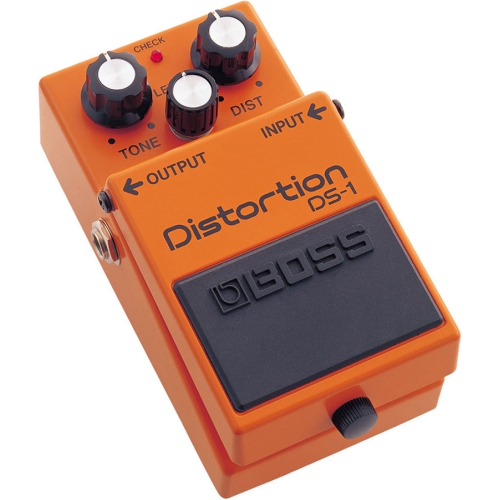 Your price for this item is $89.99
 -
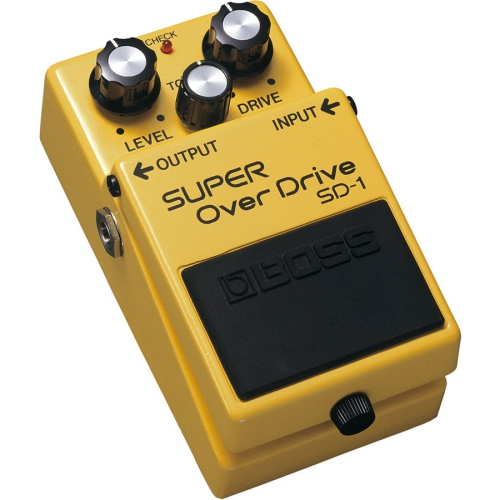 Your price for this item is $89.99
 -
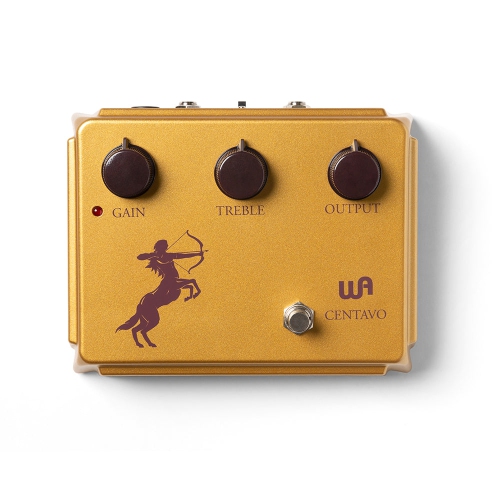 Your price for this item is $289
 -
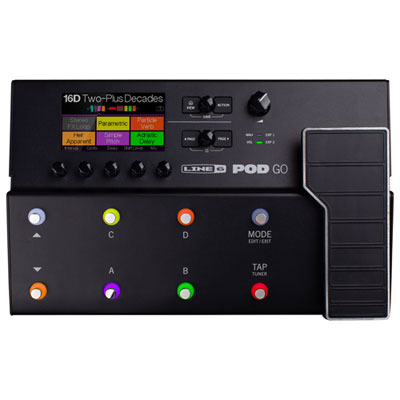 Your price for this item is $589.99
 -
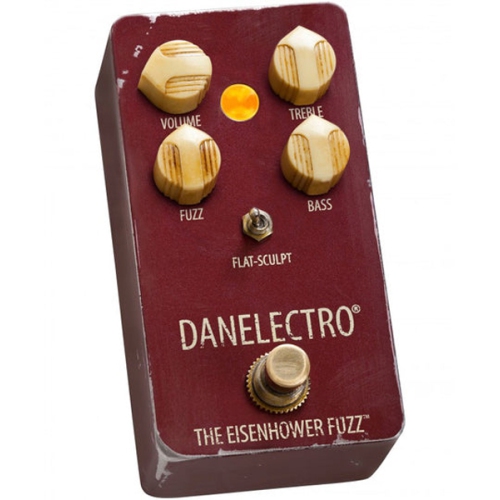 Your price for this item is $164.99
 -
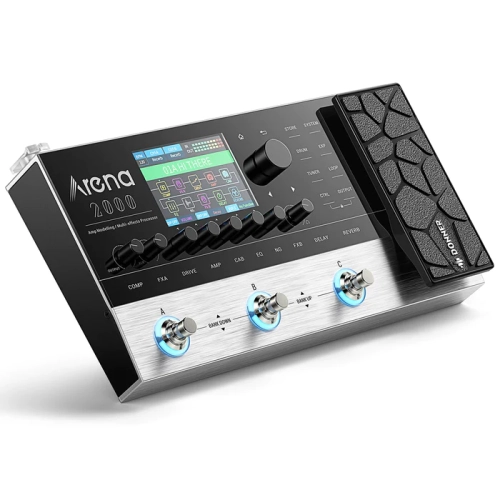 Your price for this item is $209.99
 -
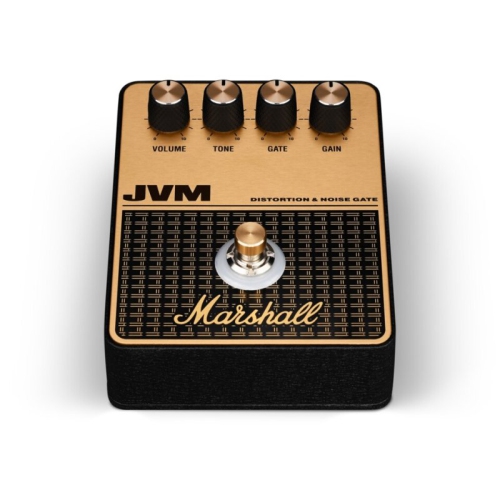 Your price for this item is $249.99
 -
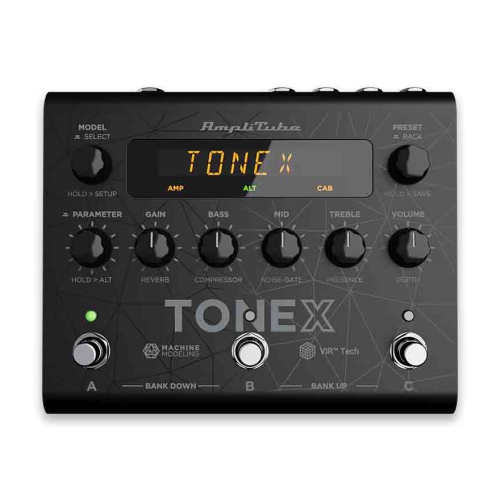 Your price for this item is $599.99
Discover more categories related to Bass Pedalboards
Top Collections:
Pokemon Centers, Kindle Devices, Best Budget Office Chairs, Apple iPhones 16, Best Laptops for Writers, iPhone 15 Apple, Canon G7X Cameras, Refurbished Apple Laptops, Alarm Clock, Motorola Razr Phones
Some products may be subject to Environmental Handling Fees
(EHF) depending on your province.
Learn more about EHFs.