Bass Distortion Pedals
Looking to add some serious crunch and grit to your bass guitar sound? Look no further than our collection of bass distortion pedals. These powerful effects pedals are designed to give your bass tone an edge, allowing you to dial in the perfect amount of distortion for any style of music. Whether you're a rock enthusiast looking to unleash thunderous riffs or a funk player wanting to add some growl to your grooves, our selection of bass distortion pedals has something for everyone. Get ready to take your bass playing to the next level with these versatile and dynamic pedals.
Sort
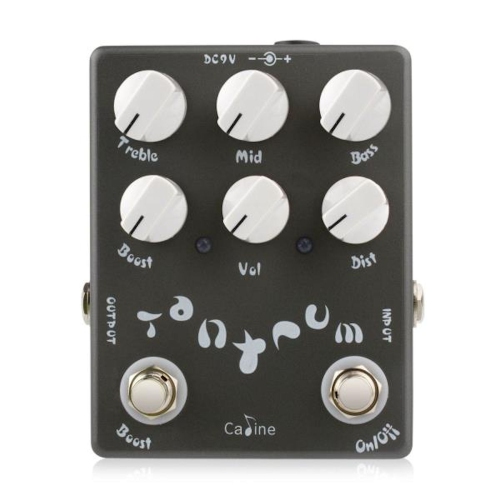
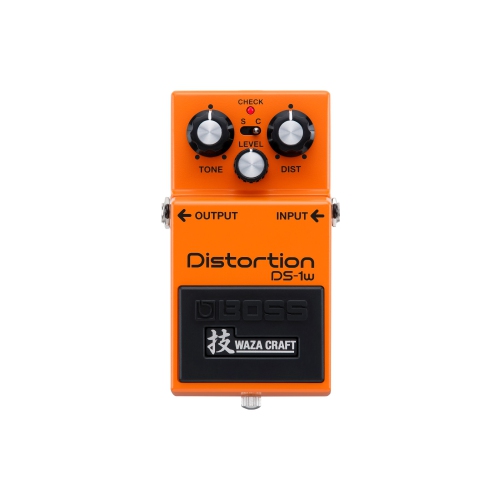
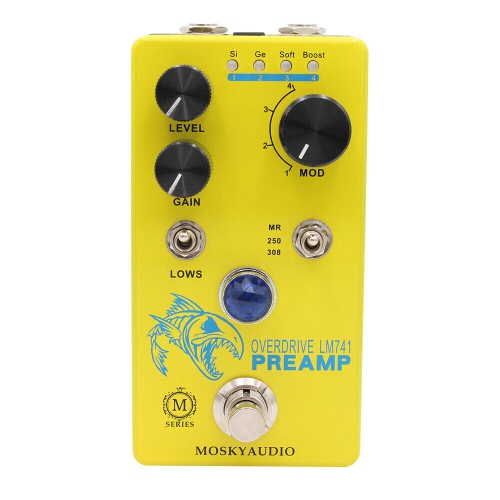
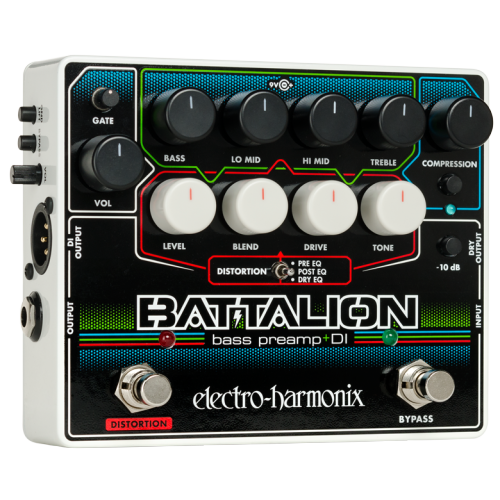
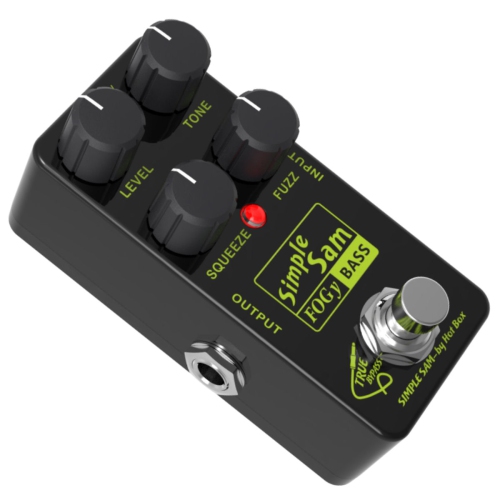
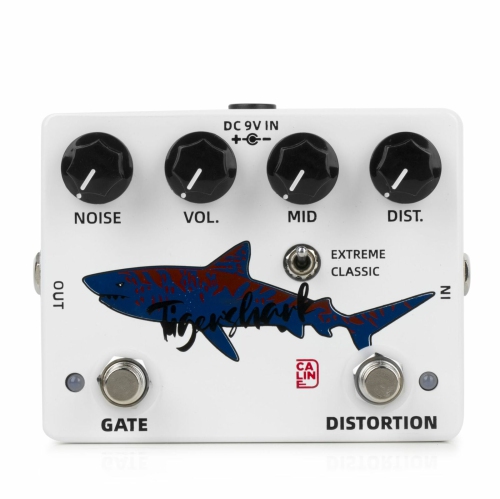
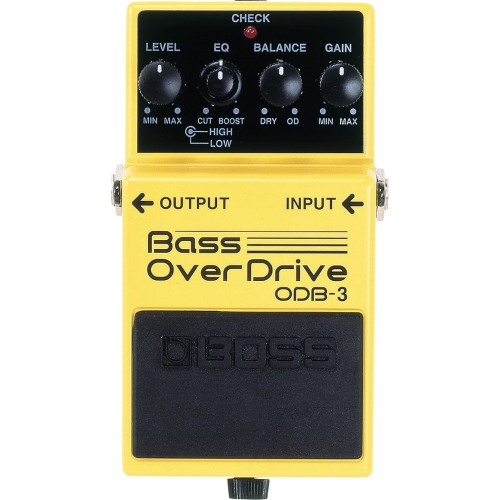
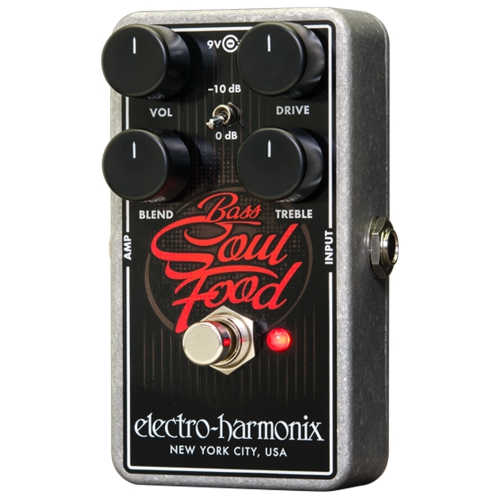
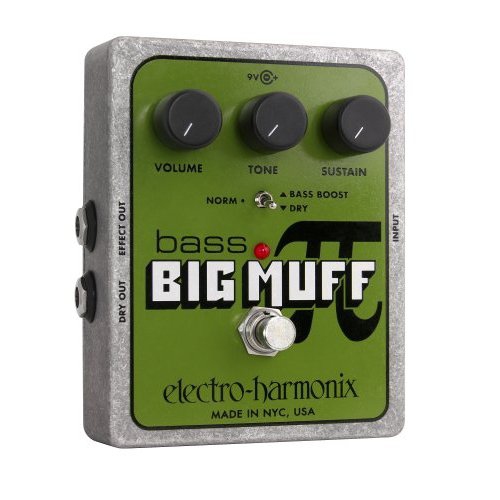
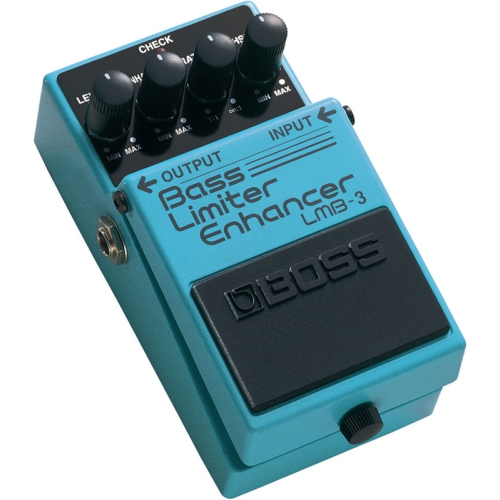
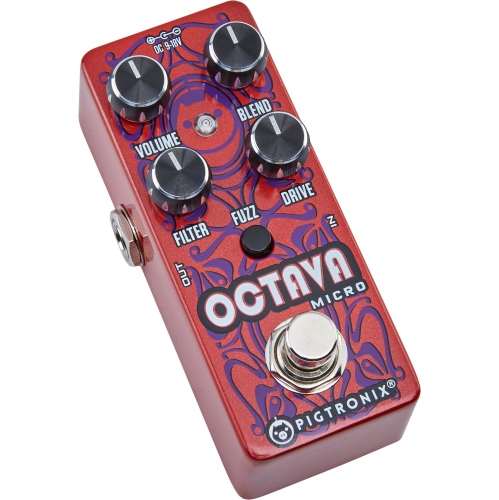
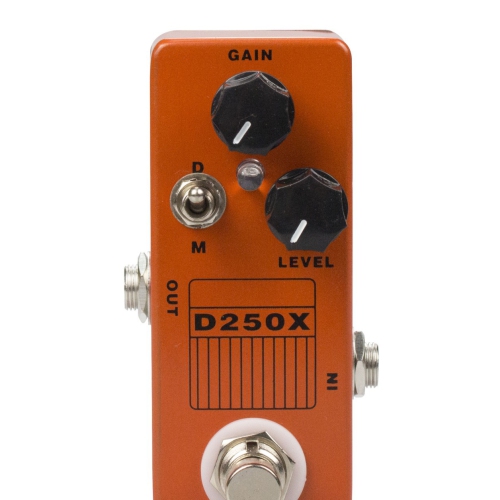
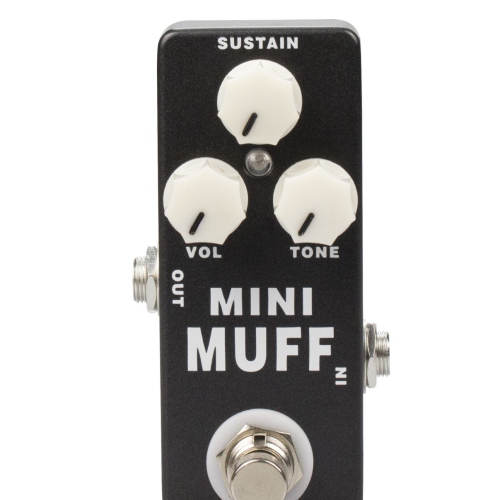
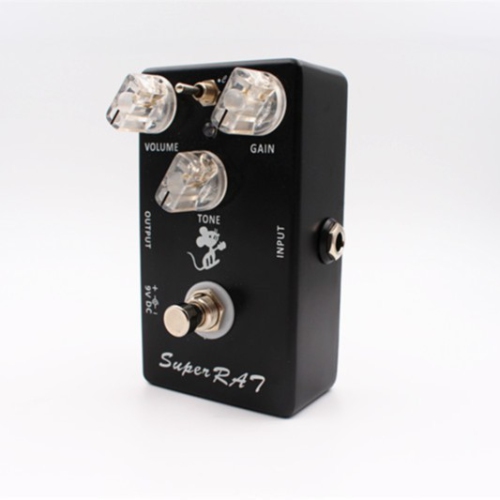
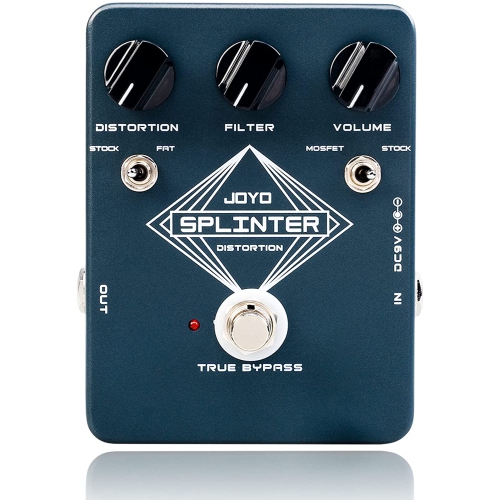
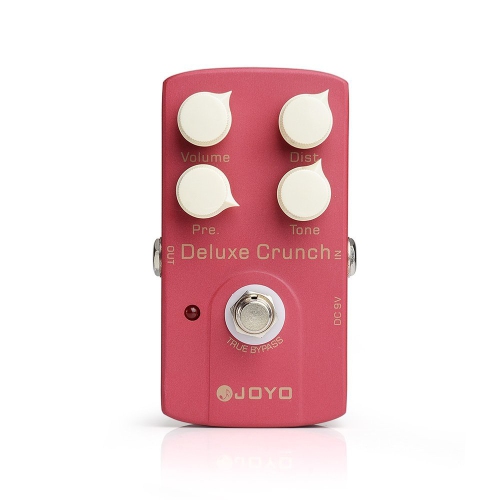
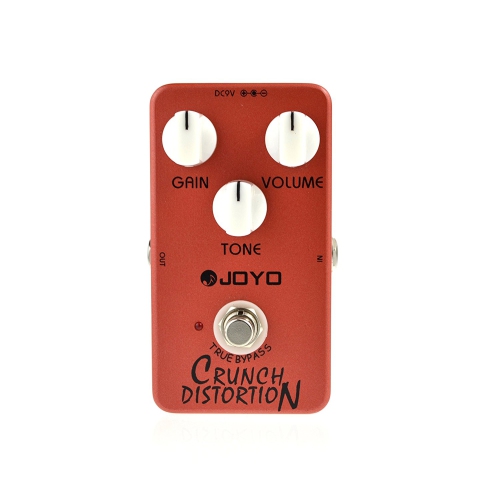
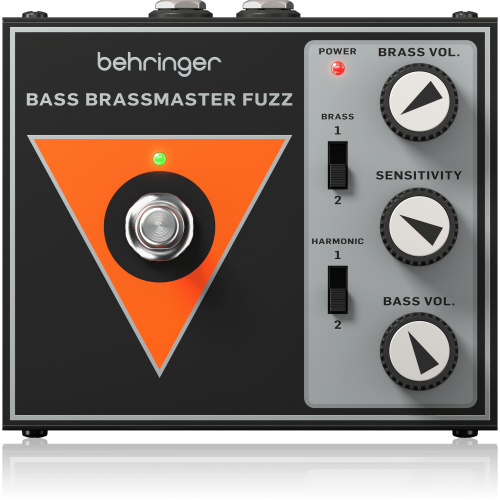
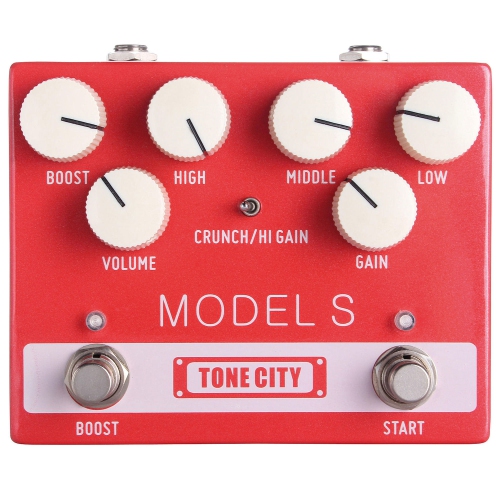
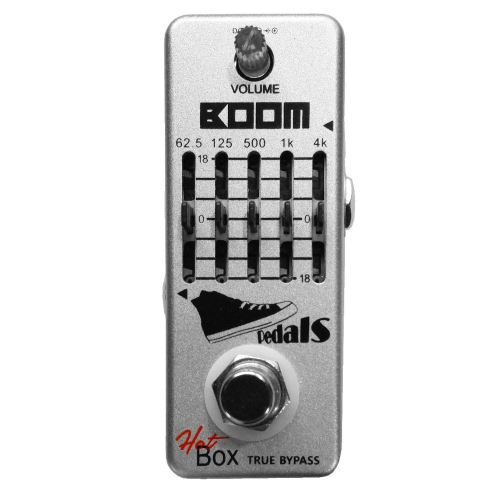
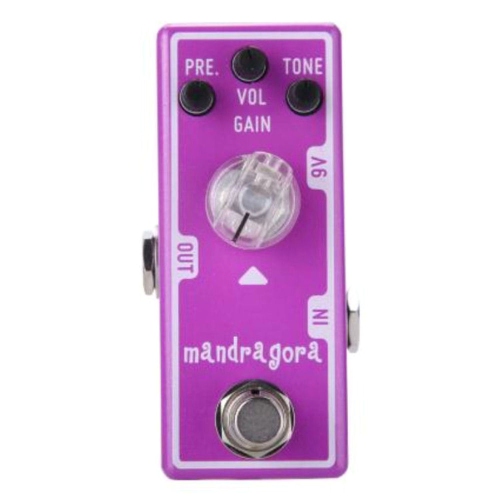
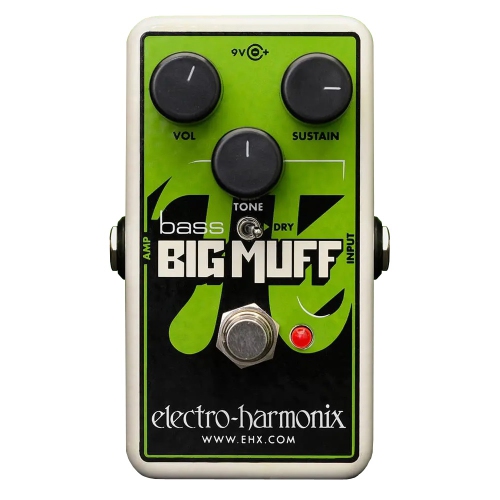
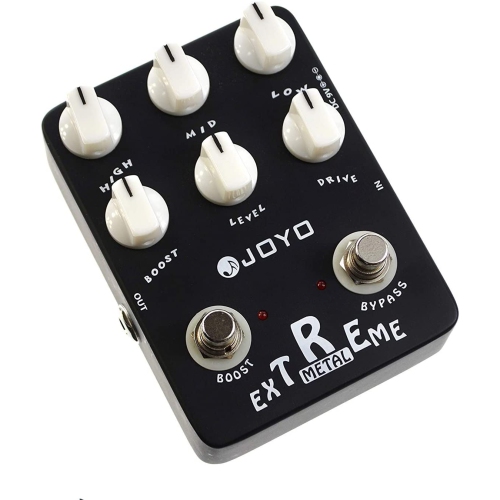
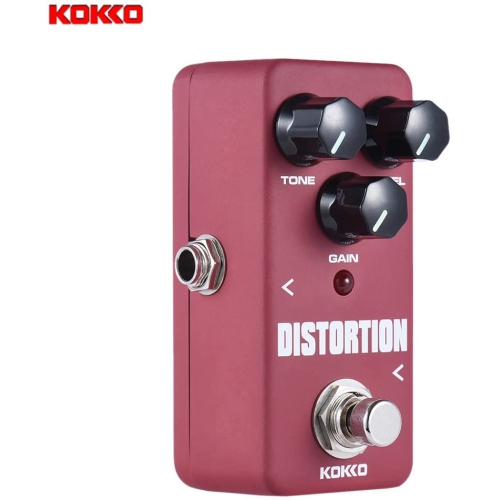
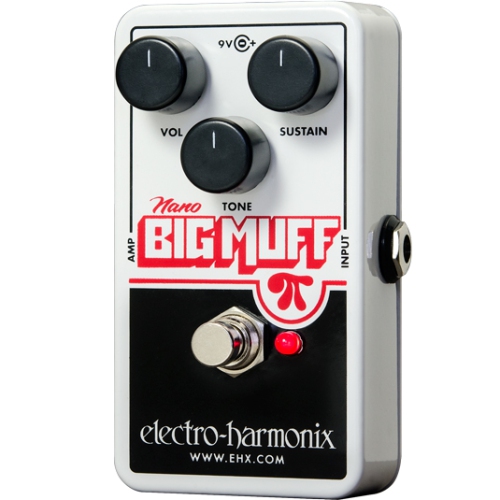

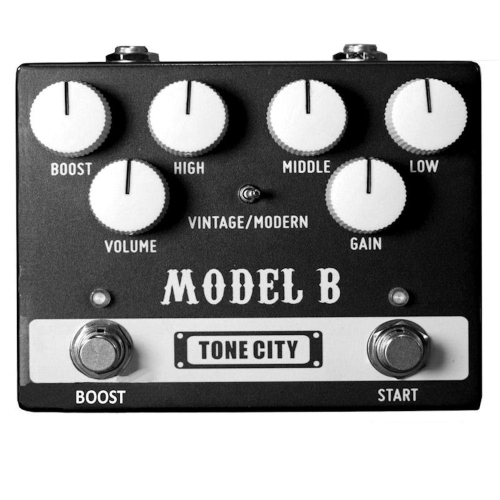
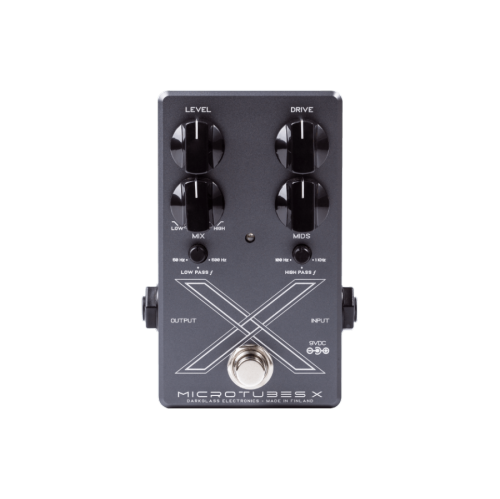
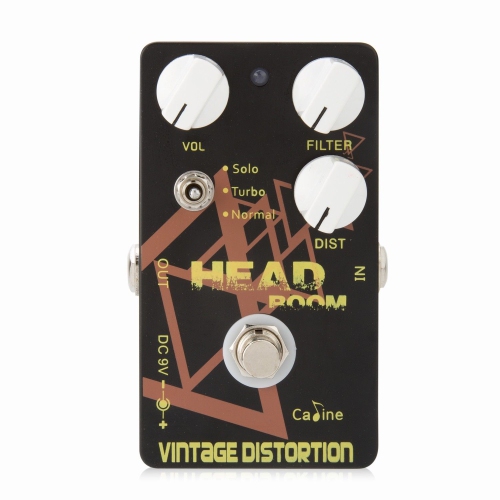
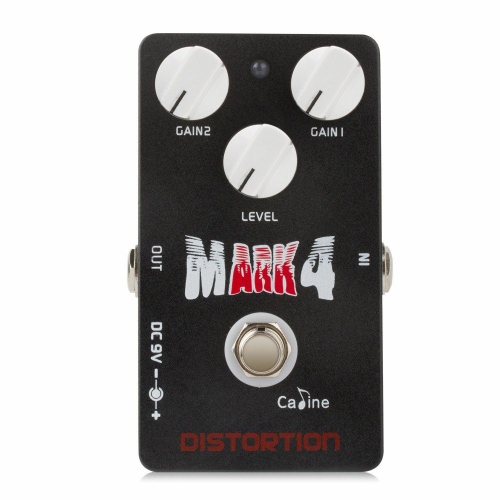
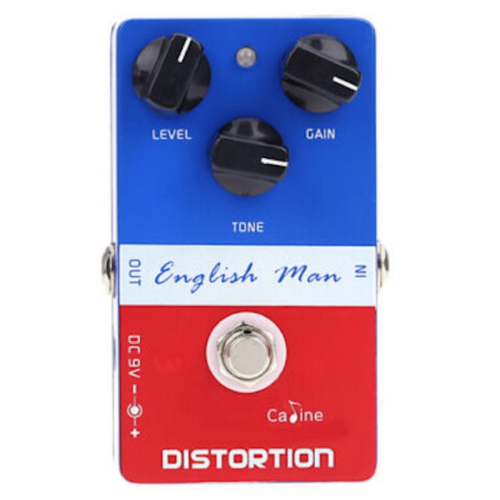
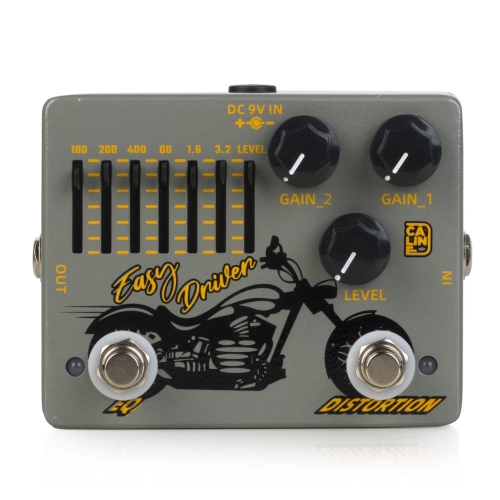
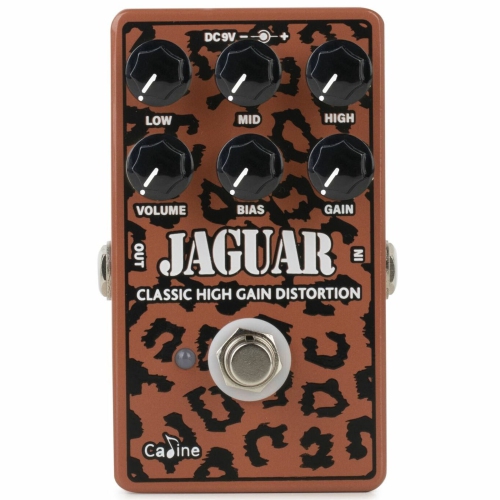
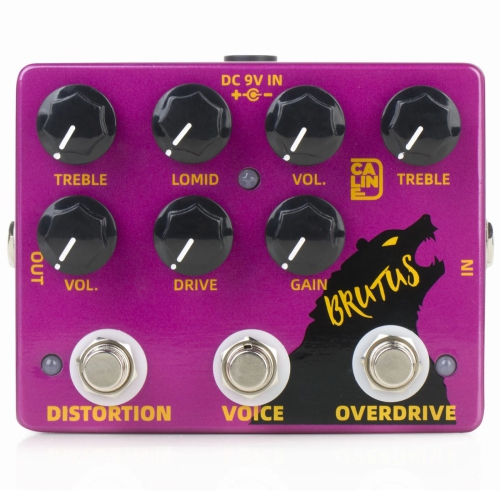
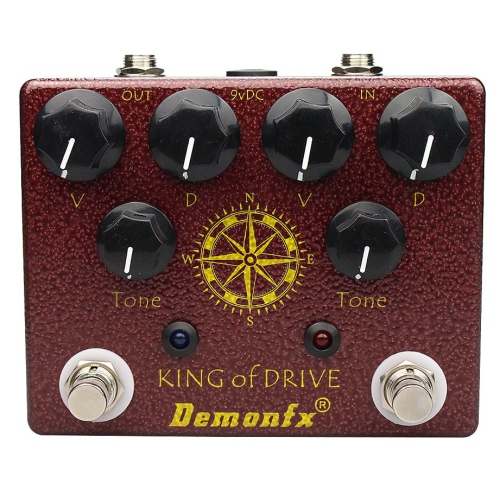

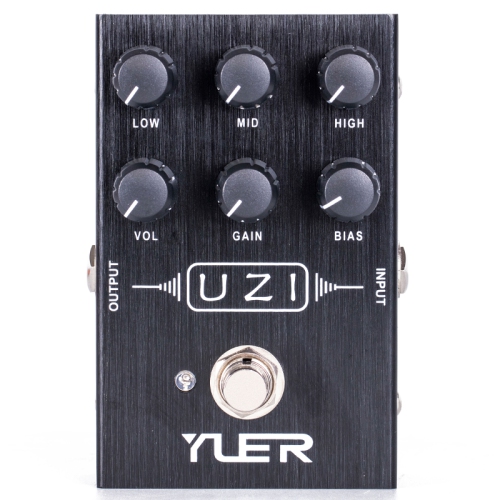
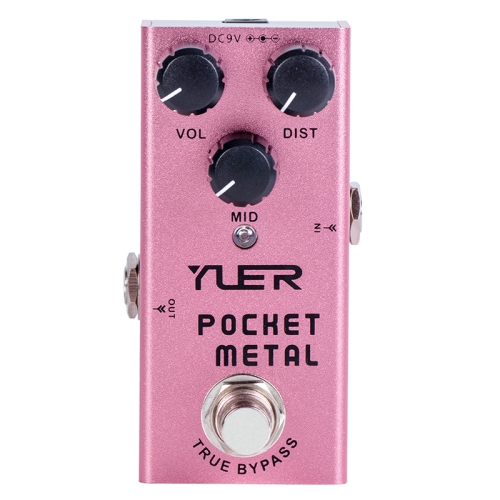
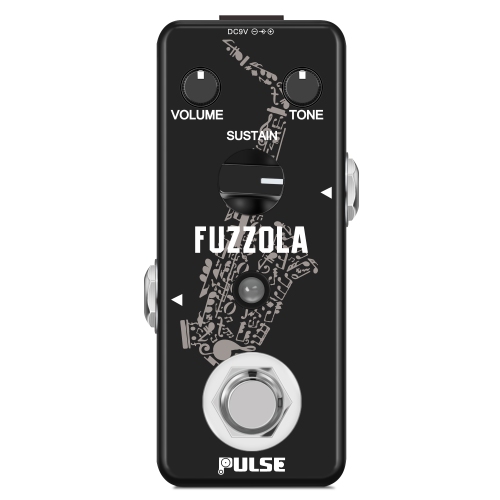
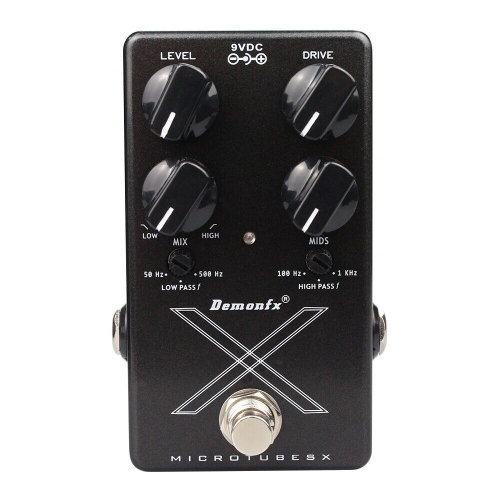
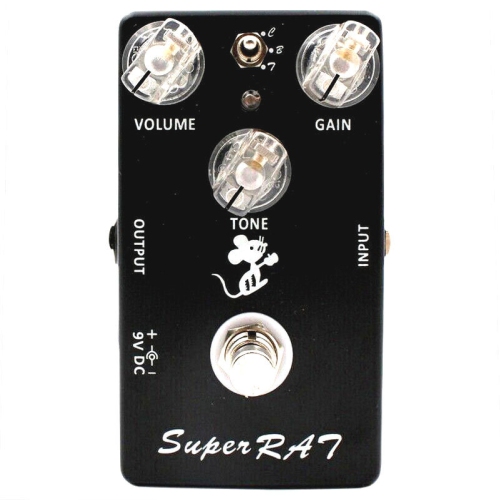
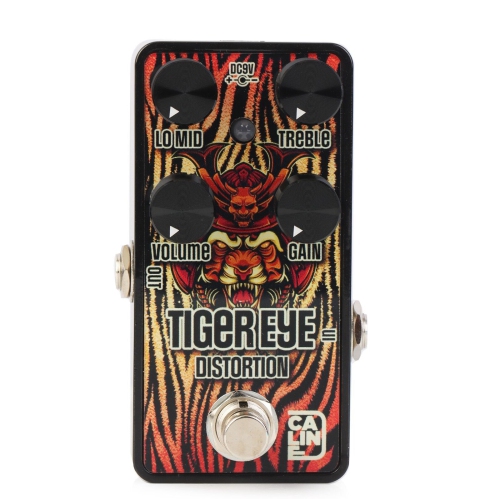
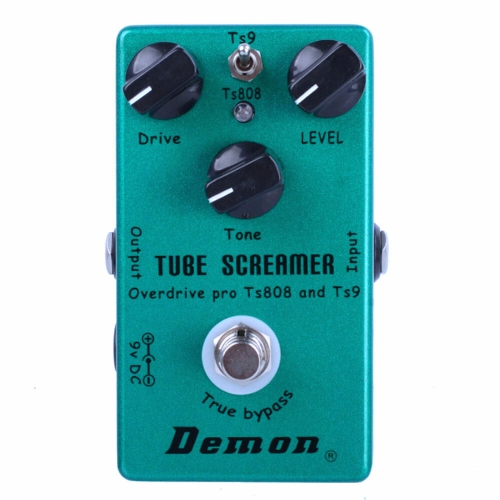
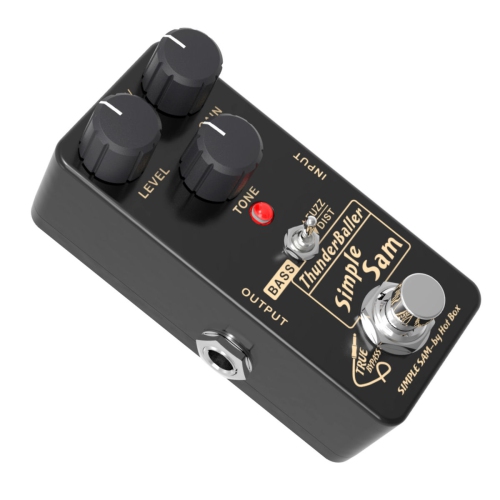
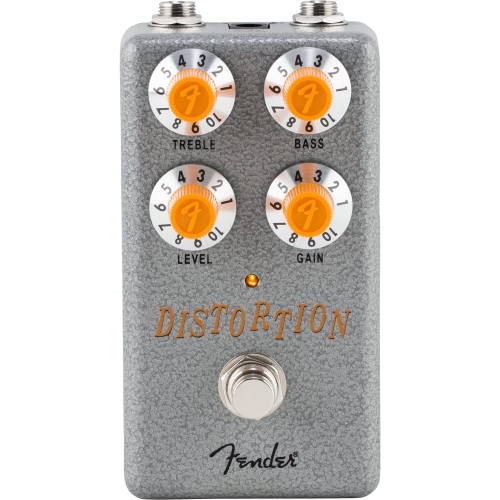
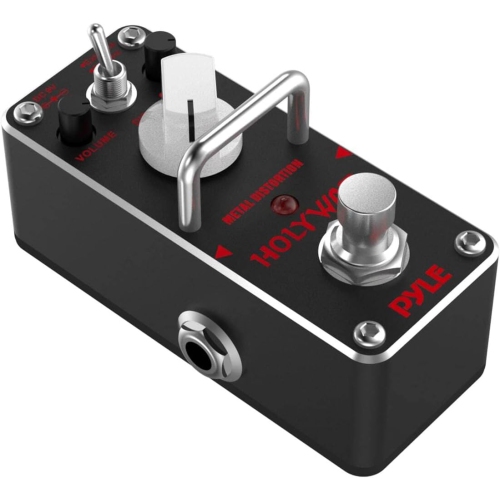
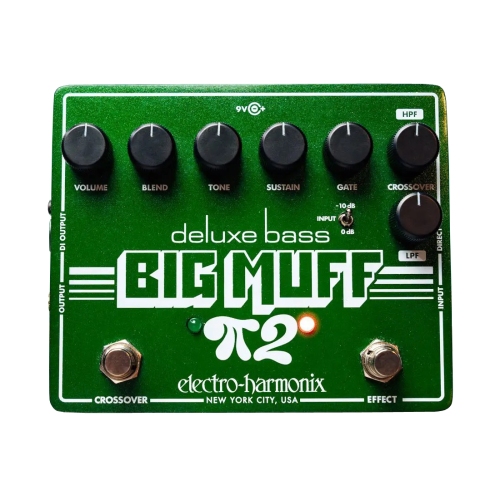
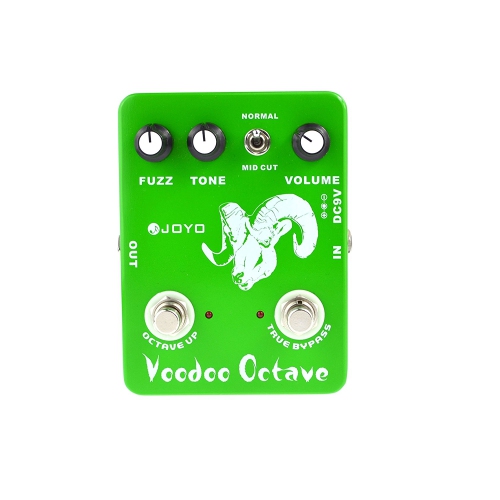
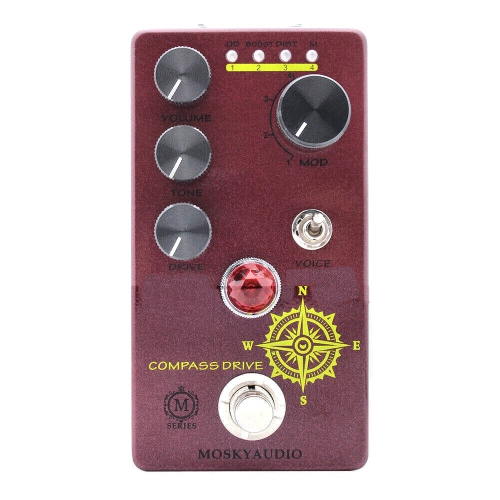
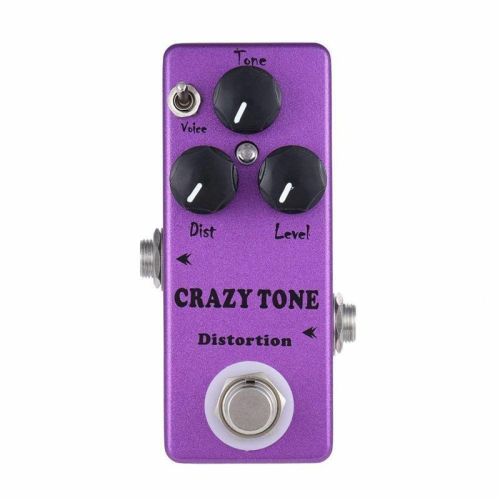
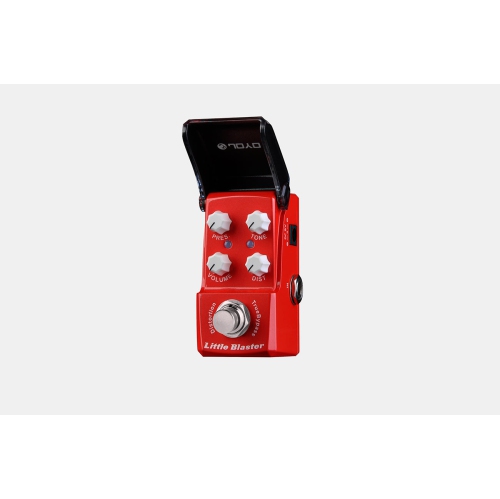
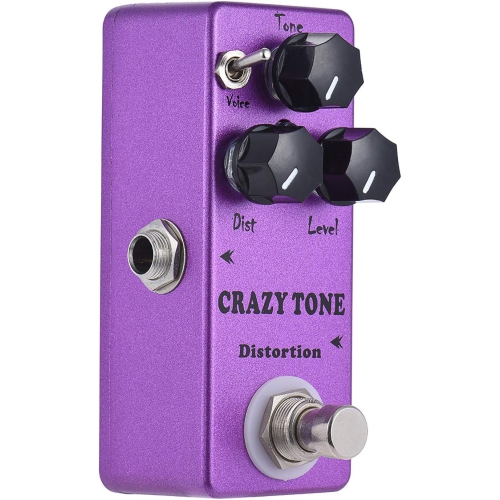
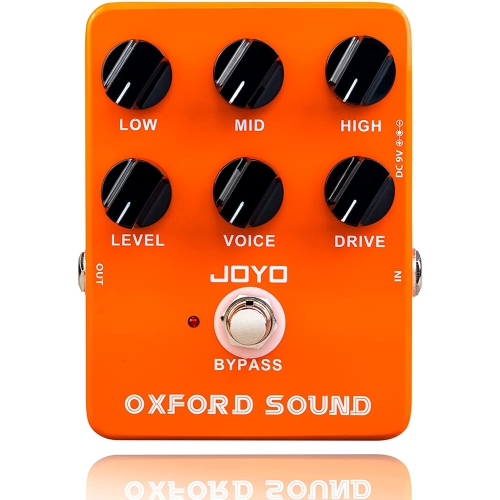
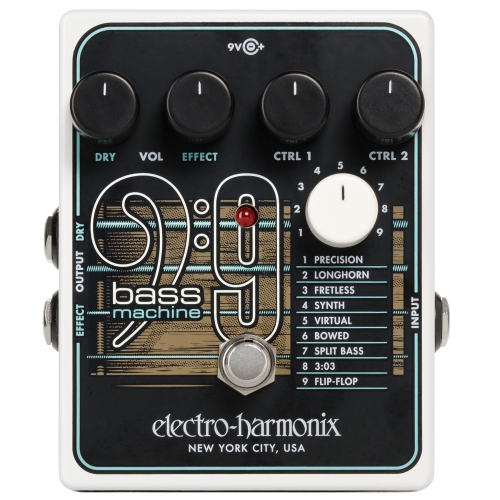
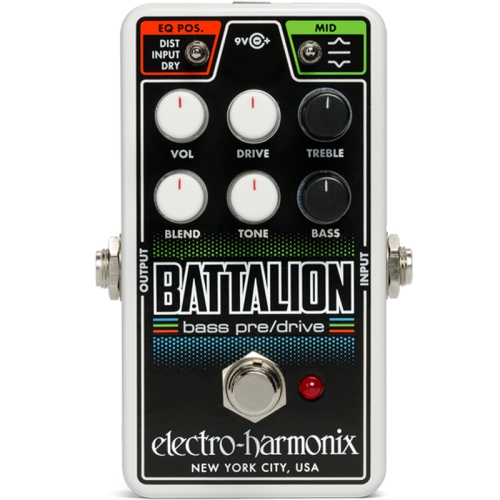
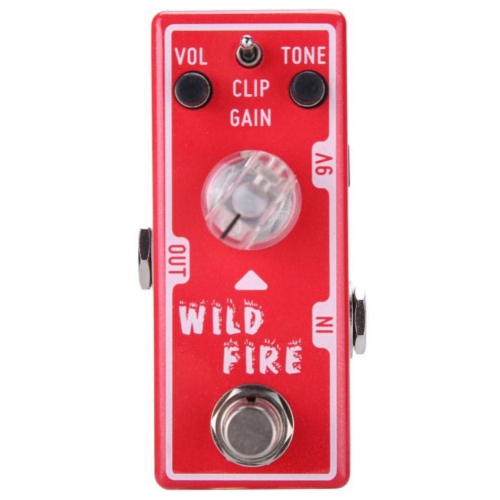

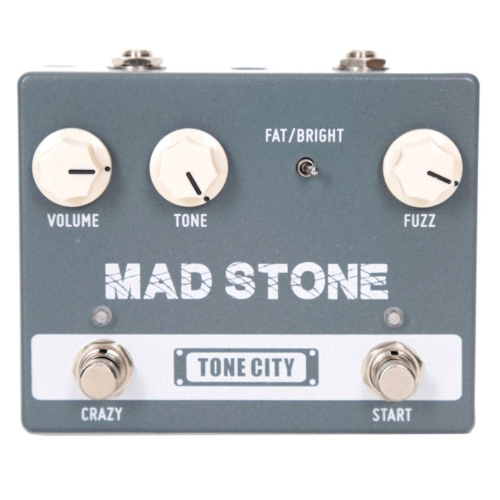
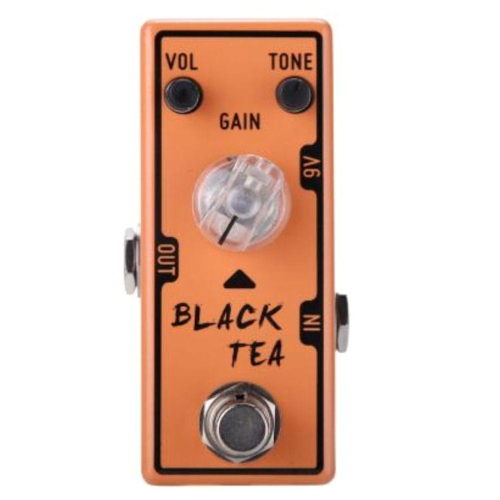
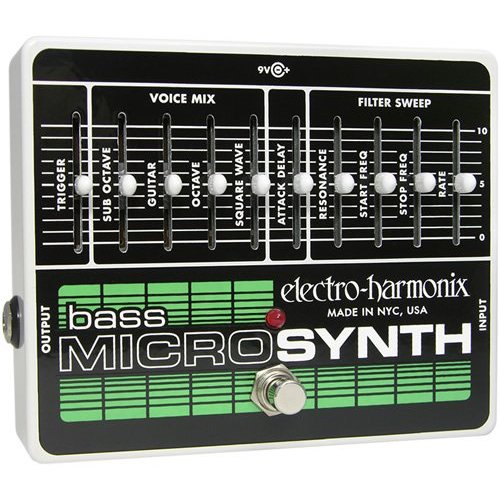
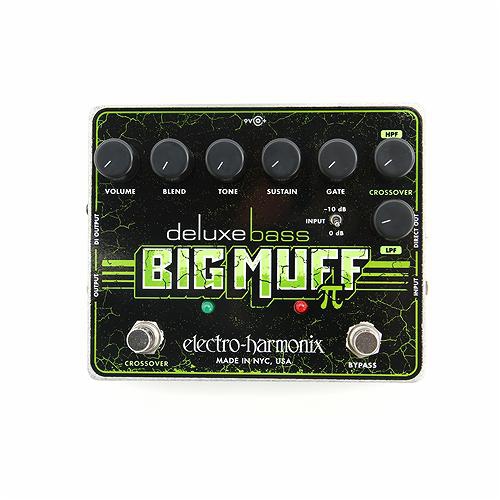
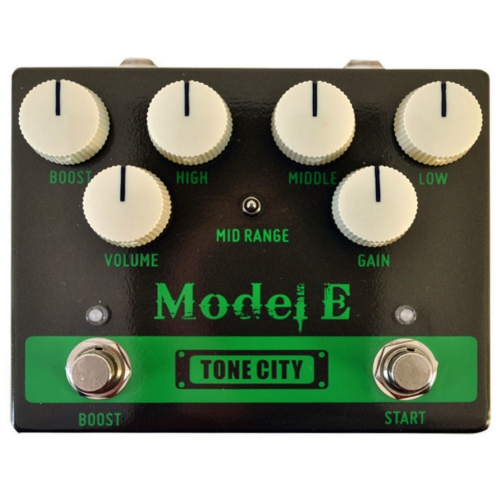
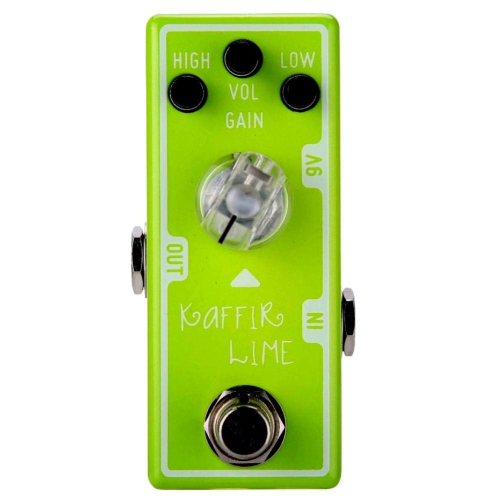
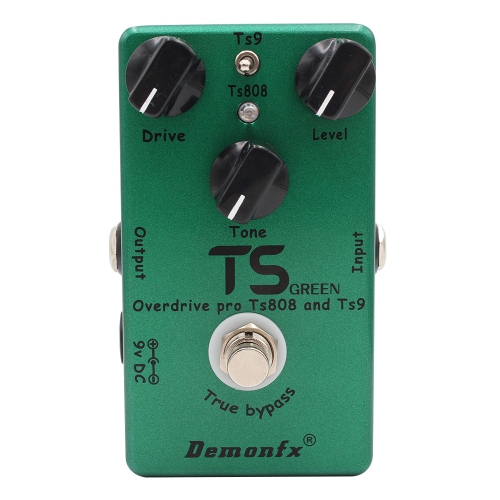
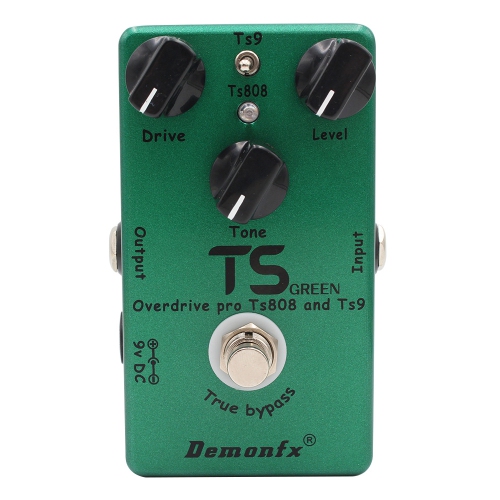
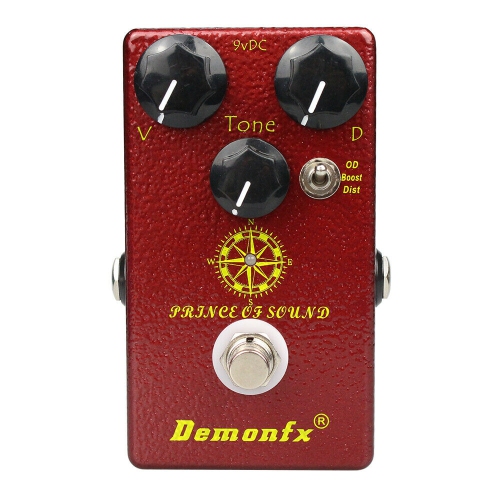
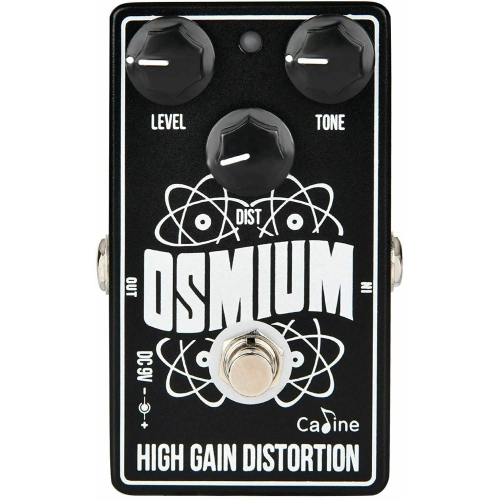
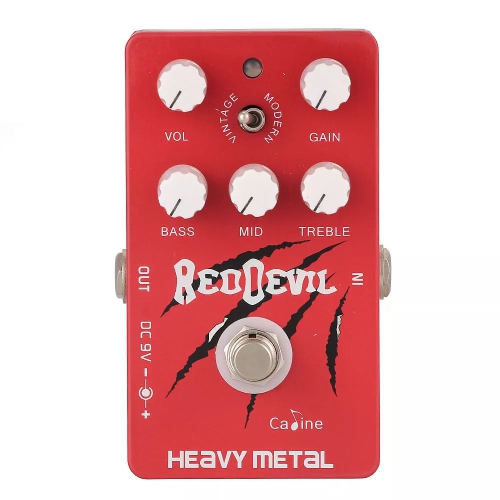
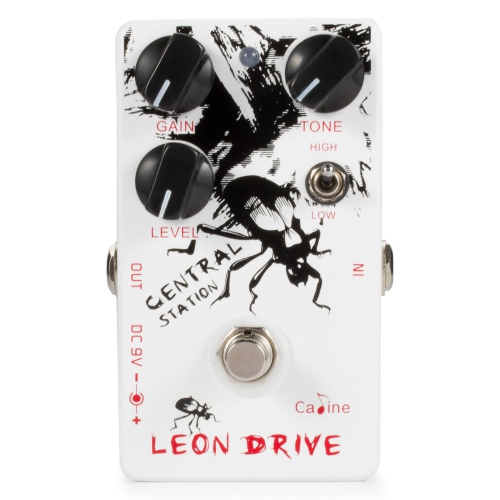
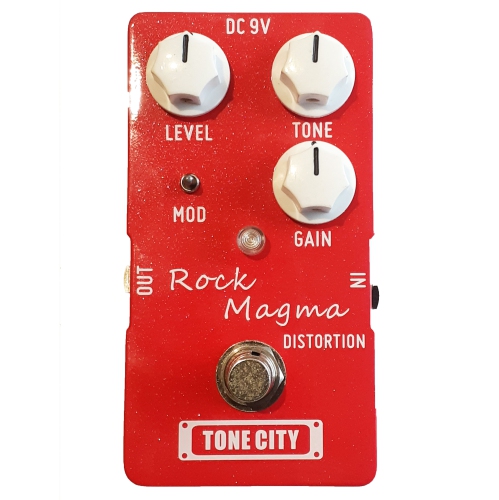
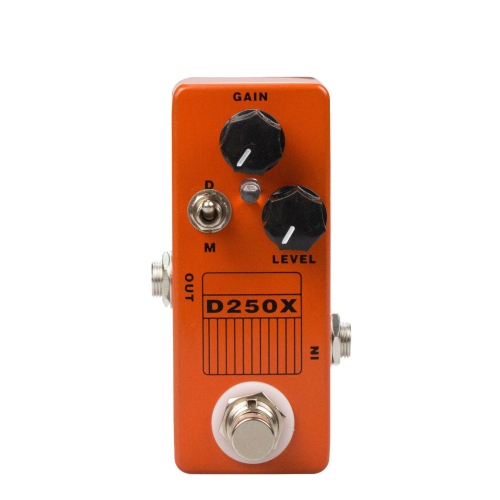
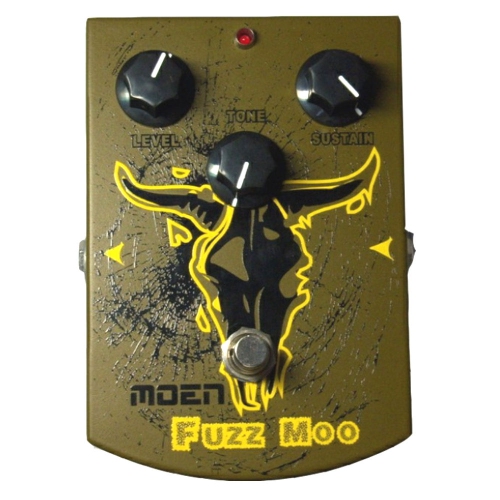
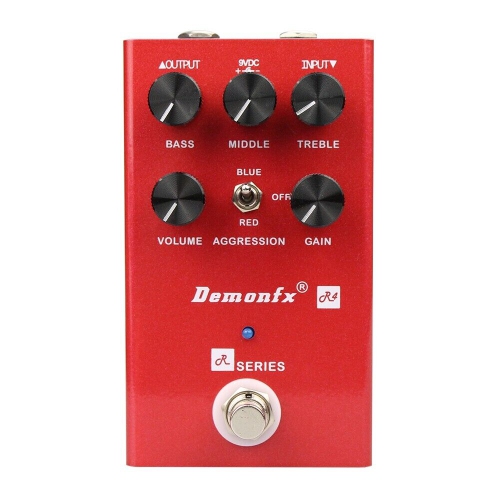
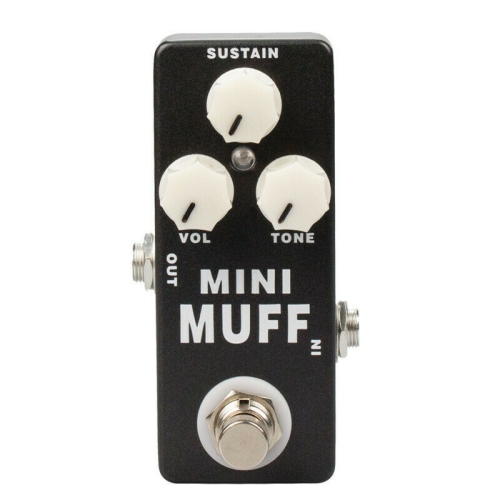
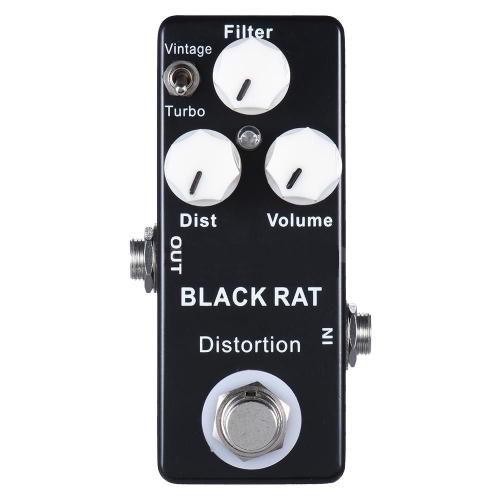
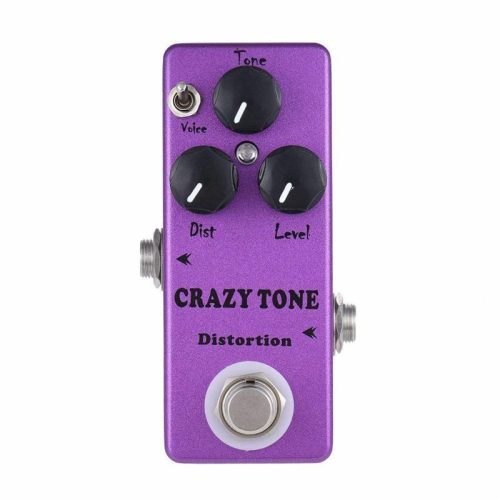
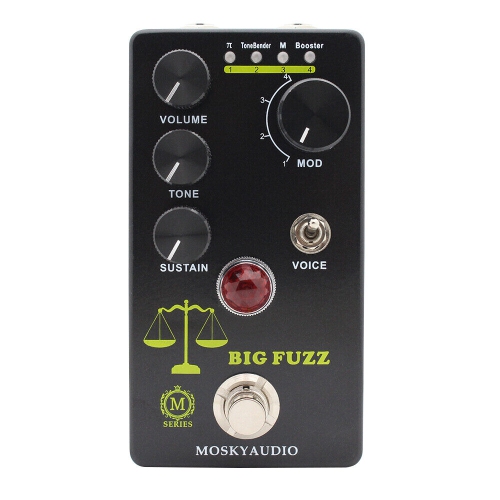
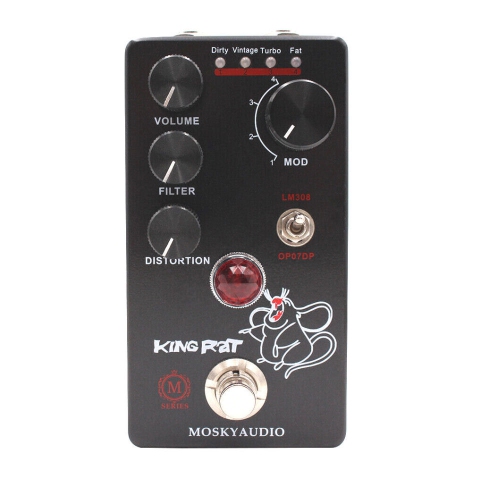
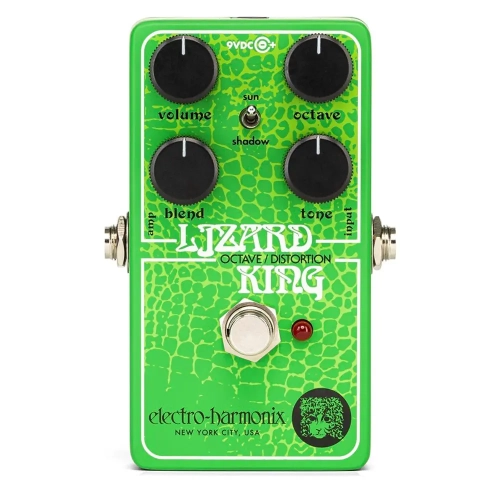
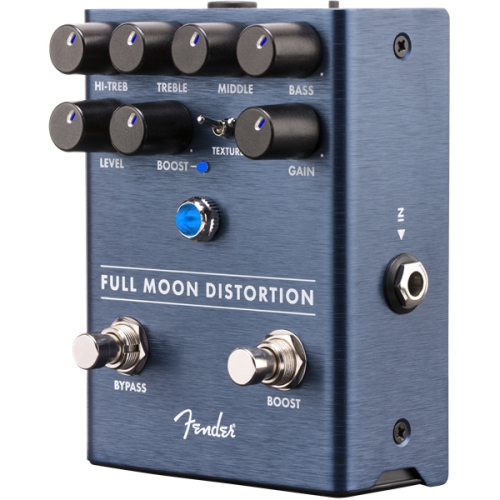
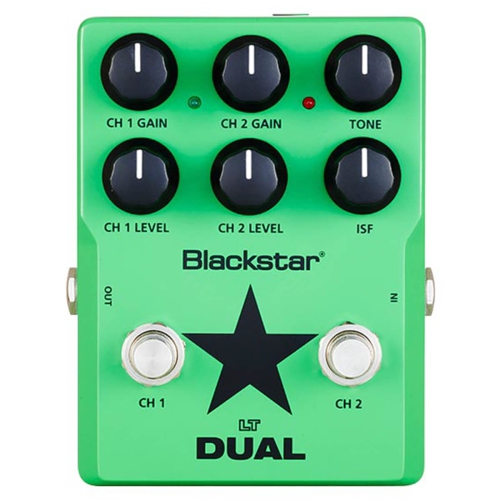
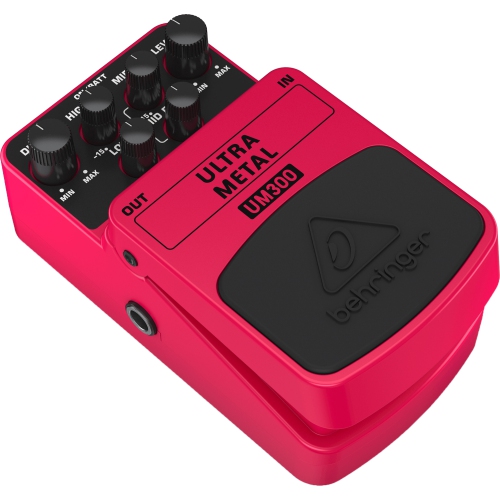
Harmonic grit that preserves a powerful bass foundation
Bass distortion pedals give bassists a practical way to add grit, weight, edge, and character without replacing the instrument or amplifier that already shapes their sound. In a clean setting, a small amount of drive can make each note feel more present, adding a warm growl to blues lines, rock riffs, indie passages, and melodic playing. With more gain, the sound can become rougher, denser, and more aggressive for punk, metal, garage rock, and other styles that benefit from a forceful low end. The best bass distortion pedals are designed to add harmonic texture while helping the fundamental bass frequencies remain audible, so your tone still feels deep and authoritative instead of thin or indistinct. They can be used at home for practice and recording, at rehearsals when a bass part needs more definition, or on stage when a footswitch makes it easy to move between clean and driven sections of a song. Some players leave a pedal engaged as a core part of their sound, while others use it only for a chorus, bridge, solo, or heavier section. Because bass tone depends on the instrument, strings, amplifier, cabinet, playing technique, and the rest of the signal chain, a pedal that offers flexible controls can be useful as your setup changes. Exploring the wider selection of Bass Guitar Pedals can also help you compare distortion with related effects such as overdrive, fuzz, compression, and modulation.
When choosing a bass distortion pedal, start by considering how much drive you want and how clearly you need the original bass signal to come through. A low-gain setting can add a subtle rasp around the attack of each note, which works well when you want extra character without dramatically changing your playing. Higher-gain settings create a thicker, more compressed effect with pronounced sustain, making them useful for powerful riffs and sustained notes. A clean blend control is especially valuable for bass because it lets you mix the unaffected signal with the distorted signal. The clean portion preserves the punch and low-frequency foundation, while the affected portion supplies texture and bite; together, they can help your sound stay full in a busy band mix. EQ controls are another important consideration. Bass, low, or low-frequency controls can restore depth when heavier distortion makes the sound feel smaller, while mid controls help notes cut through guitars and keyboards. Treble, tone, or high-frequency controls can add pick attack and clarity, or soften a bright, grainy edge. Some pedals provide separate level and gain controls, making it easier to match the volume of the effect to your bypassed tone. Others include multiple clipping modes or selectable circuits that range from smooth and rounded to sharp, compressed, and abrasive. These options can make one pedal more adaptable across different instruments and amplifiers. It is also worth checking the pedal’s power requirements, enclosure size, footswitch style, bypass configuration, and available connection layout, particularly if it will be added to an existing pedalboard. Players with active basses may appreciate ample headroom and a responsive input, while those using passive instruments may prefer a circuit that adds immediacy and definition without overwhelming the natural character of the bass.
Bass distortion pedals can suit beginners building their first effects setup, experienced performers refining a signature tone, and home musicians looking for more colour in recordings. They are also a thoughtful gift for a bassist who enjoys experimenting with sound, especially when the player already has a favourite instrument and amplifier but wants more ways to shape them. A compact pedal can fit into a rehearsal bag or studio case, and its hands-on controls make it easy to hear the difference between subtle drive, saturated distortion, and more extreme textures. For recording, distortion can be blended carefully with a clean bass track to keep the low end steady while adding excitement in the upper harmonics. For live use, a clearly marked level control and a sturdy footswitch can make transitions more dependable under stage lighting. Before choosing, consider the music being played, the tuning and range of the bass, whether a pick or fingers are used, and how much room the sound needs to occupy alongside drums, guitars, vocals, and keys. Listening for note definition is just as important as listening for raw intensity: a tone that sounds huge alone may become crowded in a full mix, while a slightly leaner setting can sit perfectly with the kick drum and still make a riff feel powerful. During the cooler months, a distortion pedal can also be a useful addition to a home practice space, giving familiar songs and exercises a fresh response when outdoor activities are less appealing. Whether the goal is a restrained vintage-style growl, a focused modern crunch, or a broad wall of heavy distortion, the right controls allow bassists to shape the effect around their playing rather than forcing every song into the same sound.
When choosing a bass distortion pedal, start by considering how much drive you want and how clearly you need the original bass signal to come through. A low-gain setting can add a subtle rasp around the attack of each note, which works well when you want extra character without dramatically changing your playing. Higher-gain settings create a thicker, more compressed effect with pronounced sustain, making them useful for powerful riffs and sustained notes. A clean blend control is especially valuable for bass because it lets you mix the unaffected signal with the distorted signal. The clean portion preserves the punch and low-frequency foundation, while the affected portion supplies texture and bite; together, they can help your sound stay full in a busy band mix. EQ controls are another important consideration. Bass, low, or low-frequency controls can restore depth when heavier distortion makes the sound feel smaller, while mid controls help notes cut through guitars and keyboards. Treble, tone, or high-frequency controls can add pick attack and clarity, or soften a bright, grainy edge. Some pedals provide separate level and gain controls, making it easier to match the volume of the effect to your bypassed tone. Others include multiple clipping modes or selectable circuits that range from smooth and rounded to sharp, compressed, and abrasive. These options can make one pedal more adaptable across different instruments and amplifiers. It is also worth checking the pedal’s power requirements, enclosure size, footswitch style, bypass configuration, and available connection layout, particularly if it will be added to an existing pedalboard. Players with active basses may appreciate ample headroom and a responsive input, while those using passive instruments may prefer a circuit that adds immediacy and definition without overwhelming the natural character of the bass.
Bass distortion pedals can suit beginners building their first effects setup, experienced performers refining a signature tone, and home musicians looking for more colour in recordings. They are also a thoughtful gift for a bassist who enjoys experimenting with sound, especially when the player already has a favourite instrument and amplifier but wants more ways to shape them. A compact pedal can fit into a rehearsal bag or studio case, and its hands-on controls make it easy to hear the difference between subtle drive, saturated distortion, and more extreme textures. For recording, distortion can be blended carefully with a clean bass track to keep the low end steady while adding excitement in the upper harmonics. For live use, a clearly marked level control and a sturdy footswitch can make transitions more dependable under stage lighting. Before choosing, consider the music being played, the tuning and range of the bass, whether a pick or fingers are used, and how much room the sound needs to occupy alongside drums, guitars, vocals, and keys. Listening for note definition is just as important as listening for raw intensity: a tone that sounds huge alone may become crowded in a full mix, while a slightly leaner setting can sit perfectly with the kick drum and still make a riff feel powerful. During the cooler months, a distortion pedal can also be a useful addition to a home practice space, giving familiar songs and exercises a fresh response when outdoor activities are less appealing. Whether the goal is a restrained vintage-style growl, a focused modern crunch, or a broad wall of heavy distortion, the right controls allow bassists to shape the effect around their playing rather than forcing every song into the same sound.
Top selling and popular products
-
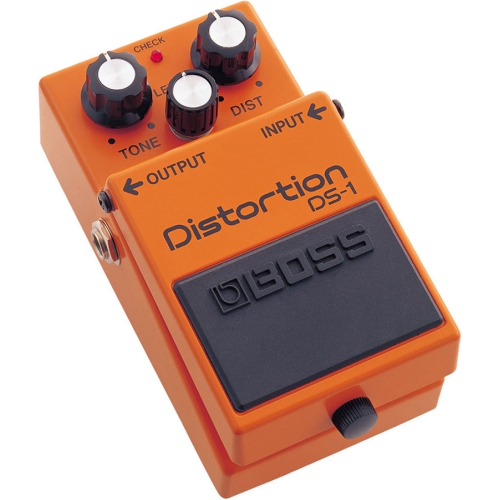 Your price for this item is $89.99
 -
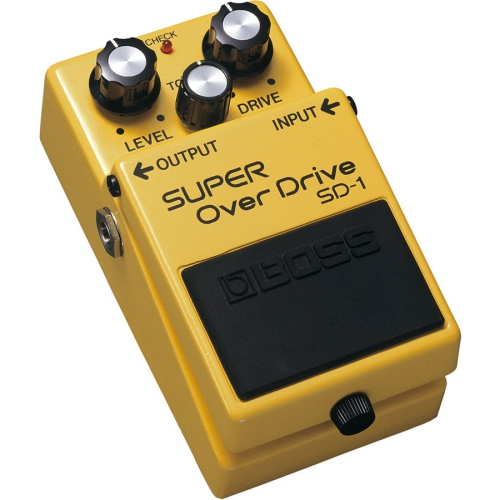 Your price for this item is $89.99
 -
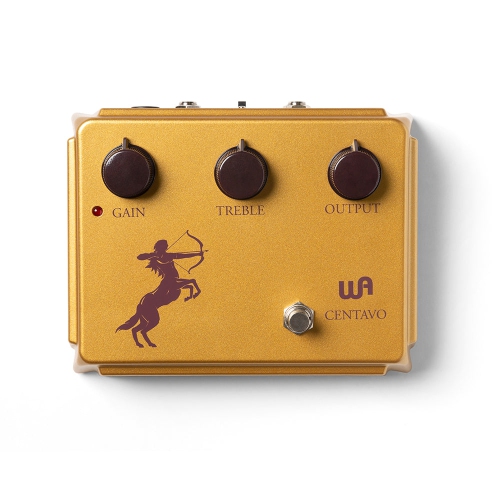 Your price for this item is $289
 -
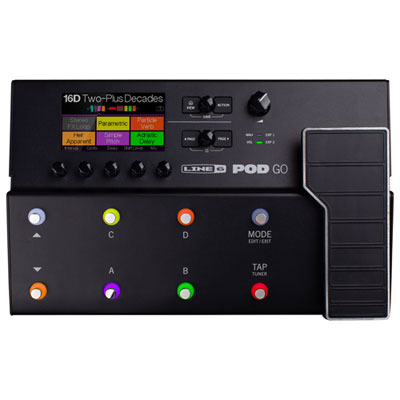 Your price for this item is $589.99
 -
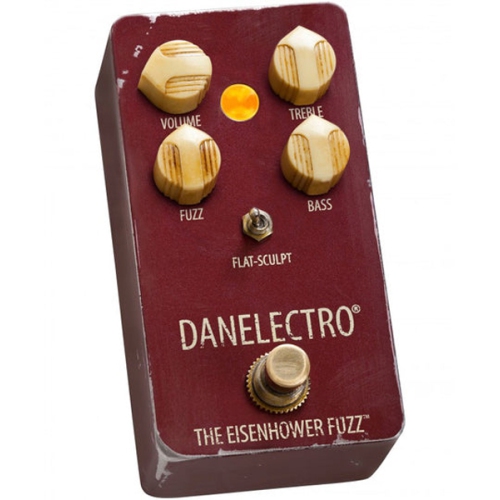 Your price for this item is $164.99
 -
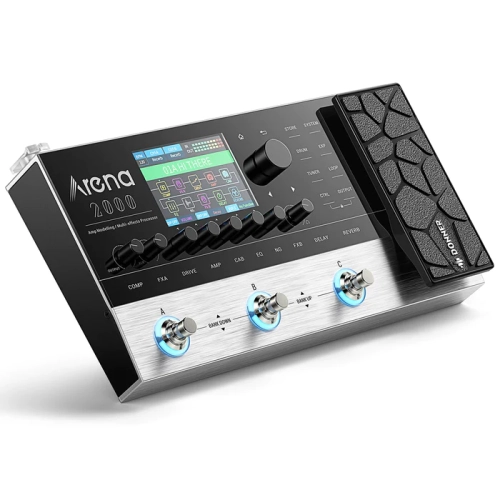 Your price for this item is $209.99
 -
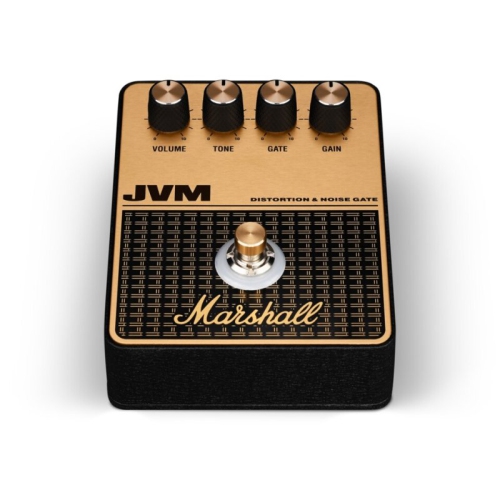 Your price for this item is $249.99
 -
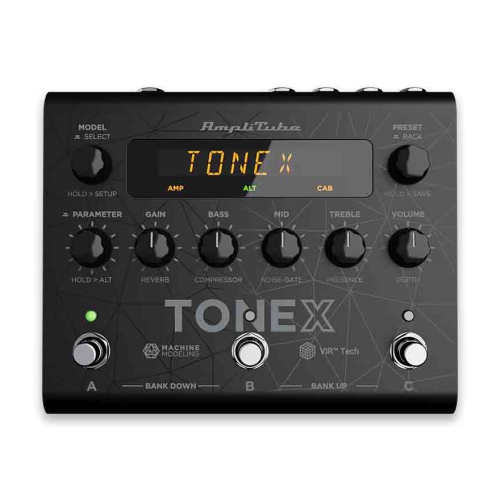 Your price for this item is $599.99
Discover more categories related to Bass Distortion Pedals
Top Collections:
Pokemon Centers, Kindle Devices, Best Budget Office Chairs, Apple iPhones 16, Best Laptops for Writers, iPhone 15 Apple, Canon G7X Cameras, Refurbished Apple Laptops, Alarm Clock, Motorola Razr Phones
Some products may be subject to Environmental Handling Fees
(EHF) depending on your province.
Learn more about EHFs.