Bass Compressor Pedals
Looking to enhance your bass guitar's sound and take your playing to the next level? Look no further than our selection of bass compressor pedals. These versatile and powerful pedals are designed to control the dynamics of your bass guitar, giving you a smooth and consistent sound while adding sustain and punch to your playing. Whether you're a professional musician or just starting out, our range of bass compressor pedals offers something for everyone, allowing you to achieve that perfect tone and create music that truly stands out.
Sort
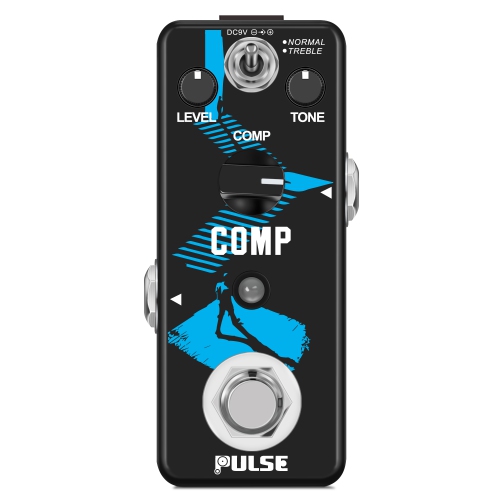
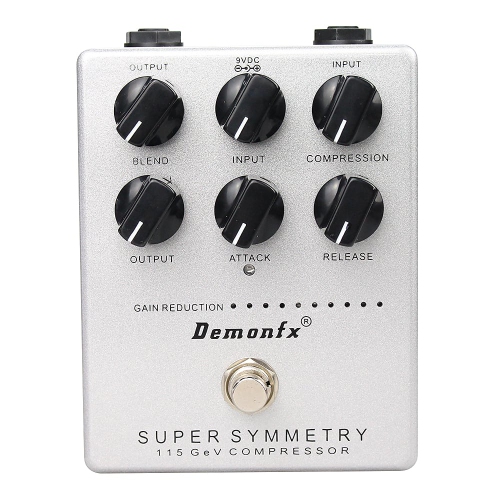

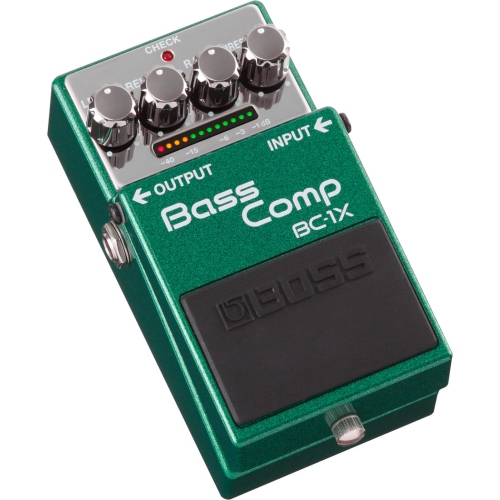
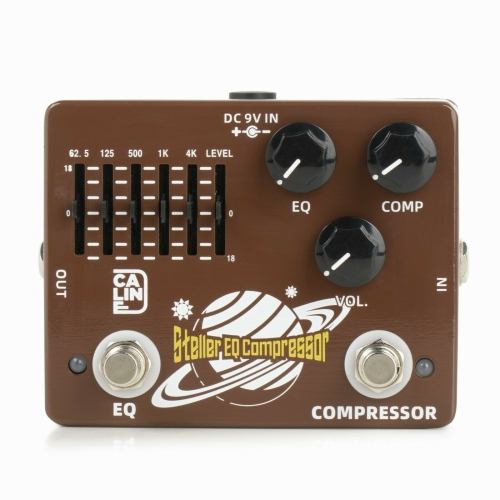
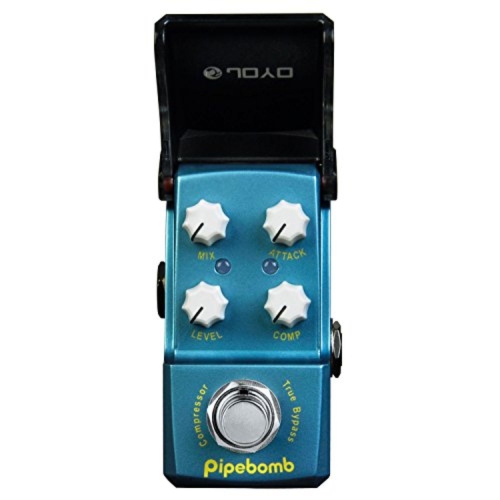
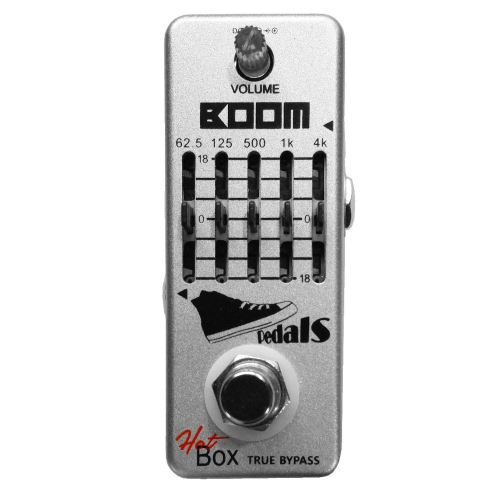

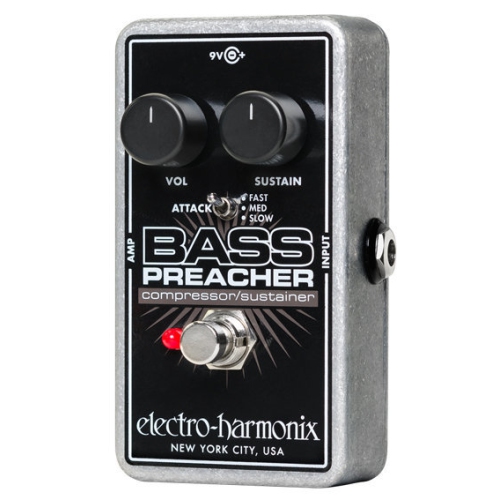
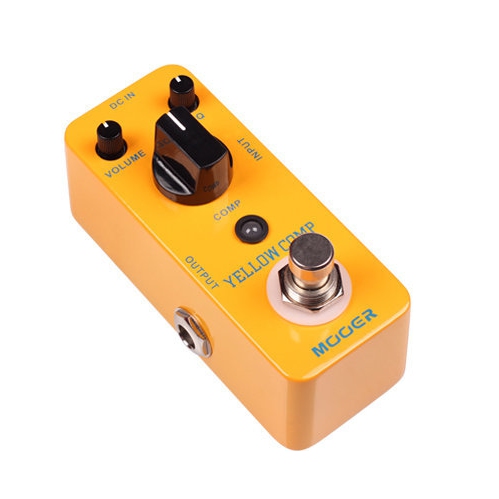

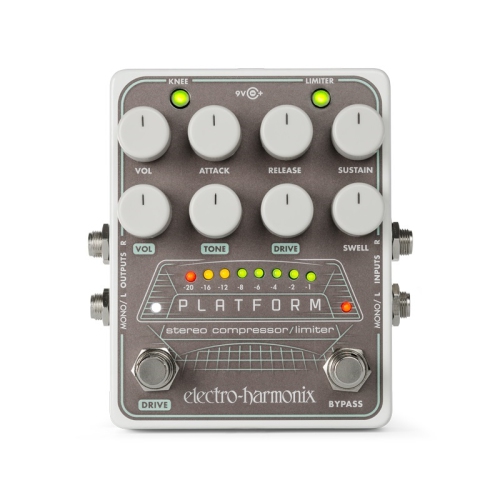

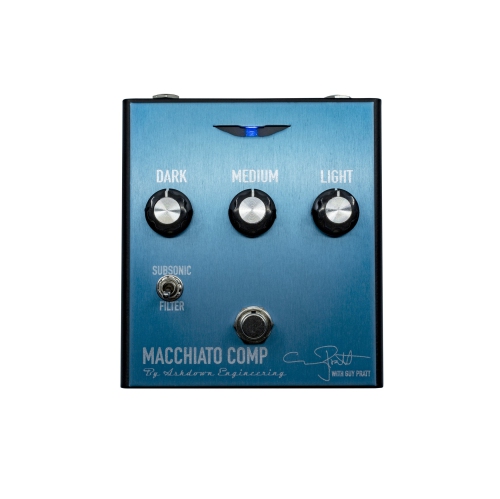
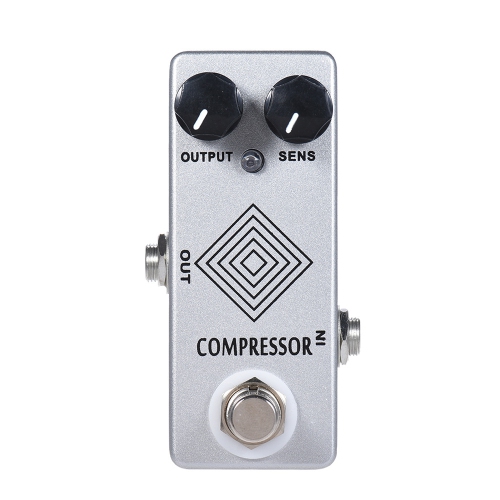
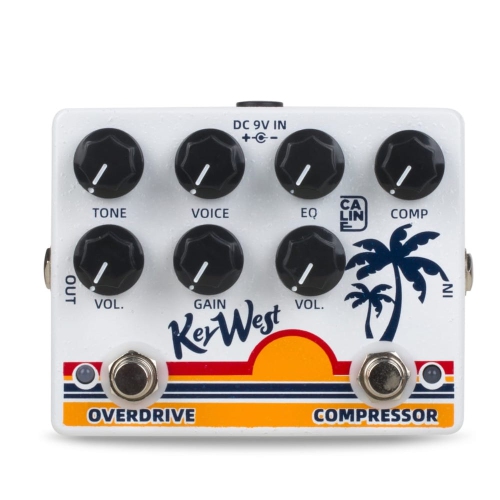
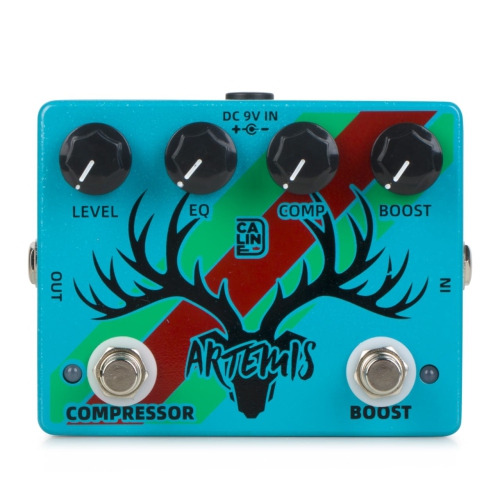
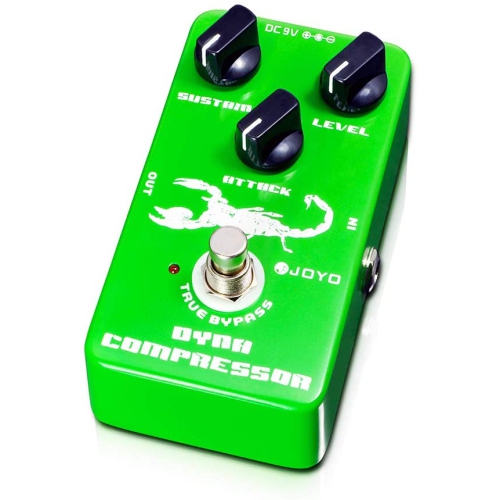
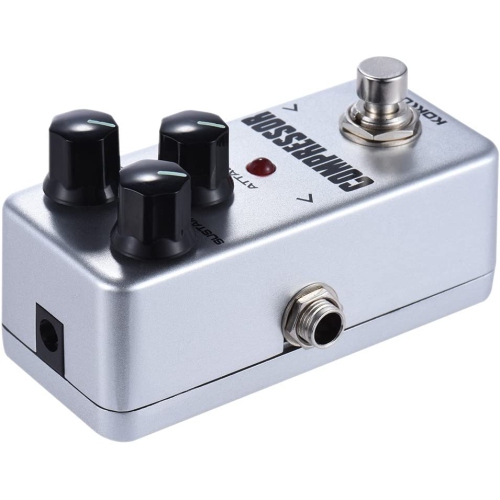
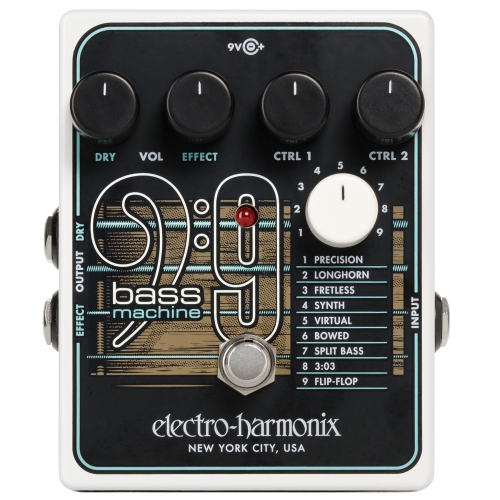
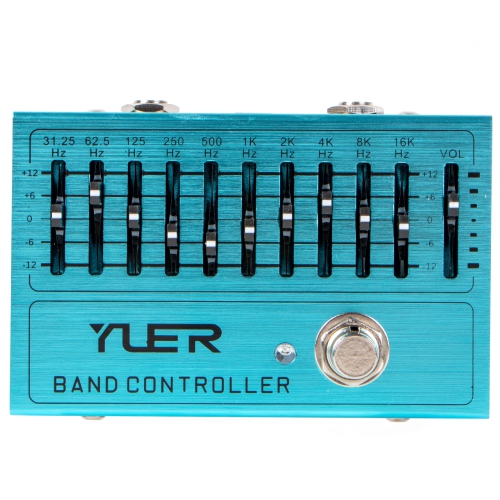
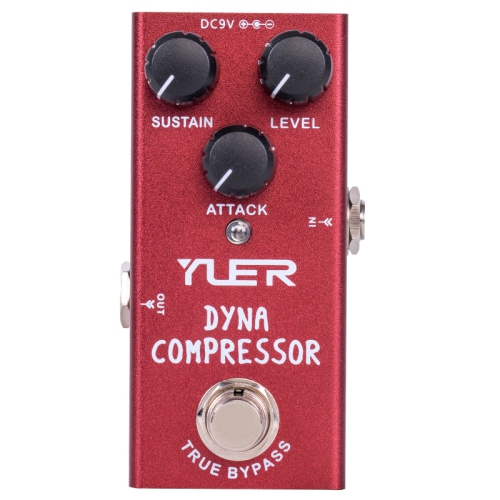
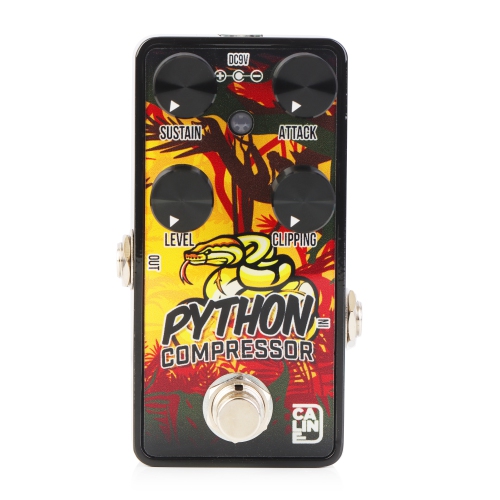
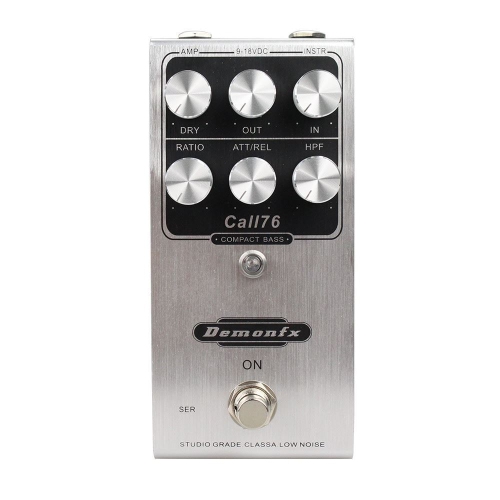
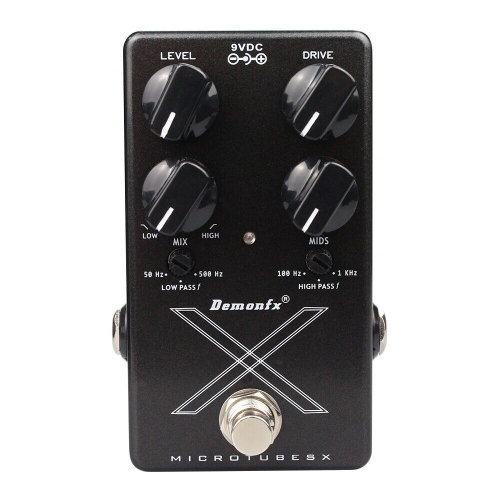
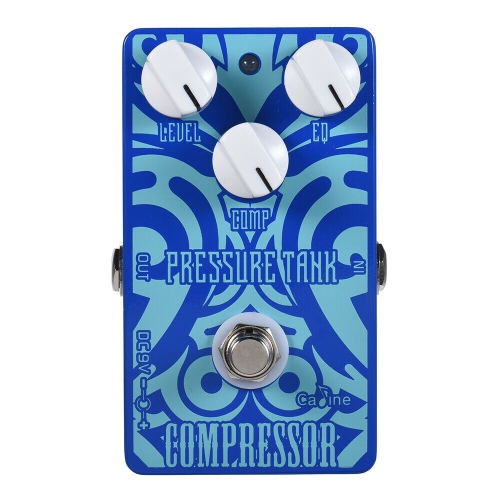
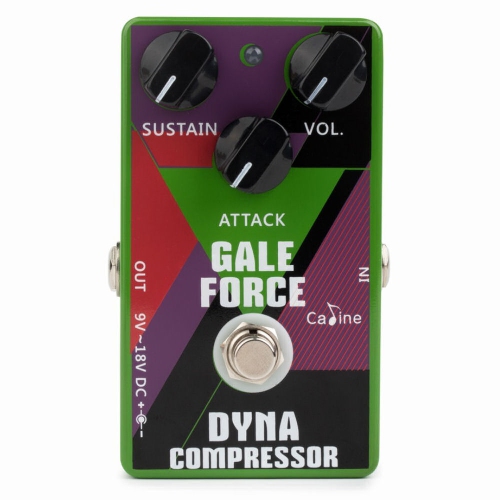
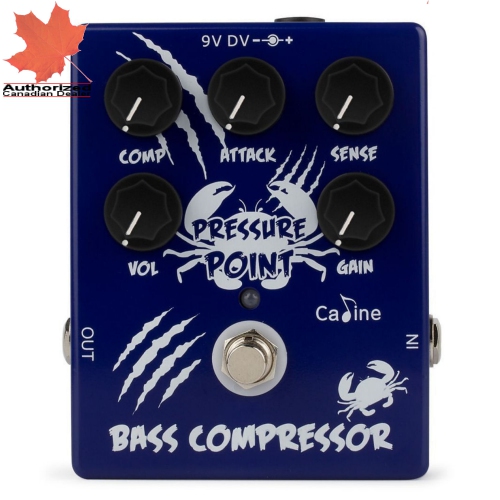
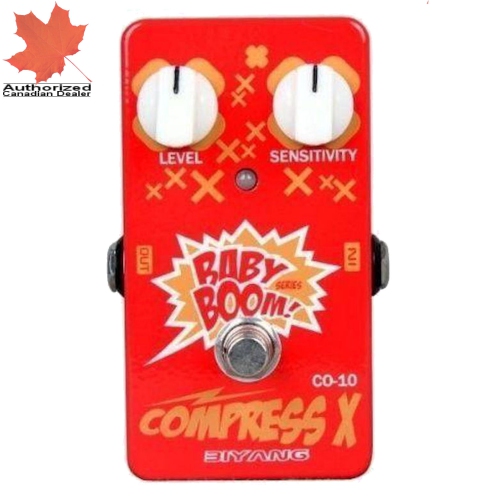
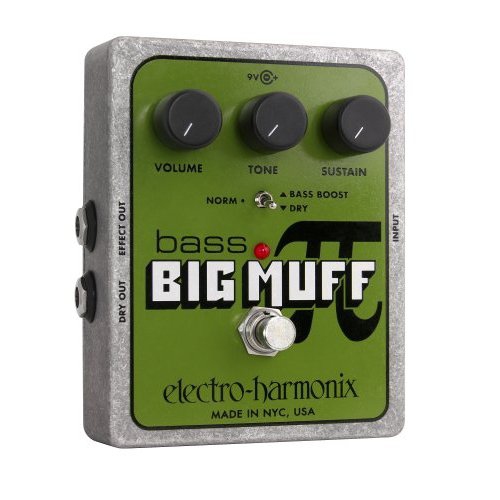
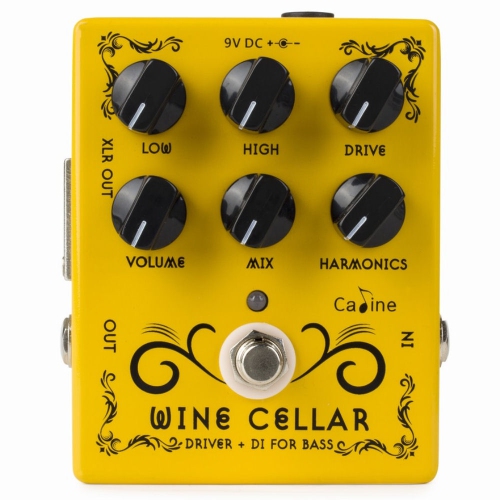

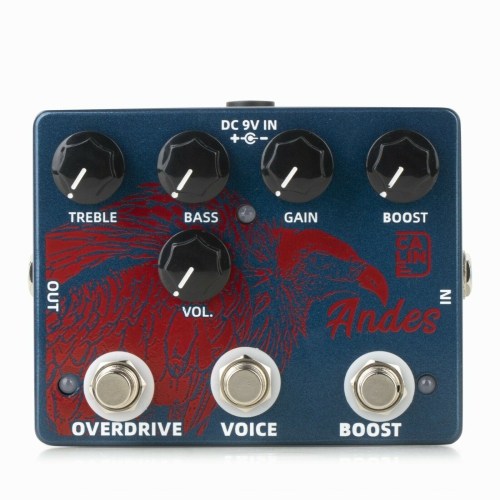
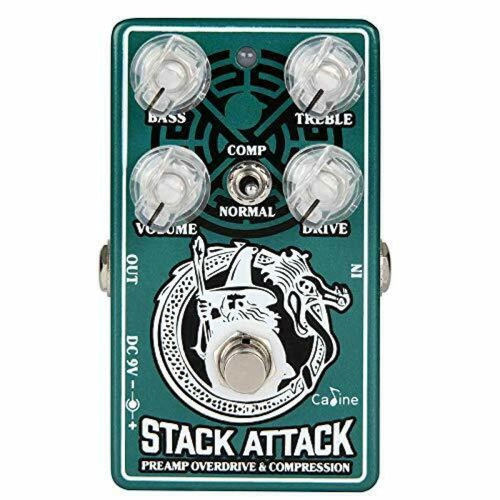
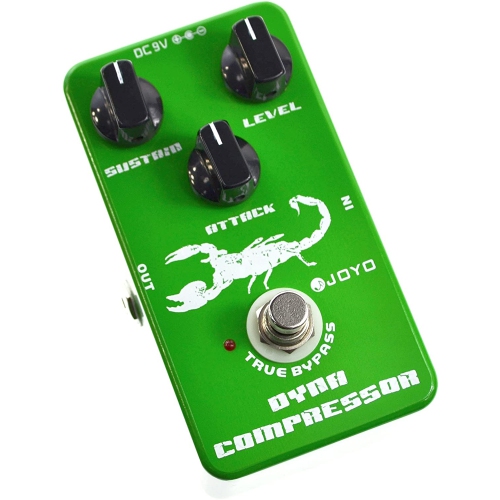
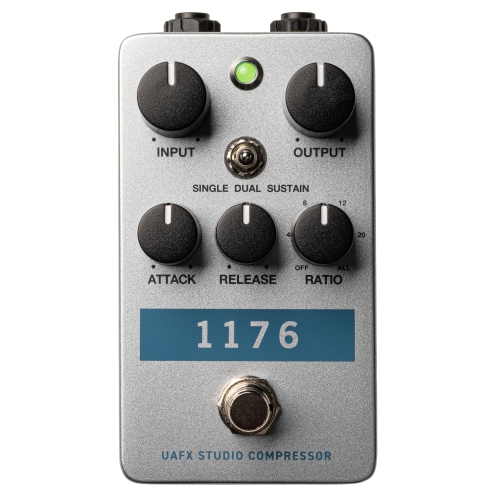
Shape dynamics for steadier, clearer, more controlled basslines
Bass compressor pedals help bass players shape dynamics so every note sits with greater consistency, clarity, and control. A compressor reduces the difference between the loudest and quietest parts of a performance by taming sudden peaks and bringing softer notes forward. On bass, that control can make a noticeable difference because low frequencies carry substantial energy through an amplifier, recording interface, or live sound system. A well-adjusted compressor can keep a fingerstyle line steady, make picked notes feel more even, and help slap passages remain articulate without allowing the pops and thumps to overpower the rest of the band. Compression can also add sustain, allowing a held note to bloom and remain audible as it fades. Used subtly, it may feel like a polished extension of the instrument rather than an obvious effect; used more assertively, it can create a tighter, punchier character that suits funk, rock, pop, metal, country, and electronic styles. Many players place a bass compressor near the beginning of their pedal chain, often after a tuner, so the signal is evened out before it reaches overdrive, modulation, delay, or other effects. Others use it later in the chain to control the combined sound of several effects. There is no single placement that works for every rig, but listening carefully at playing volume is more useful than judging settings through headphones or at a very low level. The right pedal can help a bassline stay present in a crowded mix, whether you are recording at home, rehearsing with friends, playing a small venue, or performing on a larger stage.
When comparing bass compressor pedals, start by considering how much control you want over the effect. Common controls include compression or sustain, attack, release, ratio, threshold, volume, and blend, although the layout varies from one pedal to another. A compression control usually determines how strongly the signal is reduced, while threshold sets the level at which compression begins. Attack affects how quickly the pedal responds to a note, and release controls how quickly it returns to normal after the signal drops. A fast attack can make playing feel smooth and controlled, while a slower attack may let the initial snap of a picked or slapped note come through before the body of the note is compressed. Release settings can influence whether the effect feels natural and open or more pronounced and rhythmic. A blend control is particularly useful for bass because it mixes the compressed signal with some of the original performance, preserving articulation and the sense of touch that can disappear under heavy processing. Players who want their natural tone to remain prominent may prefer transparent compression, while those seeking a more distinctive sound may enjoy a pedal that adds colour, punch, or a noticeable studio-style character. LED indicators, including gain-reduction meters, can make it easier to see when the compressor is working, especially in a dim rehearsal room or on a busy pedalboard. Size, power requirements, footswitch design, input and output connections, and the availability of an adapter or battery operation are also practical considerations. Check the pedal’s power specifications before connecting it to a pedalboard supply, and leave enough room for comfortable foot access. If your setup includes a preamp, direct box, or audio interface, you may also want to compare compression with the tone-shaping options offered by Bass Preamp Pedals.
Bass compressor pedals can suit a wide range of players, from someone building a first pedalboard to an experienced bassist refining a live or studio setup. Beginners often appreciate the way compression makes uneven dynamics less distracting while they develop consistent right-hand technique. Players returning to bass after time away may find that a compressor provides a comfortable, dependable feel as their touch comes back. More advanced musicians may use one to achieve a repeatable signal from instrument to amplifier, particularly when switching between fingerstyle, pick, and slap techniques during the same set. A compressor can also be a thoughtful gift for a bassist who already owns an instrument and amplifier but has not explored dynamics control; it adds a new layer of expression without requiring a complete change of gear. Before choosing one as a gift, consider whether the player uses active or passive basses, runs a compact board or a larger effects setup, and prefers simple controls or detailed adjustment. A bassist who plays intimate acoustic-style arrangements may favour gentle, transparent evening-out, while a player in a loud rock group may want stronger control and extra punch. To get started, set the volume so the bypassed and engaged signals are close in loudness, then add a modest amount of compression and listen to the attack of each note. Try playing softly and forcefully across the same passage, then adjust attack, release, and blend while paying attention to the low end. The goal is not always to make the bass sound louder; it is to make the performance feel more connected, with notes that remain full without burying the kick drum or competing with guitars and vocals. During rehearsals and recording sessions, small changes can have a large effect, so take time to test settings through the same amplifier, headphones, or mixing system used for the final performance. With a suitable bass compressor pedal and a little careful adjustment, players can add steadiness, sustain, and definition while retaining the character of their instrument and personal playing style.
When comparing bass compressor pedals, start by considering how much control you want over the effect. Common controls include compression or sustain, attack, release, ratio, threshold, volume, and blend, although the layout varies from one pedal to another. A compression control usually determines how strongly the signal is reduced, while threshold sets the level at which compression begins. Attack affects how quickly the pedal responds to a note, and release controls how quickly it returns to normal after the signal drops. A fast attack can make playing feel smooth and controlled, while a slower attack may let the initial snap of a picked or slapped note come through before the body of the note is compressed. Release settings can influence whether the effect feels natural and open or more pronounced and rhythmic. A blend control is particularly useful for bass because it mixes the compressed signal with some of the original performance, preserving articulation and the sense of touch that can disappear under heavy processing. Players who want their natural tone to remain prominent may prefer transparent compression, while those seeking a more distinctive sound may enjoy a pedal that adds colour, punch, or a noticeable studio-style character. LED indicators, including gain-reduction meters, can make it easier to see when the compressor is working, especially in a dim rehearsal room or on a busy pedalboard. Size, power requirements, footswitch design, input and output connections, and the availability of an adapter or battery operation are also practical considerations. Check the pedal’s power specifications before connecting it to a pedalboard supply, and leave enough room for comfortable foot access. If your setup includes a preamp, direct box, or audio interface, you may also want to compare compression with the tone-shaping options offered by Bass Preamp Pedals.
Bass compressor pedals can suit a wide range of players, from someone building a first pedalboard to an experienced bassist refining a live or studio setup. Beginners often appreciate the way compression makes uneven dynamics less distracting while they develop consistent right-hand technique. Players returning to bass after time away may find that a compressor provides a comfortable, dependable feel as their touch comes back. More advanced musicians may use one to achieve a repeatable signal from instrument to amplifier, particularly when switching between fingerstyle, pick, and slap techniques during the same set. A compressor can also be a thoughtful gift for a bassist who already owns an instrument and amplifier but has not explored dynamics control; it adds a new layer of expression without requiring a complete change of gear. Before choosing one as a gift, consider whether the player uses active or passive basses, runs a compact board or a larger effects setup, and prefers simple controls or detailed adjustment. A bassist who plays intimate acoustic-style arrangements may favour gentle, transparent evening-out, while a player in a loud rock group may want stronger control and extra punch. To get started, set the volume so the bypassed and engaged signals are close in loudness, then add a modest amount of compression and listen to the attack of each note. Try playing softly and forcefully across the same passage, then adjust attack, release, and blend while paying attention to the low end. The goal is not always to make the bass sound louder; it is to make the performance feel more connected, with notes that remain full without burying the kick drum or competing with guitars and vocals. During rehearsals and recording sessions, small changes can have a large effect, so take time to test settings through the same amplifier, headphones, or mixing system used for the final performance. With a suitable bass compressor pedal and a little careful adjustment, players can add steadiness, sustain, and definition while retaining the character of their instrument and personal playing style.
Top selling and popular products
-
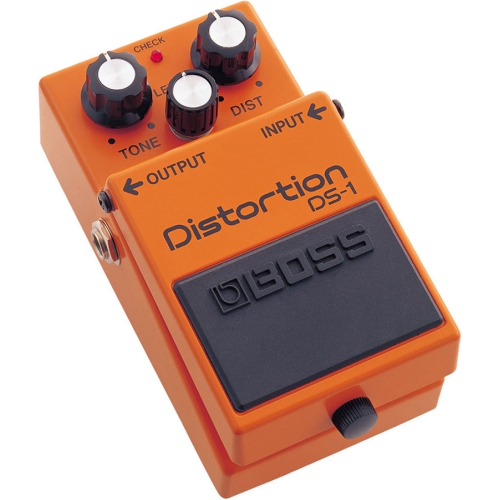 Your price for this item is $89.99
 -
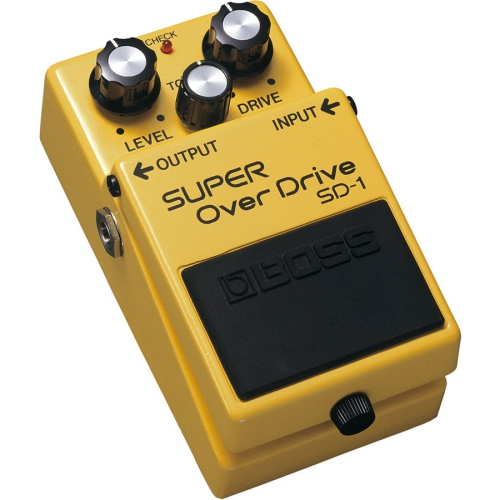 Your price for this item is $89.99
 -
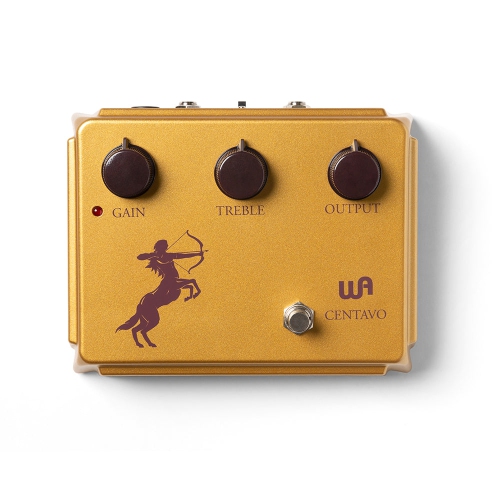 Your price for this item is $289
 -
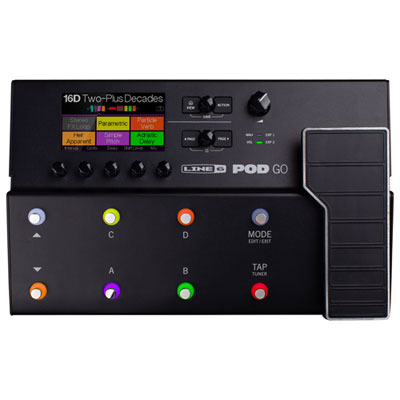 Your price for this item is $589.99
 -
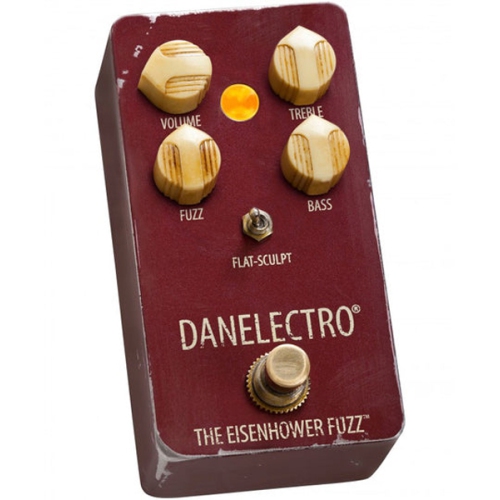 Your price for this item is $164.99
 -
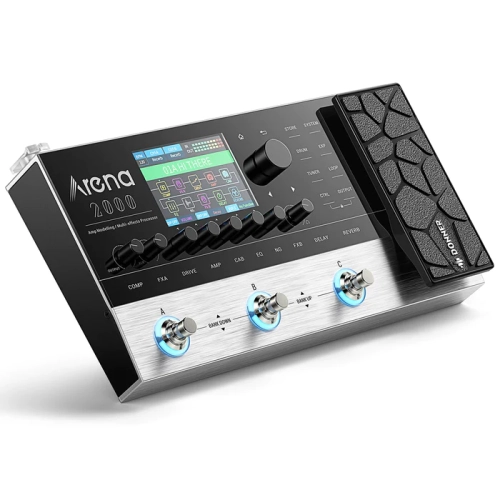 Your price for this item is $209.99
 -
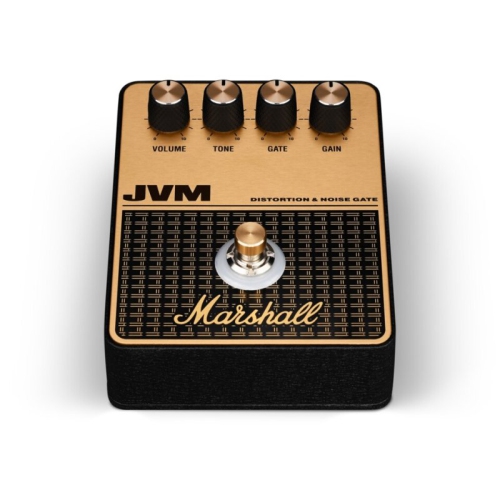 Your price for this item is $249.99
 -
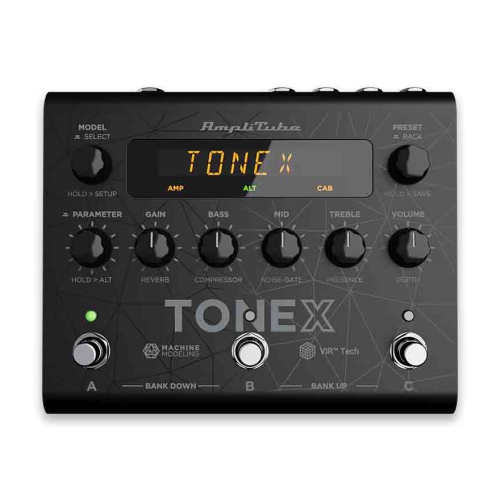 Your price for this item is $599.99
Discover more categories related to Bass Compressor Pedals
Top Collections:
Pokemon Centers, Kindle Devices, Best Budget Office Chairs, Apple iPhones 16, Best Laptops for Writers, iPhone 15 Apple, Canon G7X Cameras, Refurbished Apple Laptops, Alarm Clock, Motorola Razr Phones
Some products may be subject to Environmental Handling Fees
(EHF) depending on your province.
Learn more about EHFs.