Bass Guitar Accessories
Enhance your bass guitar playing experience with our wide selection of accessories. Whether you're a seasoned musician or just starting out, bass guitar accessories are designed to help you achieve the perfect sound and take your performance to the next level. From strings and picks to straps and cases, we have everything you need to personalize your instrument and ensure it's always ready for action.
Sort


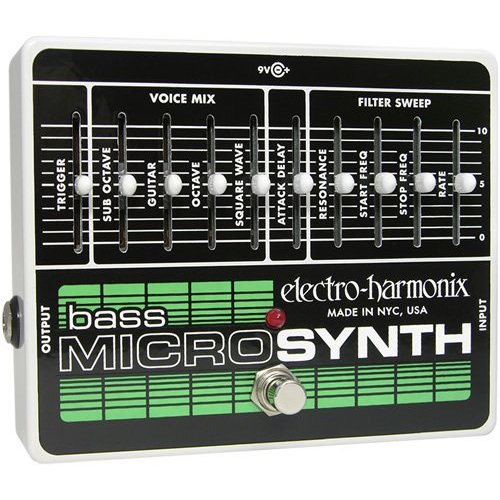
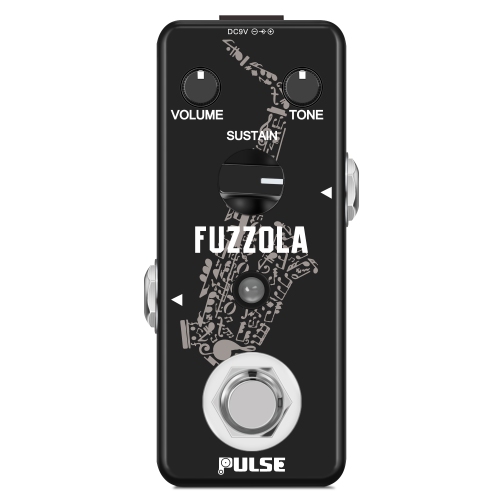
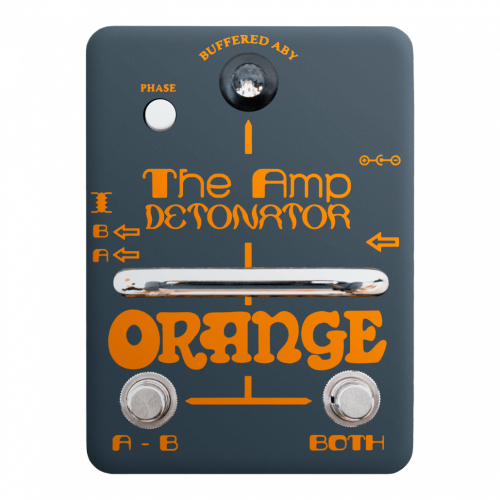
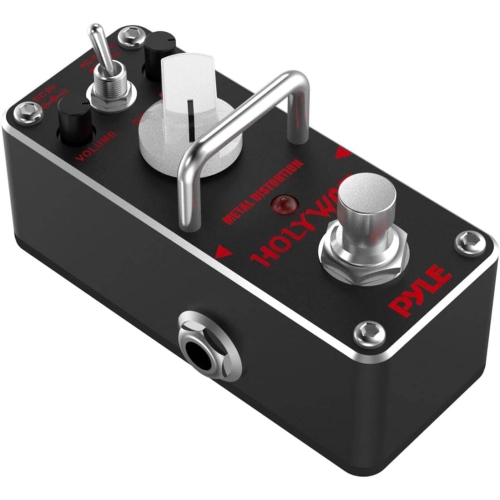



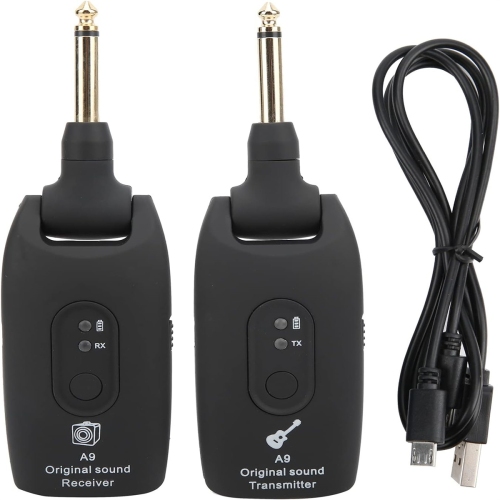
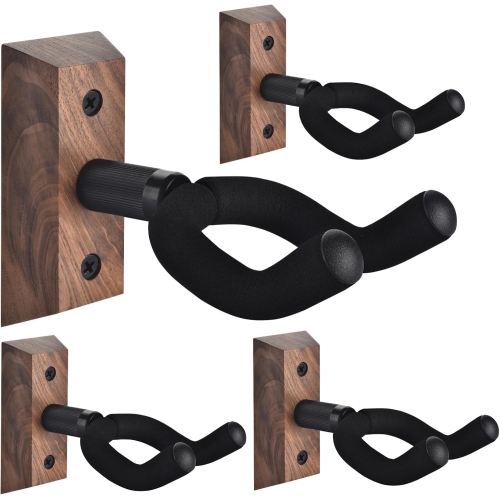

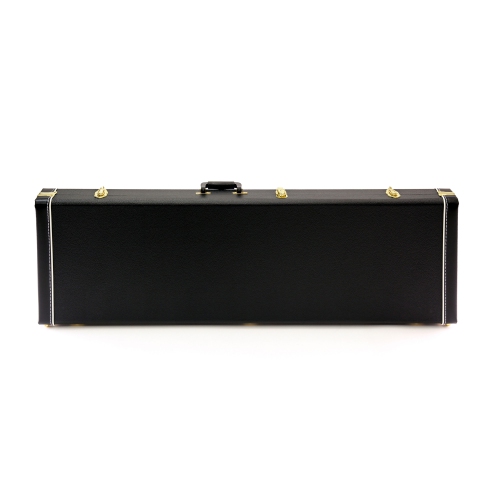
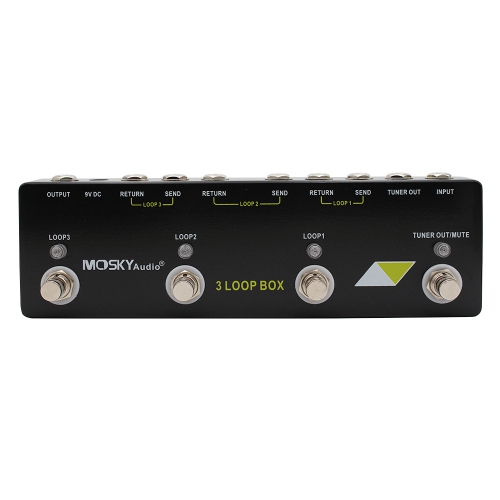
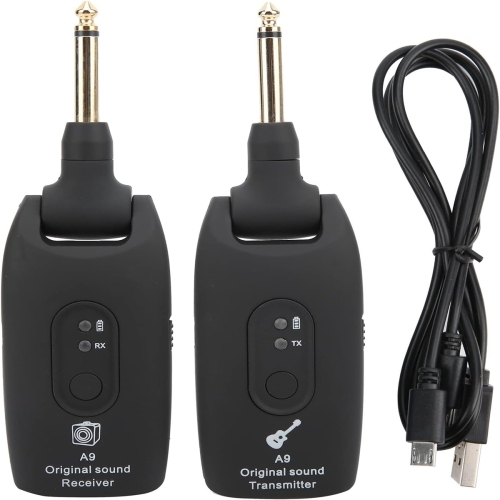
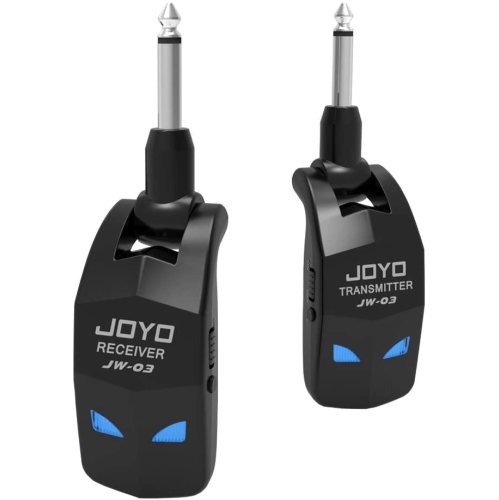

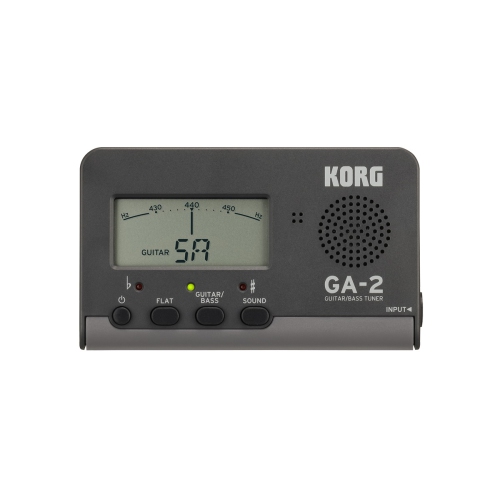
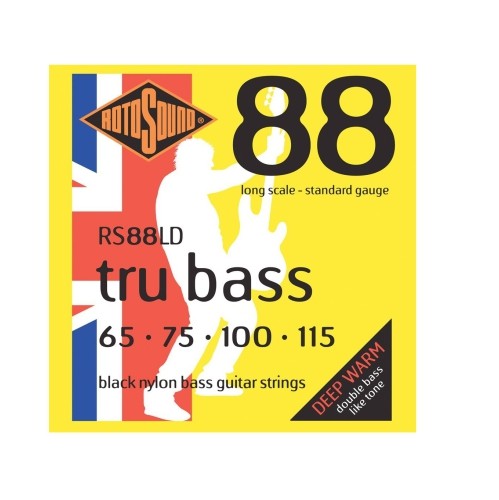
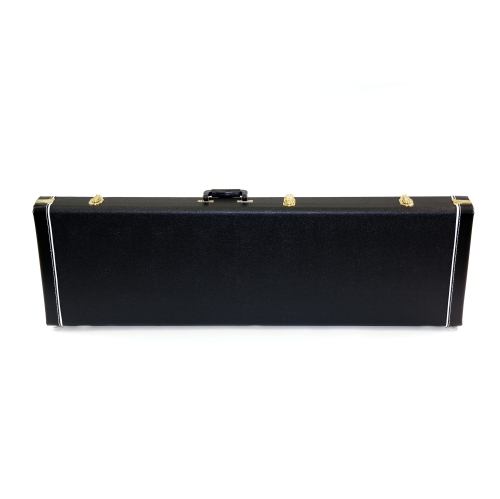




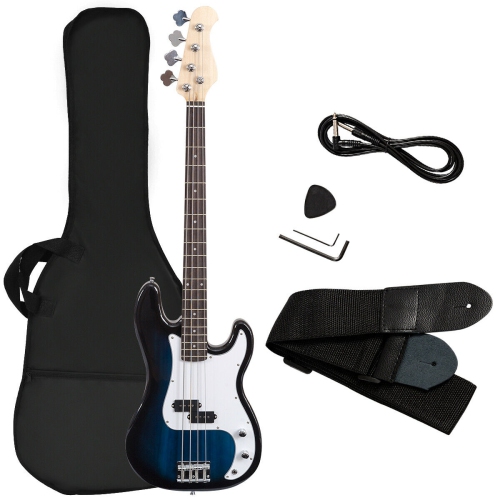

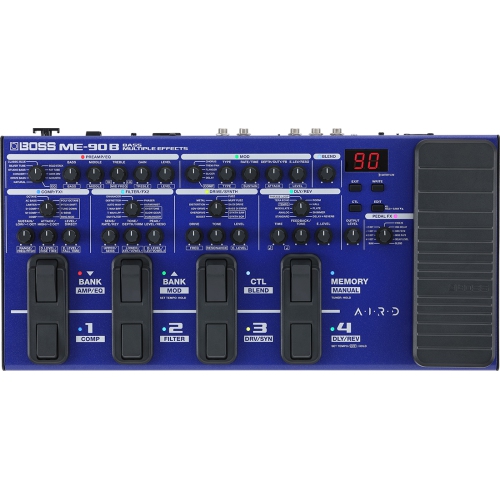



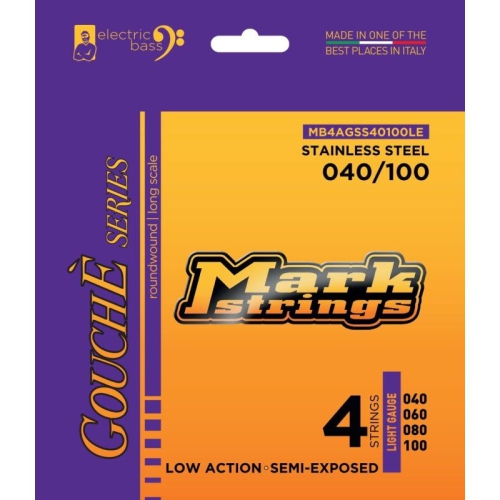
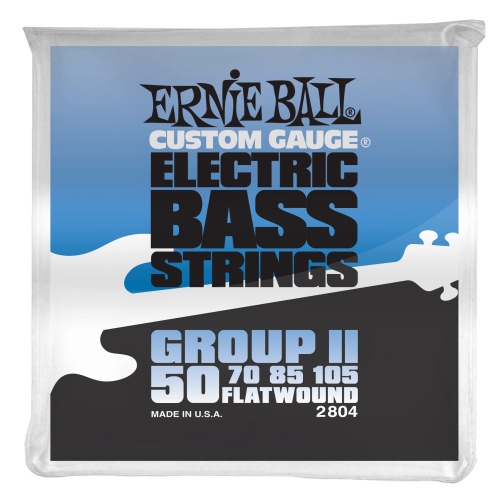


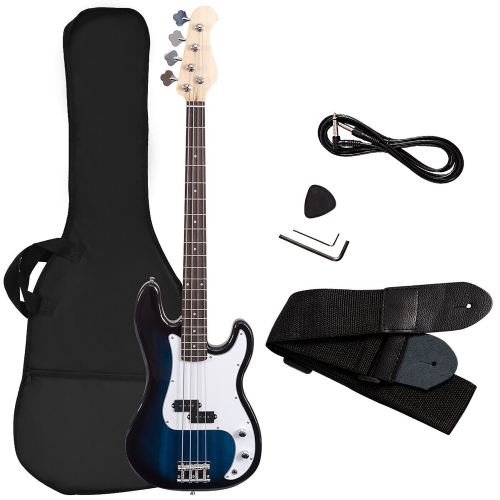
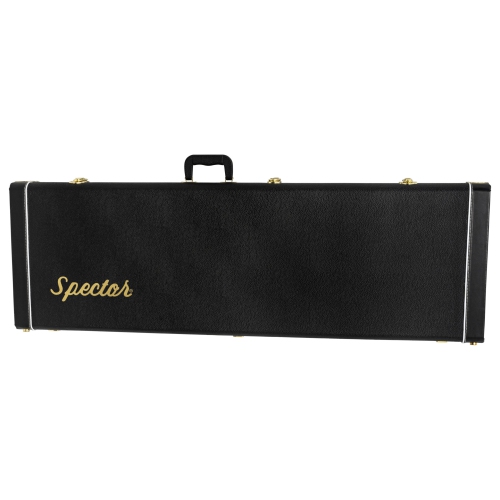
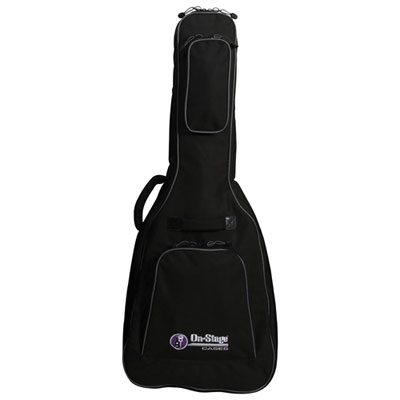
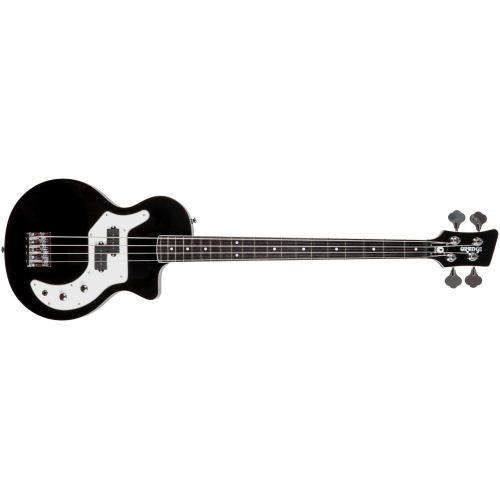


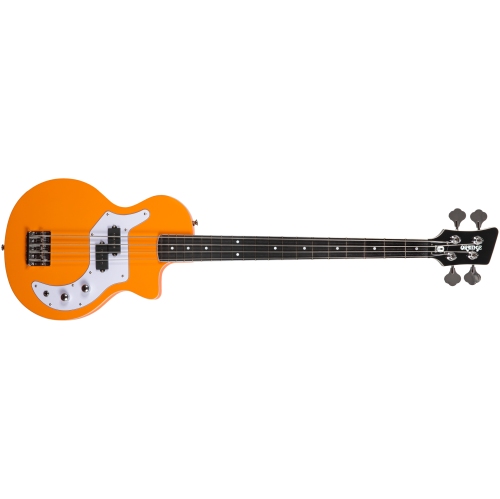

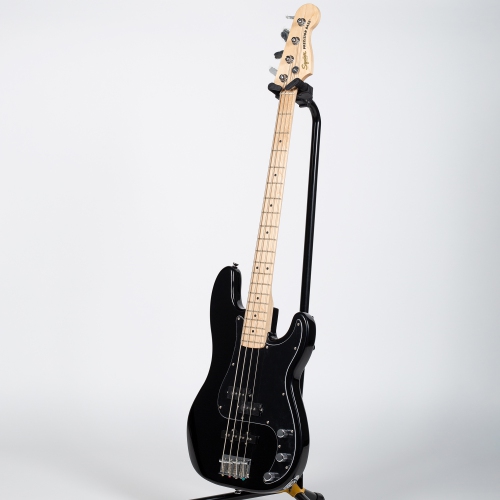
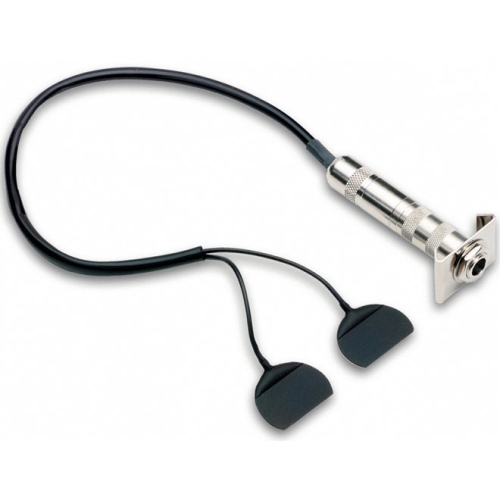
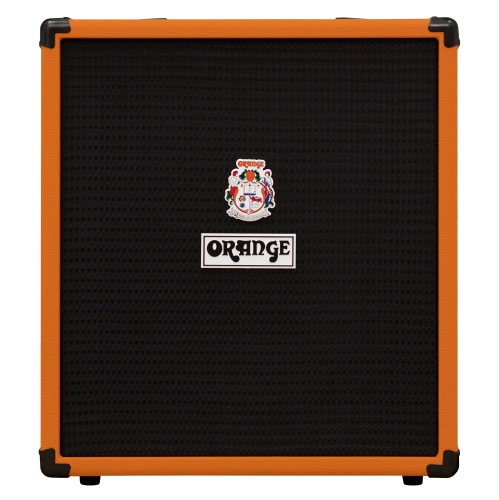
Comfortable playing starts with a well-matched bass setup
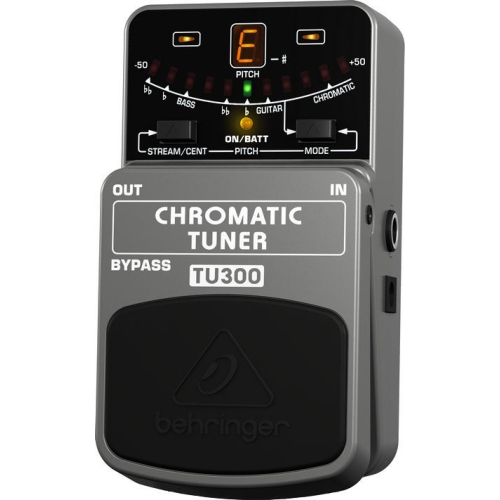
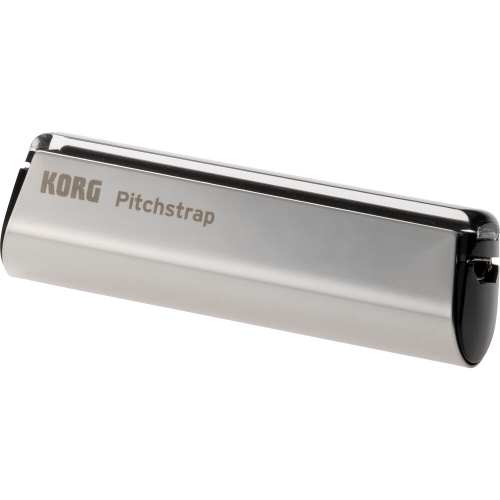
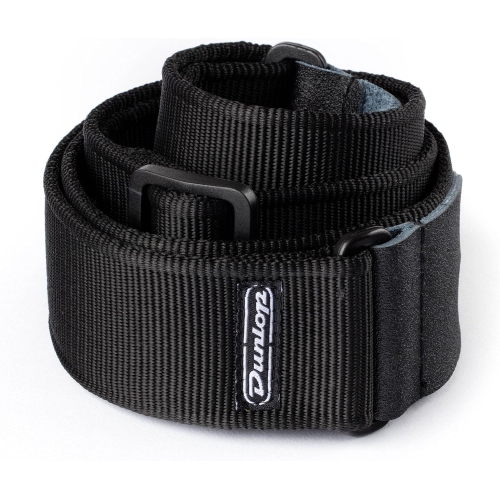
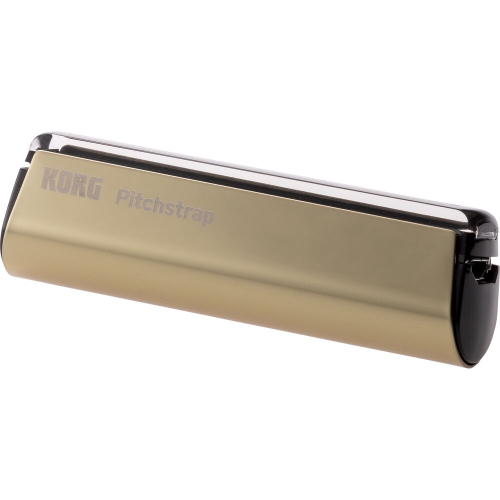
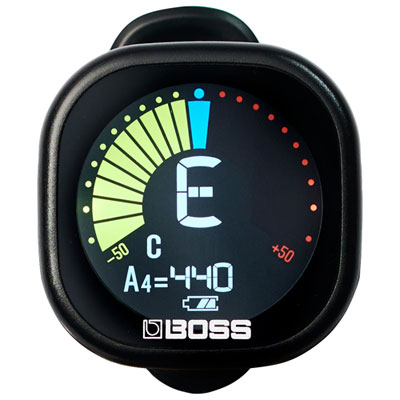
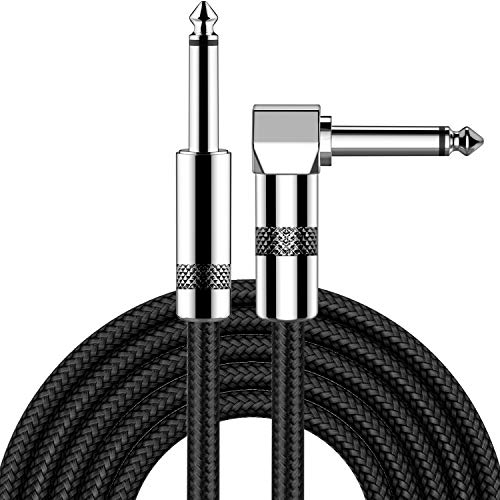
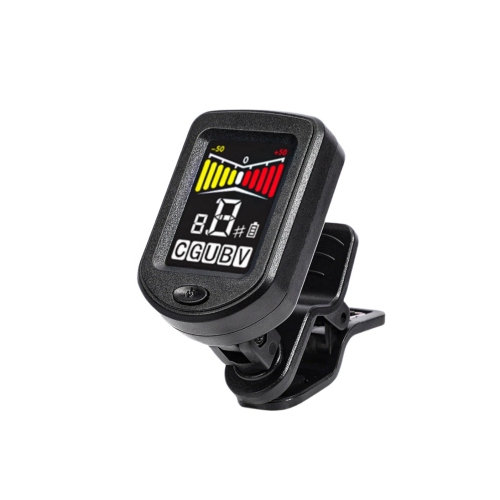
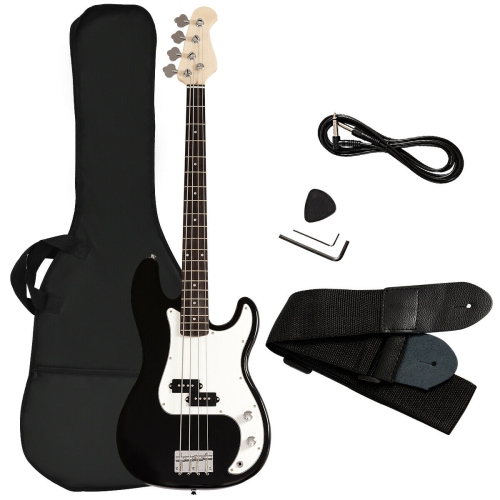
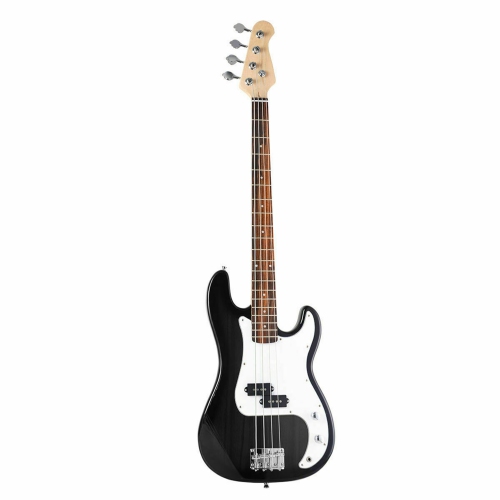
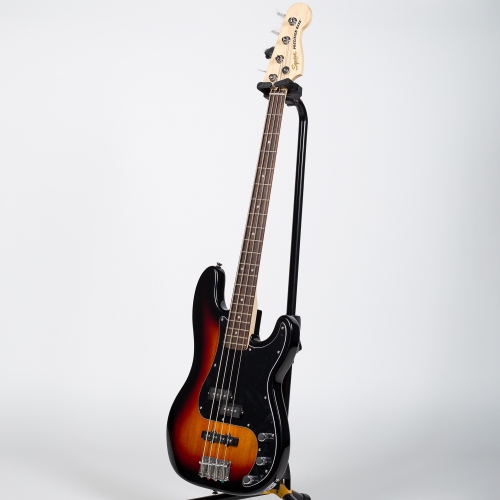
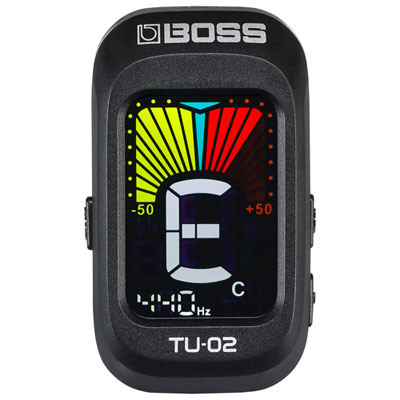
Bass guitar accessories bring comfort, dependable connections, and practical protection to everyday playing. Essential accessories include a wide, adjustable strap, an accurate tuner, a shielded instrument cable, a padded gig bag or fitted case, and a stable stand. Each serves a different purpose, whether the bass is being played through headphones at home, carried to lessons, or plugged into an amplifier for rehearsal. Because bass guitars can be substantial instruments, strap width, padding, and adjustability deserve particular attention. Leather, woven nylon, and padded fabric offer different textures and degrees of flexibility; a broader strap helps distribute weight across the shoulder, while secure stitching and well-finished attachment points contribute to durability. The adjustment range should suit both the player’s height and their preferred playing position, without leaving the instrument awkwardly low or pulling the fretting hand into an uncomfortable angle. Compatible strap locks add security at the attachment points, especially for players who move around while performing, although their fittings should match the instrument and strap. A tuner is another everyday essential, with low-note tracking especially relevant for five-string basses and alternate tunings. Clip-on tuners read vibrations through the instrument, while pedal tuners sit in the signal path; models with a mute function allow silent tuning between songs. Clear displays are helpful on a dim stage or across a practice space. Instrument cables matter just as much when a clean, reliable connection is the goal. Shielding helps limit unwanted interference, and flexible jackets, reinforced connectors, and effective strain relief can withstand repeated setup and packing. Straight or right-angle plugs suit different jack positions, so the connection should sit naturally without pressing against the instrument or catching on a strap. A sensible cable length leaves room to move without creating unnecessary loops underfoot. Loosely coiling cables rather than tightly wrapping them around equipment helps reduce stress on the conductors and connectors.
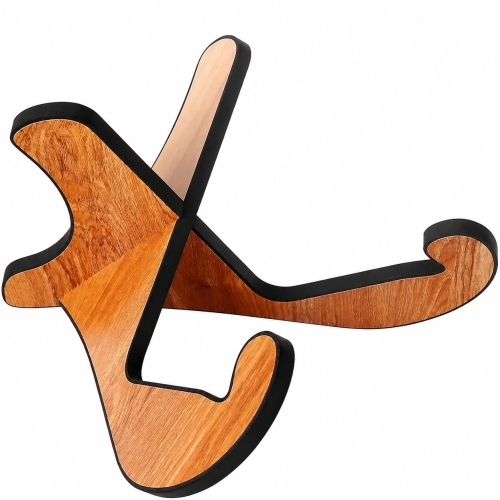
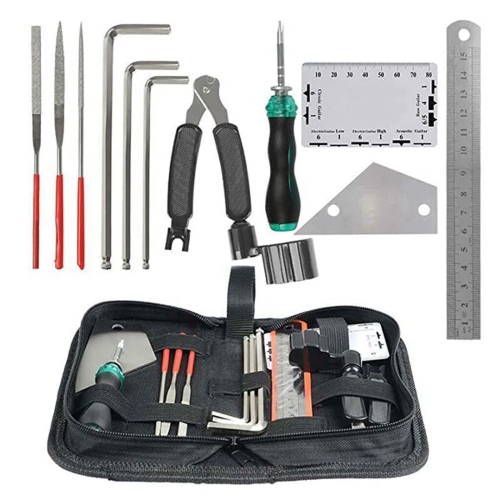
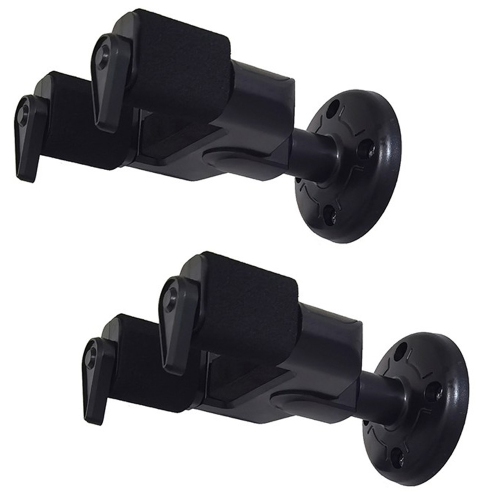
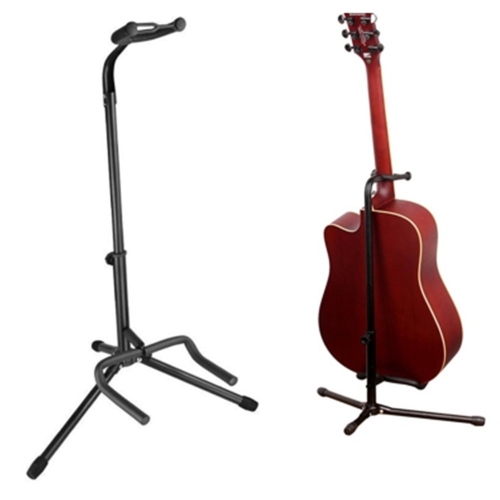
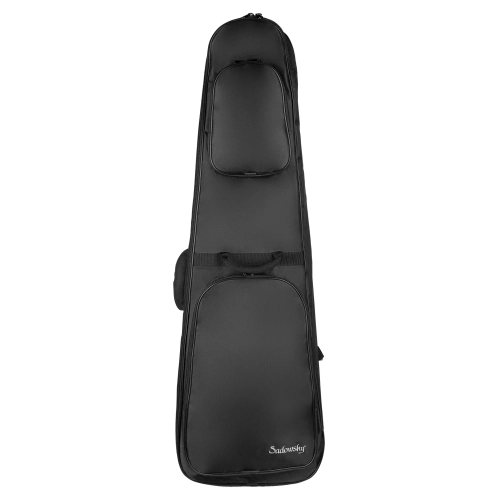
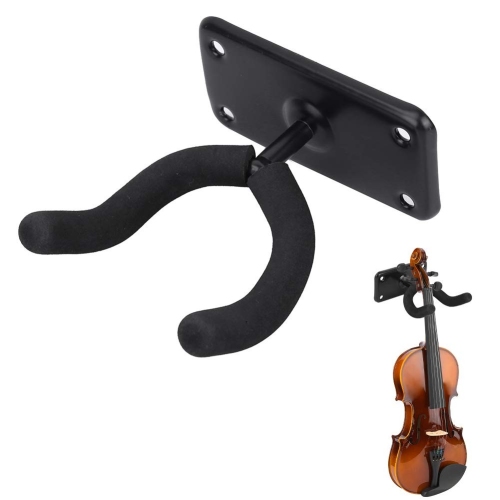
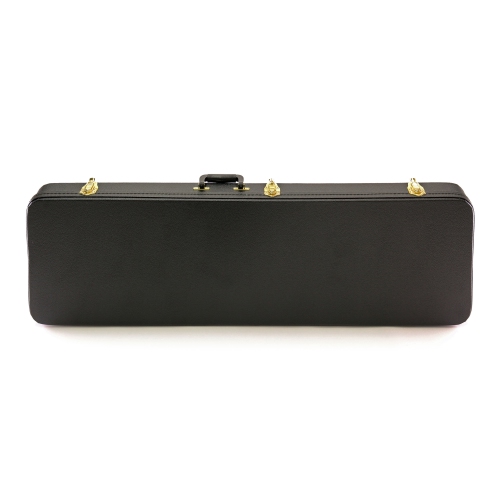
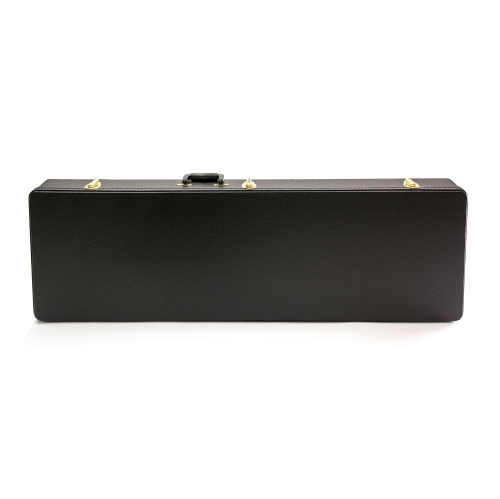
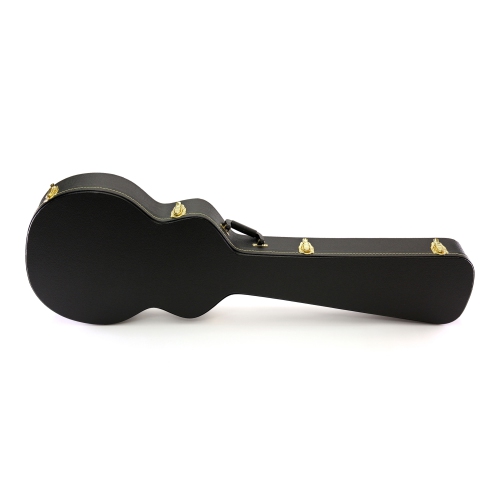
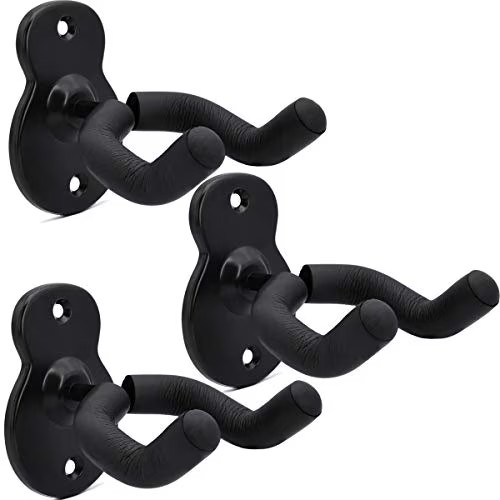
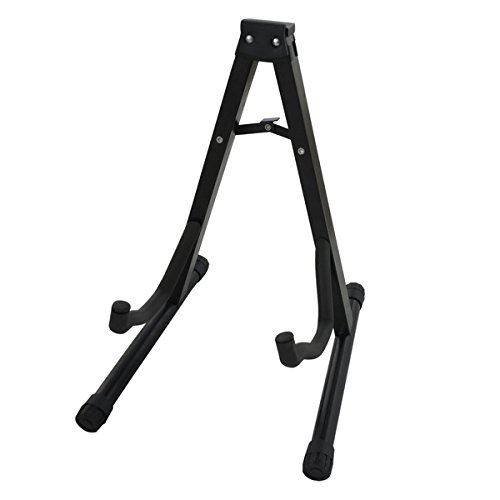
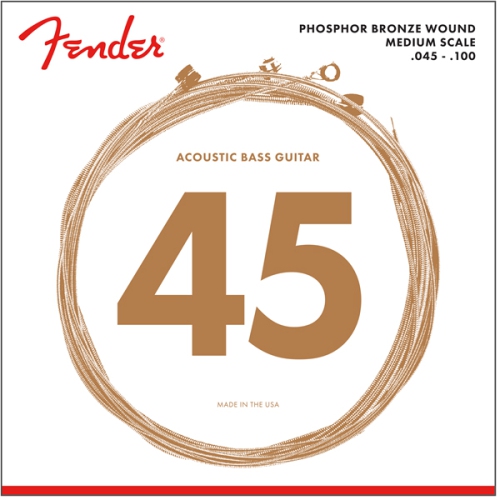
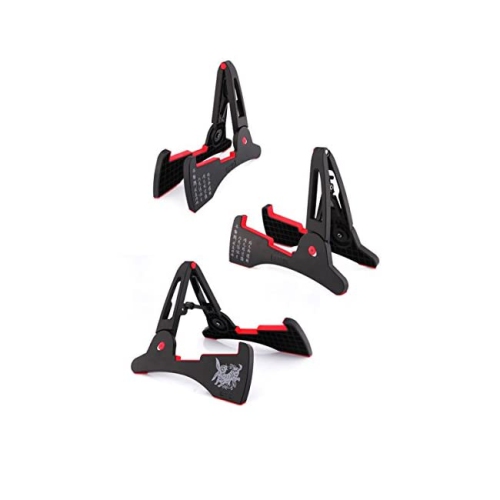
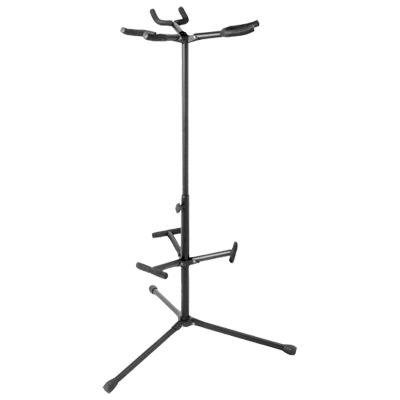
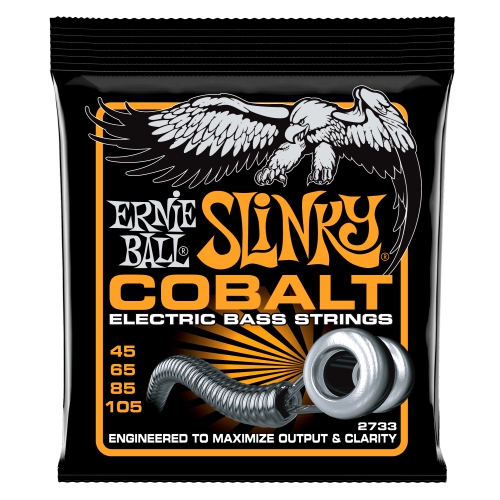
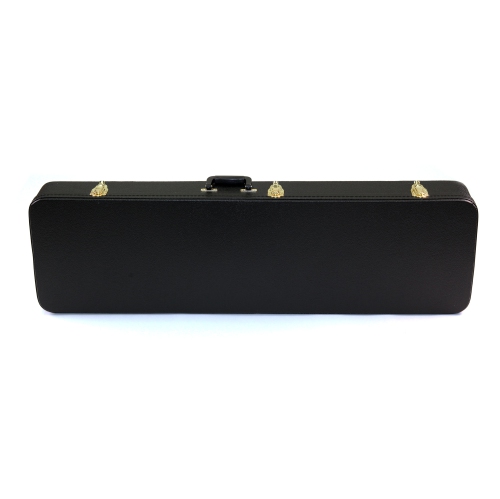
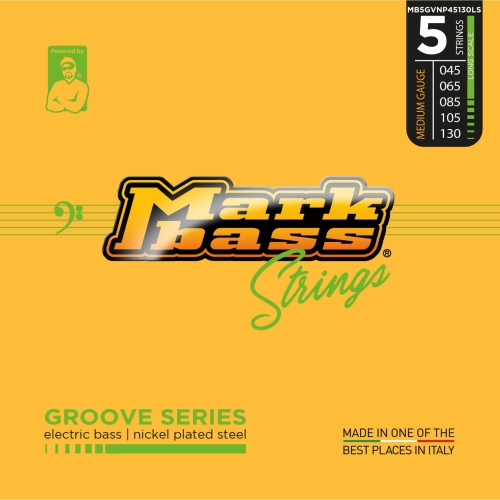
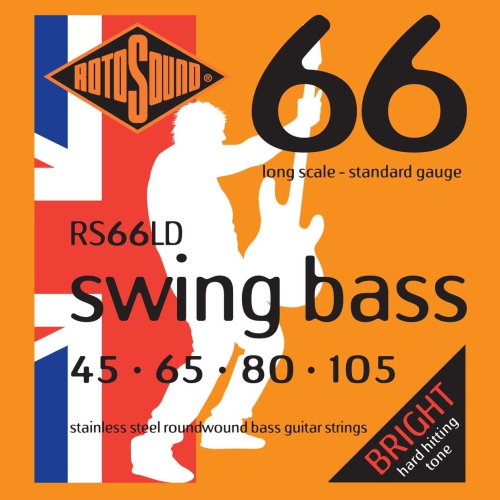
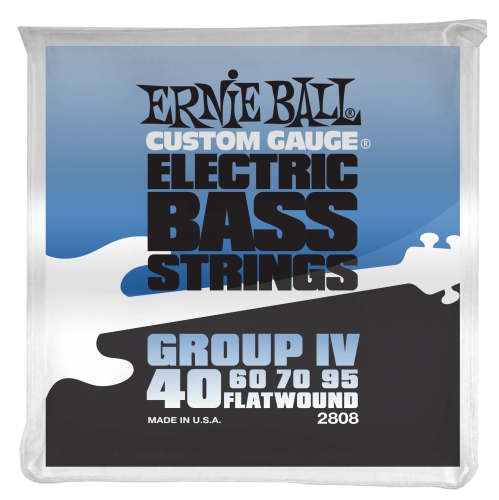
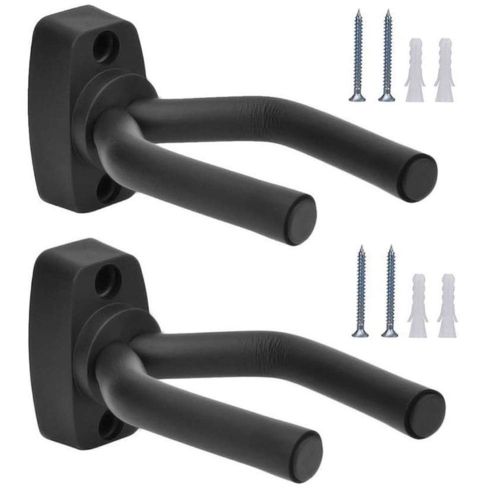
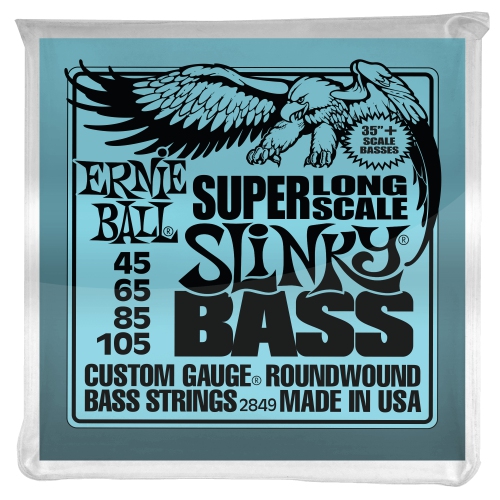
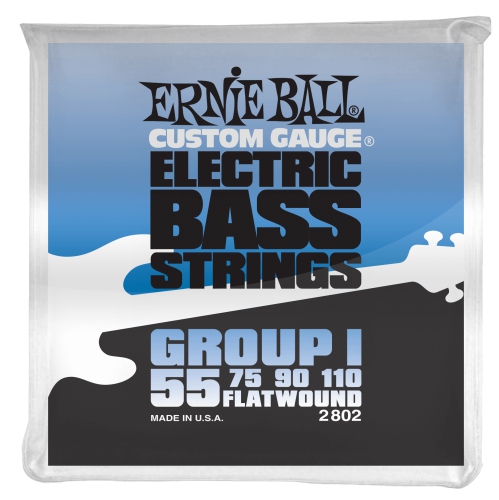
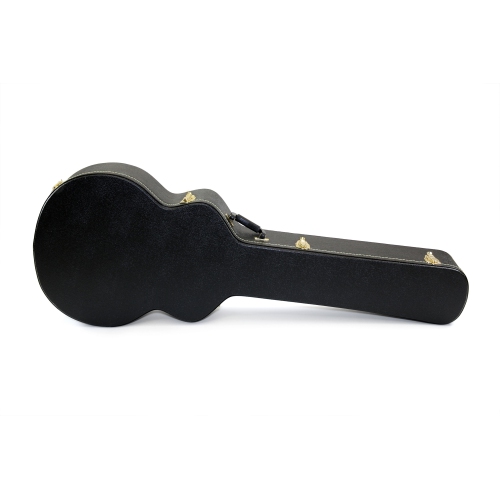
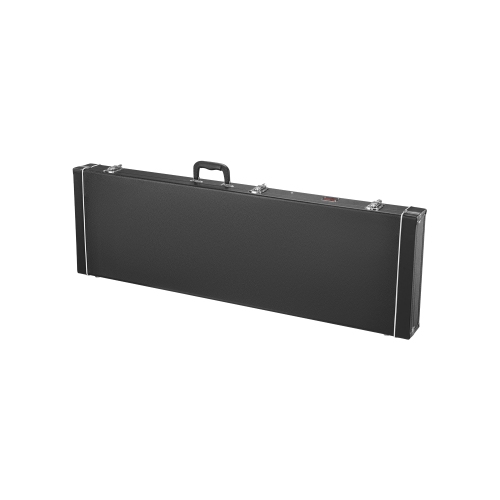
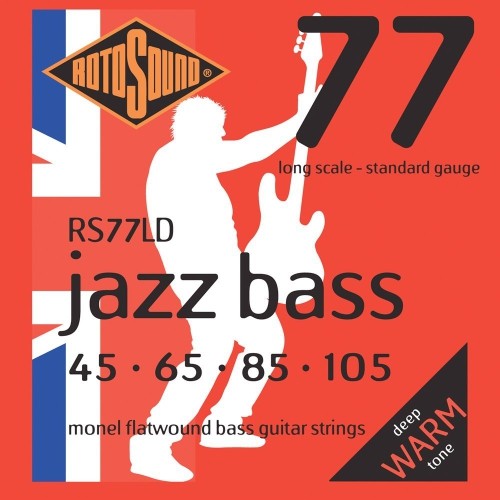
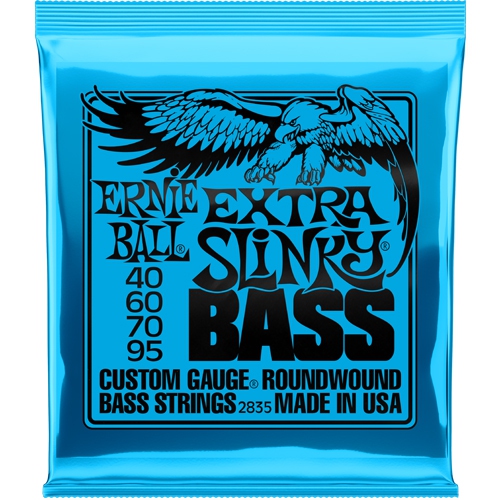
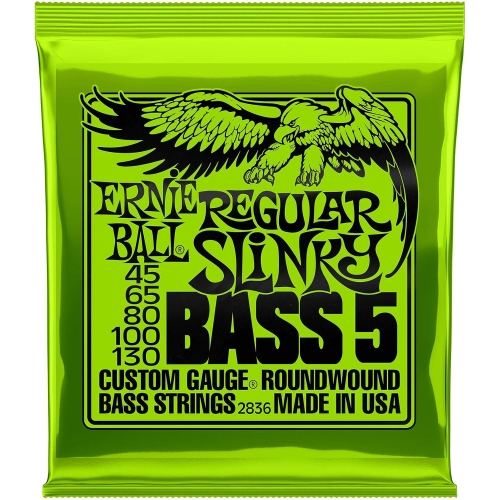
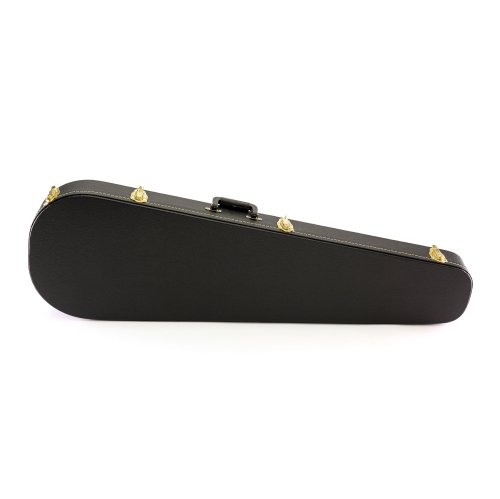
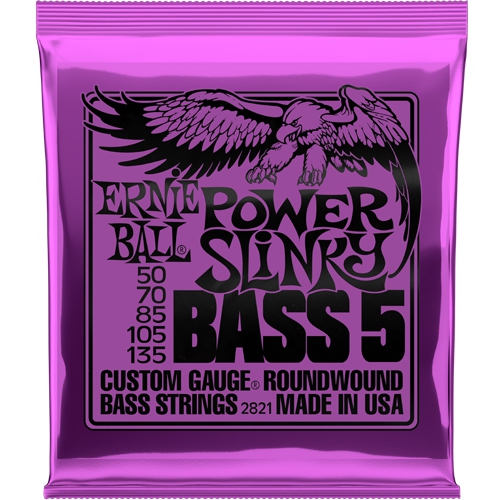
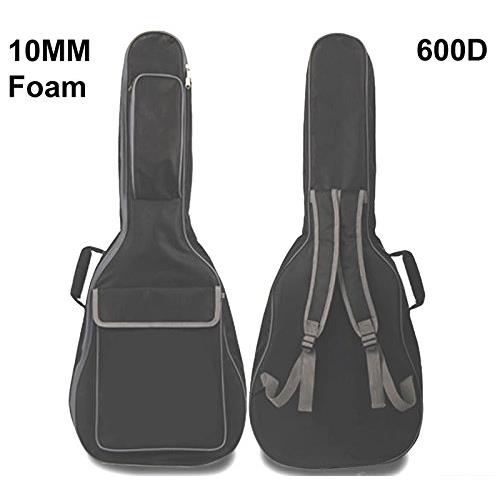
Strings, protective storage, and simple care accessories influence how a bass feels from the first note of a practice session to the last song of a set. Bass strings differ in material, winding, gauge, and scale length, and those details affect both compatibility and playing response. Nickel-plated steel and stainless steel are common choices, with differences in surface feel and tonal character. Roundwound strings generally offer a textured feel and a bright, detailed sound, while flatwound strings have a smoother surface and are often chosen for a rounder tone with less finger noise. Gauge affects tension and resistance under the fingers, but a suitable set also needs to match the number of strings and the instrument’s required winding length. Short-scale and long-scale instruments do not necessarily accept the same strings, and through-body stringing can change the length needed. A substantial gauge change may also require a setup adjustment. For transport, a bass gig bag offers a manageable way to carry an instrument between home, lessons, and rehearsal, with padding, neck support, durable zippers, and comfortable handles making a practical difference. Backpack-style straps leave hands free for other equipment, while separate pockets keep small accessories from rubbing against the finish. A rigid case provides more structural protection, but its interior must accommodate the body shape, overall length, and headstock without forcing the lid closed or allowing excessive movement. At home, a stable bass guitar stand gives the instrument a dedicated resting place instead of leaving it balanced against furniture. Support width, weight capacity, and contact materials should suit the bass, including any finish-specific precautions from its manufacturer. Routine care can remain straightforward: a clean, soft cloth removes fingerprints and perspiration, while suitable instrument-care products address the needs of particular finishes and fretboard materials. Cleaners should be kept away from pickups, controls, and other electrical components, and any treatment should follow the instrument maker’s recommendations.
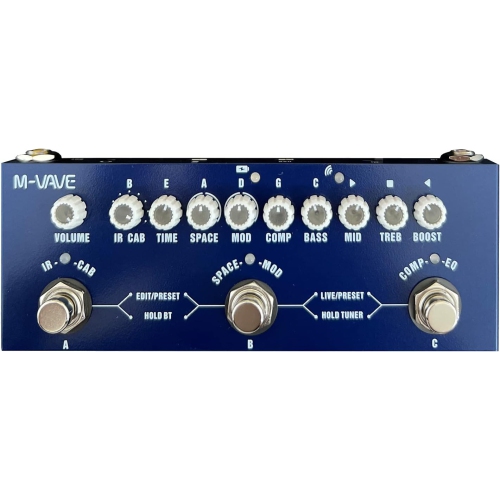
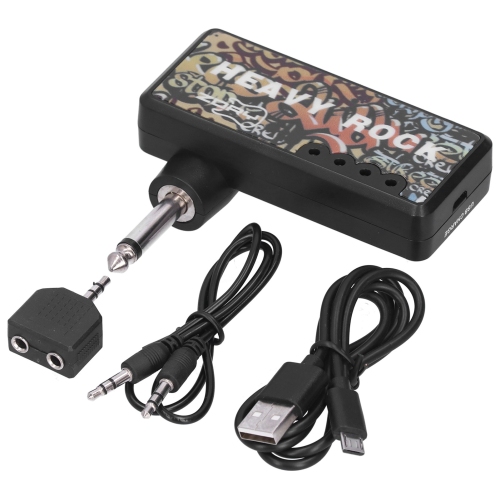
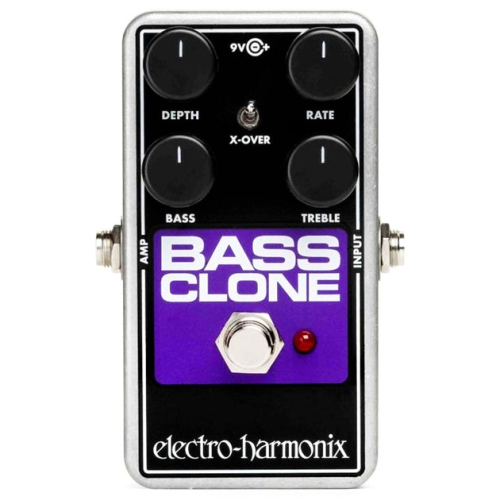
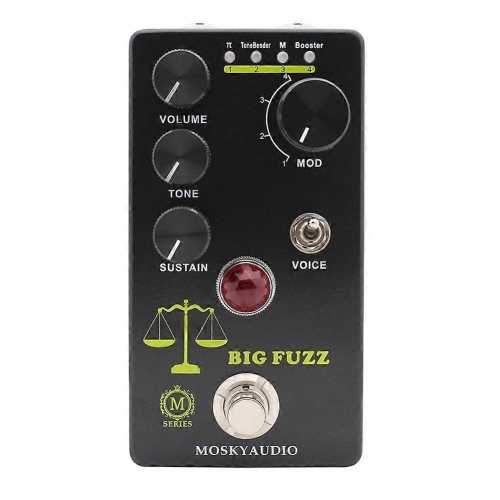
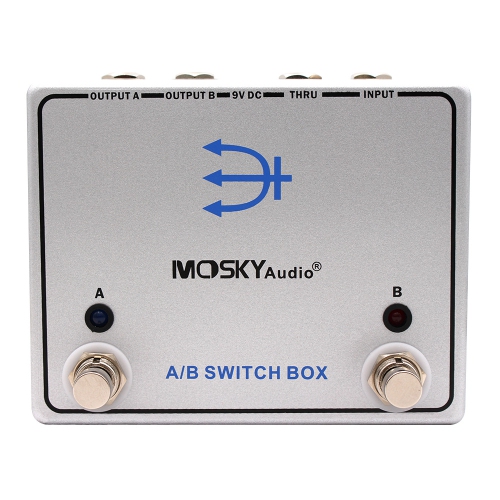
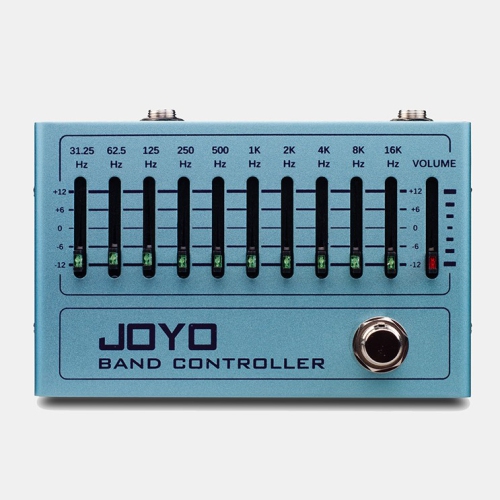
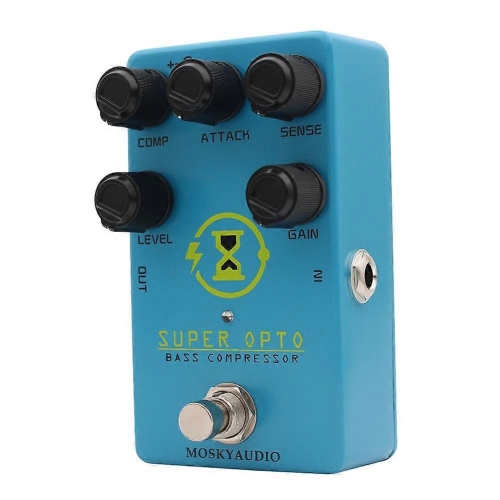
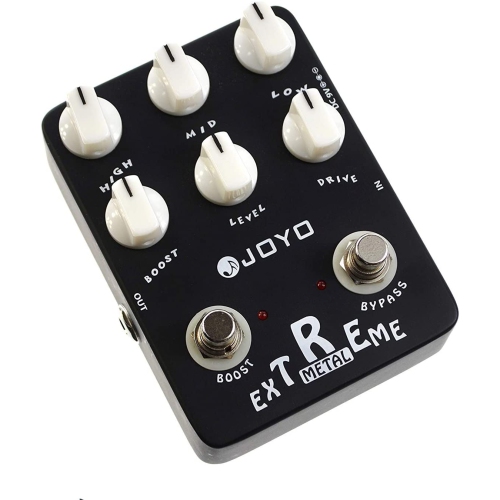
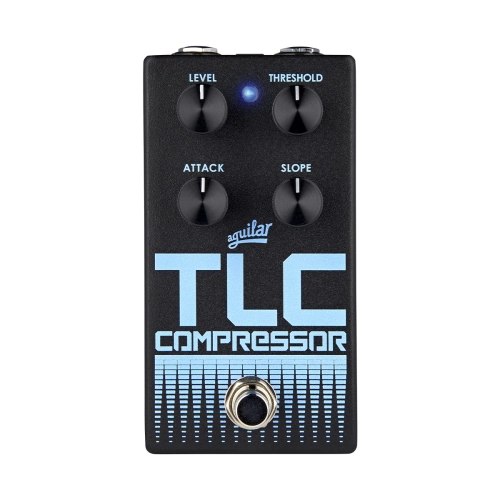
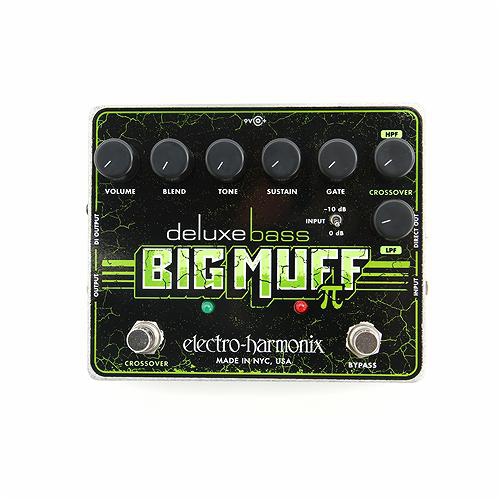
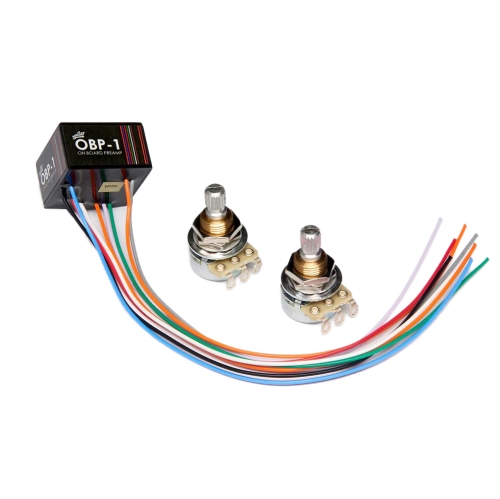
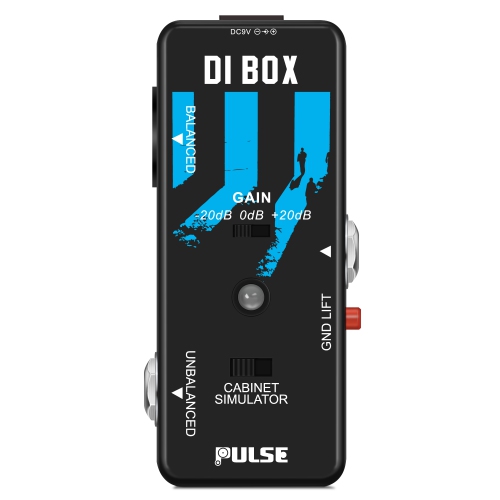
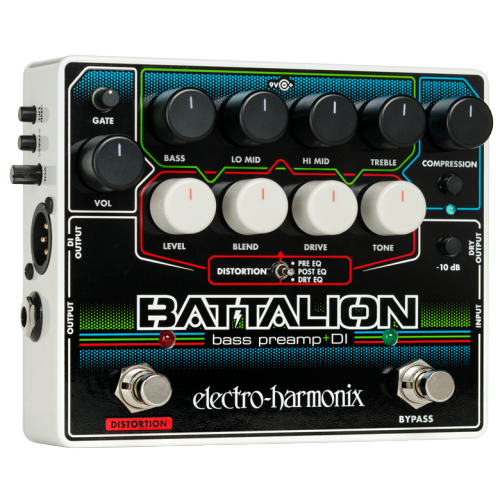
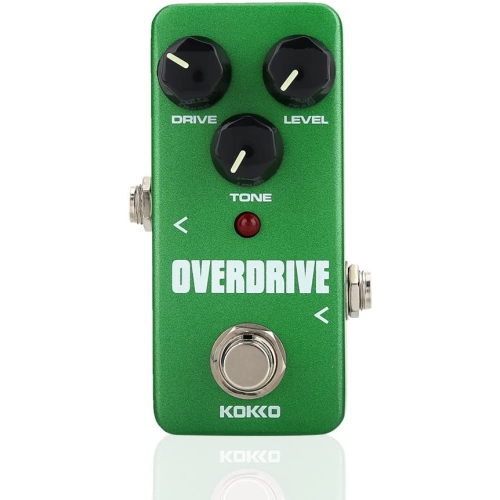
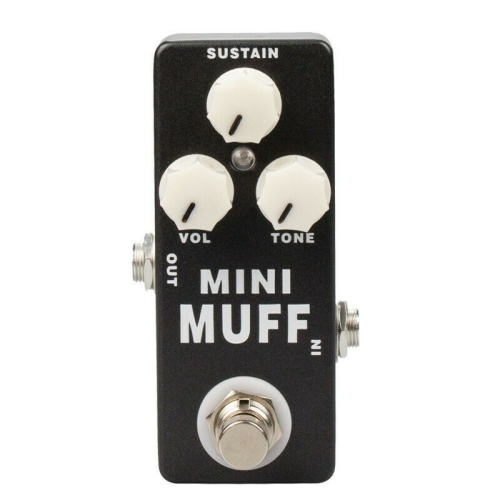
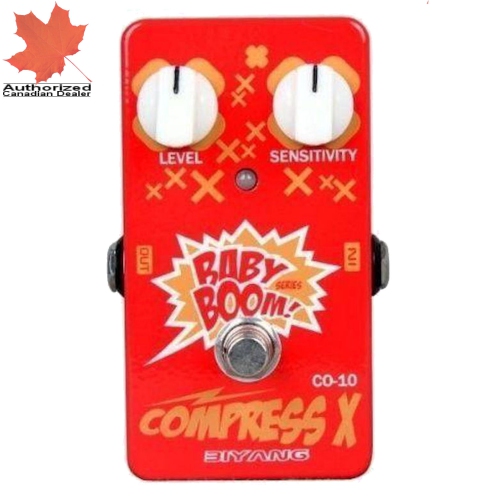
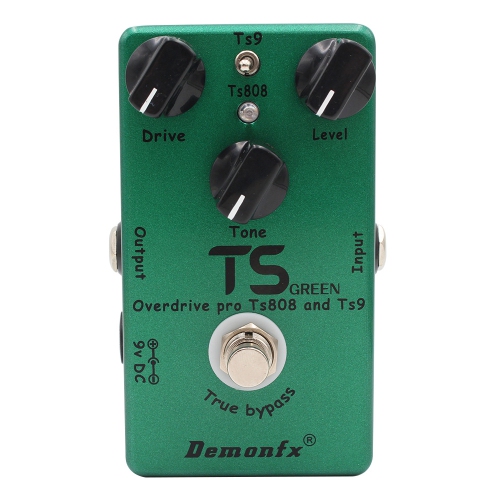
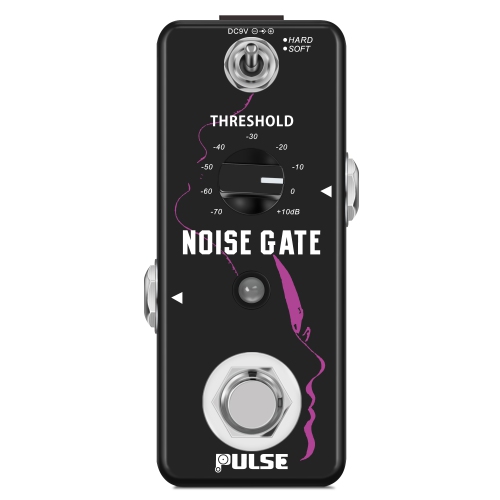
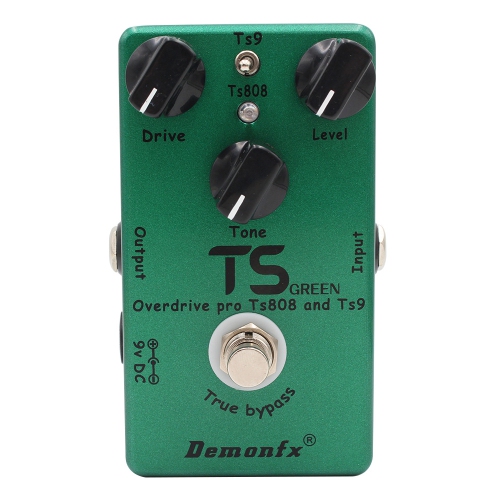
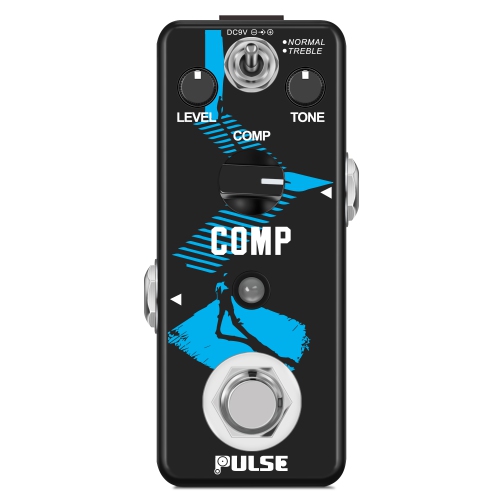
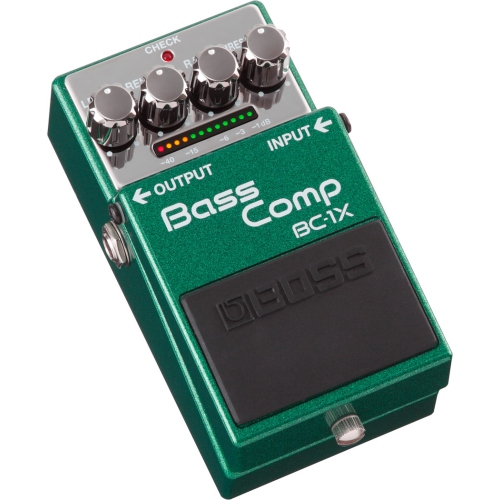
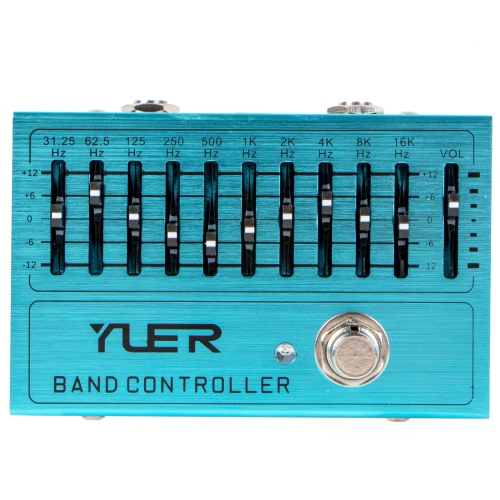
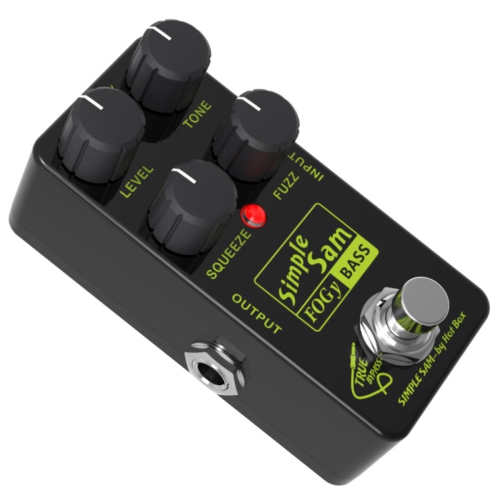
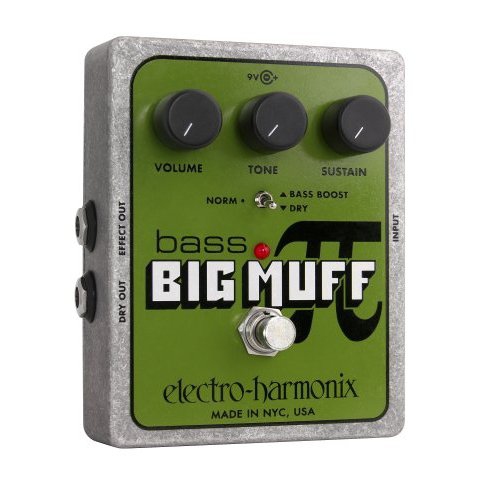
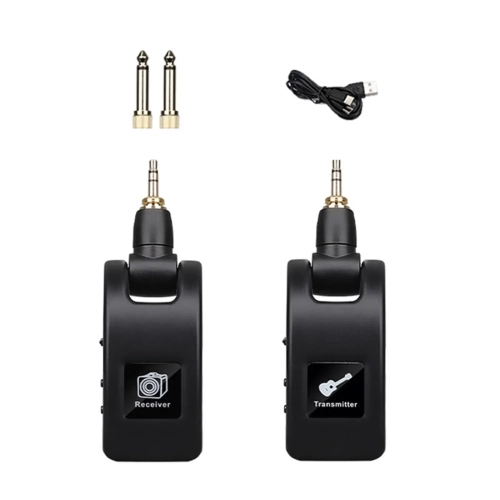
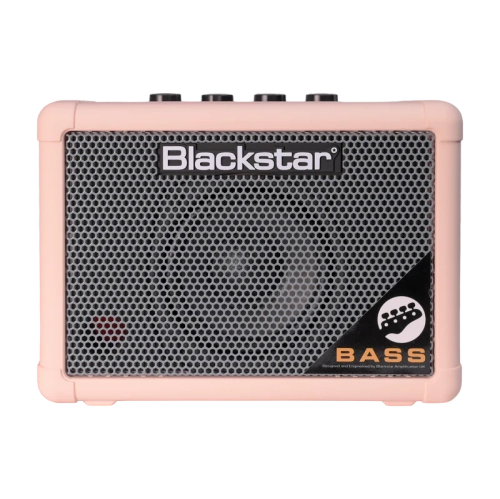
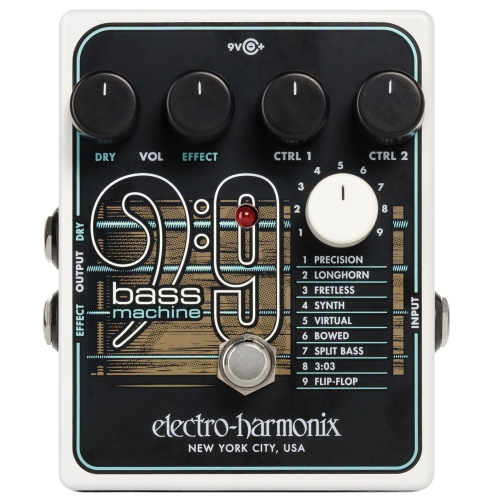
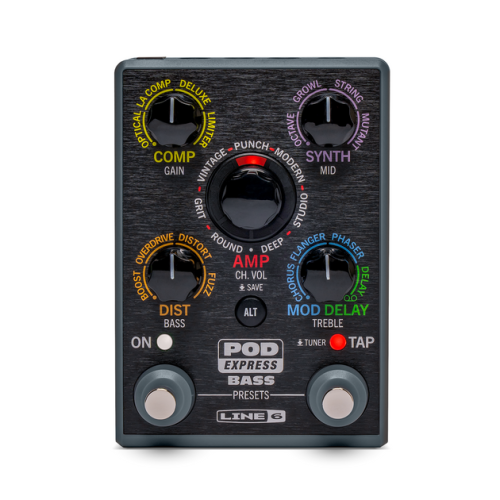
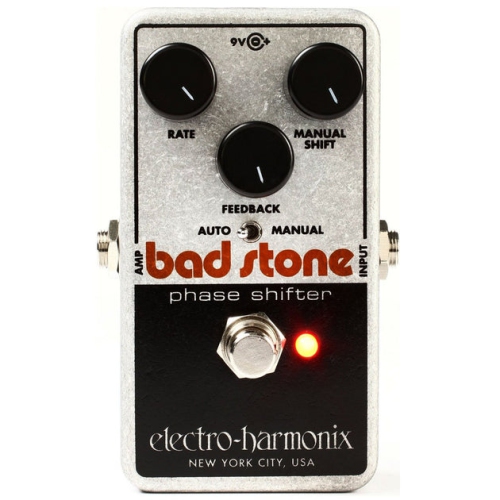
For players building a more flexible sound, bass effects pedals, preamps, and direct boxes extend what an accessory setup can do. A compressor can reduce differences between louder and softer notes, helping a bass line sit more evenly in a mix, although its settings still shape the attack and feel. Overdrive and fuzz add grit, while chorus, octave, and envelope effects create more pronounced textures. Bass-focused designs often account for the instrument’s low frequencies, and a clean blend control can retain some of the original signal alongside the effect. A preamp offers tone shaping before an amplifier or audio interface; a direct box provides a balanced connection to compatible mixing or recording equipment. Some devices combine these functions, so connection types and intended use matter more than the label alone. A player rehearsing with a band may need a straightforward route to a mixing desk, while someone practising quietly may value a device with a suitable headphone output. Pedalboards help keep effects organized and reduce setup time, with enough space for footswitch access, patch cables, and power connections. Power supplies must match each pedal’s voltage, polarity, and current requirements rather than simply fitting the socket. For musicians who play both bass and guitar, Electric Guitar Accessories include related categories, although strings, cases, and some other fittings remain instrument-specific. Bass accessories also make thoughtful gifts for students, bandmates, and returning players when their instrument and habits are taken into account. A comfortable strap may suit someone settling into longer rehearsals, while a well-fitting case supports a player travelling regularly to lessons or performances. Strings and effects are more personal choices because feel and sound preferences vary considerably. Across beginner and experienced setups, the most useful accessories are those that fit properly, stand up to repeated handling, and make the routine of tuning, connecting, carrying, and caring for a bass more dependable.
Top selling and popular products
-
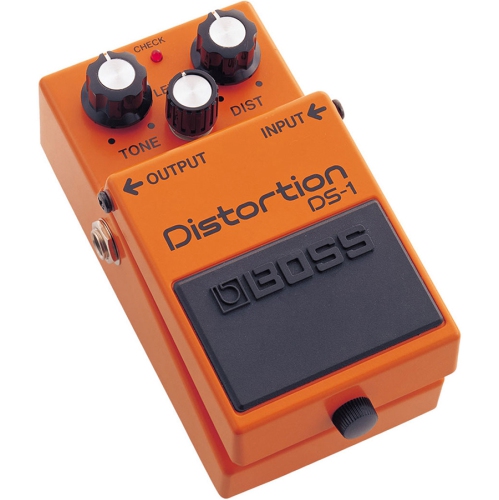 Your price for this item is $89.99
-
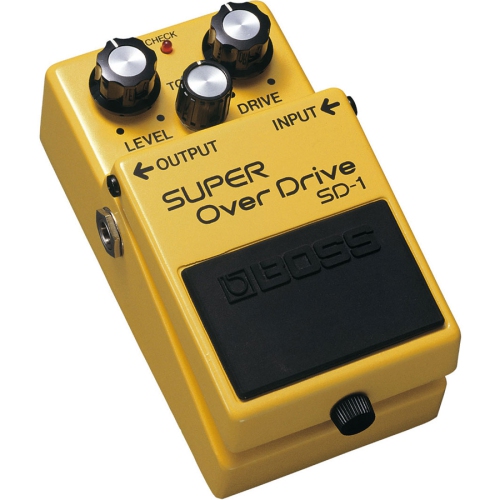 Your price for this item is $89.99
-
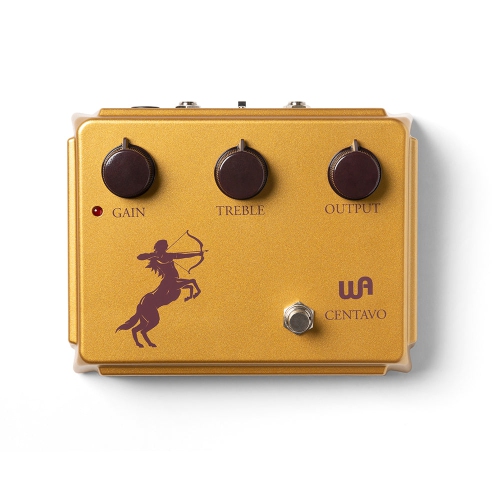 Your price for this item is $289
-
 Your price for this item is $969.99
-
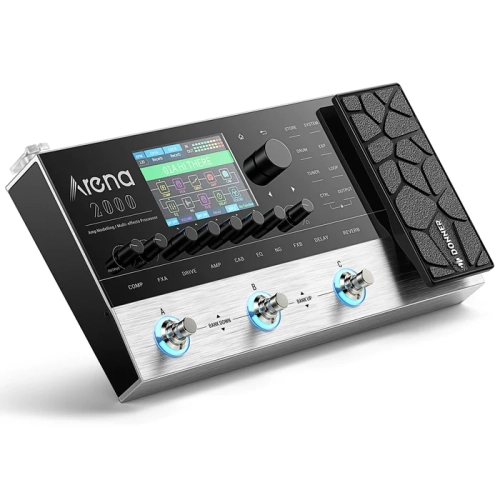 Your price for this item is $199.99
-
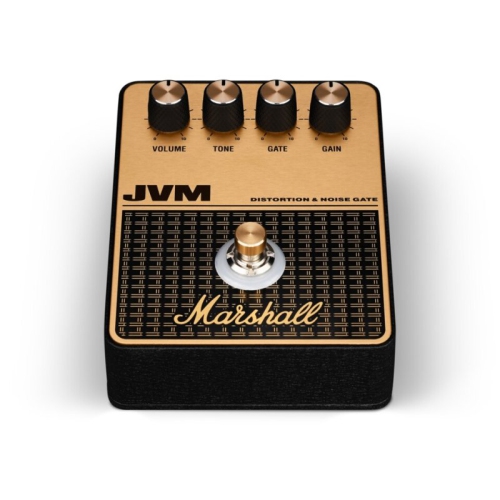 Your price for this item is $249.99
-
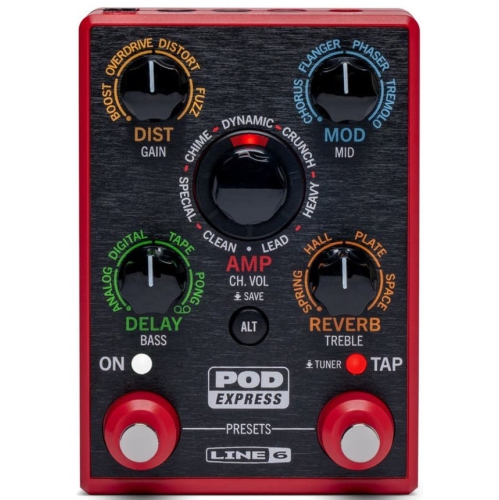 Your price for this item is $239.99
-
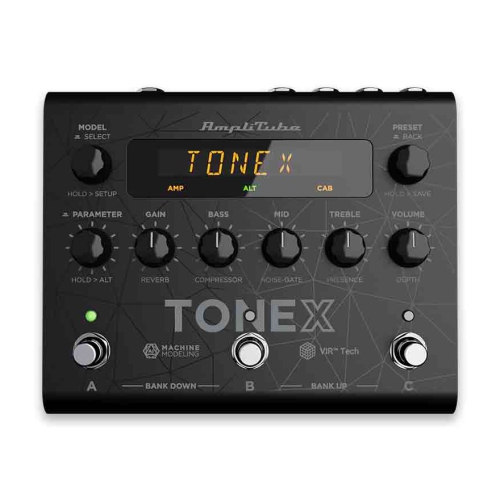 Your price for this item is $399
Discover more categories related to Bass Guitar Accessories
Top Collections:
Best Black Friday Deals This Year, Best Black Friday Deals On Electronics, Kindle Devices, Pokemon Centers, Best Black Friday Deals On Apple Products, Best Cameras for Sports Photography, Dyson Airwrap, Pokémon 30th Celebration Cards, Apple iPhone 17 Pro, Canon G7X Cameras
Some products may be subject to Environmental Handling Fees
(EHF) depending on your province.
Learn more about EHFs.