Boom Microphone Stands
A Boom Microphone Stand is an essential accessory for any recording studio, live performance, or podcast setup. Designed to provide reliable support and flexible positioning, these stands help you achieve optimal audio capture with ease. Whether you're a musician, content creator, or audio professional, finding the right boom microphone stand ensures stability and convenience during every session. Explore a wide selection to find the perfect fit for your space and sound needs.
Sort

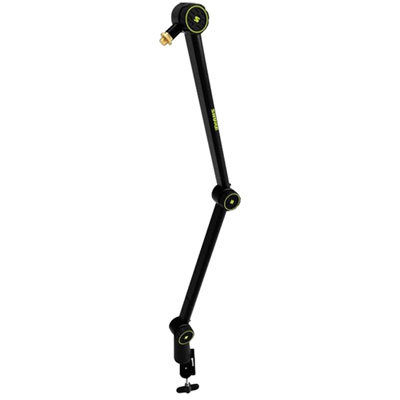
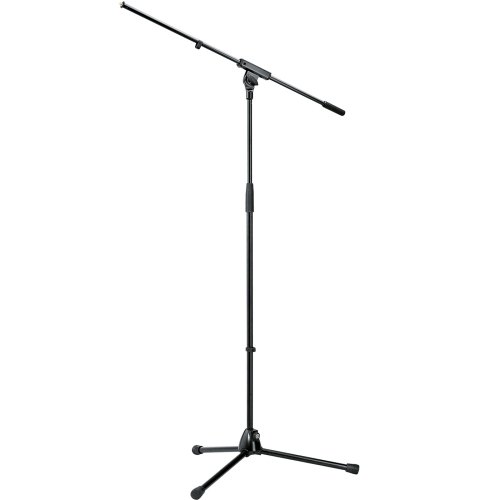


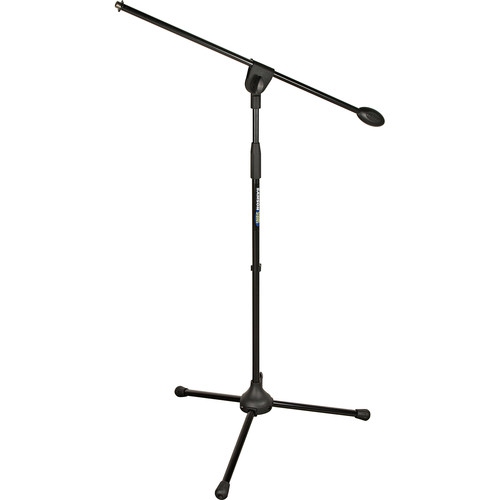

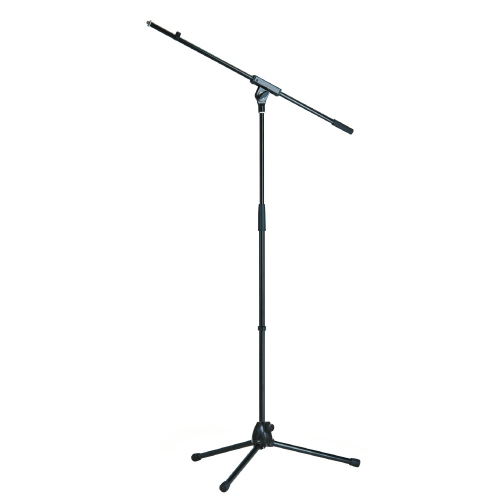
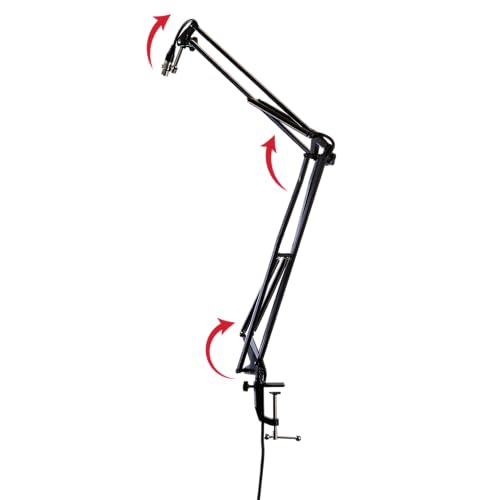


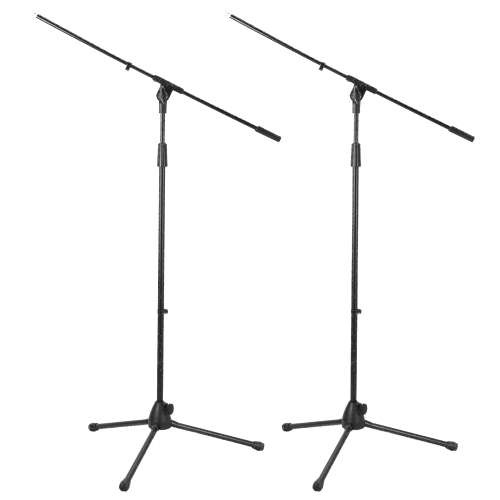
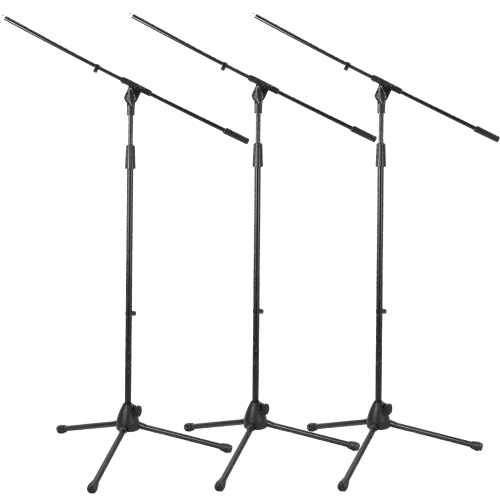

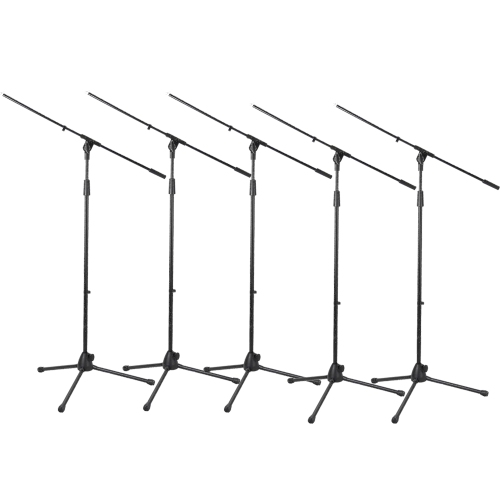
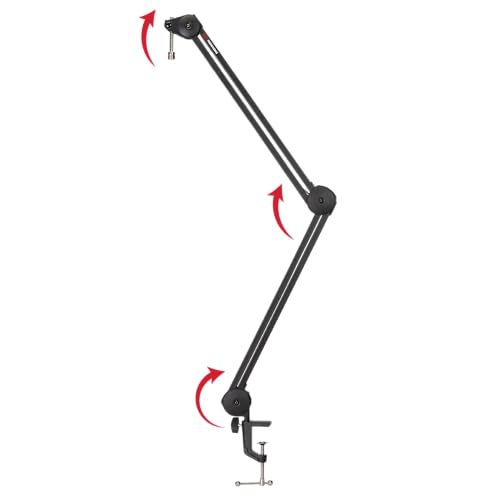


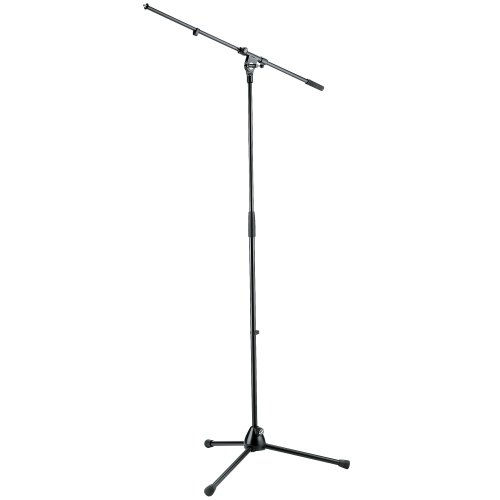


Precise microphone placement without crowding your performance space
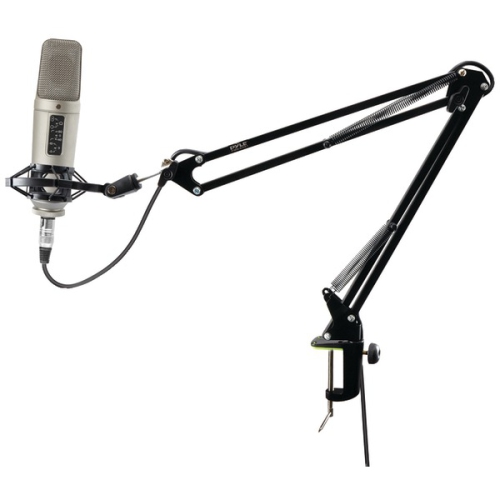
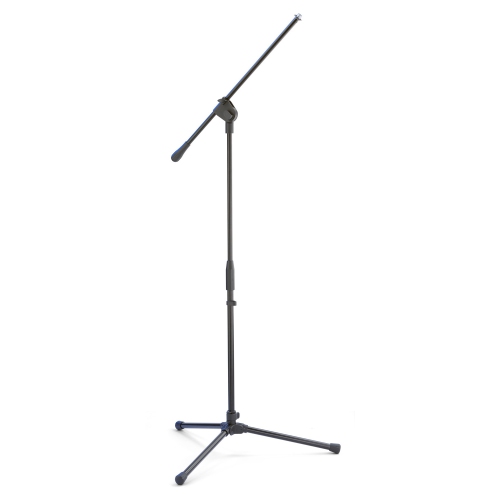
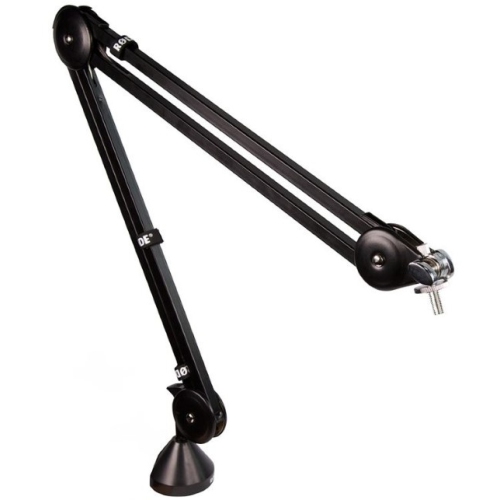
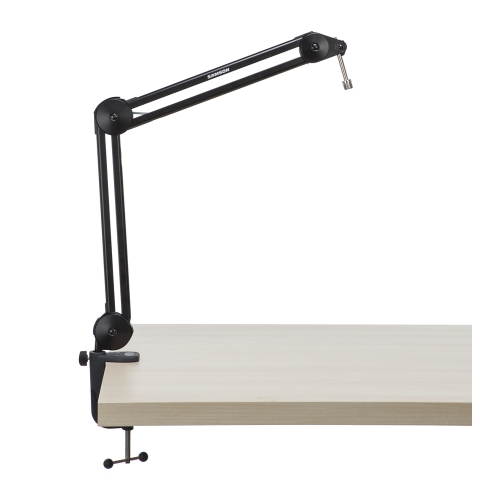
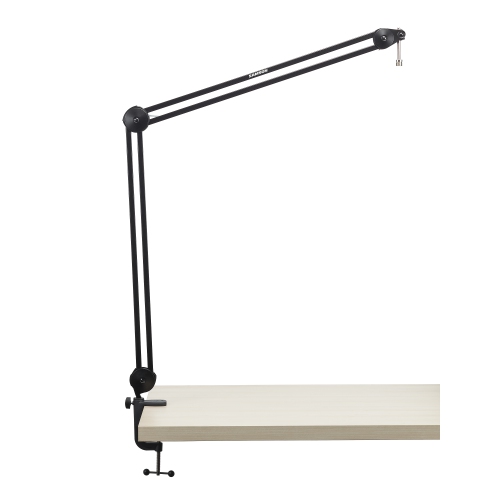
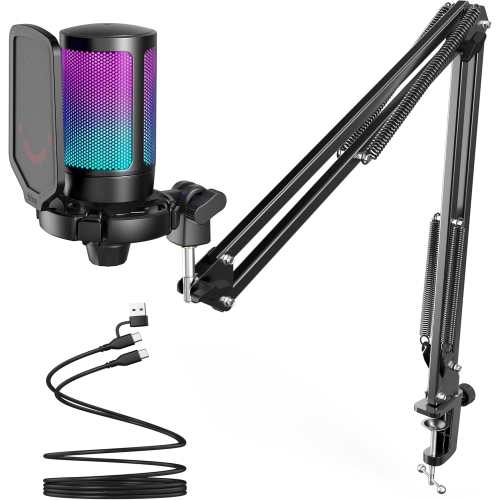
A boom microphone stand combines a stable base with an adjustable arm that extends a microphone away from its main support, allowing precise placement without putting the stand directly in front of the performer or sound source. That extra reach makes room for a guitar, keyboard, drum kit, music stand, or desktop while keeping the microphone close to where it needs to be. The flexibility of Boom Mic Stands suits everything from vocal practice and home recording to podcasts, livestreams, rehearsals, and live performances. Floor-standing designs typically pair a height-adjustable upright with a boom that tilts and slides, while desktop boom arms attach to a work surface or use a dedicated base. A singer playing acoustic guitar can keep the stand off to one side, with the arm reaching across toward the vocal position instead of crowding the instrument. At a keyboard, the same arrangement can leave space for pedals and leg movement. Shorter floor stands are useful near guitar cabinets and kick drums, where a full-height upright would be awkward, while taller designs can reach standing vocalists or elevated microphone positions when their specifications allow. For spoken-word recording, a desktop arm brings the microphone toward the speaker and can move aside between sessions. Some arms sit low across the desktop to preserve a clearer view of a monitor; others approach from above or beside the screen. These differences matter in shared rooms, compact studios, classrooms, and rehearsal spaces where the stand must fit around people and equipment rather than dominate the area. A boom stand does not change a microphone’s pickup pattern or replace good microphone technique, but it helps hold a useful position consistently. That consistency is valuable when a singer moves between takes, a podcast guest settles into a chair, or an instrumentalist needs both hands free throughout a performance.
Materials, construction, and adjustment hardware all influence how a boom microphone stand feels in everyday use. Steel tubing generally adds weight and rigidity, while aluminum can make a stand easier to carry between practice spaces and performances. Neither material alone determines durability: tube thickness, joint design, locking mechanisms, and the quality of the base also matter. A tripod base spreads its support across three legs and often folds for transport, although those legs need enough clear floor space to open fully. A weighted round base can offer a more contained footprint, but its stability still depends on the microphone’s weight, boom extension, and positioning. Extending a boom farther from its support increases leverage, so a stand that holds a light microphone close to the upright may behave differently with a heavier microphone at full reach. Published load limits and any restrictions on boom length are more useful than judging strength by appearance alone. The total supported weight includes the microphone, clip or shock mount, pop filter, and other attached accessories. Desktop arms may also have a minimum supported load, particularly when springs or internal tension mechanisms are designed to balance a microphone within a specific weight range. Fit extends beyond weight. Common microphone stand connections include 5/8-inch and 3/8-inch threads, and an appropriate adapter may be needed to connect a clip or shock mount. The microphone’s body shape and diameter determine whether a clip fits securely; the stand’s thread connection does not establish that fit on its own. For clamp-mounted arms, desktop thickness, edge shape, and clearance beneath the work surface affect installation. A solid, accessible edge is different from a bevelled edge, a hollow panel, or a surface with drawers directly underneath. Glass surfaces require particular caution and should only be used where both the furniture and mount manufacturers permit the arrangement. Adjustable clutches, tilt joints, and boom locks should hold the intended position without needing excessive force, especially when the stand will be repositioned frequently.
Practical details often become most noticeable once a boom microphone stand is part of a regular routine. A telescoping boom can provide reach while reducing its length for storage, and folding legs make a floor stand easier to carry through doorways or pack with other equipment. For musicians who travel, the stand’s folded dimensions and overall weight can matter as much as its maximum height. For a permanent recording corner, smooth movement, secure joints, and cable routing may be more important than compact storage. Cable clips or channels help keep leads close to the stand, but the cable still needs enough slack at each moving joint to avoid pulling on the microphone connector when the arm changes position. Routing the remaining cable away from chair wheels, footpaths, and instrument pedals helps keep the setup orderly. Mechanical noise deserves attention, too: a desktop arm can transmit bumps from typing or contact with the work surface, while a floor stand can pick up vibration through its base. A compatible shock mount may help reduce some handling noise, but it does not eliminate every vibration or replace careful placement. Routine care is straightforward. A soft cloth removes dust and fingerprints, and joints can be inspected for looseness, damaged threads, worn pads, or missing hardware before use. Adjustment knobs generally need firm, controlled tightening rather than extra force, which can damage threads or plastic components. Moving a stand by its main support instead of lifting it by the extended boom helps avoid unnecessary strain on the joints. During storage and transport, keeping loose adapters together and protecting protruding adjustment handles can prevent small parts from going missing or getting knocked. As a gift, a boom microphone stand can be a thoughtful addition for a musician, voice actor, gamer, teacher, or aspiring podcast host, provided it matches their microphone and available space. The most useful fit is one that supports the intended equipment securely, leaves room to work comfortably, and makes accurate microphone placement easy to repeat.
Top selling and popular products
-
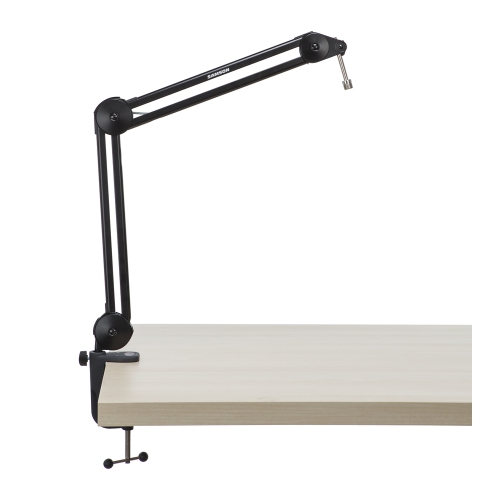 Your price for this item is $99.99
-
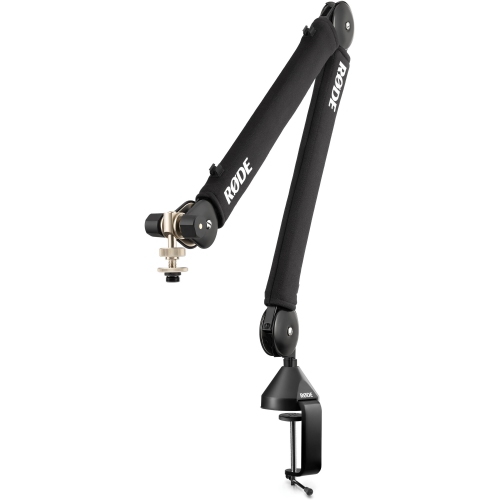 Your price for this item is $199
-
 Your price for this item is $36.99
-
 Your price for this item is $39.99
-
 Your price for this item is $149
-
 Your price for this item is $99.99
-
 Your price for this item is $249.99
-
 Your price for this item is $149.99
Discover more categories related to Boom Microphone Stands


Top Collections:
Best Black Friday Deals This Year, Best Black Friday Deals On Electronics, Kindle Devices, Pokemon Centers, Best Black Friday Deals On Apple Products, Best Cameras for Sports Photography, Dyson Airwrap, Pokémon 30th Celebration Cards, Apple iPhone 17 Pro, Canon G7X Cameras
Some products may be subject to Environmental Handling Fees
(EHF) depending on your province.
Learn more about EHFs.