Boss Guitar Pedals
Looking to take your guitar playing to the next level? Look no further than our selection of Boss guitar pedals. These powerful and versatile effects pedals are a must-have for any guitarist, whether you're a seasoned pro or just starting out. With their cutting-edge technology and innovative features, Boss guitar pedals allow you to create unique sounds and add depth to your music. Whether you're looking for distortion, delay, modulation, or any other effect, our wide range of Boss guitar pedals has got you covered. So, get ready to unleash your creativity and elevate your performance with these top-notch guitar pedals.
Sort

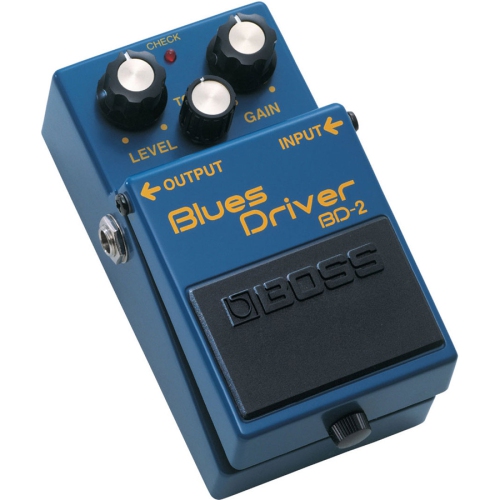
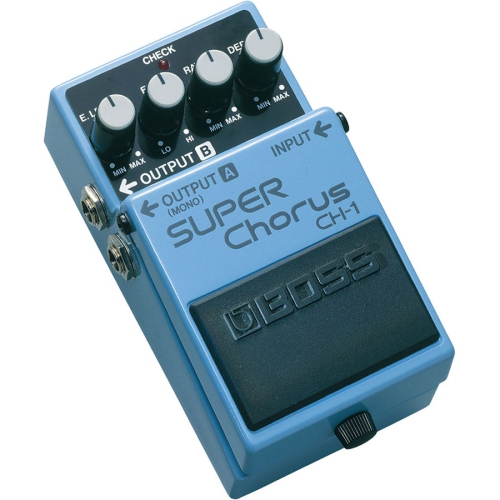
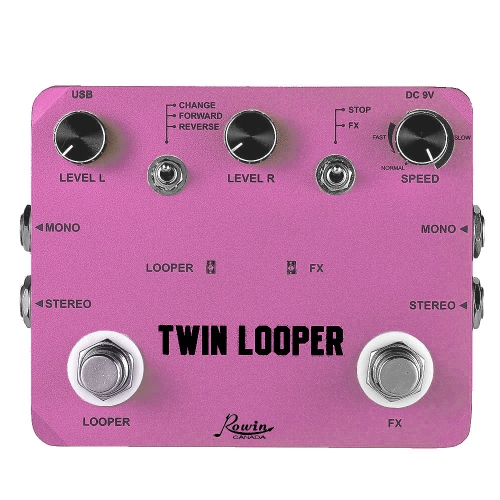
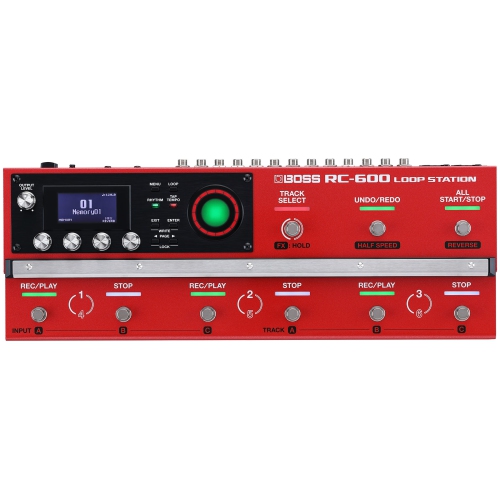
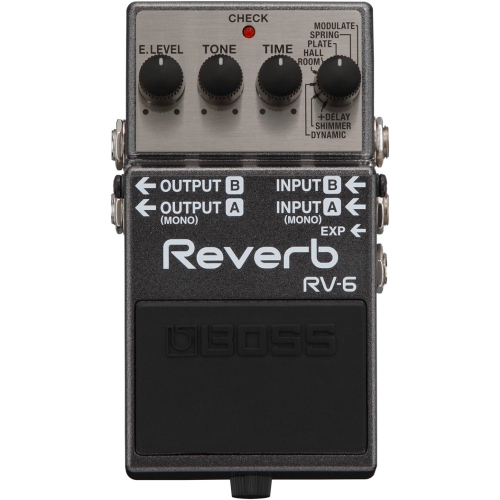
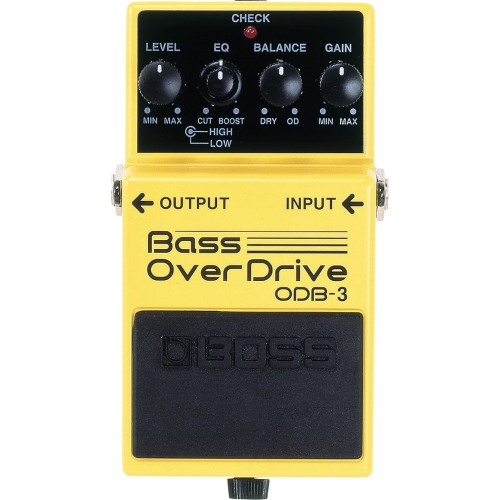

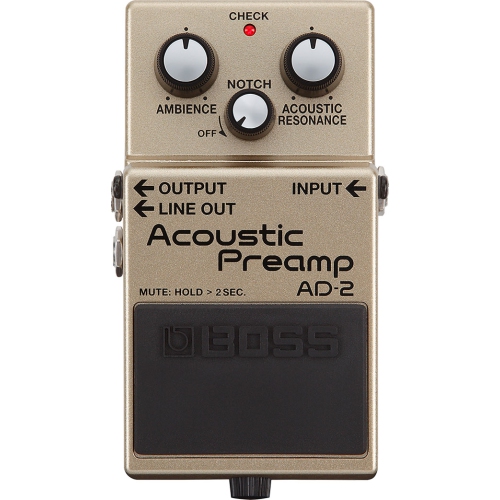
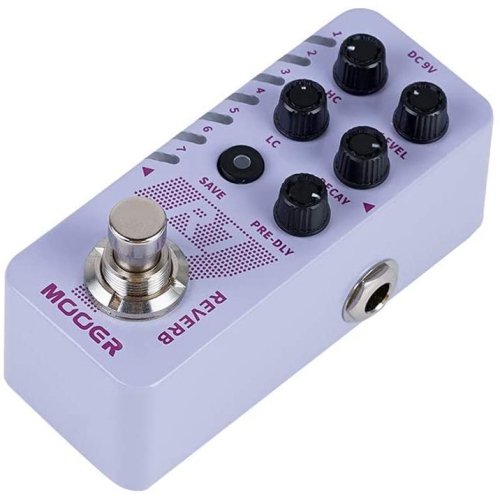
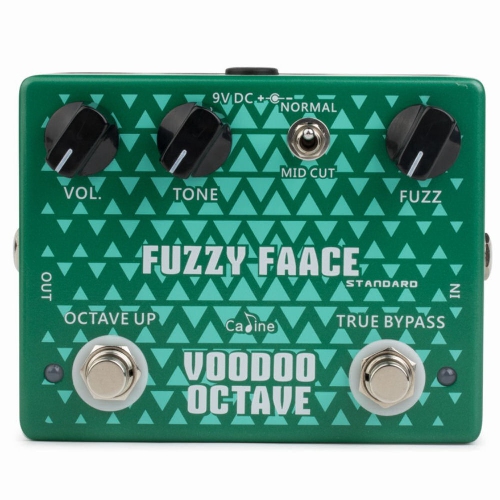
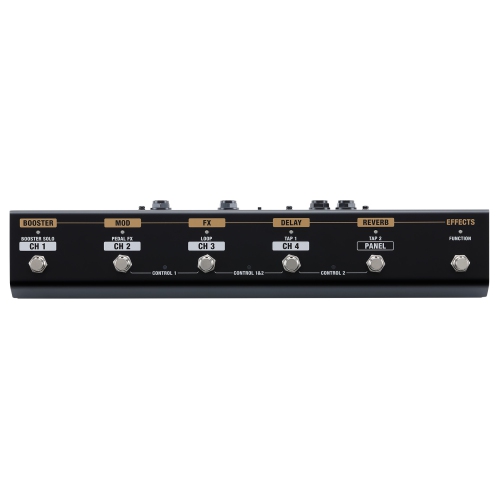
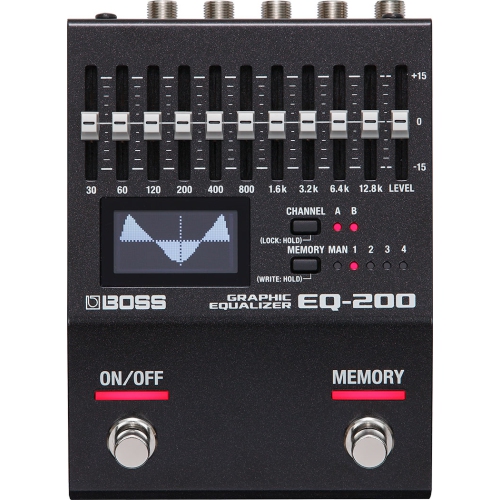
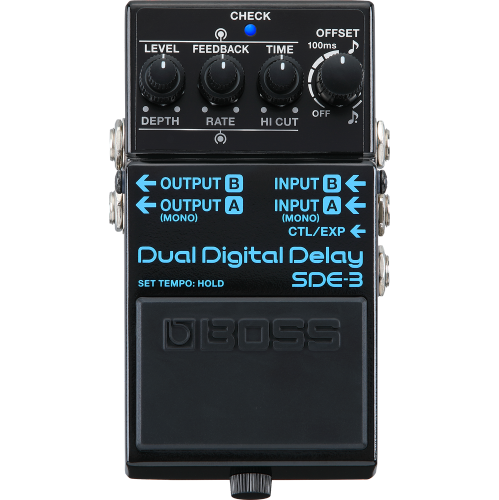
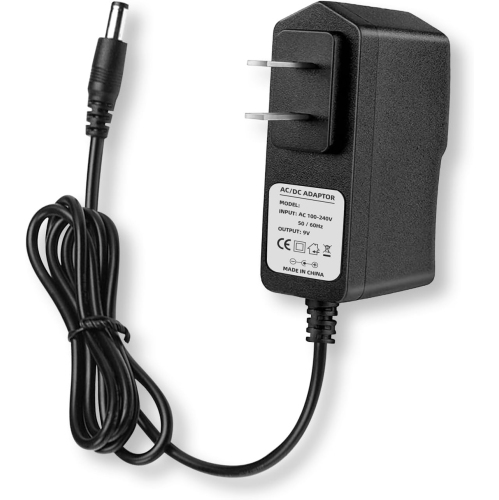
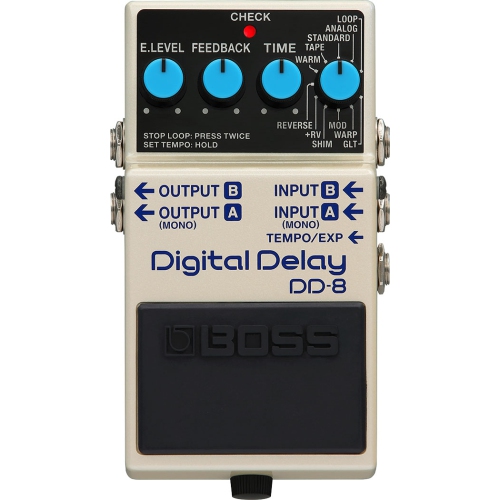
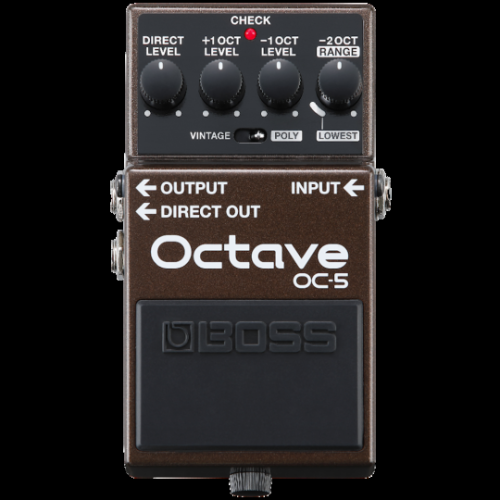
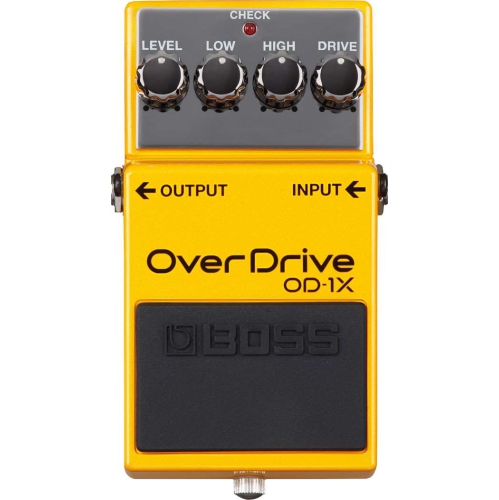
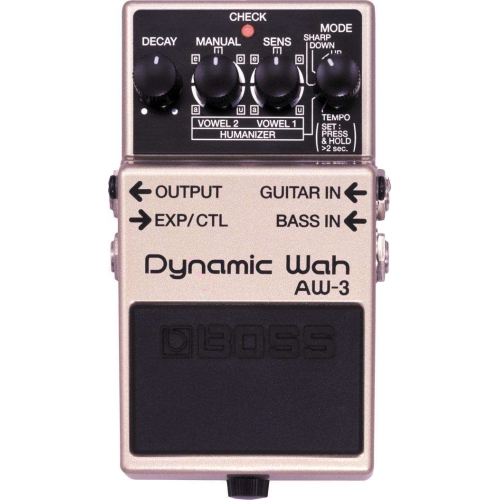
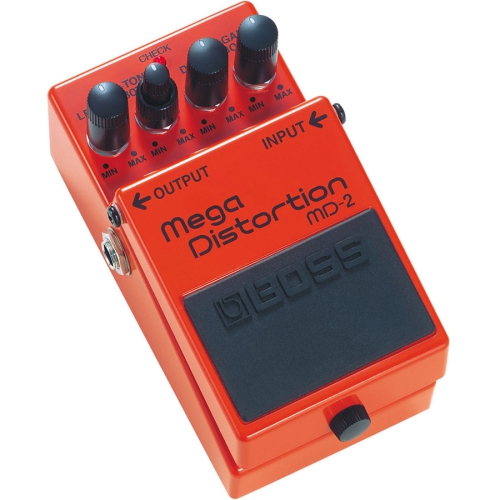
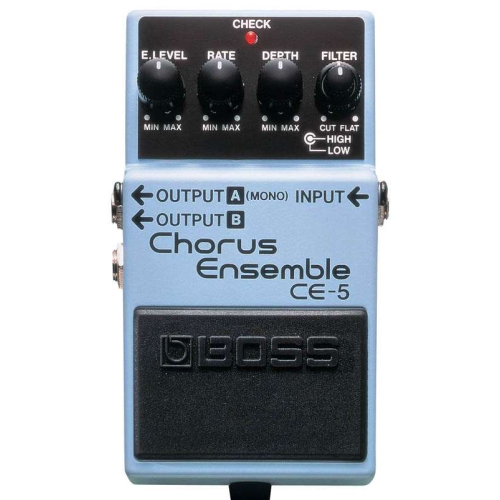
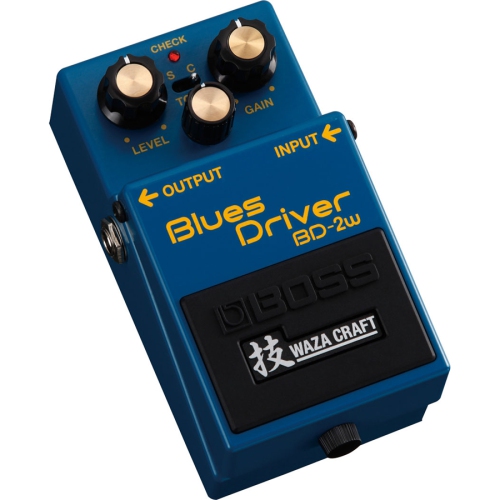
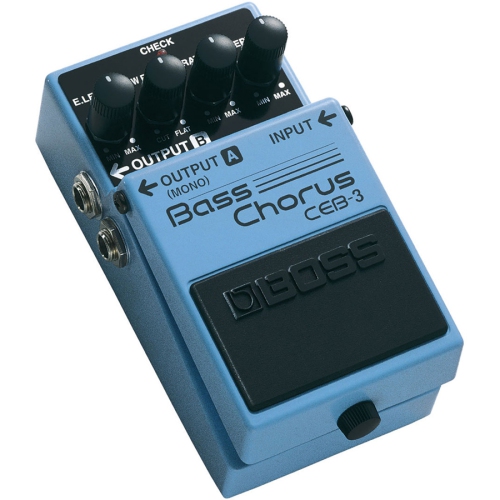
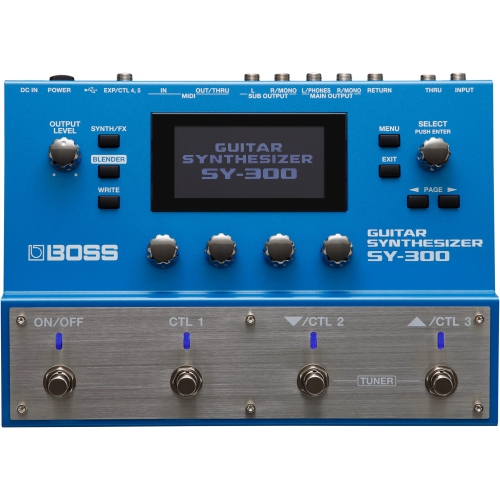

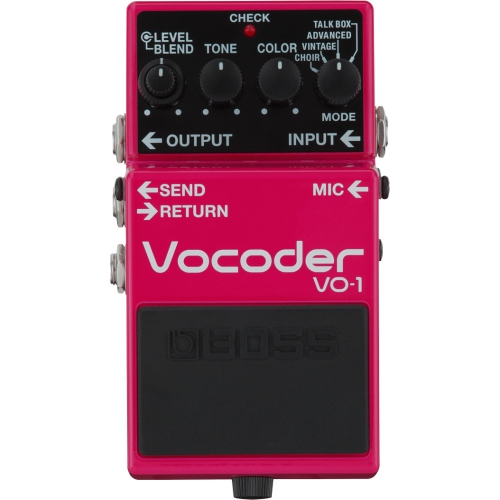
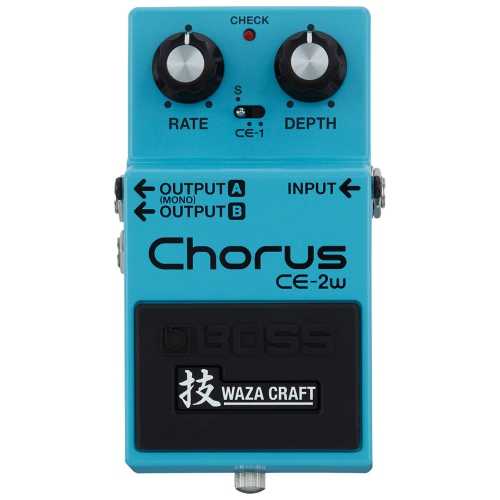
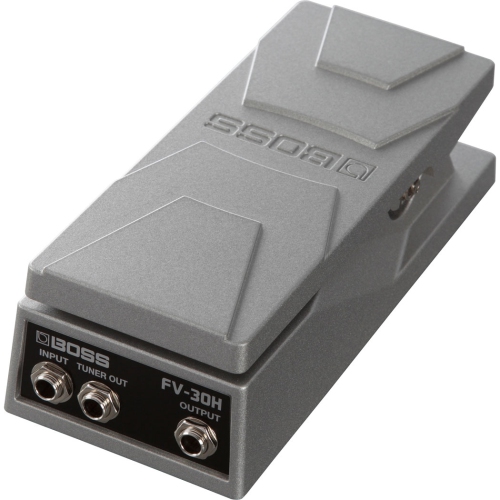
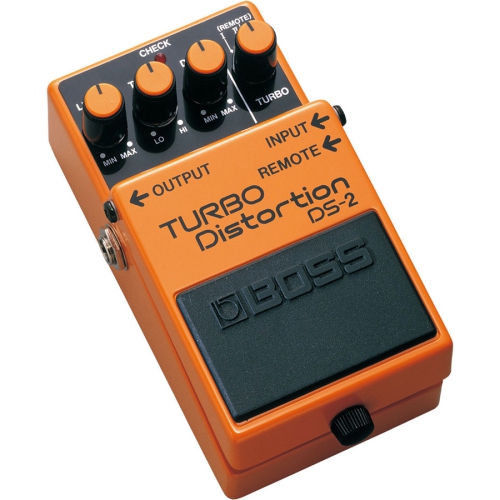

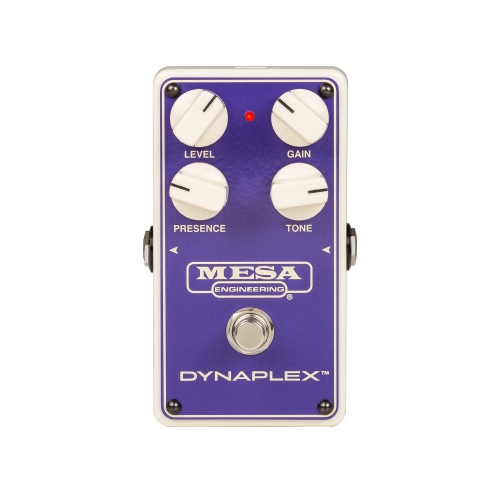
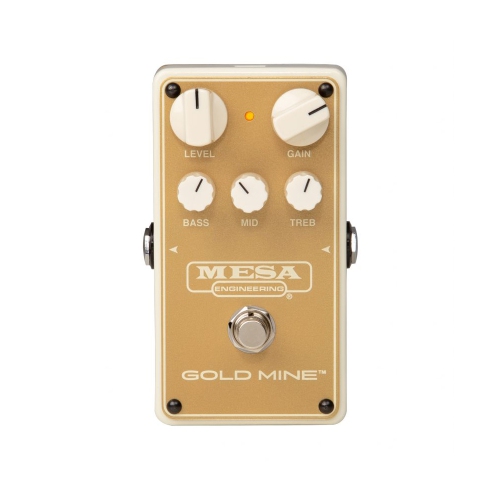
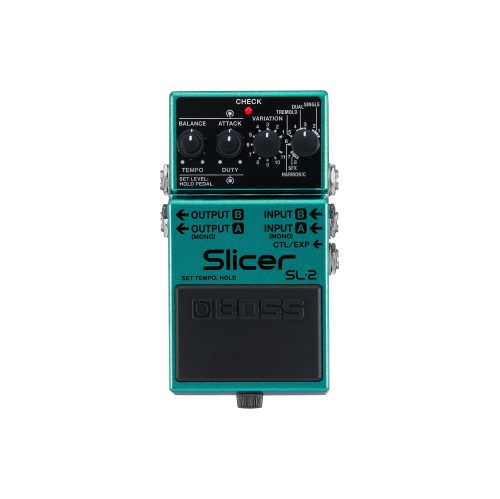
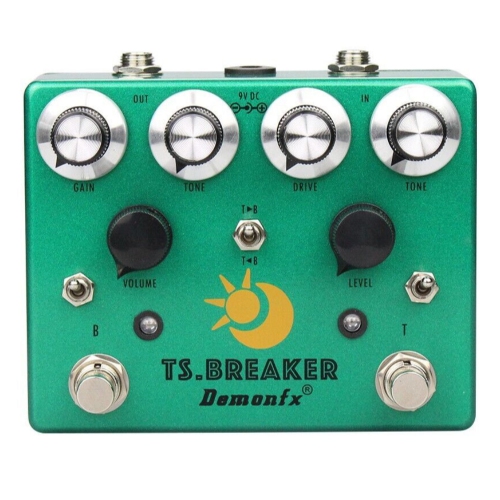
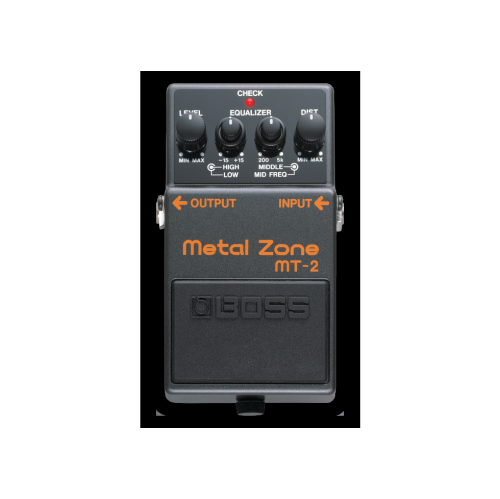
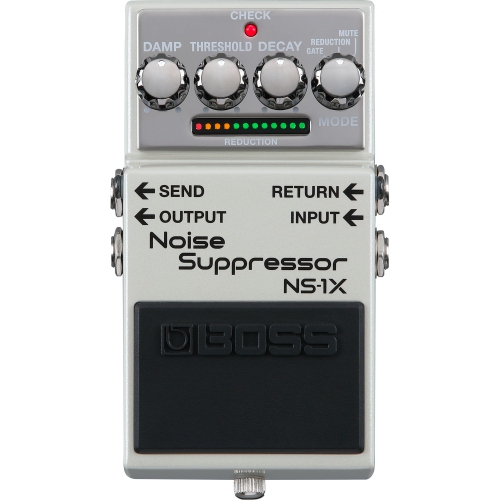
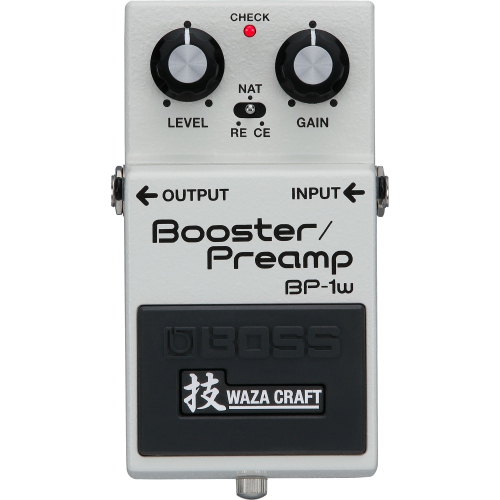
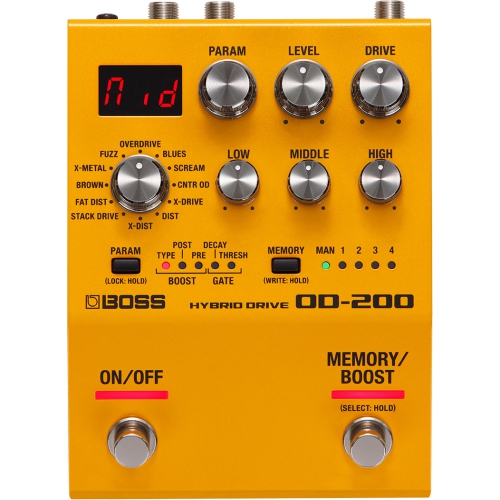
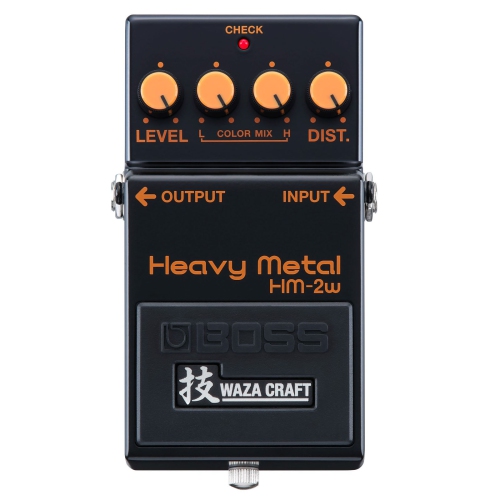
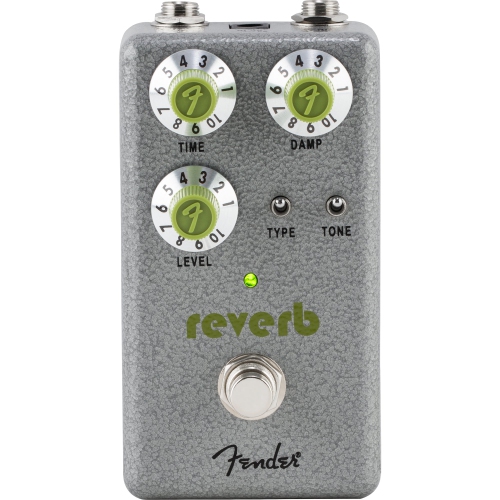

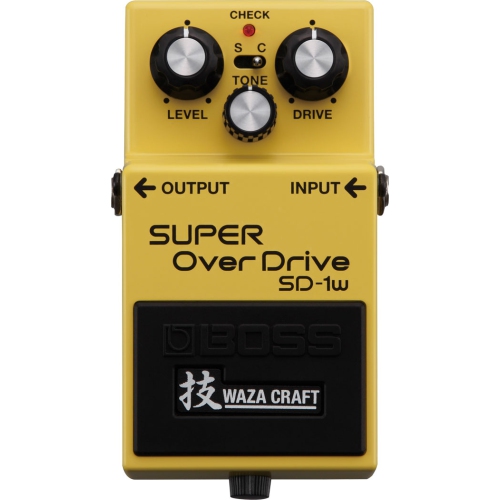
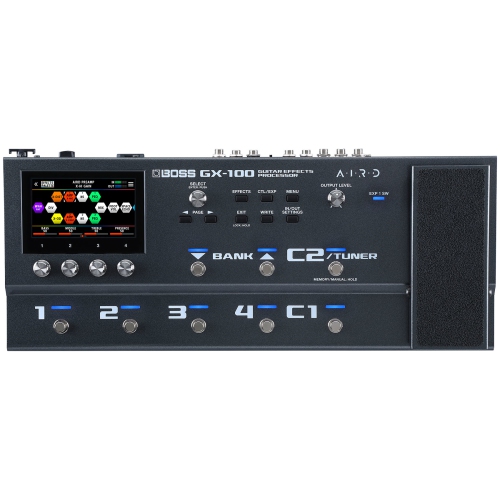
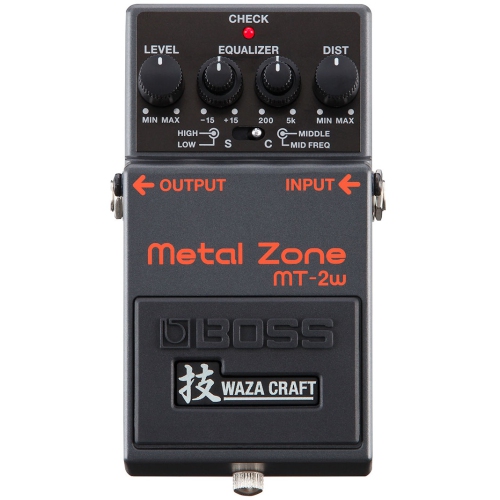
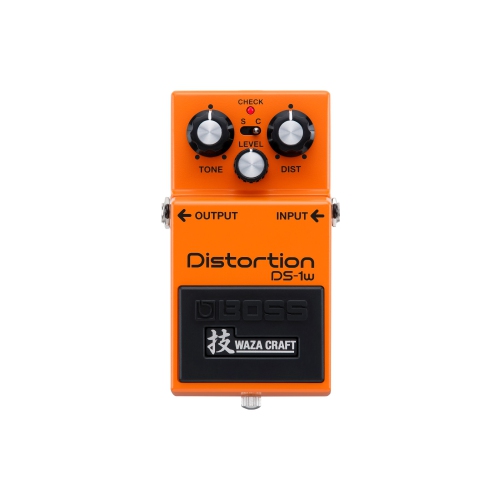
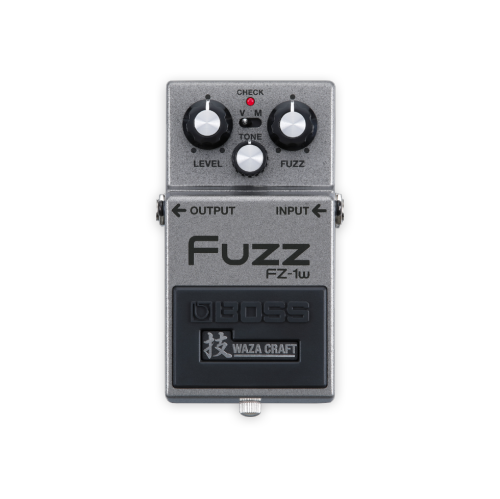
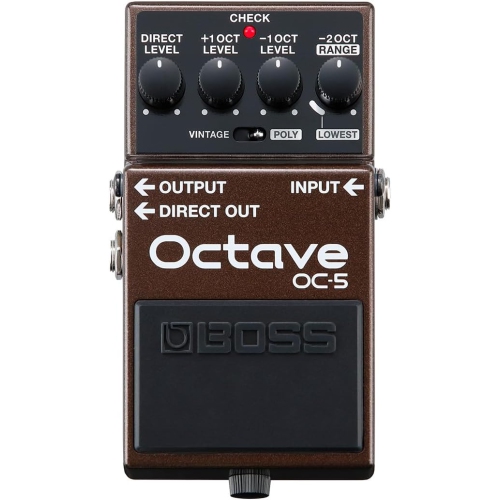
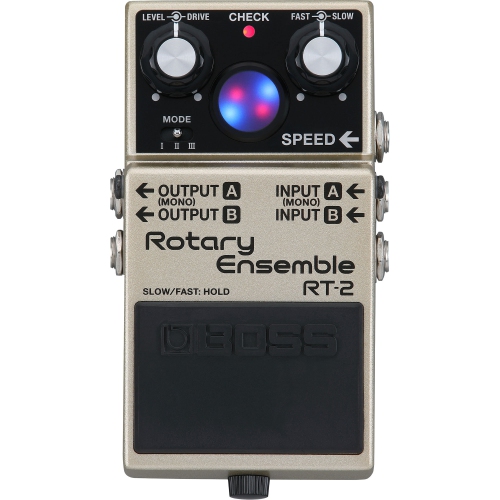
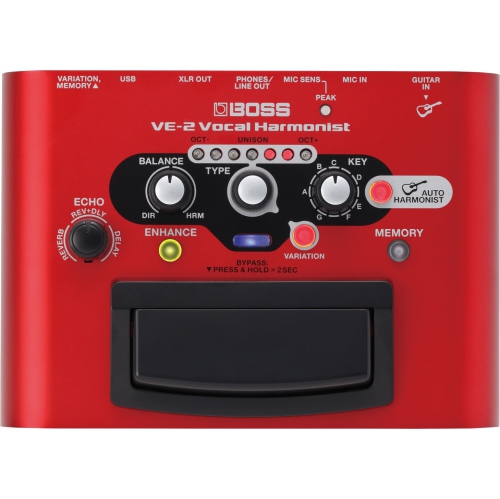
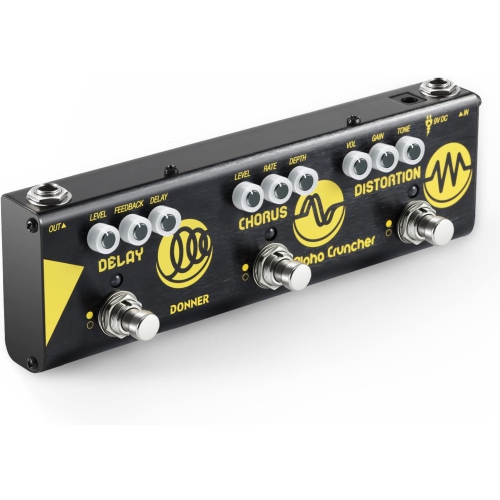
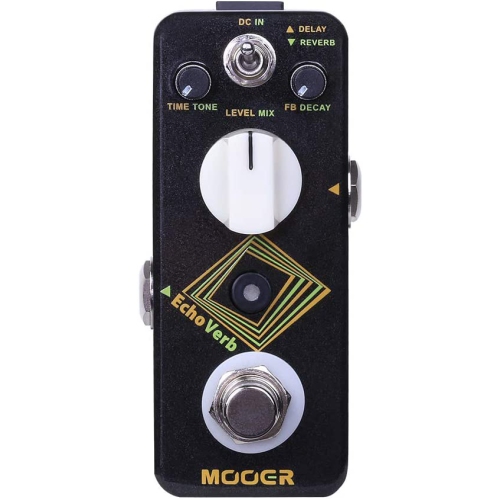
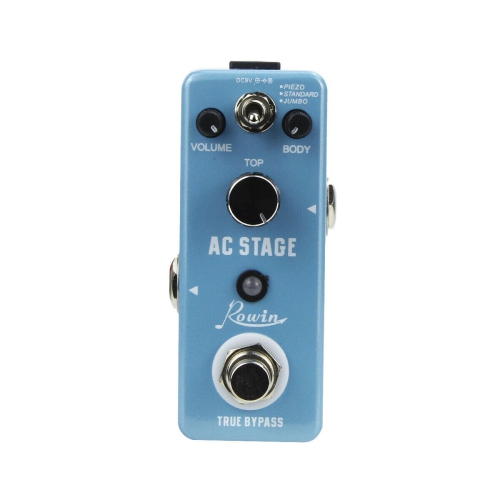
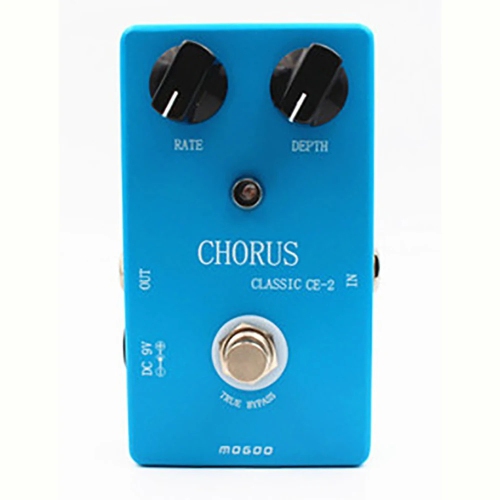
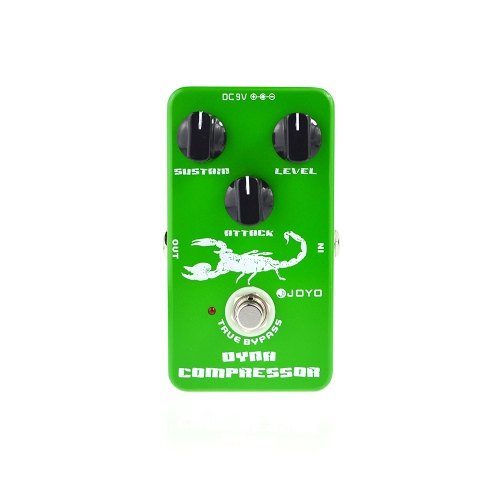
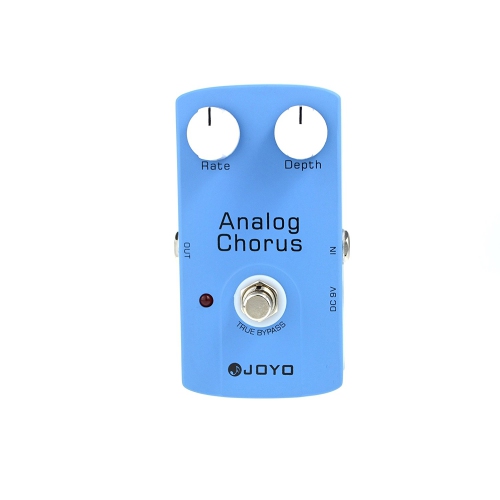
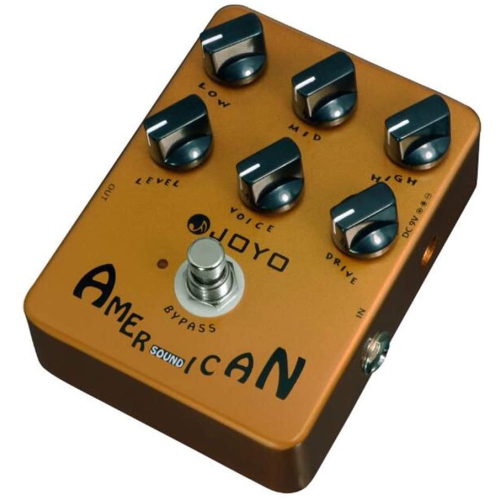
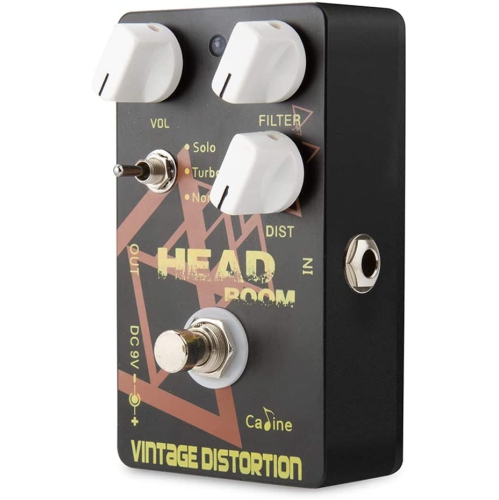
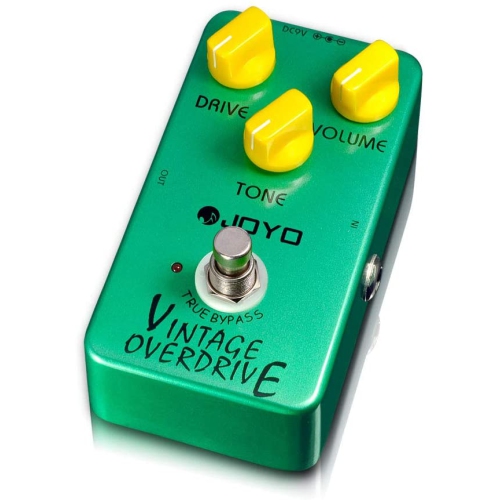
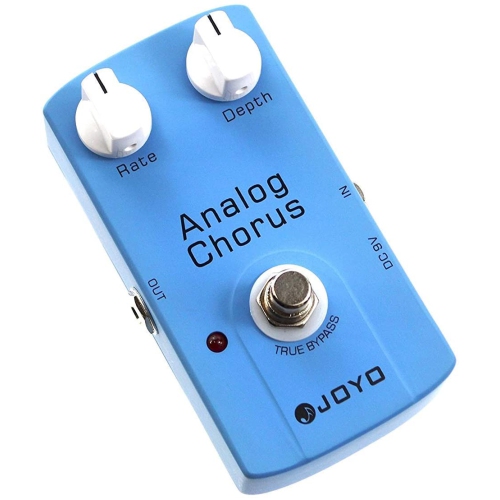
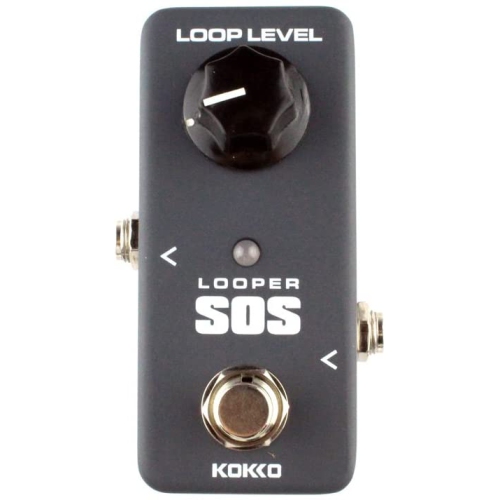
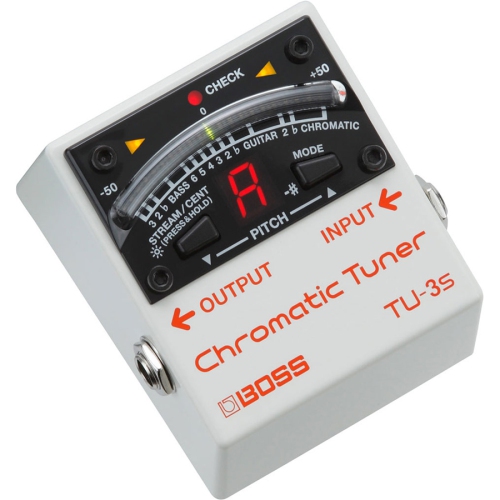
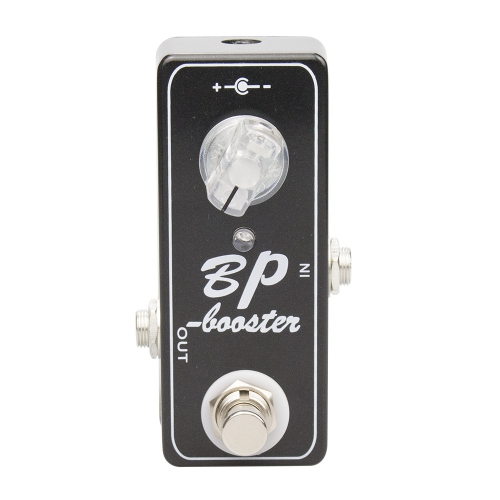
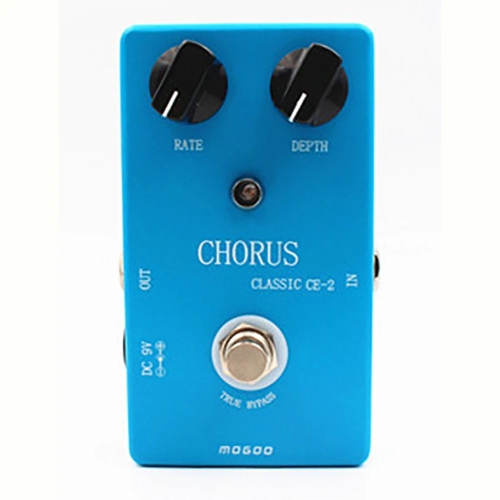
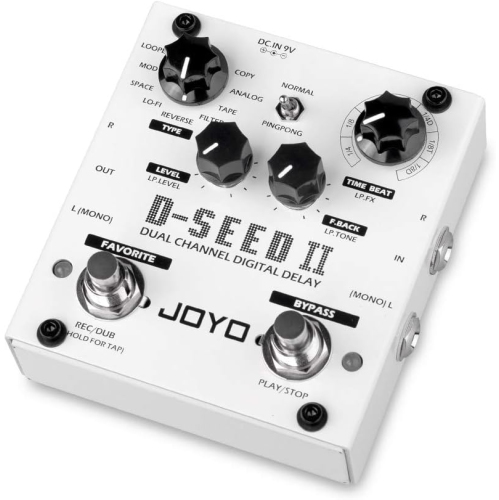
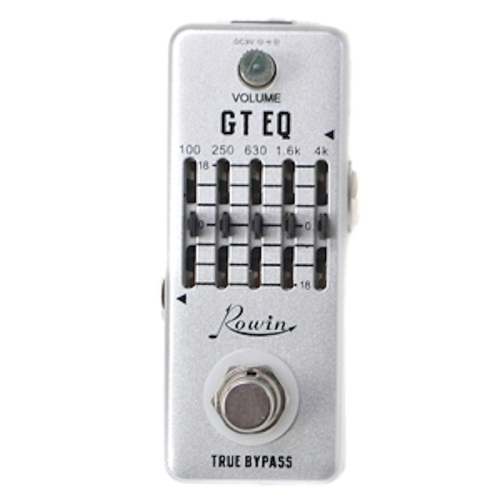
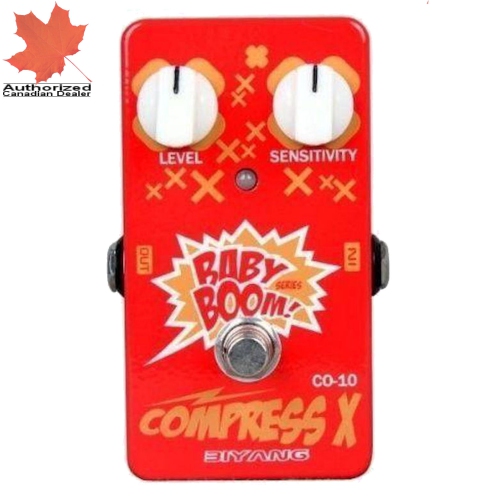
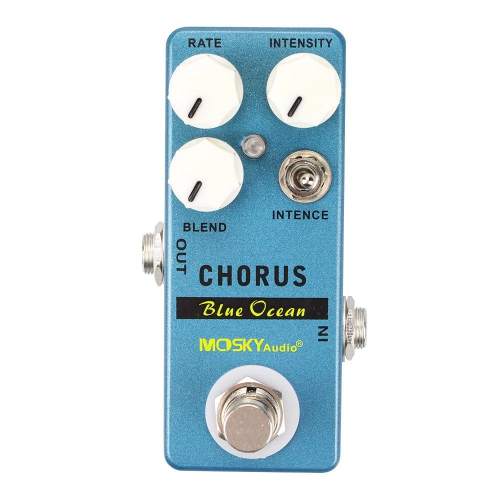
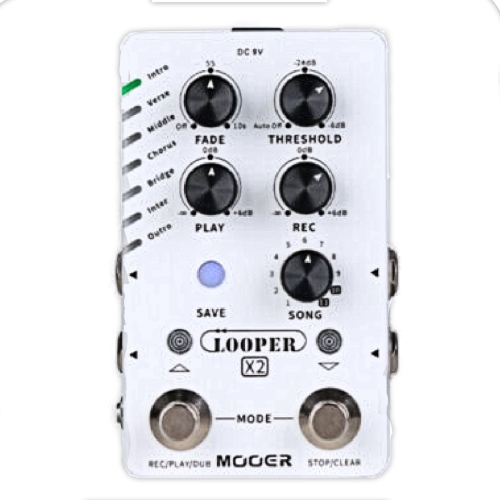
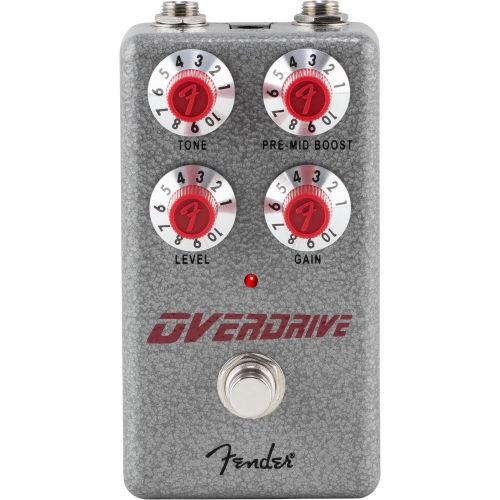
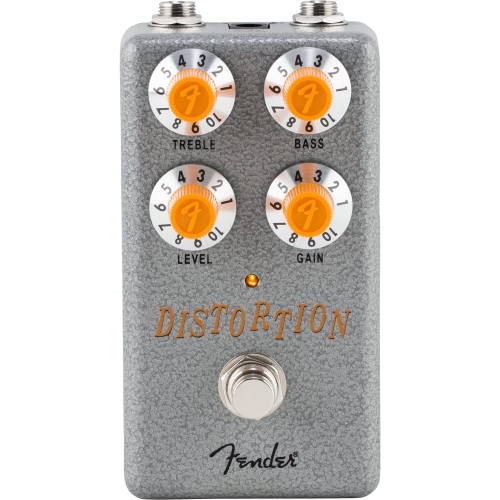
Tone-shaping options for practice, performance, and home recording
Guitar effects pedals give players a practical way to shape the character, energy, and atmosphere of an amplifier without replacing the guitar or rebuilding an entire rig. Compact stompboxes can add overdrive for a warm, responsive edge, distortion for heavier rhythm parts, fuzz for thick vintage-inspired texture, or modulation for movement and shimmer. Delay and reverb can place a melody in a spacious room, create rhythmic repeats, or add a subtle sense of depth to a dry amp sound. Chorus, flanger, phaser, tremolo, pitch effects, octave effects, and looper pedals each bring their own creative possibilities, whether you are refining a carefully planned live set or experimenting in a bedroom, rehearsal space, or home studio. Many players appreciate straightforward controls that make it easy to adjust the sound while standing at a microphone, and rugged footswitches that can handle regular rehearsals, performances, and transport between venues. When choosing guitar pedals, consider the style of music, the amplifier being used, and the role each effect will play in the signal chain. A guitarist who mainly plays blues or classic rock may look for touch-sensitive overdrive that responds to picking strength, while a metal player may prefer tighter, higher-gain distortion with enough tone control to keep low notes defined. Players who write ambient, indie, or experimental music may gravitate toward delay, reverb, looping, or pitch-shifting effects that turn a single guitar into a layered soundscape. It is also worth checking whether a pedal runs on a battery, an adaptor, or a dedicated power supply, and whether its input and output connections suit the rest of the setup. Some pedals are designed for a single instrument signal, while others offer stereo outputs or additional connections for more elaborate rigs. A little planning can prevent crowded boards, unwanted noise, and difficult-to-reach controls, especially when several effects need to be switched on during the same song.
These pedals can suit beginners building their first rig, experienced guitarists fine-tuning a familiar setup, and music lovers looking for a thoughtful gift that encourages hands-on creativity. For someone learning guitar, a simple overdrive, distortion, delay, or looper can make practice more engaging by adding variety to scales, chord changes, and backing rhythms. A looper can record a chord progression with one press, then let the player practise lead lines over it, turning a quiet room into a small private jam session. More experienced musicians may use individual effects to create a distinctive tone for a particular song, or combine several pedals to move from clean verses to saturated choruses with a single tap. Multi-effects units can be useful when a player wants access to a broad collection of sounds in one place, including amp-style voices, modulation, delay, reverb, looping, and other processing options. They can also be convenient for practice and recording when space is limited or when carrying a full pedalboard is not practical. Before adding a new effect, listen for how it complements the existing amplifier and guitar; a bright instrument may benefit from a warmer setting, while a darker-sounding rig may need extra clarity and presence. Try placing gain effects before modulation and time-based effects, then adjust the order when a more unusual texture is desired. Keep cables short where possible, leave enough room to reach each switch, and test the complete chain at rehearsal volume because an effect that sounds subtle at home can become much more prominent through a louder amplifier. Players exploring their broader setup can also browse Guitar Amp Pedals for additional ways to shape their sound. During the cooler months, a compact pedal can be an enjoyable gift for a guitarist spending more time practising indoors, recording ideas, or preparing for upcoming performances. The best choice is usually the one that matches the player’s musical interests and current equipment, while leaving room to discover new sounds with every session.
These pedals can suit beginners building their first rig, experienced guitarists fine-tuning a familiar setup, and music lovers looking for a thoughtful gift that encourages hands-on creativity. For someone learning guitar, a simple overdrive, distortion, delay, or looper can make practice more engaging by adding variety to scales, chord changes, and backing rhythms. A looper can record a chord progression with one press, then let the player practise lead lines over it, turning a quiet room into a small private jam session. More experienced musicians may use individual effects to create a distinctive tone for a particular song, or combine several pedals to move from clean verses to saturated choruses with a single tap. Multi-effects units can be useful when a player wants access to a broad collection of sounds in one place, including amp-style voices, modulation, delay, reverb, looping, and other processing options. They can also be convenient for practice and recording when space is limited or when carrying a full pedalboard is not practical. Before adding a new effect, listen for how it complements the existing amplifier and guitar; a bright instrument may benefit from a warmer setting, while a darker-sounding rig may need extra clarity and presence. Try placing gain effects before modulation and time-based effects, then adjust the order when a more unusual texture is desired. Keep cables short where possible, leave enough room to reach each switch, and test the complete chain at rehearsal volume because an effect that sounds subtle at home can become much more prominent through a louder amplifier. Players exploring their broader setup can also browse Guitar Amp Pedals for additional ways to shape their sound. During the cooler months, a compact pedal can be an enjoyable gift for a guitarist spending more time practising indoors, recording ideas, or preparing for upcoming performances. The best choice is usually the one that matches the player’s musical interests and current equipment, while leaving room to discover new sounds with every session.
Top selling and popular products
-
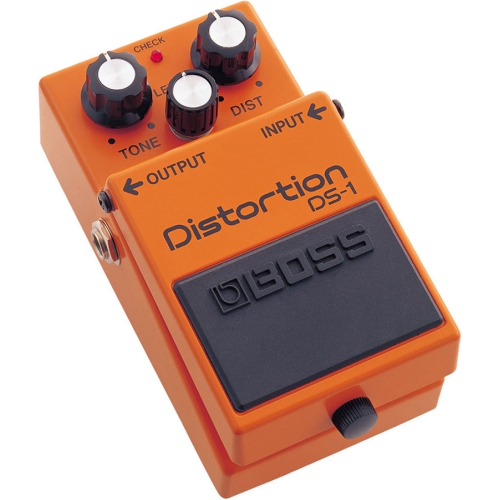 Your price for this item is $89.99
 -
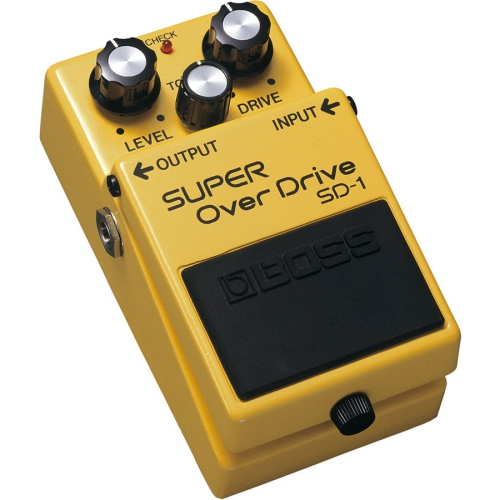 Your price for this item is $89.99
 -
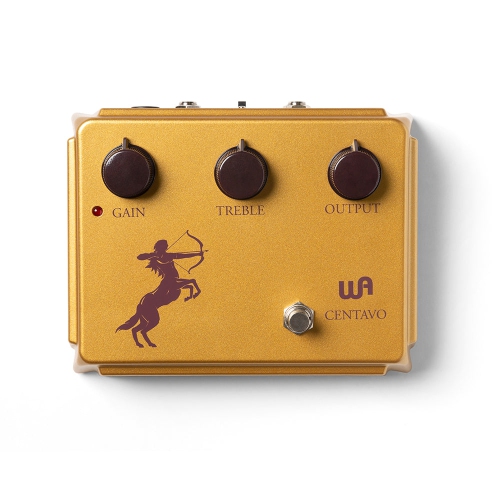 Your price for this item is $289
 -
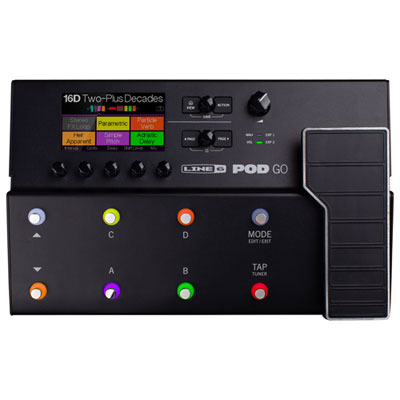 Your price for this item is $589.99
 -
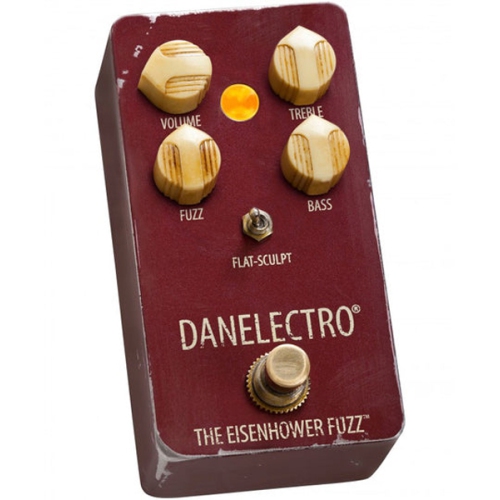 Your price for this item is $164.99
 -
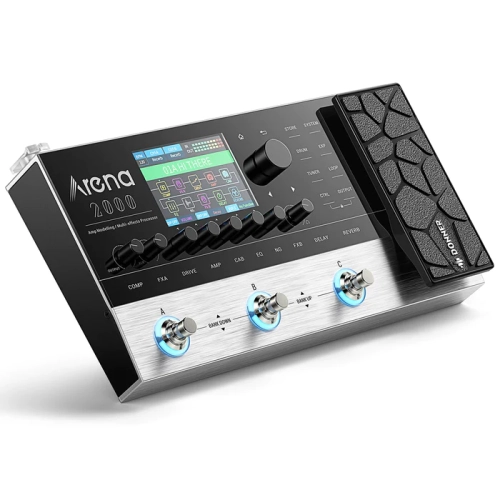 Your price for this item is $209.99
 -
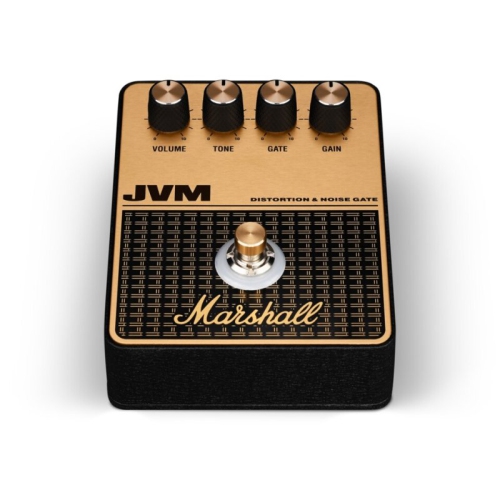 Your price for this item is $249.99
 -
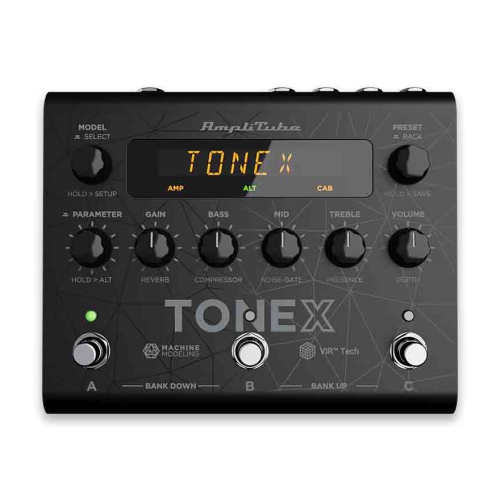 Your price for this item is $599.99
Discover more categories related to Boss Guitar Pedals
Top Collections:
Pokemon Centers, Kindle Devices, Best Budget Office Chairs, Apple iPhones 16, Best Laptops for Writers, iPhone 15 Apple, Canon G7X Cameras, Refurbished Apple Laptops, Alarm Clock, Motorola Razr Phones
Some products may be subject to Environmental Handling Fees
(EHF) depending on your province.
Learn more about EHFs.