Boss Pedal
Elevate your musical creativity with a versatile range of pedals designed to enhance every performance. Whether you're a seasoned musician or just starting out, these pedals offer the perfect blend of innovation and quality to help you craft your unique sound. From adding depth and texture to achieving that perfect tone, these pedals are an essential addition to any setup. Discover the possibilities and unleash your musical potential with tools that inspire and empower your artistic expression.
Sort
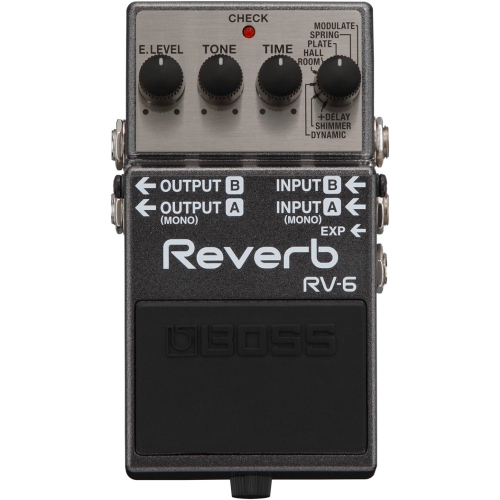
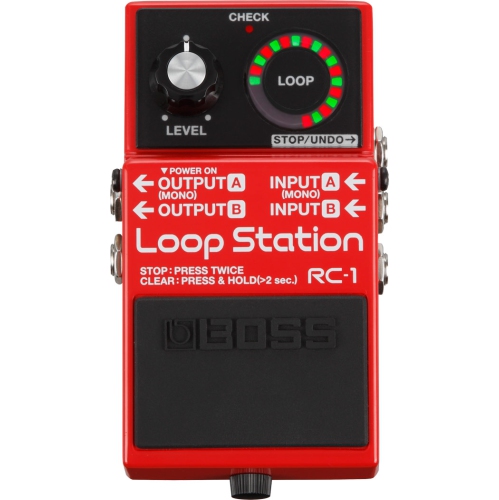
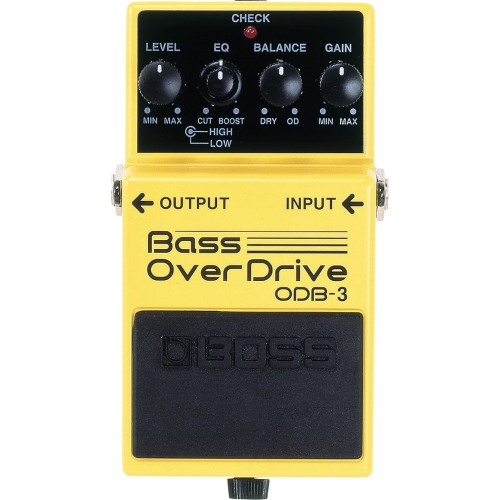
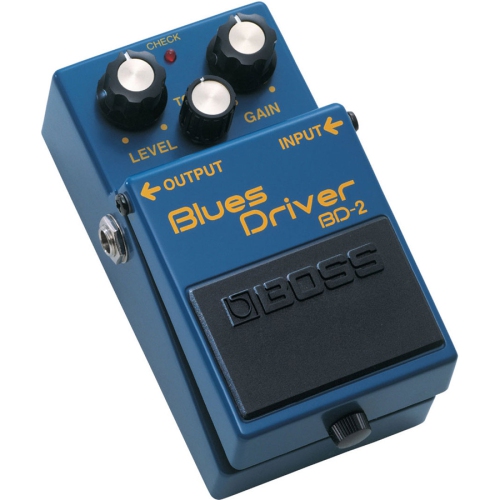

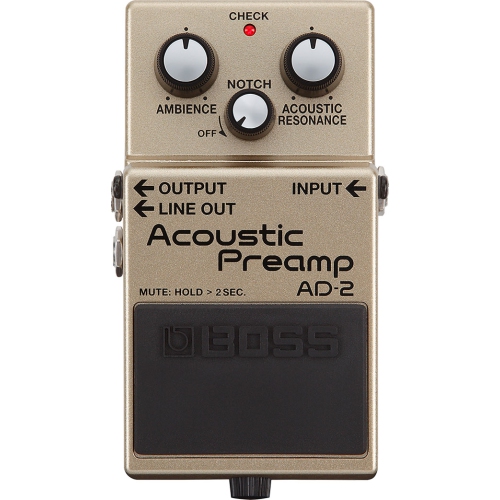
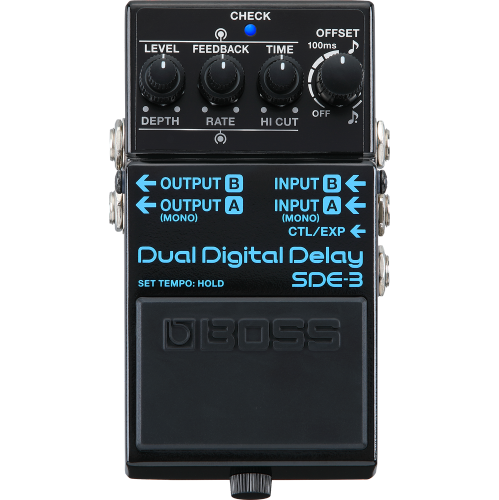
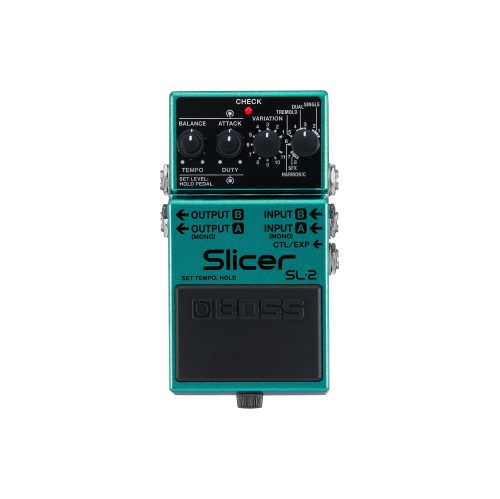
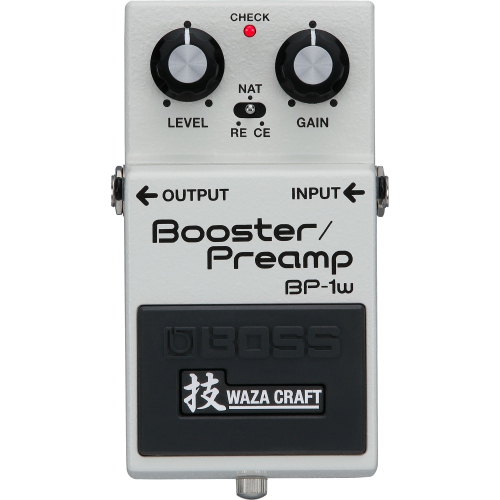
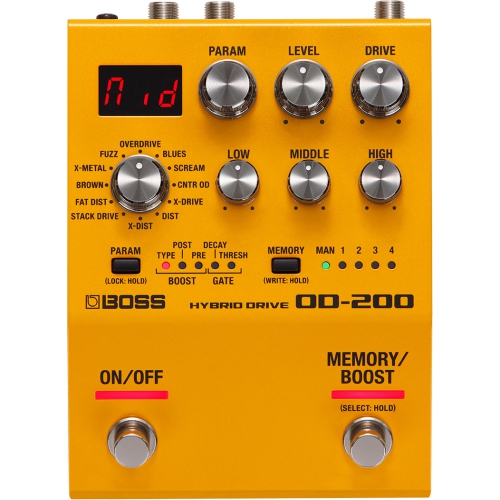
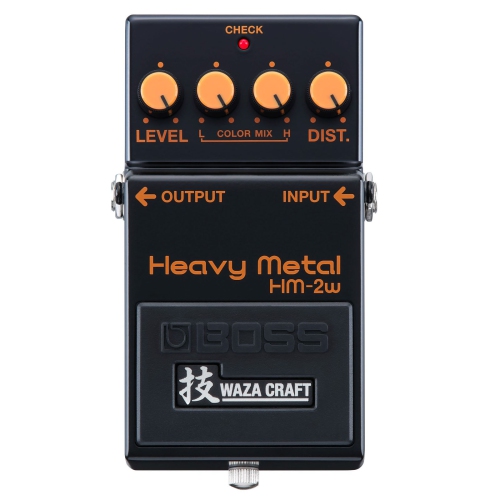
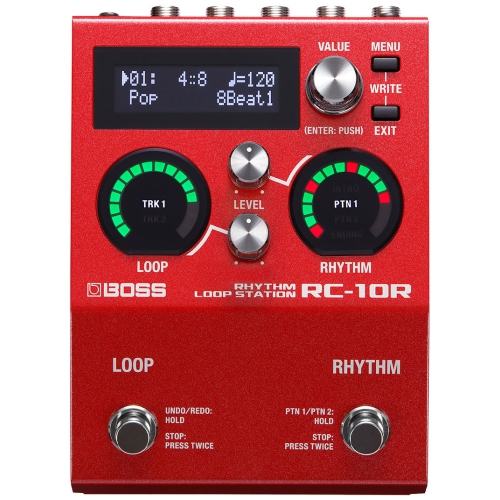

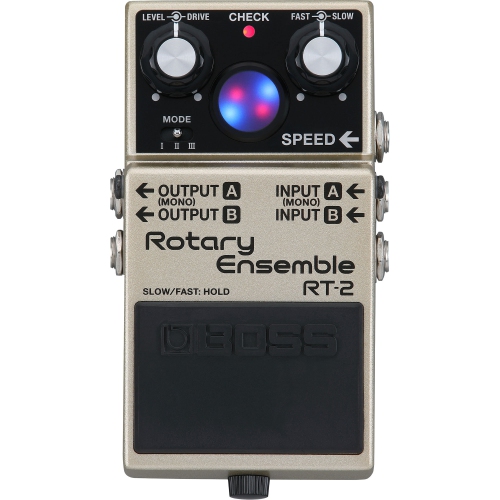
Personal tone takes shape through effects, textures, and control
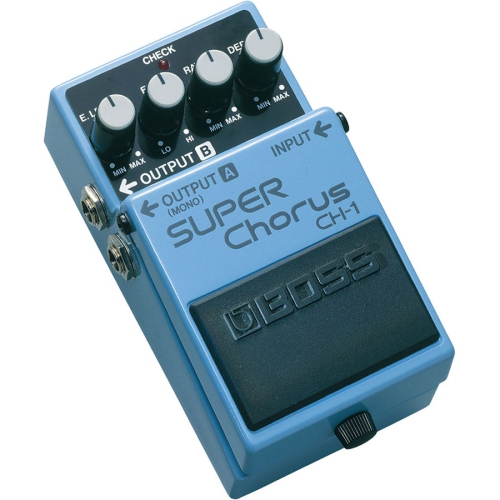
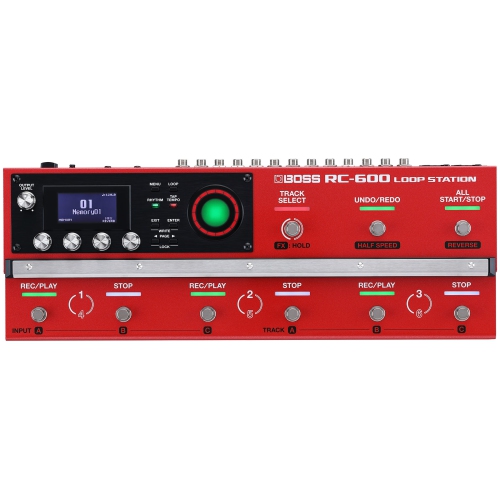
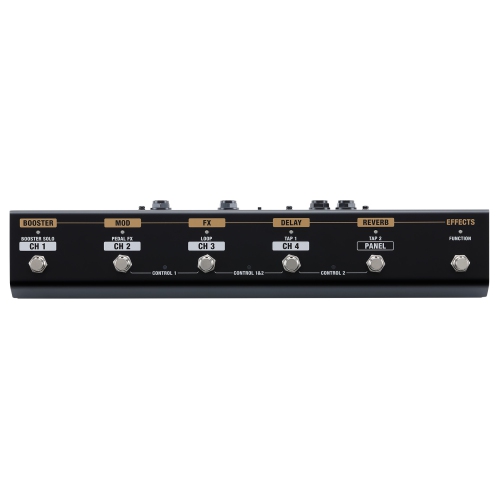
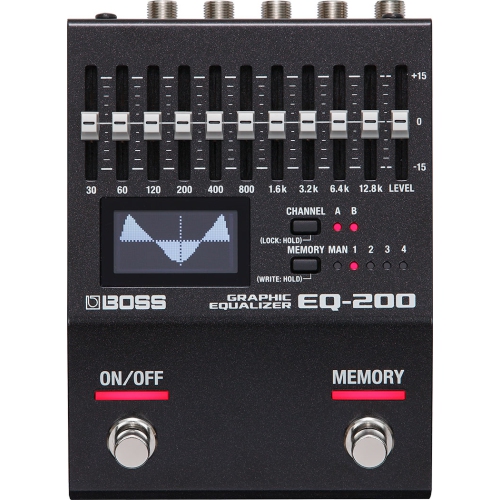
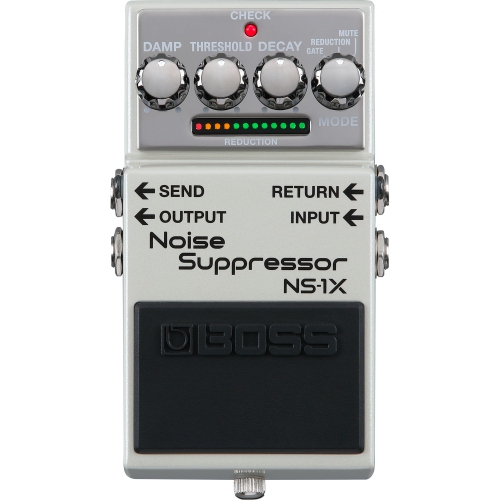
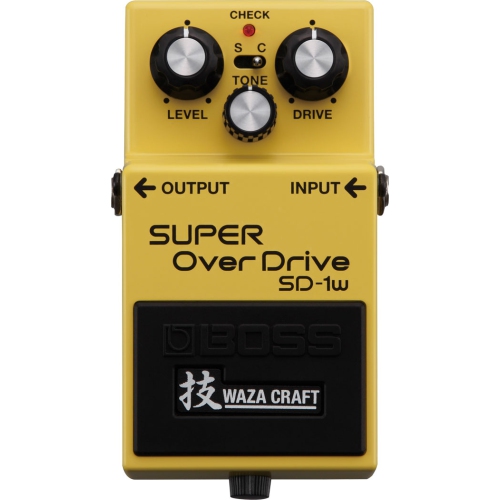
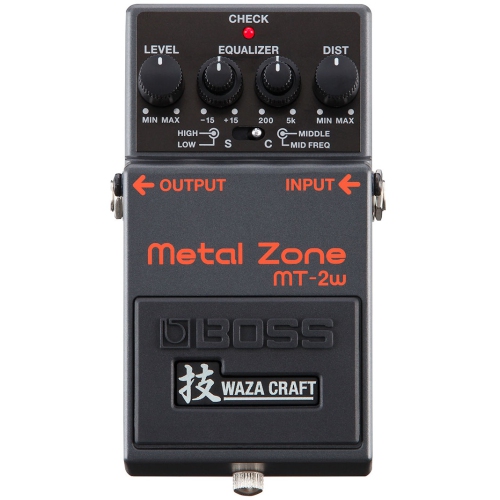
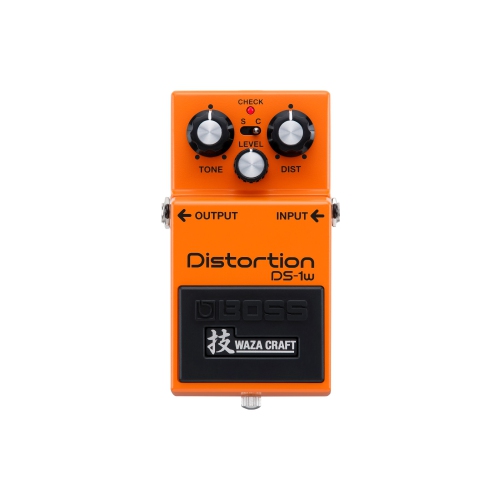
Effect pedals are a practical way for guitarists and bassists to shape their sound, add personality to a performance, and explore new creative directions without replacing the rest of their setup. A pedal can turn a clean, glassy tone into something warm and textured, add a gentle echo that trails behind each note, or create the punch and grit needed for a heavier style. Some players use a single pedal to give their sound a subtle lift, while others build a complete pedalboard that lets them move between rhythm, lead, ambient, and experimental tones with the tap of a foot. This flexibility makes pedals useful for beginners learning how different effects work, experienced musicians refining a familiar sound, and home players looking to make practice sessions more engaging. They can be used with electric guitars, basses, keyboards, and other compatible instruments, although the final result depends on the instrument, amplifier, cables, and signal chain. Exploring the wider selection of Effect Pedals can help players compare different approaches to tone and find an option that suits the way they play. For someone who enjoys recording at home, an effect pedal may add depth and movement before the signal reaches an audio interface. For a performer, it can provide dependable control over changes that would be difficult to achieve by hand. Even a musician who mostly plays in a bedroom, rehearsal space, or small venue can appreciate the immediate, hands-on character of pressing a footswitch and hearing a familiar riff take on a completely different mood.
Choosing the right pedal begins with identifying the sound or function that would be most useful. Distortion, overdrive, and fuzz pedals can add anything from a light breakup that responds to picking dynamics to a thick, saturated tone that fills out a powerful chord. Modulation effects such as chorus, flanger, phaser, and tremolo can introduce movement, shimmer, or rhythmic pulsing, helping simple parts feel wider and more expressive. Delay and reverb create space around the notes, ranging from a short slapback that adds definition to long repeats and spacious trails that suit slower, atmospheric playing. Compression can even out volume differences and make individual notes feel more consistent, while tuning and utility pedals can support the practical side of rehearsing and performing. It is also worth considering how a pedal will fit into the existing signal chain. The order of effects can change the response, and some pedals may interact differently with an amplifier’s clean or overdriven channel. Players who use a pedalboard should look at the available space, power requirements, switch placement, and whether the controls can be adjusted easily while standing. Sturdy construction is helpful for regular use, but portability matters as well for musicians who carry their equipment to lessons, rehearsals, open stages, or recording sessions. Beginners may appreciate straightforward controls and clear indicators, while more advanced players may prefer extra settings that allow detailed shaping of attack, tone, mix, feedback, or output level. Trying a new pedal can also be part of developing a personal playing style: a guitarist might use a touch of overdrive to make blues phrases feel more responsive, a bassist might add compression for a steadier groove, or a songwriter might use delay to turn a spare melody into the foundation of a full arrangement.
Pedals can make thoughtful gifts for musicians because they are compact, useful, and closely connected to personal taste. They may suit a guitarist who is building a first pedalboard, a student preparing for performances, or an experienced player who enjoys experimenting with different textures. If the recipient’s preferred style is known, an effect that supports that sound can feel especially personal; otherwise, a versatile pedal with accessible controls can leave room for discovery. It is helpful to check whether the musician uses guitar, bass, or another instrument, and whether their current setup requires a particular power supply, battery, cable, or adapter. A pedal does not need to be reserved for stage use, either. During the cooler months, when more time may be spent indoors, it can bring fresh energy to practice in a music room or living space, encouraging players to revisit old songs and find new ideas in familiar chord shapes. A small change in tone can make a routine warm-up feel more rewarding, while recording a loop and layering effects can turn an evening practice session into a complete creative project. Musicians often remember the first time a pedal helped them discover a sound that felt distinctly their own: the soft bloom of reverb behind a sustained note, the gritty edge that made a chorus stand out, or the repeating echo that seemed to follow each phrase down an empty hallway. With the right fit for the instrument, playing habits, and existing equipment, an effect pedal can be both a useful addition and an invitation to keep exploring.
Choosing the right pedal begins with identifying the sound or function that would be most useful. Distortion, overdrive, and fuzz pedals can add anything from a light breakup that responds to picking dynamics to a thick, saturated tone that fills out a powerful chord. Modulation effects such as chorus, flanger, phaser, and tremolo can introduce movement, shimmer, or rhythmic pulsing, helping simple parts feel wider and more expressive. Delay and reverb create space around the notes, ranging from a short slapback that adds definition to long repeats and spacious trails that suit slower, atmospheric playing. Compression can even out volume differences and make individual notes feel more consistent, while tuning and utility pedals can support the practical side of rehearsing and performing. It is also worth considering how a pedal will fit into the existing signal chain. The order of effects can change the response, and some pedals may interact differently with an amplifier’s clean or overdriven channel. Players who use a pedalboard should look at the available space, power requirements, switch placement, and whether the controls can be adjusted easily while standing. Sturdy construction is helpful for regular use, but portability matters as well for musicians who carry their equipment to lessons, rehearsals, open stages, or recording sessions. Beginners may appreciate straightforward controls and clear indicators, while more advanced players may prefer extra settings that allow detailed shaping of attack, tone, mix, feedback, or output level. Trying a new pedal can also be part of developing a personal playing style: a guitarist might use a touch of overdrive to make blues phrases feel more responsive, a bassist might add compression for a steadier groove, or a songwriter might use delay to turn a spare melody into the foundation of a full arrangement.
Pedals can make thoughtful gifts for musicians because they are compact, useful, and closely connected to personal taste. They may suit a guitarist who is building a first pedalboard, a student preparing for performances, or an experienced player who enjoys experimenting with different textures. If the recipient’s preferred style is known, an effect that supports that sound can feel especially personal; otherwise, a versatile pedal with accessible controls can leave room for discovery. It is helpful to check whether the musician uses guitar, bass, or another instrument, and whether their current setup requires a particular power supply, battery, cable, or adapter. A pedal does not need to be reserved for stage use, either. During the cooler months, when more time may be spent indoors, it can bring fresh energy to practice in a music room or living space, encouraging players to revisit old songs and find new ideas in familiar chord shapes. A small change in tone can make a routine warm-up feel more rewarding, while recording a loop and layering effects can turn an evening practice session into a complete creative project. Musicians often remember the first time a pedal helped them discover a sound that felt distinctly their own: the soft bloom of reverb behind a sustained note, the gritty edge that made a chorus stand out, or the repeating echo that seemed to follow each phrase down an empty hallway. With the right fit for the instrument, playing habits, and existing equipment, an effect pedal can be both a useful addition and an invitation to keep exploring.
Top selling and popular products
-
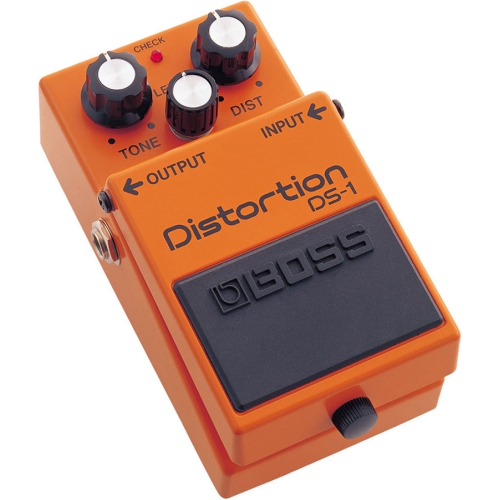 Your price for this item is $89.99
 -
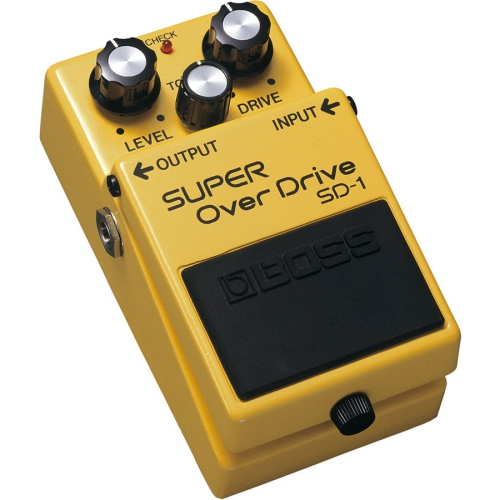 Your price for this item is $89.99
 -
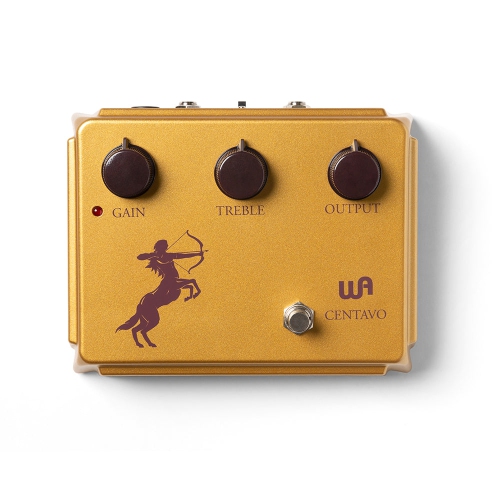 Your price for this item is $289
 -
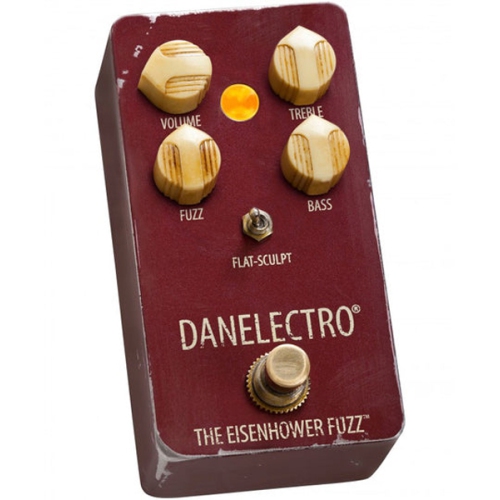 Your price for this item is $164.99
 -
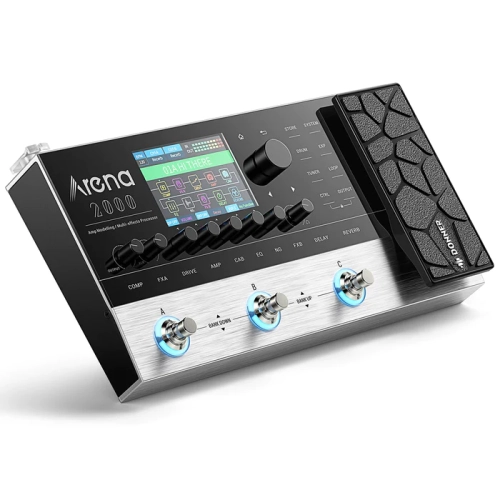 Your price for this item is $209.99
 -
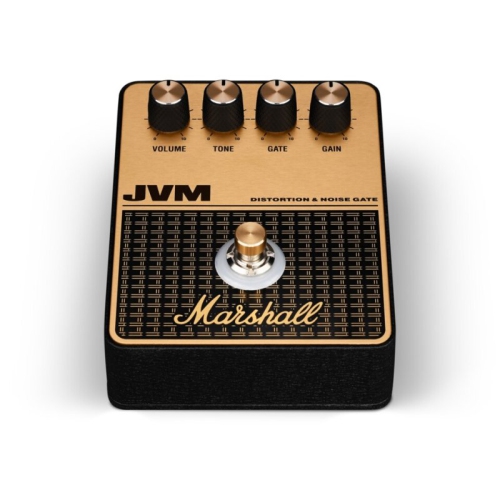 Your price for this item is $249.99
 -
 Your price for this item is $249.99
 -
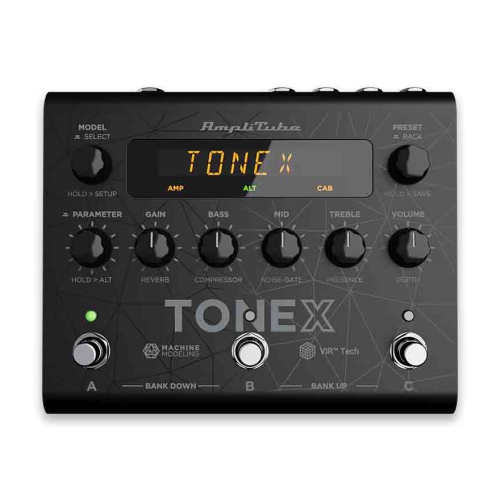 Your price for this item is $599.99
Discover more categories related to Boss Pedal
Top Collections:
Pokemon Centers, Kindle Devices, Best Budget Office Chairs, Apple iPhones 16, Canon G7X Cameras, iPhone 15 Apple, Alarm Clock, Refurbished Apple Laptops, Flip Phones, Best Laptops for Writers
Some products may be subject to Environmental Handling Fees
(EHF) depending on your province.
Learn more about EHFs.